博客

  • Let Taiwan contribute to the shared responsibility of reshaping global health

    Let Taiwan contribute to the shared responsibility of reshaping global health

    Nestled at the end of the decommissioned E.T. Joshua Airport runway, a transformative healthcare infrastructure project is steadily taking shape in St. Vincent and the Grenadines: the Arnos Vale Acute Care Hospital (AVACH), a landmark initiative born from 45 years of diplomatic partnership between Taiwan and the Caribbean nation, rooted in the shared values of interconnected development and people-centered progress.

    This new acute care facility is far more than a construction project—it is a tangible demonstration of Taiwan’s longstanding commitment to advancing mutual progress alongside St. Vincent and the Grenadines, a partnership that has already delivered critical connectivity infrastructure ranging from Argyle International Airport to the modernization of Kingstown Port. Once fully completed, AVACH will deliver comprehensive acute care and expand access to specialized allied health services, fundamentally reshaping how routine healthcare is delivered across the country.

    For generations of Vincentians, accessing advanced specialized care required costly, burdensome travel to other regional medical hubs. That reality is set to change with the opening of AVACH, which will bring life-saving care within the country’s borders, eliminating the financial and logistical barriers that have long limited access. Beyond expanding service access, the hospital will also strengthen St. Vincent and the Grenadines’ overall public health capacity, boosting the nation’s resilience to respond to domestic health crises and cross-border global health emergencies.

    AVACH is not the only example of the two nations’ deep collaborative work in public health. The Public Health Emergency Response System Enhancement Project, a four-year joint initiative, has delivered tailored training in emergency response and public health safety to more than 200 local police officers, firefighters, and medical professionals. Trained personnel from the program have already provided critical medical support for major international events hosted by St. Vincent and the Grenadines, including the CELAC Summit and the Cricket World Cup, serving both local residents and visiting global leaders while strengthening the country’s capacity to engage with the international community.

    As the 79th World Health Assembly (WHA) gets underway in Geneva, Switzerland from May 18 to 23 under the official theme “Reshaping Global Health — Shared Responsibility,” Taiwan is highlighting its proven track record as a capable, willing partner ready to share its public health expertise and experience with the global community. Leveraging its world-leading information and communications technology sector, Taiwan has built a world-class domestic healthcare system anchored by its comprehensive National Health Insurance program, cloud-based MediCloud infrastructure, widespread adoption of electronic medical records (implemented in 2010), a national telemedicine program launched in 2020, and a fully developed smart healthcare ecosystem that the country is eager to share with partners across the globe.

    The COVID-19 pandemic underscored a universal truth: real-time, cross-border information sharing is irreplaceable in the fight against transboundary emerging infectious diseases that do not recognize national borders. Despite being wrongfully excluded from the World Health Organization (WHO) and the WHA due to political pressure, Taiwan has leveraged its technological strengths to build a comprehensive, responsive infectious disease surveillance system. The country has consistently been among the first to detect and report new emerging cases to the WHO, sharing full viral gene sequences promptly to enable the global public health community to prepare and respond rapidly.

    At this year’s WHA opening, WHO Director-General Dr. Tedros Adhanom Ghebreyesus affirmed that the highest attainable standard of health is “not as a luxury for some, but a right for all.” Yet Taiwan remains locked out of participation in this year’s assembly, a contradiction that undermines the WHO’s stated core values. Taiwan is calling on the WHO to uphold its founding commitments to professional neutrality and allow Taiwan’s meaningful participation in all WHO meetings, activities, and formal mechanisms. Including Taiwan would strengthen the comprehensiveness and effectiveness of the global health architecture, letting this responsible, trusted global contributor fulfill its shared responsibility in reshaping the future of global public health.

    This op-ed is written by Fiona Huei-Chun Fan, Taiwan’s ambassador to St. Vincent and the Grenadines. The views expressed are solely those of the author and do not necessarily represent the official editorial stance of iWitness News.

  • New Cheddi Jagan Airport air traffic control tower to create more space for expansion

    New Cheddi Jagan Airport air traffic control tower to create more space for expansion

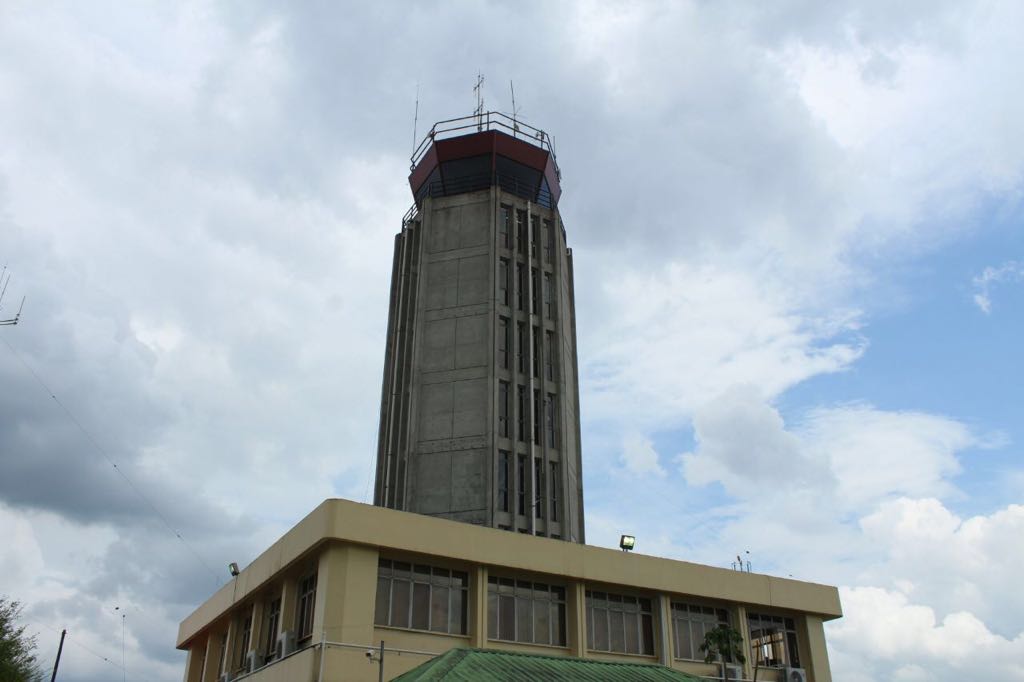
    On Wednesday, May 20, 2026, Guyana’s Minister of Aviation Deodat Indar announced a critical infrastructure development plan that will reshape the country’s aviation sector: the construction of a brand-new Air Traffic Control Tower at the Cheddi Jagan International Airport (CJIA), located in Timehri along the East Bank Demerara. The announcement came during a press briefing previewing the third International Civil Aviation Organization/European Union Aviation Safety Agency Global Regional Safety Oversight Organization (RSOO) and Regional Accident and Incident Investigation Organization (RAIO) Forum on Aviation Safety, which is scheduled to take place in Guyana September 29–30.

    According to Indar, relocating and rebuilding the control tower is a necessary first step to unlock large-scale expansion of the already strained CJIA, which has seen explosive growth in air traffic over the past five years. The new tower will be constructed on the opposite side of the airport’s existing footprint, creating space to add additional aircraft parking aprons to accommodate more concurrent arrivals and departures.

    Indar emphasized that growing congestion has already created operational challenges at the hub. In 2020, just four airlines operated out of CJIA; today, that number has jumped to 16. During peak periods, when multiple flights arrive within a narrow window, the airport runs out of available parking space, forcing incoming aircraft to hold on taxiways waiting for available spots. This bottleneck slows operations and limits the airport’s ability to support further growth in Guyana’s aviation sector.

    The new ATC tower is just one component of a nationwide aviation modernization push taking place across the country. Indar noted that the overhaul extends beyond infrastructure to include updates to national aviation laws and regulatory frameworks, as well as upgrades at all of Guyana’s aerodromes. Planned upgrades include new security scanners, expanded closed-circuit camera coverage, automated inline baggage handling systems, and modernized digital check-in systems to improve passenger experience and security.

    Official data shared by the minister underscores the rapid expansion driving these changes: total aircraft movements across Guyana rose from 63,863 in 2020 to 99,508 by the end of 2025, a more than 55% increase in just five years. For Indar, this surge in air traffic is more than an operational challenge—it is a clear indicator of broader economic growth across the country. “It tells you movement is a sign of economic activity. It tells you what’s happening in the sector,” he said, framing the modernization efforts as a direct investment in Guyana’s ongoing economic expansion.

  • ‘Major announcement’ about ULP’s ‘future trajectory’

    ‘Major announcement’ about ULP’s ‘future trajectory’

    Five months after suffering a historic defeat in the November 2025 general election that ended its 25-year consecutive run in power, St. Vincent and the Grenadines’ main opposition Unity Labour Party (ULP) has gathered its national leadership and grassroots supporters for its first post-election national council meeting in the capital city of Kingstown. The high-stakes gathering, which marked the party’s first major assembly of loyal members since the election, brought 617 delegates from every national constituency into the meeting hall, with an additional 150 passionate supporters gathering outside to demonstrate the party’s enduring grassroots strength, the ULP confirmed in an official press release.

    During the meeting, several party figures who lost their parliamentary seats in the 2025 poll delivered keynote remarks to attendees. These included former North Leeward Member of Parliament Carlos James, who lost his re-election bid after just one term in office — a first for the constituency in decades, as well as Orando Brewster, who became the first ULP candidate to lose the Central Leeward seat in 30 years after falling just 49 votes short of victory in 2025, following a 503-vote win for him there in 2020. Former Senator Ashelle Morgan also delivered widely noted remarks to the assembled delegates.

    The keynote address was delivered by Ralph Gonsalves, who serves as both Opposition Leader and ULP political leader, and was the only ULP candidate to win a parliamentary seat in the 2025 general election. Gonsalves delivered a rousing message of resilience and national reconciliation to the party’s rank-and-file members, urging attendees to reframe their election setback as a catalyst for future progress. He called for party members to prioritize grace and inclusivity, encouraging them to welcome voters who supported the winning New Democratic Party (NDP) in the election but have since grown dissatisfied with the new administration’s policies. Gonsalves emphasized that uniting with these disaffected voters would allow the ULP to work toward the betterment of all St. Vincent and the Grenadines, while also addressing and correcting the strategic mistakes the party made during last year’s election campaign.

    The 2025 election delivered a landslide victory to the NDP, which secured 14 of the 15 available parliamentary seats and won over 10,000 more popular votes than the incumbent ULP. This result marked the most lopsided election win for any party in the country since 1989, when the NDP won a clean sweep of all 15 parliamentary seats.

    During his address, Gonsalves also highlighted the work of the ULP’s newly activated People’s Defence Committee (PDC), a body established to process and advocate for citizen complaints against the new NDP administration. Gonsalves noted that the PDC is already providing critical support to two vulnerable groups: residents struggling to keep up with payments for land sold by the current government, and public sector workers who have been unfairly terminated from their roles after years of service, many targeted for their past association with the ULP. Official complaint forms are now available at ULP headquarters, and the party has assembled a cross-disciplinary team of legal experts and trade union representatives to assist complainants, Gonsalves confirmed.

    The PDC’s activation comes amid a ongoing controversy over last-minute land distribution carried out by the ULP cabinet in the days immediately before the 2025 election. On the same day as the ULP national council meeting, NDP Minister of Land Management Andrew John announced that the administration is nearly finished with a review of the distribution of more than 150 land parcels carried out by the outgoing ULP. John noted that while thousands of residents had applied for land through official channels, not all recipients of the pre-election land allocations were formal applicants, and urged the public to remain patient as the review concludes.

    At the close of the national council meeting, the ULP announced that it would convene a special meeting in June to set a firm date for a national party convention planned for later this year. The party also confirmed that the meeting had concluded with a major announcement outlining the ULP’s future trajectory, though it offered no additional details on the content of the announcement. In a closing statement, the ULP noted that the high turnout and clear strategic direction emerging from the Kingstown meeting signal that the party has re-energized following its election defeat, and remains deeply committed to advocating for the people of St. Vincent and the Grenadines as it rebuilds ahead of future electoral cycles.

  • Heart & Stroke Foundation hosts Wellness Fair

    Heart & Stroke Foundation hosts Wellness Fair

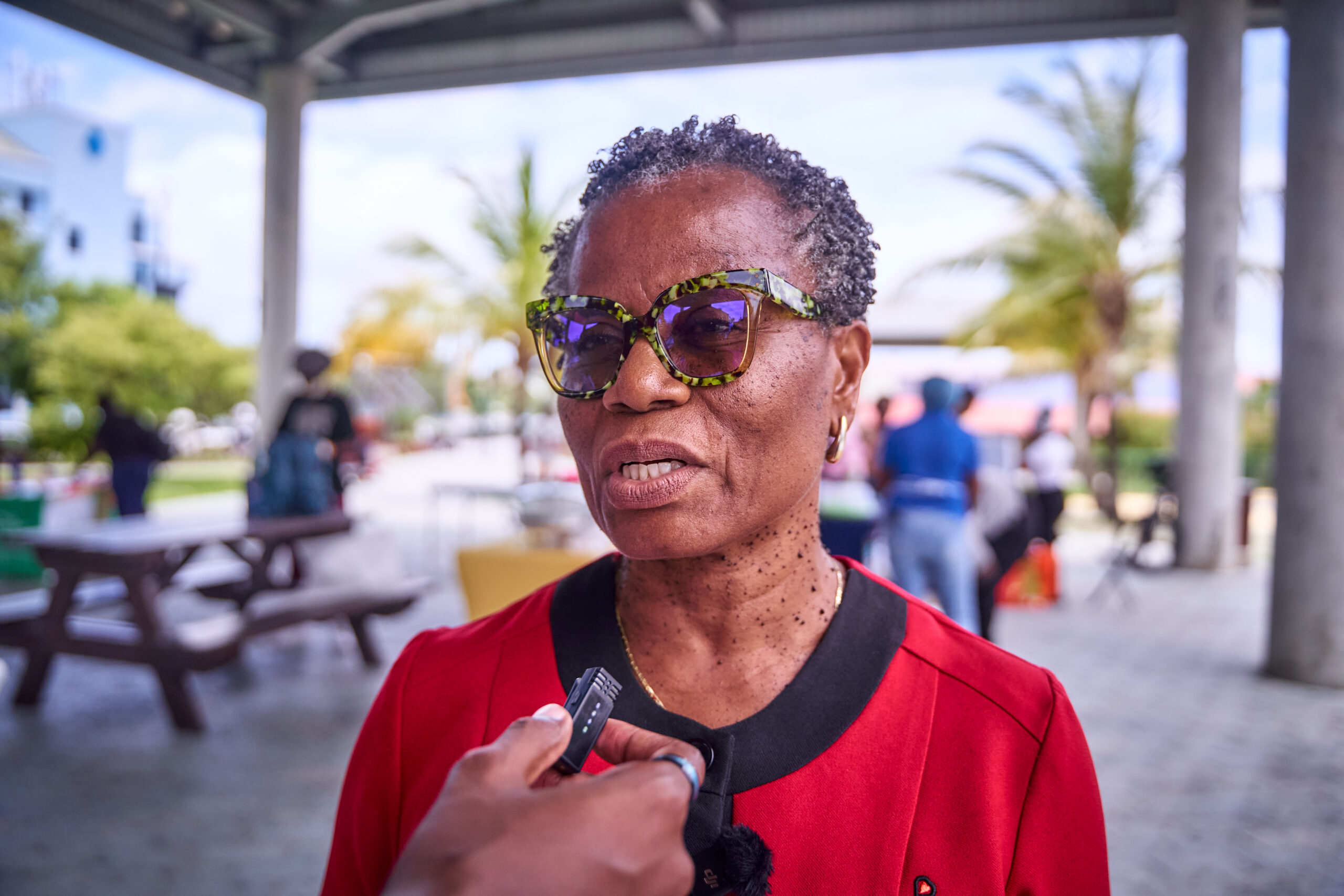
    Against a backdrop of persistently high rates of noncommunicable diseases (NCDs) across Barbados, a leading local health organization is stepping up efforts to empower residents to take ownership of their personal wellness, urging regular self-monitoring of key vital health indicators. The call to action came from Greta Yearwood, chief executive officer of the Heart & Stroke Foundation of Barbados Inc, during a public Health and Wellness Fair held Wednesday at Bridgetown’s iconic Golden Square Freedom Park. The community event was organized as a key companion activity to World Hypertension Day, which was observed globally the previous Sunday. In comments to reporters on the sidelines of the gathering, Yearwood outlined that the foundation had partnered with a range of local health vendors and major pharmaceutical companies to host the fair, with a dual mission of boosting public understanding of hypertension and promoting long-term healthy lifestyle habits across the island nation. One of the core priorities of the outreach event, Yearwood emphasized, is to close the persistent knowledge gap around personal health metrics, a gap that experts warn contributes to Barbados’ ongoing NCD crisis. Many residents remain unaware of their key health readings – numbers that can act as early warning signs for life-threatening cardiovascular and metabolic conditions, the CEO explained. “Our core goal right now is meeting people where they are, building awareness and helping every Barbadian understand their personal health numbers, especially when it comes to hypertension,” Yearwood told media. A startling share of the local population still cannot name their blood pressure reading, she noted, and many also lack up-to-date information about their blood sugar and cholesterol levels – three key markers that predict risk for heart disease, stroke and diabetes, the leading causes of death in Barbados. Even after years of sustained public education campaigns targeting preventive health, Yearwood acknowledged that uptake of free and low-cost screening opportunities remains far lower than public health officials would like. “Even though we consistently spread this message, I still find that too many people are not taking the opportunity to get screened whenever the chance is available,” she said, doubling down on her urgent plea: “All of us need to take our health numbers seriously.” Beyond routine screening, Yearwood also highlighted the critical role of dietary changes in cutting NCD risk, calling on residents to prioritize healthier eating habits by cutting back on processed salt and added sugar in daily diets. The CEO also shared positive progress around the foundation’s work to support the government’s national School Nutrition Policy, a framework introduced to instill healthy habits in children and adolescents from a young age. Yearwood reported that buy-in from food and beverage vendors operating in and around schools has continued to grow steadily, even as the policy rolls out gradually across the country. “We’ve been educating vendors on the importance of this policy, and more and more are coming on board every month,” she explained. “Of course, not every organization moves at the same pace, but we are steadily seeing more partners commit to doing the right thing. Vendors are increasingly understanding the serious public health risks tied to promoting unhealthy food and drink products to young people, and they are stepping up to align with the policy’s goals.” The foundation’s outreach comes as Barbados, like many small island developing states, continues to grapple with a growing NCD burden that strains public health systems and reduces life expectancy for residents. Public health officials have identified preventive community outreach and individual health empowerment as core strategies to reverse current trends.

  • 382 Pounds of Cannabis Seized in Corozal Drug Bust

    382 Pounds of Cannabis Seized in Corozal Drug Bust

    Law enforcement authorities in Belize have made a major drug seizure in the country’s northern Corozal District, pulling 382 pounds of suspected cannabis off the streets following a targeted investigation. The operation, which was guided by actionable intelligence, was executed by members of the Belize Police Department’s Mobile Interdiction Unit on the evening of Tuesday, May 19, 2026, according to Assistant Superintendent Stacy Smith.

    Smith detailed that the search operation was centered on the Ramonal Landing area of Patchakan Village, a rural community located close to Belize’s northern border. It was during this systematic search that officers uncovered eight heavy black bags, all of which contained the suspected controlled substance.

    Following the seizure, the entire cannabis haul has been formally logged and held as found property by police authorities. As of Thursday, May 20, 2026, no suspects have been taken into custody, and no arrests have been announced in connection with the recovered drugs. Investigations remain ongoing as authorities work to trace the origin of the cannabis and identify individuals linked to the stash.

  • UDP “Gearing Up” for 2027 Municipals, PUP Signals Confidence

    UDP “Gearing Up” for 2027 Municipals, PUP Signals Confidence

    Ten months out from Belize’s 2027 municipal elections, the country’s two dominant political parties have already begun laying strategic groundwork for their campaigns, marking an early start to what is shaping up to be a closely watched contest.\n\nSpeaking to reporters on Tuesday, Sheena Pitts, a representative of the United Democratic Party (UDP), announced that the opposition party is already “gearing up” for the March 2027 ballot, framing the party as an agile organization ready to capitalize on early momentum. “We are a party that strikes when the iron is hot,” Pitts stated, noting that internal discussions around potential candidates are already underway across the country’s municipalities. While names of prospective nominees are currently being circulated within party leadership, Pitts said the UDP is holding off on public announcements to coordinate a strategic rollout. “We will do so after we have all our ducks in a row and we are able to do so strategically in each municipality,” she explained.\n\nOn the ruling party side, Prime Minister John Briceño of the People’s United Party (PUP) expressed firm confidence in his party’s prospects as preparations advance. Briceño confirmed that the PUP will fully endorse the incumbents of the current Orange Walk Town Council in the upcoming election. For the Belize City mayoral race, the party will hold a nominating convention to select its candidate, with two young hopefuls already shortlisted for the position. Briceño added that incumbency will be a key advantage for the PUP across most of the country, noting that “many of the present councils that are going to run again,” with conventions scheduled for a small number of districts where new candidates will be selected.\n\nFor the UDP, the 2027 municipal elections are widely framed as a critical measuring stick for the party’s standing among voters ahead of the next general election, as the opposition looks to rebuild momentum after recent national contests. With 10 months still left before voters head to the polls, both parties are expected to ramp up candidate recruitment, community outreach, and policy platform development in the coming weeks.

  • BHTA pushes national tourism safety strategy

    BHTA pushes national tourism safety strategy

    Barbados’ leading tourism industry body is pressing for sweeping, coordinated national action to combat a surge in violent crime that increasingly threatens the Caribbean island’s economic backbone and global reputation as a safe vacation destination. The Barbados Hotel and Tourism Association (BHTA) has tabled a comprehensive national public safety strategy crafted specifically to shield the country’s tourism sector, responding to growing public and industry anxiety after a string of violent incidents — including a high-profile attack on a tourist near popular Carlisle Bay this past Sunday.

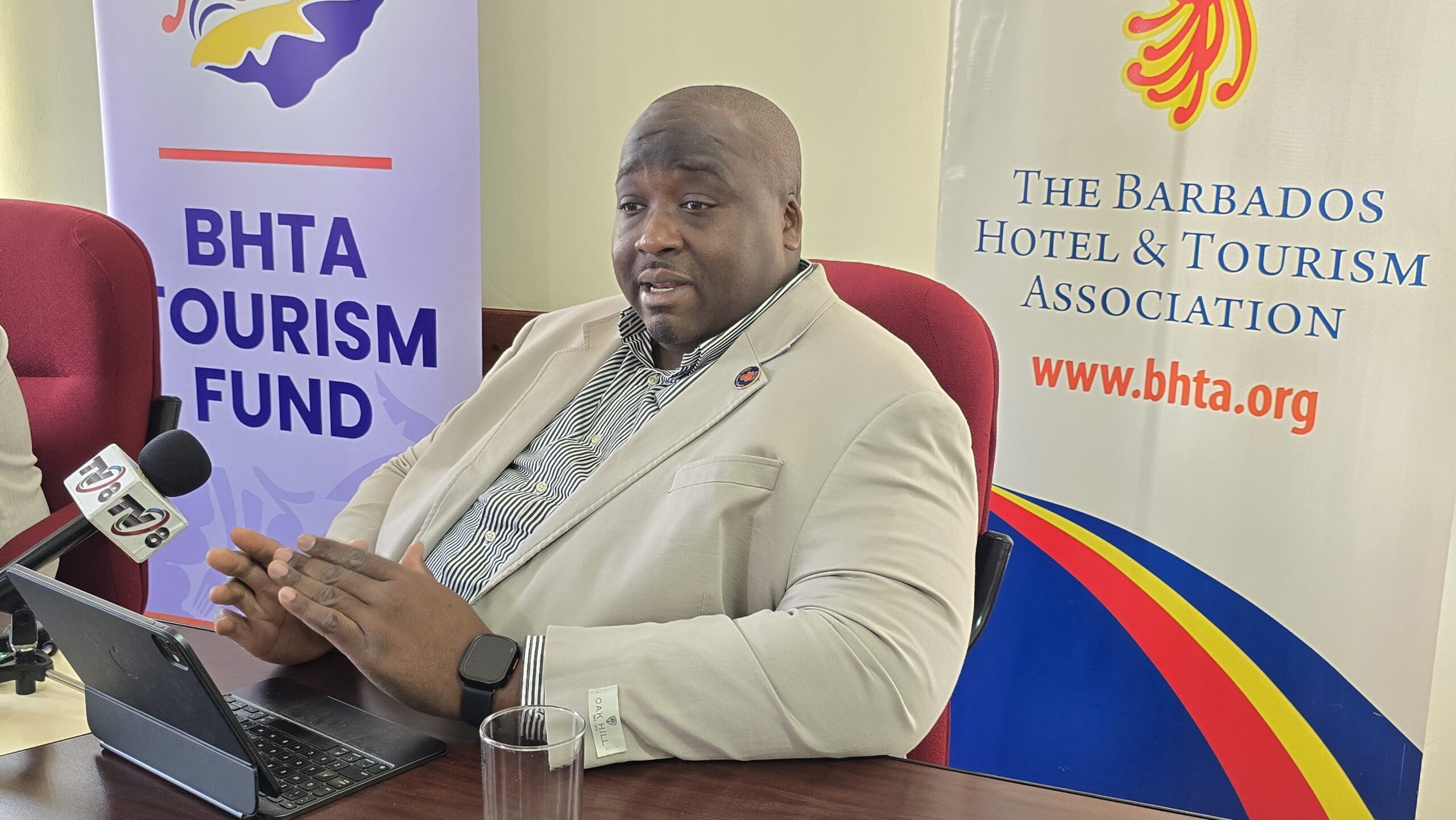
    In outlining the proposal, BHTA Chairman Javon Griffith laid out a multi-pronged, cross-sector set of priorities that the organization says must form the foundation of any effective strategy to reverse the recent escalation of violence. At the core of the plan is the creation of a specialized police force trained explicitly in hospitality sector engagement and visitor protection, paired with sweeping judicial reforms to accelerate case processing for violent and gun-related offenses.

    Griffith emphasized that visible, expanded police presence is non-negotiable across high-traffic areas that draw both tourists and local residents. “There must be a significantly increased and more visible police presence across tourism districts, nightlife zones, beaches, major events, and high traffic commercial areas. Visitors and residents alike must feel safe and protected throughout the island, particularly during evenings and weekends when incidents are more likely to occur,” he said.

    Beyond expanded patrols, the BHTA is calling for major targeted investment in modern security and surveillance infrastructure. This includes expanding CCTV coverage across high-risk areas, upgrading inadequate street lighting, implementing integrated real-time monitoring systems, and improving coordination between law enforcement agencies and private tourism operators during emergency responses.

    Griffith also stressed that long-term safety requires deeper collaboration across public, private, and community stakeholders. The proposal calls for formal, structured security partnerships between law enforcement and tourism leaders, plus regular intelligence sharing mechanisms to boost preventive action and speed up emergency responses. “We strongly support greater investment in intelligence-led policing, border security enhancements, and stronger action against illegal firearms and organized criminal activity. Crime prevention must become increasingly proactive rather than reactive,” Griffith noted.

    The BHTA chairman warned that the recent wave of violence poses a dual threat: not only does it undermine domestic public safety, but it also erodes Barbados’ carefully cultivated global brand as a stable, secure tourist getaway. “These incidents strike at the very heart of Barbados’ international reputation and threaten the sense of safety and stability that visitors and residents alike have long associated with this country,” he said. “Tourism remains one of the primary engines of the Barbadian economy, supporting thousands of livelihoods directly and indirectly.”

    Griffith also shared the association’s growing alarm over the geographic spread of violent crime across the island. Once concentrated primarily in the heavily populated west and south coasts, violent incidents including shootings and stabbings are now spreading to the previously quiet east coast, and increasingly pushing closer to core tourism zones. “It’s almost a weekly occurrence for there to be some shooting or stabbing somewhere in Barbados, and not just somewhere in Barbados, they’re happening increasingly closer to tourist zones… It is getting worse,” he said.

    Compounding the risk of violence itself is the rapid spread of negative coverage and discussion of these incidents on social media, which can damage the island’s reputation far faster than local authorities can respond. Griffith pointed to a popular Facebook group for Barbados travelers with more than 5,000 members, where Sunday’s attack has dominated discussion, drawing widespread negative commentary from both past visitors and local residents. He warned that the country cannot afford to be complacent about protecting public trust in the destination.

    To address the root causes of rising crime, as well as its immediate impacts, the BHTA’s strategy also includes a series of long-term social and community-focused measures. Griffith highlighted the critical need for expanded youth development initiatives, targeted at vulnerable young people who face limited economic opportunity and social disconnection that can drive involvement in crime. The proposal also calls for wider adoption of data analytics and digital tools to map crime trends and identify high-risk hotspots before violence occurs.

    Additional recommendations include expanded rehabilitation and mentorship programs to cut recidivism rates and help former offenders reintegrate into communities; public education campaigns to promote conflict resolution, civic responsibility, and national pride; improved transportation safety in nightlife and entertainment corridors; increased investment in community sports and recreation infrastructure; and more consistent maintenance of public spaces, beaches, and tourism corridors to reinforce a widespread sense of order and security.

    Griffith confirmed that the BHTA has already held preliminary discussions on the proposal with the Barbados Police Service and the former Attorney General, and the organization is pushing for continued negotiations through the country’s existing Social Partnership framework to turn the proposed strategy into actionable policy quickly.

    The association’s overarching message is that urgent, decisive, visible national action is required right now to rebuild public and visitor confidence, strengthen community safety, and reaffirm Barbados’ long-standing commitment to upholding law, order, and social stability for all who live on and visit the island.

  • Schools, communities urged to support expansion of road tennis

    Schools, communities urged to support expansion of road tennis

    Barbados’ push to elevate its homegrown sport of road tennis has gained new momentum, with Sports Minister Charles Griffith doubling down on calls for broader participation across the island’s schools and local communities. The minister made his remarks during an official ceremony Tuesday at The Lodge School, where his ministry donated a full set of road tennis equipment – including rackets and balls – to the institution, delivered in partnership with the Community Independent Secretariat.

    Griffith emphasized that the donation is far more than a simple gift of sporting gear: it is a core part of the government’s broader strategy to grow road tennis both domestically and on the international stage. Breaking new ground for the sport’s global outreach, the minister revealed that a Barbadian delegation will soon travel to the United Kingdom to put the unique indigenous sport on display for international audiences. He told students at The Lodge School that the upcoming tour, and future international exhibitions planned for other countries, will include young local players, opening up once-in-a-lifetime opportunities for the island’s youth to represent their country abroad.

    “I’m hoping that this new court will be buzzing with activity before school, during lunch breaks and after classes, with students picking up rackets and testing their skills at road tennis,” Griffith said. “Our goal is to get as many schools across Barbados involved in this growing movement as possible.”

    Beyond schools, Griffith also extended an invitation to community groups across the country to partner with his ministry to expand access to the sport. Highlighting road tennis as an affordable, accessible activity that supports long-term physical fitness, he noted that the ministry is ready to construct new public courts in any neighborhood that requests them, removing barriers to entry for communities eager to adopt the sport.

    After the official presentation, The Lodge School marked the occasion with an exhibition match between Principal Stephen Jackman and Board of Management Chairman Henry Inniss, who praised the donation as extremely timely for the school’s growing road tennis program. Inniss explained that the school has recently signed on to support a new inter-school road tennis competition set to launch this coming September, and the new equipment could not have arrived at a better moment to help the school’s players prepare for the tournament. Following the minister’s lead, the school’s Parent-Teacher Association also announced a separate donation of additional road tennis equipment during the event, a move Inniss said further strengthens the school’s ability to grow participation ahead of the September tournament.

  • Minister Fonseca “Looking Quite Relaxed” After Major Heart Surgery

    Minister Fonseca “Looking Quite Relaxed” After Major Heart Surgery

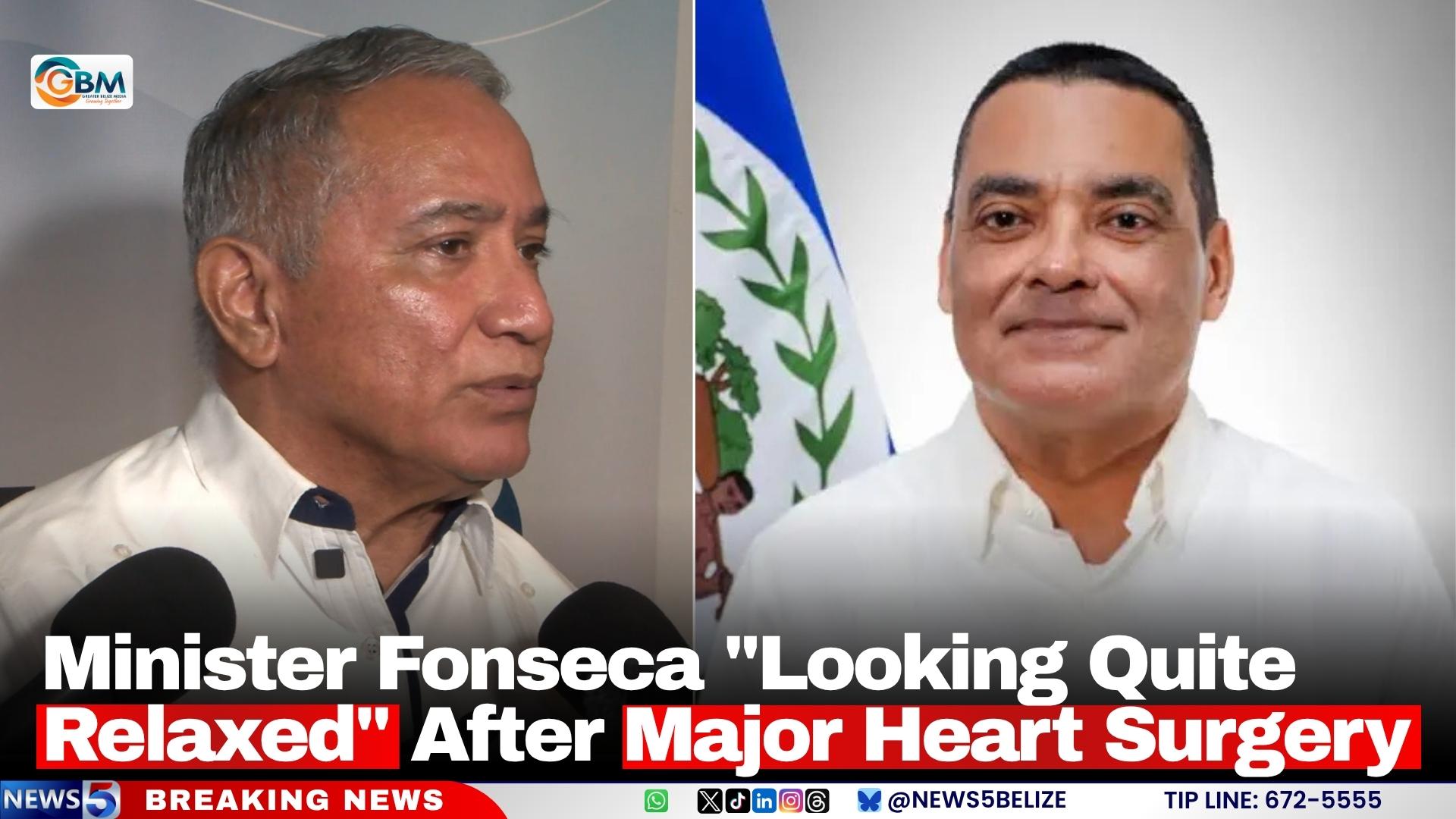
    Nearly three weeks after Belize’s top diplomat underwent urgent major heart surgery, the country’s prime minister has shared an encouraging update on Foreign Affairs Minister Francis Fonseca’s ongoing recovery. On May 20, 2026, Prime Minister John Briceño confirmed that Fonseca is progressing smoothly following the triple bypass procedure he underwent earlier this month.

    Briceño, who visited the recovering minister just days after the operation, said he was relieved to see Fonseca in good spirits. “I went to see him on a Friday after the surgery, and he looked quite, quite relaxed,” the prime minister shared in his remarks. A subsequent check-in via message confirmed that the minister’s condition continues to improve, he added.

    As the foreign ministry remains without its permanent leader while Fonseca recovers, Briceño has emphasized that the minister’s full recovery takes priority over a quick return to official duties. “What I’m telling him is his health comes first. Once he feels that he is in a position to come back to work, he’s welcome back. We certainly need his help,” Briceño said. To date, no firm timeline has been established for Fonseca’s resumption of his ministerial responsibilities.

    Since Fonseca entered medical leave to undergo the procedure, Briceño has stepped in to temporarily oversee the foreign affairs portfolio. Earlier this month, Economic Transformation Minister Dr. Osmond Martinez addressed growing speculation about a potential interim appointment, confirming that the prime minister was the appropriate official to hold the role during Fonseca’s absence, and dismissing questions about any other interim replacement.

  • ‘A Fish Rotting From the Head’ or Theft?

    ‘A Fish Rotting From the Head’ or Theft?

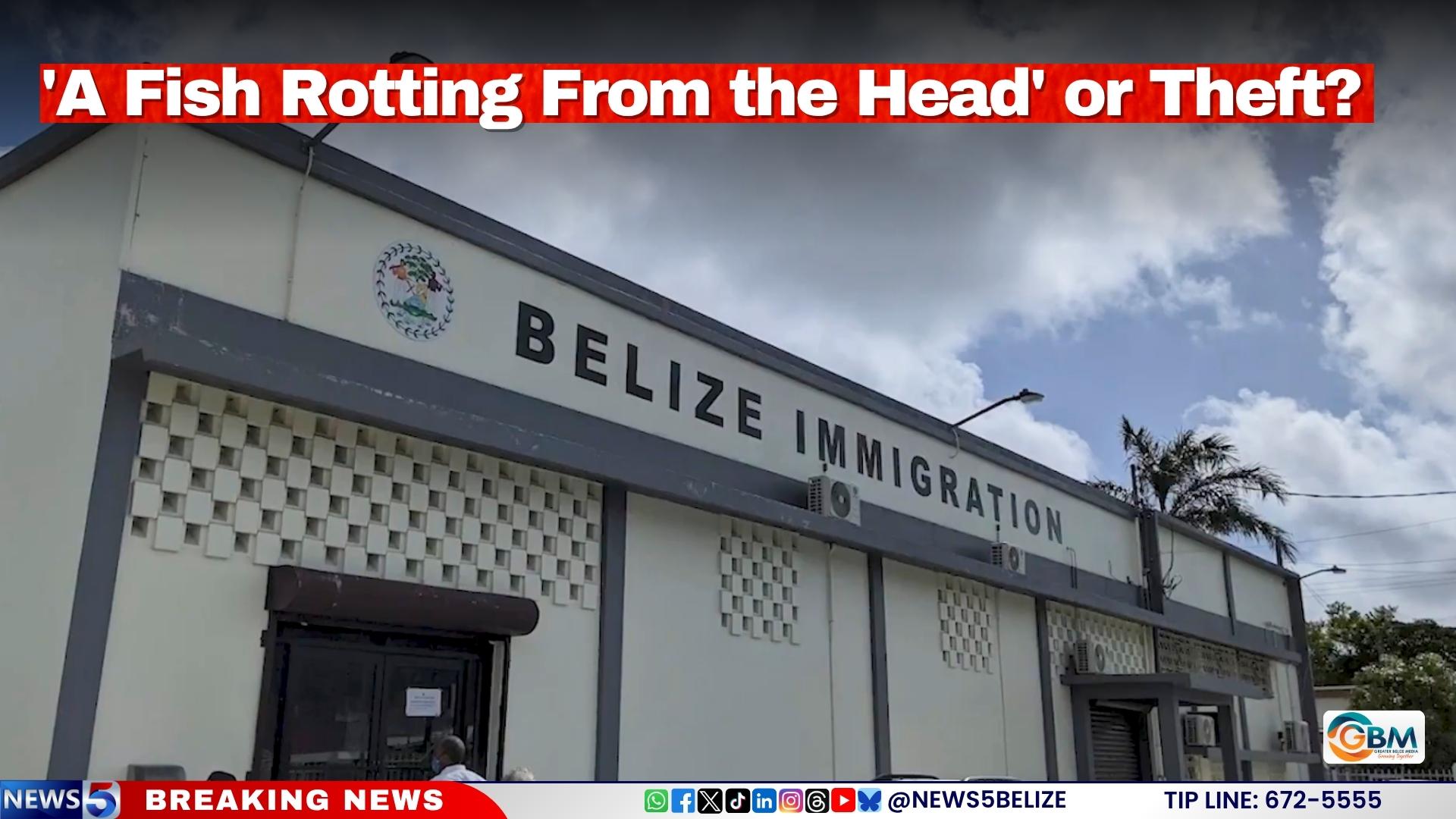
    A developing public accountability scandal in Belize’s Immigration Department has sparked sharp political division, after approximately $160,000 in public funds went missing and investigations into the disappearance are currently ongoing. The incident, which rose to the agenda of the country’s cabinet for discussion, has drawn public commentary from both Prime Minister John Briceño and opposition leader Tracy Panton, who hold starkly different views on the root of the problem.

    Briceño, speaking directly to reporters on the ongoing probe, has publicly characterized the missing funds as an isolated case of individual theft rather than systemic corruption within the government agency. According to preliminary findings shared by the prime minister, investigators believe a single Immigration Department employee manipulated internal administrative protocols to siphon off the cash. The alleged scheme involved the employee issuing official payment receipts, canceling those receipts after the fact, and keeping the funds that had been paid for the services.

    The prime minister emphasized that the formal investigation remains active and ongoing, and he declined to share additional sensitive details that could compromise the investigative process. When pressed on the opposition’s sharp criticism, Briceño opted to avoid direct confrontation, stating he would not dignify the opposition’s claims with a public response.

    However, Panton has rejected the government’s framing of the incident as an isolated rogue employee act. The opposition leader has leveled a blistering critique that the corruption extends far beyond a single staff member, using the well-known idiom “a fish is rotting from the head” to argue that wrongdoing originates at the highest levels of the current administration. Her comments have escalated the political standoff over the missing public funds, turning a procedural administrative probe into a high-stakes political debate about institutional accountability in Belize.