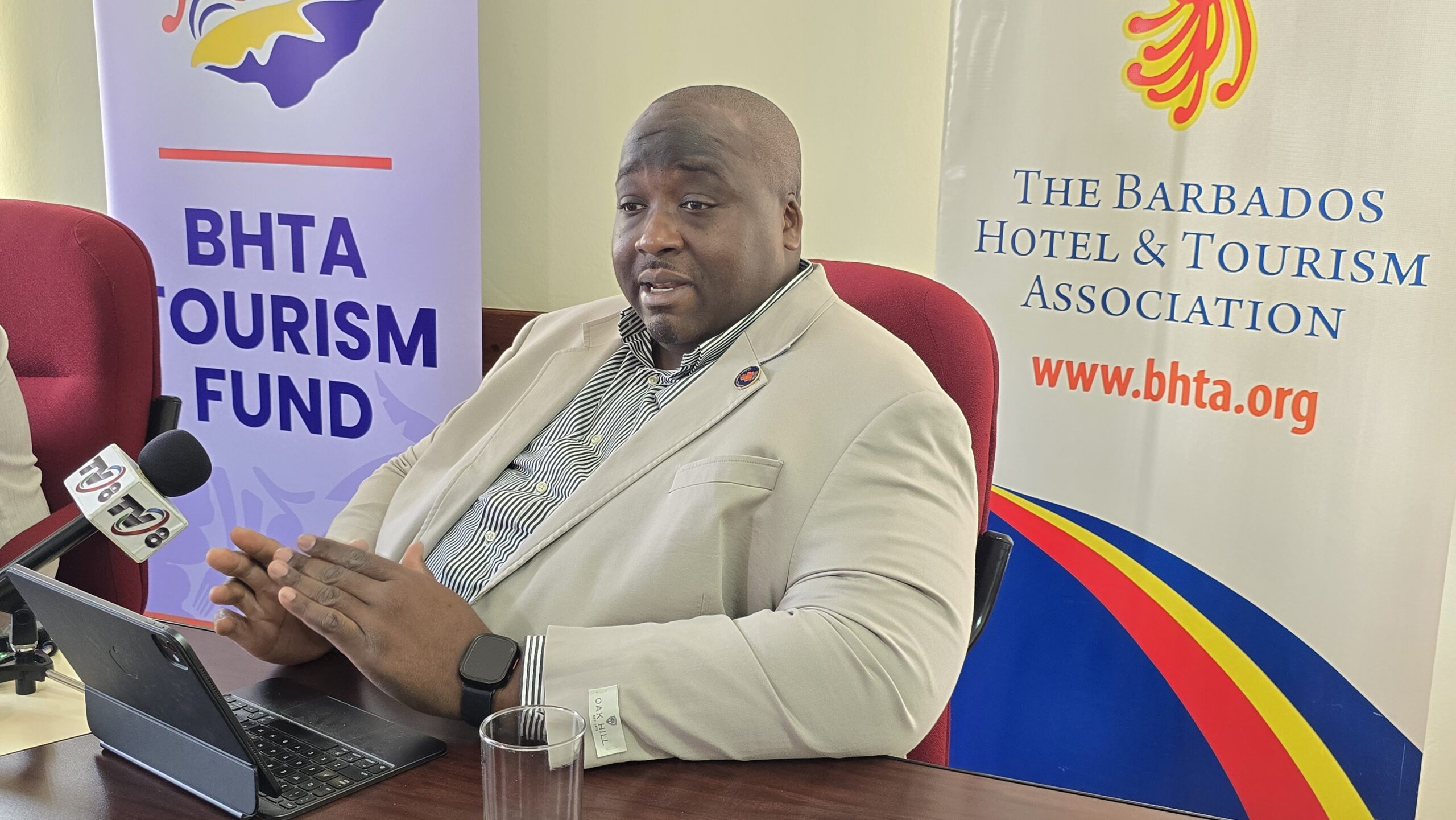
Barbados’ leading tourism industry body is pressing for sweeping, coordinated national action to combat a surge in violent crime that increasingly threatens the Caribbean island’s economic backbone and global reputation as a safe vacation destination. The Barbados Hotel and Tourism Association (BHTA) has tabled a comprehensive national public safety strategy crafted specifically to shield the country’s tourism sector, responding to growing public and industry anxiety after a string of violent incidents — including a high-profile attack on a tourist near popular Carlisle Bay this past Sunday.
In outlining the proposal, BHTA Chairman Javon Griffith laid out a multi-pronged, cross-sector set of priorities that the organization says must form the foundation of any effective strategy to reverse the recent escalation of violence. At the core of the plan is the creation of a specialized police force trained explicitly in hospitality sector engagement and visitor protection, paired with sweeping judicial reforms to accelerate case processing for violent and gun-related offenses.
Griffith emphasized that visible, expanded police presence is non-negotiable across high-traffic areas that draw both tourists and local residents. “There must be a significantly increased and more visible police presence across tourism districts, nightlife zones, beaches, major events, and high traffic commercial areas. Visitors and residents alike must feel safe and protected throughout the island, particularly during evenings and weekends when incidents are more likely to occur,” he said.
Beyond expanded patrols, the BHTA is calling for major targeted investment in modern security and surveillance infrastructure. This includes expanding CCTV coverage across high-risk areas, upgrading inadequate street lighting, implementing integrated real-time monitoring systems, and improving coordination between law enforcement agencies and private tourism operators during emergency responses.
Griffith also stressed that long-term safety requires deeper collaboration across public, private, and community stakeholders. The proposal calls for formal, structured security partnerships between law enforcement and tourism leaders, plus regular intelligence sharing mechanisms to boost preventive action and speed up emergency responses. “We strongly support greater investment in intelligence-led policing, border security enhancements, and stronger action against illegal firearms and organized criminal activity. Crime prevention must become increasingly proactive rather than reactive,” Griffith noted.
The BHTA chairman warned that the recent wave of violence poses a dual threat: not only does it undermine domestic public safety, but it also erodes Barbados’ carefully cultivated global brand as a stable, secure tourist getaway. “These incidents strike at the very heart of Barbados’ international reputation and threaten the sense of safety and stability that visitors and residents alike have long associated with this country,” he said. “Tourism remains one of the primary engines of the Barbadian economy, supporting thousands of livelihoods directly and indirectly.”
Griffith also shared the association’s growing alarm over the geographic spread of violent crime across the island. Once concentrated primarily in the heavily populated west and south coasts, violent incidents including shootings and stabbings are now spreading to the previously quiet east coast, and increasingly pushing closer to core tourism zones. “It’s almost a weekly occurrence for there to be some shooting or stabbing somewhere in Barbados, and not just somewhere in Barbados, they’re happening increasingly closer to tourist zones… It is getting worse,” he said.
Compounding the risk of violence itself is the rapid spread of negative coverage and discussion of these incidents on social media, which can damage the island’s reputation far faster than local authorities can respond. Griffith pointed to a popular Facebook group for Barbados travelers with more than 5,000 members, where Sunday’s attack has dominated discussion, drawing widespread negative commentary from both past visitors and local residents. He warned that the country cannot afford to be complacent about protecting public trust in the destination.
To address the root causes of rising crime, as well as its immediate impacts, the BHTA’s strategy also includes a series of long-term social and community-focused measures. Griffith highlighted the critical need for expanded youth development initiatives, targeted at vulnerable young people who face limited economic opportunity and social disconnection that can drive involvement in crime. The proposal also calls for wider adoption of data analytics and digital tools to map crime trends and identify high-risk hotspots before violence occurs.
Additional recommendations include expanded rehabilitation and mentorship programs to cut recidivism rates and help former offenders reintegrate into communities; public education campaigns to promote conflict resolution, civic responsibility, and national pride; improved transportation safety in nightlife and entertainment corridors; increased investment in community sports and recreation infrastructure; and more consistent maintenance of public spaces, beaches, and tourism corridors to reinforce a widespread sense of order and security.
Griffith confirmed that the BHTA has already held preliminary discussions on the proposal with the Barbados Police Service and the former Attorney General, and the organization is pushing for continued negotiations through the country’s existing Social Partnership framework to turn the proposed strategy into actionable policy quickly.
The association’s overarching message is that urgent, decisive, visible national action is required right now to rebuild public and visitor confidence, strengthen community safety, and reaffirm Barbados’ long-standing commitment to upholding law, order, and social stability for all who live on and visit the island.