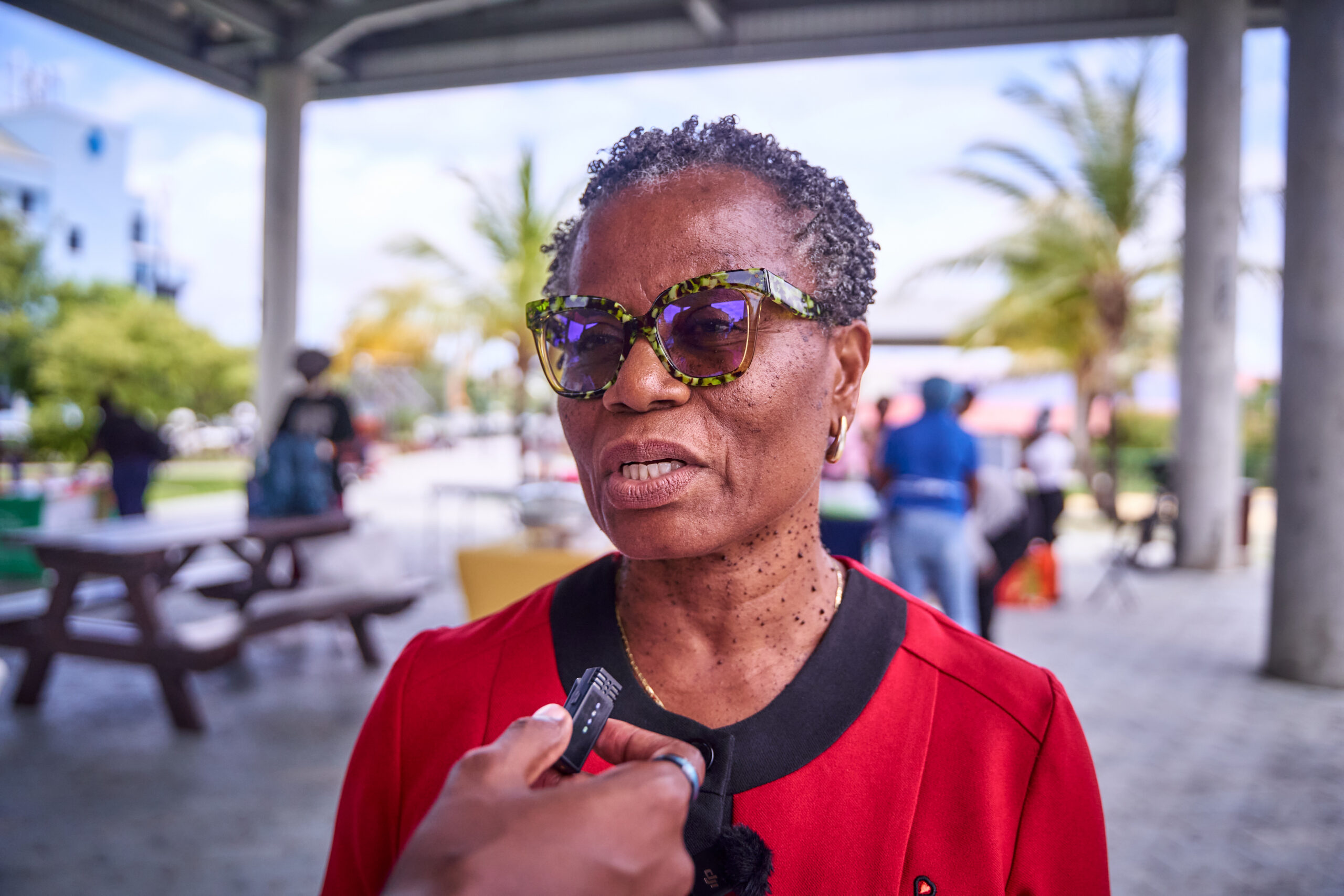
Against a backdrop of persistently high rates of noncommunicable diseases (NCDs) across Barbados, a leading local health organization is stepping up efforts to empower residents to take ownership of their personal wellness, urging regular self-monitoring of key vital health indicators. The call to action came from Greta Yearwood, chief executive officer of the Heart & Stroke Foundation of Barbados Inc, during a public Health and Wellness Fair held Wednesday at Bridgetown’s iconic Golden Square Freedom Park. The community event was organized as a key companion activity to World Hypertension Day, which was observed globally the previous Sunday. In comments to reporters on the sidelines of the gathering, Yearwood outlined that the foundation had partnered with a range of local health vendors and major pharmaceutical companies to host the fair, with a dual mission of boosting public understanding of hypertension and promoting long-term healthy lifestyle habits across the island nation. One of the core priorities of the outreach event, Yearwood emphasized, is to close the persistent knowledge gap around personal health metrics, a gap that experts warn contributes to Barbados’ ongoing NCD crisis. Many residents remain unaware of their key health readings – numbers that can act as early warning signs for life-threatening cardiovascular and metabolic conditions, the CEO explained. “Our core goal right now is meeting people where they are, building awareness and helping every Barbadian understand their personal health numbers, especially when it comes to hypertension,” Yearwood told media. A startling share of the local population still cannot name their blood pressure reading, she noted, and many also lack up-to-date information about their blood sugar and cholesterol levels – three key markers that predict risk for heart disease, stroke and diabetes, the leading causes of death in Barbados. Even after years of sustained public education campaigns targeting preventive health, Yearwood acknowledged that uptake of free and low-cost screening opportunities remains far lower than public health officials would like. “Even though we consistently spread this message, I still find that too many people are not taking the opportunity to get screened whenever the chance is available,” she said, doubling down on her urgent plea: “All of us need to take our health numbers seriously.” Beyond routine screening, Yearwood also highlighted the critical role of dietary changes in cutting NCD risk, calling on residents to prioritize healthier eating habits by cutting back on processed salt and added sugar in daily diets. The CEO also shared positive progress around the foundation’s work to support the government’s national School Nutrition Policy, a framework introduced to instill healthy habits in children and adolescents from a young age. Yearwood reported that buy-in from food and beverage vendors operating in and around schools has continued to grow steadily, even as the policy rolls out gradually across the country. “We’ve been educating vendors on the importance of this policy, and more and more are coming on board every month,” she explained. “Of course, not every organization moves at the same pace, but we are steadily seeing more partners commit to doing the right thing. Vendors are increasingly understanding the serious public health risks tied to promoting unhealthy food and drink products to young people, and they are stepping up to align with the policy’s goals.” The foundation’s outreach comes as Barbados, like many small island developing states, continues to grapple with a growing NCD burden that strains public health systems and reduces life expectancy for residents. Public health officials have identified preventive community outreach and individual health empowerment as core strategies to reverse current trends.