博客

  • Amnesty noemt Netanyahu, Putin en Trump vraatzuchtige roofdieren

    Amnesty noemt Netanyahu, Putin en Trump vraatzuchtige roofdieren

    In its 2025 annual global human rights assessment published Tuesday, Amnesty International has identified Israel, Russia, and the United States as the primary actors responsible for a dramatic erosion of fundamental human rights protections across the globe. The leading global human rights organization has labeled the three nations’ top leaders — Israeli Prime Minister Benjamin Netanyahu, Russian President Vladimir Putin, and US President Donald Trump — as “greedy predators” that pursue economic and political dominance at the direct expense of core human freedoms.

    Amnesty Secretary-General Agnes Callamard told reporters at a London press briefing that the fragile international order painstakingly constructed in the aftermath of World War II suffered sharp, destructive reversals over the course of 2025. “A global environment where primitive cruelty can flourish has been building for a long time,” Callamard said, warning that the deterioration of rights protections has reached a critical tipping point.

    Callamard criticized the global community’s muted response to these power holders, noting that most governments have chosen to appease rather than confront the three major nations accused of widespread abuses. She further cautioned that a growing number of countries have even begun to replicate the authoritarian and rights-violating behavior of these major powers. Spain was singled out as a rare exception, recognized for its open, unflinching criticism of Israeli military operations in Gaza and joint US-Israeli attacks on Iran.

    The 100+ page report devotes extensive coverage to three major conflict zones where international law has been systematically discarded: the ongoing Israeli campaign in Gaza that Amnesty classifies as genocide, Russia’s ongoing commission of crimes against humanity in Ukraine, and the escalating military confrontation against Iran led jointly by the US and Israel. Beyond these high-profile conflicts, the report documents a global rise in authoritarian governance and widespread violations of civilian rights in dozens of nations.

    Notable examples of ongoing abuses cited include systematic exclusion of women from education and employment by the Taliban regime in Afghanistan, inadequate investigations into gender-based violence against Dalit women in Nepal, and heavy-handed government repression of pro-Palestinian solidarity movements in the United Kingdom. The report lays out devastating human costs of the ongoing crises: since Israel launched its military campaign in Gaza in October 2023, more than 72,500 people have been killed in Israeli airstrikes, with over 40,000 more suffering life-altering, permanent injuries. In Ukraine, more than 15,000 civilians have been killed since Russia’s full-scale invasion began, while broader regional conflicts across the Middle East have left tens of thousands dead and millions forcibly displaced from their homes.

    Callamard emphasized that these ongoing wars and mass atrocities are rooted in a shifting global norm that has normalized violence against civilian populations, adding that no meaningful, effective action has been taken to hold Israel accountable for its repeated violations of international human rights standards. Despite the grim overall assessment, the report also identifies glimmers of progress that offer cautious hope for the future. These include widespread mass protests against human rights abuses and war crimes held across the globe, the growing number of nations backing South Africa’s genocide case against Israel at the International Court of Justice, and ongoing legal action by the International Criminal Court targeting accused perpetrators including former Filipino leaders and Taliban commanders.
  • WATCH: PM Says Pringle Can’t Represent Antigua and Barbuda on World Stage

    WATCH: PM Says Pringle Can’t Represent Antigua and Barbuda on World Stage

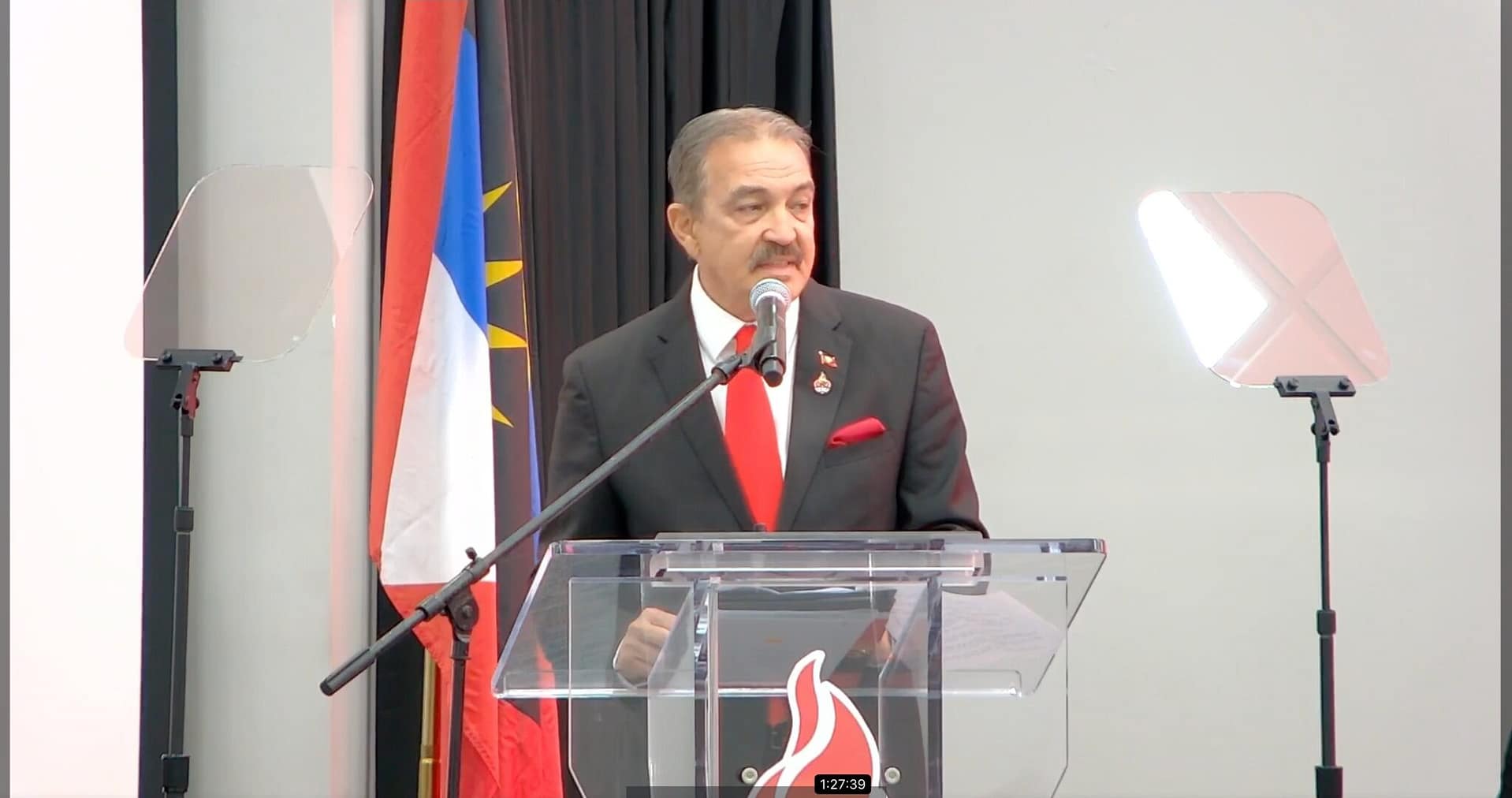
    As Antigua and Barbuda approaches its upcoming general election, incumbent Prime Minister Gaston Browne has escalated his campaign rhetoric with a blistering personal and political broadside against opposition leader Jamale Pringle, questioning whether Pringle possesses the fundamental competence to govern the twin-island nation and represent its interests on the international stage.

    Delivering the remarks at a public campaign rally for his ruling party, Browne framed the upcoming ballot as a stark, high-stakes contrast between proven, seasoned leadership and what he characterizes as an untested, unqualified opposition alternative. Against a backdrop of growing global geopolitical and economic uncertainty, Browne emphasized that Antigua and Barbuda cannot afford to gamble on inexperienced leadership.

    “In these turbulent, unpredictable times across the globe, the future of Antigua and Barbuda must not be left to chance,” Browne told the gathered crowd of supporters. He did not hold back in his criticism of the opposition, warning that the nation “certainly should not be left to cannibalistic failures, underachievers, losers, and laggards” — a direct jab at Pringle and his opposition bloc.

    Browne centered his argument on the critical need for national leaders to possess robust international diplomatic competence, arguing that the country requires “a government that is tried, tested, and proven… a government that understands how the world works.” He added that effective national leadership demands representatives who can engage with heads of state from across the globe with confidence and credibility.

    Leveraging his incumbency to highlight his own track record, Browne asserted that he has already demonstrated this global capability. “I can sit with King Charles. I can sit with Trump. I can sit with any leader on this planet and to represent this country with distinction,” he said. To drive home his contrast with the opposition leader, Browne closed his critique with a sweeping dismissal, claiming that “Pringle cannot even sit with local leaders, much less regional leaders”, underscoring his claim that Pringle is unready for the highest national office.

  • APUA Team Heads to Dominica for Regional Lineworkers Rodeo

    APUA Team Heads to Dominica for Regional Lineworkers Rodeo

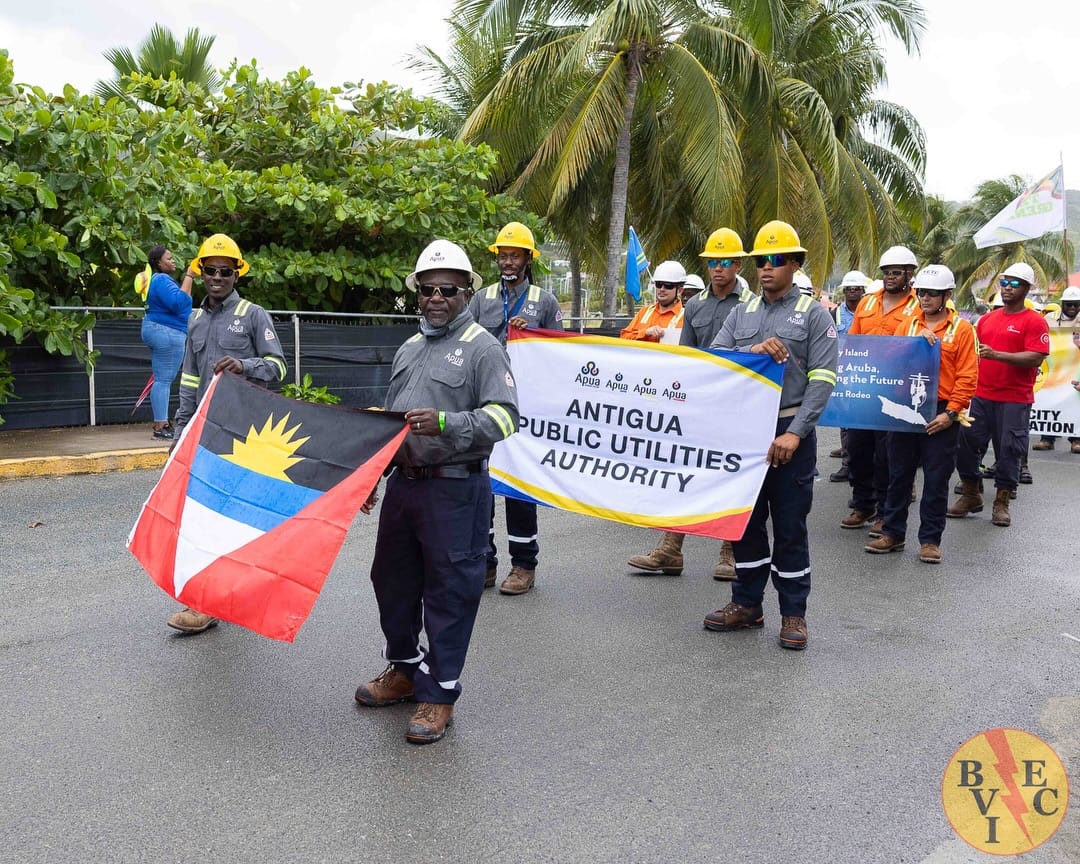
    The reigning Caribbean Electric Utility Services Corporation (CARILEC) champions from Antigua Public Utilities Authority (APUA) are set to depart this weekend for Dominica, where they will compete in the highly anticipated 2026 CARILEC Lineworkers Symposium and Rodeo. This three-day regional gathering, running from April 24 to 26, 2026, will draw over 100 skilled lineworkers from across the Caribbean, centering its mission on advancing industry training, reinforcing safety protocols, and celebrating technical mastery across the regional energy sector.

    In a statement ahead of the event, APUA confirmed that its competing team has entered the final stages of preparation for the annual regional gathering, noting that the squad is eager to represent Antigua and Barbuda with demonstrated expertise, national pride, and unwavering determination. The utility extended its best wishes to the team for a successful competition.

    The 2026 event is co-hosted by CARILEC, the Caribbean’s leading regional energy industry association, and Dominica Electricity Services Limited, marking a key milestone in cross-border energy sector collaboration. Unlike traditional athletic competitions, the symposium and rodeo are structured to blend hands-on technical education with structured competitive challenges, creating a space where utility professionals from across the region can exchange innovative practices, refine their on-the-job skills, and showcase their capabilities through a series of practical, field-based tests.

    During the symposium portion of the event, attendees will dive deep into cutting-edge solutions currently deployed in power grid maintenance and operations. These discussions and demonstrations will cover emerging industry tools, new energy technologies, and updated safety frameworks designed to reduce risk for lineworkers, who carry out one of the most dangerous roles in the energy sector.

    Following the symposium, the rodeo competition will put participating teams to the test through simulated real-world power system scenarios. These exercises are designed to evaluate core performance metrics: operational precision, speed of response, team coordination, and unwavering adherence to critical safety standards. All competitive activities will be held at Dominica’s Benjamins Park, and the event is open to the general public. This open-door policy gives local residents and visiting tourists a rare opportunity to witness the high-skill, high-stakes work that lineworkers perform every day to keep regional power grids operational.

    Dr. Cletus Bertin, Executive Director of CARILEC, emphasized that the annual event is a powerful testament to the strength of collaborative efforts across the Caribbean energy sector. “The Lineworkers Symposium and Rodeo represents the very best of regional collaboration, bringing together skilled professionals from across the Caribbean to strengthen safety practices, share knowledge, and elevate the standards of our industry,” Bertin said. He added that holding the 2026 event in Dominica offers unique benefits beyond competition, giving the local community an up-close look at the critical work done by utility crews across the region.

    “Hosting this event in Dominica provides a valuable opportunity for the local community to see firsthand the expertise required to keep electricity systems operating safely and reliably, while also highlighting the important role utilities like Dominica Electricity Services Limited play in powering regional development,” he explained.

    For context, CARILEC functions as a regional membership association that brings together electric utilities, independent power producers, and other key energy sector stakeholders across the Caribbean. The organization’s core mandate is to support the regional energy industry through coordinated training programs, cross-border technical collaboration, industry-wide knowledge sharing, and unified coordination for disaster response when extreme weather impacts regional power infrastructure.

  • Housing Minister Says Rent-to-Own Will Help Families Without Mortgages Own Homes

    Housing Minister Says Rent-to-Own Will Help Families Without Mortgages Own Homes

    Ahead of the upcoming April 30 general election, the Antigua and Barbuda Labour Party (ABLP) has launched a transformative rent-to-own housing initiative designed to open the door to homeownership for working families locked out of traditional mortgage systems.

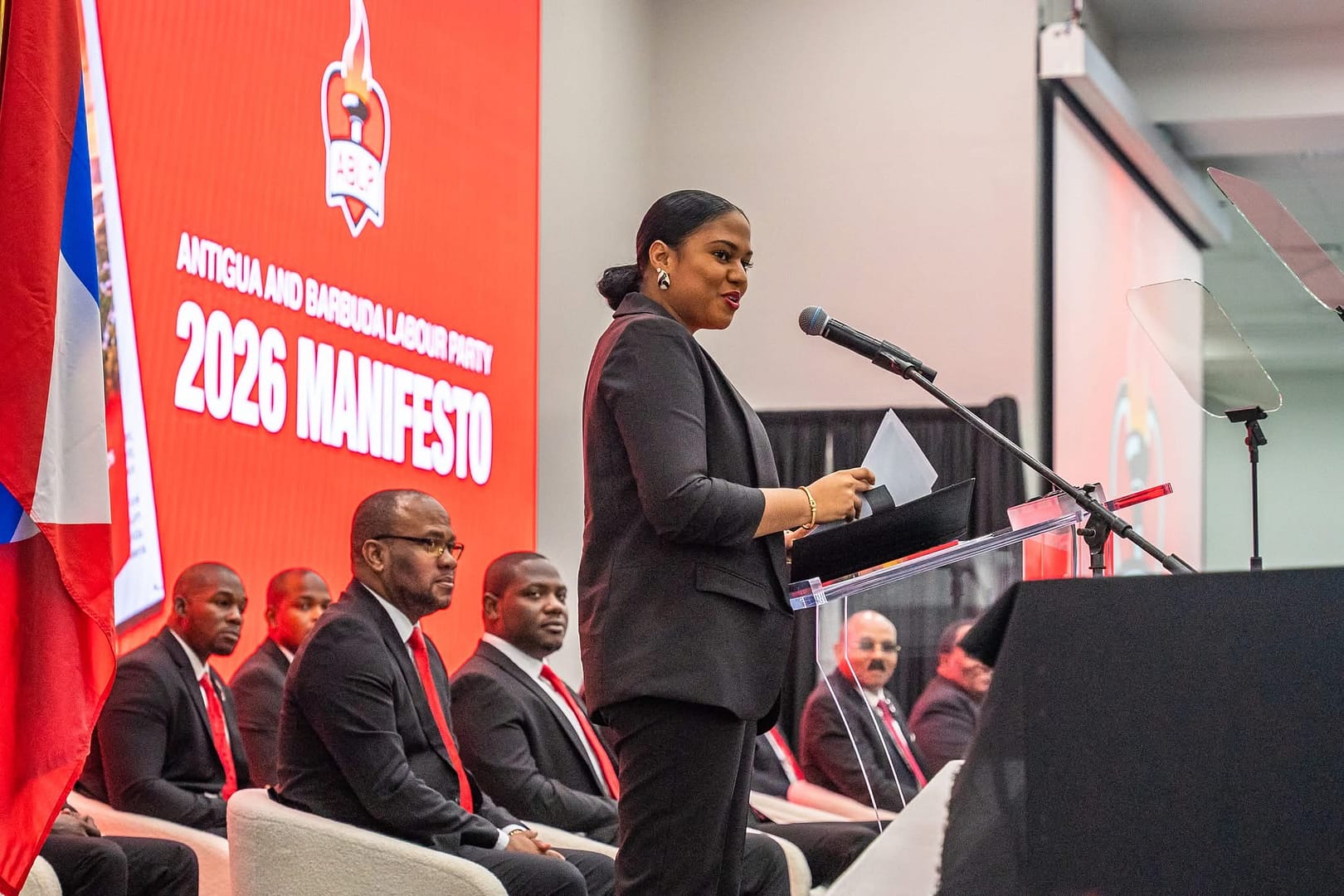
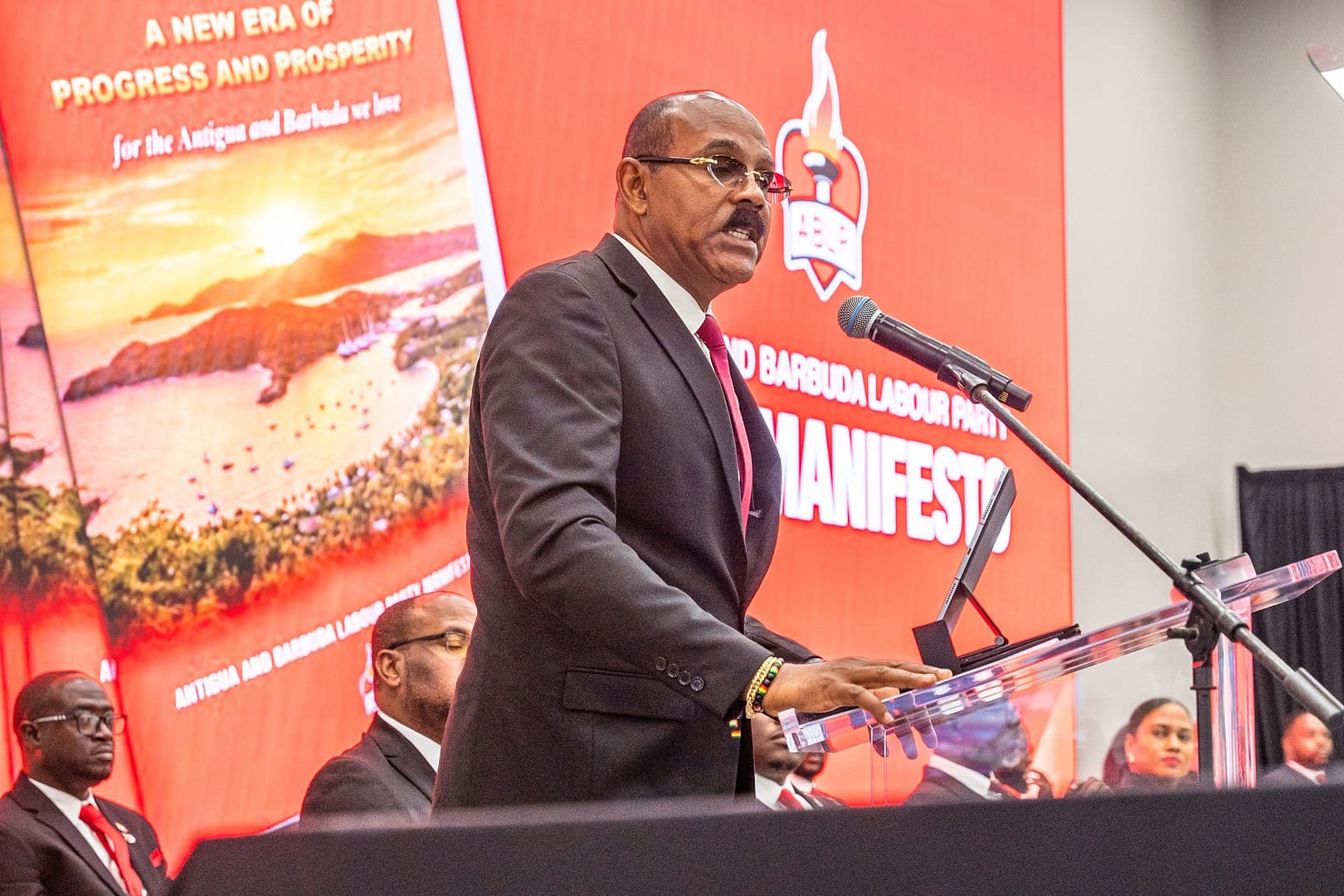
    Works and Housing Minister Maria Browne formally announced the plan during the party’s official manifesto launch held at the American University of Antigua Conference Centre, framing the policy as a cornerstone of the administration’s broader commitment to expanding accessible housing across the nation.

    Unlike traditional home purchasing pathways that require immediate mortgage approval, this innovative model allows eligible participants to pay below-market rent while incrementally building equity in their properties over time. “We are introducing a rent-to-own housing programme so that our hardworking families who may not yet qualify for a mortgage can still take their first step toward homeownership,” Browne stated during the event. She elaborated on the framework’s core benefits, noting “They will rent affordably, they will build equity, and they will own their future.”

    The new programme forms a central plank of ABLP’s wider housing strategy, which prioritizes expanding property ownership access and lifting living standards for low- and middle-income households in particular. For the administration, the initiative underscores a fundamental policy belief: that access to safe, stable housing is a universal right rather than a privilege for the few. “Housing is not a privilege, it is a right. It is a foundation of dignity, a platform for opportunity and a pathway to generational wealth,” Browne emphasized.

    This rent-to-own scheme is not a standalone measure, but complements a suite of existing and planned housing policies already being advanced by the government. These include investment in new residential development projects, expanded land distribution programmes, targeted financial support for vulnerable households, and targeted grants and assistance for home repairs to upgrade living conditions for families in need. “We are expanding access to land… and strengthening support for those in need,” Browne added.

    The policy roll-out comes as the ruling administration advances its “Renaissance” development agenda, which positions housing access as a central priority for the country’s growth ahead of the upcoming national vote. Browne emphasized that the programme’s ultimate goal is to create sustainable routes to property ownership for groups that have historically been excluded from the formal housing market, calling the initiative a tangible step toward greater economic empowerment for ordinary families: “This is what empowerment feels like.”

  • Ministry of Education Mourns Educator Sherilyn Martin

    Ministry of Education Mourns Educator Sherilyn Martin

    The education community across the nation is in mourning this week after the death of renowned educator Sherilyn Martin, who served as Head of Business at Clare Hall Secondary School. Martin passed away following an extended battle with illness, and the Ministry of Education has released an official tribute honoring her decades of service and far-reaching impact.

    In the heartfelt statement, the Ministry of Education shared its deepest sorrow over Martin’s passing, aligning with the Clare Hall Secondary School community as they grieve the loss of one of their most respected leaders. The ministry described Martin as an extraordinary educator through and through, noting that her influence stretched far beyond the walls of her classroom, touching the lives of hundreds of students and colleagues over her career.

    According to the tribute, Martin built a reputation as an accomplished instructor, a deeply dedicated professional, and an inspirational leader to everyone around her. The ministry emphasized that Martin poured her whole self into her work, committing wholeheartedly to advancing quality education and nurturing the success and personal growth of every student who walked through her door.

    Beyond her professional contributions, Martin is being remembered for the extraordinary kindness of her character. The statement highlighted that she carried a rare, genuine warmth that made every person she interacted with feel seen, respected, and truly valued. Conducting herself with consistent grace and quiet humility, she earned the profound admiration of her fellow staff members, the lasting affection of her students, and universal respect from everyone who had the opportunity to work alongside her.

    Ministry officials stressed that Martin’s death leaves a massive gap across three communities: her immediate family, the Clare Hall Secondary School campus, and the national education sector as a whole. Even as the ministry acknowledged the depth of the loss, it noted that her powerful legacy will live on in the countless young lives she shaped, the peers she encouraged and lifted up, and the unwavering standard of excellence she modeled throughout her career.

    Closing out the tribute, the Ministry of Education extended its sincere condolences to Martin’s family and the entire school community. The statement offered prayers for strength and comfort for all those mourning her passing, concluding with a final blessing: “May the soul of Mrs. Sherilyn Martin rest in eternal peace, and may her memory continue to be a source of blessing, inspiration, and strength to all whose lives she so profoundly touched.”

  • Fernandez Touts Record Tourism Growth with 800,000+ Cruise Passengers This Season

    Fernandez Touts Record Tourism Growth with 800,000+ Cruise Passengers This Season

    As the Eastern Caribbean nation of Antigua and Barbuda prepares for its upcoming April 30 general election, a top government official has touted blockbuster tourism growth as proof of the ruling administration’s successful economic leadership. Tourism Minister Charles “Max” Fernandez, who is also running as the governing Antigua and Barbuda Labour Party (ABLP) candidate for the St. John’s Rural North constituency, unveiled landmark cruise sector figures during the party’s official manifesto launch held at the American University of Antigua Conference Centre.

    Fernandez reported that the country has already welcomed more than 800,000 cruise ship passengers through the current tourism season, a milestone that underscores the sector’s rapid and robust rebound from the devastating impacts of the COVID-19 pandemic. The momentum is not limited to maritime arrivals, he added: in February alone, total combined air and sea passenger arrivals topped 35,000, signaling broad-based strength across all segments of the tourism industry.

    According to Fernandez, this growth is far more than a return to pre-pandemic normalcy. In multiple categories, visitor arrivals have already surpassed the benchmarks recorded before global travel shut downs in 2020, marking a new high for the country’s core economic sector. He emphasized that the recovery is no accident, crediting deliberate policy choices, targeted strategic investments, and a long-term development vision from the ABLP administration for delivering these results.

    Key upgrades to critical infrastructure have positioned Antigua and Barbuda as a premier regional cruise destination, Fernandez explained. Upgrades to port facilities have dramatically expanded the country’s capacity to handle large modern vessels, with the main port now able to accommodate up to five of the world’s biggest cruise ships at the same time. Complementary improvements to airlift connections and overnight accommodation have further boosted the nation’s appeal to international travelers.

    Beyond headline numbers, the tourism boom is delivering tangible economic benefits to everyday Antiguans and Barbudans, Fernandez noted. The sector is a primary source of employment and income for a wide cross-section of local workers and small business owners, including taxi drivers, street vendors, independent tour operators, and hospitality staff. For the national economy, tourism serves as the foundational driver of growth, he said, calling it the “lifeblood” of the country’s economy.

    The announcement comes as part of the ABLP’s push for re-election on its “Renaissance” manifesto, which centers tourism as the core pillar of the party’s ongoing economic development strategy. By highlighting record-breaking growth ahead of the vote, the governing party is seeking to convince voters that its leadership has delivered on promises to revitalize the country’s most important industry after the global pandemic.

  • WATCH: ABLP Leader says he wants a strong mandate to better face global challenges

    WATCH: ABLP Leader says he wants a strong mandate to better face global challenges

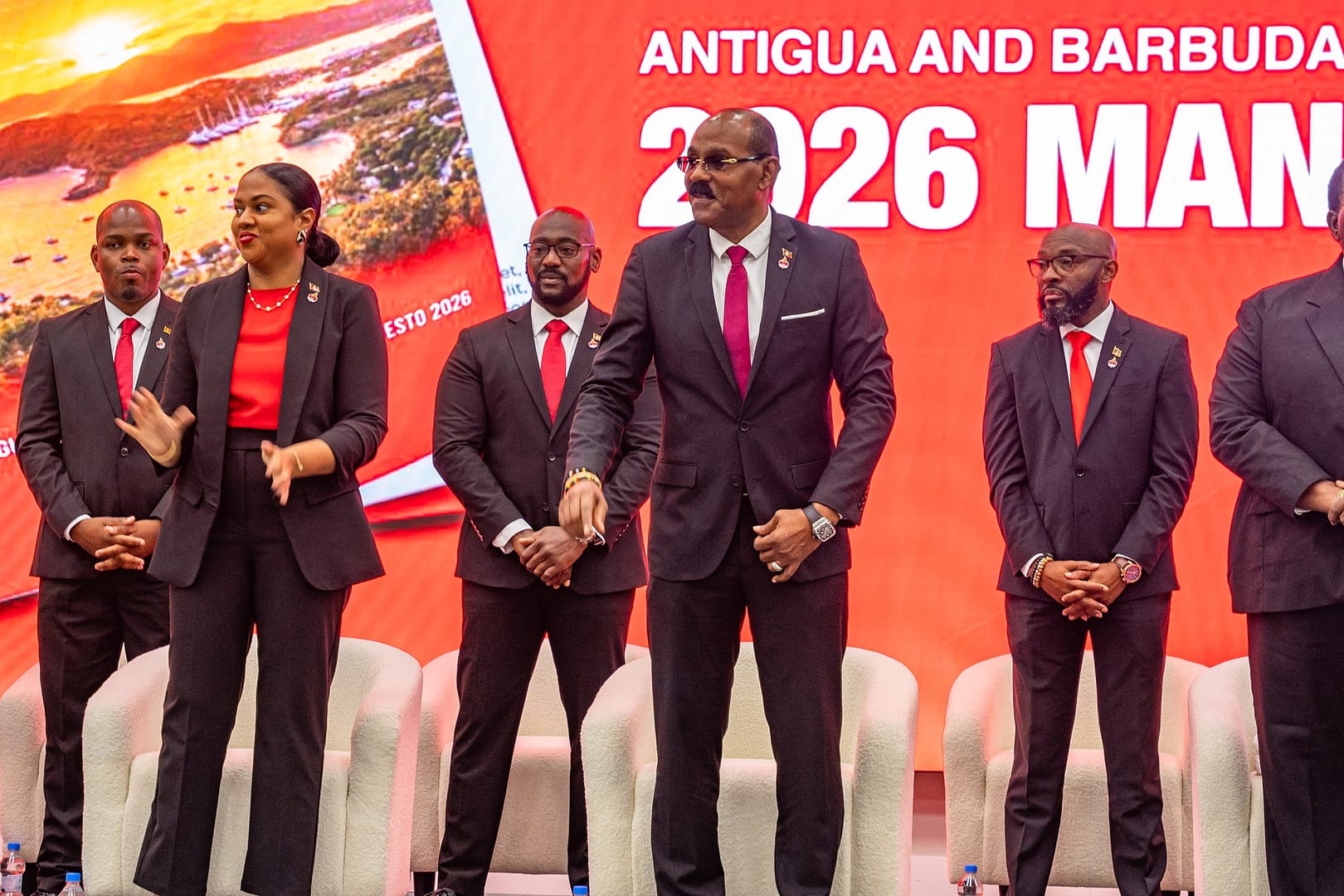
    As campaigning ramps up ahead of the April 30 general election in Antigua and Barbuda, Prime Minister Gaston Browne has defended his decision to call an early vote, framing the move as a critical step to prepare the nation for mounting global uncertainty. Speaking at the official launch of the Antigua and Barbuda Labour Party’s election manifesto on Monday, Browne laid out the core logic behind the early poll: his administration needs a renewed, strong mandate from voters to deliver steady leadership and robust international representation at a time of global volatility.

    Browne emphasized that holding an early election eliminates the distraction of looming campaign logistics while the country confronts pressing cross-border challenges. “We don’t want to be in a situation in which we have to deal with these global challenges and that we have to look behind our backs preparing for the election,” he told gathered party supporters. By going to the polls early, the government can secure a full five-year term of public backing immediately, allowing it to govern decisively without lingering political uncertainty over the next few years.

    The Prime Minister rejected claims that the early election was called for partisan political convenience, stressing that the decision is rooted entirely in national interest. “We do so not for convenience, but for clarity. Not for politics, but for your future,” he said. Browne reiterated that a unified government with overwhelming public support is a non-negotiable foundation for effectively advancing Antigua and Barbuda’s interests on the global stage, adding “Our nation must have a strong government supported strongly by our people.”

    In an address that balanced candor and optimism, Browne also acknowledged the ongoing economic pressures that ordinary households and families are facing across the country. Even as he recognized these current struggles, he expressed firm confidence that living conditions will continue to improve in the coming years, regardless of external headwinds. With less than a month remaining until voting day on April 30, campaign activity across the country is accelerating as parties make their final cases to voters.

  • “Botanical Bridges 2026” opens in Santo Domingo to advance biodiversity cooperation

    “Botanical Bridges 2026” opens in Santo Domingo to advance biodiversity cooperation

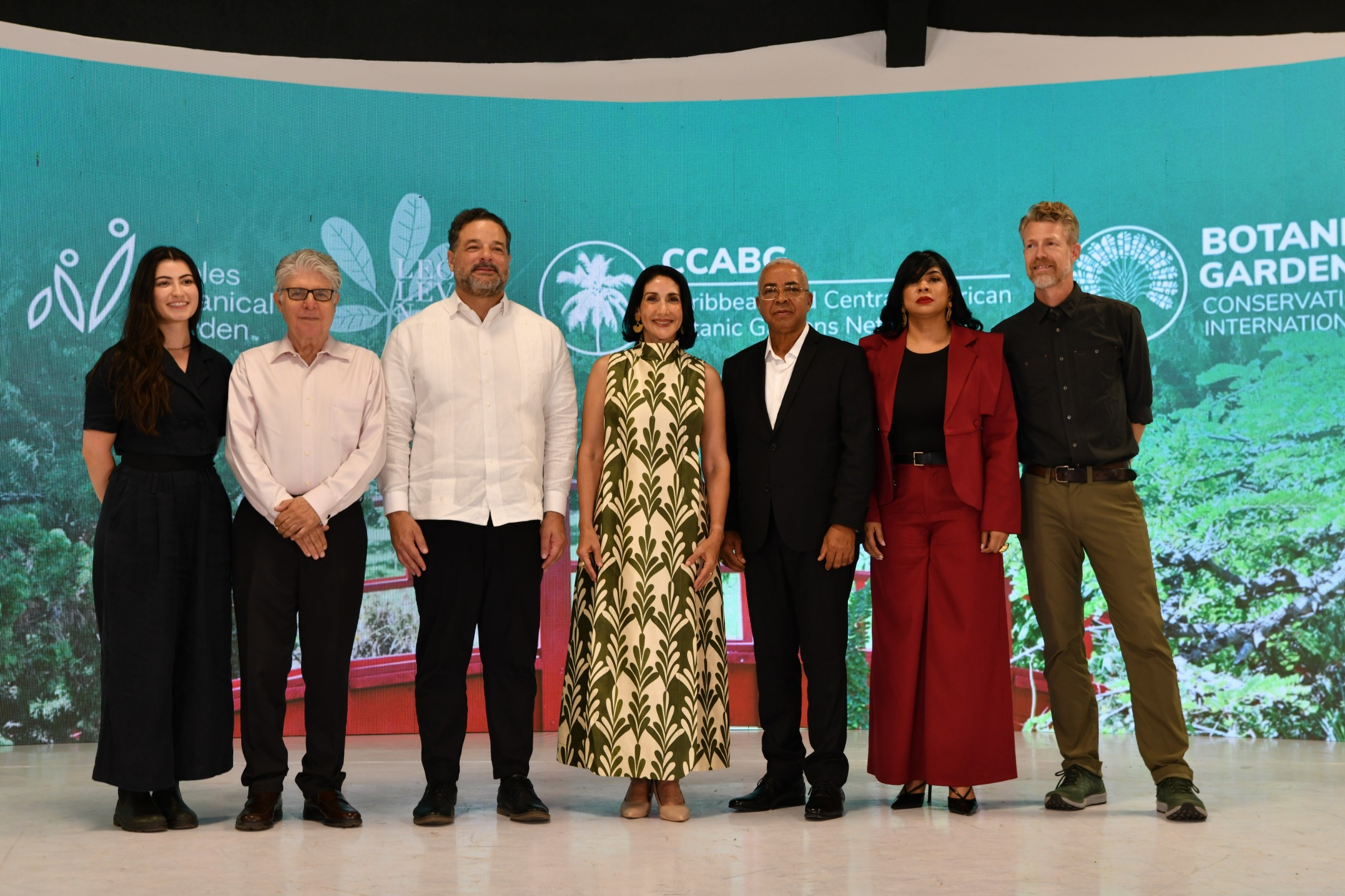
    In Santo Domingo, the Dr. Rafael M. Moscoso National Botanical Garden has marked a major milestone for global botanical science by officially inaugurating the international congress “Botanical Bridges 2026”, an initiative centered on advancing cross-border biodiversity conservation and strengthening collaborative research across the Latin American and Caribbean region. The opening ceremony, hosted at the venue’s iconic Domus Grande space, wove together vibrant cultural performances, formal addresses from leading national institutions, and opening academic dialogues, all framed to celebrate and center Dominican environmental and cultural heritage.

    Throughout the inaugural proceedings, participating institutional representatives repeatedly underscored the urgent need for coordinated action among botanical organizations worldwide to address accelerating biodiversity loss. Lina Ramírez, a representative of the regional botanical garden network, told attendees that coordinated, cross-institutional joint efforts are not just beneficial, but essential, to successfully protect at-risk ecosystems and guarantee that natural resources can be used responsibly and sustainably for future generations.

    For his part, Pedro Suárez, director of the host Dr. Rafael M. Moscoso National Botanical Garden, reaffirmed the institution’s longstanding dedication to advancing original botanical research and expanding public environmental education. He also highlighted that the timing of the congress holds special meaning, as it coincides with the garden’s 50th year of operations, research, and community engagement.

    A key emotional and ceremonial highlight of the opening event was a formal tribute to Brígido Peguero, a pioneering Dominican biologist whose decades of work have fundamentally expanded global understanding of the Dominican Republic’s unique native flora. The ceremony also drew a roster of high-profile stakeholders, including Dominican First Lady Raquel Arbaje and Environment Minister Paíno Henríquez, alongside dozens of leading academic researchers and international delegation representatives from botanical institutions across the globe.

    Moving forward, “Botanical Bridges 2026” will operate as an ongoing, open platform for scientific knowledge sharing and the cultivation of long-term cross-border partnerships, all aimed at advancing evidence-based biodiversity protection and inclusive sustainable development across the region.

  • Police roll out strategy to tackle recent spike in violence

    Police roll out strategy to tackle recent spike in violence

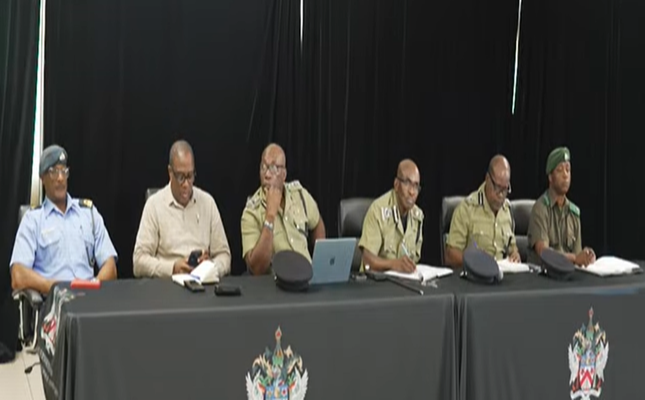
    BASSETERRE, St. Kitts – In the wake of a string of fatal shooting incidents that have claimed three lives across the island over the past fortnight, law enforcement leadership has rolled out a multi-pronged, cross-agency strategy to reverse the alarming spike in violent crime and restore public safety.

  • Column: Corruptie als systeem: wie houdt nog toezicht op de toezichthouders?

    Column: Corruptie als systeem: wie houdt nog toezicht op de toezichthouders?

    A long-standing pattern of unaddressed misconduct at the Surinamese state-owned enterprise Canawaima has pulled back the curtain on deep-rooted systemic failures in the oversight of the country’s public sector entities, a pattern that has persisted across successive government changes.

    Every transition of power in Suriname follows a familiar routine: supervisory boards (Raden van Commissarissen, or RvCs) and executive teams at all state-owned companies are replaced. The theory promises fresh leadership, a new strategic direction, and strengthened independent oversight. In practice, however, the only meaningful shift tends to be who gets to hold the levers of power – while long-standing structural problems remain untouched.

    The core mandate of a supervisory board is clear: to provide independent oversight, enforce accountability, and safeguard good governance. But what happens when the overseers themselves become the source of corruption and mismanagement? Long before many newly appointed supervisory boards and executive teams have even settled into their roles, allegations of impropriety have already emerged across multiple state entities. Irregularities have been flagged at Suriname’s Telecommunications Authority, the Central Milk Board, and the State Health Insurance Fund. At gold mining firm Grassalco, investigations have been repeatedly announced, but no results have ever been made public, and no officials have been held to account for wrongdoing.

    The latest controversy to erupt centers on Canawaima, the critical ferry and transport enterprise connecting Suriname and Guyana. What is unfolding at the company is no isolated scandal – it is a clear symptom of a much deeper systemic rot across Suriname’s public sector. The Canawaima trade union, led by Dayanand Dwarka, has already formally revoked its confidence in the company’s supervisory board and sounded the alarm over pervasive misconduct.

    The allegations leveled against the board are severe: conflict of interest, widespread financial mismanagement, and the routine overstepping of institutional authority. Rather than limiting itself to independent oversight, the board has directly inserted itself into the day-to-day operational management of the company. In effect, the referee has stepped onto the field to play the game – while also controlling the final score. This is not simply poor governance; it is outright abuse of power.

    The accusations go even further. There is documented evidence that financial flows within the company are routed through opaque structures linked directly to supervisory board members. These include shell companies registered in the names of board members’ family members, questionable invoicing practices, and entirely non-transparent transactions. Far from being isolated missteps, these patterns point to a systemic scheme that diverts public funds toward private gain.

    Crucially, Canawaima does not have to be a troubled enterprise. It boasts strong revenue-generating capacity and holds a strategically vital role in cross-border trade and connectivity between Suriname and Guyana, moving massive volumes of capital through its operations annually. Yet for years, that revenue has been captured by executives and overseers who have manipulated the system for their own benefit. The core problem is that state-owned enterprises are not being governed – they are being hollowed out from the inside, even as top officials draw exorbitantly high public salaries.

    A bitter power struggle has paralyzed Canawaima’s operations. The company’s terminal manager has come under intense fire from the board, while he in turn accuses the supervisory board of repeated overreach and unethical behavior. The end result is institutional chaos that has strained service delivery, leaving ordinary Surinamese citizens to bear the consequences of elite infighting and corruption.

    Despite the mounting evidence, no decisive action has been taken to address the crisis. Suriname’s president has repeatedly pledged to crack down hard on corruption and promised that no wrongdoer will be protected. But on-the-ground reality tells a different story: dossiers of alleged misconduct pile up, investigations drag on indefinitely, and meaningful sanctions are never imposed. The current system does not correct itself – it protects insiders. Corruption is no longer an aberration; it has become a profitable business model, one that survives on public funds and persists because there are no consequences for misconduct.

    The question that lingers over Suriname’s public sector is as simple as it is confronting: who will watch the watchmen? As long as supervisory boards themselves face credible allegations of corruption and self-dealing, the entire concept of independent oversight becomes a meaningless farce. Without credible oversight, good governance becomes nothing more than an illusion, and state-owned enterprises become nothing more than playthings for powerful personal interests.

    What Suriname needs right now is not another unpublicized investigation that will be buried in a government drawer. What it requires is genuine political will to intervene impartially, hold wrongdoers to account regardless of their standing, and attach real consequences to misconduct. Until that happens, the broken system will remain intact – and ordinary Surinamese society will continue to pay the price.