博客

  • Washington : Haiti’s Minister of Planning met with the IOM Directorate

    Washington : Haiti’s Minister of Planning met with the IOM Directorate

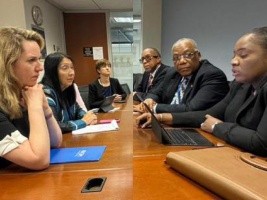
    On April 21, 2026, high-level diplomatic discussions took place in Washington D.C. between Haiti’s top planning official and leadership from the International Organization for Migration (IOM), centered on addressing Haiti’s deepening migration challenges and aligning international support with the country’s national development priorities.

    Sandra Paulemon, Haiti’s Minister of Planning and External Cooperation, convened the meeting with an IOM delegation headed by Director General Amy E. Pope. The delegation also included Michele Sison, director of IOM’s Washington-based global office, and Laura D’Elsa, Senior Advisor on Multilateral Partnerships.

    Haiti is currently grappling with a cascading set of interconnected crises that have reshaped its migration landscape: rising rates of internal displacement driven by instability, mounting pressure from large-scale forced returns of Haitian migrants from other countries, and growing strain on local communities that host displaced populations. Opening the talks, Paulemon publicly commended IOM for its unwavering commitment to supporting Haiti through these turbulent times, and laid out the Haitian government’s vision for future collaboration.

    Paulemon emphasized that any joint work between Haiti and IOM must center the Haitian government’s stated national priorities, particularly those outlined in the country’s National Pact for Stability and the Organization of Elections. She called for far better coordination of international interventions across the country, stressing that all programming must align with the pact’s core economic and social recovery objectives.

    Three core practical priorities anchored the discussions: expanding protection and support for internally displaced Haitians, strengthening reception services and assistance for returning migrants especially along border regions, and upgrading Haiti’s national migration management infrastructure.

    A key gap Paulemon highlighted during the meeting is the persistent geographic imbalance in existing international aid: the vast majority of current interventions are concentrated in Haiti’s capital, Port-au-Prince, leaving the country’s strategically critical border regions vastly under-served. She underscored that these border territories play an irreplaceable role in Haiti’s long-term economic and political stability, making increased investment there non-negotiable.

    Beyond addressing immediate migration challenges, Paulemon outlined a new development-focused vision that leverages the country’s diaspora to revitalize border economies. She noted that border zones are uniquely positioned as strategic hubs for cross-border investment, trade, and local value creation, and that deeper integration between the Haitian diaspora and these regional economies could unlock significant growth. To turn this vision into action, she proposed launching targeted pilot projects to support diaspora-led small and medium-sized enterprises, revitalize underperforming cross-border markets, and build out robust local value chains in key sectors including agriculture, trade, and logistics.

    For these initiatives to deliver long-term impact, Paulemon stressed that they must be embedded into existing national development pipelines, aligned with the Ministry of Planning’s existing monitoring and implementation frameworks, and backed by coordinated funding and support from the broader international community to ensure coherence and the ability to scale successful projects.

    The talks also covered opportunities for enhanced trilateral cooperation between Haiti, IOM, and the neighboring Dominican Republic. Key areas of potential collaboration include joint management of migrant returns, improved protection for vulnerable migrants on both sides of the border, and more streamlined coordination at official border crossings. Paulemon noted that stronger cross-border collaboration in these areas would boost the effectiveness of humanitarian response across the island and improve overall migration governance for both nations.

    Closing the meeting, Paulemon reaffirmed the Haitian government’s unwavering commitment to deepening its longstanding partnership with IOM, built on a foundation of mutual trust and shared responsibility for addressing Haiti’s most pressing challenges.

  • New KHMH Leadership Heading To CBA Negotiations

    New KHMH Leadership Heading To CBA Negotiations

    As the calendar hits April 20, 2026, the recently installed leadership team at Belize’s Karl Heusner Memorial Hospital Authority (KHMH) — the nation’s largest and busiest public health facility — is already facing its first critical test just days after announcing a new era of collaborative leadership. Fresh off pledges of partnership between hospital management and the KHMH Workers Union (KHMHAU), collective bargaining agreement (CBA) negotiations are days away, and core demands have already set the stage for tense discussions, with outcomes that could reshape working conditions and patient care for years to come.

    The talks mark the first major milestone in what both sides have framed as a new chapter for the struggling public hospital, opening with a thin veil of cautious optimism that is quickly giving way to high-stakes bargaining. For union leadership, returning to the negotiation table to hash out a new CBA is the top immediate priority, according to KHMHAU President Roy Briceno.

    “What me and my executive committee are focused on, first and foremost, is getting back around the table and launching these CBA negotiations,” Briceno stated. “That is our primary goal — it’s critical for our members and long overdue.”

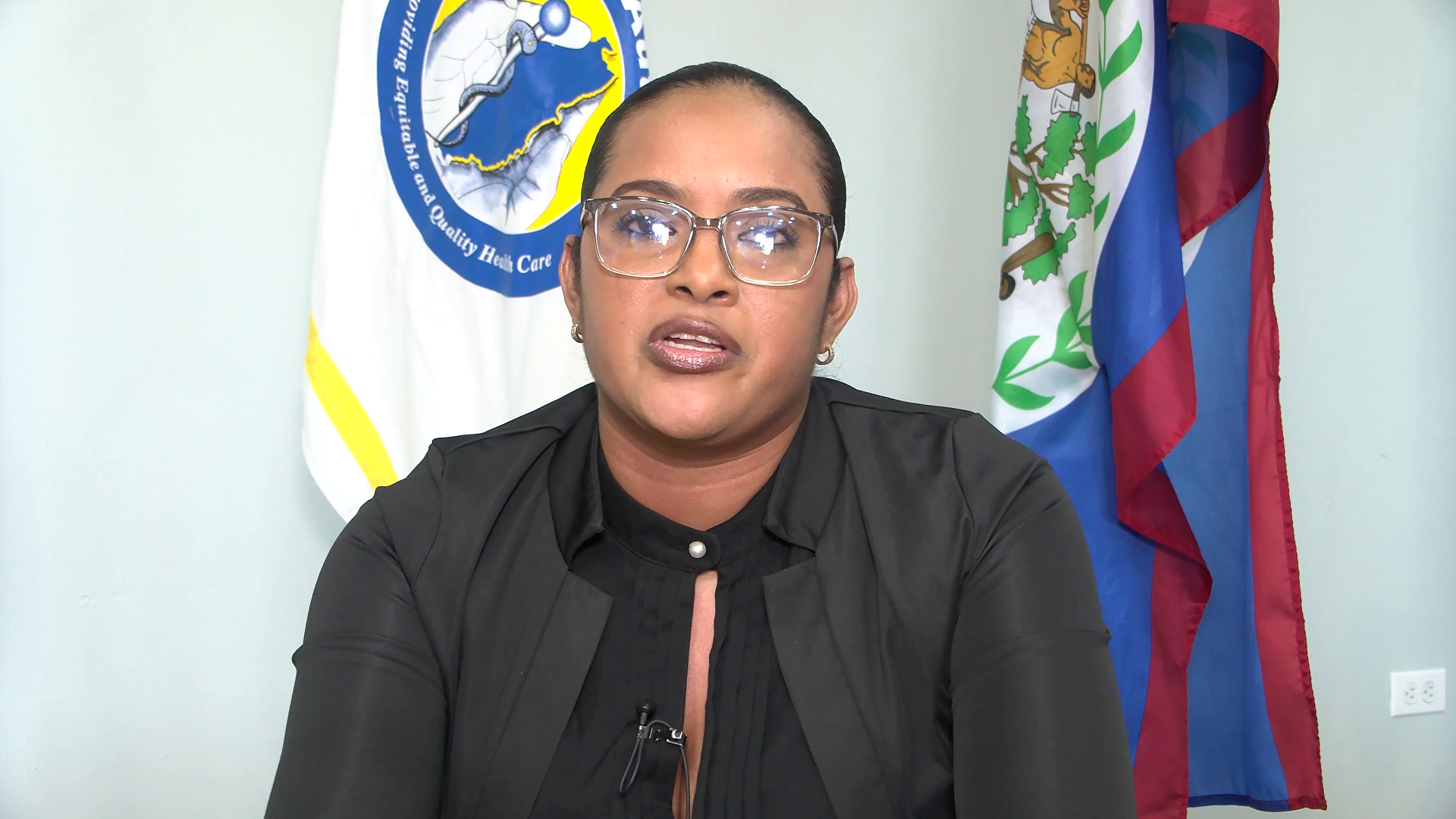
    Sitting across from the union at the negotiating table is newly appointed Chief Executive Officer Sherine Reyes, who has laid out an institutional improvement plan focused on lifting outcomes for both patients and hospital staff. The plan, which won approval from KHMH’s board of directors, has been circulated for discussion across every level of the facility, from frontline unit teams to senior directorates.

    “We submitted our institutional improvement plan to the board, and it was approved. We’ve been sharing that plan with every member of staff over the past month, and we’re still holding discussions at every level of the organization,” Reyes explained. “Our goal is to make this institution better for the patients of Belize, and for the people who work here every day.”

    While the majority of staff have expressed support for Reyes’ vision of systemic improvement, mounting pressure has pushed the union to table bold demands. Across Belize, public sector workers have received two consecutive 4% salary increases in the past year — a benchmark that has amplified calls for long-overdue compensation adjustments at KHMH, where workers currently have no formal pension plan.

    Beyond salary adjustments, the union is also pushing for improved allowances and updated working conditions. At the top of their monetary demand is a 20% across-the-board pay raise for all KHMH staff, Briceno confirmed.

    “We’re looking at allowances, we’re looking at working conditions, and we’re looking at a pay raise — a 20% raise for all our staff here at KHMH,” Briceno said. “We don’t have a pension, and government has already given public workers two 4% raises, one last year and one this year. That’s why we’re pushing for a 20% compensation increase.”

    Reyes, who was widely favored by staff for the CEO role, acknowledges the high expectations placed on her new leadership but says sustainable progress requires balanced decision-making, not unconditional approval of every demand. She notes that credible leadership depends on integrity and hard work, not simply saying yes to secure popularity.

    “You mentioned early on that I was the favorite among staff, but you can’t stay popular just by saying yes to everything,” Reyes noted. “People need to see that you’re willing to put in the work, that you lead with integrity. You can’t agree to every request that comes across the table.”

    Her priority is striking a balance between upgrading staff benefits and working conditions, while also lifting the quality of care and services for the thousands of Belizeans who rely on KHMH for care each year. She admits the facility has long-standing shortcomings, but says she is committed to addressing gaps alongside staff, integrating public feedback to build a stronger hospital for current and future generations of Belizeans.

    “We know we have shortcomings, and we plan to work with our staff to fix them. We’re going to provide the necessary training, we’re going to take public recommendations seriously, and we’re going to build a better institution — not just for us, but for the generations that come after us,” Reyes said.

    Right now, both sides have expressed initial goodwill toward the negotiation process, but with a bold 20% pay raise already on the table, the coming weeks of talks will likely define the future of KHMH, its workforce, and the quality of care it delivers to Belize. This report was prepared by Shane Williams for News Five.

  • New KHMH CEO Takes on Staffing Uncertainty

    New KHMH CEO Takes on Staffing Uncertainty

    When Sharine Reyes stepped into the role of Chief Executive Officer at Karl Heusner Memorial Hospital (KHMH), Belize’s largest public healthcare facility, she did not inherit a typical leadership post. Instead, the new CEO immediately faced a web of interconnected staffing challenges that threaten to destabilize care delivery across the entire institution – issues rooted in both national policy shifts and regional economic trends.

    The most pressing question hanging over KHMH’s workforce right now is the future of Cuban medical professionals currently serving in Belize’s public health system. For years, Cuban doctors and nurses have filled critical gaps in Belize’s understaffed healthcare network, but uncertainty around the continuation of this bilateral arrangement has left hospital leadership scrambling to plan for potential sudden vacancies. Compounding this insecurity is a steady brain drain of locally trained nursing staff, who are regularly lured away by higher salaries and better career opportunities offered by larger regional economies and Belize’s own fast-growing private healthcare sector.

    These dual pressures have put KHMH’s long-term staffing stability in serious question, a concern that does not stay confined within the hospital’s walls. As Reyes emphasized in a recent interview, this is a national issue that impacts every community in Belize. “That is very concerning and it should be concerning to all of us as a nation since this affects us nationally,” she noted.

    Despite the magnitude of the challenges, Reyes remains optimistic that the Belizean government will deliver targeted solutions to stabilize the hospital’s workforce. She confirmed that following advocacy from KHMH leadership, the institution has now been added to a national nursing retention strategy designed to keep skilled local healthcare workers in the country. Initially, KHMH was excluded from the national plan, but after hospital leadership raised formal concerns and opened discussions with government officials, the decision was reversed. Officials have already requested staffing data and financial projections from KHMH to assess what level of state support the hospital needs to implement its own retention measures.

    Reyes made clear that she has confidence in the government’s ability to turn the plan into action. “But we have hopes in the government. They, I know they have a plan in place to address those challenges, so we’re hoping that whatever plan they have in place, that materialize,” she said. In response to questions from journalist Shane Williams about how the plan will specifically address nurse retention at KHMH, Reyes confirmed that government representatives have already signaled their commitment to supporting the hospital through this process.

    Looking ahead over the coming weeks, Reyes says that beyond tackling the immediate staffing crisis, one of her top priorities is to shine a spotlight on the innovative, trailblazing programs already advancing care at KHMH. While the staffing challenges remain significant, the new CEO is framing her tenure as an opportunity to both resolve systemic gaps and showcase the hospital’s ongoing contributions to public health in Belize.

    This report is adapted from a transcribed broadcast of the outlet’s evening news segment.

  • The truth about Cuba will not be silenced

    The truth about Cuba will not be silenced

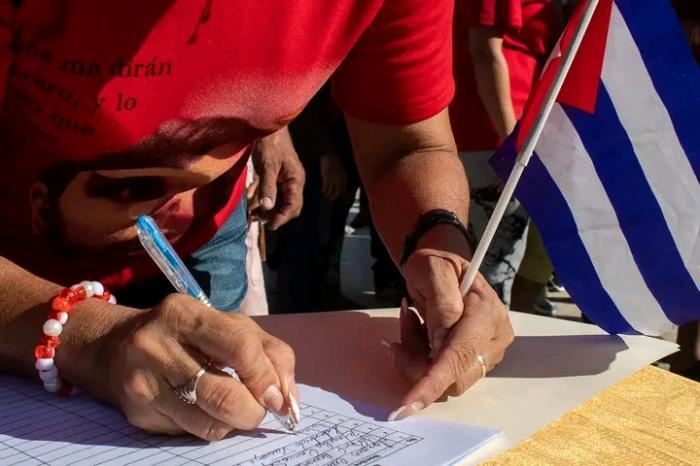
    On April 19, at the historic Bay of Pigs, Cuba’s top leader Miguel Díaz-Canel Bermúdez — who serves as First Secretary of the Central Committee of the Communist Party of Cuba and President of the Republic — officially kicked off a nationwide mass movement called “My Signature for the Homeland” by adding his own signature first. This new initiative grows out of a call Díaz-Canel made during ceremonies marking the 65th anniversary of the proclamation of the socialist character of the Cuban Revolution, aiming to rally both domestic Cuban organizations and global allies to spread accurate, unfiltered information about Cuba across every region of the world. It also serves as a public, tangible manifestation of the Declaration of the Revolutionary Government, recently published by Cuban state newspaper Granma.

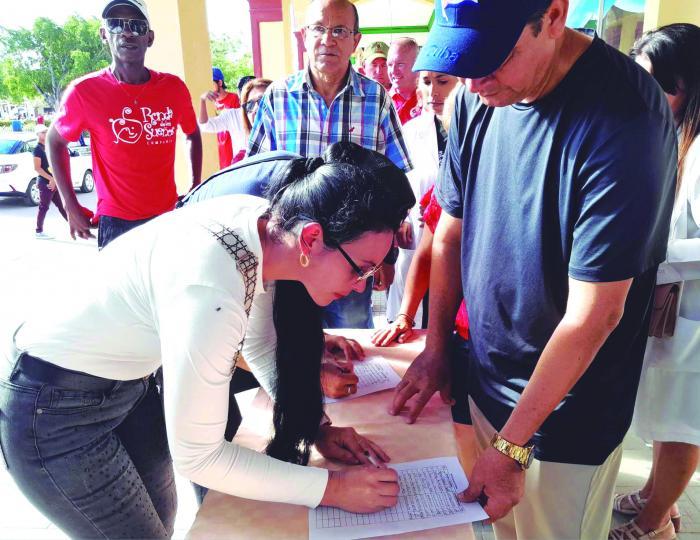
    In the days following the movement’s launch, millions of Cuban residents from the westernmost tip of the island to its eastern border have been participating in the signature drive, turning public squares and community parks across the country into gathering points for collective national expression. This Sunday, April 20, saw the first large wave of participation, with signature collections set to continue in coming days to allow people of all ages, professions, religious backgrounds and social sectors to take part. For every participant, adding a signature is more than a symbolic act: it is a public declaration that the Cuban people refuse to be intimidated or coerced by growing, repeated threats from the United States government.

    The core of the movement’s message echoes the text of the Revolutionary Government’s declaration, titled *Bay of Pigs is Today and Forever!* The declaration emphasizes that Cuba is a nation rooted in centuries of shared history and unshakable collective convictions. It frames the Cuban people as a peace-loving, solidarity-focused population that builds its future through daily work and persistent reclamation of its right to self-determination. Just as 65 years ago, Cuban forces defeated foreign-backed aggression on the sands of the Bay of Pigs under the iconic rallying cry “Homeland or Death!”, the declaration affirms that the Cuban people will once again secure victory in their ongoing defense of national sovereignty and the socialist system they have chosen.

    Across the island, the signature drive has underscored a unified national position: the Cuban people will never surrender their fundamental right to chart their own independent course of historical development, even in the face of long-standing external pressure and intervention.

  • We will defend our Homeland at any cost

    We will defend our Homeland at any cost

    Sixty-five years after Cuban forces secured the first major military defeat of U.S. imperialism in the Americas at the Bay of Pigs, tens of thousands of Cubans across every province of the island have come together to participate in the nationwide “My Signature for the Homeland” movement, throwing unified public support behind the Revolutionary Government’s latest declaration of sovereignty.

    Across the country, the movement brought together Cubans of all generations, professions and backgrounds, each adding their name to the statement to reaffirm national unity, reject long-standing foreign intervention, and defend the Cuban Revolution against ongoing external pressure.

    In the southern coastal province of Cienfuegos, crowds gathered at José Martí Park to kick off local activities. Damián Cosme, an educator and recipient of Cuba’s Hero of Labor honor, emphasized his unwavering commitment to the revolutionary cause, stating he was prepared to fulfill every demand the Revolution placed before him, even giving his life if called upon. Anay Morera Guillen, secretary of the Central Workers’ Union of Cuba in Cienfuegos, added a clear message for the global community: “We are here to tell the world that Cuba will not surrender. Now, when the Homeland needs us most, we are more united than ever to overcome every adversity.”

    Across central Cuba in Sancti Spíritus, the movement extended beyond collective public action to become a intergenerational family commitment for many participants. Transportation worker Andrés Concepción traveled to the signing event with his wife Yudiana, his adult son Dairon, and his young daughter Dina, describing the act as a personal and family duty driven by pure conviction. “These are moments to give a resounding yes to our country,” Concepción explained. “It’s the legacy from colonial times, but it’s also about continuity, which is of utmost importance. For us, it’s not over. There will be Cuba and the Revolution forever.” He framed his participation as a passing of legacy from his parents’ generation to his own, and on to his children and future descendants, noting no one had pressured him to attend: “It is a way of demonstrating to imperialism and the entire world the unity we have as a people, our rejection of the United States blockade, our repudiation of war, violence, and terrorism, and the commitment to peace that we have always had as a nation.”

    In Bayamo, the historic hub of Granma province, generations of residents gathered in Revolution Square to echo the resolve that carried Cuba to victory at the Bay of Pigs, reaffirming that national freedom is non-negotiable. Representing the country’s veteran revolutionary combatants, Reynaldo Fernández Moreno denounced the ongoing harassment from the U.S. government: “The United States has not relented in its efforts to crush the Cuban Revolution through various plans of aggression to divide and destabilize us.” He also called out what he described as Washington’s hypocrisy, noting U.S. officials falsely accuse Cuba of supporting terrorism while carrying out thousands of subversive campaigns intended to break the Cuban people’s capacity for resistance.

    At the Valle del Yabú Agricultural Enterprise in Santa Clara, veteran tourism worker Manuel Soliño Guevara, another Hero of Labor of the Republic of Cuba, added his signature after completing a day of volunteer farm work. He reaffirmed his commitment to the homeland, echoing the iconic revolutionary slogan first introduced by Fidel Castro 66 years prior: “Homeland or Death.” Soliño emphasized that unity of purpose is critical to protecting peace and preventing foreign military aggression, noting that Cuba has never posed a threat to any other nation.

    In Santiago de Cuba, widely known as the cradle of the Cuban Revolution, commemorations for the 65th anniversary opened with flag-raising ceremonies at the province’s most iconic historic sites. Young activist Yesenia Acuña Borrero spoke at the Revolution Plaza named for fallen independence hero Antonio Maceo, in front of his equestrian monument, reaffirming: “Although we are a people who love peace, our flag will be defended at any cost.” Nearby, at the Guillermón Moncada Stadium, hundreds of residents of all ages gathered to celebrate the anniversary, which stands as a permanent demonstration of the Cuban people’s refusal to tolerate foreign interference or invasion. Local resident Yaney León added: “Without a doubt, I also take this opportunity to pledge my support for the Homeland, for our dignity, and for peace.”

    In eastern Cuba’s Holguín province, thousands of signatories used their participation to reaffirm Cuba’s long-held core commitment to peace, paired with the unshakable conviction that defending national sovereignty is a supreme duty for all Cubans. At a patriotic gathering in Calixto García Park in the provincial capital, young public health professional Elaine Cruz Bobas spoke before the signature drive began, stating: “The truth of these people will not be silenced. The suffering of millions of Cubans as a result of the blockade and the brutal economic war is an act of genocide.”

    At José Martí Park in Ciego de Ávila, provincial economy and planning worker Edilia Gutiérrez Cordero arrived early on the Sunday of the event. While her daily work centers on balancing budgets and calculating achievable development targets, on this day her task was to add her name to the statement of national commitment. “My signature for the Homeland is a way of saying: We are here,” she said, her voice cutting through the park’s bustle. She repeated the line firmly, standing against what she described as escalating imperialist threat. Gutiérrez explained that her signature carried both a yes and a no: it was a yes to Cuban sovereignty and national presence, and a resounding no to the war foreign powers seek to impose on the island. Even amid widespread economic hardship caused by the decades-long U.S. blockade, she described herself as happy: “Every day I make Cuba the way I want, because I feel free in the country where I was born. That freedom is not an empty phrase. It is the freedom to choose to stay, to build alongside my compatriots, and to stand in solidarity.”

    In Las Tunas, hundreds of residents gathered in José Martí Square in front of a monument to the national hero to condemn the U.S. blockade and repeated threats from the U.S. government. University professor Carlos Alberto Suárez Arcos noted that the gathering was marked by hope and energy, pointing out that global solidarity actions for Cuba continue to grow because the island remains a powerful global symbol. “It is not a weapon of mass destruction, it is a soul of mass construction,” Suárez Arcos said.

    In Camagüey’s Victoria de Girón neighborhood, the neighborhood named for the 1961 Bay of Pigs victory, hundreds of local residents gathered to add their signatures. Two young participants shared powerful reflections on the meaning of their participation. University of Camagüey student Yolanda Molina Castillo emphasized that her signature was no empty gesture, noting: “History confirms our tradition of struggle, and the examples are written in the blood of thousands of men and women who fell for this freedom and peace we enjoy.” Juan Carlos Blanco, another young Camagüey resident, told reporters his signature was a binding oath: “I signed for Cuba and for Fidel, for the Homeland, the Revolution, and Socialism. My signature is my commitment to defend our future, our principles, and our sovereignty.”

    In the eastern border province of Guantánamo, at the historic Arroyo Hondo agricultural complex where Cuban independence leaders José Martí and Máximo Gómez relaunched their revolution in 1895, agricultural worker Taylienis Acosta Jiménez put forward a clear message to U.S. political leaders threatening Cuba. “Here are my hands, if needed to save the Revolution,” she said. “I am like my people: peaceful. Gringo, think before you attack us. If you do, there will be deaths and grieving families on both sides; something very painful. It is your responsibility to prevent it.”

  • Bread Prices Rise at Sunnyside Bakery

    Bread Prices Rise at Sunnyside Bakery

    For Belizean households that rely on affordable daily staples to make ends meet, a new round of price increases at one of the country’s popular local bakeries is adding another layer of financial strain. Starting April 20, 2026, Sunnyside Bakery has raised prices across a range of its best-selling baked products, a change that directly impacts everyday shoppers who purchase bread and buns on a regular basis.

    The bakery’s leadership confirmed the price adjustments are a direct response to skyrocketing raw material expenses that have squeezed profit margins across Belize’s food production sector. Under the new pricing structure, customers will now pay $4.50 for both raisin buns and wheat bread, while plain non-raisin buns and Creole bread carry a new price tag of $3 per unit. In a public statement, the bakery emphasized that the price hike was not a voluntary choice, but an unavoidable adjustment forced by broader market conditions.

    Businesses across Belize have been grappling with sustained increases in both wholesale input costs and day-to-day operating expenses for months, and Sunnyside Bakery is far from alone in passing these additional costs on to consumers. The impact of even small increases on staple goods resonates deeply across the country, where many working families are already stretched thin by rising bills across every category of household spending: food, energy utilities, and public and private transportation have all grown more expensive in recent months.

    What may seem like a minor uptick in the cost of a daily loaf of bread adds up quickly for households that purchase baked goods regularly, putting additional strain on already tight monthly budgets. This local price adjustment offers a clear, on-the-ground look at the broader economic pressures that are reshaping daily life for ordinary Belizeans, as cost of living increases continue to impact core household expenses. This report probes the root causes of this latest price increase and examines what it reveals about the wider economic challenges facing the nation.

  • Homicide Investigation Launched in Steve Lewis Case

    Homicide Investigation Launched in Steve Lewis Case

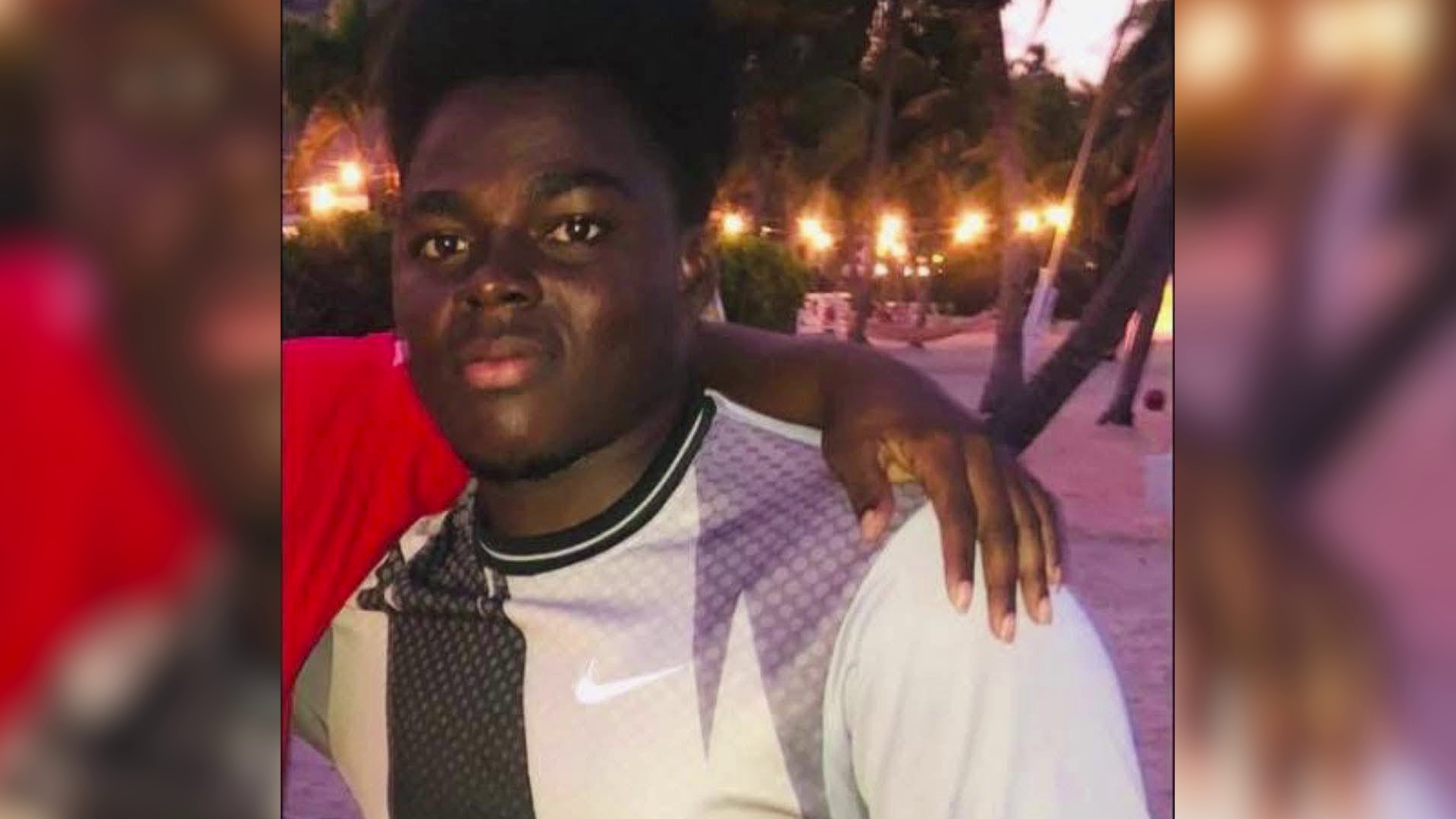
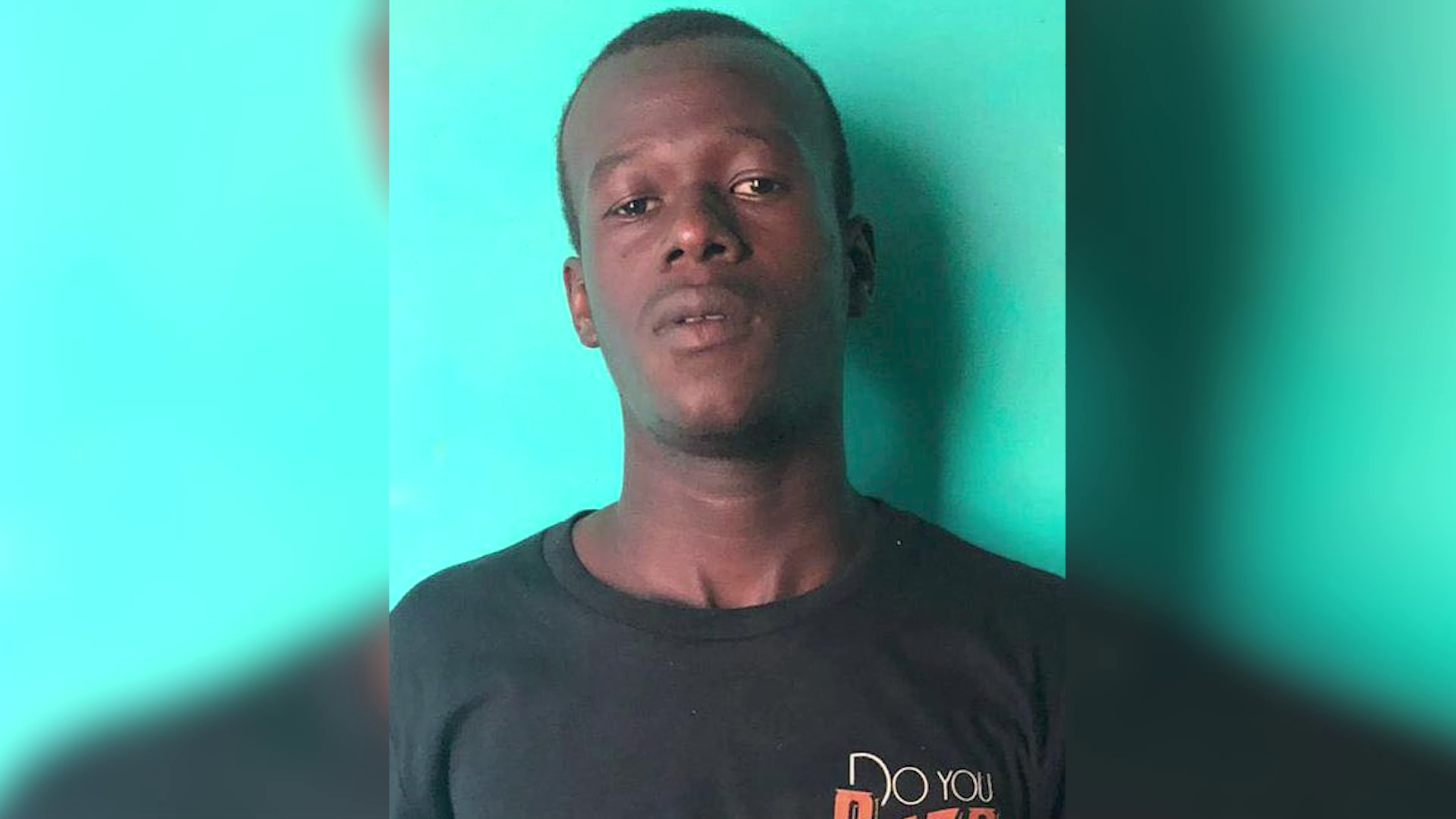
    In a tragic development that has shaken a small community in southern Belize, what began as a missing person inquiry has officially transitioned into a full homicide investigation, after the remains of 24-year-old delivery driver Steve Lewis were recovered last Friday.

    Lewis, a resident of Dangriga Town, was last seen alive on the morning of April 13, when he left his home to complete an unusual delivery request. When he failed to return to his residence that evening, his common-law wife filed an official missing person report with the Dangriga Police Station on April 14. For three days, local authorities searched for the young driver, until a grim discovery led investigators to a remote feeder road running off the Thomas Vincent Ramos Highway, close to the community of Silk Grass Village. Just after 8:30 a.m. on April 17, responding officers located Lewis’ decomposed body at the site.

    In an official statement, Assistant Superintendent of Police Stacy Smith, staff officer for the department, confirmed that law enforcement is actively searching for a male suspect connected to the killing. While a formal autopsy has yet to be finalized, Smith told reporters that investigators believe Lewis died from a gunshot wound, pointing to an expended bullet casing recovered from the scene of the discovery. “It usually is [conducted] when the body is in an advanced state of decomposition,” Smith explained, noting the standard procedural timeline for cases with remains in this condition.

    For Lewis’ family, the loss has left overwhelming grief and unanswered questions. In an interview with local outlet News Five, his mother Suceli Lewis shared details about her son’s final work request that has raised red flags for the family. She explained that the customer who booked the delivery specifically asked Lewis to bring a full-face helmet for the trip, an unusual request that stood out from his regular delivery runs. Taking the charter job to Silk Grass Village, Lewis set out on his delivery bike and never returned.

    Described by his mother as a quiet, hardworking young man who avoided conflict and focused on providing for his partner, Lewis rarely socialized outside of work and immediate family gatherings. Even when his mother invited him to attend community events at the local park, he preferred to stay home, she said. “He was a sweet and humble young man. Sweet, he does not like problem. He does not even have friend,” Suceli Lewis told reporters in an emotional phone interview. “Sir, honestly no retaliation. I will leave it up to God. All I wanted was a closure for my baby and I done get my closure. No retaliation. I will leave it to God. I believe in my God. I have faith in him.”

    Local law enforcement continues to piece together the timeline of Lewis’ final hours to identify a motive and locate the person responsible for his death. News Five, the original outlet that broke the story, has confirmed it will continue publishing updates as the investigation progresses. This report is a transcript of a televised evening news broadcast, with Kriol language statements transcribed using a standardized spelling system for accessibility.

  • Two Teen Lives Lost, Jaheil and Alwin, Investigation Continues

    Two Teen Lives Lost, Jaheil and Alwin, Investigation Continues

    The tight-knit Port Loyola community in Belize remains in a state of stunned grief following the violent deaths of two local teenagers, as law enforcement ramps up an ongoing investigation to identify and hold accountable those responsible for the killings.

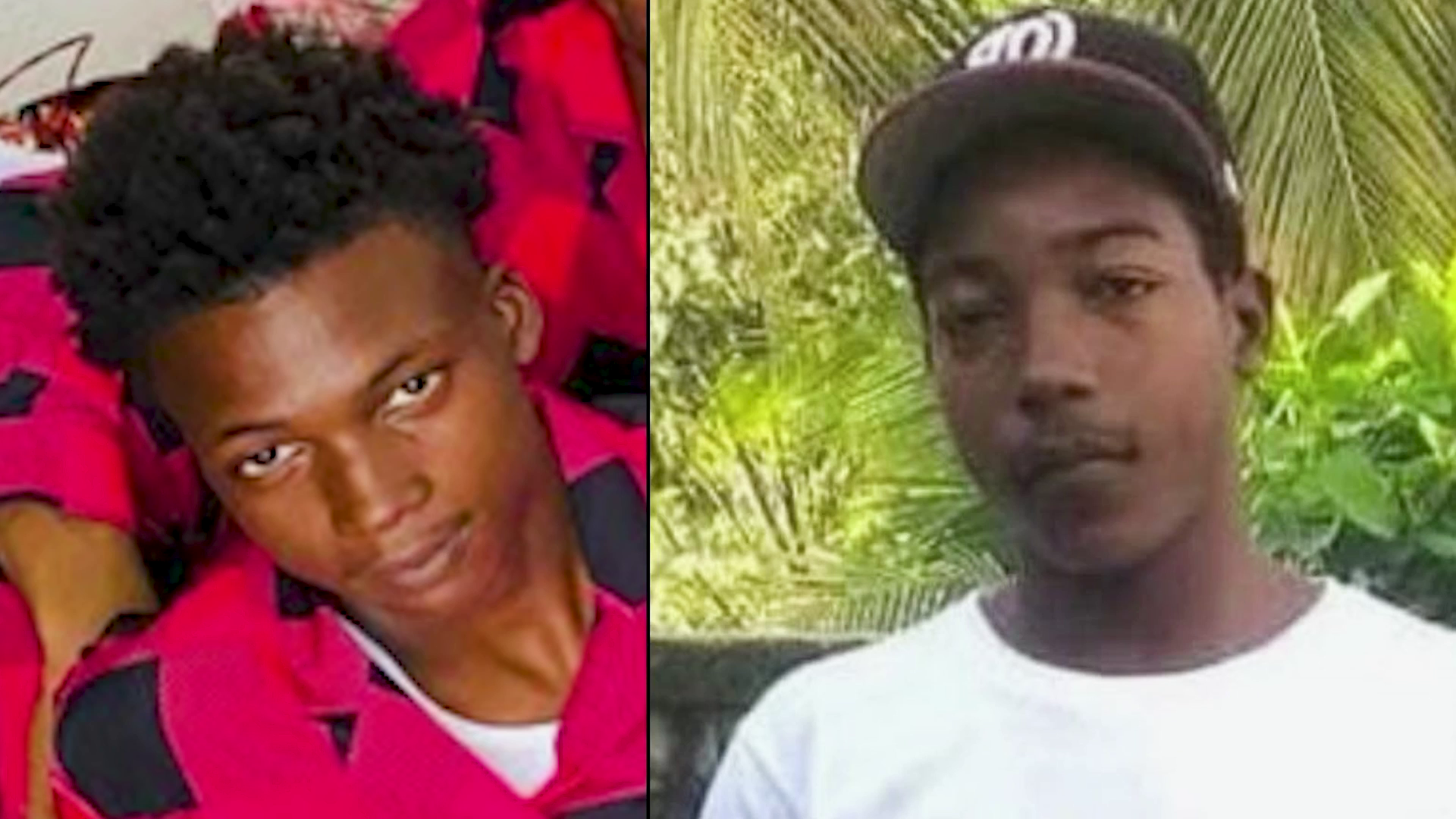
    Nineteen-year-old Jaheil Westby and 17-year-old Alwin Marin were killed in an incident that has left neighbors and family members searching for closure and answers more than a week after their bodies were discovered. Local law enforcement has confirmed that investigators are working methodically through available evidence, starting with a wide review of surveillance camera footage from businesses and public spaces near the area where the incident unfolded, while also collecting witness statements from community members to build a clear timeline of events.

    In an official statement to local media, Assistant Superintendent of Police Stacy Smith, a staff officer with the department, outlined the current status of the investigation. “From the initial discovery of Mr. Westby’s body, officers have been working nonstop on this case,” Smith explained. “We’ve already reviewed a large batch of surveillance footage that was readily available, but that material has not yielded any substantial leads that can move the case forward right now.”

    Smith added that investigative supervisors have now ordered the retrieval of additional surveillance recordings from other nearby locations, which will be reviewed in the coming days to see if they contain critical evidence. To date, investigators have already recorded formal statements from dozens of community members, and early interviews have pointed to a potential motive: a longstanding dispute between the two deceased teens and other young people who live in the Port Loyola area.

    “Right now, the investigation remains very active,” Smith emphasized. “As soon as we make meaningful progress or have confirmed results to share, we will update the media and the public promptly.”

    The double killing has left the usually quiet neighborhood shaken, with residents calling for quick action from police to bring clarity to the case and end the cycle of youth conflict that has been linked to the incident. Law enforcement has reiterated its commitment to solving the crime, and local media will continue to follow new developments as they become available.

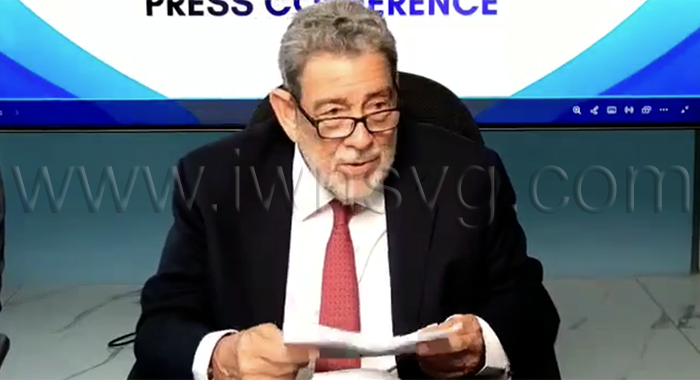
  • Gonsalves urges media to speak out against plans to amend Constitution

    Gonsalves urges media to speak out against plans to amend Constitution

    KINGSTOWN, St. Vincent — A post-election political firestorm has erupted in St. Vincent and the Grenadines (SVG), as former long-ruling Prime Minister and current Opposition Leader Ralph Gonsalves is sounding the alarm over a controversial proposal from the newly elected government led by Prime Minister Godwin Friday, urging local media to speak out against what he frames as an attack on the country’s core democratic institutions.

    Gonsalves, whose Unity Labour Party (ULP) lost the November 27 general elections after holding power for 20 consecutive years, laid out his case in a formal letter sent to media editors across the country, centering his criticism on the government’s plan to amend the SVG Constitution retroactively while two election challenges against Friday and Foreign Affairs Minister Dwight Fitzgerald Bramble are already winding through the judicial system.

    The election petitions were filed by defeated ULP candidates, who argue that Friday and Bramble are ineligible to hold their parliamentary seats because they hold Canadian citizenship, a question that hinges on the judiciary’s interpretation of Section 26 of the existing Constitution. That clause bars candidates who have voluntarily sworn allegiance to a foreign power from holding office. Gonsalves, a trained attorney, noted that after the government initially dismissed the legal challenges as “frivolous”, it has now taken the unprecedented step of introducing a retroactive constitutional change that would directly alter the legal landscape mid-litigation, potentially swinging the outcome of the cases in the government’s favor.

    Gonsalves emphasized that the foundational democratic principles SVG has long cherished are on the line: the supremacy of the national constitution, the rule of law, and the separation of powers between the legislative, executive, and judicial branches. He pointed out that the government’s maneuver is unprecedented not just in SVG, but across global and Caribbean democratic contexts. While dual citizenship eligibility challenges are common around the world, he said there is no recorded example of a sitting government amending its constitution specifically to sidestep an active court challenge to its own top officials.

    The proposed amendment, Gonsalves argued, is being rushed through with just one week’s public notice, no meaningful consultation with either the opposition or the general public, and no formal explanation from either the Prime Minister or the Attorney General. Beyond its opacity, he said the amendment directly undermines the core role of the judiciary, which holds the exclusive constitutional authority to interpret constitutional law. A retroactive change tailored to an ongoing case, he contended, does not merely update the law—it effectively interferes with the administration of justice by predetermining the outcome of a matter properly before the courts.

    The government has already pushed back against Gonsalves’ claims. Government legislator and attorney Jemalie John told a local radio program last week that the proposed constitutional changes are not intended to impact the two pending election petitions, and rejected the ULP’s accusation that the New Democratic Party (NDP) government sprung the plan on the public without warning. John clarified that public discussion of the proposal was inevitable after official parliamentary notice was published, per the country’s standing rules.

    For Gonsalves, however, the risks stretch far beyond this specific dispute. He argued that the amendment violates long-held legal principles, including the ban on retroactive laws that alter existing rights and the accepted boundaries of parliamentary power to amend the constitution. He added that election petitions are a unique cornerstone of electoral accountability, designed to enforce the law as it existed at the time voters cast their ballots. Changing that framework after the fact erodes legal certainty and public trust in the entire electoral process, he said.

    “No responsible democracy should permit the Constitution to be amended in a manner that appears designed to shield individuals from judicial scrutiny in an ongoing case,” Gonsalves wrote. “Constitutional power, however broad, is not without limits. It must be exercised consistently with the fundamental structure and values of the Constitution itself — values which include democracy, the rule of law, and the separation of powers.”

    In his appeal to the media, Gonsalves stressed that his call is not a partisan maneuver, but a defense of foundational national principles. He urged the press, which has long played a central role in protecting SVG’s democratic traditions, to use its platform to speak out and pressure the government to abandon the amendment, allowing the courts to rule on the pending petitions based on the law in place when the general election was held.

    Gonsalves warned that allowing the government’s move to go unchallenged would set a dangerous precedent for future administrations of any political stripe. “If actions of this nature go unchallenged, they risk establishing a precedent by which any government, present or future, may endlessly revise our Constitution — without public consultation — for personal gain or protection. That would have lasting adverse consequences for our democracy,” he said.

    The legal challenge is already moving forward: a case management hearing was held on March 5, with the next proceeding scheduled for May 19, and a full three-day trial set to begin on July 28 this year.

  • Police Step Up Search for Missing Dangriga Man, Lidahni Martinez

    Police Step Up Search for Missing Dangriga Man, Lidahni Martinez

    Authorities in southern Belize are accelerating efforts to locate a 23-year-old Dangriga man who has been missing for more than a month, with investigators now turning to public assistance to identify two persons of interest who could shed new light on the case.

    Lidahni Martinez was last seen on March 27, 2026, when he left his shared home in a sport utility vehicle and never returned. His common-law wife waited nearly two weeks before filing an official missing person report with local police on April 7, 2026, triggering the start of a formal probe into his unexplained disappearance.

    Speaking to local outlet News Five, Assistant Superintendent Stacy Smith, a staff officer with the Belize Police Department, confirmed that investigators have already collected dozens of witness statements from family, friends, and acquaintances connected to Martinez. Smith added that authorities have now narrowed their focus to locating two individuals who investigators believe hold critical information that can help move the stalled investigation forward.

    When pressed by reporters to confirm whether Martinez’s disappearance is linked to the ongoing probe into the separate disappearance of Deborah Arthurs, Smith declined to comment on any potential connections between the two cases, citing the active and ongoing nature of the investigation. Smith confirmed that police have not yet ruled out any connections, but have also not reached any definitive conclusions about ties between the two missing person cases at this stage of the inquiry.

    This report is adapted from a televised evening news broadcast transcript published online by local Belizean media, with unaltered official statements preserved for accuracy.