博客

  • Beaten, stabbed and strangled

    Beaten, stabbed and strangled

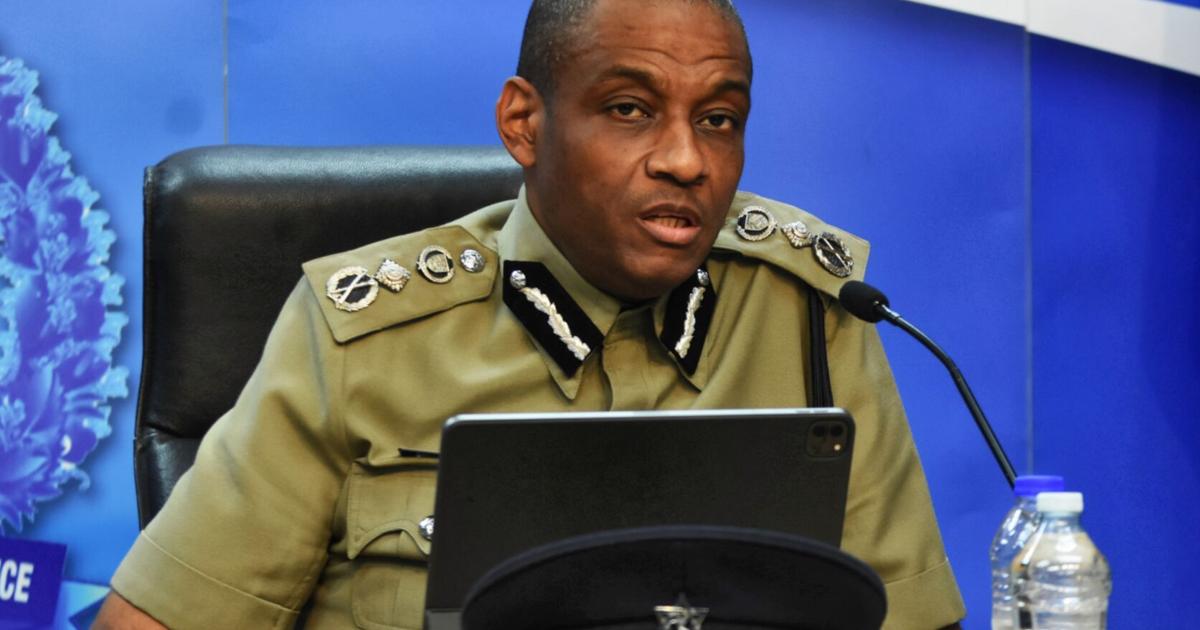
    In an official press briefing held at the Edward Street Police Administration Building in Port of Spain on Tuesday, Trinidad and Tobago Police Service (TTPS) Commissioner Allister Guevarro released key updated findings from the autopsy of slain municipal police Corporal Anuska Eversley, confirming the cause of her death and outlining the ongoing investigation into the shocking station killing and arms heist.

    Guevarro confirmed that the full autopsy, completed earlier that day, determined Eversley died by strangulation, with additional evidence of both blunt force trauma from a beating and sharp force injuries from stabbing found on her body. The initial public speculation that Eversley had suffered a gunshot wound has been fully ruled out by forensic pathologists, he added, with no trace of bullet wounds found during the post-mortem examination.

    Eversley’s body was discovered at the San Fernando Municipal Police Station in the early hours of last Sunday, at approximately 4:40 a.m. Guevarro described the brutal killing and the subsequent theft of firearms and ammunition from the station as an unprecedented event that has sent shockwaves across the nation, and emphasized the TTPS views the arms theft as an issue of the highest concern.

    As of the press briefing, six men between the ages of 16 and 33 remain in police custody as persons of interest. Three other detainees—two women and one man—who were taken into custody shortly after the incident were released as investigators continue to piece together the timeline of events. Guevarro noted that further adjustments to the list of detainees are expected as the probe advances.

    When asked to confirm the total number of stolen weapons and ammunition, Guevarro declined to give an official final figure, as a full audit of the station’s armory is still ongoing. He told reporters he expects the audit to wrap up within 48 hours. Prior unofficial statements to local media outlet *Express* had put the number of stolen firearms at more than 60, with an estimated 4,000 rounds of ammunition taken. So far, Guevarro confirmed, 38 weapons have been recovered by investigators: one MPX submachine gun, one shotgun, one revolver, and 35 pistols. Investigators have also retrieved 929 rounds of ammunition, including 900 9mm rounds, 10 .38 caliber rounds, and 10 shotgun shells.

    Investigators are currently working to confirm how many people were involved in the incident. Guevarro stated that evidence so far points to three people being present at the station the night of the killing, including Eversley herself. Teams are reviewing closed-circuit camera footage to determine whether a fourth suspect was present at the scene. Interviews with Eversley’s colleagues at the municipal police station are also ongoing, as investigators probe for any potential accomplices and assess how the attack was able to be carried out inside the facility.

    In the wake of the killing and theft, the TTPS is rolling out sweeping systemic reforms across the country’s entire municipal police network. Guevarro explained that the new measures are designed to close critical security gaps that allowed the incident to occur, with immediate reforms focused on strengthening protocols for firearm storage and mandating strict compliance with existing department policies and standing orders.

    Guevarro reiterated a key point for public clarity: the incident is not being classified as a targeted attack against law enforcement. He stressed that this type of violent, fatal attack inside a police station coupled with a mass arms theft is completely unprecedented in Trinidad’s history.

  • Police officer caught on video beating woman

    Police officer caught on video beating woman

    A viral 23-second video that has spread rapidly across social media platforms has triggered an official police probe into allegations that a serving Trinidad and Tobago Police Service corporal assaulted a woman at her private residence in Tobago West. According to senior law enforcement officials, the recording first came into police possession last Saturday, immediately prompting the opening of a formal investigation into the disturbing incident.

    The footage, which has shocked local communities after being shared widely online, captures the uniformed officer repeatedly striking the woman. Visual evidence shows the victim attempting to protect herself from the blows, which land across her head and face, including a clear slap caught on camera. Both parties left the location of the altercation after the incident, which is confirmed to have taken place on April 12 at the woman’s home in the Tobago West district.

    Assistant Commissioner of Police Rishi Singh, in an official interview with local outlet the Express, confirmed that investigators are moving forward with the case, but clarified that progress in the probe is partially contingent on cooperation from the victim. “A final resolution to this incident is not solely within the control of the police,” Singh explained. “The victim must first formally submit a statement to investigators to move the process forward. We have also informed her that she can access specialized support from the TTPS’ dedicated Victims and Support unit if she needs assistance.”

    The Express also reached out to Ishmael Pitt, the head of the Police Social and Welfare Association, the representative body for police officers in the region, for comment on the allegations. Pitt confirmed that he had reviewed the viral footage firsthand, and openly acknowledged that the video documents an apparent assault against the woman.

    Pitt made clear that the police union supports full compliance with local laws and a transparent, impartial investigation into the incident. “There are clear legal frameworks in place to address this kind of conduct, and we as an organization abide by all existing laws and service rules,” Pitt stated. “We stand fully behind any official investigation and whatever outcome it reaches. This matter must be handled exclusively through the proper legal channels, there is no place for extrajudicial action here.”

    Pitt further emphasized that violent assault of this nature will not be tolerated within the ranks of the police service. “There are established rules and binding laws that govern the conduct of all officers, and I have full confidence that the investigation will be carried out thoroughly,” he added. “Any person found responsible for misconduct must be held accountable for their actions. This kind of behavior cannot be condoned under any circumstances.”

  • Government Presents Crisis Response Plan to Dominican Episcopate

    Government Presents Crisis Response Plan to Dominican Episcopate

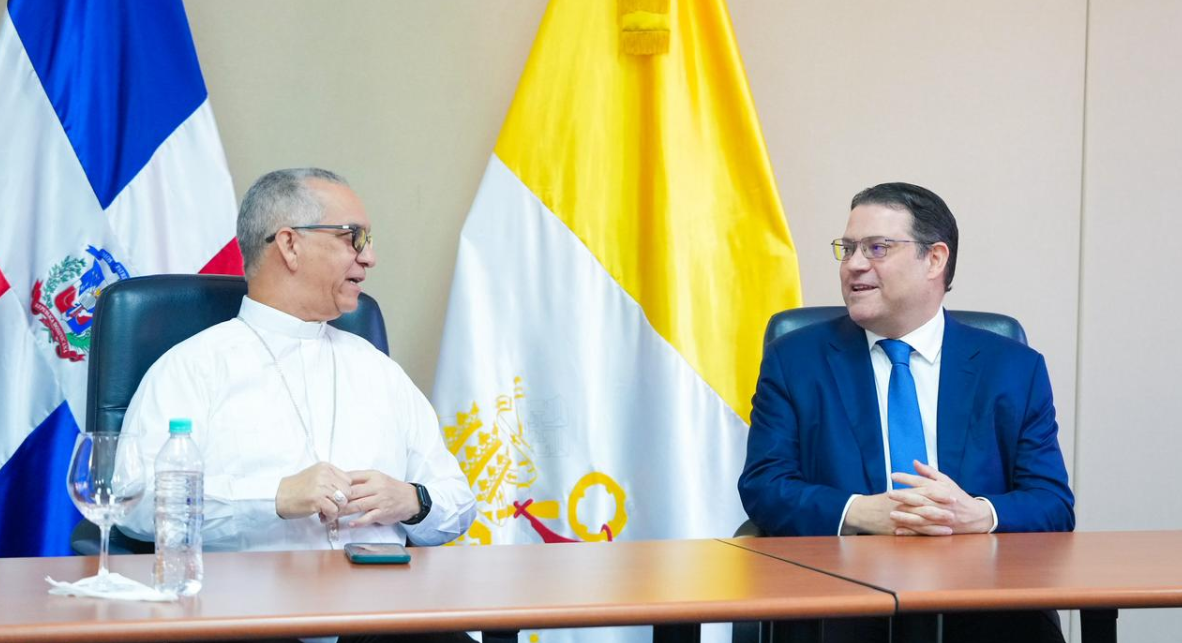
    SANTO DOMINGO – Top Dominican government officials have held a high-stakes working meeting with the Permanent Council of the Dominican Episcopate, where they laid out a comprehensive national strategy to mitigate the economic spillover from ongoing global turbulence. The government delegation, led by Industry and Commerce Minister Yayo Sanz Lovatón, included two other senior cabinet members: Administrative Minister of the Presidency Andrés Bautista and Public Administration Minister Sigmund Freund. During the discussions, Lovatón revealed that close to 10 billion Dominican pesos have already been earmarked specifically for fuel subsidies, a targeted intervention designed to shield low-income and vulnerable households from skyrocketing inflation driven by international market shifts.

    The cross-sector economic stabilization plan is built around three core pillars that anchor the government’s response: safeguarding the purchasing power of everyday Dominican families, keeping local production lines active and preserving existing employment positions, and offsetting global commodity price increases through targeted state financial support. Beyond the fuel subsidy program already put in motion, the plan includes additional relief measures: subsidies for agricultural fertilizers to keep food production costs manageable, systematic price monitoring across markets to prevent unfair hikes and stabilize costs for essential consumer goods and public transportation services, and a strategic reallocation of existing public budget resources to expand and strengthen social protection programs that serve the most vulnerable segments of the population.

    The talks also highlighted the long-standing critical role of the Catholic Church in Dominican civil society as a central social actor, especially during periods of economic uncertainty and public crisis. Government representatives made clear during the meeting that they intend to maintain ongoing, open coordination with a wide range of public and private sectors across the country. This collaborative approach will allow authorities to adjust and adapt their policy measures as evolving global economic conditions continue to shape domestic challenges in the Dominican Republic.

  • Government eliminates over 14,000 seized illegal weapons

    Government eliminates over 14,000 seized illegal weapons

    In a major step to curb the proliferation of unregulated weapons and shore up community safety across the Dominican Republic, government authorities oversaw the destruction of 14,699 confiscated illicit arms on Tuesday at the industrial facilities of local metal processing firm Metaldom. The coordinated operation, led by the nation’s Ministry of the Interior and Police, marked the culmination of four months of sustained proactive enforcement actions targeting illegal weapons circulation. The destroyed cache included 2,268 firearms ranging from pistols and revolvers to rifles and shotguns, alongside 12,431 bladed weapons such as knives and machetes. Leading the official ceremony was Minister Faride Raful, who was joined by senior representatives from the Attorney General’s Office, the Ministry of National Defense, and the Dominican National Police to underscore the cross-agency commitment to reducing violent crime. In addition to robust public sector coordination, the initiative leverages a successful public-private partnership forged under a 2020 cooperation agreement. Under the terms of that deal, Metaldom processes the destroyed weapons into usable scrap metal at no financial cost to the Dominican government. Officials emphasized that this targeted destruction effort is not an isolated action, but a core component of a far-reaching national strategy outlined in government resolution. The strategy seeks to systematically manage and eliminate weapons that have been confiscated during law enforcement operations or voluntarily surrendered by citizens, while fostering a long-term culture of peace across the country. Speaking at the event, participating authorities highlighted that reducing the number of illegal weapons in circulation directly cuts rates of gang violence, violent street crime, and domestic harm, making communities safer for all residents. The cross-sector collaboration between government agencies and the private sector demonstrates a holistic approach to addressing public safety challenges in the Dominican Republic.

  • Water Sector Transformation Project Advances in Nevis with Stakeholder Engagement

    Water Sector Transformation Project Advances in Nevis with Stakeholder Engagement

    CHARLESTOWN, Nevis – A landmark initiative to overhaul St. Kitts and Nevis’ water infrastructure into a low-carbon, climate-resilient system is moving forward in Nevis, anchored by proactive stakeholder engagement that centers local input ahead of full implementation.

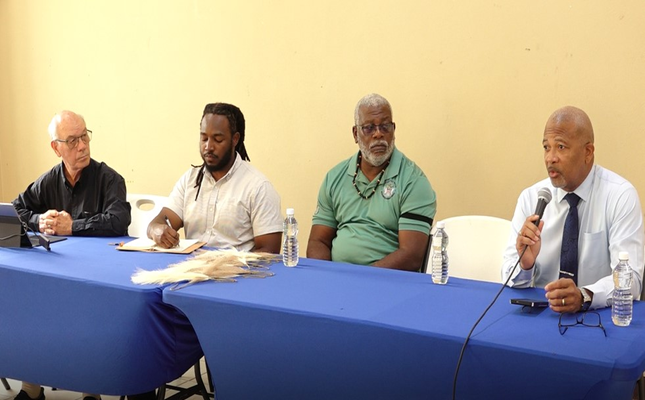
    The SKN TransWater Project, formally named Transitioning the Water Supply in St. Kitts and Nevis to a Low-Carbon, Climate-Resilient Sector, brought a team of international and regional consultants to Nevis in mid-April 2026 for a collaborative workshop hosted at the Pond Hill Community Centre. The event, organized in partnership with local water management authorities, created a structured space for stakeholders to receive the latest project updates, ask critical questions, voice concerns, and shape the initiative’s next steps.

    Led by the Caribbean Community Climate Change Centre (CCCCC) with financial backing from the Green Climate Fund, the cross-cutting development project targets two core priorities: addressing the federation’s growing water security challenges and building a sustainable water management framework for long-term resilience. Beyond upgrading infrastructure, the initiative aims to cut non-revenue water, embed climate adaptation into standard water governance, and strengthen the policy environment that supports reliable water access across both islands.

    Dr. Adrian Cashman, team leader for the project’s consulting group CEAC Solutions Ltd., emphasized that the return visit to Nevis was designed to avoid the common pitfall of top-down development projects. “Usually what seems to happen is a project goes there and the next thing you know it’s being implemented. We didn’t want that to happen, so we’ve been very keen on using the opportunities we have to provide updates, share what we’ve been doing, let you know where we are and what we’re proposing, and then opening it up for discussion,” he explained, noting all stakeholder feedback will be integrated as the project moves toward full rollout.

    For Nevis, a small island nation on the frontlines of climate change, the project comes as regional water scarcity risks intensify. The federation has recorded a steady drop in available water supplies in recent years, driven by shifting rainfall patterns, more frequent extreme drought, growing population, and rising demand from industrial and agricultural sectors.

    Hon. Spencer Brand, Minister responsible for Water Services in the Nevis Island Administration (NIA), reaffirmed the government’s full backing for the initiative, calling it a critical investment in Nevis’ long-term sustainable development. “It is no secret that these are two small islands, but we are also facing some significant challenges when it comes to our water resources,” Brand said. “I am hopeful that the discussion that we are having with the various stakeholders here on the island of Nevis will help to move this process forward and will also help us to better position ourselves and better understand what this entire project is all about. The Cabinet of the Nevis Island Administration is in full support of this project because we believe for our sustainable development we must have access to a reliable and stable supply of water.”

    The workshop was co-chaired by Cashman, Floyd Robinson, Manager of the Nevis Water Resources Management Unit, and Ryan Phillip of the CCCCC. Attendees included cross-sectoral government representatives from the Nevis Water Department, Solid Waste Management Department, and the departments of Agriculture, Physical Planning and Environment, Statistics and Economic Planning, and Social Services and Gender Affairs, reflecting the project’s cross-cutting impact on multiple sectors of Nevis’ economy and public life.

    This press release was originally distributed by the Nevis Island Administration and published by SKNVibes.com, which does not edit for spelling or grammar errors, nor does it endorse the views expressed in the release.

  • SVG needs overseas Vincies to move to next level – Diaspora Minister

    SVG needs overseas Vincies to move to next level – Diaspora Minister

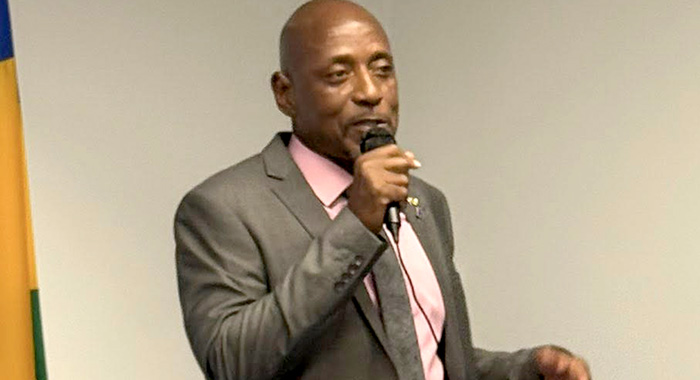
    During a recent meet-and-greet event with St. Vincent and the Grenadines (SVG) diaspora members in Washington D.C. — held alongside Prime Minister Godwin Friday on the sidelines of the International Monetary Fund and World Bank Group’s first Spring Meeting since the New Democratic Party (NDP) took power — Diaspora Affairs Minister Dwight Fitzgerald Bramble issued a public call for overseas-based Vincentians to re-engage with their home country and drive its next phase of growth. The Caribbean nation currently faces deep economic headwinds, a reality confirmed by the new administration’s discussions with global financial leaders at the Washington gathering. Bramble, a long-time public servant and former diplomat who secured his second term as Member of Parliament for East Kingstown, argued that decades of sidelining the SVG diaspora created and worsened many of the challenges the country faces today.

    For years, Bramble noted, successive governments treated Vincentians living abroad as outsiders, cutting off the country from the immense skills, connections and economic potential that the global diaspora community holds. That approach is changing under the new NDP administration, which took office after winning the November 2024 general election, and Bramble says his team is already rolling out structural changes to embed diaspora engagement at the core of national development. When cabinet portfolios were assigned after the election, Bramble personally requested the diaspora affairs portfolio, drawing on his decades of experience living, studying and working abroad to lead the shift. He emphasized that diaspora engagement does not require overseas Vincentians to permanently return home to contribute, framing the government’s new approach as an effort to turn historic “brain drain” into a collaborative “brain game” that leverages the community’s existing global positions.

    Bramble also addressed ongoing legal challenges from the opposition Unity Labour Party, which has filed election petitions arguing that he and Prime Minister Friday are ineligible to hold office due to their dual Canadian citizenship. Reaffirming his unbreakable connection to SVG, Bramble stated, “my birth certificate has the parrot on it” — a reference to SVG’s national coat of arms — noting that no legal challenge can erase his identity as a Vincentian. He extended this logic to all members of the diaspora, noting that even second- and third-generation descendants of SVG migrants share a common stake in the country’s future, regardless of where they were born.

    To formalize the new focus on diaspora affairs, Bramble’s ministry has elevated the portfolio from a small internal unit to a standalone government department, with a full leadership team already in place and plans to hire four to five specialized professionals focused exclusively on diaspora engagement. The government is also expanding staffing and resources at key overseas SVG missions, adding dedicated diaspora and investment officers to posts in Toronto, New York and London — three of the largest hubs for the SVG diaspora globally. Beyond large-scale foreign investment from multinational corporations and high-net-worth developers, Bramble explained that the targeted expansion will help fill critical skill gaps in the SVG economy by connecting overseas Vincentian professionals with domestic needs, allowing them to contribute remotely through digital services, professional networks and influence.

    Prime Minister Friday, who led the NDP delegation to the IMF-World Bank Spring Meeting, confirmed that discussions with global financial leaders have underscored the severity of SVG’s current economic situation. Bramble, however, highlighted three key advantages that position the country to turn its fortunes around: a new administration with a strong electoral mandate, room to negotiate new terms with international partners, and a newly energized global diaspora community eager to contribute. Since he took office, Bramble reported, hundreds of Vincentians from across the world have reached out to him unprompted to express their excitement and interest in joining the government’s new national development effort.

    Closing his address to the Washington diaspora community, Bramble urged members to set aside past political differences and focus on the shared future of SVG, noting that the nation outlives any individual government or political division. “St. Vincent has been there before us, it’s here now that we’re here, and when we’re gone, it’s still going to be there,” he said, calling on the diaspora to help build a stronger country for future generations as their shared legacy.

  • The more things change…

    The more things change…

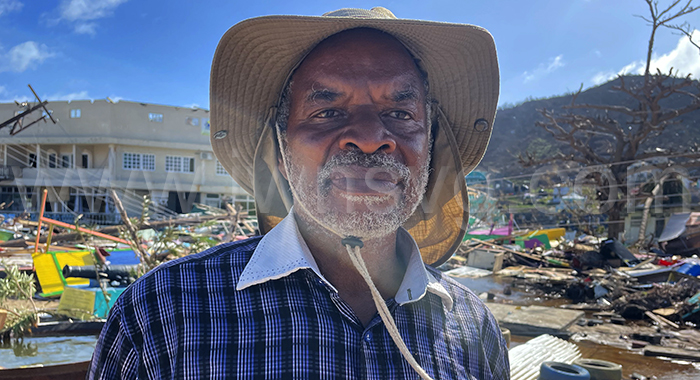
    For more than three decades, the small Caribbean island of Union Island has grappled with a persistent, unresolved crisis that has eroded local food security, strained livelihoods, and outlasted multiple changes in political administration. The crisis began in the early 1990s, when local farmers fed up with stray animals destroying their crops took collective action to restore order to their agricultural systems. Under the direction of Stanford Coy, the local Environmental Action Committee implemented community-led rules to manage livestock: farmers built secure fencing, cleared designated pastures, constructed purpose-built coops and pens for poultry, prepared tethers for grazing animals, and restored traditional smallholder farming across the island’s hillsides. Soon, traditional staple crops including corn, pigeon peas, cassava, okra, pumpkins, peanuts and potatoes were growing across cleared plots, and the community was on track to rebuild robust food security that could withstand droughts through stored surplus harvests. That progress was derailed abruptly when Union Island Police arrested a local farmer for killing a stray donkey that had destroyed his entire crop. In the decades that followed, the stray animal problem returned and worsened, with unconfined livestock trampling crops, feeding on ornamental and fruit trees, overgrazing public and private land, and pushing independent smallholder farmers into cycles of poverty and food insecurity. Successive governments have failed to deliver a permanent solution. In the late 1990s, the then-ruling New Democratic Party (NDP) brought in Israeli agricultural consultants with expertise in arid land farming to advise on the issue, but their core recommendation — that unconfined stray animals must be removed from the island — was completely ignored. Frustrated by the lack of progress, voters in Union Island, long a stronghold of the NDP, voted for political change in the 2001 general elections, bringing the Unity Labour Party (ULP) to power. Over nearly 25 years of ULP rule, however, the situation did not improve — it declined. Voters again backed change in the 2025 general election, returning the NDP to office. More than 100 days into the new administration, though, local residents are still waiting for a clear policy mandate requiring animal owners to take responsibility for confining their livestock. The harmful impacts of unaddressed stray animals cut across nearly every sector of Union Island’s economy and community: Financially, cultivated crop plots deliver higher and more consistent returns than unmanaged grazing. For public safety, stray animals steal water and crops and regularly cause dangerous road accidents. For the island’s critical tourism sector, unconfined animals prevent the landscaping and beautification projects needed to attract visitors. Economically, exporting stray animals would resolve surplus issues while delivering trade benefits. For public health, livestock that forage in garbage dumps and overturned waste bins are unfit for human consumption. For family livelihoods, small plots of cultivated land can feed an entire family far more effectively than unmanaged grazing on the same limited space. For the agriculture sector, properly tethered and managed livestock deliver consistent, valuable outputs including milk, meat, and fertilizer, generating greater income for owners. For fisheries, overgrazing causes widespread soil erosion, which washes excess sediment into surrounding coastal waters, damaging critical fish nursery habitats that sustain the local fishing industry. For cultural traditions, core community events including Maroon and Harvest festivals lose all meaning without successful local crop harvests to celebrate. For food and nutrition education, small crop plots can deliver a balanced diet for local families in a matter of months, compared to the years and acres required to raise premium livestock for protein. In late March 2026, the Union Island Environmental Alliance, led by Katrina Coy, convened a community meeting to address the ongoing crisis. Attendees included Senior Agricultural Officer Karomo Browne, non-resident Agricultural Extension Officer Allan Williams, three local animal farmers, and a broad cross-section of Union Island residents. Notably, no police representatives attended the gathering. The group agreed to send formal notices to all identifiable animal owners, and to publish the appeals in local newspapers and other media outlets to reach all relevant parties. Still, the outlook remains uncertain. It has become clear that many owners of unconfined stray animals have no intention of restraining their livestock, and many lack the interest or capacity to care for the animals properly. As the new growing season gets underway, the stray animal population continues to multiply, their hooves still trampling growing crops across the island — and after 30 years of political change, little has actually changed for the residents of Union Island.

  • Curaçao opens second tsunami ready summit to strengthen Caribbean Coastal Resilience 20-21 April 2026

    Curaçao opens second tsunami ready summit to strengthen Caribbean Coastal Resilience 20-21 April 2026

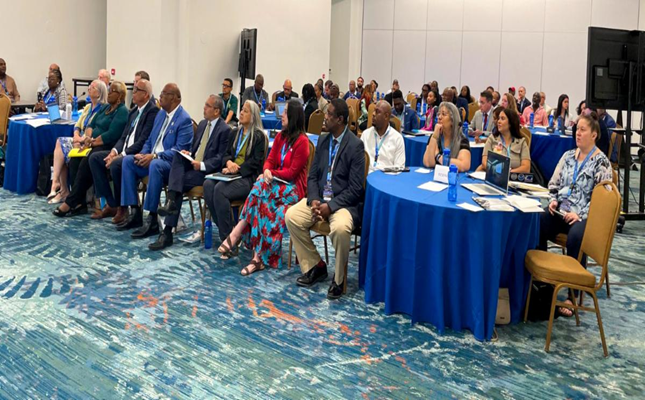
    WILLEMSTAD, Curaçao – On April 20, 2026, more than 30 national and territorial governments kicked off the second global Tsunami Ready Recognition Program (TRRP) Summit in Curaçao’s capital, uniting government officials, regional policy leaders, disaster science experts and international stakeholders around a shared goal: strengthening tsunami preparedness, early warning infrastructure and community-level climate resilience across the Caribbean basin and adjacent coastal regions. The U.S. State Department has provided core funding to support the two-day gathering, which is set to conclude April 21.

    Hosted by the government of Curaçao, the summit draws participants from a broad range of key institutions, including UNESCO’s Intergovernmental Oceanographic Commission (UNESCO-IOC), the International Tsunami Information Center Caribbean Office (ITIC-CAR), national disaster management agencies, national meteorological services, academic research bodies, and global development partners. Over the course of the event, attendees will conduct a comprehensive review of progress made across the region since the first summit, and advance actionable steps to expand implementation of the TRRP across at-risk coastal communities.

    In his opening keynote address, Hon. Charles Cooper, Curaçao’s Minister of Traffic, Transport, and Urban Planning, emphasized that the gathering is far more than a procedural diplomatic meeting. “This summit is more than a meeting. It is a commitment to work together, to share knowledge, and to build stronger and safer communities for the future,” Cooper said. He noted that while tsunamis are rare events in the region, their potential for catastrophic destruction makes sustained investment in preparedness, public outreach and coordinated cross-border planning non-negotiable.

    Matthieu Péroche, Chair of the ICG/CARIBE-EWS Task Team on Tsunami Ready, opened the official summit ceremony by highlighting that despite the Caribbean’s wide diversity of coastal geographies and governance structures, all nations and territories in the region share a common, persistent exposure to tsunami risk. “Tsunami Ready is first about saving lives — today and tomorrow. But it is also about strengthening regional solidarity. Better-prepared communities are better able to support others after a crisis, contributing to collective resilience,” Péroche said. He encouraged attendees to use the summit to exchange on-the-ground implementation experiences, address unmet barriers to progress, and draft concrete practical recommendations to guide future regional action.

    Welcoming delegates on behalf of the Curaçao government, Dr. Albert Martis, Director of Curaçao’s Meteorological Department and the nation’s Tsunami National Contact, noted that the turnout of cross-sector specialists from dozens of countries reflects the depth of regional and international commitment to building safer Caribbean coastal communities. “This summit provides us with a vital platform to continue our discussions on how to best prepare our communities, reduce vulnerabilities, and ultimately minimize the loss of life and property,” Martis said. He also extended gratitude to supporting governments and partner institutions, whose combined financial, technical and logistical support made the summit possible.

    Speaking from the perspective of the global TRP initiative, Dr. Laura Kong, Chair of the UNESCO-IOC Tsunami Ready Coalition, outlined the significant progress the program has made since the first regional summit in 2010, noting that the initiative has expanded steadily across every ocean basin at risk of tsunamis. “Today, we have nearly 110 recognized communities in about 30 countries around the world, and another 75 that are in progress,” Kong said. She reminded delegates that tsunami risk remains an ongoing threat for the Caribbean and adjacent regions, where multiple destructive, deadly tsunami events have been recorded throughout history, stressing that sustained cross-generational public awareness and preparedness is critical to avoiding future catastrophe.

    The summit’s working agenda covers a wide range of priority topics, including a full review of regional TRP implementation progress, mapping of unrecognized at-risk communities, evaluation of program performance indicators, and discussions on inclusive resilience planning that centers the specific needs of marginalized groups including people with disabilities, youth, and migrant populations, as well as gender-responsive disaster preparedness. Delegates will also explore how to better align the TRP with broader regional and global early warning frameworks to create more cohesive disaster response systems.

    Led globally by UNESCO-IOC, the Tsunami Ready Recognition Program supports at-risk coastal communities in meeting internationally agreed standards for core preparedness functions, including early warning dissemination, public tsunami education, formal evacuation planning, and emergency response capacity. For Small Island Developing States and low-lying coastal territories across the Caribbean, the program has emerged as an increasingly critical tool to turn general hazard awareness into measurable, actionable community-level preparedness.

    The summit is scheduled to conclude with a set of formal recommendations for the Intergovernmental Coordination Group for the Tsunami and Other Coastal Hazards Warning System for the Caribbean and Adjacent Regions (ICG/CARIBE-EWS), which will guide the next phase of programming for the group’s member states.

  • CARICOM celebrates 10th anniversary of Girls in ICT Day

    CARICOM celebrates 10th anniversary of Girls in ICT Day

    As the Caribbean Community (CARICOM) pushes forward with its broader regional digital transformation strategy, the bloc is preparing to join the global community in marking the 10th anniversary of International Girls in ICT Day this Thursday, April 23, 2026. Coordinated by the CARICOM Girls In ICT Partnership, a cross-sector coalition anchored at the CARICOM Secretariat based in Turkeyen, Greater Georgetown, Guyana, this year’s regional observance centers on the theme “Empower, Educate, Elevate: Building a Future-Ready CARICOM with Girls in ICT.”

    International Girls in ICT Day was established to draw global attention to the persistent gender gap in the information and communication technology sector, a rapidly growing industry that continues to reorient the global economy and redefine the future of work worldwide. The annual initiative is designed to encourage more girls and young women to pursue academic pathways and long-term careers in ICT, closing the representation gap and unlocking new economic opportunities for marginalized genders across the globe.

    The official opening ceremony for CARICOM’s 2026 observance is scheduled to kick off at 10 a.m. Atlantic Standard Time, featuring opening remarks from three senior stakeholders: CARICOM Secretary-General Dr. Carla Barnett, Dean of the CARICOM Youth Ambassadors Ms. Shakiah Lewis, and Dr. Cosmas Luckyson Zavazava, Director of the Telecommunication Development Bureau at the International Telecommunication Union (ITU).

    This year’s gathering brings together a diverse cross-section of regional stakeholders, including K-12 and post-secondary educators, leading ICT industry professionals, international development partners, and female students from across CARICOM member states. Participants will engage in collaborative dialogue, share on-the-ground experiences, and co-design actionable strategies to narrow the gender divide in the Caribbean digital sector.

    All sessions for the 10th anniversary observance will be held virtually, making the event accessible to participants across the Caribbean region. The full day of programming will be livestreamed via CARICOM’s official digital platforms as well as the Restore A Sense of I Can (RSC) platform. The session lineup covers a range of timely and practical topics, from a youth-led panel titled “Youth Spotlight: Next Gen Leaders Speak” and a policy discussion “Achieving Gender Parity in the Age of AI” to a hands-on introductory coding workshop for participants and an open forum addressing ongoing systemic barriers that girls and women face in the information technology space.

    In a formal statement ahead of the event, CARICOM emphasized the central role that initiatives like International Girls in ICT Day play in advancing the bloc’s broader digital transformation goals. “As CARICOM continues to advance its digital transformation agenda, initiatives such as Girls in ICT Day play a critical role in fostering inclusivity, innovation, and equal opportunity. By equipping girls with the necessary digital skills and confidence, the Region strengthens its capacity to compete in an increasingly technology-driven world,” the statement read.

    The CARICOM Girls in ICT Partnership, the body leading the regional commemoration, includes representatives from national government ministries, core CARICOM institutions and associate bodies, global international agencies, and a range of youth, women’s, and ICT-focused organizations and programs across the region. The partnership has opened registration for all interested participants, who can sign up to join the virtual event by scanning the QR code included on the official event flyer.

  • FLASH : Sunrise Airways resumes flights to and from Port-au-Prince

    FLASH : Sunrise Airways resumes flights to and from Port-au-Prince

    In a formal public announcement dated April 21, 2026, Haiti-based regional carrier Sunrise Airways confirmed that it has resumed all scheduled commercial flights to and from Port-au-Prince, ending a temporary service suspension that had been in place amid local unrest near the capital’s main international airport. The resumption of service comes directly after documented improvements to security and operational conditions in the area surrounding Toussaint Louverture International Airport, the primary aviation hub serving Port-au-Prince and northern Haiti.

    Sunrise Airways emphasized in its statement that the safety and security of its passenger base, flight crew personnel, and ground operations staff will remain the company’s non-negotiable top priority moving forward. The airline had previously suspended operations to and from the Port-au-Prince hub when security conditions around the airport deteriorated to levels that met the carrier’s risk thresholds for ceasing service.

    Passengers holding existing reservations for travel to or from Port-au-Prince, as well as those planning future trips, are strongly advised to maintain direct contact with Sunrise Airways customer support teams for up-to-date schedule adjustments, travel assistance, or the latest information about operational changes. The airline has provided multiple contact channels for customers in Haiti and international locations: for callers within Haiti, the main support line is +509 28 11 22 22, with a dedicated short code *606 for Digicel mobile users; customers in the United States and other international destinations can reach the toll-free support line at +1 877 652 0202; general reservation inquiries can also be sent via email to reservations@sunriseairways.net.