博客

  • Dominican Republic’s RD Inteligente AI program surpasses 54,000 participants

    Dominican Republic’s RD Inteligente AI program surpasses 54,000 participants

    Less than three weeks after its official launch, the Dominican Republic’s ambitious government-backed AI literacy initiative, RD Inteligente, has already shattered its early participation projections, crossing the 54,000 registered participant mark. The program forms the backbone of the national administration’s broader goal: upskilling 1 million Dominican citizens in core artificial intelligence competencies over the coming period.

    Developed as an accessible public skilling project, RD Inteligente is headed by the Dominican government and executed by the Technological Institute of the Americas (ITLA). It opens free AI training to a broad cross-section of society, including K-12 and higher education students, educators, working professionals, private sector employees, startup founders, small and medium-sized enterprise (MSME) owners, and ordinary citizens from all backgrounds.

    Official data compiled by the program’s management team reveals that more than 4,900 participants have already finished at least one full training module, demonstrating strong engagement among early enrollees. Over the most recent seven-day tracking window, the initiative added more than 16,700 new registered users, a sign of sustained growing interest across the country. Enrollment is not concentrated in a single urban center: registrants hail from all 31 of the Dominican Republic’s provinces, as well as the capital’s National District, reflecting widespread national uptake of the free program.

    Program analysts have calculated that the training currently reserved for the 54,000+ registered participants holds a total reference market value of 291.6 million Dominican pesos. Officials were quick to clarify that this valuation is not a measure of government expenditure or program revenue; instead, it serves as a benchmark to quantify the public value of the free training, calculated based on average pricing for comparable AI skilling courses offered on the international market.

    Moving forward, the program’s leadership has set clear incremental milestones to track progress toward the ultimate 1 million participant goal. The next immediate target is to hit 100,000 registered enrollees, followed by a mid-term milestone of 500,000 trainees before reaching the full one-million target. All training focuses on building practical, job-relevant AI skills that participants can apply to work, entrepreneurship, and academic pursuits.

  • Paliza highlights Dominican Republic’s strategic position to expand global trade

    Paliza highlights Dominican Republic’s strategic position to expand global trade

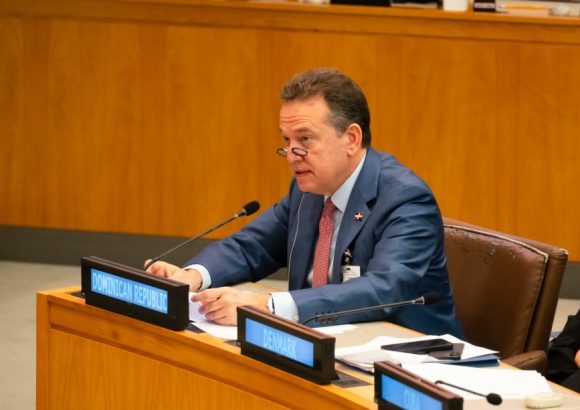
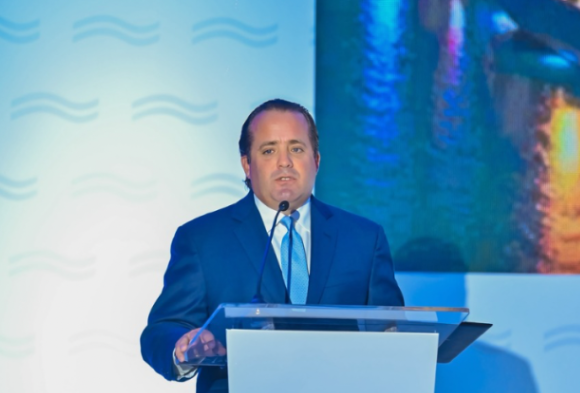
    In a keynote address delivered at the inaugural Maritime Vision Forum 2026 in Santo Domingo, José Ignacio Paliza, the Dominican Republic’s Minister of the Presidency, outlined how the nation’s prime geographic positioning creates a unique strategic opening to grow its influence in global supply chains. However, Paliza emphasized that unlocking this potential will demand significant upgrades to the country’s connectivity networks, core infrastructure, and logistics systems.

    Paliza told attendees that maritime shipping handles over 65 percent of the Dominican Republic’s total export volume, and noted that combined public and private investment in port infrastructure has surpassed $531 million over the last five years. This sustained investment has laid the groundwork for expansion across multiple key port sites, he added.

    The minister highlighted the untapped potential of the country’s major ports, including Haina and Caucedo, and also called out emerging opportunities at other coastal hubs: Manzanillo, Barahona, San Pedro de Macorís, and Puerto Plata. Beyond physical port infrastructure, Paliza pointed to new cross-border connections in the digital and energy sectors, such as Google’s planned international digital exchange infrastructure and a proposed energy linkage project with neighboring Puerto Rico.

    According to Paliza, Decree 353-26, which mandates the creation of a national National Maritime Strategy, will provide a clear framework to set priorities across key focus areas: port infrastructure expansion, navigation safety protocols, marine environmental protection, and alignment with the Dominican Republic’s international trade commitments. He added that the strategy will incorporate measurable performance goals, assign clear implementation responsibilities to designated government institutions, and build in transparent progress monitoring mechanisms.

    Paliza tied the maritime strategy directly to the nation’s long-term development plan, Meta RD 2036, which has set a target of doubling the real size of the Dominican economy by 2036. Reaching that ambitious goal will require streamlined goods movement, reduced trade costs, and stronger, more reliable connections between domestic production centers and global international markets, he concluded.

  • Survey: PRM leads party support as Omar Fernández tops opposition leadership

    Survey: PRM leads party support as Omar Fernández tops opposition leadership

    A new nationwide public opinion survey conducted by Dominican research firm SONDEOS has painted a clear picture of the current political landscape in the Dominican Republic, revealing significant leads for the ruling Modern Revolutionary Party (PRM) ahead of the 2028 general elections. Data collected from 1,200 in-person interviews across the country between September 22 and 25, 2026, places the PRM at the top of national party support with 41% of voter backing. The opposition Fuerza del Pueblo (FP) trails far behind in second place with 24% support, while the historically dominant Dominican Liberation Party (PLD) holds third position at 20%.

    The survey also probed public opinion on opposition unity, asking respondents which leading figure had both the popular support and governing capability to unify the country’s fragmented opposition bloc. Omar Fernández emerged as the overwhelming favorite for this role, earning the support of 59% of respondents, while veteran politician Leonel Fernández captured just 38% of the vote in this category.

    When asked to predict the outcome of the upcoming 2028 presidential and legislative elections, 43% of surveyed voters projected that the PRM would retain power, compared to 28% who forecast a FP victory and 21% who expected the PLD to return to office.

    Incumbent President Luis Abinader of the PRM also boasts strong personal approval ratings, with 56% of respondents giving the president a positive performance evaluation. Notably, 71% of surveyed Dominicans described Abinader as an honest public servant. The ruling party’s second-in-command, Vice President Raquel Peña, earned even higher marks across key metrics: 85% of respondents rated her efficient, 84% praised her honesty, and 82% described her administration as transparent.

    SONDEOS’ field research methodology, which included 1,200 geographically dispersed in-person interviews over a four-day period, aligns with standard best practices for national political polling in the Dominican Republic, providing a reliable snapshot of voter sentiment midway through the current administration’s term.

  • Gilbert Bigio, founder of GB Group and Texaco operator, dies at 91

    Gilbert Bigio, founder of GB Group and Texaco operator, dies at 91

    One of Haiti’s most influential and long-standing business leaders, Gilbert Bigio — founder and former president of the Caribbean conglomerate GB Group and majority stakeholder in Texaco operations across the Dominican Republic — has passed away at the age of 91. According to sources close to Bigio’s family, his death occurred on Tuesday, September 29, in Florida.

    A private funeral service is scheduled to take place this Thursday, October 1, in Hollywood, Florida, to honor Bigio’s life and legacy.

    Bigio’s career spanned more than six decades, cementing his status as a cornerstone of Haiti’s business community. He launched what would become GB Group in 1972, growing the small operation into a diversified multinational conglomerate with holdings spanning critical sectors across the Caribbean: energy, fuel distribution, construction, agriculture, food production, steel manufacturing, and logistics, among others.

    Bigio got his start in business back in 1957, when he first took on a partnership role at a small local department store. Over the subsequent decades, he methodically expanded his business footprint beyond Haiti’s borders, building a cross-regional empire that positioned him as one of the most successful entrepreneurs in the Caribbean.

    One of the biggest milestones of Bigio’s career came in 2012, when GB Group completed a major acquisition of Chevron-Texaco’s fuel marketing and distribution networks across the Dominican Republic, Jamaica, and St. Maarten. The deal added more than 200 branded Texaco service stations to the group’s portfolio, solidifying GB Group’s position as a leading player in the Caribbean fuel and energy sector.

    With Bigio’s passing, Haiti has lost one of its most legendary business figures, whose decades of work created a lasting, significant impact on the energy and commercial landscape across the entire Caribbean region.

  • Bisonó welcomes six-month extension of Haiti gang suppression force mandate

    Bisonó welcomes six-month extension of Haiti gang suppression force mandate

    In a recent official statement, Dominican Republic’s Foreign Minister Víctor “Ito” Bisonó has publicly voiced support for the United Nations Security Council’s latest decision to extend the operational mandate of the Gang Suppression Force (GSF) deployed in Haiti for an additional six months, extending the mission’s authorization through March 31, 2027.

    Bisonó emphasized that the Dominican government stands firmly behind this mandate renewal, noting that the extension is critical to allowing the multinational security force to maintain its on-the-ground deployment. The core mission of the GSF, he reiterated, is to dismantle widespread gang control across Haiti and rebuild the basic security and stability that Haitian communities desperately need.

    Despite backing the extension, Bisonó flagged that the six-month timeline is inherently limited when measured against the enormous scope of security and governance challenges currently confronting Haiti. He issued a clear call to the global community, urging nations and international bodies to step up and deliver the full suite of resources the GSF requires to boost its operational effectiveness: additional personnel, specialized equipment, sustained financing, and robust logistical backing.

    Looking ahead to the 2027 mandate review, the foreign minister shared his expectation that the Security Council will approve another extension when the current term expires, pushing for a full one-year extension this time around. He argued that a lengthier mandate would deliver far greater planning certainty for the countries that contribute troops, equipment, and funding to the mission, enabling more consistent and effective long-term operations.

    Bisonó also warned that the incremental security gains Haiti has achieved to date remain extremely fragile. He stressed that alongside supporting the GSF’s security work, the international community must prioritize strengthening Haiti’s domestic governmental institutions, and lay the stable groundwork required to hold free, fair, and secure national elections.

    The foreign minister went on to outline the Dominican Republic’s own tangible contributions to the GSF mission, underscoring his country’s ongoing commitment to stabilizing its neighboring nation. These contributions include financial donations to the UN Trust Fund established to support the force, provision of medical facilities for evacuations and emergency care for mission personnel, and cross-border logistical support routed from Dominican territory.

    Closing his statement, Bisonó reaffirmed a core principle: any sustainable, long-term solution for Haiti must ultimately be led by Haitians themselves. That said, he added, the international community has a critical responsibility to turn its pledges of support into tangible, positive outcomes that improve daily life for the Haitian people.

  • Fire Service urges safer transport of hazardous materials

    Fire Service urges safer transport of hazardous materials

    A recent rollover incident involving a chlorine-carrying truck at Barbados’ Norman Niles Roundabout has sparked urgent calls from senior fire service leadership for hazardous material shipping companies to upgrade safety protocols and reassess their operational practices.

    The incident, which occurred on a Thursday this year, saw the truck overturn and damage two out of four chemical storage totes holding a total of 800 gallons of liquid chlorine. Speaking to reporters on the sidelines of the 2026 Fire Service Week Health and Open Day, hosted at the Barbados Fire Service Headquarters in the Cadogan, Mayers, Marshall (CMM) Emergency Services Complex, Deputy Chief Fire Officer Henderson Patrick outlined the service’s core concerns about the incident.

    Patrick explained that preliminary assessments by the fire service raised clear red flags about the vehicle used to haul the toxic chemical. Each of the four totes on board held more than 200 gallons of chlorine, putting significant total weight on the truck. In Patrick’s assessment, the vehicle deployed for the job was not built to handle either the total load or the dangerous nature of the material it was carrying.

    “This is not an issue we have commonly faced in Barbados,” Patrick noted. “We have not previously seen vehicles of this size and classification transporting this type of hazardous material. It is possible companies have used similar setups before without incident, but that does not make the practice safe.” He emphasized that chlorine, a highly toxic and corrosive substance, requires a far sturdier, purpose-built transport vehicle than the one involved in the recent rollover.

    Beyond vehicle suitability, Patrick also urged hazardous material transporters to rethink the timing of their routes, especially for trips that pass through high-traffic urban and suburban areas. He suggested companies shift most hazardous material shipments to off-peak windows – either early in the morning or late in the evening – when traffic volumes are far lower, reducing the risk of collisions and rollovers that could lead to chemical leaks.

    At its core, Patrick said, the push for updated precautions is about protecting public safety. “This all comes down to risk assessment and respect for the public that shares these roads,” he stressed. “Companies carrying hazardous materials have a responsibility to fully understand the harm their cargo could cause if an accident occurs, and make the right choices – both in what vehicle they use, and when they choose to travel on public roads.”

  • DJ Jime Events Donates $5,000 to Youth Intervention Unit

    DJ Jime Events Donates $5,000 to Youth Intervention Unit

    Local events organization DJ Jime Events has stepped up to support at-risk young people through a $5,000 donation to the Youth Intervention Unit, a community organization that works with students facing disciplinary challenges. The generous contribution will directly fund the development of a specialized new rehabilitation wing, expanding the unit’s capacity to deliver critical support to youth in need.

    DJ Jime Events says the donation underscores its long-standing commitment to investing in the next generation, and backing community programs that help young people navigate challenges and make positive life choices. For many students who face suspension from traditional school environments, the Youth Intervention Unit fills a critical gap by providing a structured, supportive alternative to staying home unsupervised during their suspension period.

    Instead of allowing suspended students to fall through the cracks, the organization offers a range of targeted programming designed to address the root causes of challenging behavior. Its services include guided conflict resolution training, practical life-skills development, one-on-one and group counselling, and other evidence-based intervention strategies that work to de-escalate tense situations and prevent future issues from escalating. The new rehabilitation wing will allow the unit to serve more young people and deepen the impact of these critical community services, creating a more supportive pathway for youth to get back on track and re-engage with school and their communities.

  • AT&LU’s 87th Annual Delegates Conference, Ends with resounding Applause

    AT&LU’s 87th Annual Delegates Conference, Ends with resounding Applause

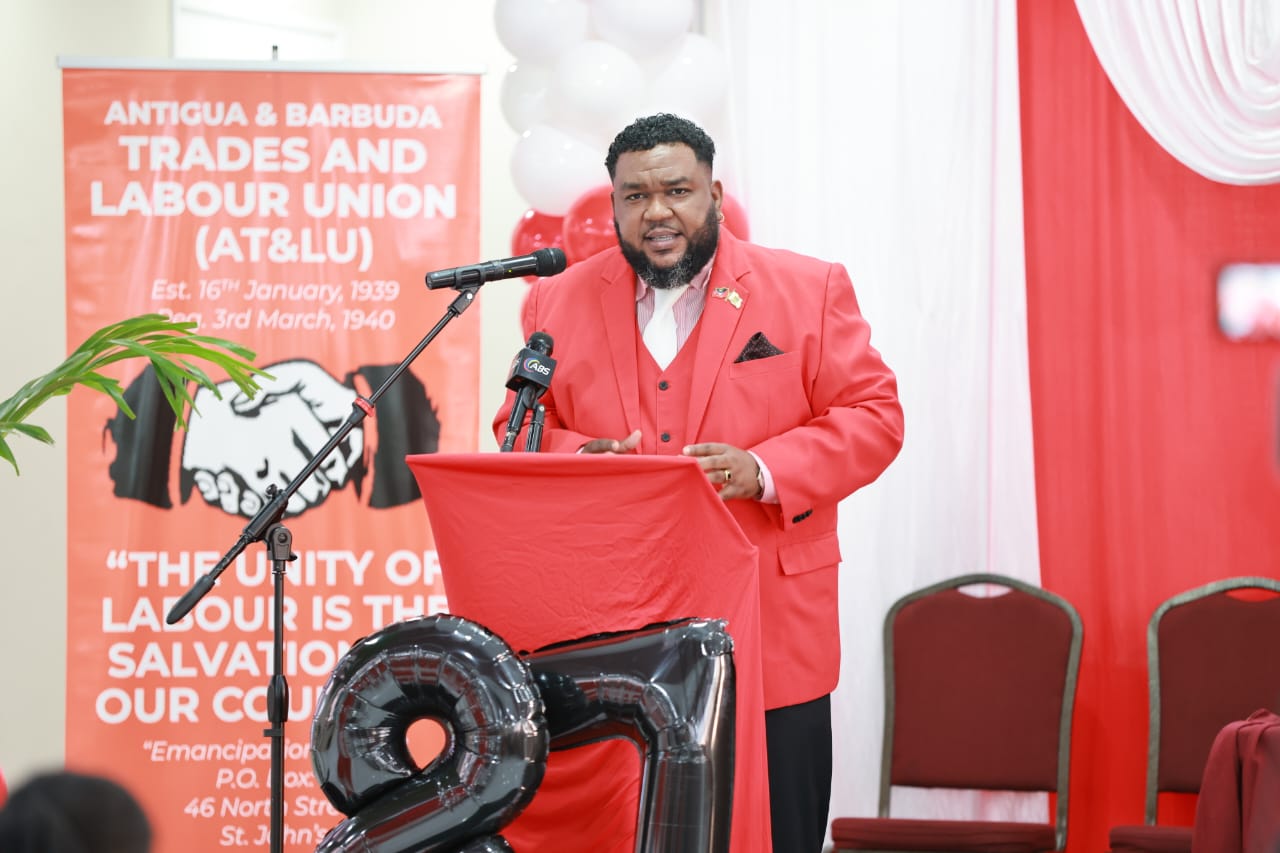
    As one of the Caribbean nation’s oldest and most influential labor organizations, the Antigua and Barbuda Trades and Labour Union (AT&LU) has closed its 87th Annual Delegates Conference with widespread acclaim, with union president Bernard de Nully confirming the two-day gathering exceeded both leadership and member expectations. Representing more than 10,000 workers across dozens of public and private sector workplaces, the AT&LU designed its annual conference as a core democratic platform for leadership to share a transparent assessment of the organization’s annual achievements and ongoing challenges with a broad cross-section of its rank-and-file membership.

    The conference opened on the afternoon of Sunday, September 27, 2026, kicking off a more than three-hour ceremonial opening session filled with a packed schedule of meaningful programming. The event opened with interfaith prayers and vibrant cultural performances, followed by a series of keynote addresses and formal presentations that left attendees energized. Senator Angelica O’Donoghue delivered remarks on behalf of the Antigua and Barbuda Labour Party, the historic political body closely affiliated with the AT&LU. Next, prominent local public figure Dr. Clarence Pilgrim took the stage to cover a wide range of labor topics, including a call to revive the Workers’ Voice Newspaper — the historical publication that first propelled the AT&LU to national prominence in its early founding years. Following Dr. Pilgrim’s address, the head of the University of the West Indies (UWI) Global Campus Antigua branch presented 39 completion certificates to AT&LU members who had finished short professional development courses through the institution. The campus head also noted that the UWI Global Campus offers full academic credentials ranging from undergraduate degrees all the way to doctoral programs for interested union members. The opening session concluded with statements read aloud from affiliate institutions across the Caribbean and local sister unions, all of which congratulated the AT&LU on 87 years of advancing worker rights and lifting labor standards across the nation. President de Nully delivered closing opening remarks, reaffirming the conference’s central theme that “strong workers create a strong future,” a message that received an enthusiastic response from the assembled delegates.

    The second day of the conference, held on September 28, shifted to focused internal business and organizational governance. The agenda opened with a formal roll call of the nearly 80 workplaces where the AT&LU holds active collective bargaining agreements (CBAs) with employers. Conference attendees were reminded that these CBAs set standardized wage and salary levels, formalize fair working conditions, and establish job security protections for both workers and employers, with built-in dispute resolution frameworks included in nearly all active contracts.

    After the roll call concluded, minutes from the 2025 Annual Delegates Conference were read aloud and formally approved by the assembled body. Treasurer Leslie-Ann Yearwood then presented the union’s annual financial report, detailing the organization’s current fiscal position. The AT&LU recorded a small operating surplus for the past year, though a large portion of the union’s savings was allocated to the renovation of its iconic historic headquarters at 46 North Street. Yearwood emphasized that despite the draw on reserves, the union remains on solid financial footing, with a still-substantial surplus that leaves it far from insolvency.

    AT&LU General Secretary Alrick Daniel followed the financial report with a summary of his 24-page annual organizational report, delivering a 20-minute overview that highlighted the union’s ongoing success in meeting the needs of its represented workers. In his remarks, Daniel issued a warning about newly formed labor unions that are attempting to poach members from the AT&LU by making unrealistic promises that they cannot deliver. He stressed that these new groups can only convince workers to leave the AT&LU by spreading false claims about their ability to deliver better gains.

    President de Nully also addressed a longstanding inequity in government workplaces, where non-established workers often receive special allowances that are not available to their established colleagues. He pledged that the union would prioritize correcting this injustice in upcoming collective bargaining negotiations. De Nully then opened the floor for any other general business, with two topics raised for future discussion: a call to improve the union’s public outreach to better highlight its wins for the general public, and a proposal to increase the standard $5.00 weekly union dues. No final resolution was reached on the dues proposal during the conference.

    With all business concluded, the conference closed with a final prayer and a group singing of “The Red Flag,” bringing the 87th Annual AT&LU Delegates Conference to a formal end. The event closed with a round of enthusiastic applause from delegates ahead of a closing luncheon.

  • Gaea Conservation Network launches Community Monitoring Project

    Gaea Conservation Network launches Community Monitoring Project

    A groundbreaking community-centered conservation initiative is kicking off in Grenada, led by the Gaea Conservation Network Incorporated (GCN) to address critical gaps in wildlife data and foster long-term sustainable species management across the island nation’s protected areas.

    Over the course of 12 months, the Community-Anchored Monitoring for Priority Species project will build the first comprehensive national baseline dataset for two of Grenada’s most at-risk endemic species – the critically endangered Grenada Dove and critically endangered Grenada Frog – alongside ecologically and economically important game species including armadillo, manicou, Mona monkey, and iguana. At its core, the project moves beyond traditional top-down research by empowering local community members with the training and tools needed to lead long-term monitoring of their unique natural heritage.

    To mark the official launch of the initiative, GCN has organized two public educational walks that are open to all interested community members, nature enthusiasts, and tour guides seeking to expand their eco-tourism offerings. The first, focused on the Grenada Dove, will take place at 6 a.m. on October 17 and 18 at Perseverance and Mount Hartman, two key habitats for the endemic bird. The second event, a guided night walk to spot the elusive Grenada Frog, will kick off at 6 p.m. on October 24 at Grand Etang. Those interested in participating can register for either event by contacting GCN directly at 405-8995.

    Beyond public outreach and community training, the initiative includes a unique collaborative component that integrates the traditional ecological knowledge of Grenada’s hunting community into formal wildlife management. Working in partnership with the Forestry and National Parks Department, GCN is formalizing the role of local hunters’ on-the-ground knowledge of wildlife distribution, incorporating that insight into the department’s official harvest management frameworks to create more accurate and effective population policies.

    The project comprises three interconnected data-gathering components, and all collected information will be analyzed by GCN before being shared with the Forestry Division to inform evidence-based conservation decision-making. For the Grenada Dove, the initiative will update outdated population and range data while embedding local communities into ongoing long-term monitoring efforts. For the Grenada Frog, the project builds on existing research conducted by the University of Wisconsin–Milwaukee by creating a sustainable pathway for continued community-led monitoring that extends beyond short-term academic research. For game species, the collaborative data-gathering with hunters will give forestry officials an unprecedented clear understanding of current harvest pressure, allowing for more balanced, sustainable population management.

    This new project builds on the success of GCN’s October 2025 Grenada Dove Conservation Action Planning process, which brought together government agencies, academic researchers, and local community partners to co-design a 10-year national conservation strategy for the species. That earlier planning effort was supported by leading conservation organizations the American Bird Conservancy, BirdsCaribbean, and Re:wild. A similar Conservation Action Planning workshop focused on the Grenada Frog is scheduled for October 6–7, 2026, with funding through the G-CREWS project, and the baseline data collected through this new monitoring initiative will directly inform that workshop’s outcomes.

    “Protecting Grenada’s priority species is a shared responsibility. Management is strongest when the communities who live alongside these landscapes are part of it. This project puts the tools of monitoring directly into the hands of community members and turns their participation into data that decision-makers can actually use,” explained Dr. Jody Daniel, President of Gaea Conservation Network.

    The initiative receives core funding from the Agence Française de Développement (AFD) and the Fonds Français pour l’Environnement Mondial (FFEM) through the Caribbean Biodiversity Fund (CBF) as part of the Caribbean Regional Architecture for Biodiversity (CRAB) Project. It is implemented by Gaea Conservation Network in partnership with the Grenada Sustainable Development Trust Fund, with additional financial support from the Caribbean Biodiversity Fund. Work focused on the Grenada Frog also receives support through the Climate-Resilient Water Sector in Grenada (G-CREWS) project, which is jointly financed by the Green Climate Fund (GCF), the German Federal Ministry for the Environment, Climate Action, Nature Conservation, Nuclear Safety (BMUKN) via its International Climate Initiative (IKI), and the Government of Grenada. The 7-year G-CREWS project is implemented by the Government of Grenada, the Grenada Development Bank, and the National Water and Sewerage Authority (Nawasa) in partnership with the German Development Corporation (GIZ).

    Gaea Conservation Network is a Grenada-based organization working to advance local biodiversity conservation through science-driven monitoring, habitat restoration, and community-centered education. More information about the organization and its work is available at www.gaeaconservation.org. Additional public information about the priority species included in this project is hosted on the Grenada Biodiversity Hub, available at www.grenadabiodiversity.org.

    This content was shared by GCN; NOW Grenada does not take responsibility for contributor opinions, statements, or media content. To report any abusive content, visit the platform’s official reporting portal.

  • Aaron Williams, 18, Remanded After Series of Barbuda Break-In Charges

    Aaron Williams, 18, Remanded After Series of Barbuda Break-In Charges

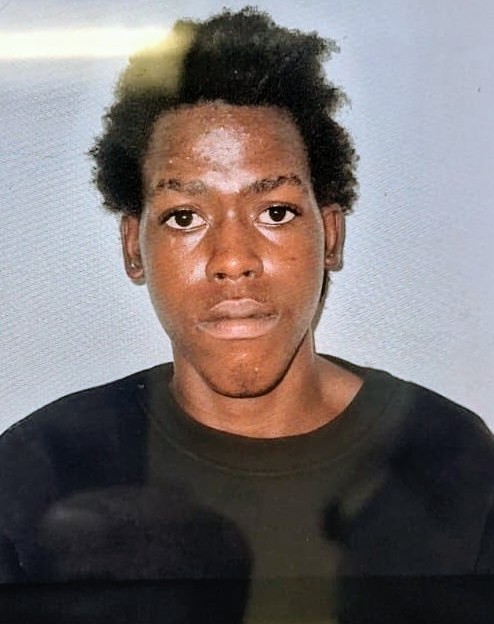
    The Royal Police Force of Antigua and Barbuda has confirmed that an 18-year-old local from Barbuda has been placed in pre-trial detention at His Majesty’s Prison following a court appearance on multiple breaking and entering charges.

    Aaron Williams appeared before Magistrate Mighty at the Barbuda Magistrate’s Court on Tuesday, September 29, 2026, to face four separate criminal charges linked to a series of break-in incidents across the island between September 17 and September 25 this year.

    Court documents outline the first allegation: on September 17, Williams is accused of unlawfully breaking into a female resident’s home with the explicit intention of committing larceny. Just six days later, on September 23, he faces a second charge of breaking and entering the residence of a male resident, where prosecutors allege he stole two Samsung mobile devices alongside additional personal property. The total estimated value of the stolen items amounts to 3,215 Eastern Caribbean dollars.

    A third burglary charge stems from an unrelated incident that took place on September 24, while the fourth and final charge accuses Williams of another residential break-in on September 25, again with intent to commit theft.

    After the brief initial court hearing, magistrate ordered Williams to be remanded to His Majesty’s Prison to await his next court proceeding. He is scheduled to appear back before the court on December 18, 2026, for the next phase of the legal process.