博客

  • 20 changes for NaRRA

    20 changes for NaRRA

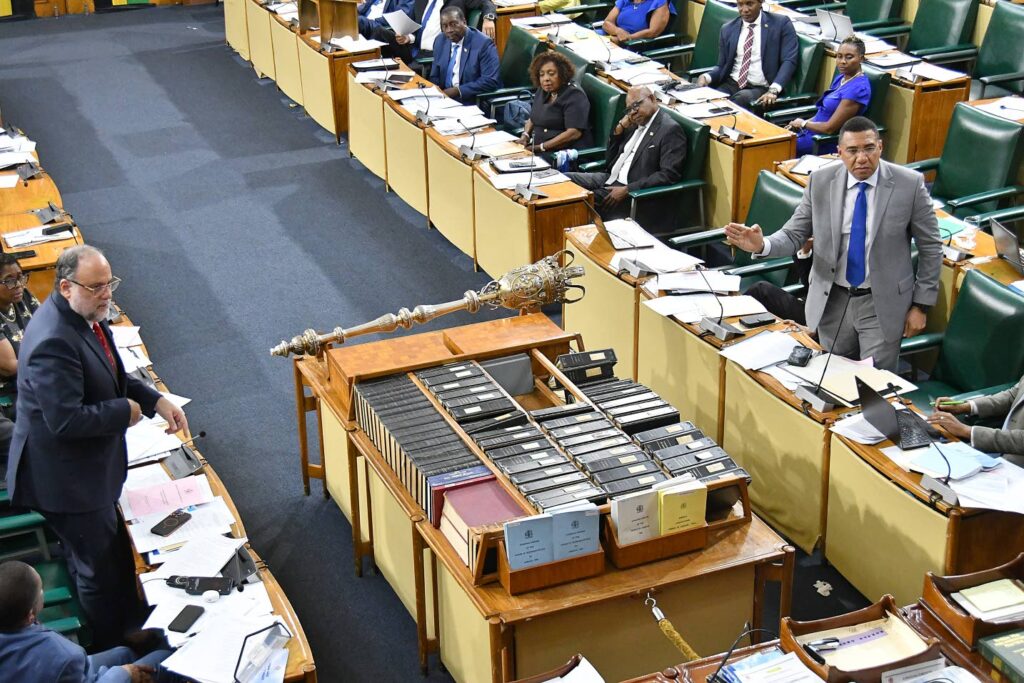
    After a marathon legislative sitting that extended into the early hours of Wednesday, Jamaica’s House of Representatives passed 20 amendments to the National Reconstruction and Resilience Authority (NaRRA) Bill, a landmark piece of legislation created to guide recovery from Hurricane Melissa — the most powerful storm to make landfall in the country’s recorded history. The bill formalizes NaRRA as a centralized coordinating body for post-disaster reconstruction and long-term climate resilience projects, with a core mandate to speed up public and private investment critical to reversing the hurricane’s economic damage and strengthening the nation’s ability to withstand future extreme weather events.

    The most high-profile of the approved amendments updates consultation requirements for communities impacted by reconstruction projects. The change came in direct response to sustained concerns raised by civil society organizations and opposition lawmakers, who criticized the original bill for failing to explicitly outline NaRRA’s obligation to engage affected populations. Under the revised Clause 17, NaRRA is now legally required to hold consultations with any people who are currently, or may in the future be, impacted by projects the authority oversees.

    However, the final approved version was significantly narrowed from an earlier draft that won cross-stakeholder support. That initial iteration explicitly named vulnerable groups — including women, people with disabilities, the elderly, children, youth, local communities, and non-governmental organizations — that must be included in consultations, and required mandatory feedback meetings every six months. Opposition Leader Mark Golding slammed the truncated final language, arguing that the removal of specific group protections leaves the rule vague and toothless.

    “The original draft outlined a far more comprehensive obligation. This shortened version only says the authority must hold consultations during project development and monitoring, but it gives no detail on which stakeholders must be included,” Golding told parliament during debate.

    Government leaders pushed back against the criticism, defending the broad, open wording as a deliberate choice to avoid limiting participation rather than an effort to weaken accountability. Leader of Government Business Floyd Green argued that explicitly listing specific demographic or organizational groups would inadvertently narrow the scope of eligible stakeholders and create unnecessary bureaucratic delays that would slow reconstruction.

    “This wording gives NaRRA far broader flexibility for consultation, because it includes every potential affected group without requiring an explicit, limited list. This is a far better approach that allows for wider engagement under the new framework,” Green explained. Prime Minister Dr. Andrew Holness echoed this position, emphasizing that the administration’s policy has always centered on inclusive community engagement, and the generalized wording actually creates a wider scope for participation than a rigid list of categories that could miss marginalized groups.

    While the government made concessions on consultation and reporting rules, it rejected all opposition attempts to revise the bill’s most controversial governance provisions. The biggest point of contention centered on Clause 7, which the legislature left unchanged despite opposition calls to create an independent governing board to oversee NaRRA and hold its chief executive officer (CEO) accountable for operational and financial decisions. Golding argued that given NaRRA will manage billions of dollars in public spending, much of it borrowed from international creditors with interest, an independent oversight board is non-negotiable, especially in Jamaica’s current environment of low public trust in government institutions.

    The government rejected the proposal, noting that NaRRA was intentionally structured as a streamlined executive agency focused on rapid reconstruction, rather than a traditional board-governed public body. Holness argued that adding a board would introduce unnecessary layers of bureaucracy that would slow critical decision-making during an urgent national recovery effort. “This entity has a very specific, time-bound task to execute. A board would bring discretionary policy interpretation and day-to-day management debates that are unnecessary here — our mandate is clear, we just need to deliver results quickly,” the prime minister said.

    Several other contentious clauses also remained unamended after debate. Clause 5, which grants the prime minister sole power to appoint NaRRA’s CEO via written instrument, stayed intact despite opposition concerns over excessive concentration of executive power. Clause 6, which allows the authority and its CEO to delegate functions to “any person” with only ministerial approval, also survived unchanged, even after ruling party MP Marlene Malahoo Forte (St James West Central) raised concerns that the open wording lacked safeguards for competence and transparency.

    “All I am saying is that the phrase ‘any person’ needs a qualifier. These are technical, specialized functions, so we need to ensure the person given authority is duly competent to carry them out,” Malahoo Forte noted during committee discussions. The government also retained the bill’s broad powers to expedite project approvals: Clauses 21 through 24, which let NaRRA issue directives to approval agencies and allow the responsible minister to issue “step-in orders” that override bureaucratic delays, went untouched. Clause 25, which empowers Cabinet to label projects worth $15 million USD or more as “strategic investment projects” across sectors from tourism and agriculture to healthcare, housing, and mining, also remained unchanged.

    Among the more broadly supported amendments was a revision to auditing rules. The original bill let the CEO appoint NaRRA’s auditor with only cabinet secretary approval; the revised amendment moves the appointment power fully to the cabinet secretary, subject to final sign-off by the entire Cabinet. Lawmakers also approved an amendment requiring the CEO to submit progress reports to the responsible minister every six months, with copies tabled publicly in both houses of parliament. Another update expands NaRRA’s public project register to include private-sector strategic investment projects alongside government-led reconstruction efforts, and requires the register to name each project’s promoter, increasing public transparency over who is leading development work under the law. A final new amendment exempts approved projects from certain public investment management requirements under Jamaica’s Financial Administration and Audit Act, a change expected to cut red tape and speed up the approval process for critical recovery work.

  • All ‘Hansle’ on deck

    All ‘Hansle’ on deck

    At 35, Tokyo 2020 Olympic gold medalist and one of Jamaica’s most decorated sprint hurdlers Hansle Parchment is not ready to step aside for the sport’s rising generation, even after a underwhelming 2025 campaign that marked one of the most challenging seasons of his professional career. The veteran athlete is confident he still has the competitive edge to go head-to-head with Jamaica’s deep pool of established and emerging 110m hurdles talent, and is targeting a career resurgence in the 2026 season.

    Parchment kicked off his 2026 campaign earlier than he has in half a decade, making his seasonal debut in the 200m at March’s Velocity Fest hosted at Kingston’s National Stadium, where he clocked 21.81 seconds to finish sixth. This opening marks his earliest seasonal start since March 2020, and only the third time in the past 10 years he has launched his campaign with a race outside his signature 110m hurdles. Though he has yet to compete in his primary event this year, Parchment says his training progression is already outpacing where he stood at this point in 2025, setting the stage for a stronger overall season.

    “I feel like this year is a better year for me compared to last year in terms of preparation,” Parchment shared in an interview with the Jamaica Observer. “I feel like I’m a bit ahead of where I was last year. I’m really looking forward to making this season one of my best.”

    The 2025 season was a quiet one for Parchment, who had been a consistent fixture at global championships for nearly a decade. Fresh off a silver medal finish at the 2023 World Athletics Championships in Budapest, he hit a career rough patch: he finished sixth at Jamaica’s National Senior Championships in June 2025, failing to qualify for the September World Athletics Championships in Tokyo. This break marked the first time since 2019 that Parchment missed out on a major global championship, ending a streak that included his historic Olympic gold in 2021, a final appearance at the 2022 Eugene World Championships, and an eighth-place finish at the 2024 Paris Olympics. Across nine 110m hurdles races in 2025, his fastest time of 13.24 seconds, clocked at the Gyulai Istvan Memorial in Hungary last August, was his slowest seasonal best since 2019, and tied for the third-slowest of his entire professional career.

    While Parchment sat out the 2025 World Championships, Jamaica’s next generation of hurdlers stepped up to claim the spotlight: Orlando Bennett took silver, Tyler Mason earned bronze, and 21-year-old Demario Prince advanced to the semi-finals just months after running 13.12 seconds — a time that cemented his place as the seventh-fastest 110m hurdler in Jamaican history. The talented field also includes Olympic bronze medalist Rasheed Broadbell, who missed 2025 competition due to injury but is set to return this season, targeting an improvement on his personal best of 12.94 seconds.

    As the seasoned veteran of this deep competitive field, Parchment has no plans to quietly fade into retirement. Instead, he intends to push for new personal bests and test the up-and-coming athletes every step of the way. “I know what the goals are and what I’m trying to achieve,” he said. “Even though I’m older now, I’m trying to push myself just how I pushed myself years ago. I’m trying to aim for personal bests, personal records, and challenge the youngsters, let them know that I’m still here. The numbers and my age might look like a lot, but I’m young in spirit, young in mind and I’m raring to go. So I want to put up a very good challenge and make it exciting.”

    Beyond competition, Parchment sees his role this season as more than just a contender: he wants to continue serving as a mentor to Jamaica’s new wave of hurdlers, cementing a legacy that lifts the entire national program. “It’s always one of my goals to bring the youngsters in to continue the tradition, because I’m almost on my way out,” he explained. “So I want to leave a great legacy for other people to join in and build up Jamaica even further.”

    Parchment’s legacy in Jamaican hurdling is already secure: he is widely regarded as the country’s most successful sprint hurdler in history, with multiple Olympic and World Championships medals to his name. His personal best of 12.94 seconds makes him Jamaica’s second-fastest all-time in the event, and the 15th-fastest hurdler in world history.

    While 2026 does not host a full traditional World Championships or Olympic Games, two high-profile competitions are on the calendar: the Commonwealth Games in July and the newly launched World Athletics Ultimate Championships in September, an event that brings together the top 16 ranked athletes in each discipline. Parchment is approaching the season with the same championship-level focus he brings to any Olympic or Worlds year, and remains motivated to add more honors to his already impressive collection.

    “My aim is to run a healthy season — chase times, of course, trying to see how close I am or if I can beat my personal best time. There’s the national record. There’s so much to gun for,” he said. “They have the ultimate championship this year, which is basically top 16 in the world, so that’s something to look forward to as well. There’s a lot of things going on this year. It’s no different than a championship year, at least I don’t approach it any differently.”

  • Container pile-up

    Container pile-up

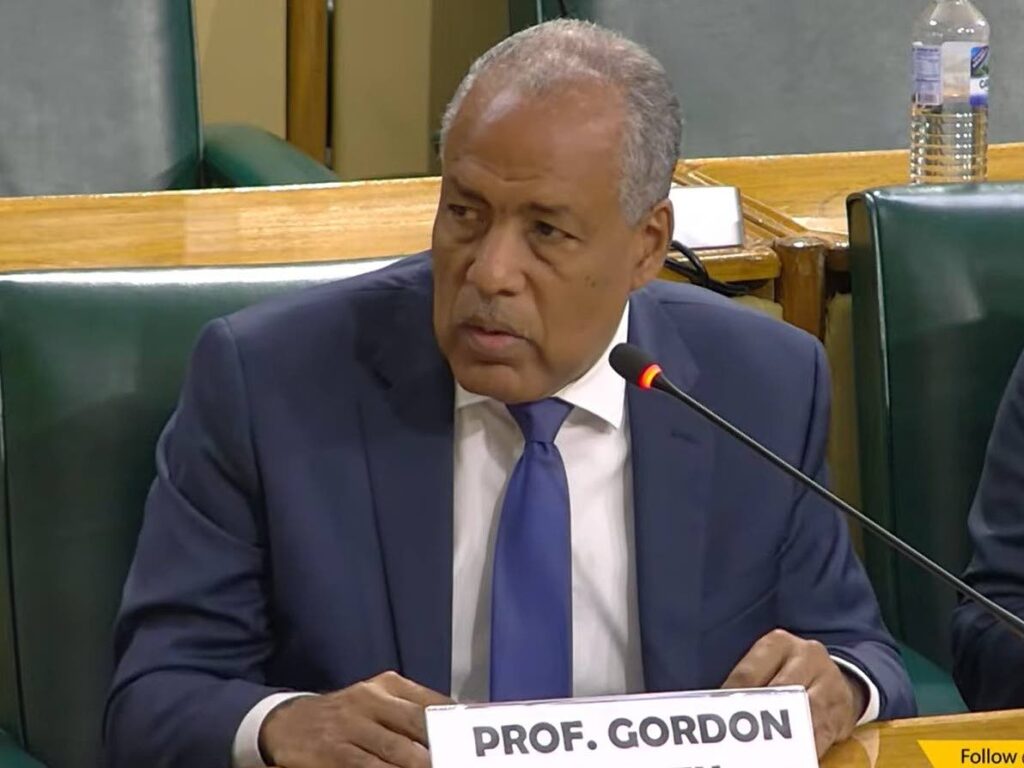
    Half a year after Hurricane Melissa made landfall in Jamaica, a persistent buildup of cargo continues to clog port operations and warehouse spaces in Montego Bay, St. James, with consolidated containers that arrived on the island as early as February still waiting to be unpacked. This backlog was revealed this Wednesday by Port Authority of Jamaica (PAJ) President Professor Gordon Shirley during his appearance before the national Public Administration and Appropriations Committee (PAAC), where he was scheduled to deliver a progress update on post-hurricane recovery for island port and storage infrastructure.

    Shirley made the disclosure while responding to questioning from PAAC Chair Peter Bunting, confirming that many consolidated shipments that would have been cleared under standard operational procedures are still being held at the Montego Bay facilities. “We are acutely aware that customers have personal and commercial goods waiting in these containers, and our top priority is working through the backlog as quickly as possible to allow cargo owners to retrieve their items,” Shirley told the committee.

    When asked whether cargo owners were facing unexpected extra costs from demurrage fees, Shirley clarified that the Jamaican government has waived all statutory fees related to the backlogged cargo, and terminal operators have also waived their storage charges. PAJ has additionally held ongoing discussions with major shipping lines to negotiate similar concessions for ocean freight charges.

    Shirley emphasized that the congestion is not linked to full container load import or export operations, which have continued to run smoothly throughout the post-hurricane period. The backlog is concentrated exclusively in less-than-container load consolidated cargo, which typically consists of mixed pallets, household goods, and personal barrels that are deconsolidated at on- and off-terminal warehouses before being released to importers after customs clearance.

    The PAJ president outlined a confluence of overlapping factors that created the current backlog, starting with the direct physical damage Hurricane Melissa inflicted when it hit Jamaica on October 28. During his presentation, Shirley shared photographic evidence showing extensive damage to terminal and warehouse structures in Montego Bay: one major warehouse building was so severely damaged that it requires full reconstruction, while the off-terminal Seaboard Warehouse — a critical facility for cargo deconsolidation and clearance — also suffered major structural harm that limited its operational capacity.

    A sudden surge in relief shipments compounded the capacity shortage, and this influx coincided with Jamaica’s annual pre-Christmas peak cargo season. Shirley explained that Jamaican communities traditionally see a sharp rise in personal barrel shipments from overseas relatives between October and January, as families prepare for holiday gatherings. On top of this normal seasonal peak, relief organizations and private individuals rushed additional hurricane relief supplies into the country immediately after the storm, stacking an unexpected volume of cargo on top of already elevated seasonal shipments.

    Misunderstanding around government relief cargo waivers created further delays. Shirley explained that after the government announced duty waivers for approved hurricane relief supplies, many cargo owners assumed any barrel containing even a small amount of relief goods would qualify for full exemption. When Customs clarified that only dedicated relief shipments qualified for the waiver, many cargo owners opted not to pay the required duties to clear their barrels, creating a processing logjam.

    Compounding this issue, Shirley noted that the rate at which cargo owners have come forward to clear barrels since the start of 2024 has been far slower than historical averages, in both Montego Bay and the capital Kingston. Bunting echoed this observation, suggesting that many of the unclaimed barrels were abandoned by owners who expected full duty exemption and chose not to retrieve their cargo once they learned they would still be required to pay fees. Bunting warned that these abandoned barrels will continue to block critical storage space unless authorities implement a formal process to identify and dispose of unclaimed cargo after a set waiting period.

    In response, Shirley outlined the multiple intervention measures PAJ and national authorities have rolled out to cut into the backlog. Extending terminal operating hours and securing additional temporary storage space have been core early steps, as authorities cannot yet distinguish between intentionally abandoned cargo and shipments that owners still plan to retrieve. In addition to the fee waivers and ongoing negotiations for discounted demurrage, these measures have already succeeded in significantly reducing backlogs in Kingston, Shirley reported.

    Moving forward, authorities are planning to transfer a portion of the Montego Bay backlogged cargo to King’s Warehouse (previously named Queen’s Warehouse) in Kingston to free up limited local storage space. Officials are also preparing to follow statutory procedures to auction off any cargo that has remained unclaimed beyond the maximum waiting period permitted under Jamaican law, as a long-term solution to clear excess storage capacity.

  • Utilities providers say regulators slowing progress

    Utilities providers say regulators slowing progress

    CORAL SPRING, Trelawny — Senior leaders of Jamaica’s major utility companies used a high-profile industry conference this week to shine a spotlight on a persistent, costly problem: glacial regulatory approval processes that are undermining operational efficiency, delaying critical infrastructure projects, and ultimately passing higher costs on to consumers. The conversation unfolded Tuesday during a utility provider round table hosted as part of the 2026 conference of the Organization of Caribbean Utility Regulators (OOCUR), held at Jamaica’s Ocean Coral Spring resort, bringing together top executives from across the region’s energy and telecommunications sectors to compare challenges and share actionable insights.

    Opening the discussion on regulatory bottlenecks, Hugh Grant, president of Jamaica Public Service Company Limited (JPS) — the island nation’s primary electricity provider — explained that extended waiting periods for regulatory decisions and delayed project approvals create cascading challenges for energy sector operators. While Grant acknowledged that regulators operate under their own set of resource and procedural constraints, he emphasized that holding up infrastructure projects amid steadily rising consumer demand inevitably inflates long-term costs. When final approval is finally granted, post-decision implementation comes at a far higher price point than initially projected, pushing that extra financial burden directly onto everyday households and businesses.

    Grant called for deeper cross-sector collaboration between utility providers and regulators to cut red tape and accelerate the delivery of critical energy infrastructure, a shift he said is necessary to keep Jamaica’s energy network safe, reliable, resilient, and affordable for all users. “We have to become far more nimble and agile in how we approach our work, especially at a moment when our industry is undergoing rapid transformation right in front of us,” Grant said. He added a warning drawn from global trends: when regulated utilities cannot move fast enough to meet growing demand for energy and connectivity, large global technology firms such as Microsoft, Google, and Amazon have increasingly stepped in to build their own independent energy infrastructure to fill the gap.

    The critique of slow approval processes was echoed by Stephen Price, vice-president and general manager of Flow Jamaica, one of the country’s leading telecommunications providers. Price told the round table that Jamaica is falling behind in rolling out next-generation wireless technologies, including 5G and future 6G networks, all because overly complex, multi-step approval timelines are holding up tower infrastructure deployment. To put the scale of the problem in perspective, Price noted that building a single new cell tower in Jamaica takes an average of 14 months, as providers must navigate overlapping approval processes with the National Environment and Planning Agency, the Ministry of Health, local municipal authorities, and additional community survey requirements — even after the industry has repeatedly addressed public concerns over radiation safety and other common misconceptions.

    Rather than calling for a complete overhaul that creates an entirely new standalone regulatory body, Price pushed for improved inter-agency coordination to streamline the approval pipeline. He emphasized that faster network expansion is not just a corporate priority: broader, more reliable connectivity is a core driver of national economic growth. Price also noted that many Caribbean nations rely too heavily on spectrum auctions to generate short-term government revenue, arguing that policymakers should instead prioritize expanding spectrum access and improving efficiency to extend connectivity benefits across all segments of regional populations. While he welcomed recent narrow legislative reforms in Jamaica aimed at speeding up large project approvals, Price added that such targeted fixes should not be necessary in a well-functioning regulatory system.

    Stephen Murad, chief executive officer of Digicel Jamaica, another major telecommunications provider, echoed Price’s concerns and added another pressing challenge facing local utilities: widespread infrastructure theft and vandalism. Murad told the panel that outside of damage caused by severe hurricanes, these criminal acts are the most disruptive issue facing his company. He called on regulators to apply greater pressure on policymakers and the judiciary to create stronger criminal deterrents, including harsher sentencing for convicted offenders. Murad noted that theft and vandalism drain massive amounts of time, energy, and capital — both for upfront infrastructure investment and ongoing operational costs — and create daily, unnecessary hurdles for utility teams trying to deliver consistent service.

    Despite the litany of challenges, the round table also highlighted a successful example of agile, collaborative regulation that delivered tangible results for consumers. Grant pointed to JPS’s post-hurricane restoration efforts following Hurricane Melissa, where regulators showed impressive flexibility and speed to cut through red tape. In a first for Jamaica, JPS deployed emergency mobile generators to restore power to hard-to-reach remote communities. By working quickly with regulators to establish a clear operational framework and cost-recovery plan, the company restored power in a fraction of the time originally projected.

    Grant framed the successful restoration as proof that the collaborative, agile model works, demonstrating what can be achieved when regulators and utilities work together toward the shared goal of serving consumers. “It tells us that we have the muscle to do it,” Grant said.

    The round table, held under the official theme “Utility Perspectives on Regulation: Challenges, Opportunities, and Learnings,” was moderated by David Morton, chair of the International Confederation of Energy Regulators. The panel was completed by Christopher Mapp, acting chief executive officer of the Barbados Water Authority, who joined fellow utility leaders from across the Caribbean in the discussion.

  • Hip Strip development will fall under NaRRA, says TEF head

    Hip Strip development will fall under NaRRA, says TEF head

    MONTEGO BAY, St James — One of Jamaica’s most high-profile tourist destinations, the Hip Strip — formally named Jimmy Cliff Boulevard — in Montego Bay may soon see its long-delayed revitalization accelerated through the country’s newly established post-disaster development body, the National Reconstruction and Resilience Authority (NaRRA), according to Dr Carey Wallace, executive director of the Tourism Enhancement Fund (TEF).

    Wallace shared the latest project update in an interview with Jamaica Observer on Tuesday, just hours before legislation formally creating NaRRA was approved by Jamaica’s House of Representatives. The executive director explained that the long-awaited infrastructure upgrade is eligible for inclusion in NaRRA’s project portfolio because the Hip Strip sits at the core of a larger coastal corridor marked for large-scale regional redevelopment.

    “The entire corridor stretching from Montego Bay’s port, along Bottom Road through the Hip Strip, and extending all the way to Trelawny is earmarked for major transformation under the NaRRA programme,” Wallace noted. He added that TEF has already completed critical preliminary work, including detailed designs and comprehensive underground infrastructure mapping, which will be shared to support seamless coordinated development between the two entities.

    Plans for the Hip Strip upgrade were first unveiled back in 2021 by TEF chairman Godfrey Dyer, with an initial projected budget of roughly $1 billion Jamaican dollars. The proposed upgrades are designed to dramatically improve the popular tourist corridor’s look and functionality: key planned works include burying unsightly overhead utility lines underground and constructing new purpose-built parking garages to ease chronic congestion in the area. To date, the project has advanced to the detailed design phase, with TEF holding ongoing consultations with local businesses and stakeholders along the boulevard to incorporate community input.

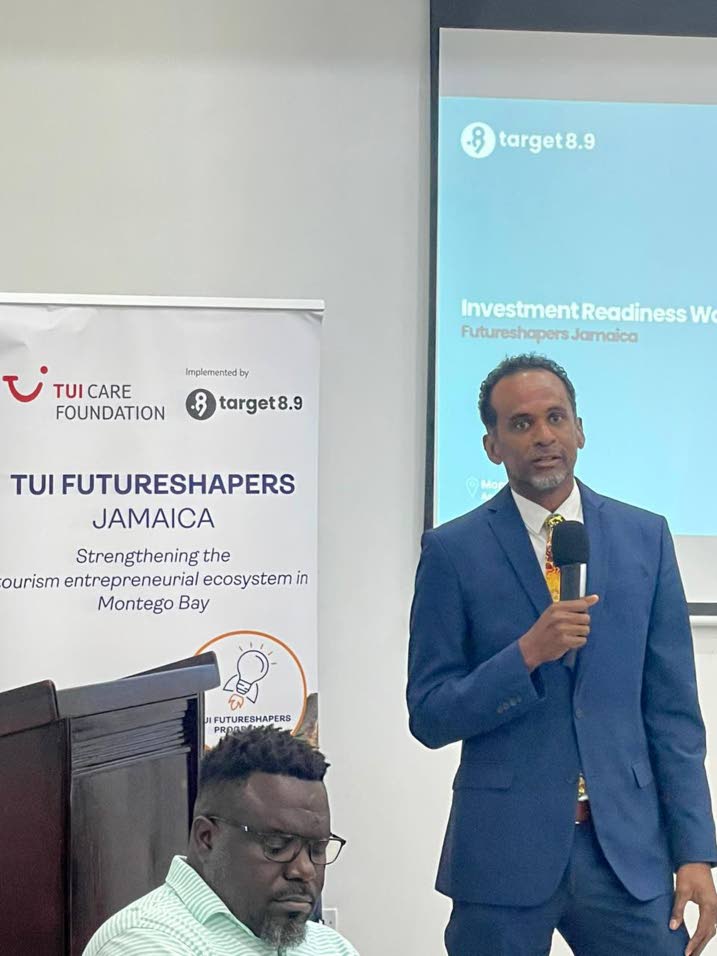
    The update came during an on-the-side conversation at a pep rally hosted by the TUI Care Foundation for small and medium-sized tourism enterprises across Jamaica. Wallace said that the project was among many across the country that faced minor delays after Hurricane Melissa hit, as the government shifted priority to immediate disaster relief and sector recovery, efforts that are still ongoing today.

    But he remains optimistic that NaRRA’s involvement will not only get the project back on track but deliver a more ambitious, impactful outcome than originally planned. “I know the government is moving quickly to get NaRRA operational, and this new body is designed to advance large-scale infrastructure projects like this much faster than existing frameworks. In the end, I’m expecting an even better result for Montego Bay and for Jamaica as a whole,” Wallace said.

    While he could not share a revised final budget for the revitalization, Wallace emphasized that the project will gain major benefits from NaRRA’s dedicated funding pool for post-disaster recovery and long-term climate resilience. “NaRRA has its own dedicated budget focused on recovery and building resilience. From where I stand, that means this project will end up being far more impactful than it would have been otherwise,” he explained. “With NaRRA on board, a whole host of delayed projects will not only be restarted but likely expanded. I’m confident we will deliver massive progress across the corridor within just a few years.”

  • NCB Foundation inks MOU with Old Harbour High under Adopt-a-School Programme

    NCB Foundation inks MOU with Old Harbour High under Adopt-a-School Programme

    A new strategic multi-year partnership aimed at boosting student growth and school capacity has been launched after the NCB Foundation signed a landmark memorandum of understanding with Jamaica’s Old Harbour High School. This collaboration marks the latest addition to the foundation’s flagship Stuart Reid Adopt-a-School Programme, an initiative launched in 2021 designed to foster long-term, targeted support for educational institutions across the country, with all collaborations aligned to shared priorities, verified community needs and committed resourcing.

    The partnership traces its origin to an unplanned visit to the campus by NCB Financial Group Limited Chairman Michael Lee-Chin and his senior leadership team, where a surprising on-the-ground experience reshaped the chairman’s initial expectations and sparked the collaboration. “I walked onto the campus anticipating the typical chaos often associated with large public high schools, but what I encountered instead was a culture of strict discipline and a widespread dedication to upholding high academic standards,” Lee-Chin shared in an official media statement from the foundation. “After reflecting on what I saw, I recognized this as a model institution that every school across Jamaica should look to as an example. That is what motivated us to reach out to the school’s leadership to formalize a partnership, which we have now solidified with this MOU.”

    Under the direction of Principal Lynton Weir, Old Harbour High School has already carved out a strong reputation for its disciplined campus culture and forward-thinking academic approach. The school has broken from traditional norms by allowing students to sit key national examinations as early as Grade 8, and it has also prioritized professional growth for its support staff, offering access to evening classes and certification opportunities through Caribbean Secondary Education Certificate (CSEC) subjects.

    Weir welcomed the new partnership, emphasizing its potential to accelerate the school’s long-term strategic development goals. “Our entire community has worked tirelessly over the years to build an institution that is worthy of investment,” Weir said. “This collaboration opens the door to joint work that will further improve student achievement and overall institutional performance, and in doing so, help build a brighter future for all of Jamaica.”

    Per the terms of the MOU, the NCB Foundation and the school will first work together to conduct a full needs assessment to identify high-priority areas for potential investment. Possible areas of support include campus infrastructure upgrades, expanded financial literacy programming, targeted student development projects, as well as new scholarship offerings and structured internship pathways for qualifying students. All support will be subject to mutual agreement, formal assessment, and compliance with the programme’s established requirements.

    Thalia Lyn, chair of the NCB Foundation, explained that the initiative’s model is built on intentional partnership rather than top-down intervention. “We always prioritize partnering with institutions that are already doing the work to improve outcomes for their students and community,” Lyn noted. “Any support we provide is rooted in shared goals, clear accountability, proven readiness, and a demonstrated ability to deliver tangible results.”

    To date, the NCB Foundation has injected more than 2 billion Jamaican dollars into education and community development projects across the island, making it one of the most active private philanthropic organizations in the country’s education sector. The Adopt-a-School Programme itself was named to honor the legacy of Stuart Reid, a former board director of the NCB Foundation who played a key role in designing and launching the initiative before his passing.

  • US Supreme Court bans race-based voting maps in landmark ruling

    US Supreme Court bans race-based voting maps in landmark ruling

    On Wednesday, the U.S. Supreme Court delivered a landmark, ideologically divided ruling that places strict new limits on how race can be factored into the drawing of congressional electoral districts, a decision that experts say could reconfigure legislative maps across the country and bolster Republican electoral chances ahead of November’s midterm elections.

    In a 6-3 vote split along the court’s conservative-liberal ideological divide, the conservative-majority court struck down Louisiana’s revised electoral map, which had been drawn to create a second majority-Black congressional district. The map was crafted to meet requirements outlined in the landmark 1965 Voting Rights Act (VRA) after courts ruled the state’s previous plan illegally diluted Black voting power. Even so, the high court ruled that the race-conscious map amounted to unconstitutional racial gerrymandering.

    While the ruling leaves the core legal framework of the VRA intact, it narrows the scope of how the act can be enforced in redistricting cases. Civil rights advocates have already framed the decision as a major blow to a law that has been progressively weakened by a series of Supreme Court rulings over the past decade.

    Voting rights advocacy platform Democracy Docket projects the ruling could help Republicans pick up as many as 27 additional congressional seats across the country, potentially cementing long-term GOP control of the U.S. House of Representatives. The organization warned that without clear racial protections in districting rules, states face almost no restrictions when redrawing electoral boundaries to benefit a particular party or demographic group.

    The immediate impact of the decision on November’s elections remains uncertain, as primary contests are already underway and legal challenges are expected to delay any rapid redrawing of maps. Even so, Republicans are predicted to move aggressively to revise district lines in states where legal timelines and regulatory frameworks allow for changes.

    Writing for the court’s conservative majority, Justice Samuel Alito argued that compliance with the VRA did not justify the explicit use of race to draw district boundaries in the Louisiana case. Alito noted that Section 2 of the VRA does not require states to design districts primarily around racial demographics. “That map is an unconstitutional gerrymander, and its use would violate the plaintiffs’ constitutional rights,” Alito wrote, referencing the group of non-Black voters who brought the original challenge against the revised map.

    The decision marks a substantial shift in how federal courts interpret the balance between preventing racial discrimination in voting and upholding the 14th Amendment’s equal protection guarantee. The ruling effectively raises the legal standard for considering race during post-census redistricting cycles. In an unusual procedural step, both the majority opinion and the dissenting opinion were read aloud from the Supreme Court bench, a sign of the high stakes of the case.

    In her dissent, Justice Elena Kagan warned the decision would carry sweeping, long-reaching consequences for minority voting power. Kagan argued the ruling opens the door for states to systematically weaken the voting influence of minority communities with no legal recourse to challenge the practice. “After today, those districts exist only on sufferance, and probably not for long,” she said.

    Legal analysts emphasize the implications of the ruling stretch far beyond Louisiana. The decision will make it far harder for states to create or preserve majority-minority districts, a tool that has been used for decades to guarantee adequate representation for Black voters and other racial minority groups. Because majority-minority districts have historically tended to elect Democratic candidates, the ruling is expected to deliver a major partisan advantage to Republicans in tightly contested House races this fall.

    Senate Majority Leader Chuck Schumer, the top Democratic leader in the U.S. Senate, called the ruling a “devastating blow” to the Voting Rights Act. “Today, the Supreme Court turned its back on one of the most sacred promises in American democracy — the promise that every voice counts,” Schumer said in a post-ruling statement.

    The decision comes as national partisan fights over redistricting have intensified following the 2020 U.S. Census, with both Republican- and Democratic-led state governments working to redraw district boundaries to shift congressional power in their favor. Section 2 of the VRA, the provision at the center of the Louisiana case, was created to block voting practices that dilute minority political influence, even in cases where there is no explicit proof of intentional discrimination.

    The Supreme Court’s conservative majority has increasingly pushed back against race-conscious policy remedies in recent years, arguing that such measures conflict with what Justice Clarence Thomas — the court’s only Black justice — has described as a “color-blind” reading of the U.S. Constitution.

  • OpenAI facing ‘waves’ of US lawsuits over Canada mass shooting

    OpenAI facing ‘waves’ of US lawsuits over Canada mass shooting

    TORONTO – In a major legal development following one of Canada’s deadliest mass shootings in recent years, seven new federal lawsuits have been lodged against OpenAI in a California court by legal representatives of victim families connected to the February attack in the small British Columbia mining town of Tumbler Ridge.

    The litigation centers on the AI developer’s controversial handling of account activity linked to 18-year-old Jesse Van Rootselaar, the perpetrator of the attack that left eight people dead and multiple others seriously injured. After the shooting, OpenAI faced widespread public backlash over its choice not to alert Canadian law enforcement to concerning behavior detected on Van Rootselaar’s ChatGPT account, which the company said it banned in June 2025 – months before the attack. In the immediate aftermath, OpenAI defended its inaction, claiming there was no clear evidence of an imminent violent plot that would trigger a report to authorities.

    The new lawsuits challenge multiple core claims made by OpenAI, according to official statements from the plaintiffs’ cross-border legal team. Legal representatives allege that OpenAi deliberately chose not to report Van Rootselaar’s activity, arguing that flagging one high-risk account would create an obligation to flag thousands of similar concerning cases across the platform. Beyond this, the suits cast doubt on OpenAI’s assertion that Van Rootselaar’s original account was ever fully banned.

    The legal filing details longstanding gaps in OpenAI’s account safety protocols, claiming that when users are locked out for dangerous conduct, the company actively provides guidance on how to restore access – including workarounds to bypass mandatory 30-day suspension periods. Even for permanently banned users, the suit notes OpenAI does not block repeat sign-ups: the company explicitly informs users that they can create a new account immediately simply by registering with a different email address. Per court documents, Van Rootselaar did exactly that, launching a new ChatGPT account after her first was restricted.

    This new wave of US litigation follows an earlier Canadian case brought on behalf of Maya Gebala, a 12-year-old victim who was gravely wounded in the school shooting. Legal teams confirmed they are coordinating across the US-Canada border, and the new US filings will supersede the existing Canadian action. Legal representatives also signaled that more lawsuits are imminent, saying that over two dozen additional claims on behalf of shooting victims will be filed in batches over the coming weeks.

    OpenAI has already taken public steps to address fallout from the incident. Earlier this month, CEO Sam Altman issued a direct public apology to the Tumbler Ridge community, saying he was “deeply sorry that we did not alert law enforcement to the account that was banned in June”. The company has also confirmed that it has revised its safety policies since the incident, acknowledging that under current updated protocols, Van Rootselaar’s behavior would now trigger an automatic flag to police.

    When contacted for comment on Wednesday’s new filings, an OpenAI spokesperson reiterated the company’s commitment to preventing misuse of its tools. “We have a zero-tolerance policy for using our tools to assist in committing violence. As we shared with Canadian officials, we have already strengthened our safeguards, including improving how ChatGPT responds to signs of distress,” the spokesperson said.

    The attack itself has remained one of the most high-profile cases examining the responsibility of AI platforms for user-generated dangerous content. Van Rootselaar first killed her mother and brother at their family home in Tumbler Ridge, before traveling to the town’s local secondary school, where she shot and killed five students and one teacher. She ultimately died from a self-inflicted gunshot wound after responding police entered the school building.

  • St Lucia introduces grant to assist families

    St Lucia introduces grant to assist families

    The island nation of Saint Lucia is rolling out a targeted new social welfare initiative designed to cushion new families from the immediate financial strain that comes with welcoming a new child: the Newborn Support Grant.

    According to an official statement from the Office of the Prime Minister, the one-off payment of EC$1,000 (equal to roughly J$58,000) is set to take effect in August 2026. The program is integrated into the government’s overarching national social protection framework, framed as a strategic long-term investment in early childhood development. This designation reflects growing research confirming that the earliest stages of life are a critical determinant of an individual’s lifelong health and social outcomes.

    Prime Minister Philip J Pierre outlined the details of the new policy during the recent parliamentary debate on the 2026/2027 Appropriations Bill. He explained that the grant is specifically crafted to help families cover the fundamental costs that arise in the immediate postnatal period and early newborn care stage, ranging from specialized infant nutrition and medical transportation to essential basic baby supplies.

    “This initiative is rooted in a simple but vital goal: ensuring that every child born in Saint Lucia gets a healthy, fair start from their first day of life,” Pierre said. “By lifting the immediate financial burden off new households, we are strengthening family stability and building a stronger foundation for our country’s future.”

    Pierre added that the program delivers much-needed, timely support to families navigating one of the most critical periods of a child’s development.

    Saint Lucia’s government emphasized that the new grant does not replace existing public health services, but rather complements current offerings including routine antenatal care and community-focused public health programs. It addresses a long-unresolved gap: household-level financial barriers that often prevent families from accessing full, consistent care. The country already offers expanded maternal health benefits, including free laboratory testing and ultrasound services for pregnant people to support early risk detection, consistent prenatal care, and improved birth outcomes; the grant removes remaining barriers that would stop families from using these resources.

    The Newborn Support Grant is the latest addition to a growing package of government policies focused on reducing household financial strain and expanding life-cycle social protection for all Saint Lucians. Other recent measures include the elimination of value-added tax on staple food items, expanded funding and access for the national School Feeding Programme, and increased financial assistance for retired pensioners across the country.

  • Celebrating a year of Excelerate Energy in Jamaica

    Celebrating a year of Excelerate Energy in Jamaica

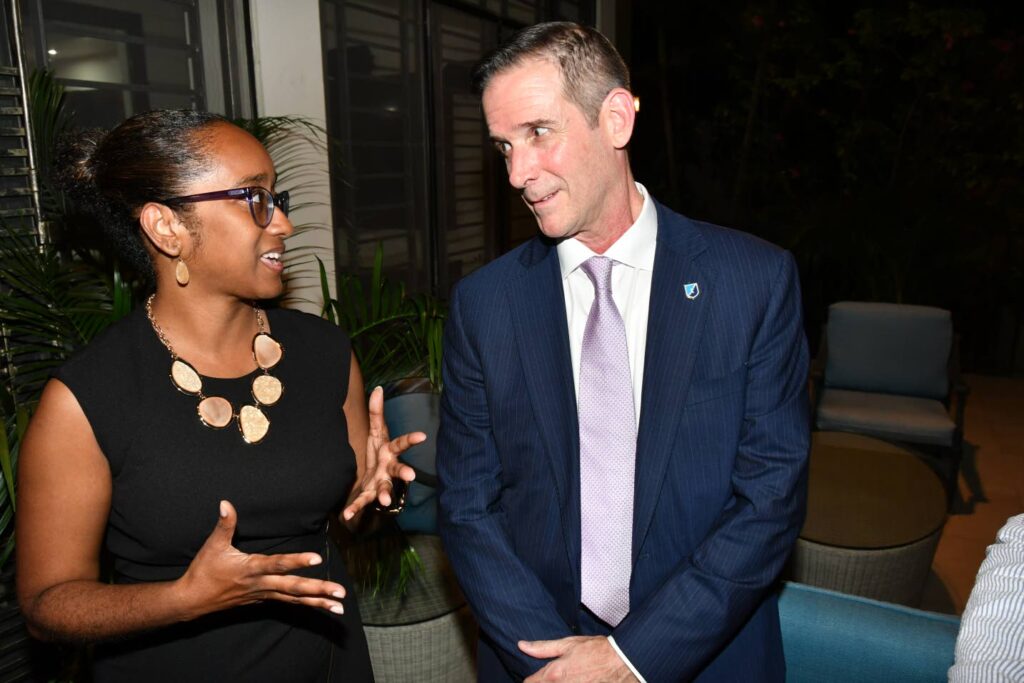
    One full year after completing its high-stakes acquisition of New Fortress Energy’s Jamaican assets, US-based liquefied natural gas (LNG) firm Excelerate Energy gathered key stakeholders to mark the milestone at a special celebration hosted by the United States Embassy in Jamaica. The event, held April 28 at the Chief of Mission’s residence in the Jack’s Hill neighborhood of Kingston, brought together top industry leaders, senior Jamaican government officials, and diplomatic representatives to toast the company’s first 12 months of operations on the island.

    In opening remarks to guests, US Embassy Chargé d’Affaires Scott Renner framed the first year of Excelerate’s operations as more than a corporate success — it stands as a tangible strengthening of both Jamaica’s energy landscape and the decades-long bilateral partnership between the United States and Jamaica. Renner emphasized that accessible, dependable energy is the backbone of any thriving modern economy, and projects like Excelerate’s Jamaican operations deliver both expanded economic opportunity and enhanced long-term energy security for the Caribbean nation.

    Renner highlighted the depth of Excelerate’s commitment to Jamaica beyond its core corporate investments, noting the firm has already poured $1 billion into local operations and stepped up to support disaster relief efforts in the wake of Hurricane Melissa. When the storm hit, the company deployed its LNG carrier *Excelerate Shenandoah* to deliver $500,000 worth of emergency supplies to affected communities. He also noted the symbolic alignment of the milestone: Excelerate’s first anniversary in Jamaica coincides with the 250th semiquincentennial celebration of the United States, a dual milestone that reflects shared values of innovation, entrepreneurship, and cross-border collaboration between the two nations.

    “America is defined by enterprise, innovation, and shared success. But our story is not one we write alone — we walk it with partners, and Jamaica is one of our closest partners,” Renner told attendees. “This partnership extends far beyond government cooperation; it thrives in civil society, in the private sector, and in the investments businesses like Excelerate choose to make abroad.”

    For his part, Excelerate Energy President and Chief Executive Officer Steven Kobos expressed pride in the progress the company has delivered in its first year, and reaffirmed the firm’s long-term commitment to growing its footprint in Jamaica. Recalling his first meeting with Jamaican Prime Minister Andrew Holness following the acquisition, Kobos noted he had promised the prime minister that the company would prove its reliability through action, not just words.

    “We made clear when we closed this acquisition that we were in Jamaica for the long haul, and today we are reaffirming that commitment. We absolutely plan to invest additional capital into the country — this is the right place for us to grow, and we are incredibly excited for what comes next,” Kobos said.

    As a symbolic tribute to the first year of partnership, Kobos presented Jamaican Minister of Foreign Affairs and Foreign Trade Kamina Johnson Smith with a detailed scale model of the *Sequoia*, one of Excelerate’s LNG carriers. Johnson Smith spoke on behalf of Prime Minister Holness at the event, praising Excelerate’s operations as a critical catalyst for Jamaica’s ongoing transition to more sustainable, accessible energy sources.

    “The LNG infrastructure Excelerate operates today is central to our energy transition goals. It has helped stabilize electricity generation costs for Jamaican consumers, strengthened our national energy security, and created an entirely new industrial platform that simply did not exist before this investment,” Johnson Smith explained. “This is tangible, meaningful progress, and it is a perfect example of what can be accomplished when public and private partners from aligned nations come together around a shared goal.”

    Following the formal remarks, guests enjoyed catered cuisine from celebrated Jamaican chef Oji Jaja, live music from violinist Meah Eliana, and DJ sets from Damion Haber, as attendees networked and toasted to future collaboration between Excelerate and Jamaican stakeholders. The event included representation from across Jamaica’s leading public and private sectors, with senior leaders in attendance from organizations including Sagicor Group, Grace Kennedy Group, the Development Bank of Jamaica, Jamaica Bauxite Mining Limited, the Port Authority of Jamaica, the Private Sector Organisation of Jamaica, and National Commercial Bank.