博客

  • Wiping BPL bills ‘makes no sense’

    Wiping BPL bills ‘makes no sense’

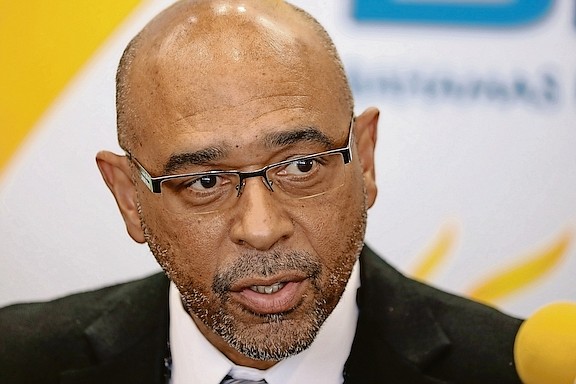
    A controversial decision by the Davis administration in the Bahamas to clear all outstanding electricity debts for residents of two remote islands has sparked fierce pushback from the country’s former top power utility executive, who is calling the policy inconsistent, unexplained, and potentially a violation of electoral rules.

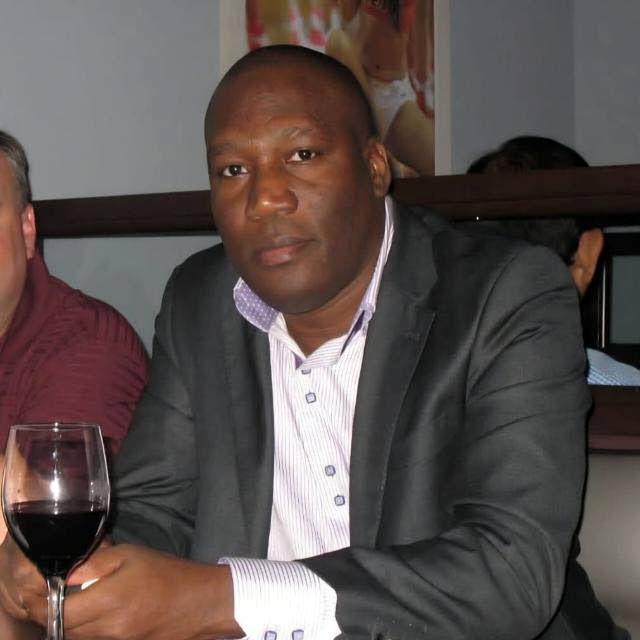
    Whitney Heastie, who served as Chief Executive Officer of Bahamas Power and Light (BPL) until his 2022 resignation, has publicly rejected the government’s official justification for wiping the slate clean for Grand Cay and Moore’s Island residents. The move came shortly after Prime Minister Philip Davis toured the two islands and made a public promise of targeted relief to local households, with some residents confirming their accumulated debts – which reached as high as $13,500 for individual properties – were suddenly reduced to zero on their billing statements.

    Officials with the Davis administration have defended the debt cancellation by pointing to widespread financial and operational disruptions sparked by two major crises: 2019’s Hurricane Dorian, which devastated large swathes of the Bahamas, and the subsequent COVID-19 pandemic. The government claims that normal billing and debt collection processes were completely suspended throughout this period, as residents struggled with limited access to banking services, widespread travel restrictions, and crippled local business activity. The administration also has asserted that the preceding government had informally promised residents they would not be required to pay off accrued balances during the crisis, even as those debts continued to accumulate in BPL’s billing system.

    Heastie, who led BPL through the post-Dorian and early pandemic recovery, flatly denies this narrative. He insists that BPL’s board of directors never issued any directive to permanently forgive the outstanding debts of residents on either island. Instead, he says, the established policy at the time was a structured relief program that allowed for the postponement of arrears, while requiring households to stay current on all new monthly electricity charges.

    “The framework we put in place was straightforward: residents kept up with their current bills, and worked out a staggered payment plan to pay down back balances over time,” Heastie explained. “I don’t recall the exact timeline for deferral – whether it was 90 days, 120 days, or custom arrangements for individual households – but the core rule was always current bills had to be paid to keep service active while arrears were paid down gradually.”

    Beyond disputing the government’s background narrative, Heastie has raised two major unresolved questions about the timing and scope of the relief. First, he questions why the Davis administration chose to act on the debt issue now, years after taking office, rather than addressing it earlier in its term. Second, he argues that the selective relief for Grand Cay and Moore’s Island makes no sense when far larger communities on the Abaco mainland and East Grand Bahama suffered far more devastating damage during Hurricane Dorian, requiring a complete rebuild of BPL’s entire transmission and distribution network in northern Abaco.

    “If the government’s goal is to forgive all post-Dorian debt, why single out these two small island communities?” Heastie asked. “Why not extend the same relief to the thousands of households on the Abaco mainland that lost everything when the hurricane hit? I would have expected the government to step in for East Grand Bahama residents the same way they did for these cays.”

    Former Bahamian Works Minister Desmond Bannister has backed Heastie’s account of the previous administration’s policy, confirming that no formal or informal directive to forgive resident debts was ever issued. Bannister added that only the sitting prime minister or works minister could have authorized such a sweeping policy, and no such authorization was ever made.

    The Bahamian government has only offered vague details of how the debt forgiveness will be funded, saying only that eligible outstanding balances will be absorbed through an offsetting financial arrangement with BPL. Heastie has cast doubt on the sustainability of this plan, noting that BPL was already barely breaking even when he left the CEO post in 2022.

    “Nothing in public finance is free,” Heastie said. “If BPL is on the hook for these tens of thousands of dollars in forgiven debt, how can a company already operating on thin margins absorb that cost?”

    The sudden, targeted relief has also fueled widespread allegations of vote buying ahead of upcoming parliamentary elections. Critics point to clear provisions in the Bahamas’ Parliamentary Elections Act that prohibit any form of financial inducement intended to sway voter behavior. Bannister, a longtime political figure, called this election the worst he has ever witnessed for improper political handouts, saying social media platforms have been flooded with competing politicians one-upping each other with promises of financial gifts to voters.

    “What many politicians and even voters don’t seem to recognize is that these handouts cheapen the value of every vote, and create long-term, serious damage to the integrity of public policy in this country,” Bannister added.


  • Jamaica’s GoldenEye sets the scene for Tory Burch’s latest pre-fall campaign

    Jamaica’s GoldenEye sets the scene for Tory Burch’s latest pre-fall campaign

    American luxury fashion brand Tory Burch is gearing up to reveal its highly anticipated high summer collection, named *Splash*, this Tuesday, with its promotional campaign captured against the breathtaking, storied landscapes of Jamaica’s legendary GoldenEye resort.

    GoldenEye, a destination long prized for its layered cultural history and postcard-perfect coastal panoramas, has emerged as a global marker of laid-back, refined luxury. This campaign partnership will introduce the location’s one-of-a-kind vibe to an even wider cross-section of international fashion consumers, extending its reach beyond luxury travel circles.

    As first reported by industry outlet Women’s Wear Daily (WWD), the campaign was lensed by renowned fashion photographer Anthony Seklaoui, and stars rising models Alex Consani and Sacha Quenby. The visual narrative centers on the collection’s core thematic identity: a mood of getaway, quiet daydreaming, and lighthearted, sophisticated style that fits perfectly for warm-weather leisure.

    Standout pieces in the *Splash* line-up include hand-woven raffia Romy bucket bags, textured crochet Charlie shoulder bags, the brand’s fan-favorite Miller sandals, and soft cotton tanks embellished with hand-finished silk floral details. To build momentum following the collection’s initial drop, the brand will launch a complementary extension, *Splash Jelly Drop*, on May 19, which will feature a line of semi-transparent Ella tote bags designed for beach and city outings alike.

    The full campaign rollout will unfold across Tory Burch’s major social media platforms, including Instagram, TikTok, and YouTube, giving digital-first audiences early access to the collection imagery and styling inspiration. Shoppers will be able to purchase *Splash* pieces at all brick-and-mortar Tory Burch boutiques globally, via the brand’s official e-commerce site toryburch.com, and through a curated network of premium retail partners that includes Nordstrom, Bloomingdale’s, Neiman Marcus, Saks Fifth Avenue, Shopbop, and Revolve.

    Per WWD’s pricing breakdown, the collection spans accessible luxury across categories: entry-level jelly-heeled sandals retail for $175 USD, the coveted crochet Charlie shoulder bags are priced at $695 USD, and select ready-to-wear statement pieces top out at $1,695 USD. All campaign imagery used for the promotion was shot by Seklaoui and provided courtesy of the Tory Burch brand.

  • Veteran broadcaster Daniel Thompson has died

    Veteran broadcaster Daniel Thompson has died

    KINGSTON, Jamaica — After nearly 30 years as a defining voice of Jamaican public radio, Daniel Thompson, one of Radio Jamaica’s longest-serving and most beloved broadcasters, has passed away. The official confirmation of his death came from the station itself this past Thursday. According to local reports, Thompson suffered a sudden heart attack that led to his passing.

    Over his 28-year career with Radio Jamaica, Thompson built a legacy that touched every corner of the station’s programming schedule. He worked every time slot from early morning drive time to late-night talk segments, crafting memorable content that resonated with decades of listeners across the island. Beyond filling roles across the full broadcast lineup, Thompson launched his own standalone show, and most recently became a core contributor to the station’s popular audience-driven call-in program Hotline, where he facilitated engaging conversations between callers and community stakeholders.

    He also earned widespread popularity for his collaborative work on the iconic “X and Y” feature, which he co-hosted for years alongside longtime partner Emily Shields, a segment that remains a fan favorite among long-time Radio Jamaica listeners. Beyond his work in talk radio and interactive programming, Thompson carved out a reputation as a measured, trusted newsreader, delivering breaking stories and daily current affairs coverage with a calm authority that made him a go-to source of information for Jamaican audiences.

  • Bruce Golding to head Commonwealth observation mission for Bahamas polls

    Bruce Golding to head Commonwealth observation mission for Bahamas polls

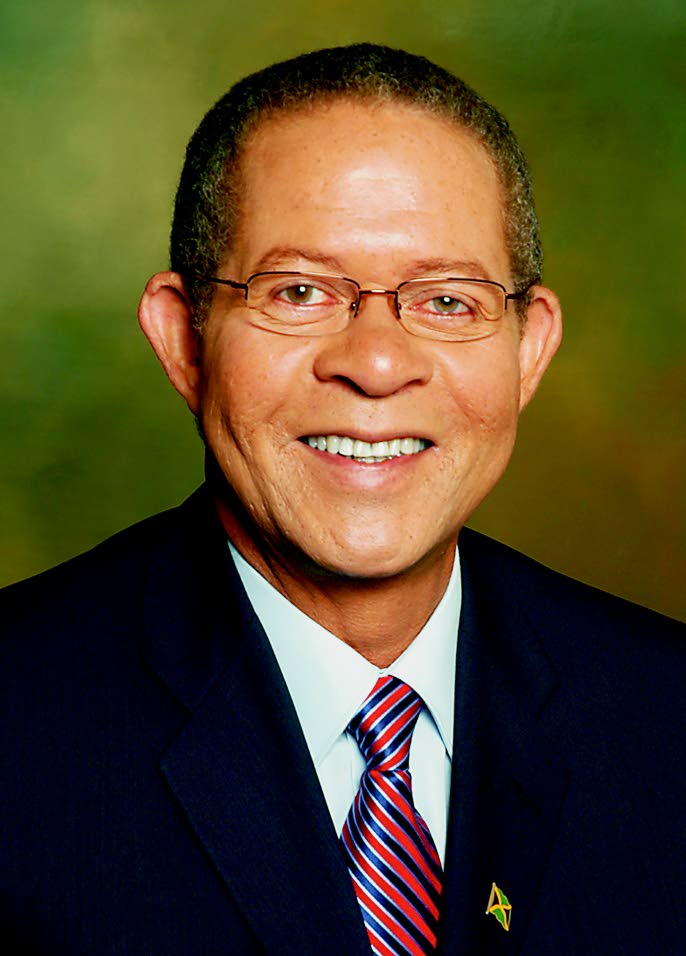
    The Commonwealth has named Bruce Golding, a former prime minister of Jamaica, to head its official observer delegation for The Bahamas’ upcoming general election, set to take place on May 12, 2026. The appointment was finalized by Commonwealth Secretary-General Shirley Botchwey, and came in response to a formal invitation extended by Bahamian Prime Minister Philip Davis. Joining Golding on the four-person observer team are three seasoned regional professionals: Josephine Tamai, chief elections officer of Belize; Orin Gordon, an experienced journalist from Guyana; and Estelle Thadea Alaine George, a legal and electoral governance specialist from Saint Lucia. In a public statement released Thursday, Secretary-General Botchwey opened by extending her gratitude to Golding for agreeing to take on the leadership role, and recognized the willingness of all appointed team members to contribute their time and expertise to the mission. Botchwey emphasized in the statement that free, credible, and transparent electoral processes form the bedrock of legitimate democratic governance. She added that independent Commonwealth observation missions serve a critical dual purpose: they strengthen public trust in national electoral systems and help member states uphold the democratic commitments they have agreed to as part of the global organization. The entire observer mission will receive operational and logistical support from a supporting team based out of the Commonwealth Secretariat, which will be led by Professor Michelle Scobie, Head and Adviser for Good Offices and the Caribbean and Americas Section. According to the official release, during their deployment in The Bahamas, the observer delegation will monitor every stage of the electoral process, from pre-election preparations to post-vote tabulation, to evaluate whether the poll aligns with the shared democratic standards and values that the Commonwealth of Nations endorses. The team is scheduled to arrive in the country on May 4, just over a week before polling day. Shortly after their arrival, the group will publish a public opening statement that lays out the clear terms of its mandate, as well as the methodology it will use to conduct its independent, impartial assessment of the election.

  • Venezuela maintains Essequibo is part of the South American country

    Venezuela maintains Essequibo is part of the South American country

    A decades-old border dispute between Venezuela and Guyana over the resource-rich Essequibo region has reignited into a new diplomatic row, sparked by a piece of jewelry worn by Venezuela’s acting president Delcy Rodriguez during recent talks with Caribbean community leaders.

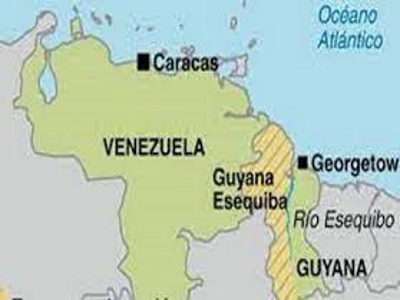
    The controversy erupted earlier this month, when Rodriguez met with the heads of government of Barbados and Grenada, two member states of the 15-nation Caribbean Community (Caricom). During the meeting, Rodriguez wore a brooch engraved with a map of Venezuela that includes the 159,000-square-kilometer Essequibo region — territory Guyana claims as its own sovereign land.

    Soon after the meeting, Guyanese President Irfaan Ali issued a formal statement of grave concern over the symbolic display of Venezuela’s territorial claim. In an April 28 letter addressed to Caricom Chairman Terrance Drew, who also serves as prime minister of St Kitts and Nevis, Ali clarified that Guyana does not oppose any Caricom member state pursuing independent bilateral relations with Venezuela. However, he emphasized that pairing high-level diplomatic engagements with public assertions of territorial claims against another member state was unacceptable.

    Caricom later issued a formal statement noting the controversy, reaffirming its longstanding support for Guyana’s position in the border dispute. Senior Guyanese officials have also separately voiced their objection to Rodriguez’s brooch.

    But Venezuelan officials have uniformly pushed back against the criticism, framing the backlash as an overreach that questions a core national position. Speaking at an anti-sanctions rally held in Valencia, the capital of Venezuela’s Carabobo state, Rodriguez dismissed the controversy. She said the map on the brooch is the only map of Venezuela her country has ever recognized, and questioned why Guyana would object to the clothing she chooses to wear.

    Venezuela will stand firm in its claim to Essequibo, Rodriguez added, ahead of upcoming hearings at the International Court of Justice (ICJ) that will hear the merits of the decades-long dispute. “We will soon be at the International Court of Justice in the coming days to reaffirm our historic position, which is aligned with international law and respect for the 1966 Geneva Agreement,” she said. “It is outrageous when Venezuela is attacked, and that is why we are undertaking this entire process for the good of our nation.”

    Venezuela’s Foreign Minister Yván Gil doubled down on this position, calling Ali’s public criticism unprecedented. Gil dismissed Ali’s complaints as “improvised shows” and argued that the brooch is merely a public acknowledgment of a longstanding historical truth that has been recognized since the 1966 Geneva Agreement. He added that Guyana’s harsh reaction reflects a desperate, erratic attempt to distract from the core legal issues of the dispute.

    Jorge Rodríguez, president of Venezuela’s National Assembly, also defended the country’s position in a post on the social platform X. “We maintain an incontrovertible position on our Guayana Esequiba. It is a historical, legal and moral right; it belongs to all Venezuelan women and men,” he wrote. “Our response remains one of peace diplomacy, but with the firmness of a people that does not renounce its sovereignty.”

    The current controversy comes as the decades-long border dispute heads to substantive hearings at the ICJ. The root of the disagreement dates back to the 1899 Arbitral Award, which established the current boundary between the two countries and granted Guyana control over Essequibo. The award stood unchallenged for more than 60 years, until Venezuela declared it null and void in 1962 and revived its claim to the entire region.

    In 1966, Venezuela and Guyana (then still a British colony) signed the Geneva Agreement, which established formal mechanisms to pursue a peaceful negotiated settlement to the dispute. When years of bilateral talks failed to produce a resolution, the United Nations Secretary-General referred the case to the ICJ in 2018, after Guyana formally brought the dispute before the court to seek legal confirmation that the 1899 award is fully legally binding.

    The ICJ has already issued a preliminary ruling confirming it has jurisdiction to hear the case, clearing the way for upcoming substantive hearings where both sides will present their full legal arguments to settle the dispute once and for all.

  • 287 nominations for Nobel Peace Prize — institute

    287 nominations for Nobel Peace Prize — institute

    OSLO, Norway — The Norwegian Nobel Institute made a key announcement Thursday, confirming that a total of 287 candidates have been put forward for the 2025 Nobel Peace Prize. Of these nominees, 208 are individual activists, leaders, and advocates, while 79 are formal organizations working across the globe to advance peace. Per longstanding institutional rules, the full list of nominees remains unpublished, with names sealed for 50 years to protect candidates and preserve the integrity of the selection process.

    While this year’s total nomination count falls short of the all-time record of 376 set in 2016, institute officials framed the figure as consistently high, a reflection of the widespread global movement to recognize peacebuilding work. “In an increasingly conflictual world, there is no lack of candidates whose principled commitment and innovative action points towards a brighter future,” the institute shared in its official statement announcing the final nomination count.

    Under Nobel Foundation statutes, nominator eligibility is restricted to specific groups: sitting national lawmakers and cabinet ministers, former Nobel Peace Prize laureates, sitting members of the Norwegian Nobel Committee, university professors of social sciences and history, and leaders of independent peace research institutes. While nominee identities are formally confidential, eligible nominators are permitted to publicly disclose the candidates they have put forward, leading to a steady trickle of confirmed names ahead of the October 9 winner announcement.

    Already, publicly disclosed nominees include Ukrainian President Volodymyr Zelensky, Swedish youth climate activist Greta Thunberg, and the International Criminal Court, one of multiple global institutions that have been put forward for the honor. Multiple eligible nominators have also confirmed they have put forward former U.S. President Donald Trump, who mounted a high-profile campaign for the 2024 prize, claiming his administration had made unprecedented efforts to end eight ongoing global conflicts.

    Trump was overlooked for the 2024 award, which went to Venezuelan opposition leader Maria Corina Machado, and he publicly expressed his frustration over the snub. In a surprising turn, Machado dedicated her award to Trump and formally presented him with her physical prize medal in January 2025. The Norwegian Nobel Peace Prize committee later clarified that the physical medal is a symbolic artifact, and the honor of the prize itself remains tied exclusively to the official selected laureate.

    Annual Nobel Peace Prize rules require all initial nominations to be submitted by the January 31 deadline. However, the institute confirmed that sitting committee members retain the right to add new candidates to the shortlist during their first post-deadline working meeting, which was held this year on February 26.

  • Richie Spice continues global mission

    Richie Spice continues global mission

    Jamaican reggae icon Richie Spice is opening 2026 on a high note, balancing a packed global touring itinerary with consistent studio work to deliver the uplifting, purpose-driven sound his fanbase has loved for decades. In a recent interview with Jamaica Observer, the veteran singer broke down his start to the year, his ongoing mission to elevate Jamaican culture worldwide, and his urgent plea for global peace amid rising global unrest.

    So far this year, Spice has already headlined multiple shows across his home country of Jamaica while maintaining a robust schedule of international performances, a routine that aligns with his decades-long commitment to expanding the global reach of homegrown Jamaican music. For the artiste, life on the road is far more than just a performance schedule — it is a core part of his cultural mission.

    “We never stop touring because that’s how we send this music of ours global,” Spice said. “Jamaica is a world brand and music is a big part of that brand so we have to keep spreading it throughout the earth.” Live performances, he emphasized, remain one of the most powerful tools to grow Jamaica’s cultural footprint across continents, connecting audiences from all backgrounds to the unique energy and message of reggae.

    Even with the demands of constant travel and show dates, the singer has not stepped away from the studio. He has steadily released new standalone singles over recent months and is currently working on several larger full-length projects, and he promises fans that his upcoming work will stay true to the style that has defined his decades-long career.

    Spice’s music has long centered on conscious storytelling and positive, uplifting energy, and he says that focus will not shift in his upcoming releases. “I’ve been putting out singles while working on projects and just keeping the music going so you can just expect some more tunes, good vibes, conscious lyrics that give a good vibration, soothe the people’s soul and make them happy,” he explained.

    Beyond talking about his upcoming music and tour plans, Spice took the opportunity to share reflections on the current state of the world, opening up about his deep concern over growing global unrest and widespread human suffering. He noted that across the globe, pain and conflict have increasingly pushed aside widespread joy, and he used his platform as a beloved artiste to issue a call for unity and peace to world leaders.

    “We’re paying attention to everything because it’s all happening right before our eyes, but I just want to tell all the governments involved to cease fire and preserve the world,” he urged.

  • Airbnbs to start paying GCT

    Airbnbs to start paying GCT

    In an overnight parliamentary sitting that stretched into the early hours of Wednesday, Jamaica’s House of Representatives has approved a suite of new tax measures, one of which mandates that short-term rental properties — including platforms like Airbnb — will begin paying General Consumption Tax (GCT) starting April 1, 2027.

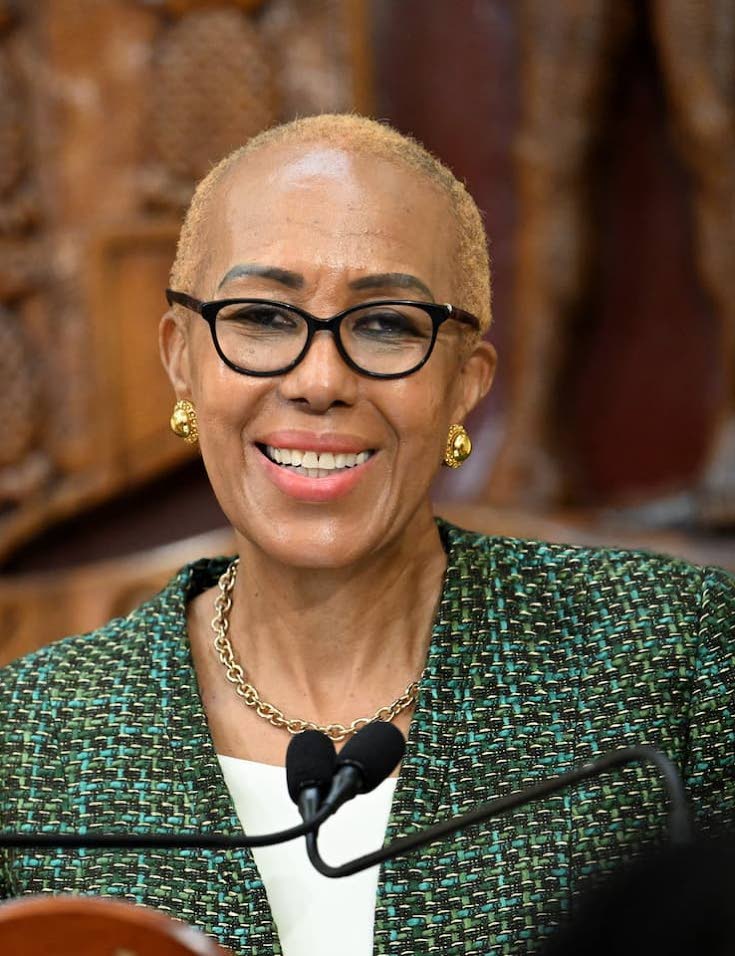
    The official confirmation of the policy came during debate over the 2026 General Consumption Tax Amendment of Schedules Order, when Opposition finance spokesperson Julian Robinson pressed the government for clarity on whether the tourism accommodation tax revisions would extend to peer-to-peer short-term rental properties. Finance Minister Fayval Williams explicitly confirmed that these unregulated short-term listings would be formally added to the tax regime under the new rules.

    Robinson noted during the parliamentary exchange that the change creates an entirely new taxable category, as prior to this amendment, short-term rental operators had fallen outside of Jamaica’s tax collection framework entirely. The new GCT requirement for short-term rentals is just one component of a wider government revenue reform package, which also includes higher excise taxes on alcohol, tobacco, and sugar-sweetened beverages, alongside adjustments to tourism sector regulations and motor vehicle concession rules.

    Williams defended the full package of reforms, framing the changes as a necessary response to mounting fiscal pressures in the wake of Hurricane Melissa, which pushed up government emergency and recovery spending. She emphasized that the measures are not arbitrary policy changes, but a coordinated part of the administration’s broader fiscal strategy to stabilize public finances while protecting funding for core public services. Williams added that the approved changes give formal legislative and operational force to revenue proposals that were first announced during earlier national budget debates.

    However, the government’s confirmation of the short-term rental tax quickly drew fierce criticism from the Opposition, which accuses the administration of ramming through the policy without meaningful public consultation or advance notice to the thousands of property owners who operate in the sector. In a media statement released Wednesday afternoon, Opposition tourism and industry linkage spokesperson Andrea Purkiss denounced the approval process, characterizing the government’s actions as pushing the measure through “like a thief in the night”.

    Purkiss argued that the overnight rush to pass the rule displays blatant disregard for thousands of ordinary Jamaicans who depend on short-term rental income to cover basic household costs and support their livelihoods. She noted that the sector has experienced explosive growth over the past seven years, expanding from just 59,500 annual guests in 2017 to more than 800,000 guests in 2024, generating over JMD $32 billion in total income for local property owners. For many Jamaican households, Purkiss added, short-term rental earnings are a critical supplementary or primary source of income.

    She is now calling on the government to open the policy up to full public scrutiny, conduct a comprehensive sector-wide impact assessment, and answer for the lack of transparency before the tax is scheduled to go into effect in 2027.

  • Snappaz gets reprieve

    Snappaz gets reprieve

    In Montego Bay, St James, a long-running dispute over an unpermitted local restaurant has taken a positive turn for both the business owner and municipal authorities, bringing relief to a community-reliant establishment that employs dozens of local workers. Milton Russell, the sole owner and operator of the well-known Snappaz Restaurant, is no longer facing the imminent threat of demolishing the business he spent years building, after the St James Municipal Corporation (SJMC) pledged to collaborate with him and other Whitehouse community residents to bring informal developments into compliance with local regulations.

    The conflict stretches back to February of this year, when a Jamaican court issued an order requiring Russell to demolish his restaurant. At that time, the business owner responded by directing his legal counsel to file an appeal against the ruling, a decision that has now been vindicated by the municipal corporation’s new approach. In an interview with the Jamaica Observer, Russell shared that the ordered demolition would have left him with nothing. He has lived on the same plot of land in Whitehouse for more than 35 years, and the restaurant was developed as an unplanned extension of his residence, far exceeding his initial expectations for success. As the 100% independent owner with no business partners, every asset he owns is invested in the restaurant, meaning full demolition would have resulted in total personal financial ruin.

    The turning point came after recent closed-door discussions between Russell and SJMC representatives, which yielded a compromise that addresses the core safety concerns that triggered the original demolition order. Per a public statement from the SJMC, the agreement requires Russell to complete minor targeted adjustments to his building in the near term that will eliminate the risk the structure was said to pose to air traffic at the nearby Sangster International Airport. The key concern from authorities surrounded the height of the roof section directly above Russell’s personal bedroom, a modification Russell says he is fully willing to make, as long as requirements stay limited to that specific adjustment.

    While Russell notes he has not yet received formal written guidance outlining his next steps from local government officials, he has expressed willingness to complete all reasonable corrective work to bring his property into compliance. He told the Observer that the broader issue of the restaurant operating without a formal construction permit has long been on his radar, and he initiated the regularization process back in 2022 by commissioning and submitting official floor plans to the municipality. Though he does not have standard official documentation like a submission receipt to prove the 2022 filing, he says he trusts the commitments made by SJMC Mayor Leintford Vernon, with whom he has negotiated for months, noting the mayor has kept every promise he has made during their discussions.

    Vernon addressed broader concerns about the municipality’s enforcement actions in an April 21 press release, pushing back against claims that SJMC was specifically targeting low-income residents of the informal Whitehouse community. The mayor clarified that over the past 12 months, the corporation has issued cease-and-desist notices to unpermitted developers across hundreds of St James communities, applying enforcement evenly across all income groups and both informal and formal neighborhoods. He noted that unpermitted construction and expansion has been found in affluent, established communities including Bogue Village, Rosevale, Rhyne Park, Westgate Hills, and Cornwall Courts, where residents often complete major home extensions and alterations without securing the legally required approvals.

    Vernon further explained that Snappaz Restaurant was granted a reprieve from full demolition specifically because of its substantial positive impact on the local St James economy and community. The popular eatery has seating for nearly 300 guests and currently employs 47 local workers, making it one of the largest private employers in the area. Now that the immediate threat of full demolition has been lifted, Russell says he is relieved to put the legal dispute behind him and refocus on his work as a community-focused business owner.

    “I’m very happy to put it behind me. I will continue to do the good work that I’ve been doing, helping the community a lot,” Russell told the Observer. “Snappaz is not just about Milton Russell, it’s about providing jobs, it’s about helping the community and being a responsible business.”

  • JC clamps down on bullying, violence

    JC clamps down on bullying, violence

    Following a string of high-profile bullying and assault incidents that sparked public scrutiny, the all-boys Jamaica College (JC) has announced a comprehensive multi-pronged strategy to boost student safety and address growing community concerns over campus violence.

    In an official media statement released Wednesday, school leadership framed the new measures as an extension of its longstanding mission to nurture student growth and uphold institutional excellence. The reforms build on decades of work to maintain a structured, supportive learning environment for the school’s student body, located on Old Hope Road in St Andrew.

    JC has dominated Jamaican education headlines in recent weeks for a mix of extraordinary athletic and academic achievement, and troubling campus violence. In March 2026, the school claimed the Mortimer Geddes Trophy as the top boys’ institution at the Inter-secondary Schools Sports Association/GraceKennedy Boys’ and Girls’ Athletics Championships. Just days later, it ended a 39-year title drought by winning the 2026 TVJ Schools’ Challenge Quiz championship, marking a historic double win for the institution.

    But the wave of celebration was quickly overshadowed by reports of violent incidents on campus. On March 24, one student was hospitalized with injuries following an assault, leading to the arrest of a second student on assault charges. Shortly after, a graphic video showing two JC students attacking a fellow classmate went viral across social media, prompting widespread public outcry. That incident also resulted in one student being arrested and charged.

    “Jamaica College has consistently invested in programmes that support discipline, mentorship, and the overall development of our young men. While these efforts continue to have a positive impact, we recognise that even isolated incidents must be addressed decisively,” Principal Wayne Robinson said in the statement.

    Robinson explained that the new reform package is designed to strengthen existing successful safety frameworks, while adding new layers of support and accountability to ensure every student feels secure on campus. The centerpiece of the reforms is a major overhaul of campus security and surveillance systems. The school will launch a full external security audit led by independent specialists to map out campus vulnerabilities and design an updated safety protocol. Upgrades will include expanded closed-circuit camera monitoring, increased on-campus security presence, and new early alert mechanisms to both prevent incidents and speed up response when issues arise.

    Beyond security upgrades, the school is rolling out a mandatory school-wide Values and Behavioural Development Programme, integrated across all grade levels to reinforce the institution’s focus on character building. Officials noted the programme will be structured to avoid disruption for students preparing for external examinations, while still delivering targeted support for all year groups.

    To strengthen community buy-in, JC will also expand parent engagement through a formal partnership with national parent advocacy organizations. The new structured engagement programme will improve cross-year communication, clarify shared accountability, and build stronger partnerships between families and school leadership.

    Internal support systems are also getting a boost: the offices of the Dean of Discipline and Dean of Student Affairs will receive additional resources, existing mentorship and rehabilitation programmes will be expanded, and new peer counselling initiatives will be launched to enable early intervention for at-risk students and reinforce positive behaviour norms. The school will also bring in external specialists in adolescent behaviour and violence prevention to train staff and lead targeted student interventions, ensuring all strategies are rooted in the latest evidence-based practices.

    Robinson emphasized that the reforms are not a one-time response to recent negative headlines, but part of the school’s ongoing commitment to continuous improvement, building on its longstanding investments in discipline, mentorship, and whole-student development. “These actions further strengthen a culture of accountability, respect, and positive behaviour, ensuring the school continues to provide a safe and supportive environment for all students,” he said.

    JC Board Chairman Lance Hylton echoed that sentiment, noting the institution has long prioritized proactive student development initiatives that have benefited generations of students. “These additional measures reflect our commitment to strengthening our systems even further and ensuring that Jamaica College remains a safe, disciplined, and nurturing environment,” Hylton said.

    Moving forward, school administrators say they will maintain open lines of communication with all stakeholders, including parents, Jamaica’s Ministry of Education, and the general public, providing regular updates through both traditional and digital media platforms. As an initial outreach step, the school will release a short public video featuring school leadership, faculty, and student representatives outlining the new safety measures and ongoing reform efforts.