Three years after the last complete review, the Caribbean island nation of Saint Lucia has kicked off a sweeping reassessment of its national Public Assistance Programme (PAP), a critical social safety net designed to support vulnerable households across the country. The initiative, led by the Welfare Unit under the country’s Department of Equity, launched on September 15 and aims to re-evaluate eligibility for roughly 3,500 current program beneficiaries, hundreds of prospective recipients on the waiting list, and individuals who were suspended from the program during a smaller review earlier this year between March and May.
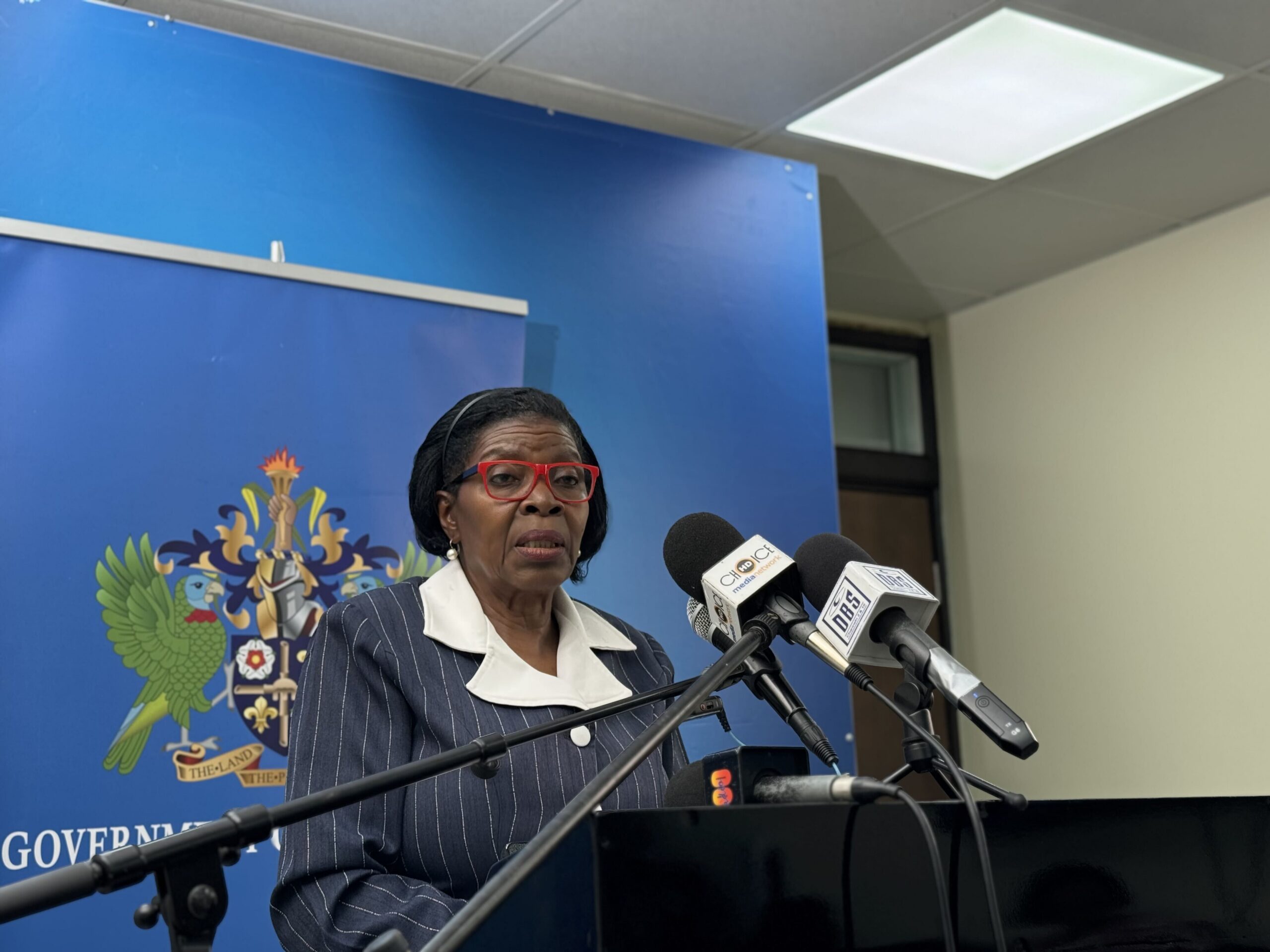
Equity Minister Emma Hippolyte emphasized that significant shifts in household circumstances can occur over just a few years, making a full reassessment a necessary step to protect the program’s integrity. “A lot can change in a household over three years. People may relocate, family structures can shift, and financial situations can either improve or decline dramatically,” Hippolyte noted during a pre-Cabinet press briefing held on Monday. She added that the core goal of the review is to ensure the program’s limited public resources are directed to the communities and households that need support the most, rather than being allocated to households whose circumstances have changed and no longer meet eligibility requirements. “We want the truth… We need current and accurate information to ensure that our limited social protection resources are reaching the households that need them most,” the minister stated.
To carry out the assessment, trained welfare officers and specially designated enumerators are conducting in-person visits to households across the country to collect up-to-date personal, residential, and financial data. Eligibility decisions will be determined using the Saint Lucia National Eligibility Tool (SLNET), a standardized framework that processes collected household information to generate eligibility scores aligned with program guidelines.
Hippolyte clarified that the review scope extends far beyond just current recipients, addressing early public confusion about who is required to participate. “I want to make it clear that the exercise includes current PAP beneficiaries, as well as persons on the waiting list, including applicants who have already been assessed, but are awaiting placement because of budgetary constraints,” she explained. All individuals who participated in the earlier partial review that led to program suspension are also required to take part in the current full reassessment, and the minister urged all included persons to cooperate with visiting officials: “Please make yourself available when the Welfare Officer or designated enumerator visits your household.”
One of the most pressing public questions surrounding the reassessment has centered on the fate of current beneficiaries who are found to no longer meet eligibility requirements. Program officials have stressed that there will be no abrupt, mass removal of recipients from the program. Instead, a phased “graduation” framework has been implemented to support individuals transitioning off of public assistance, with exit timelines tailored to each person’s unique circumstances and eligibility assessment score.
Deputy Director of the Social Protection Unit Jahn Mc Farlane explained that the transition strategy includes staggered exit windows ranging from three months to nine months, depending on each household’s situation. “We have the strategy in terms of persons exiting the programme within three months, within six months, within nine months. And it would depend on the person’s circumstances and what pathway that would follow,” Mc Farlane said. As of early October, assessment work has been completed in three of Saint Lucia’s communities, and the Welfare Unit has set a target to wrap up the entire national reassessment process by the end of October.
For eligible vulnerable households, the reassessment means they will be able to continue accessing the life-changing support they rely on. For other households that have improved their financial standing, the process will initiate a structured transition off the program, freeing up limited resources to support other low-income households that have previously been unable to access assistance due to budget constraints.