博客

  • Antigua Facing Extreme Drought Conditions Through July, Forecaster Warns

    Antigua Facing Extreme Drought Conditions Through July, Forecaster Warns

    The twin-island nation of Antigua and Barbuda is staring down an 80%+ probability of prolonged extreme drought conditions lasting through the end of July, pushing national meteorological officials to issue urgent calls for widespread water conservation as significant precipitation remains off the forecast in the near future.

    The official drought warning was delivered Tuesday by senior meteorologist Leonard Josiah, who shared that updated analysis from the Antigua and Barbuda Meteorological Service confirms the country has already entered a stretch of historically abnormal dry conditions.

    “From May through July, we face a greater than 80% chance of remaining in an extreme drought classification,” Josiah stated during a public evening weather broadcast. He went on to clarify that this extreme drought designation puts the country just one tier below the most severe drought category used by international forecasting bodies, meaning conditions will be far drier than typical seasonal patterns. “We are looking at exceptionally dry conditions across the entire country,” he added.

    Josiah emphasized that immediate action from residents is critical to protect existing freshwater reserves, urging households and businesses to prioritize reduced water usage and implement rainwater harvesting infrastructure wherever possible. “Every resident needs to cut back on non-essential water use, do everything you can to conserve what we have and capture any small amounts of rain that do come,” he advised.

    While meteorologists have tracked a weak atmospheric trough and scattered pockets of moisture moving through the Eastern Caribbean this week, experts confirmed total rainfall will be negligible. Josiah noted that the event will bring no more than light, scattered sprinkles, as overall atmospheric moisture levels remain far too low to generate the widespread, steady showers needed to replenish depleted water stores. For the remainder of the work week, only a slim chance of brief passing showers is forecast. The only projected chance of measurable rainfall comes Sunday, when a tropical wave is expected to pass through the region. Even with this system, however, meteorologists warn that the ongoing drought will not be broken. “We may see a few light showers, but drought conditions will persist across the nation,” Josiah said.

    The Antigua and Barbuda warning comes as regional climate agencies monitor expanding drought conditions across multiple Eastern Caribbean island nations. The prolonged dry stretch has sparked growing concerns about falling water storage levels, damage to local agricultural sectors, and broader threats to national water security as the region enters the peak of the Atlantic hurricane season.

  • Skerrit says 2026-2027 budget will balance compassion with fiscal prudence

    Skerrit says 2026-2027 budget will balance compassion with fiscal prudence

    As Dominica enters the final stages of preparing its 2026-2027 national budget, Prime Minister Roosevelt Skerrit has outlined the administration’s core policy framework, which centers on balancing targeted support for vulnerable communities, inclusive economic growth, and long-term fiscal sustainability amid ongoing global economic headwinds. Skerrit made the announcement during a recent press briefing, following a week of national public consultations that brought together everyday citizens, local business owners, community groups, and other key stakeholders to gather input ahead of the budget’s finalization.

    Skerrit emphasized that these public consultations are a cornerstone of the government’s commitment to building a budget that aligns with the lived realities, long-term ambitions, and pressing priorities of the Dominican people. Participants in the process were invited to share their personal perspectives, raise unaddressed concerns, and submit policy recommendations for the administration’s consideration.

    Addressing the challenging global economic context shaping this year’s budget, Skerrit noted that countries across the world continue to grapple with unprecedented levels of economic uncertainty. Persistent global inflation, lingering supply chain disruptions, escalating geopolitical tensions, and growing climate-related shocks have combined to place enormous financial pressure on both working households and national governments, and Dominica is not insulated from these overlapping challenges, he said.

    Against this backdrop, the administration has anchored its budget approach to four non-negotiable goals: protecting the country’s most vulnerable populations, driving broad-based economic growth, expanding accessible opportunities for all citizens, and upholding disciplined fiscal responsibility and macroeconomic stability. Skerrit confirmed that the upcoming budget will strike a deliberate balance between fiscal prudence and compassionate policy-making, with targeted investments across key priority sectors.

    Key policy priorities to be advanced through the budget include measures to ease the growing cost-of-living burden on Dominican families, support sustained private sector job creation, strengthen domestic agriculture and national food security, boost public investment in healthcare and education systems, expand economic and social opportunities for young people, and continue large-scale infrastructure investments that are transforming local communities and strengthening the country’s climate resilience. The budget will also introduce reforms to streamline business processes, making it easier and more profitable to operate in Dominica, Skerrit added.

    The Prime Minister also revealed that the administration will conduct a comprehensive review of all existing economic concessions and public support measures to assess their effectiveness, and will introduce any additional targeted interventions that prove both necessary and fiscally sustainable. Moving forward, the government remains focused on strengthening Dominica’s core economic foundations and securing the long-term funding required to advance its national development agenda.

    A central pillar of the government’s investment strategy to date has been the country’s well-known Citizenship by Investment (CBI) Program, which has served as a critical source of financing for national development projects across sectors. Skerrit emphasized that the program has directly benefited Dominican communities through funding for affordable housing, expanded healthcare facilities, improved public education infrastructure, climate resilience projects, national transportation and public infrastructure, and social safety net programs, as well as investments that have driven private sector growth across the country.

    To protect the program’s integrity, reputation, and alignment with national interests, the administration is implementing new procedural reforms. Going forward, all successful CBI applicants will be required to visit Dominica in person to receive their official passports, a change designed to give new economic citizens a deeper understanding of Dominica’s people, unique culture, and national development goals. The government is also exploring additional initiatives to strengthen engagement between new economic citizens and local communities, while ensuring the program meets evolving international regulatory standards and expectations.

    Skerrit stressed that reforms to CBI programs across the Caribbean are a regional collective effort, not a challenge unique to Dominica. The country is moving in lockstep with its regional neighbors to protect a program that has delivered tangible public benefits, from building new homes, hospitals and schools to funding agricultural development and supporting small and medium-sized enterprises that drive local employment, he explained.

    Full details of the CBI reforms and the full 2026-2027 budget package will be officially announced when the budget is presented to the public. Skerrit concluded that the budget is framed within a broader national strategy to improve quality of life for all Dominican citizens, build a more secure and prosperous future for all segments of society, and position the country to maximize the benefits of the major public and private investments the government has already put in place across the nation.

  • Caddle warns on unsafe imports, misleading medical claims

    Caddle warns on unsafe imports, misleading medical claims

    Barbados is moving forward with landmark new legislation aimed at closing long-standing gaps in medical product oversight, responding to growing public alarm over the circulation of banned, untested goods and misleading cure-all advertising that targets vulnerable consumers.

    The Barbados Medical Products Bill, which was introduced for debate in the country’s House of Assembly this Tuesday, will bring sweeping new checks to all medical and health-related goods imported into the island nation, Economic Affairs and Planning Minister Marsha Caddle told lawmakers. Caddle outlined a long-running pattern of unsafe trade that has put Barbadians at risk: items that have been pulled from shelves and banned in major global markets for health and safety reasons often remain widely available in Barbados for years after their prohibition elsewhere.

    In one particularly egregious example, Caddle noted that some products explicitly marked “for export only” by their manufacturing countries end up on Barbadian retail shelves. This practice, she explained, reveals a cynical dynamic where producers offload goods deemed too dangerous for domestic use in their home jurisdictions to smaller markets like Barbados, treating local consumers as disposable.

    Beyond unsafe imported products, the bill also targets rampant unsubstantiated health advertising that has exploited Barbadians seeking affordable care for serious medical conditions. Caddle told the House that unregulated vendors across the capital Bridgetown openly advertise untested products as cures for terminal illnesses like cancer and a wide range of other ailments, preying on people who may delay or forgo conventional medical treatment due to cost, long wait times for appointments, or longstanding cultural trust in home remedies.

    Minister Caddle emphasized that this practice, where vendors sell cheap untested goods to desperate consumers under false promises of healing, borders on criminal activity. Current law does not give regulators the power to crack down on these false claims, whether they are posted on storefront signs, broadcast on radio or television, or spread by word of mouth, leaving a critical regulatory gap that endangers public health. The new legislation will require all health benefit claims for medical products to be independently tested and verified before they can be marketed to the public.

    In addition to cracking down on fraud, the bill will also align Barbados’ over-the-counter medication rules with global regulatory standards. Caddle noted that many medications available without a prescription in Barbados are restricted to prescription-only access in other high-regulation jurisdictions, for well-documented safety reasons. The new law will also initiate a broader public conversation about safe consumption of medical and health products among Barbadians, Caddle added.

    Calling the long unaddressed gap in regulation a critical threat to public welfare, Caddle urged vendors currently engaging in false advertising to voluntarily end the practice before the bill becomes law, appealing to their conscience to stop exploiting vulnerable Barbadian consumers.

  • Parliament Approves Immigration Amnesty Beginning July 1

    Parliament Approves Immigration Amnesty Beginning July 1

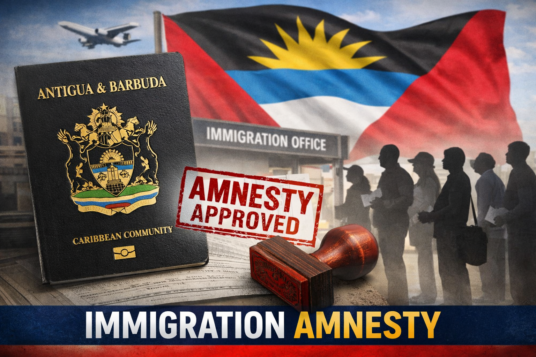
    Lawmakers in Antigua and Barbuda have formally passed a landmark bill that opens the door for a targeted immigration amnesty programme, enabling qualifying undocumented migrants already residing in the twin-island nation to bring their immigration status into line with national law over a 60-day period kicking off on July 1.

    The 2026 Immigration and Passport (Amendment) Bill secured approval in the country’s House of Representatives this Tuesday. Speaking after the vote, Immigration Minister E.P. Chet Greene framed the initiative as a long-awaited opportunity for eligible non-citizens to step forward voluntarily and resolve their uncertain legal status, rather than remaining in the shadows of the country’s immigration system.

    Stretching from July 1 through to August 31, the amnesty window sets clear, specific requirements for all prospective applicants. To be considered, candidates must supply official police clearance records from every country they have lived in over the past four years, a mandate designed to carry out thorough background checks before any status adjustment is granted. Beyond documentation requirements, applicants are also required to pay two separate statutory fees: a $500 processing charge and an additional $150 endorsement fee for the change of legal status, bringing the total fixed cost of participation in the programme to $650.

    Repeating the eligibility requirement for parliamentary record during the bill’s debate, Greene confirmed that the four-year, multi-territory police clearance mandate applies to all candidates seeking amnesty under the new framework. To prevent repeated exploitation of the government’s programmatic generosity, the legislation also includes strict eligibility restrictions that block repeat applicants from accessing the initiative. Under the new rules, any individual who has already benefited from three previous immigration amnesty programmes will be automatically barred from qualifying for the 2026 iteration.

    “A person who has applied for amnesty on three previous occasions is ineligible and will not qualify for the amnesty extended here and now by the government,” Greene told assembled lawmakers, reinforcing the government’s commitment to balanced, accountable implementation of the programme.

    Senior government officials have clarified that the core goals of the programme are twofold: first, to formalize the status of undocumented migrants who already live and work in Antigua and Barbuda, contributing to the nation’s economy and communities, and second, to uphold national security standards by ensuring every approved applicant undergoes mandatory screening before being granted legal status.

    This new amnesty legislation forms a central plank of the Gaston Browne administration’s broader push to overhaul and strengthen national immigration administration, bringing a larger share of the country’s resident population into compliance with existing immigration rules and regulations. In the coming weeks leading up to the amnesty’s launch on July 1, authorities are scheduled to release full, detailed guidance on the step-by-step application process to help eligible candidates prepare their submissions.

  • Port Authority Sets Record With Five Cargo Ships Discharging Simultaneously

    Port Authority Sets Record With Five Cargo Ships Discharging Simultaneously

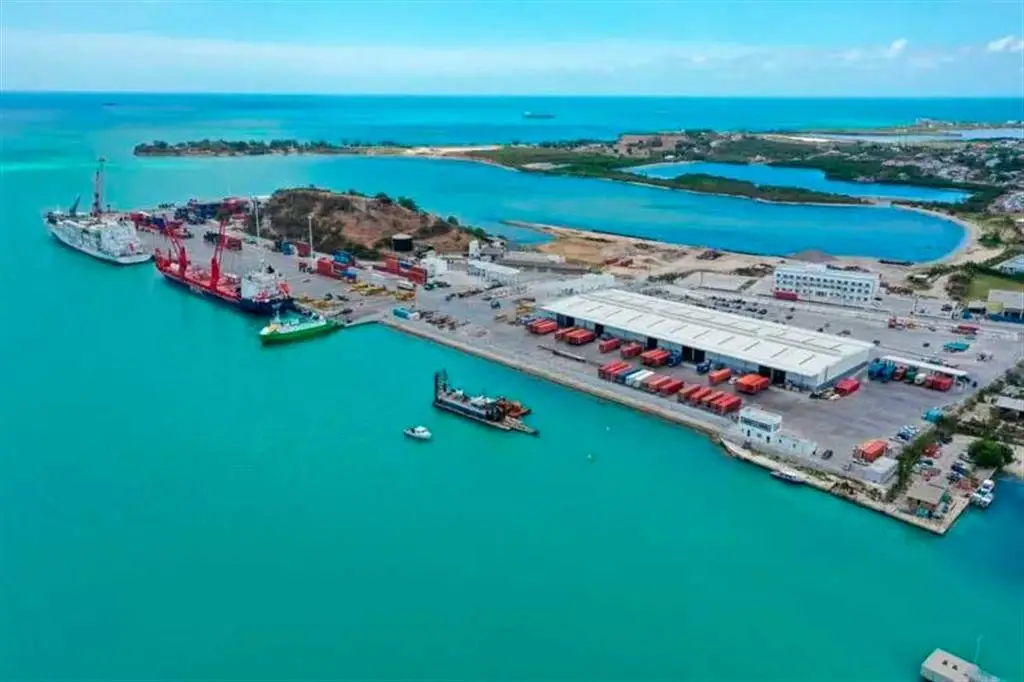
    The Antigua and Barbuda Port Authority has marked a groundbreaking new milestone in maritime operations, pulling off the unprecedented simultaneous discharge of five cargo vessels at the Port of St. John’s on June 1. Port officials frame the achievement as clear proof of the enhanced flexibility and efficiency delivered by the country’s recent port infrastructure upgrades. According to General Manager Darwin Telemaque, this historic operation would not have been possible without close, seamless coordination across port staff, customs authorities, shipping agents and a range of other industry stakeholders. “Five cargo ships discharging simultaneously is a remarkable achievement and reflects the coordinated effort of our entire port community,” Telemaque stated in a press briefing following the operation. The simultaneous berthing was made possible by a strategic adaptive adjustment: leveraging unused cruise ship berths at Heritage Quay during the cruise industry’s annual off-season. This creative reallocation of space allowed specialized yacht carriers to dock and commence unloading immediately, while standard container operations continued uninterrupted at the port’s dedicated container terminals. Telemaque explained that this flexible arrangement eliminates the long waiting periods vessels previously faced anchored offshore, when they had to queue for available space at the congested container terminal. The targeted adjustment grew out of direct discussions with Sevenstar Yacht Transport, one of the world’s largest yacht shipping firms. The company had indicated it would increase the number of calls to Antigua and Barbuda if the port could offer expanded berthing flexibility during periods of low cruise traffic. Prior to this new policy, Telemaque noted, yacht carriers were routinely forced to wait one to two days anchored outside the harbor before a berth became available for unloading. “This is one of the creative adjustments we have made to improve service delivery and maximize the use of our existing infrastructure,” Telemaque said of the new berthing strategy. Beyond the single day’s operational achievement, Telemaque emphasized that the successful simultaneous discharge demonstrates the tangible benefits of the port’s ongoing modernization program, and strengthens Antigua and Barbuda’s competitive standing in the Caribbean regional maritime sector. Port Authority data shows the facility already welcomed a record 49 yacht carrier calls in 2025, a figure that dramatically outpaces the historical annual average of roughly 18 visits. Looking forward, official projections indicate annual yacht carrier calls could climb even further, to a range of 70 to 80 vessels in coming years. “We continue to strive, we continue to advance, and we remain committed to improving berth utilization, service quality, and operational efficiency,” Telemaque said. He extended credit to frontline port employees and cross-sector industry partners for their collaborative work to deliver the milestone, framing the achievement as another critical step forward in the country’s goal to establish itself as a leading regional maritime hub in the Caribbean.

  • CAF urges central private sector role in growth plans

    CAF urges central private sector role in growth plans

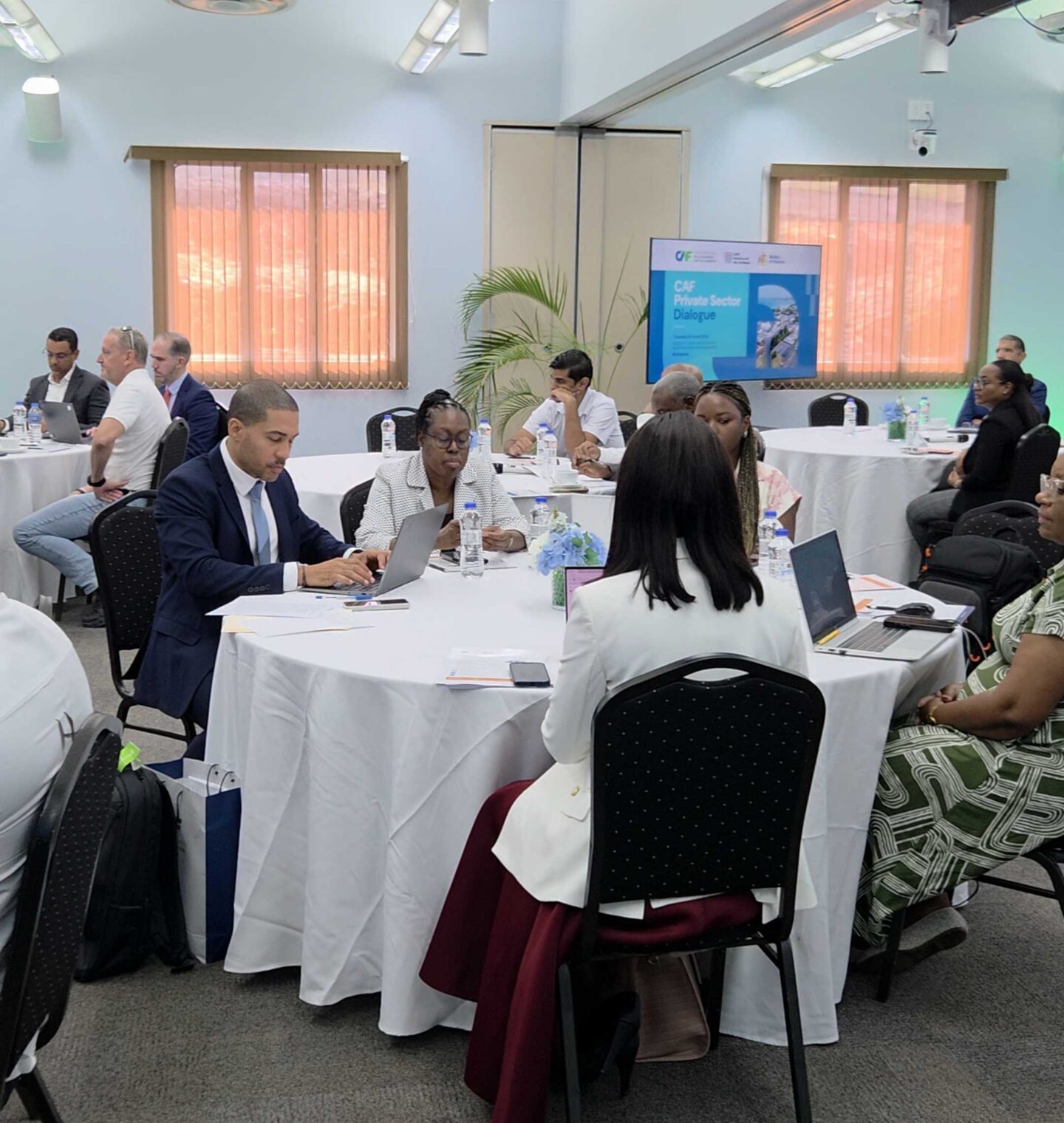
    During high-level talks with Barbados’ Minister of Finance Ryan Straughn on Tuesday, top leadership from the Development Bank of Latin America and the Caribbean (CAF) laid out a clear roadmap for Barbados’ ongoing economic rebound, framing sustained growth as dependent on centered private sector investment and announcing plans to scale up direct lending to local businesses in support of the government’s homegrown fiscal reform program.

    The discussions centered on identifying new funding mechanisms to align with the island nation’s flagship economic recovery initiative, BERT 3.0, with CAF executives emphasizing the central role private enterprise must play in delivering inclusive, long-term development. Opening the talks, CAF Caribbean Regional Manager Dr. Stacy Richards-Kennedy anchored the bank’s approach in global development data, noting that across developing economies, 90% of all employment is generated by the private sector.

    “For countries committed to expanding inclusive growth, creating quality jobs, boosting exports, and building long-term economic resilience, the private sector cannot be sidelined as an afterthought in development planning — it has to lead the agenda,” she explained. She went on to highlight that small and medium-sized enterprises (SMEs) form the backbone of Barbados’ economy, accounting for nearly 60% of all private sector jobs on the island. For context, tourism contributes roughly 31% of Barbados’ total gross domestic product and supports one in every three positions across the country’s labor market, making the sector a core focus for recovery efforts.

    To unlock broad-based growth, Dr. Richards-Kennedy outlined three key priorities: upgrading core national infrastructure, scaling up investment in renewable energy, and forging collaborative public-private partnerships (PPPs) that leverage the strengths of both sectors. “The critical question we are addressing today is how we can work together to unlock the untapped potential of Barbados’ private sector,” she said. “How do we help more local firms invest in expansion, enter new export markets, and drive innovation? This is where well-designed public-private partnerships become irreplaceable, especially for small island states that must carefully manage their debt ceilings and limited financing resources.”

    CAF, a regional multilateral development bank governed by the finance ministers of its 21 member countries, focuses its work on addressing priority development challenges across Latin America and the Caribbean. CAF Vice President for the Private Sector Antonio Silveira confirmed that the bank will significantly expand its direct lending to private businesses across the region over the next two years, with Barbados and Trinidad and Tobago ranked as top priority markets for this expansion in the Caribbean.

    Silveira added that the bank will target its support to four high-impact sectors: agriculture, renewable energy, digital technology, and tourism, all of which align directly with the goals laid out in BERT 3.0. Beyond financing, CAF also aims to strengthen cross-regional business ties between Latin America and the Caribbean. “Our strategy combines accessible credit, targeted technical assistance, and knowledge sharing to position the private sector as the primary engine of job creation and the leading driver of national development,” he explained.

    To support Barbados’ large cohort of informal and unregistered businesses, Silveira advocated for expanded adoption of digital financial tools, pointing to the island’s upcoming launch of its domestic instant payment system BiMPay as a promising step forward to expand access to digital banking for underserved entrepreneurs. While CAF will primarily work through local domestic financial institutions to reach small and medium-sized businesses, Silveira confirmed the bank will make direct strategic investments in large-scale projects that align with its development mandates. One of the first of these commitments is a $50 million investment in Barbados’ new Blue Green Bank, a dedicated financial institution focused on climate and sustainable development projects.

    Silveira also emphasized that CAF maintains a conservative risk management framework for private sector financing, meaning project due diligence and approval can take longer than the faster turnaround the bank is able to offer for sovereign lending to national governments. “For sovereign loans, our approval process is quite rapid,” he noted. “For non-sovereign structured finance, we follow the same rigorous due diligence process as any other responsible lender, because repayment depends entirely on the project’s operating revenues. We do not want to raise false expectations about quick approvals, but the end results for well-vetted projects can be extremely positive for both the bank and the Barbadian economy.”

  • Antigua and Barbuda Ambassador Presents Credentials in Qatar

    Antigua and Barbuda Ambassador Presents Credentials in Qatar

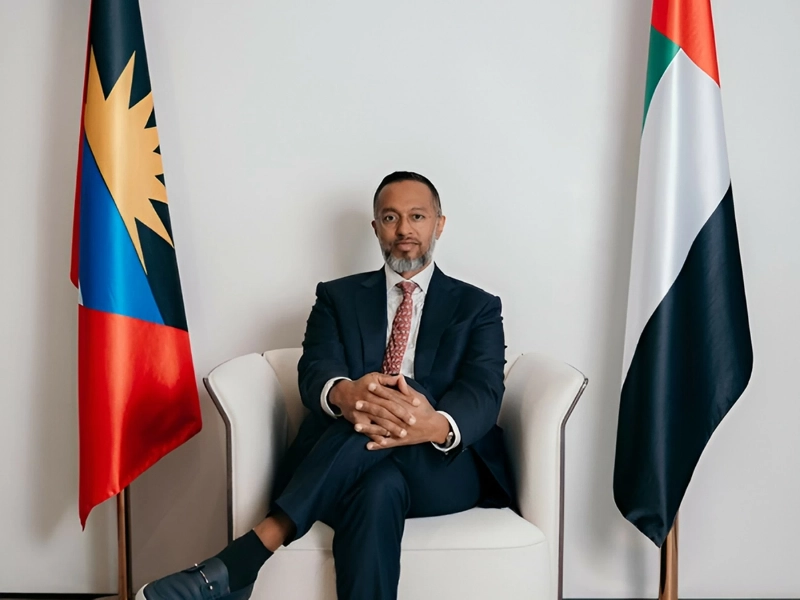
    A new era of diplomatic cooperation between Antigua and Barbuda and Qatar has officially begun, following the formal presentation of credentials by Antigua and Barbuda’s ambassador-designate Theon Ali to Qatari leadership. The accreditation ceremony, hosted at Doha’s iconic Amiri Diwan on Tuesday, saw Ali officially hand over his credentials to Sheikh Abdullah bin Hamad Al Thani, the Deputy Amir of the State of Qatar, according to an official statement released by Antigua and Barbuda’s Qatari embassy.

    Ali’s appointment as resident ambassador formalizes his diplomatic status, a process that has progressed steadily since he took on the role of ambassador-designate back in June 2024. Ahead of the formal ceremony, Ali had already provided copies of his credentials to Dr. Ahmed bin Hassan Al Hammadi, Secretary General of Qatar’s Ministry of Foreign Affairs, on June 16, laying the groundwork for Tuesday’s milestone event.

    During the formal proceedings, Ali delivered warm greetings and well wishes on behalf of Gaston Browne, Prime Minister of Antigua and Barbuda, and the wider population of the twin-island nation. He also used the occasion to reaffirm Antigua and Barbuda’s long-standing commitment to deepening collaborative ties with Qatar.

    In response, Deputy Amir Sheikh Abdullah conveyed reciprocal greetings from Sheikh Tamim bin Hamad Al Thani, Qatar’s ruling Emir, to Antigua and Barbuda’s leadership and people. He also voiced clear confidence that the decades of friendship between the two countries would continue to expand and deepen in the coming years.

    For Ali, the accreditation marks more than a personal milestone — it represents a significant step forward in Antigua and Barbuda’s broader diplomatic engagement across the Gulf region. “Today’s accreditation is a profound milestone that underscores Qatar’s immense strategic importance to Antigua and Barbuda,” he noted in comments following the ceremony. “I am deeply honoured to formally cement a partnership that spans climate action, aviation, and sustainable development.”

    Diplomatic discussions held on the sidelines of the ceremony centered on advancing practical cooperation across three key priority areas: climate resilience, expanded air connectivity, and inclusive sustainable development. These align with long-held shared interests for both nations, each of which has prioritized climate action and sustainable economic growth in recent policy agendas.

    Ali brings extensive regional diplomatic experience to his new post, having previously served as Deputy Head of Mission for Antigua and Barbuda to the United Arab Emirates. Most recently, he was appointed Deputy Chairman of the National Working Committee tasked with overseeing the launch of direct air links between the Gulf region and Antigua, a role that has already positioned him to advance one of the key cooperation priorities on the bilateral agenda.

    At the close of the meeting, both diplomatic delegations reaffirmed their shared commitment to turning mutually agreed priorities into tangible, joint bilateral initiatives over the coming months. The accreditation is widely expected to unlock new opportunities for people-to-people exchange, trade, and policy collaboration between the two nations in the years ahead.

  • Chief Fisheries Officer Cox remembered for service to fishing communities

    Chief Fisheries Officer Cox remembered for service to fishing communities

    The tight-knit fishing community of Barbados is enveloped in collective sorrow this week after the unexpected passing of 38-year-old Dr Shelly-Ann Cox, the island’s first woman and youngest ever Chief Fisheries Officer, who collapsed mid-event Saturday and could not be revived.\n\nCox suffered the medical emergency while presenting an award at a fishing competition hosted in Weston, St. James. First responders attempted on-site resuscitation before rushing her to a nearby hospital, where she was officially pronounced dead. What makes her loss all the more acute for the sector is the extraordinary impact she packed into her relatively short time in the top role, transforming the relationship between government fisheries regulators and the working people who depend on the ocean for their livelihoods.\n\nAcross fishing co-ops, market stalls and boat docks, tributes have poured in from across the industry, all highlighting Cox’s rare combination of academic expertise, hands-on community connection, and relentless drive to modernize and strengthen Barbados’ fishing sector. Moonesh Dharampaul, president of the Black Fin Fleet Co-operative Society, remembered her as a “people’s person” who never let her professional credentials create distance between herself and the fishers and vendors she served.\n\n“Her greatest legacy is how she completely redefined collaboration between the Fisheries Division and our fishing communities,” Dharampaul explained. “Before she took on the role, that kind of partnership was almost non-existent. She genuinely listened to every person in the industry, from boat captains to market sellers.”\n\nDharampaul pointed to a long list of transformative initiatives Cox championed during her tenure. She organized large-scale hurricane preparedness drills for vessel owners, a program that saw participation jump from just 5 boats in 2023 to 40 boats this year. She also advocated heavily for the establishment of a dedicated local fish quality testing laboratory, a critical step to protecting consumer safety and boosting the sector’s reputation. Most notably, Dharampaul emphasized her deep commitment to bringing young Barbadians into the trade, including launching the Young Anglers program in partnership with the Big Game Fishing Association to introduce children to commercial and recreational fishing opportunities.\n\nBeyond infrastructure and youth development, Cox worked tirelessly to raise public awareness of the fishing industry’s outsized importance to Barbados. “She wanted all Barbadians to understand that fishing is a generational wealth industry that binds together so many of our coastal villages and families,” Dharampaul added. “That commitment to public engagement was game changing for us.”\n\nAt the Bridgetown Fisheries Complex on Tuesday, the mood among vendors was quiet and somber, with many describing a gaping hole left by her passing that will be hard to fill. Sharon Bellamy-Thompson, a veteran fish vendor, praised Cox’s unwavering accessibility and dedication to standing up for the industry’s most vulnerable members.\n\n“She would go above and beyond for every boat owner, every fisher, every vendor,” Bellamy-Thompson said. “Right now, we’re all grieving, we’re heartbroken, we’re shocked. She was everything this industry needed. I have never seen anyone like her – she answered every call, showed up to every event, and did everything possible to move us forward.”\n\nAnother vendor echoed that sentiment, noting that the sheer volume of Cox’s achievements made it feel like she had served the sector for 30 years, rather than the few years she held the top role. The vendor specifically highlighted Cox’s quick action in the aftermath of Hurricane Beryl, when she personally traveled around to check in with vendors and ensure every single one had the correct paperwork to access emergency disaster financial assistance.\n\n“She came around and made sure every vendor had the right documents so that they would receive the relief money they were owed,” the vendor recalled. “She was really, truly one of a kind, and she always looked out for our best interests. That’s why every fisher and vendor loved her so much.”’

  • COMMENTARY: From Plans to Action: Why Implementation Is the Hardest Part of Strategy

    COMMENTARY: From Plans to Action: Why Implementation Is the Hardest Part of Strategy

    Strategy is often mislabeled as an exclusive concept — a tool reserved only for C-suite executives in corner offices or national policymakers drafting sweeping blueprints. But this could not be further from the truth. At its core, strategy is nothing more than a deliberate plan to reach a defined destination, and it matters for every type of organization across Antigua and Barbuda: from small family-owned diners and community non-profits to local church groups and neighborhood sports clubs. The foundation of any strong strategy, regardless of sector, rests on two core building blocks: distinct goals and measurable objectives.

    To clear up common confusion between the two terms, it helps to think of goals as the broad, inspirational long-term vision that guides an organization’s work. For example, a family restaurant in Antigua might set a goal to become the most beloved destination for authentic local cuisine on the entire island. Objectives, by contrast, are the specific, quantifiable incremental steps that turn that big-picture dream into reality. For that same restaurant, tangible objectives could include boosting lunchtime foot traffic by 15% over three months, or rolling out three new locally sourced dishes within a calendar year. This analogy holds for every sector: if a goal is the final destination on a road trip, objectives are the clearly marked mile markers that confirm you are on the right path.

    For-profit businesses across Antigua rely on this distinction to grow and retain a competitive edge. Take a small boutique hotel in English Harbour as an example: its overarching goal is to earn recognition as the top boutique accommodation in Antigua. To back that goal, it sets two clear objectives: hit a 90% occupancy rate during the peak tourist season, and collect 200 five-star online customer reviews by the end of the year. These concrete targets give every staff member a shared understanding of what success looks like, and allow leadership to track progress over time. Without defined objectives, the hotel risks drifting without direction, losing market share to more intentional competitors.

    Non-profit organizations, while not focused on turning a profit, still need structured goals and objectives to maximize their community impact. Consider a youth mentoring program based in St. John’s: its core goal is to empower young people to achieve academic and personal success. To turn that mission into action, it sets specific objectives: provide free tutoring support to 150 local students in a single year, and launch two new mentorship cohorts by the start of September. These clear targets ensure that limited resources are allocated efficiently, and allow donors to see tangible proof of the good their contributions are funding. Even the most passionately rooted mission can lose focus and traction without defined, measurable objectives.

    Even faith-based organizations, which many assume operate without formal planning, see major benefits from embedding strategic clarity into their work. For a local Antiguan church looking to expand its community outreach, a fitting overarching goal is to serve as a reliable beacon of hope and support for every family in the parish. To turn that goal into action, the church sets two concrete objectives: launch a weekly food assistance program supporting 50 local food-insecure families, and grow youth group participation by 40% within 12 months. The biggest barrier here, as with any organization, is turning the plan into action: volunteer capacity is often stretched, funding can be inconsistent, and balancing spiritual core work with administrative organizational tasks poses a constant challenge. Even the most well-intentioned outreach mission will fall short of its potential without a structured, executable plan.

    Despite the clear value of intentional strategy, organizations across all sectors struggle to develop and roll out effective strategic plans. Five common challenges derail most efforts:
    First, lack of clarity: many leaders mix up the definitions of goals and objectives, or set vague, unmeasurable ambitions such as “be the best” without ever defining what success actually looks like for their group.
    Second, overloaded priorities: when organizations try to tackle too many initiatives at once, their focus and resources become spread too thin. A small local non-profit may set 10 ambitious objectives, for example, but only have the staff and budget to deliver on three.
    Third, limited resources: money, time, and skilled labor are almost always scarce for small and community-focused organizations, making both planning and execution far more difficult.
    Fourth, resistance to change: most people prefer sticking to familiar routines, and new strategic approaches almost always require new workflows and habits, which are often met with hesitation from team members and volunteers.
    Fifth, poor communication: even the most brilliant strategic plan will fail if every staff member, volunteer and stakeholder does not understand their role in executing it.
    These common pitfalls are the reason so many polished strategic documents look impressive on paper but never deliver real-world results.

    Industry research consistently shows that between 70% and 90% of all strategic plans fail at the execution stage, not because the core idea is flawed, but because organizations never effectively turn words into action. Writing down goals and objectives is a straightforward task; the real challenge is implementation, and there are four key reasons that execution so often falls short.
    First, people: strategy needs collective buy-in to succeed. Every employee, volunteer, and leader has to align their daily work with the organization’s objectives. Change is inherently uncomfortable, and not everyone will embrace it immediately.
    Second, resources: even the most well-designed plan will collapse without sufficient funding, time, and skilled staff. Community groups and non-profits are particularly vulnerable to gaps in resourcing that derail execution.
    Third, consistency: goals are long-term commitments, but daily urgent distractions from unexpected customer requests to sudden crises can pull organizations far off their planned course.
    Fourth, progress tracking: without regular measurement of results, it is impossible to know whether objectives are being met. Many organizations invest time in setting goals but never follow through with regular tracking, leaving them blind to gaps in performance.
    To illustrate this, consider a community sports club in Antigua that sets a goal to promote accessible healthy living through recreational sports. Its objectives are simple: host 12 free community sports events per year, and grow total club membership by 30%. Common implementation barriers include busy volunteer schedules, tight funding, and bad weather that forces event cancellations. Without consistent persistence and creative problem-solving, the entire strategy stalls quickly. This is why execution is often called the “graveyard of strategy”: plans look perfect on paper, but messy real-world conditions always test their strength.

    A strategic plan that never leaves the page is nothing more than a wish list. Real, lasting success comes when leaders prioritize four core implementation practices: clearly communicating organizational goals to every team member, breaking large objectives into small, manageable daily and weekly tasks, celebrating small incremental wins to keep team motivation high, and adjusting plans quickly when unforeseen obstacles arise.
    This approach can be compared to sailing, a skill that Antiguan communities have honed for generations: plotting a course on a map is only the first step. The real skill lies in adjusting your sails to shifting winds, navigating unexpected currents, and weathering storms while never losing sight of your final destination.

    No matter what type of organization you lead — whether it is a small business, a community non-profit, a local church, or a neighborhood club — one truth holds constant: a strategy is only as strong as its execution. Leaders should invest time in defining clear, distinct goals and objectives, but commit even more energy to rolling those plans out. Talk to your team, assign clear responsibilities, and track progress regularly. Antigua needs organizations that do not just dream big, but deliver on those dreams for local communities. It is time to move beyond planning and into action — because the future of our local businesses, charities, faith groups, and entire communities depends on it.

  • ABEC Officials Participate in International Workshop on Disinformation, Artificial Intelligence, and Electoral Integrity

    ABEC Officials Participate in International Workshop on Disinformation, Artificial Intelligence, and Electoral Integrity

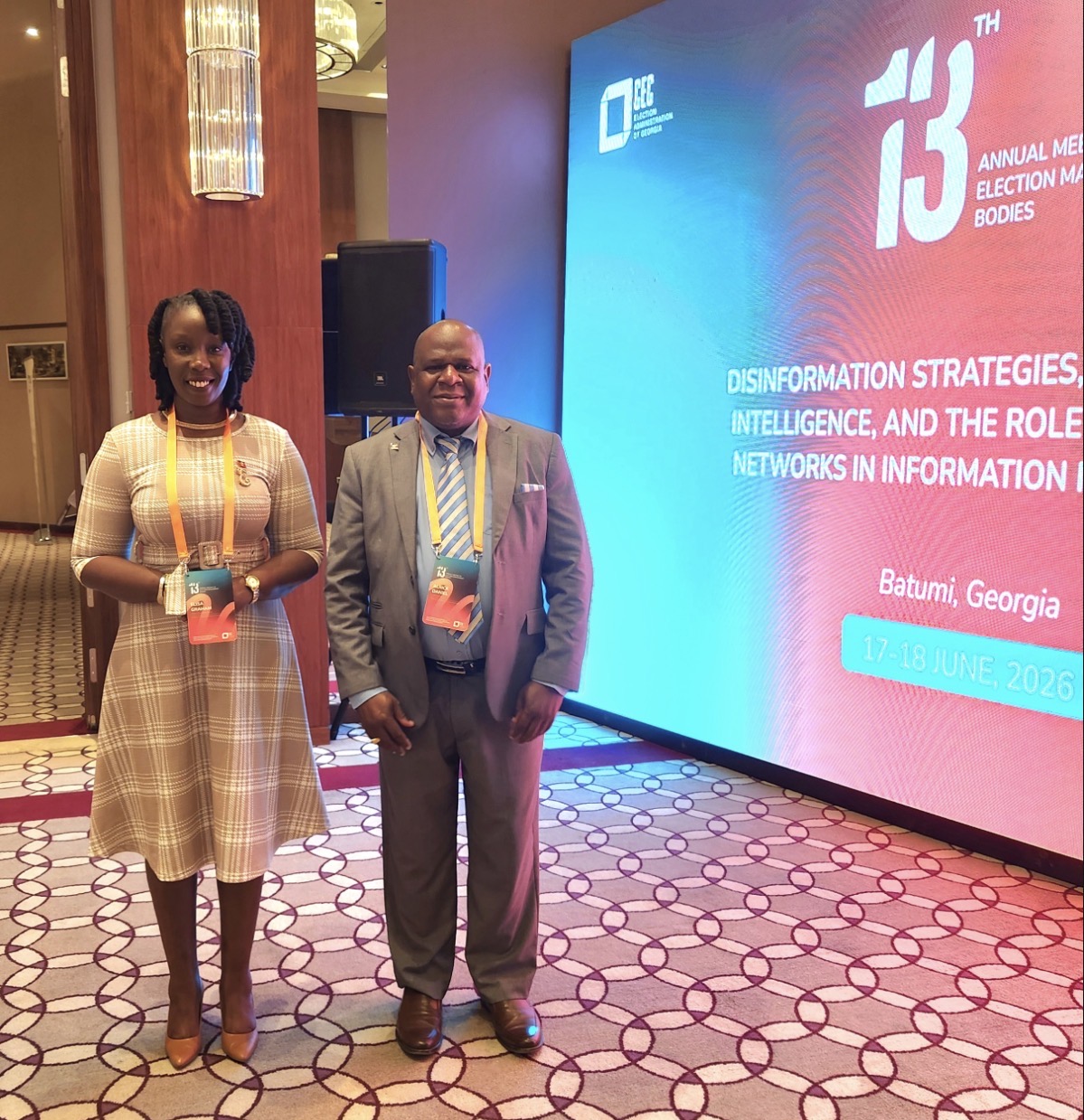
    On June 17, 2026, the 13th Annual Meeting of Election Management Bodies (EMBs) kicked off at Batumi, Georgia’s Hilton Hotel, bringing together electoral leaders from 20 nations across the globe to address one of the most pressing threats to modern democratic processes: disinformation. Running through June 18, the high-level international forum has drawn a unique participant from the Caribbean region: the Antigua and Barbuda Electoral Commission (ABEC), the only representative from the entire Caribbean among attending delegations. ABEC’s delegation is led by Commission member Alrick Daniel and Public Relations Officer Elisa Graham, who will not only take part in key discussions but also share the twin-island nation’s own experiences in addressing disinformation risks.

    Over the two-day summit, delegates will participate in a packed schedule of expert-facilitated dialogues and policy workshops centered on the tangled interplay between information integrity and election administration. The agenda is anchored by two core sessions tailored to unpack the multifaceted disinformation challenge. The first, titled “Electoral Processes Under Pressure: The Influence of Disinformation”, delves into how coordinated false information campaigns can skew voter decision-making, manipulate public opinion, and erode public trust in both electoral institutions and their official outcomes. The second high-priority session, “Disinformation as a Policy Challenge: Mechanisms, Drivers, and Implications”, frames disinformation as a systemic problem that demands coordinated, cross-sector action spanning government agencies, independent election bodies, global technology platforms, civil society groups, and professional media outlets.

    For ABEC, attending this global forum is far more than a diplomatic engagement—it is a strategic investment in strengthening the commission’s institutional capacity to protect the integrity of Antigua and Barbuda’s electoral system. By connecting with international electoral peers and accessing the latest research and best practices, the delegation will bring back actionable insights to advance the commission’s ongoing work: from expanding and improving voter education programs to refining strategic communications, rebuilding public confidence, and hardening electoral processes against emerging information threats. In addition to their participation in plenary and breakout sessions, Daniel and Graham will deliver a case study presentation focused on Antigua and Barbuda’s approach to “Architecting Public Resilience against Disinformation”, sharing the nation’s on-the-ground lessons with the global community.

    In a joint statement released ahead of the summit, Daniel and Graham emphasized the shifting landscape that modern election management bodies must navigate. “The challenges facing electoral institutions today extend far beyond the traditional administration of elections. Disinformation, rapidly advancing technologies, and the increasing influence of digital platforms require Election Management Bodies to be proactive, informed, and responsive,” they said. “Participation in this conference allows us to learn from the experiences of our international counterparts, examine innovative approaches to protecting electoral integrity, and contribute to important discussions on the future of democratic governance. We look forward to the insights and practical recommendations from these sessions to assist in strengthening public confidence, enhancing voter engagement, and ensuring that our electoral processes remain transparent, credible, and resilient in an evolving information age.”

    ABEC has long held a core mandate to deliver free, fair, transparent, and credible elections for the people of Antigua and Barbuda. Engagement in international collaborative forums like the 13th Annual Meeting of EMBs is a key part of the commission’s ongoing commitment to professional development, institutional strengthening, and the adoption of global best practices that advance democratic governance and electoral excellence in the nation.