博客

  • Grenada joins CARICOM call for timely renewal of Haiti security force mandate

    Grenada joins CARICOM call for timely renewal of Haiti security force mandate

    Against the backdrop of the conclusion of the United Nations’ 81st General Assembly General Debate, Caribbean community (CARICOM) nations led a urgent push for action on Haiti’s deepening security crisis, with Grenada at the forefront calling for an immediate extension and full rollout of the multinational Gang Suppression Force.

    As armed gangs continue to expand their territorial control into regions long considered secure for civilians, Haiti has seen a catastrophic surge in violence that has displaced hundreds of thousands of people and inflicted disproportionate harm on vulnerable groups. Credible reports of widespread sexual violence against women and girls have added urgency to international calls for intervention.

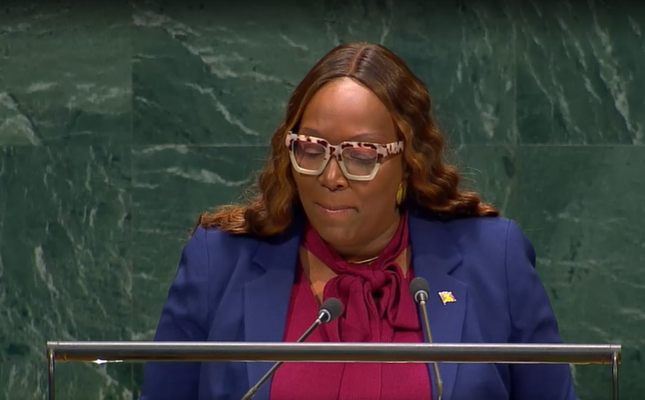
    Speaking on the final day of the General Assembly’s general debate on September 28, Grenada’s Permanent Representative to the UN, Ingrid Jackson, framed the crisis as a defining test of global multilateral cooperation. She argued that incremental, resilience-focused responses to successive global crises are no longer sufficient: the international community must address the root structural conditions that leave populations vulnerable to instability.

    “We must renew our global system, strengthen our multilateral partnerships, and summon the collective will necessary to build a world worthy of the next generation. And that transformation must begin with people,” Jackson told the assembly.

    Jackson’s core appeal centered on the timely renewal of the Gang Suppression Force’s mandate, alongside its full, rapid deployment in coordinated partnership with the Haitian National Police. She stressed that the force must receive adequate personnel, sustainable financing, proper equipment, and logistical backing to carry out its mandate effectively, with binding human rights safeguards built into all operations. Labeling Haiti a failed state, Jackson emphasized that these security interventions are non-negotiable to lay the groundwork for credible, free, fair, and inclusive elections led by Haitians themselves.

    For months, CARICOM and other international stakeholders have prioritized the restoration of security and constitutional governance in Haiti, a goal Jackson reiterated in her address, noting that the promise of stability and democracy for the Haitian people remains unfulfilled. “It is a promise to the Haitian people that the international community must honour, not with pity, but with purpose, not temporarily but sustainably,” she said. “And even as we respond to the security crisis, humanitarian assistance must remain at the centre of our efforts.”

    Just one day after Jackson’s address, on September 29, the UN Security Council delivered on the CARICOM call, adopting Resolution 2829 (2026) that formally renews the Gang Suppression Force’s mandate and extends the authorization of the UN Support Office in Haiti (UNSOH).

    During a press briefing on September 30, Stéphane Dujarric, spokesperson for UN Secretary-General António Guterres, confirmed that the Secretary-General welcomed the Security Council’s action and urged UN member states to capitalize on this momentum to accelerate deployment of the force’s remaining personnel. Only with full deployment can the force fully execute its mandate to support Haitian national security efforts, Dujarric noted.

    Dujarric added that security support is a critical prerequisite to creating space for broader progress, including the restoration of democratic institutions through peaceful, inclusive elections. He emphasized that security action must be paired with sustained, coordinated efforts to address the full spectrum of Haiti’s overlapping crises, spanning political instability, institutional collapse, human rights violations, humanitarian need, and long-term underdevelopment.

    The briefing also shed light on the compounding risks facing Haiti’s vulnerable population, even as the international community moves forward with security plans. The country remains in the midst of the Atlantic hurricane season, which runs through the end of November, putting vulnerable communities at extreme risk of flooding and landslides. Currently, nearly 1.5 million Haitians are displaced across the country, the majority living outside the capital of Port-au-Prince in overcrowded collective shelters, informal camps, or with host families – all settings that offer little protection from severe weather.

    Humanitarian partners are working alongside Haitian national and local authorities to roll out early warning systems, develop contingency response plans, and pre-position emergency supplies ahead of anticipated storms. But Dujarric warned that two major barriers – widespread insecurity and chronic funding shortfalls – continue to cripple these preparedness efforts. The 2026 UN humanitarian appeal for Haiti, which requests $880 million to support roughly four million vulnerable people, is currently less than 50% funded. “We ask for more money and more flexible money to help fund these operations,” Dujarric said.

    The spokesperson also addressed the latest outbreak of deadly violence in Haiti’s Artibonite department, confirming that the Secretary-General condemned a brutal gang attack on the commune of Gros-Morne on September 28 that killed at least 11 civilians. “This horrific attack is another reminder of the heavy toll that gang violence continues to take on Haitians living in areas under the control or just under the influence of armed gangs,” Dujarric said. “It also underscores the urgency of strengthening security efforts in Haiti, including through the full deployment of the Gang Suppression Force, which is there in Haiti in support of the Haitian National Police, as well as we need to improve the broader efforts to address the drivers of violence and instability that we have seen in Haiti.”

    According to UN Office of the High Commissioner for Human Rights data, more than 3,000 people were killed in gang-related violence across Haiti in the first six months of 2026 alone.

  • Antigua and Barbuda Chairs Regional Fisheries Meeting as Ministers Approve New Protocols

    Antigua and Barbuda Chairs Regional Fisheries Meeting as Ministers Approve New Protocols

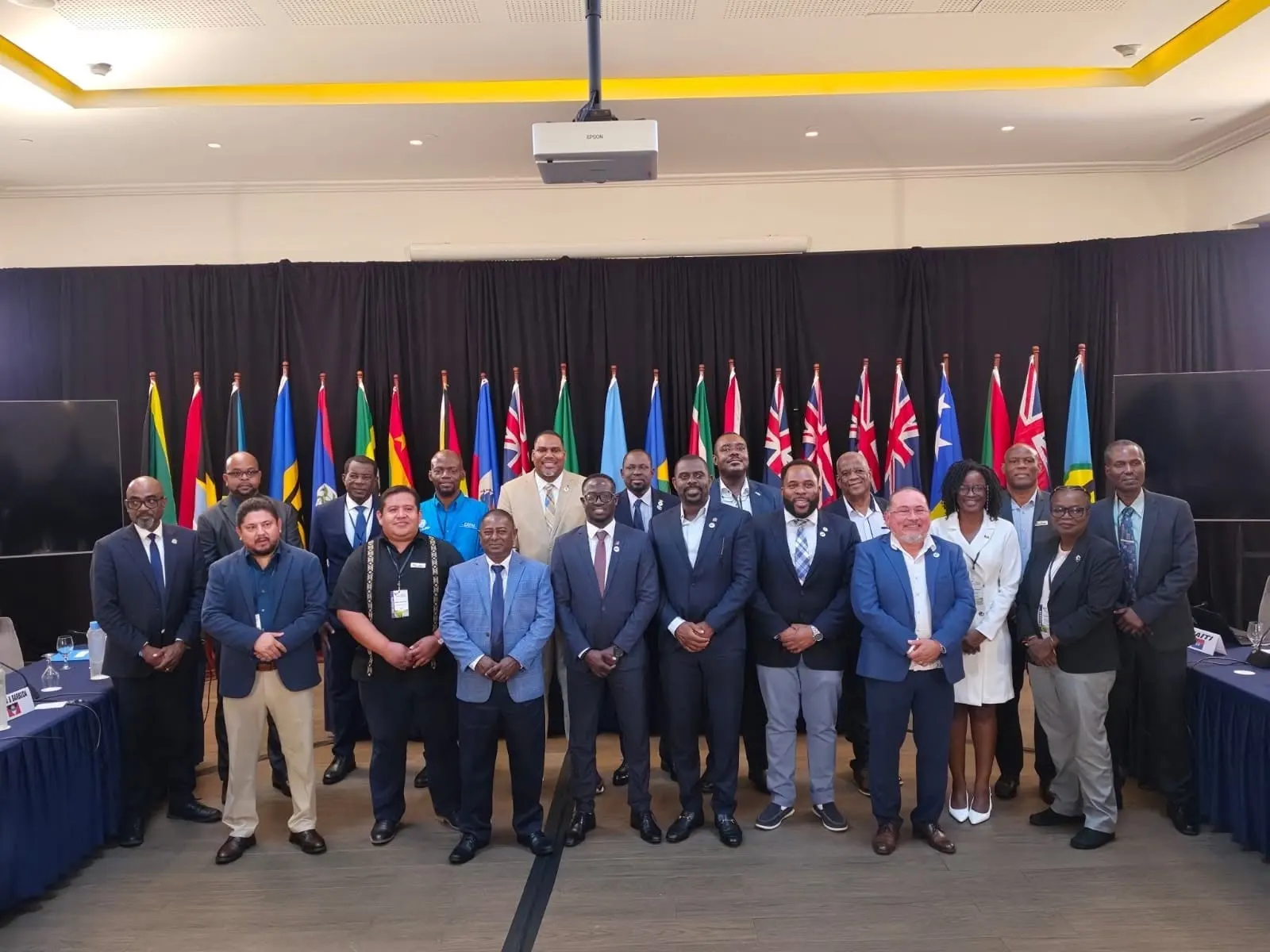
    Against a backdrop of growing global concern over overexploitation of ocean resources and declining fishery health, Caribbean regional leaders have taken a collective step forward to protect one of the region’s most critical natural assets. During Caribbean Week of Agriculture, the 17th Special Meeting of the Caribbean Regional Fisheries Mechanism (CRFM) Ministerial Council convened on September 28 in Trelawny, Jamaica, with Antigua and Barbuda leading the high-stakes discussions as chair of the gathering.

    Ministers representing member nations, with portfolios covering fisheries, aquaculture and the blue economy, concluded the meeting by voting to approve 12 binding and guiding resolutions that touch on the most pressing challenges facing Caribbean marine sectors. The landmark package of agreements spans four core priority areas: structured marine spatial planning to reduce conflicting uses of coastal and ocean waters, standardized collection and sharing of fisheries data to improve evidence-based policy making, robust seafood traceability systems to track catch from ocean to market, and enhanced cross-border coordination to crack down on illegal, unreported and unregulated (IUU) fishing — one of the most damaging threats to sustainable fisheries globally.

    Regional observers note that these collective decisions mark a significant milestone for Caribbean cooperation on ocean governance. The approved resolutions are designed to establish a unified regional framework that addresses systemic challenges that no single Caribbean nation could tackle effectively alone, from overfishing to unregulated fishing activity that erodes fish stocks and undermines legitimate small-scale fishing operations. By aligning national policies around shared standards, the region expects to strengthen long-term sustainability of fish populations, support the livelihoods of communities that depend on seafood and fishing, and preserve marine biodiversity for future generations.

    As chair of this year’s ministerial meeting, Antigua and Barbuda has positioned itself as a leading voice in the Caribbean’s push for responsible blue economy development and sustainable marine resource stewardship. The outcome of the meeting reflects a growing regional consensus that coordinated action is essential to safeguarding the Caribbean’s ocean resources, which underpin not only the local fishing industry but also tourism, coastal protection and food security across the region.

  • ANNOUNCEMENT: NCCU notice of judgement for debtor to appear – Mervin Boyed Anthony

    ANNOUNCEMENT: NCCU notice of judgement for debtor to appear – Mervin Boyed Anthony

    A formal notice has been made public regarding the issuance of a new re-judgement debtor summons requiring Mervin Boyed Anthony to appear before the court. This court order is part of ongoing legal proceedings centered on unpaid judgements against Anthony, requiring him to attend a scheduled hearing to answer questions related to his current financial situation, asset holdings, and ability to satisfy the outstanding court judgement.

    Court officials have confirmed that the summons was processed through standard legal channels after previous attempts to schedule the hearing were delayed for administrative reasons. The notice serves as an official reminder of Anthony’s mandatory legal obligation to attend the scheduled court appearance. Failure to comply with the summons can result in additional legal penalties, including contempt of court charges in line with local civil procedure regulations.

    The public notice was published as required by court rules to ensure proper notification when personal service of legal documents cannot be completed. No further details on the underlying value of the outstanding judgement or the original case have been released as part of this public notification.

  • ANNOUNCEMENT: NCCU Notice of judgement for debtor to appear – Lister George

    ANNOUNCEMENT: NCCU Notice of judgement for debtor to appear – Lister George

    A public notice has recently been issued formally announcing the re-summons of a person named George, who is listed as an INO Lister. For public accessibility, authorities have provided multiple channels to access the official summons document: while an embedded image of the notice is hosted at the provided external link, individuals who experience trouble loading the image preview can download the full official document via an accompanying PDF link. This re-summons represents a formal procedural step requiring George’s appearance in accordance with relevant official processes, with the public notice structure designed to ensure transparency and proper notification of the required court or official appearance. As an official public notification, the document outlines all required procedural details for the recipient to comply with the summons order, following standard administrative and legal protocols for formal notification of required attendance.

  • Browne Warns Business Interests May Be Supplying Illegal Guns

    Browne Warns Business Interests May Be Supplying Illegal Guns

    In a substantive address to the House of Representatives on Monday, Antigua and Barbuda Prime Minister Gaston Browne has drawn urgent attention to the hidden networks behind the country’s illegal firearms trade, alleging that actors with established business interests may be key players in smuggling weapons and ammunition into the twin-island nation. His remarks came during floor debate on the landmark Firearms (Amendment) Bill 2026, which has since been approved by legislators to ramp up penalties for illegal gun-related offenses.

  • Three Jamaican Women to Be Deported From Antigua and Barbuda After Overstaying

    Three Jamaican Women to Be Deported From Antigua and Barbuda After Overstaying

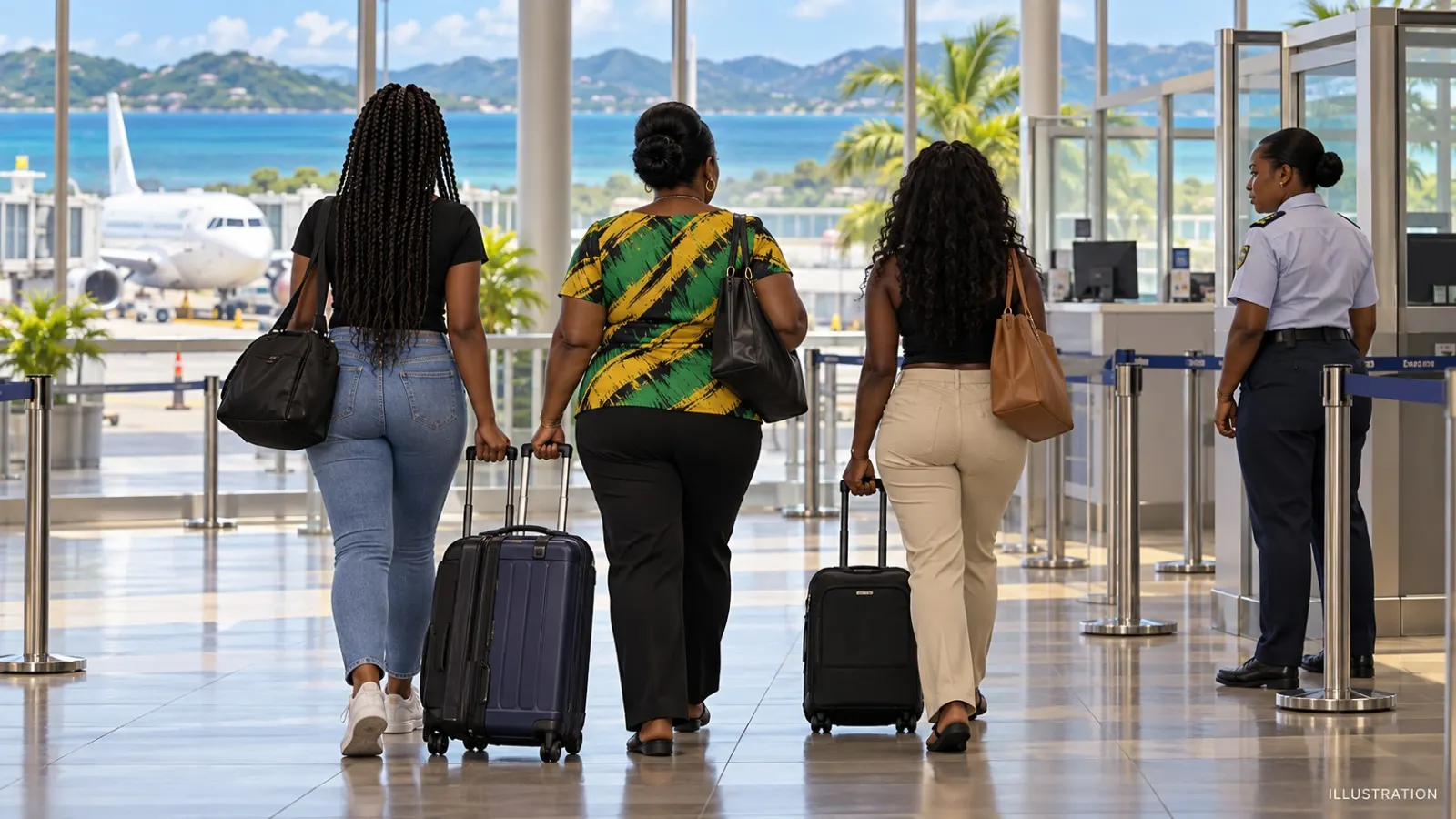
    A cross-border immigration case is progressing toward its final stage this week in the Eastern Caribbean, as three Jamaican nationals are set to leave Antigua and Barbuda on Thursday under a court-ordered deportation for violating their entry terms. The three women — 24-year-old Shantel Haynes, 23-year-old Jova Gordon, and 50-year-old Sophia Bonnick — appeared before a St. John’s magistrate earlier this week to face charges of overstaying the period of authorized stay granted to them by Antigua and Barbuda’s Immigration Department.

    After reviewing the details of the case, the presiding magistrate ruled that the trio had continued to reside in the dual-island nation without valid legal permission following the expiration of their entry authorization. The ruling formalized the order for their removal from the country, with the deportation process scheduled to be completed by the end of this week. Immigration enforcement actions for overstaying entry terms are a standard practice across Caribbean nations to regulate cross-border movement and uphold national immigration regulations.

  • China’s 77th Anniversary Celebrated with Pledges to Deepen Antigua and Barbuda Partnership

    China’s 77th Anniversary Celebrated with Pledges to Deepen Antigua and Barbuda Partnership

    Diplomatic relations between Antigua and Barbuda and China have stood strong for more than four decades, and the two nations have recently reaffirmed their shared commitment to expanding this mutually beneficial partnership across a diverse range of priority sectors. This agreement to deepen ties was made public during a special reception held Tuesday at the Chinese Embassy in Antigua and Barbuda, which was organized to celebrate the 77th anniversary of the founding of the People’s Republic of China.

    The high-profile event drew a broad cross-section of Antiguan and Barbudan leadership and international diplomatic representatives, including Governor General Sir Rodney Williams, Prime Minister Gaston Browne, Opposition Leader Jamale Pringle, sitting members of the country’s parliament, and senior officials from the global diplomatic corps based in the nation.

    Speaking on behalf of Chinese Ambassador Zhang Wei, a senior embassy representative outlined the tangible progress of ongoing cooperation between the two nations, highlighting recently completed development projects that have already delivered tangible benefits to local communities. Among these completed initiatives are the delivery of 1,500 solar-powered streetlights and 200 residential energy storage systems, projects that expand access to reliable, renewable energy across the island nation. The embassy also confirmed two new major undertakings: the launch of the third phase of the bilateral agricultural technical assistance program, and continued support for a large-scale affordable housing project that will deliver 150 new residential units to local residents.

    Human capital development and skills training remain core pillars of the bilateral cooperation framework. Official data shared at the reception shows that in 2025, 367 residents of Antigua and Barbuda participated in 42 professional training programs organized by Chinese authorities. Between January and September 2024, more than 200 Antiguan and Barbudan professionals received specialized training in high-priority fields ranging from agriculture and fisheries to infrastructure development, public healthcare, climate change adaptation, and disaster risk management. Moving forward, the Chinese representative added that Beijing is eager to expand collaboration with Antigua and Barbuda and other developing nations in two emerging critical areas: artificial intelligence innovation and development of climate and disaster early warning systems.

    In his remarks at the event, Governor General Sir Rodney Williams reflected on the 41-year history of formal diplomatic relations between the two nations, which were first established on January 1, 1983. He emphasized that the partnership has delivered widespread, lasting benefits to Antigua and Barbuda across key areas including infrastructure development, education, public health, cultural exchange, and professional skills building. Sir Rodney also underscored the critical importance of upholding multilateralism and international law for small island developing states, noting that these foundational principles are essential to protecting the national security, sovereign integrity, and long-term sustainable development of small nations around the world.

  • Air Travel Costs Jump 15.8% in Antigua and Barbuda in August

    Air Travel Costs Jump 15.8% in Antigua and Barbuda in August

    Antigua and Barbuda has reported a dramatic surge in air travel costs for August 2026, with official data revealing a 15.8% month-over-month jump in passenger air transport pricing that has significantly shifted national inflation metrics. The steep increase in airfares stands as the single largest contributor to overall price movement captured in the latest Consumer Price Index (CPI) publication from the country’s statistics agency.Compiled and published by the National Bureau of Statistics, which operates under the country’s Ministry of Finance and Corporate Governance, the latest inflation report shows that the airfare surge was the primary driver behind a broader 13.2% month-over-month increase across all transport services in August.While transport costs dominated monthly price gains, the broader consumer price basket saw a more moderate 0.8% overall increase between July and August. Food inflation, a key metric for household affordability, softened considerably in August compared to the prior month. After recording an 0.8% decline in July, overall food prices rose just 0.3% in August. Even within the food category, however, sharp regional price shifts were evident: fish and seafood prices skyrocketed by 12.1% over the month, while fresh fruit saw a 4.5% increase, and dairy products including milk, cheese and eggs rose 3.2% month-over-month.Looking at the full 12-month period ending in August 2026, Antigua and Barbuda’s cumulative headline inflation rate hit 5.5%, with the majority of the 12-month price growth driven by non-food categories including the skyrocketing cost of air travel. The latest CPI figures offer policymakers and industry stakeholders updated insight into inflationary pressures across the island nation’s economy, particularly in the critical travel and tourism sector, which often serves as a core economic driver for Caribbean island nations.

  • Pilot Reportedly Stabbed During Fight With Co-Pilot on Flydubai Flight

    Pilot Reportedly Stabbed During Fight With Co-Pilot on Flydubai Flight

    On Wednesday, a commercial passenger flight operated by low-cost carrier Flydubai was forced to divert and conduct an emergency landing in northwestern Saudi Arabia following a disturbing in-flight incident between two flight crew members, leaving hundreds of passengers’ lives hanging in the balance mid-journey.

    Flight FZ1073, which was en route from Dubai International Airport to Tel Aviv with approximately 150 passengers and crew on board, triggered a sequence of emergency alerts that unfolded rapidly over the Red Sea region. According to flight tracking data analyzed by BBC Verify, the Boeing aircraft was cruising at a steady altitude of 34,000 feet when it suddenly plummeted more than 17,000 feet in less than 120 seconds, a dramatic descent that sent shockwaves through the cabin.

    Transponder data from the flight tells a chaotic story of the unfolding emergency: the crew first broadcast the general emergency squawk code 7700, before briefly switching to code 7500 — the international transponder signal reserved for cases of unlawful interference with a flight. The aircraft eventually reverted to the general emergency code before touching down at Tabuk Regional Airport.

    Multiple passengers on board shared accounts of the incident with Israeli media outlets, alleging that a violent altercation broke out between the two pilots in the cockpit, which culminated in one pilot stabbing the other. One passenger recalled that after the confrontation spilled out of the cockpit, a group of travelers joined together to subdue the aggressor and restrain him before additional qualified pilots, who were traveling as passengers in the rear of the plane, stepped forward to take control of the distressed aircraft.

    Officially, many details of the incident remain unconfirmed, as authorities continue their initial investigation. A spokesperson for Tabuk Airport has confirmed that both the captain and first officer sustained injuries during the incident and were transported to a local hospital for treatment, but the airport declined to share any information on how the injuries occurred. Air traffic control records show that the emergency landing request was first received at 8:44 a.m. local time, and the plane touched down safely roughly 60 minutes after the distress call was placed.

    Flydubai has released an official statement acknowledging the in-flight incident, confirming that all passengers on board are unharmed and accounted for following the successful landing. The airline noted that it is cooperating fully with Saudi Arabian aviation authorities to investigate the full circumstances of the event, and will release additional updates to the public as more verified details become available.

    The unprecedented incident has already raised questions about cockpit security and crew safety protocols on commercial passenger flights across the Middle East, with aviation industry observers waiting for the release of the official investigation report to shed light on what exactly unfolded 34,000 feet above the Arabian Peninsula.

  • PM: Govt to fight local drug mafia

    PM: Govt to fight local drug mafia

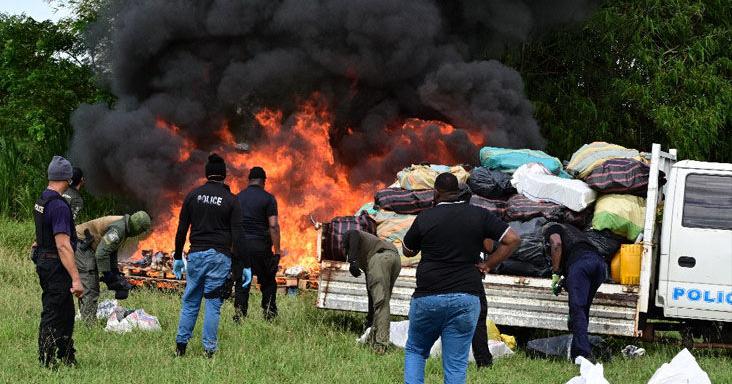
    In a high-stakes public display of commitment to combating the transnational and local drug trade, the Trinidad and Tobago Police Service (TTPS) incinerated more than 8.3 tonnes of seized illegal narcotics at the Caroni Cremation Site on Wednesday. The haul, which includes cocaine, marijuana, heroin and a range of illicit synthetic drugs, carries an estimated street value of more than $1.6 billion — a sum equal to roughly 1% of the twin-island nation’s annual gross domestic product.

    Prime Minister Kamla Persad-Bissessar, who leads the United National Congress (UNC) administration, hailed the operation in a public social media statement, crediting uniformed personnel for keeping the dangerous cargo off local streets. “These drugs never reached our communities to poison our young people and tear apart families, and that is entirely thanks to the relentless dedication of the brave men and women of our protective services,” she said. The Prime Minister went on to frame the operation as part of a broader, ongoing campaign against local drug trafficking networks, which she claimed were permitted to operate with impunity for a decade under the previous People’s National Movement (PNM) administration. “The era of the local drug mafia gaining unchecked power is over,” she stated, adding that law enforcement is targeting every layer of the trade: not just intercepting physical drug shipments, but also rooting out criminal accomplices embedded in local financial institutions, distribution rings and the public sector, with critical support from international law enforcement partners.

    The operation unfolded shortly after 8 a.m., when a convoy of TTPS vehicles escorted two truckloads of contraband to the cremation site. The seized drugs had been collected across Trinidad between 2005 and 2024, with interdictions taking place at Piarco International Airport and across multiple policing divisions including Eastern, North-Eastern, and Southern. Once on site, roughly two dozen officers unloaded the narcotic-filled packages, cut open the bags to publicly display the contraband on pallets ahead of incineration.

    TTPS Commissioner Allister Guevarro, who oversaw the event, noted that one shipment of drugs seized by Southern Division officers had not yet arrived when the fire was lit, but he later commended all participating personnel for their meticulous work and strong work ethic spanning every step of the process, from initial arrests to the final destruction of the contraband. To secure the event, the TTPS deployed a surveillance drone to monitor the perimeter and posted multiple armed officers around the site to prevent any unauthorized interference.

    Guevarro used the public destruction to address long-standing public skepticism about how seized narcotics are handled by authorities, referencing a widely circulated past incident where missing seized drugs were claimed to have been eaten by rats. “Critics have long spread the narrative that seized drugs get leaked back onto the street instead of being destroyed. Today, the entire world can see these drugs burned to ash — they can’t be resold, and rats certainly didn’t eat them,” he said. He added that when narcotics are held for years as evidence during ongoing legal proceedings, they often deteriorate naturally: cocaine breaks down from solid blocks into fine powder, while marijuana eventually decomposes into dust. The public exercise was explicitly designed to eliminate any doubt about the fate of the seized contraband, he emphasized, reinforcing transparency and accountability in TTPS counter-narcotics operations.

    Some of the destroyed narcotics dated back to a 2005 major cocaine bust on Monos Island, where nine men were detained and seven ultimately charged with trafficking, including two Trinidadian nationals, one Antiguan citizen and four Venezuelan citizens. Guevarro explained that the drugs remained in police custody for nearly 20 years as the legal process moved forward, a common timeline for high-stakes trafficking cases. Another large seizure destroyed during the event was a 1,500-kilogram marijuana shipment intercepted last year in the Caroni Swamp, which was cleared for destruction after no suspects were arrested in the case.

    Speaking to reporters on site, Minister of Homeland Security Roger Alexander framed the event as an open declaration of war against the drug trade, which he blamed for devastating local communities. “Narcotics are tearing our communities apart, so we are destroying the narcotics before they can destroy us — this is war,” he said. Alexander called on parents to join the national effort, urging them to search their homes and eliminate any drugs they find, blocking contraband from entering households and neighborhoods before it can harm residents. “Every kilogram we destroy today could save millions of young lives. This is a fight that requires action from everyone, not just law enforcement,” he added. When asked how the current UNC administration’s approach to counter-narcotics differs from previous governments, Alexander highlighted unprecedented levels of coordinated support from Trinidad and Tobago’s international law enforcement allies. He also confirmed that all government agencies collaborated immediately to approve use of the Caroni Cremation Site for the destruction, with no bureaucratic delays.

    Guevarro pointed to newly released data from the TTPS Crime and Problem Analysis Branch (CAPA) showing that cocaine seizures rose significantly between 2024 and 2025, while marijuana seizures have stayed relatively stable. He argued that the uptick in seizures is not a sign of more drugs entering the country, but proof that police operations are growing more effective at intercepting contraband before it reaches local communities. “When we seize more drugs, that means our operations are successfully pulling more poison off our streets — that is a win for public safety,” he said. He added that a large shipment of cocaine recently seized by the Trinidad and Tobago Coast Guard in a successful interdiction will be destroyed in a future public operation, noting that rising seizure counts are a promising sign that the national anti-drug strategy is delivering results.