
The global equestrian landscape is set to gain a powerful new Caribbean perspective at its top decision-making tables, after Heidi Lalor, president of the Equestrian Federation of Jamaica (EFJ), secured a historic appointment to the prestigious International Equestrian Federation (FEI) Solidarity Committee. The confirmation of Lalor’s appointment came during the FEI General Assembly held in Hong Kong, where she won a seat representing Group IV — a regional bloc encompassing Canada, the United States, and the entire Caribbean. She takes her place on a diverse, globally representative panel that also includes delegates from Qatar, Bolivia, Cambodia, Kenya, Uzbekistan, Finland, and Guatemala. This milestone marks the first time a Jamaican representative has earned a seat on the influential committee, extending a regional legacy of Caribbean participation that previously included representatives from Haiti, the Cayman Islands, and the Bahamas. Lalor’s appointment comes on the heels of five years of strategic, results-driven leadership at the head of the EFJ. During her tenure, she has overseen transparent and effective management of international development grants, boosted community morale across the regional equestrian community, and expanded support for athlete training, coach education, and participation in FEI World Challenge competitions. Reflecting on her selection, Lalor attributes the achievement to both aligned priorities and a proven track record of delivering impact across the Caribbean. “I believe my selection is due to alignment with global initiatives that raise awareness and participation, such as the Racehorse Retraining Programme and the Eventing World Challenge, as well as my ability to deliver and positively promote the sport throughout the Caribbean,” she shared. “It’s a pleasure to represent the Caribbean after five years of committed National Federation leadership and positive results. We’ve seen increased motivation, volunteerism, sponsorship, and raised standards, along with the development of new officials under the Jamaican flag.” Lalor notes that her appointment is part of a broader, tangible upward trend for Caribbean equestrian sport on the global stage. She pointed to recent regional wins: Barbados now holds a seat at the FEI Board level, Trinidad and Tobago maintains consistent, high-quality performance across Olympic disciplines using horses bred and trained locally, and nations including the Cayman Islands, Bermuda, and the Bahamas are advancing their own FEI Solidarity-backed development projects. For Lalor, the appointment is also a deeply personal full-circle moment, rooted in decades of support from FEI development programs. Since 2003, she has benefited from FEI-funded coaching initiatives across the Caribbean, training in Trinidad and Tobago, the Cayman Islands, and her home country of Jamaica. “I’m a product of these initiatives,” she explained. “They provided coaching education for local federations that helped athletes and also established professional frameworks for federations to govern and support the sport effectively.” Now working directly alongside Ingmar De Vos — FEI President, Solidarity Chair, and newly appointed International Olympic Committee Board member — Lalor says her role will go far beyond formal representation to drive active, inclusive global development of the sport. “This position proves that doors are opening,” she said. “It allows me to support multiple countries, assist with funding allocation, and contribute to shaping the future of equestrian sport on a global scale.” Looking ahead, her priorities are clear: unify Caribbean equestrian nations to raise the region’s global profile, and expand access to the sport by creating more development opportunities on individual Caribbean islands. “My goal is to continue enhancing regional standards and creating more on-island access through professional courses provided by FEI Solidarity,” she said, noting that expanded certification for local coaches and officials will be a core pillar of long-term, sustainable growth. She also emphasized the foundational role of strong governance, noting that robust administrative frameworks build trust with international stakeholders and unlock sustained development support. “With governance in place, there is greater confidence and productive management, which allows for long-term development,” Lalor said. “I look forward to elevating the Caribbean’s presence with energy, inspiration, and a deep passion for sustainable growth.” Even as she celebrates this milestone, Lalor acknowledges the persistent challenges facing small island equestrian communities, most notably the gap between grassroots participation and elite international competition. “Bridging that gap is always a challenge on the islands,” she admitted, “but with vision, a strong foundation, and advocacy, initiatives like the FEI World Challenge Series can help close it.” Beyond infrastructure, funding, and governance, Lalor says her appointment carries a critical message for young Caribbean equestrians. “It is very important for young people to see this level of international representation,” she said. “One of my first goals as president in 2022 was to show that pathway, that there is a broader vision through Federation involvement.” Her advice to emerging equestrian leaders and athletes is simple but impactful: “Whether you are an Olympian, rider, or coach, support your National Federation. Show up, stay positive, and put in the work, support will follow.” Launched in 2012, the FEI Solidarity programme remains focused on its core mission: expanding global access to equestrian sport, growing grassroots participation, raising competitive and administrative standards, and strengthening connections across the global equestrian community.
博客
-
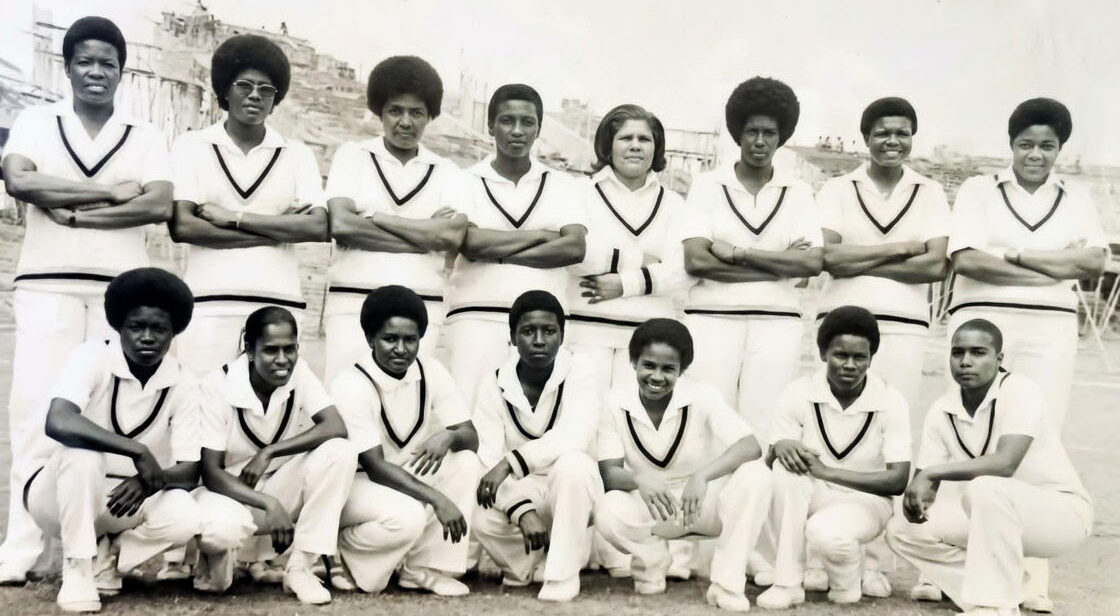
STATEMENT: A defining moment in the history of women’s cricket in the West Indies
Half a century after a watershed moment for Caribbean women’s cricket, Cricket West Indies is marking the golden anniversary of the West Indies Women’s national team’s first-ever international match, played against Australia in 1976. What began as a single contest in a bilateral series grew into far more than a game on the pitch: it was the official debut of West Indies women on the global cricket stage, opening an era of progress that still motivates young female athletes across the region today.
Led by trailblazer Louise Browne, who made history as the team’s first captain and the first batter to face a delivery for the side, the 1976 squad stepped onto the field at a time when systemic barriers severely restricted competitive opportunities for women in cricket. Even with limited support and visibility, the group embodied remarkable courage, unshakable resilience, and unwavering belief in their right to compete at the highest level.
The groundwork laid by that pioneering team has reshaped the landscape of women’s cricket across the Caribbean. From those tentative, barrier-breaking early outings to consecutive Women’s Cricket World Cup appearances and a regional reputation as a tough, competitive global contender, the steady rise of West Indies women’s cricket stands as a direct testament to the vision and grit of the 1976 pioneers.
In commemorating this 50-year milestone, Cricket West Indies has reaffirmed its commitment to preserving and honoring the legacy of those first international players. Their story is one of tearing down long-standing gender barriers, creating accessible pathways for future generations of female cricketers, and writing one of the most proud and enduring chapters in the entire history of West Indies cricket.
-
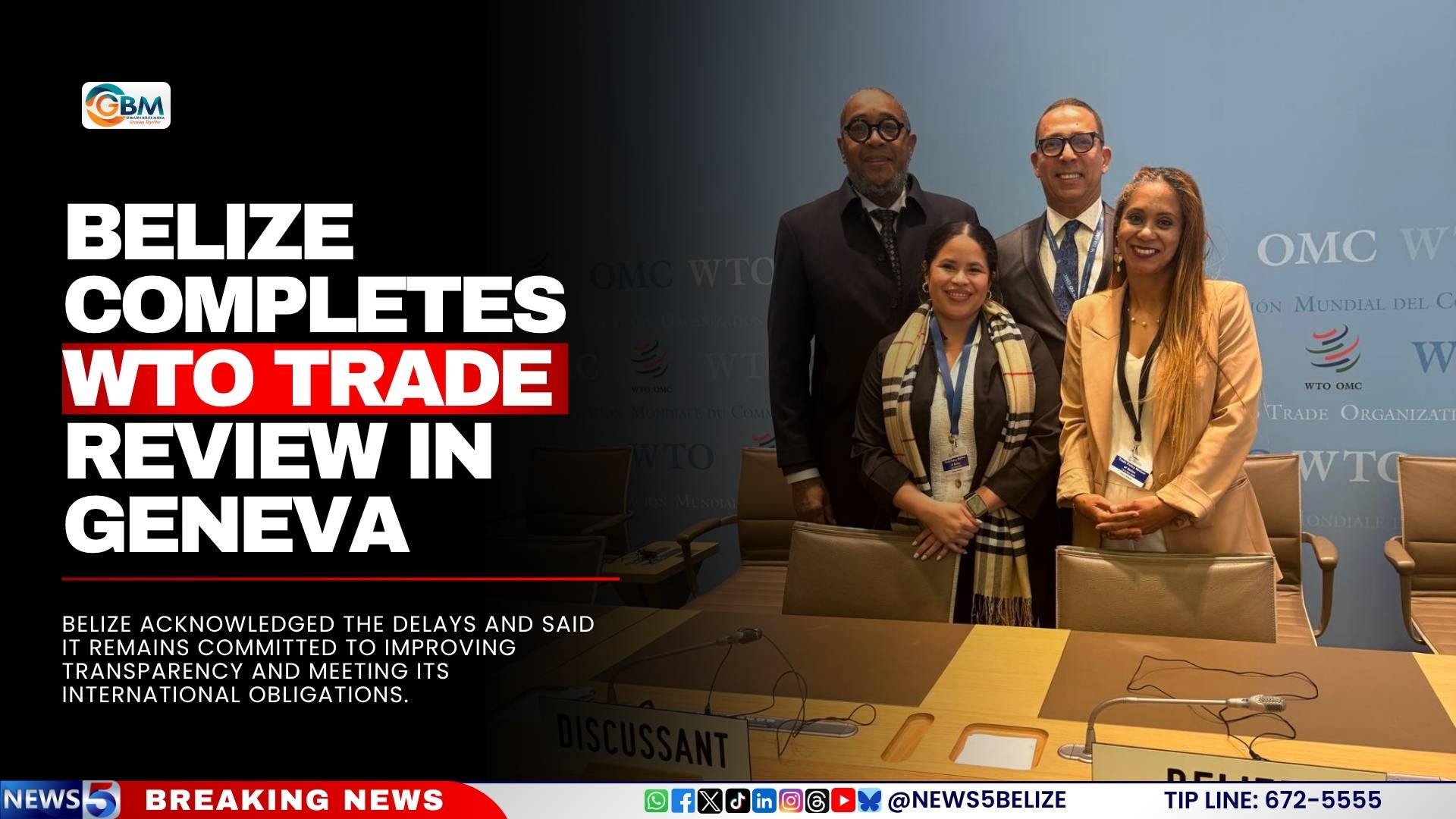
Belize Completes WTO Trade Review in Geneva
GENEVA, May 7 — The small Central American nation of Belize has formally concluded its fourth Trade Policy Review at the World Trade Organization’s Geneva headquarters, wrapping up two days of multilateral discussions that highlighted the country’s post-crisis progress and ongoing reform goals.
The periodic review, a core WTO mechanism designed to examine member states’ trade frameworks, assessed every dimension of Belize’s current trade strategy, from regulatory overhauls to targeted initiatives aimed at driving inclusive economic expansion and drawing foreign direct investment. Throughout the review process, fellow WTO member nations delivered widespread positive feedback for Belize’s remarkable economic resilience in the wake of two major disruptive events: the global COVID-19 pandemic and Hurricane Lisa, a powerful storm that caused widespread infrastructural and economic damage across the country in 2022. Despite the overlapping shocks, members noted that Belize has maintained consistent gross domestic product growth and stayed on track with its long-term development agenda.
Much of the praise centered on Belize’s active push to modernize its national trade ecosystem through a series of business-friendly regulatory reforms. A key flagship initiative highlighted during the review is the ongoing development of a unified Trade and Investment Electronic Single Window, a digital platform that will consolidate all cross-border trade documentation and approval processes into a single online portal. Once fully operational, the system is projected to cut down processing times for imports and exports significantly, reduce administrative overhead for domestic and international businesses operating in Belize, and improve the country’s competitiveness in global markets.
WTO members also highlighted Belize’s forward-looking work to build out emerging high-growth economic sectors, specifically its digital economy and sustainable blue economy focused on ocean-related industries. The country’s groundbreaking Blue Bond initiative, which mobilizes private and public capital for marine conservation and sustainable coastal development, was singled out as a model for small island developing states. Members also recognized inclusive digital skills programs that have already trained more than 1,000 Belizean women, expanding economic participation and closing gender gaps in the growing tech sector.
The review also included constructive discussions around areas for further improvement. WTO members encouraged Belize to address backlogs in required technical trade reporting and continue investing in capacity building for its national trade institutions to strengthen regulatory implementation. In response, Belize’s delegation openly acknowledged existing delays and reaffirmed the government’s unwavering commitment to boosting policy transparency, aligning its regulatory framework with international standards, and fully meeting all of its obligations as a WTO member.
For Belize, a country heavily reliant on tourism, agricultural exports, and cross-border trade, the outcome of the fourth review paves the way for continued reform that can support sustained, inclusive growth in the coming years.
-
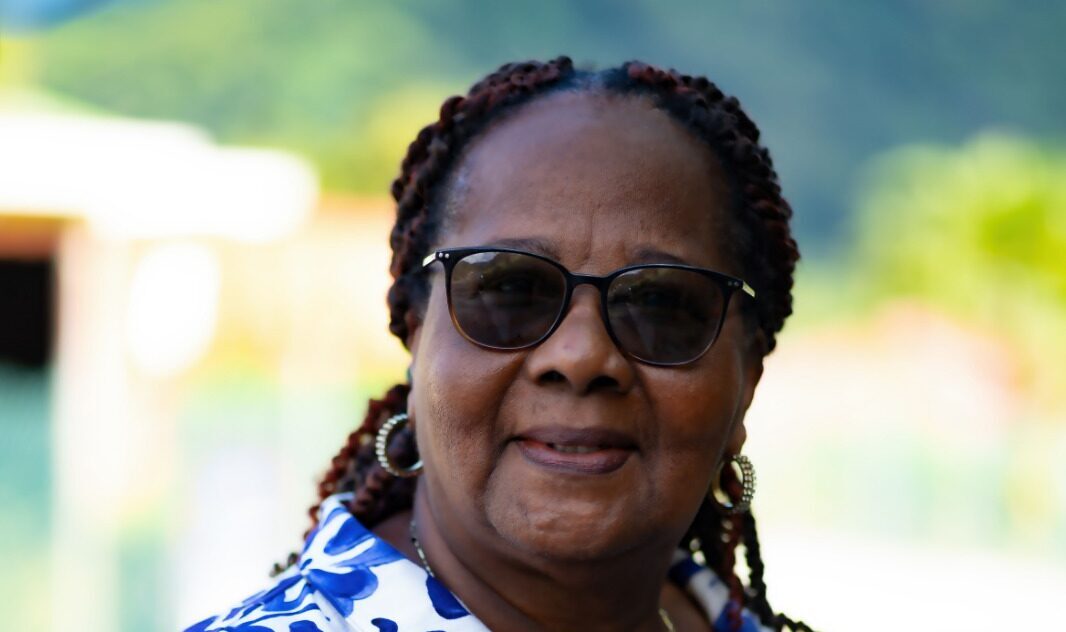
Castle Bruce Health Centre to be renamed Nurse Hyacinth Thomas Health and Wellness Centre
A beloved decades-long healthcare leader in Dominica’s Castle Bruce district will soon have her decades of selfless service permanently enshrined in the community she served: the local Castle Bruce Health Centre will officially be renamed the Nurse Hyacinth Thomas Health and Wellness Centre, following a formal decision from the Ministry of Health, Wellness and Social Services.
-
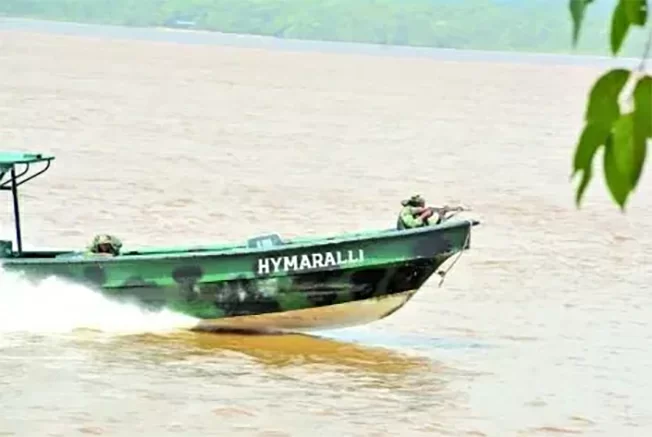
Cuyuni-passage: Guyanezen opnieuw beschoten door Venezolaanse schutters
Decades of simmering territorial dispute between Guyana and Venezuela have erupted in renewed violence along the Cuyuni River, the waterway marking the South American neighbors’ contested western border, after armed assailants opened fire on a Guyana Defence Force (GDF) patrol from the Venezuelan side of the river on Tuesday, May 5.
The shooting unfolded as the GDF unit was conducting routine border security operations and escorting civilian vessels through the contested area, GDF officials confirmed in an official statement. The patrol came under hostile fire twice at pre-identified locations along the river, and responding in line with established operational protocols, the Guyanese troops returned fire. No injuries were reported in the Tuesday incident, and all civilian ships were successfully repositioned and escorted out of the high-risk zone without further incident.
This confrontation marks the second consecutive day of armed violence in the already volatile border region. A day earlier, on Monday, GDF Lance Corporal Douglas was struck by two bullets in his right leg during a separate exchange of fire. He remains hospitalized for treatment at Georgetown Public Hospital Corporation, while another service member escaped unharmed after a bullet grazed his uniform.
Local outlet Kaieteur News has documented that such shooting incidents have become alarmingly common, occurring almost daily in some stretches of the river, earning the Cuyuni a reputation as one of the most dangerous waterways for commercial and civilian navigation in the region. The persistent threat of attack has forced the GDF to deploy dedicated patrol boats to escort Guyanese civilians who rely on the river for their livelihoods, including artisanal miners and local traders.
Tuesday’s attack also underscores the growing human cost of the ongoing border crisis: Douglas is already the ninth Guyanese military member wounded in Venezuelan-linked fire incidents over the past 12 months. The deadliest prior incident came in February 2025, when an ambush by a Venezuelan armed gang left eight GDF soldiers wounded during a routine border patrol.
The root of the recurring violence stretches back decades, as Venezuela claims sovereignty over more than 159,000 square kilometers of territory in western Guyana, a region rich in gold, timber and newly discovered offshore oil reserves. The Cuyuni River forms a critical segment of this contested boundary, where illegal mining, smuggling and armed incursions have become frequent.
In response to rising insecurity, the GDF has maintained an intensified patrol posture in the area for an extended period, with a mandate to protect civilian life and uphold Guyana’s territorial sovereignty. Despite the increased military presence, the risk of further violent clashes remains high, driven by the persistent presence of unregulated armed groups operating from the Venezuelan side of the border.
-
IMF reports steady growth and falling debt in Antigua and Barbuda
The International Monetary Fund (IMF) has released its latest Article IV assessment of Antigua and Barbuda’s economy, confirming solid expansion in 2025 fueled by rising construction output, cooling inflation and a years-long downward trend in public debt. Even as the multilateral institution acknowledges the small island nation’s recent economic gains, it warns that persistent payment arrears and mounting financing pressures remain the most pressing threats to long-term fiscal stability.
Per the IMF’s projections, Antigua and Barbuda’s real gross domestic product grew by 3% in 2025. The driving force behind this growth was a marked rebound in the construction sector, which was strong enough to offset a unexpected slowdown in the country’s core tourism industry. One key milestone highlighted in the report is the full recovery of national employment levels, which have now returned to the benchmarks seen before the COVID-19 pandemic disrupted global travel and local labor markets.
Inflation, which has been a major source of economic strain across the Caribbean in recent years, fell dramatically for Antigua and Barbuda in 2025. After averaging more than 6% in 2024, the annual inflation rate dropped to 1.4% last year, a shift that reflects broad stabilization of global and domestic price pressures across key goods and services.
The country has also made significant progress in reducing its overall public debt burden. From a peak of 101% of GDP in 2020, in the wake of pandemic-related stimulus spending, the public debt-to-GDP ratio is estimated to have fallen to 68% in 2025. The IMF credits this improvement to stronger overall fiscal performance and increased government revenue, particularly the steady inflows generated by the country’s popular Citizenship by Investment (CBI) program.
Despite these encouraging developments, the IMF has drawn attention to two major lingering vulnerabilities: substantial payment arrears owed to both Paris Club sovereign creditors and domestic suppliers, plus persistent elevated financing needs that continue to drag on the country’s long-term debt sustainability.
IMF Executive Directors have called on Antigua and Barbuda’s government to implement a “credible and comprehensive strategy” to clear outstanding arrears, strengthen national debt and cash management frameworks, and carve out sustainable fiscal space for investments in climate resilience and critical infrastructure. The island nation is highly vulnerable to the impacts of climate change, including more frequent and severe hurricanes and coastal erosion, making targeted resilience investments a priority for long-term economic survival.
Directors also acknowledged progress in boosting tax collection and enforcing fiscal discipline, with the country’s primary fiscal balance projected to hit nearly 5% of GDP in 2025. Even so, they urged local authorities to take additional steps to broaden the national tax base, cut back on inefficient tax exemptions, and strengthen oversight of both general public finances and state-owned enterprises, which have historically been a source of fiscal leakage.
The IMF assessment notes that Antigua and Barbuda’s overall financial system remains stable and well-liquidated, but policymakers are encouraged to pursue additional structural reforms to boost the competitiveness of the tourism sector, strengthen regional and international trade links, and upgrade the skills of the local workforce to support long-term growth.
Looking ahead, the IMF projects that Antigua and Barbuda will continue to see steady economic expansion in the coming years. However, the institution repeated warnings that the country’s small open island economy remains heavily exposed to outside risks, including ongoing global economic uncertainty, volatile commodity prices, and sudden external economic shocks that could derail growth progress.
-
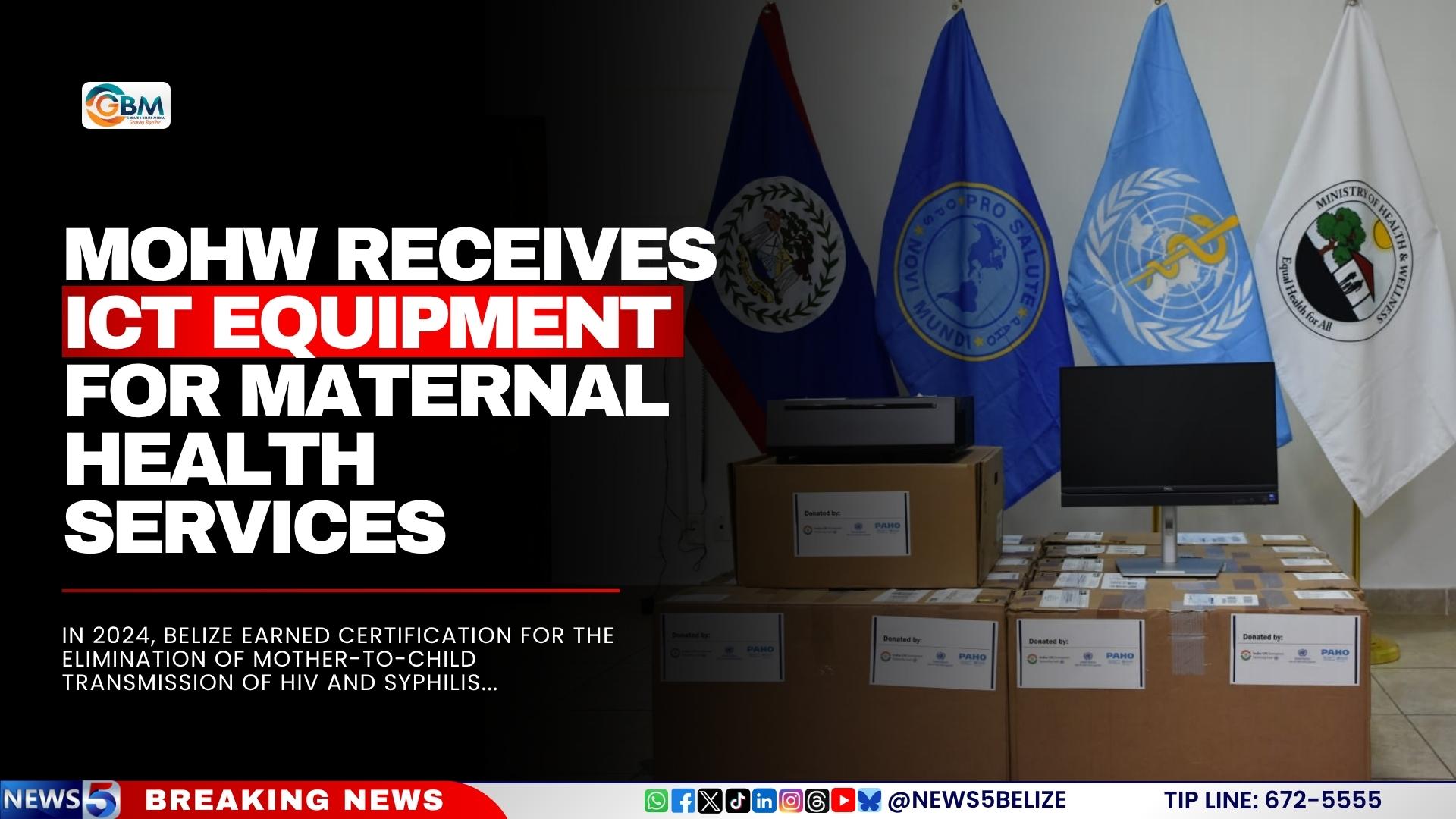
MoHW Receives ICT Equipment for Maternal Health Services
On May 7, 2026, Belize’s Ministry of Health and Wellness took delivery of a new suite of information and communication technology (ICT) equipment, delivered to upgrade maternal and child health services across the small Caribbean nation. This donation is a core component of a regional public health initiative titled “Strengthening the EMTCT Strategy within Maternal and Child Health Services”, which targets the complete elimination of mother-to-child transmission (EMTCT) of four major infectious diseases: HIV, syphilis, hepatitis B, and Chagas disease across the Caribbean region.
As part of the multinational project, Belize received 10 desktop computers and one high-resolution video projector. These tools are designed to upgrade three critical pillars of the country’s public health system: data management, cross-agency disease surveillance, and laboratory coordination. Local health authorities emphasize that the new infrastructure will directly empower frontline healthcare workers, enabling them to deliver more efficient, time-sensitive care to expecting mothers and newborn children across the country.
The cross-regional initiative is financed through the India-UN Development Partnership Fund, managed by the United Nations Office for South-South Cooperation, with on-the-ground implementation led by the Pan American Health Organization (PAHO), which also serves as the WHO’s regional office for the Americas.
Belize has already established itself as a regional leader in EMTCT efforts. In 2024, the country earned official international certification for eliminating mother-to-child transmission of both HIV and syphilis, joining neighboring Caribbean nations Jamaica and St. Vincent and the Grenadines in achieving this landmark public health milestone.
The broader project supports 15 Caribbean countries overall, with three core priorities: strengthening national leadership for maternal and child health, upgrading laboratory diagnostic capacity, and enhancing regional disease surveillance networks. PAHO officials note that reliable diagnostic testing and robust, interconnected health information systems are non-negotiable prerequisites to hitting collective elimination targets across the region.
This investment comes as public health experts across the Americas raise growing concerns over a sustained rise in congenital syphilis cases. PAHO data confirms that reported cases rose sharply between 2016 and 2022, underscoring the urgent need for expanded monitoring and prevention infrastructure across the region.
For Belize, the new ICT equipment will enable real-time data collection and continuous monitoring of maternal health outcomes, allowing the country to maintain its hard-won progress in EMTCT elimination. It will also set a regional benchmark for other Caribbean nations working toward their own official EMTCT certification. Looking ahead, PAHO’s broader 2030 agenda for the Americas aims to eliminate more than 30 communicable diseases and their related public health conditions across the region by the end of the decade.
-

University of the West Indies Five Islands Campus to lead open house and public lecture in Dominica
In a targeted push to expand higher education access and deepen institutional ties across the Eastern Caribbean, the University of the West Indies (UWI) Five Islands Campus is preparing to host a three-day public outreach mission to Dominica, scheduled for May 11 to 13, 2026. The initiative centers on strengthening collaborative partnerships with Dominican stakeholders, opening new pathways to tertiary education for local students, and fostering public dialogue on pressing regional economic challenges amid global shifts. Leading the UWI delegation will be Pro Vice-Chancellor and Campus Principal Professor C. Justin Robinson, who will spearhead discussions with senior Dominican government leaders during the visit. The core of these talks will center on expanding educational opportunities for Dominican citizens, co-developing new research projects aligned with local priorities, and adjusting UWI’s academic curricula to better support Dominica’s long-term national development objectives. A key public highlight of the mission will be Professor Robinson’s free public lecture, set to take place at 5:00 PM on May 12 at Dominica State College. Titled “No One Is Coming to Save Us: Economic Strategies for the Nature Isle in a Changing Global Order,” the address will examine the unique economic hurdles and growth opportunities facing both Dominica and the broader Organisation of Eastern Caribbean States (OECS), against a backdrop of rapidly shifting geopolitical alliances and evolving global trade frameworks. In prepared remarks ahead of the visit, Professor Robinson emphasized the critical role of context-aware higher education in empowering small island developing states. “The geopolitical tide is turning, and small island states cannot afford to be passive observers,” he said. “A high-quality university education – one rooted in the realities of our Caribbean context – is not a luxury; it is the single most powerful instrument our people have for shaping their own economic destiny. The UWI Five Islands Campus exists precisely to ensure that young men and women across the OECS have access to that opportunity, so that when the global order shifts as it is shifting now, we are architects of the response, not subjects of it.” Complementing the lecture, the UWI Five Islands Campus will partner with Dominica State College to host the 2026 Dominica Open House the same day, running from 10:00 AM to 4:00 PM on the college campus. The open house is designed to demystify the university admissions process for prospective students, their families and community members, providing detailed information on available academic programs, application requirements, student financing options, and campus life at the Five Islands Campus. University representatives will be on hand throughout the day to answer individual questions and support attendees with enrollment inquiries. Per the university’s official media statement, the Dominica Open House is part of a broader institutional strategy to break down long-standing barriers to high-quality tertiary education across OECS member states, addressing both geographic isolation and financial constraints that have historically limited many Caribbean students’ ability to pursue university studies. The outreach mission marks a deliberate expansion of UWI Five Islands Campus’ engagement across OECS territories, with the aim of centering regional needs in higher education provision and economic development planning.
-

COMMENTARY: A coffin in every ward – The reconstruction we owe the dead
On the evening of April 14, inside a quiet residential lane off Bridgetown’s Spruce Street, a family gathered to celebrate a quiet milestone: Daquan Robert’s grandmother had just turned 63, and the room filled with the sound of birthday singing. Daquan, 26, was a final-year law student at the University of the West Indies Cave Hill campus, poised to continue his legal training at the prestigious Hugh Wooding Law School. Before the song ended, a white van slowed at the edge of the lane, and multiple gunshots rang out. Daquan fled down the lane alongside his father, but he collapsed before he could reach safety. His grandmother watched him take his last breath, on her own birthday.
By the time a reader finishes this column, another family across the Caribbean will already be walking through the same unthinkable grief. What was long framed as a localized problem confined to a few nations has spread into a systemic crisis across the region, turning what is globally known as a paradise into one of the deadliest areas on Earth.
For generations, Caribbean leaders and publics framed widespread violent homicide as uniquely Jamaica’s challenge. Then Trinidad and Tobago saw its own grim surge, climbing from just 97 murders in 1998 to 625 by 2024. Today, the violence touches every corner of the region. Saint Vincent closed out 2024 with a homicide rate of 53.7 per 100,000 people. Barbados, long held up as the regional model of public safety and order, saw its murder count jump 138% in a single year, rising from 21 to 50. The Turks and Caicos Islands now hit a rate of 103 per 100,000, the highest in all of Latin America and the Caribbean. Across the region as a whole, homicide rates are many times higher than the global average of roughly 6 per 100,000; only Antigua & Barbuda and Grenada stand out as exceptions with consistently low murder rates, per 2023 UN Office on Drugs and Crime data.
Firearms are responsible for the vast majority of these killings, and investigative tracing shows the overwhelming majority of these weapons flow into the region through illicit channels originating in the United States. Daquan’s death was not an isolated, random tragedy: it was the product of a regional system that is armed from outside, enabled by local complicity, and normalized by leaders who dismiss each killing as an individual tragedy while refusing to acknowledge the larger pattern of systemic collapse.
Every homicide, at its core, is an attack on the legitimacy of the modern state. The foundational promise of any sovereign state is a monopoly on the legitimate use of violence: it asks citizens to surrender personal weapons, abide by the law, pay taxes, and trust its judicial systems, in exchange for guaranteed protection. Across the Caribbean, that promise lies broken. When a gunman opens fire on a grandmother’s birthday celebration from a moving van, he is explicitly declaring that the state’s authority does not extend to that space. He is building a parallel system of order, and he rules through fear. His own justice system has only one sentence: death. He takes life with impunity, with no regard for his own future or the lives of his victims.
The damage of this crisis extends far beyond the human cost. The Inter-American Development Bank and World Bank estimate that violent crime costs the Caribbean region 3 to 4% of its total GDP every year. A state that cannot deliver basic law and order loses the moral authority to make any other demands of its citizens. How can a government tax a small shopkeeper, a public school teacher, or a hotel worker, when men with no verifiable legal income are able to build large homes, import luxury vehicles, and operate violent criminal networks in plain sight? Law and order is the foundation on which every other function of the state rests; without it, all other governance claims collapse.
But it is wrong to frame this as solely a failure of the state. The killers are not foreign invaders: they are young men raised within our own communities, shaped by homes, schools and neighborhoods where authority, guidance, economic opportunity and accountability all failed at once. Many grew up in neighborhoods where the most visible, successful adult men were armed, feared, wealthy from crime, and never held to account. The collapse of Caribbean family structures, the systemic exclusion of young men from economic and social life, and the rising homicide crisis are not three separate problems. They are three symptoms of a single, interconnected national crisis.
This is not a matter of blaming overstretched single mothers or romanticizing absent fathers. The home is the first and most effective crime prevention institution a society has. Consistent parenting, guidance, healthy boundaries, affection and accountability are not private, personal luxuries: they are core matters of national security. And communities can no longer afford to stay silent. A neighborhood cannot shelter a known shooter on Monday, turn out for his victim’s funeral on Friday, and then complain that the state has failed. Silence is not neutrality: when everyone in a community knows who carries the guns, who is protecting them, and how they fund their lifestyles, looking the other way makes the community complicit.
Caribbean nations have a long, strong tradition of social democratic policy, but these existing programs were designed to address poverty, illiteracy and systemic exclusion, not the specific crisis of retaliatory gang violence, the drift of young men into criminal networks, witness protection, disruption of illicit financial flows, or rebuilding healthy male authority in communities. The existing social agenda is not obsolete, but it is incomplete. The traditional welfare state must evolve into a violence-prevention state: it must provide not just school meals and free education, but systems to flag at-risk young boys before they become homicide statistics, trauma care for survivors of violence, and support for children who grow up surrounded by fear before they ever learn basic math.
Gangs did not seize power in a vacuum. Decades of neglect, denial, and active political collusion left public spaces open for criminal control. Reclaiming the state’s monopoly on legitimate force is a process of national reconstruction, not just a military war. Heavy-handed tactics like widespread militarization, curfews and states of emergency have only limited utility. On their own, they increase body counts but do not rebuild public trust in state authority.
What works is far harder, slower, and demands greater accountability: intelligence-led policing carried out by small, trusted local units; expanded forensic capacity to raise the extremely low rate of solved homicides across the region; robust witness protection programs that do not force citizens to choose between staying silent and being killed; and the reclaiming of abandoned, underserved neighborhoods through public investment in street lighting, youth outreach, consistent community policing, recreational programming, mental health counseling and job creation.
This work also requires explicit action to criminalize the links between political actors and criminal gangs. No government can credibly claim to fight gangs when its political culture rewards candidates who “control” neighborhoods through intimidation and violence. The Caribbean Community (CARICOM) must treat the cross-border illicit gun pipeline as what it is: a direct threat to regional sovereignty. Caribbean nations did not manufacture these weapons, but we are burying our children because of them.
Gun violence has a clear financial trail. Weapons are purchased, drug shipments are moved, lawyers are hired, witnesses are bribed, politicians are courted, and legitimate property is bought with illicit proceeds. Any national homicide reduction strategy that does not prioritize following this financial trail is just chasing low-level trigger pullers while leaving the criminal infrastructure intact. Every Caribbean government needs a dedicated violence finance strategy, where tax authorities, customs, police, financial intelligence units, property registries and prosecutors coordinate to map and disrupt criminal networks. Unexplained wealth, hidden beneficial ownership of property, and suspicious real estate transactions all must be treated as core parts of homicide investigations. Al Capone was not ultimately brought down by his convictions for violence, but by following his money trail. If the trigger puller is the hand that pulls the trigger, illicit money is the bloodstream that keeps the entire criminal system alive.
The state holds the monopoly on legitimate violence, but it does not control all the root causes of violence. Those causes take root in spaces that police cannot permanently occupy: family homes, school classrooms, and the silences that communities choose to keep.
Fixing this requires an all-of-society compact. Families must raise boys who do not equate manhood with domination, easy money from crime, or carrying a weapon. Faith communities must refuse to offer moral blessing to politicians, donors and local strongmen who work with gunmen. Schools must stop pushing out at-risk boys who end up in the morgue instead of the graduation stage. The private sector must go beyond hiring private security for their own properties to create large-scale apprenticeship programs for unemployed young people, and stop laundering criminal respectability through awarding contracts to known gang leaders.
Media outlets must abandon the sensationalism of printing daily body counts, and instead focus on investigative reporting that traces guns, follows the money, and holds the entire system accountable. Caribbean diaspora communities must be engaged as full partners in this work, not just asked to send remittances and donations.
None of these proposals matter without accountability. Every Caribbean government must be required to publish a quarterly public dashboard tracking homicide reduction progress. A cabinet minister who cannot clearly explain these numbers and the government’s strategy does not deserve to hold office. A prime minister who cannot deliver sustained reductions in violence does not deserve re-election. This is the most fundamental test of the consent of the governed: if a state cannot protect its citizens, it has no right to ask for their loyalty.
Critics will call this approach too soft, and demand more military helicopters, more soldiers, more curfews, more televised displays of toughness. But what is actually soft? The state that cannot protect a promising law student at his grandmother’s birthday party is soft. The politician who takes calls from known gang leaders before he calls the victim’s family is soft. The church that accepts donations from criminal actors and looks past the blood on their hands is soft. The government that taxes honest working people but fears confronting wealthy violent criminals is soft.
True strength means rebuilding what has been broken: functional, fair courts; accountable, transparent police; schools that do not push out at-risk students; families that refuse to look away; churches that do not bless gunmen; and a region that speaks with one unified voice to demand an end to the illicit flow of weapons from outside. When we can provide safety, healing, opportunity and due process that is better than anything any gang can offer, the state’s monopoly on legitimate violence will be restored not through conquest, but through the consent of the people it protects. Anything less is just another gang, with better branding and nicer offices.
Daquan Roberts should have walked across a graduation stage this year to accept his law degree. Instead, his classmates walked to a peace pole to honor his memory. We owe his grandmother, and every future family that could face this grief, far more than just condolences. We owe them a region where every family, community, church, business and government understands that a coffin in every neighborhood is not an inevitable fate. It is a choice, and it is a failure – one we have the power to fix.
-
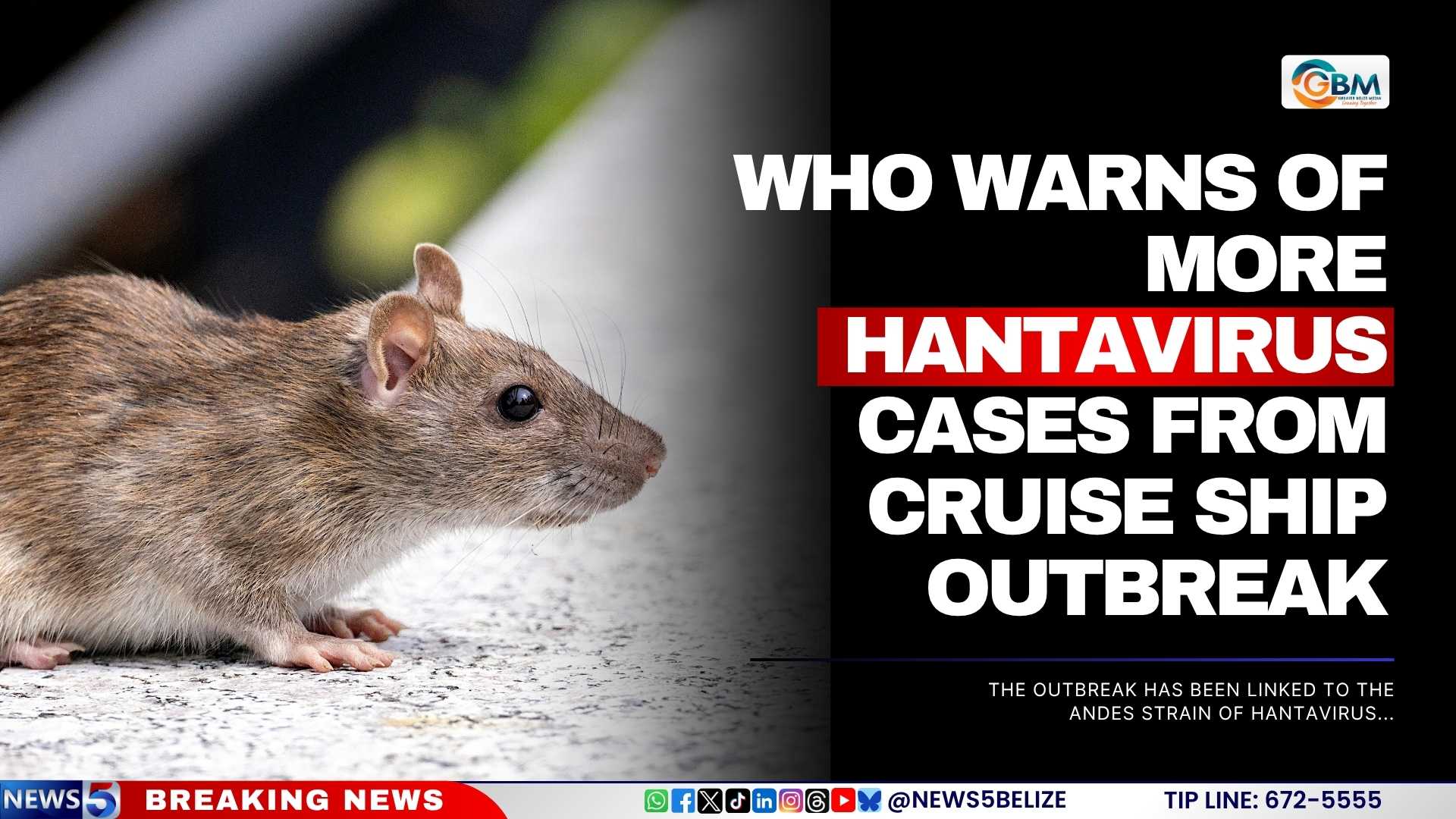
WHO Warns of More Hantavirus Cases From Cruise Ship Outbreak
Three fatalities have been recorded and dozens of nations have activated public health protocols following a hantavirus outbreak linked to the expedition cruise vessel MV Hondius, prompting the World Health Organization (WHO) to warn of additional confirmed cases in the coming days. The incident, which has drawn unwelcome comparisons to the uncoordinated early spread of the COVID-19 pandemic, unfolded after passengers disembarked the ship before health officials detected the outbreak, allowing potentially exposed travelers to disperse across the globe.
As of May 7, 2026, three people – a Dutch couple and one German national – have died from the virus, after the ship embarked on its voyage from Argentina last month. On Thursday, the WHO officially confirmed five active hantavirus cases, with a formal advisory forecasting more diagnoses as contact tracing efforts expand. In a balancing move to avoid widespread public panic, global health leaders have stressed that the current risk profile differs sharply from the COVID-19 pandemic.
The WHO emphasized that there is currently no evidence of sustained, human-to-human widespread transmission, and the agency does not expect the outbreak to escalate into a large-scale global epidemic. “We are working with relevant countries to support international contact tracing, to ensure that those potentially exposed are monitored and that any further disease spread is limited,” a WHO spokesperson said in a statement.Genetic sequencing has linked the outbreak to the Andes strain of hantavirus, a pathogen that is far less transmissible between people than SARS-CoV-2, the virus that causes COVID-19. Investigators currently believe the initial infections did not originate on the cruise ship itself. Instead, they trace the first exposure to an off-vessel bird-watching excursion that took passengers through wetlands and natural areas across Argentina, Chile, and Uruguay – regions home to rodent populations known to carry the Andes hantavirus strain.
At present, potentially exposed and monitored passengers are spread across 26 countries, with major concentrations found in the Netherlands, South Africa, Switzerland, the United Kingdom, the United States, and Singapore. Of the original passenger complement, 146 people remain on board the MV Hondius, which is scheduled to dock in Tenerife, Spain this Sunday. Once the vessel clears port health inspections, the remaining passengers will be repatriated to their home countries via chartered flights.