KINGSTON, Jamaica — Top Jamaican government officials have moved to clear widespread public confusion surrounding the newly disclosed Third Country Nationals (TCN) transit agreement, confirming the arrangement was first proposed by the United States government rather than initiated by Jamaican authorities.
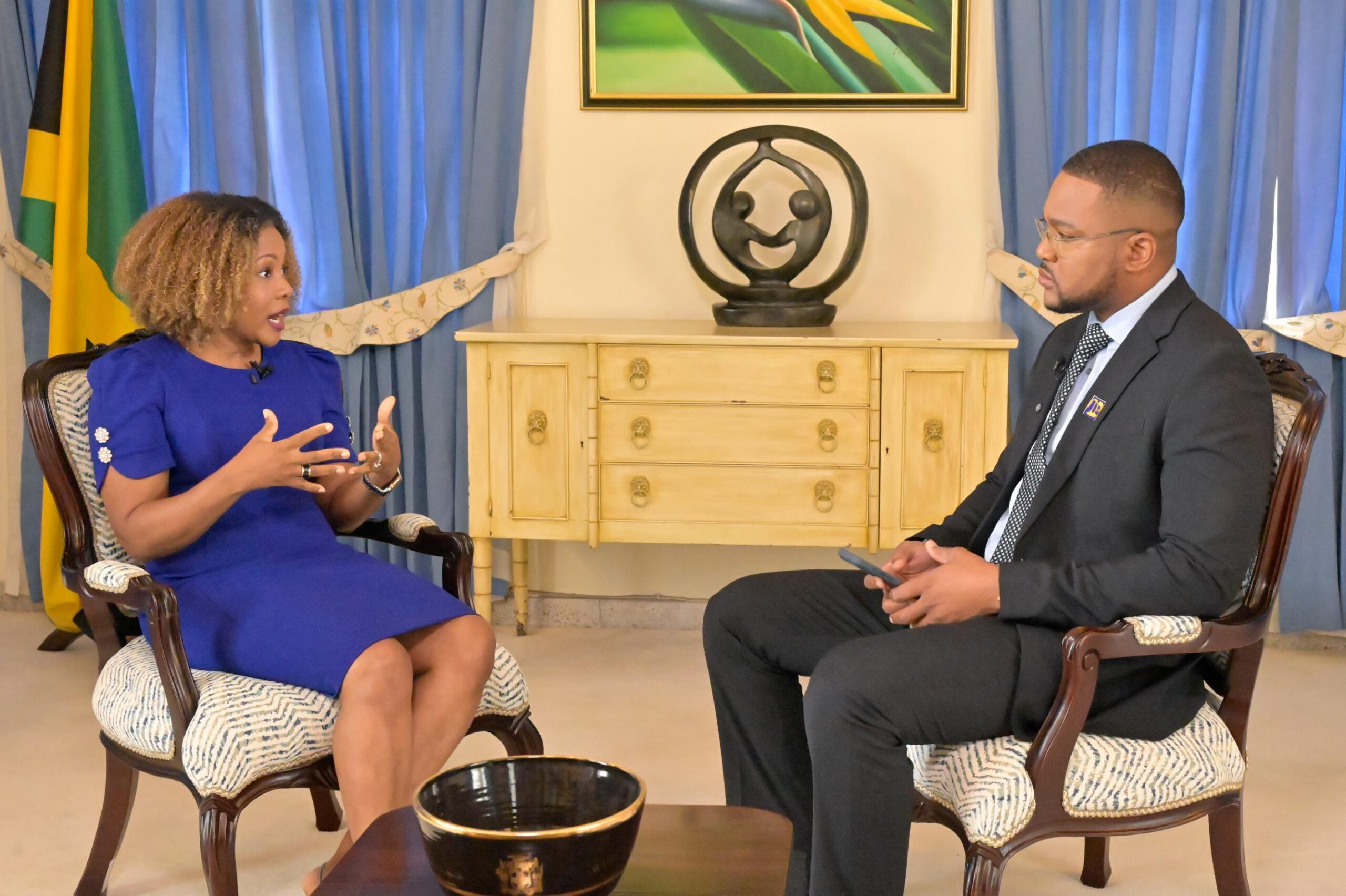
Senator Dr Dana Morris Dixon, Jamaica’s Minister of Education, Skills, Youth and Information, laid out the origins of the deal during an official Ministerial Update hosted by the Jamaica Information Service (JIS) at Jamaica House this Thursday. She emphasized that the entire conversation around the TCN programme began with a formal approach from the U.S. to Jamaican diplomatic officials.
Her public statement comes just days after news broke that Jamaican authorities had signed a Memorandum of Understanding (MoU) that enables the transit of people transferred from U.S. custody through Jamaican territory before they reach their final destinations. Morris Dixon was quick to draw a clear line between this transit agreement and a separate, unrelated policy discussion currently underway: a separate initiative led by Ambassador Audrey Marks, Minister without portfolio in the Office of the Prime Minister, focused on attracting skilled foreign workers to boost Jamaica’s domestic economy.
According to Morris Dixon, Jamaican officials issued formal clarification of this distinction almost immediately after the confidential diplomatic cable at the center of recent media coverage was first drafted, noting that bilateral negotiations are almost always kept private to allow for flexible, iterative discussions between parties without unnecessary public speculation.
The details of the agreement’s approval process were further outlined by Deputy Prime Minister Dr Horace Chang, who also serves as Minister of National Security and Peace, during Wednesday’s post-Cabinet press briefing at Jamaica House. Chang confirmed that the final decision to sign the MoU followed months of extensive cross-government negotiations, involving Jamaica’s Ministry of Foreign Affairs and Foreign Trade, the Ministry of National Security and Peace, the Office of the Prime Minister, and legal advisors from the Attorney General’s Office.
Crucially, Chang pushed back against widespread misinformation that the agreement would open Jamaica to permanent migration from individuals transferred by the U.S. He stressed that all people processed under the deal are only in transit through Jamaica, and will not remain in the country as permanent residents. To enforce this, the two sides have agreed to a strict quota: no more than 25 individuals will be processed for transit every two weeks, regardless of destination, which includes the individuals’ home countries.
Chang added that Jamaica retains full sovereign authority over the arrangement: Jamaican officials hold the right to refuse entry to any individual at any time, and both the U.S. and Jamaica can terminate the entire agreement without being required to provide long-form advance notice to the other party.