博客

  • Key Meeting Yields Breakthrough in San Marcos Land Dispute

    Key Meeting Yields Breakthrough in San Marcos Land Dispute

    A months-long simmering land conflict between Maya residents of San Marcos Village in southern Belize’s Toledo District and a private landowner has taken a major step toward resolution, following a productive high-level negotiation hosted by the national government this week. The small community, which counts just under 1,000 residents deeply rooted in centuries-old Maya cultural heritage, has been locked in a standoff over a section of land that villagers argue falls within their traditional communal territory. The dispute is not an isolated incident: it reflects a decades-long, widespread struggle for formal recognition of Indigenous land rights across southern Belize that has risen in urgency in recent months, with tensions threatening to escalate into open conflict prior to this week’s talks.

    On Wednesday, May 6, 2026, Belize’s Minister of Indigenous People’s Affairs Dr. Louis Zabaneh convened stakeholders at his ministry’s headquarters in Belmopan, bringing together elected leaders from San Marcos, representatives of the Toledo Alcalde Alliance (TAA) and the Maya Leaders Alliance (MLA), and legal representatives for the private landowner involved in the conflict. The meeting concluded with a binding, multi-step agreement designed to de-escalate tensions and establish a clear, formal process to resolve the boundary dispute. The core of the agreement commits both sides to a three-week waiting period during which technical surveyors from Belize’s Ministry of Natural Resources will conduct an independent on-the-ground assessment to map and formally demarcate the exact contested area. Dr. Zabaneh noted that both sides had agreed to abide by the initial survey result as a foundation for further negotiations. The agreement also comes as the government launches a long-promised formal review of national land rights legislation for Maya communities.

    Just two days before the San Marcos meeting, Dr. Zabaneh confirmed, the first convening of the cross-sectoral land rights review panel took place. The panel is structured to ensure equal representation: two government appointees will work alongside two leaders selected directly by the Maya leadership to review draft legislation addressing communal land title claims. Once the panel finalizes its revisions, the draft will advance to a Cabinet subcommittee before being introduced to the House of Representatives for a full vote. Dr. Zabaneh emphasized that this formal legislative process is the only legitimate path to securing formal land rights, and called on all stakeholders to avoid unilateral action or premature claims of absolute ownership while the process moves forward. The MLA has scheduled a community meeting with San Marcos residents this coming Friday to walk through the details of the new agreement and answer resident questions, with further updates expected after that gathering.

    Beyond the San Marcos breakthrough, Dr. Zabaneh addressed two other pressing controversial cases involving Indigenous community leadership in southern Belize during the same press briefing. The first is an alleged abduction of Marcos Canti, First Alcalde of the Indian Creek community, which occurred three weeks prior to the briefing. To date, no definitive official report or update on the incident has been released to the public, leaving many unanswered questions about what transpired, and whether a formal police report was ever filed. Dr. Zabaneh acknowledged that the lack of information has fueled widespread public uncertainty and even skepticism within government, noting that the ministry has formally requested an update from Minister of Home Affairs Kareem Musa, who is working with the Belize Police Department commissioner to conclude the ongoing investigation. The ministry expects a full public report will be released as soon as the probe is complete.

    The second open case involves a viral video that purportedly shows a sitting village alcalde from another southern Belize community committing a violent assault against a resident of his community. Dr. Zabaneh confirmed that the Office of Indigenous People’s Affairs has launched a formal investigation into the incident, and ministry staff will travel to the community in the coming days to conduct on-the-ground interviews and gather evidence. The minister stressed that the government maintains a zero-tolerance policy for all forms of violence in Indigenous communities, regardless of the underlying context of the conflict. “Violence can never be the answer to solve anything, regardless of what the circumstance may be,” Dr. Zabaneh told reporters. “As a country we cannot condone using violence for whatever, whether it is domestic violence or something going on in a village. Absolutely zero tolerance for that. We have to find a way to work and communicate with each other, and that is the way how we solve problems.” Local journalists will continue to follow all three cases, and will publish full updates as new information becomes available.

  • Coastal Erosion Crisis Drives Action in Dangriga

    Coastal Erosion Crisis Drives Action in Dangriga

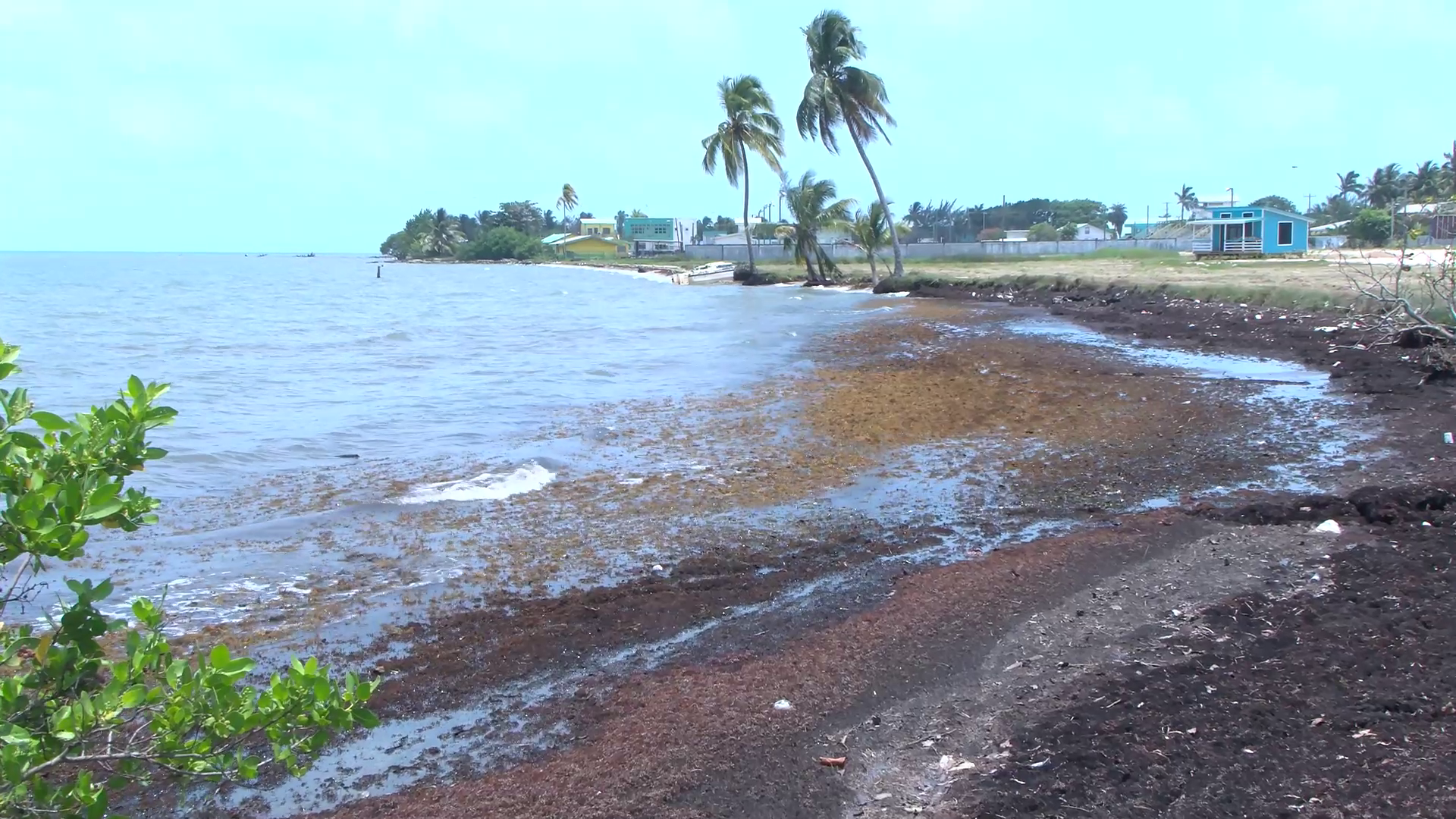
    Along the sun-baked Caribbean coastline of Dangriga District, Belize, the slow-moving crisis of climate-fueled coastal erosion has long stopped being a distant future threat — it is a daily reality reshaping community life and endangering local livelihoods. For decades, residents have watched as rising tides and increasingly intense storm surges have gradually claimed stretches of sandy beach that have anchored their traditions, recreation, and local economies for generations. On May 7, 2026, that long-simmering concern translated to tangible action, with the official launch of a landmark nationwide coastal resilience initiative that brings new hope to vulnerable coastal communities across the country.

    The project, backed by a $4 million U.S. investment from the Adaptation Fund, with local implementation led by Belize’s Protected Areas Conservation Trust (PACT) in partnership with the national government, targets 27 of the country’s most at-risk coastal settlements. In Dangriga, intervention efforts will center on the heavily eroded northern shoreline, a stretch that hosts critical community assets including public schools, neighborhood parks, and popular gathering spaces that have long drawn both locals and tourists.

    Longtime Dangriga resident Melvin Diego has been a firsthand witness to the accelerating pace of shoreline loss for years. Long before the official project launch, he has woken before dawn each day to volunteer his time clearing debris from the remaining shore, in a quiet, personal campaign to protect the stretch of coast that has shaped his life. For Diego, this beach was more than just recreational space: it was where he trained as a young track and field athlete, earning multiple gold medals that he still attributes to the unique resistance of the soft beach sand. It was also a quiet retreat where he processed the highs and lows of running his local business, watching sunrises and finding renewal in the coastal breeze.

    “This place is sacred to me,” Diego explained in an interview at the project launch. “Today, people who want to run on the beach have to dodge sudden drop-offs and incoming tide — the sea has already moved so far inland. I worry that in 10 or 25 years, our children won’t have any beach left at all.”

    Local representative Dr. Louis Zabaneh confirmed the scale of the erosion that has already altered Dangriga’s coastline, pointing to a massive U-shaped indentation that has formed between the town pier and Pelican Beach, where dozens of meters of sand have vanished entirely in just a few decades. “Where you see the stone pilings of the pier today, that used to be solid sandy beach,” Zabaneh noted. “The erosion stretches all the way from the town center to Commerce Bight, eating away at the shoreline year after year.”

    PACT Climate Finance Manager Eli Romero explained that the project’s intervention strategy for Dangriga is rooted in years of scientific analysis. Studies conducted several years ago confirmed that the vast majority of sand eroded from Dangriga’s beaches remains trapped just offshore, meaning targeted sand redistribution can restore much of the lost shoreline. The decision to focus on the northern stretch was made collectively by local residents and municipal leaders, who prioritized protecting the area’s most heavily used community assets.

    For Diego and other long-time residents, the launch of the formal project is more than just an infrastructure investment — it is a long-awaited signal that their community’s fight to save its coastline is being taken seriously. The initiative will not only restore lost beach habitat through sand replenishment: it will also update regional coastal management planning, expand long-term erosion monitoring, and install natural and built infrastructure designed to slow future shoreline loss.

    While the launch ceremony marked a major milestone for the project, local residents agree that the true measure of success will only come in decades, when future generations get to enjoy the sandy shoreline that current leaders and activists are fighting to preserve. For now, though, the initiative has turned long-running anxiety into cautious hope for a community on the front lines of climate change.

  • Dominica hosts regional African Swine Fever surveillance exercise

    Dominica hosts regional African Swine Fever surveillance exercise

    In a critical proactive step to safeguard the Caribbean’s pork industry and food security, Dominica’s Ministry of Agriculture, Fisheries, Blue and Green Economy has teamed up with two leading agricultural bodies—the Inter-American Institute for Cooperation on Agriculture (IICA) and the United States Department of Agriculture (USDA)—to host a two-day African Swine Fever (ASF) sampling pilot between May 6 and 7, 2026.

    Held at the Dominica China Agricultural Science Complex in Portsmouth, the pilot forms a core component of a broader regional program titled “Strengthening Surveillance and Response Capacity for African Swine Fever through Training and Sample Collection in the Caribbean Region”. Per an official press release outlining the initiative, the overarching goal is to lay the groundwork for robust ASF surveillance and response frameworks for both Dominica and the entire CARICOM trade bloc.

    ASF is a notoriously deadly, highly contagious viral pathogen that targets both domesticated and wild pig populations, with a near-100% mortality rate for infected animals. While public health officials have confirmed the virus cannot jump to humans, its economic and food system impacts are severe: it puts entire national pig farming sectors at risk, undermines regional food and nutrition security, erodes the livelihoods of small-scale and commercial pig farmers, and disrupts cross-border agricultural trade.

    Right now, regional authorities are on high alert. ASF outbreaks have already been officially confirmed in neighboring Dominican Republic and Haiti, and a combination of underregulated, porous borders, tightly interconnected regional economies, and limited veterinary infrastructure across many parts of the Caribbean leaves the entire CARICOM region facing a high risk of widespread transmission. Local and international stakeholders alike stress that early detection, enabled by standardized, proper sampling and accurate diagnostic testing, is the single most critical factor in preventing outbreaks, containing any spread that does occur, and eliminating the virus from affected areas entirely.

    The first day of the pilot, Wednesday May 6, was dedicated entirely to hands-on technical training, running from 9:30 AM to 4:00 PM at the Dominica China Agricultural Science Complex’s One Mile campus in Portsmouth. A diverse cross-sector cohort took part in the training, including licensed veterinary professionals, animal health technicians, public sector laboratory staff, national quarantine officers, independent pig farmers, and representatives from both public and private agricultural organizations across the island.

    Training modules covered a full range of core competencies needed for effective ASF response: from recognizing the key clinical signs of ASF infection in pigs, to step-by-step protocols for collecting diagnostic ear and blood swab samples, and safe handling practices for potentially contaminated materials. Trainees also received detailed instruction on field biosafety and biosecurity protocols, including hands-on guidance for the correct use of personal protective equipment (PPE) to prevent accidental spread during sampling activities.

    Supplementing the technical skills training, participants also held working discussions on standardized regional ASF surveillance and response protocols, as well as best practices for correct packaging, temperature-controlled storage, and compliant cross-border transportation of diagnostic samples to testing facilities.

    On the second day of the pilot, Thursday May 7, joint technical teams made up of staff from IICA, USDA, and Dominica’s national veterinary services traveled to targeted high-risk communities across the island. These priority locations included border zones close to other Caribbean nations and areas with particularly high concentrations of pig farming operations.

    During this field practicum, the joint teams collected ear and blood swab samples from pigs in the selected high-risk sites. All collected samples have been prepared for shipment to the USDA National Veterinary Services Laboratory based at Plum Island, where full diagnostic testing will be conducted to confirm the presence or absence of the ASF virus.

  • Over US$16 million in emergency food assistance provided to Haiti

    Over US$16 million in emergency food assistance provided to Haiti

    Haiti’s deepening food insecurity crisis has received a critical boost, after the United Nations Food and Agriculture Organization (FAO) announced Wednesday, May 6, that it has secured more than $16 million in new funding from the Regional Humanitarian Fund for Latin America and the Caribbean. The allocation will deliver life-saving emergency food assistance to hundreds of thousands of the most vulnerable people across three of Haiti’s hardest-hit departments: Artibonite, Centre, and West.

    Against a backdrop of spiraling hunger that has pushed millions of Haitians into acute food insecurity, this funding will underpin a targeted emergency humanitarian intervention focused on rapidly cutting rates of severe food insecurity while protecting local food production systems. Unlike traditional food aid distributions that rely on imported delivered food stocks, the FAO’s innovative model centers on supporting small-scale local production to help affected households rebuild their own food access long-term.

    Under the program, FAO teams will distribute custom emergency food production kits to 326,600 people classified as facing acute food insecurity at IPC Phase 3 or higher — a tier that marks significant food consumption gaps and heightened risk of malnutrition. Each kit includes short-cycle crop seeds designed for fast harvests and small livestock including goats, chickens, and ducks, which will help restore the production and food consumption capacity of vulnerable households.

    The model combines fast-acting agricultural inputs with small-scale livestock rearing to deliver immediate improvements to household access to protein and nutrient-dense food, with visible results starting within just days of distribution. To ensure that beneficiaries are able to use the resources effectively, the program also includes ongoing technical guidance and regular follow-up visits from local agricultural experts.

    Designed to deliver tangible outcomes within 90 days of distribution — and in some cases even faster depending on the type of input — each single kit is projected to cover the complete food needs of a five-person household for close to six months. Beyond meeting immediate hunger needs, the kits empower families to grow their own food, helping them regain food sovereignty with dignity rather than relying on long-term external aid.

    Working alongside Haiti’s Ministry of Agriculture, Natural Resources and Rural Development, the FAO will coordinate directly with rural community groups to implement the program, ensuring that assistance reaches the people who need it most and translates quickly into tangible improvements in food access.

    Pierre Vauthier, FAO Representative in Haiti, highlighted the unique value of this community-centered production-focused model. “The importance of these interventions lies in their ability to enable households to quickly meet their own food needs, regardless of the circumstances, while reducing the need for irreversible survival strategies,” Vauthier explained. “They thus help save lives while, in the long term, reducing dependence on external aid.”

  • Politics Fuel Debate Over Gas Relief; Zabaneh Defends Government

    Politics Fuel Debate Over Gas Relief; Zabaneh Defends Government

    As global fuel market volatility continues to squeeze household budgets across small developing nations, a political dispute over consumer fuel relief has erupted in Belize, centered on a unilateral initiative launched by an opposition politician. The conflict began when United Democratic Party (UDP) figure Edward Broaster, representative for the Belize Rural Central constituency, rolled out an independent fuel assistance program for local constituents, drawing sharp pushback from ruling party officials who have labeled the effort a self-serving political stunt.

    Dr. Louis Zabaneh, the governing People’s United Party (PUP) Area Representative for Dangriga, openly challenged Broaster’s approach in a recent press interaction, stopping short of rejecting the goal of easing consumer burden but questioning the scope and intent of the single-constituency program. In his remarks, Zabaneh acknowledged that any targeted support aimed at reducing cost-of-living pressures for Belizean households is a welcome gesture in principle, even when launched by an opposition politician. But he argued that localized, constituency-only relief cannot match the scale of responsibility that falls to an elected national government, which is obligated to deliver support to every community across the country rather than just one electoral district.

    Zabaneh extended a direct invitation to Broaster to expand his initiative beyond Belize Rural Central, noting that sky-high fuel prices are a universal strain hitting every corner of Belize, not just a single constituency. “I would invite him to use his resources across the country. If he is able to do that, everybody needs relief. So, not just BRC, let’s do it all. Come to Dangriga and do that, we would love that,” Zabaneh stated. He pushed back against any implicit criticism that the current administration lacks compassion for struggling families, pointing out that the global energy market pressures driving Belize’s high fuel prices are completely outside of the national government’s control. Small, open economies like Belize are uniquely vulnerable to spillover shocks from international market volatility, he explained, meaning relief efforts that deliver national impact require millions of dollars in public spending that only a state can mobilize. He emphasized that the Briceño administration has already been working to mitigate the impact of these global headwinds for all Belizean citizens to the best of its ability.

    When asked whether he would back calls for Broaster to publicly disclose his program’s donors and total operating budget, Zabaneh declined to dive into detailed demands, but raised concerns about the political timing and motivation of the initiative. “I would not want to get into all of that and what he is doing. In this environment, in any environment where you are having a crisis, you should never do it for personal and political gain. If you do something out the kindness of your heart then great, but it does not have to cross the line where we are saying, if I can do it here then it should be done across the board,” Zabaneh said.

    The ruling party’s criticism extends beyond Zabaneh: News Five reached out to incumbent PUP Belize Rural Central Area Representative Dolores Balderamos-Garcia for comment, who also rejected the opposition’s program, describing it outright as a calculated “political gimmick.” Local journalists with News Five plan to deploy on the ground in Belize Rural Central on the following day to assess what real impact, if any, Broaster’s program has delivered to local constituents. This report is adapted from a transcript of an evening television news broadcast.

  • Overcharging Passengers Could Put Bus Operators Off the Road

    Overcharging Passengers Could Put Bus Operators Off the Road

    Starting May 12, 2026, bus operators across Belize will access targeted relief from skyrocketing fuel costs, through a joint $3 per-gallon diesel subsidy program launched by the Belize Bus Association and the country’s Ministry of Transport. The Belizean government is committing $1.5 million in public funds to cover the subsidy over a three-month period, framing the policy as a shared effort to balance the pressures of rising operational costs for transit providers and affordability for daily commuters. The intervention comes amid growing public frustration, as regular commuters have reported widespread complaints that some unscrupulous bus operators have already raised ticket prices far above the officially approved fare levels, leaving working households squeezed by ongoing cost-of-living increases. Transport Minister Dr. Louis Zabaneh addressed the delicate balancing act between supporting transit providers and protecting consumers in an interview with local media, explaining that the final subsidy amount was a compromise that reflected the country’s fiscal constraints. “We do have persons who naturally will express their views that things are difficult,” Zabaneh noted. “I must say that the adjustment is less than what was contemplated three weeks ago. Even so, we understand it is a shared burden between the operators who did not get how much they were asking for in the subsidy. Some were asking for ten dollars. That was not palatable. They got three dollars.” Under the policy framework, operators are permitted to raise fares by up to $1 for long-distance routes, a far smaller increase than the $3 to $4 hike that some operators had initially pushed for. This means both commuters and the general public, through taxpayer-funded subsidy contributions, share the weight of higher global diesel prices, according to the minister. In response to public reports of unapproved overcharging, the Ministry of Transport has launched a public reporting mechanism to hold rogue operators accountable. The ministry has published a dedicated phone number and announced the reporting initiative across its official social media channels, encouraging commuters to submit reports of inflated fares immediately after an incident. Ministry enforcement teams will launch prompt investigations into every credible claim, Zabaneh confirmed, and operators found guilty of consistent overcharging will face severe penalties, up to and including revocation of their operating licenses. Local resident Paul Lopez echoed the concerns of many commuters, saying, “There are some residents complaining that on certain rides they are paying more than what they understand they are supposed to be paying.” This report is a transcript of an evening television newscast covering the policy rollout, originally published online for audiences unable to view the live broadcast.

  • Who’s in the Dark Over Caye Caulker Police Station Plans?

    Who’s in the Dark Over Caye Caulker Police Station Plans?

    A long-running public dispute over the planned new police station on the Belizean island of Caye Caulker has entered a new phase, this time centered on accusations of poor communication between local elected leaders and national representatives. As of May 7, 2026, the Caye Caulker Village Council has publicly claimed that it has received no updates on stalled construction timelines for the controversial facility, leaving local governing bodies completely in the dark about the project’s status. However, Andre Perez, the area representative for Belize Rural South, is pushing back hard against those claims, arguing that all delays stem from logistical bottlenecks rather than intentional lack of outreach.

    In detailed comments responding to the council’s concerns, Perez explained that the construction halt was never a secret to local leadership. He confirmed that the project’s contractor was temporarily pulled away to complete work on a parallel police station build in the inland community of Bella Vista, and coordinating the shift of workers, heavy machinery, and construction supplies to the remote island location required significant lead time. Crucially, Perez announced that mobilization for the Caye Caulker project officially kicked off on the morning of May 7, with construction crews already on site to resume work. He dismissed the council’s complaints as overblown, emphasizing that both the council and the broader community were kept informed of the delay at every step.

    The dispute also extends to a second core demand from the village council: a formal transfer of ownership for the project’s land parcel to the local governing body. Perez has confirmed that this request cannot be accommodated under the current terms of the project’s funding. The entire build is financed through a loan agreement with the Central American Bank for Economic Integration (CABEI), which requires that all infrastructure built under the program remain under the formal ownership of a Government of Belize ministry or department – in this case, the Belize Police Department. Perez noted that without adhering to this requirement, the CABEI funding would never have been approved, and the project would never have moved forward. He emphasized that the facility will permanently serve the Caye Caulker community as a police station regardless of formal ownership, and that construction is set to ramp up in earnest over the coming days. Outlets will continue to provide updates as the project progresses.

  • A Human Touch Keeps Belize City’s E-Bus Riders Coming Back

    A Human Touch Keeps Belize City’s E-Bus Riders Coming Back

    As cities across the globe race to adopt fully automated, cashless public transit systems, Belize City’s growing electric bus network is proving that some core elements of public service cannot be replicated by technology. At the heart of this contrast is Bernalita Lewis, a conductor whose consistent warmth and dedication have turned ordinary daily commutes into welcoming experiences for riders of all ages and backgrounds.

    For thousands of Belize City residents who rely on the e-bus system for work, school, and daily errands, Lewis’s smile has become a beloved fixture of their trips. Whether she is greeting schoolchildren as they climb aboard, assisting workers navigating rush-hour crowds, or helping elderly passengers settle into their seats, her role extends far beyond the basic responsibilities printed on a job description. Beyond collecting fares—both in cash and through the city’s new contactless payment system—Lewis maintains order on crowded routes, helps riders with disabilities board safely, answers questions about route schedules, and introduces new users to the e-bus’s modern amenities, from free on-board WiFi to USB charging ports.

    Erin Garnett, Director of Communications for the Belize City Council, explained that Lewis’s contributions have not gone unnoticed by riders or city leadership. “Most of the public comments we get about the service highlight how pleasant she is,” Garnett said. “A welcoming smile and respectful treatment make a huge difference in public transit. That is something technology just cannot replicate.”

    Lewis’s six-year tenure with the city began in the municipal enforcement unit before she moved to her current role with the e-transit department, giving her unique experience in keeping routes running smoothly while prioritizing rider comfort. Just months ago, the single mother reached a major personal milestone: in September 2025, she received the keys to a newly built home of her own, leaving behind a leaking rental property that offered little protection during hurricane season.

    “It means a lot, especially for my kids,” Lewis said of her new home. “The old place wasn’t really a home—you’d sit inside and watch rain pour through the roof. Now I can sit and enjoy the sound of rain on my roof. It feels good, it’s exciting.”

    This week, the Belize City Council formally recognized Lewis’s quiet, consistent contributions to the e-bus system, shining a spotlight on a role that many commuters might take for granted. While city officials have long-term plans to transition the e-bus system to a fully digital, fully automated fare system, Garnett emphasized that the shift will be a gradual, multi-year process. For many local residents, particularly older Belizeans, cash remains the preferred payment method, and many still feel more comfortable interacting with a person than a machine when navigating new services.

    In an era where more and more transit systems are phasing out conductor roles entirely, Belize City’s approach offers a middle ground: blending new electric bus technology with the irreplaceable value of human connection. Commuters echo this sentiment, noting that in a world increasingly dominated by automation and digital screens, small acts of kindness—a friendly greeting, a helping hand, a patient answer to a question—are the details that make public transit feel like a community service, not just a trip from point A to point B. Zenida Lanza reported this story for News Five.

  • Nevis FSRC Bolsters Financial Oversight Capabilities at Regional RSS Summit

    Nevis FSRC Bolsters Financial Oversight Capabilities at Regional RSS Summit

    In early May 2026, senior representatives from Nevis’ Financial Services Regulatory Commission (FSRC) took part in a high-profile regional regulatory summit hosted in St. Vincent and the Grenadines, marking a key step forward for the Caribbean jurisdiction’s commitment to robust global financial compliance and cross-border crime prevention.

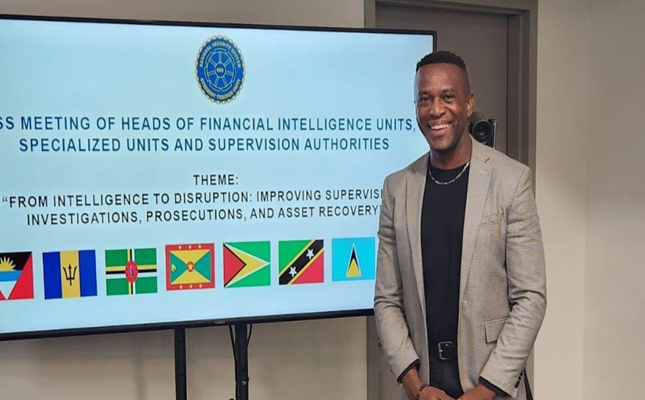
    Andre Cadogan, Senior Regulator at the FSRC’s Nevis Branch, represented Nevis at the RSS Meeting of Heads of Financial Intelligence Units, Specialized Units, and Supervision Authorities, held from April 30 to May 1 under the official theme “From Intelligence to Disruption: Improving Supervision, Investigations and Asset Recovery”. The gathering brought together top financial oversight and intelligence leaders from across the Caribbean region to align strategies for countering evolving transnational financial threats.

    During the summit, Cadogan joined targeted strategic working sessions focused on closing gaps between financial intelligence gathering and on-the-ground enforcement action. In his remarks on the importance of Nevis’ participation, he emphasized that ongoing engagement with regional regulatory initiatives is core to protecting the integrity of Nevis’ growing international financial services sector.

    “As the global regulatory landscape evolves toward more aggressive cross-border asset recovery and stricter oversight of virtual asset activities, maintaining an active seat at these regional discussions ensures Nevis stays aligned with the latest international standards,” Cadogan explained. “By integrating our local supervisory framework with regional intelligence networks and guidance from the Financial Action Task Force (FATF), we are moving beyond reactive responses to financial crime to build a proactive disruption model. This approach protects our jurisdiction’s reputation and preserves a secure, transparent operating environment for legitimate international business.”

    The two-day summit facilitated intensive technical knowledge sharing across four core priority areas of modern financial oversight. First, delegates conducted joint regional trend analysis, with presentations outlining emerging patterns in financial investigations and the unique risk vulnerabilities created by the free movement of people and capital across Caribbean member states. Second, expert-led working groups focused on strengthening Anti-Money Laundering/Countering the Financing of Terrorism/Countering Proliferation Financing (AML/CFT/CPF) frameworks for Designated Non-Financial Businesses and Professions (DNFBPs), working to bring non-banking financial sectors in line with FATF’s 4th Round Assessment standards. Third, participating delegations reviewed updated FATF guidance on cross-border asset recovery and participated in practical simulation exercises focused on the enforcement and regulatory management of digital virtual assets. Finally, attendees advanced plans to launch a new Regional Typology Repository, a shared resource designed to help Financial Intelligence Units and specialized enforcement units across the Caribbean identify and close cross-border operational gaps that criminals exploit.

    Nevis FSRC’s consistent participation in regional regulatory summits underscores the jurisdiction’s longstanding commitment to upholding its standing as a trusted, well-regulated premier international financial center. Nevis’ financial services sector has continued to see steady, robust growth in recent years, fueled by its diverse suite of popular business and wealth management products, including international trusts, multiform foundations, and flexible limited liability company structures.

    By prioritizing a rigorously regulated operating environment that adheres strictly to global compliance norms, Nevis has positioned itself as a leading destination for international investors seeking stability, transparency, and sophisticated financial infrastructure to support their cross-border activities.

  • Presentation of OAS progress in support of Haiti

    Presentation of OAS progress in support of Haiti

    On Wednesday, May 6, 2026, Organization of American States (OAS) Secretary General Albert R. Ramdin delivered a comprehensive progress update to the bloc’s Permanent Council in Washington, D.C., detailing the hemispheric body’s ongoing work to support stability and development in crisis-stricken Haiti. The update outlined measurable advances across five core priority areas: political mediation, electoral system preparation, security sector assistance, international coordination, and expansion of the OAS’s institutional footprint within Haiti.

    Ramdin emphasized that all OAS initiatives are centered on the principle of Haitian-led solutions, with a core focus on aligning national and international stakeholders and moving toward structured implementation of the widely endorsed Haiti Roadmap for Stability and Peace.

    One of the most critical achievements highlighted by the Secretary General was the OAS’s intervention during the period surrounding February 7, 2026, a window marked by severe institutional uncertainty in the Caribbean nation. Leveraging its formal good offices mandate, behind-the-scenes quiet diplomacy, and coordinated outreach to Haitian authorities, regional bodies, and global partners, the OAS played a key role in preserving executive branch continuity and preventing a far-reaching collapse of state institutions.

    On the electoral front, Ramdin noted that the December 2025 adoption of Haiti’s Electoral Decree marked a key turning point, shifting the process from broad planning to concrete, organized preparation. Through its Department of Electoral Cooperation and Observation, the OAS maintains an ongoing technical working group with Haiti’s Provisional Electoral Council, responding to requests for support in critical areas including electoral technology, voter information systems, and institutional capacity building.

    In the security domain, the OAS has evolved its support from planning to active operational assistance, Ramdin reported. Current engagement includes backing for the civilian component of Haiti’s Gang Suppression Force (GSF), alongside targeted initiatives to upgrade national police capacities, improve security infrastructure, deliver specialized training, strengthen anti-gang financial investigations, and boost security at Haiti’s key maritime ports and coastal borders.

    Ramdin also spotlighted progress on the development of the Haiti Roadmap Dashboard, a transparency and coordination tool designed to provide clearer visibility, full traceability, and greater accountability for all contributions and advances made by the international community. The first phase of the platform, which maps all ongoing OAS-led projects, is already complete, and the second phase will integrate data on bilateral support provided by individual OAS member states. Ramdin called on member state delegations to submit any outstanding contribution data to ensure the platform accurately captures the full scope of collective global support for Haiti.

    Haiti’s Permanent Representative to the OAS, Jean Josué Pierre, confirmed that the Secretary General’s report aligned with on-the-ground conditions in his country. He noted that while progress remains modest, Haiti is now seeing tangible signs of hope, with the capital gradually reclaiming space for normal daily life, peace, and improved security after years of widespread gang violence and institutional collapse. Pierre stressed that the immediate priority is to consolidate current gains and scale up international and national efforts. He also announced that Haiti would submit a draft resolution titled “Support for Haitian-Led Stabilization and Strengthening Coordination of Hemispheric Assistance” for debate at the upcoming OAS General Assembly, scheduled to take place in Panama in June 2026.

    In additional procedural updates, Ramdin confirmed that ahead of the June 22–24 General Assembly in Panama, the OAS will convene a new meeting of the Group of Friends of Haiti. The gathering will serve to review accumulated progress, align on next steps for implementation, and mobilize additional resources and political backing for the priorities laid out in the Haiti stabilization roadmap.

    Closing his presentation, Ramdin noted that the path to long-term stability in Haiti will continue to require consistent determination, coordinated action, and a shared commitment to Haitian sovereignty. “The road ahead will continue to require determination, coordination, and a shared sense of purpose. The OAS stands ready to continue contributing to this effort as a platform for alignment, a facilitator of dialogue, and a partner in implementation,” he said.