博客

  • Dominican Republic restores consular services in Caracas

    Dominican Republic restores consular services in Caracas

    After an extended period of suspended on-site operations, the Dominican Republic has formally restarted activities at its Consulate General in Caracas, Venezuela, marking a key shift in its regional consular infrastructure. The country’s Ministry of Foreign Affairs, commonly known by its Spanish acronym MIREX, confirmed that full service delivery resumed on Thursday, October 1, bringing accessible in-person consular support back to both Dominican residents and foreign nationals in Venezuela.

    A wide range of routine and emergency services are now available directly at the Caracas location, matching the full scope of services offered before operations were paused. These include new passport applications and renewals, emergency travel document issuance, notarization of power of attorney, travel authorizations for minors, official registration of Dominican citizens living abroad, civil marriage registration procedures, and emergency protection and support for Dominican citizens facing crises in Venezuela. Crucially, MIREX has confirmed that all service fee schedules remain unchanged from prior rates, avoiding additional cost burdens for applicants.

    To ensure a smooth transition, the foreign ministry has laid out clear protocols for ongoing applications. While new requests can now be submitted directly in Caracas, any procedures that were already started at the Dominican Republic’s alternate consular processing hub in Bogotá, Colombia, will remain in the Colombian capital through completion. No partially processed documents will be transferred from the Bogotá office to the newly reopened Caracas consulate, and any applicants with pre-scheduled appointments in Bogotá are required to attend their scheduled sessions as planned to avoid delays to their cases.

    The reopened consulate is led by newly appointed or returning Consul General Héctor Pastor Vásquez, and operates from its long-standing regular location: Multicentro Empresarial del Este, Torre Libertador, Núcleo A, 17th Floor, Office 174, along Avenida Libertador in Caracas’ Chacao municipality. Public service hours are set from 8:00 a.m. to 1:00 p.m. local time on working days, and multiple channels are available for the public to seek additional information or assistance. Inquiries can be made via phone at (0212) 263-8256 or (0212) 264-5596, through WhatsApp at +58 422-4101237, or via official email at [email protected].

    The resumption of consular operations in Caracas addresses a longstanding inconvenience for Dominican citizens living in Venezuela, who previously had to coordinate with the Bogotá office for all consular needs, often incurring extra travel and logistics costs. The move also signals a potential normalization of bilateral practical engagement between the Dominican Republic and Venezuela, after years of adjusted diplomatic and consular arrangements in response to regional political shifts.
  • FESTUR 2026 set to promote tourism and business opportunities in Sánchez Ramírez

    FESTUR 2026 set to promote tourism and business opportunities in Sánchez Ramírez

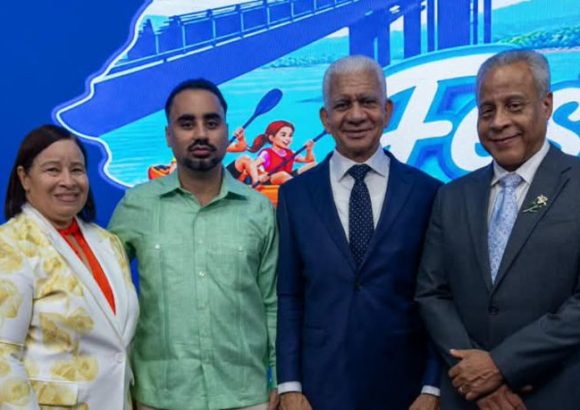
    The Dominican Republic’s province of Sánchez Ramírez is gearing up to host the highly anticipated fourth edition of FESTUR Sánchez Ramírez 2026, a five-day multi-sector festival kicking off November 5 at the iconic Hatillo Dam. Designed to frame the region as a top-tier national travel destination, the event weaves together tourism, local culture, traditional gastronomy, and cross-sector business opportunities into one immersive experience.

    The official launch of the 2026 festival was held at the Senate Auditorium, where the Sánchez Ramírez Ecotourism Development Council unveiled the full event framework to stakeholders and the public. Senator Ricardo de los Santos was in attendance at the presentation, extending a public invitation to domestic and international travelers to join the celebration while emphasizing the event’s long-term value in unlocking the province’s untapped tourism potential.

    Centered on the theme “Living Territory, Our Land, More Than a Destination,” the 2026 festival goes beyond simple entertainment, aiming to highlight the full breadth of the region’s unique natural landscapes, diverse cultural heritage, and award-winning local cuisine. A core priority of the event is creating dedicated commercial spaces for small local businesses and independent entrepreneurs to showcase their products and services to a large, diverse audience of visitors.

    The packed five-day schedule includes a wide range of activities for attendees of all ages and interests: curated guided tourist routes through scenic regional landscapes, guided horseback riding excursions, a popular 6K community road race, multiple competitive and recreational sporting events, an ecological fishing tournament, a large-scale food fair highlighting local culinary traditions, exhibitions of handcrafted arts and goods from regional artisans, and nightly cultural and artistic performances from local and national groups.

    Unlike previous temporary iterations of the festival, organizers are investing in permanent public infrastructure that will remain accessible to residents and visitors year-round after the 2026 event concludes. A key highlight of this investment is the fully renovated Cultural Train, a heritage attraction that will serve as a lasting cultural asset for the province.

    For the 2026 edition, the United States has been invited as the official guest country, and the neighboring Hermanas Mirabal province will join as the official guest province of honor. Additional event features include dedicated commercial exhibition spaces, a custom-built Podcast Center for media creators, a large main stage for headline performances, and a special exhibition tied to Guinness World Records that is expected to draw extra visitor interest.

    Organizers report that past editions of FESTUR have already established the festival as a cornerstone of the province’s tourism and economic development strategy. Previous three-day iterations drew an impressive 30,000 to 40,000 total visitors, creating a powerful platform for regional promotion, business networking, and inclusive local economic growth. With the expanded 2026 fourth edition, event leaders aim to solidify Sánchez Ramírez’s reputation as a must-visit travel destination while opening new sustainable economic opportunities for local businesses, entrepreneurs, rural communities, and all of the province’s key productive sectors.

  • Mexico: President Claudia Sheinbaum marks two years in power

    Mexico: President Claudia Sheinbaum marks two years in power

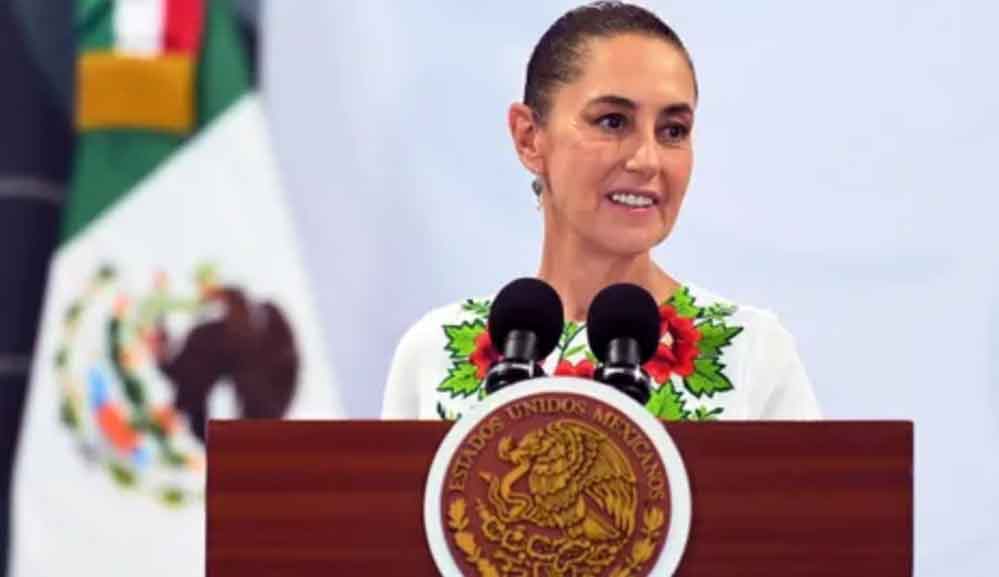
    When Claudia Sheinbaum took office as Mexico’s first female head of the executive branch, she inherited a policy framework forged by her predecessor Andrés Manuel López Obrador, who led the country from 2018 to 2024. Staying consistent with her predecessor’s fiscal philosophy, Sheinbaum has continued rolling out strict administrative austerity measures, while placing a core policy priority on expanding what she calls “efficient tax collection” across the country.

    This policy focus has already delivered measurable, historic results. Official data shows that total federal government revenue hit an all-time record of 6.046 trillion Mexican pesos, equivalent to roughly 334.162 billion U.S. dollars, in the last full calendar year. Updated figures running through August 2026 indicate that revenue has grown by an additional 149 billion pesos (around 8 billion U.S. dollars) when compared to the same eight-month period in 2025.

    Sheinbaum’s administration has redirected these growing public funds into high-priority domestic investments that directly benefit Mexican communities. Funding has been channeled into expansive social assistance programs projected to reach more than 42.86 million people by the end of 2026, alongside upgrades to educational and healthcare facilities, affordable housing developments, critical water infrastructure, new road and rail connections, and expanded public security initiatives.

    These strong fiscal gains come against a volatile global economic backdrop, marked by shifting U.S. trade tariff policies and sustained upward pressure on global oil prices. Despite these external headwinds, the economic model implemented by the current Mexican administration has posted clear positive outcomes that outperform many regional projections.

    Beyond economic policy, Sheinbaum has carved out a clear diplomatic stance in relations with the United States, which has faced renewed tensions since Donald Trump returned to the U.S. presidency. While Sheinbaum has openly committed to maintaining productive cross-border collaboration on shared priorities, she has drawn a firm line on Mexico’s national autonomy, making clear that the country’s sovereignty is non-negotiable. In her framing, bilateral cooperation between the two North American neighbors will continue, but it will never come at the cost of Mexican subordination to U.S. interests.

  • China schort brandstofexport op, mondiale markt verder onder druk

    China schort brandstofexport op, mondiale markt verder onder druk

    As of October 1, China’s major oil refining facilities have suspended exports of refined oil products to nearly all international markets, a policy shift that is expected to add further strain to an already strained global fuel market and drive up energy prices worldwide. Only exports to Hong Kong and Macau are exempt from the new restrictions, which stem from Beijing’s refusal to grant export quotas for October to the country’s leading refiners. The core goal of the move is to safeguard domestic fuel inventories amid ongoing domestic demand uncertainty.

    State energy giant PetroChina has already scrapped multiple planned October shipments of gasoline and jet fuel, while Zhejiang Petrochemical, one of China’s largest private refining operators, has scheduled no export deliveries during the country’s Golden Week national holiday period that runs from October 1 to 7. It remains unclear how long the export restrictions will remain in place. Industry sources note that Beijing’s decision on whether to resume export approvals after the holiday will hinge on two key factors: the size of domestic fuel stockpiles and domestic refinery production levels.

    The Chinese policy change comes at an extremely sensitive juncture for global energy markets, which are already grappling with widespread supply disruptions. Existing supply chain shocks from major producers in the Middle East and Russia, including recent attacks on Russian refining infrastructure, have already cut into global supplies of refined petroleum products. Compounding this uncertainty, the U.S. administration is also considering implementing restrictions on diesel exports in a bid to rein in skyrocketing domestic fuel prices. Former U.S. President Donald Trump confirmed Wednesday that an export ban remains under active review.

    The global diesel market is particularly exposed to the latest disruption. Following news of China’s export suspension, Asian diesel production margins jumped to roughly $75 per barrel, hitting a one-week high. Market analysts warn that if Chinese supply remains off the market for an extended period, both diesel and jet fuel will face significant additional upward price pressure. China boasts the world’s largest crude oil refining capacity, and in times of global deficit, it has long served as a critical supplementary supplier to international markets – a role that is now temporarily sidelined. As recently as August, China exported 6.01 million tons of oil products, marking a 12.7% year-on-year increase in outbound shipments.

    Global crude oil prices also moved sharply in response to the new development. Benchmark Brent crude climbed around 2% to trade near $100 per barrel, while U.S. West Texas Intermediate crude settled at approximately $92.50 per barrel. Market volatility stems from widespread expectations that the reduction in Chinese fuel exports will widen existing global supply gaps.

    For economies that rely heavily on fuel imports, a prolonged export restriction could have far-reaching impacts beyond just higher prices at the pump. Diesel is a foundational energy source for global freight transport, agriculture, construction, and industrial production, while higher jet fuel costs will directly raise operating expenses for the global aviation sector. In regions like the Caribbean, higher fuel and transport costs are expected to trickle down to push up prices for all imported consumer goods. If Beijing chooses to extend the export curb after October 7, what was expected to be a temporary adjustment could become the latest major disruption to an already fragile global fuel market.

  • CARICOM mourns death of President Gabriel Serville of French Guiana

    CARICOM mourns death of President Gabriel Serville of French Guiana

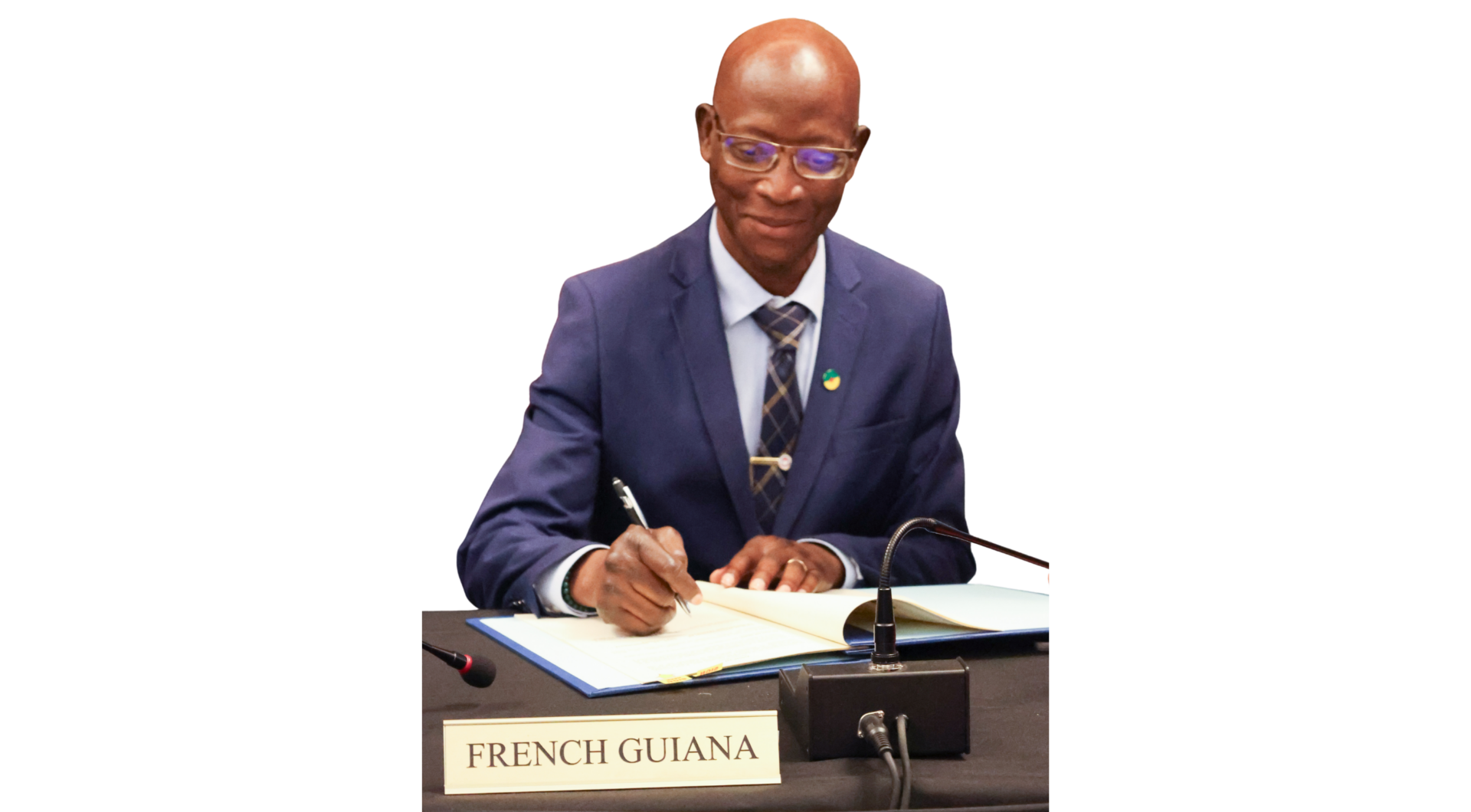
    Gabriel Serville, the respected President of the Territorial Collectivity of French Guiana (CTG), passed away on Wednesday, September 30 at Cayenne University Hospital at the age of 67, according to regional reporting from NCN Guyana.

    Before launching his political career in 2012, Serville built a decades-long professional foundation in education, working first as a mathematics teacher before rising to the role of a high school principal. This background in public service shaped his policy priorities after he won the CTG presidency in 2021, when he centered his administration on two core goals: securing greater autonomy for the French overseas territory and advancing regional integration with neighboring Caribbean and South American nations.

    His most landmark policy achievement came in July 2026, when years of persistent advocacy and diplomatic outreach culminated in French Guiana officially gaining status as the eighth Associate Member of the Caribbean Community (CARICOM), a major regional bloc focused on economic integration and collaborative development across the Caribbean.

    In the wake of Serville’s death, CARICOM joined political leaders, residents of French Guiana, and regional stakeholders in mourning the loss of the transformative leader. In an official statement released after the announcement of his passing, the organization highlighted Serville’s lifelong commitment to public service and credited him as the central driving force behind French Guiana’s successful accession to Associate Membership.

    “The Community is deeply saddened by the death of President Serville,” the statement read, adding that the bloc recognizes “his contribution to efforts to promote dialogue and cooperation in areas critical to regional development.” CARICOM also formally extended its deepest condolences to the government and people of French Guiana as they grieve.

  • Cuban academician highlights exchange with Russia

    Cuban academician highlights exchange with Russia

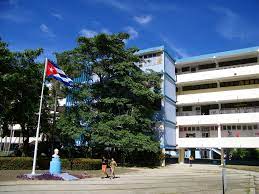
    A long-running academic exchange partnership between Cuban and Russian higher education institutions has entered its third year, as a key component of one Cuban university’s ongoing push to expand its global academic footprint. Triana Poll, a researcher involved with the initiative, shared details of the program with Prensa Latina via the messaging platform WhatsApp, outlining the structure, participating institutions, and long-term goals of the collaborative effort.

    Four leading Russian higher education institutions are core partners in the current iteration of the exchange, with Southern Federal University taking the lead in coordinating program logistics and activities. Joining Southern Federal University are three other prominent Russian academic centers: Siberian Federal University, the Pushkin Institute based in Moscow, and Moscow Pedagogical University.

    This year’s program kicked off earlier this fall and is scheduled to continue through October 18, with a diverse curriculum designed to support both skill-building and collaborative research. Participants take part in intensive Russian language coursework, engage in structured researcher exchanges, and receive one-on-one mentorship tailored to advance each individual’s specific scientific research projects.

    Poll emphasized that the hands-on, interactive model of the exchange creates tangible long-term benefits beyond the immediate program period. By bringing early-career researchers and students from both countries into direct working contact, the initiative accelerates individual research progress while laying the groundwork for lasting institutional partnerships, long-term mentorship relationships, co-authored academic publications, and a wide range of other future cooperative projects.

    A small cohort of Cuban scholars and students is participating in this year’s edition from the University of Camagüey. Two undergraduate students, Marlon Garcia Barata studying Computer Engineering and Lianyi Bisbe Montero majoring in Chemical Engineering, earned selection from across Cuba to take part in the international experience. Poll herself is part of the cohort, conducting on-site research focused on science communication. Additionally, PhD candidate Joaquin Marquez Meriño from the University of Camagüey’s Faculty of Applied Sciences is currently completing an academic residency at Southern Federal University.

    Looking ahead, the program has scheduled additional collaborative activities to deepen cross-cultural and academic ties in the coming weeks. Cuban participants will deliver a series of public lectures on Cuban culture for the student body at Siberian Federal University. Separately, delegations from the partner institutions will hold formal meetings with Siberian Federal University administrators to explore expanded collaboration across multiple high-priority fields, including computer science, chemistry, biology, linguistics, and science communication, with the goal of formalizing new partnership agreements down the line.

  • Chileans protest against education cuts

    Chileans protest against education cuts

    A broad coalition of Chilean civil society groups is preparing to stage coordinated national demonstrations, with the country’s largest student federation at the helm of the organizing effort. The Confederation of Chilean Students (CONFECH), which leads the initiative, has secured participation from a diverse range of ally organizations, including the Chilean Teachers’ College, the Unitary Workers’ Union (better known locally as CUT), and the 8M Feminist Coordinating Committee, alongside many other smaller community and advocacy groups.

    The flagship mobilization in the capital city of Santiago will kick off at Baquedano Metro station, one of the city’s most centrally located transit hubs. From there, thousands of expected marchers will progress along the iconic Alameda Avenue, Chile’s most famous thoroughfare, before concluding their demonstration at the historic Plaza de los Héroes.

    Beyond the capital, parallel mobilizations are already scheduled in major regional hubs across the country. In the coastal port city of Valparaiso, demonstrators will gather to start their protest at the central Plaza Sotomayor, a public space that has long been a site for civic activism in the region. In the southern city of Concepcion, a rally is set to take place directly outside the city’s main Courthouse building, drawing participants from across the Bio Bio region.

    Organizing sources confirm that protest actions will spread to at least 15 distinct cities spanning all three of Chile’s major geographic regions: the northern desert territories, the populous central zone that includes Santiago and Valparaiso, and the southern lake and forest regions. Critically, the timing of these nationwide rallies is deliberate: they are scheduled to coincide with the formal submission of the Chilean government’s 2027 national budget bill, which is scheduled to open for debate in the country’s Congress next week.

  • Dr Lynette Holder appointed chair of BRA Board

    Dr Lynette Holder appointed chair of BRA Board

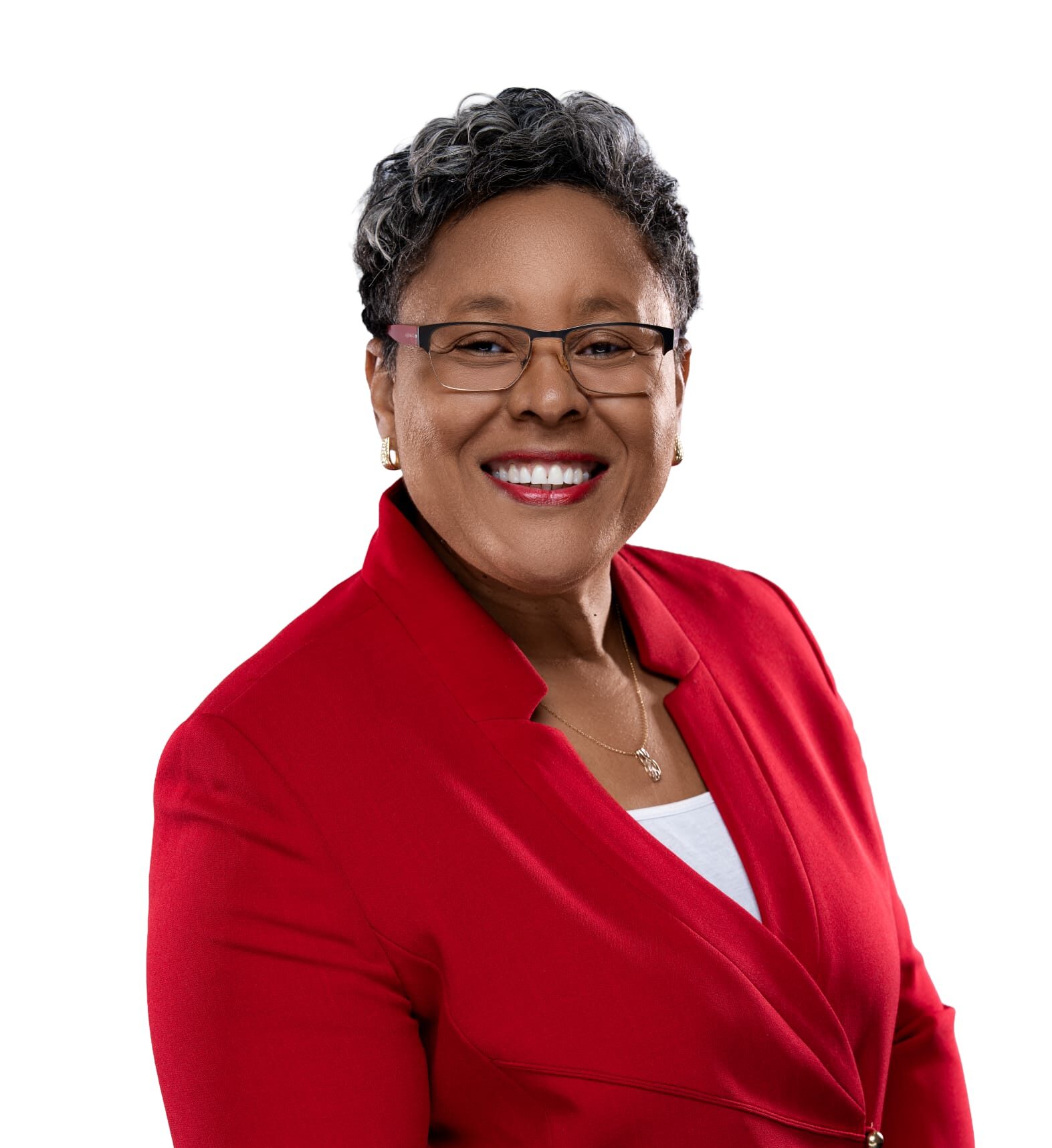
    In an official statement released this week, the Barbados Revenue Authority (BRA) has confirmed a key leadership transition at the highest level of its governing body, announcing that Dr. Lynette Holder will take up the position of Board Chair starting July 31, 2026.

    Dr. Holder currently serves as Chief Executive Officer of the Small Business Association of Barbados, bringing with her a decades-long career marked by cross-sector expertise and regional leadership impact. Widely recognized as an accredited governance specialist, she has established a reputation as a trailblazer in financial services supervision, a vocal advocate for small business growth across Barbados, and a seasoned authority on strategic business administration. Her professional portfolio boasts more than 35 years of hands-on business experience spanning Barbados and the broader Caribbean region, a track record that BRA officials say positions her uniquely to guide the revenue authority forward.

    She will step into the role vacated by Sandra Osborne, who has led the BRA Board for the past 12 years. Importantly, all other sitting members of the BRA Board will retain their positions, a decision designed to preserve institutional continuity in the agency’s regulatory oversight and long-term strategic direction. The senior management and full staff of BRA have issued a collective message of sincere gratitude to Osborne, honoring her years of dedicated service and steady leadership.

    Jason King, BRA’s Revenue Commissioner, emphasized the significance of this transition in his remarks on the appointment. “We are delighted to welcome Dr. Holder as board chair,” King said. “Her robust governance credentials and deep, nuanced understanding of Barbados’ business landscape will be an invaluable asset to the authority as we carry out our core mandate. We also want to place on record our sincere thanks to Sandra Osborne for her outstanding contribution to the organization over the past 12 years, and we wish her every success in all her future pursuits.”

  • Bramble dismisses need for Plan B, confident court will not rule against him

    Bramble dismisses need for Plan B, confident court will not rule against him

    A high-stakes election petition trial over dual citizenship eligibility for parliamentary office is moving forward in St. Vincent and the Grenadines, with top leaders of the ruling New Democratic Party (NDP) standing firm in their defense of their legal and constitutional status.

    The case stems directly from the November 2025 general election, where defeated Unity Labour Party (ULP) candidates have mounted legal challenges against two elected NDP officials. Carlos Williams, who lost his bid against NDP leader and current Prime Minister Godwin Friday, challenged Friday’s eligibility over his dual Vincentian-Canadian citizenship. Separately, Luke Browne of the ULP brought an identical challenge against Foreign Affairs Minister Dwight Fitzgerald Bramble, who secured a second victory as the Member of Parliament for East Kingstown. At the heart of the legal dispute is a critical open question of constitutional interpretation: whether holding Canadian citizenship counts as owing allegiance to a foreign power under Section 26(1)(a) of the country’s constitution, or if dual citizens from other Commonwealth nations are protected from disqualification under existing constitutional provisions.

    On Tuesday, both Prime Minister Friday and Minister Bramble underwent cross-examination before Justice Gertel Thom. Court proceedings resumed on Wednesday, when several NDP supporters from the island of Bequia were cross-examined regarding their sworn affidavits submitted as part of the defense case.

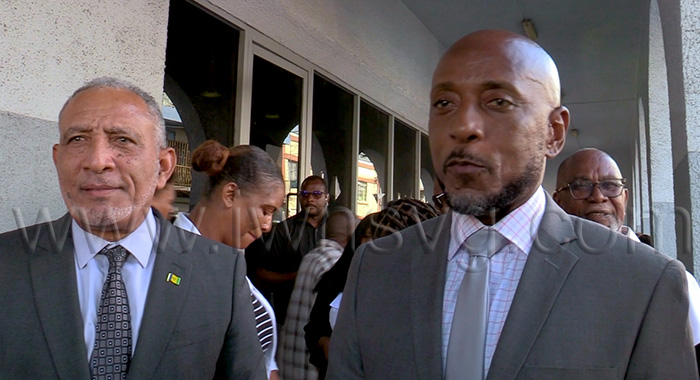
    Speaking to reporters from iWitness News outside the Kingstown High Court after Wednesday’s proceedings, Bramble made clear he would not address hypothetical questions about whether he would renounce his Canadian citizenship if the High Court rules against his position. Bramble emphasized that he holds absolute confidence in the defense’s case, arguing that his dual citizenship does not violate any constitutional bar to serving in parliament or running for elected office. “My understanding of the St. Vincent and the Grenadines Constitution convinces me of that; and the fact of the matter is, if that was really the case, this would have happened a long time ago,” Bramble stated. He added, “I am confident that we will win the case, so that question wouldn’t even need to be considered.”

    Prime Minister Friday echoed Bramble’s confidence, telling reporters that he remains optimistic about the outcome and views the ongoing trial as a standard part of the constitutional process. Friday noted that Vincentian voters were fully aware of both his and Bramble’s dual citizenship status ahead of the November election, and still elected both officials by overwhelming margins — Friday for the Northern Grenadines constituency, and Bramble for East Kingstown. “Because I know that this is not a matter that affects our eligibility, and it certainly doesn’t affect our performance, our commitment, and the hard work that you’re doing on behalf of the people,” Friday said.

    The Prime Minister did express regret that he is required to spend extensive time in court rather than fulfilling his governing duties for the people of St. Vincent and the Grenadines. Even so, he rejected any claims that the election petition itself represents an infringement on the country’s democratic process, framing the court battle as a legitimate component of the nation’s constitutional framework. “Everybody has their day in court,” Friday said, reiterating that the 2025 election results reflect the clear will of voters, who overwhelmingly supported the NDP and its leadership. “What is the most democratic thing that happens in our system of government is that the people vote, and last November, the people voted overwhelmingly for the New Democratic Party, for me as prime minister, for Bramble as representative for East Kingstown.”

    Bramble confirmed that the NDP is allowing the legal challenge to run its full course, and the party is fully complying with all court procedures. “But we are so very confident that we will prevail, but the process must take its course,” he said.

    Defense attorney Shirlan “Zita” Barnwell explained that pursuing a court ruling on the matter is a critical step to establishing a clear, definitive interpretation of the constitution, even if some have argued the NDP leaders could simply renounce their foreign citizenship to end the dispute. Barnwell pointed out that the St. Vincent and the Grenadines Constitution only references eligibility for Commonwealth citizens, with no explicit requirement that candidates hold exclusive Vincentian citizenship. The core unresolved question for the court, Barnwell noted, is whether dual citizenship with another Commonwealth nation disqualifies a candidate from parliament, or if Commonwealth citizenship status protects their eligibility to run for office. The attorney added that the legal ambiguity around whether another Commonwealth country counts as a “foreign power” under the constitution has left many Vincentian voters unclear on the current rules. “As far as we are concerned, as far as what the law appears to be saying, there is absolutely nothing wrong in being a Vincentian and Canadian at the same time when you are running for political office,” Barnwell added.

    As of this week, the trial remains ongoing.

  • Antigua Recreation Grounds to Be Converted Into 5,000-Seat Football Stadium With FIFA Funding

    Antigua Recreation Grounds to Be Converted Into 5,000-Seat Football Stadium With FIFA Funding

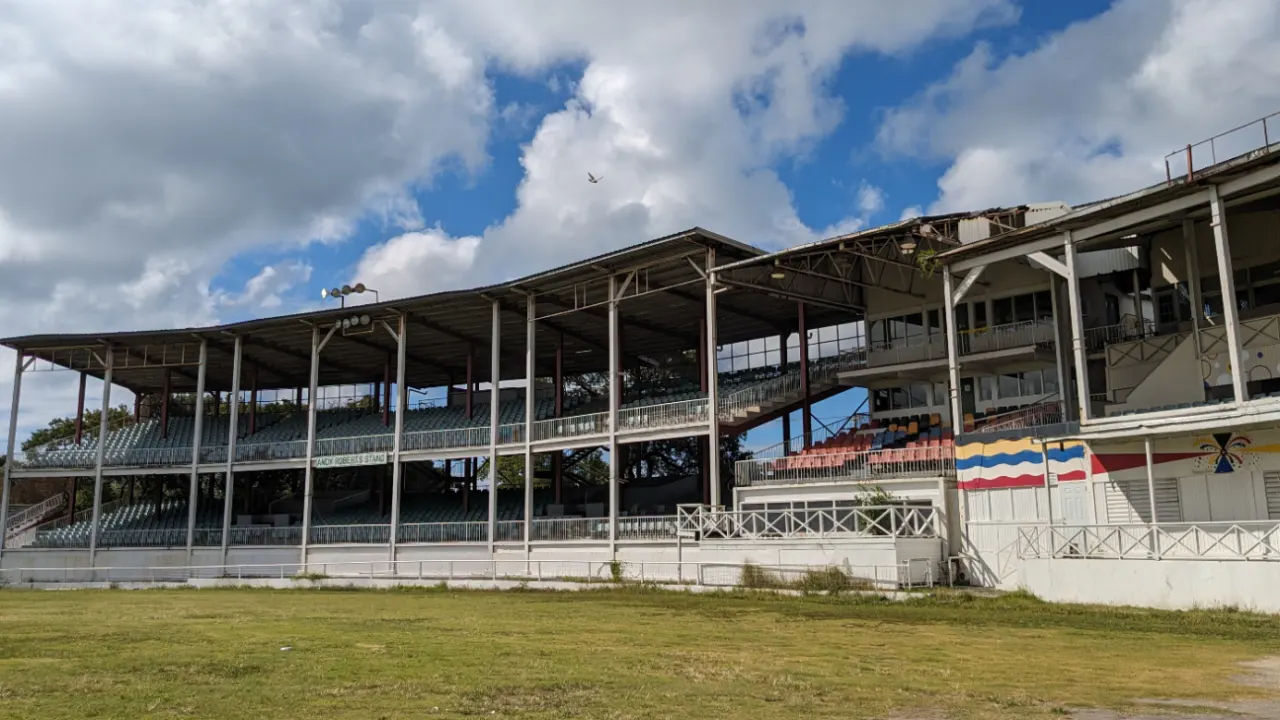
    Antigua and Barbuda’s Cabinet has approved a strategic plan to repurpose the historic Antigua Recreation Grounds (ARG) into the nation’s official home of football, converting the existing venue into a modern 5,000-seat stadium with funding committed by global football governing body FIFA. The announcement of this forward-thinking decision was made by Director General of Communications Maurice Merchant during a post-Cabinet media briefing held on Thursday.

    Rather than waiting more than half a decade for a completely new purpose-built football stadium to be constructed, the government has opted to prioritize the faster rehabilitation of the existing iconic ARG site. When FIFA President Gianni Infantino visited the twin-island nation recently, he pledged financial support for the development of a new national football stadium. But Cabinet analysis found that constructing a brand new facility from the ground up would take roughly five years, and potentially even longer, to complete.

    Under the revised plan, the government will redirect the pledged FIFA funding toward the extensive reconstruction and upgrade of the current Antigua Recreation Grounds, transforming it into a regulation 5,000-seat football venue that meets international standards. Before any construction work can get underway, the revised proposal must first be reviewed by FIFA and secure formal approval from the organization’s leadership.

    Merchant emphasized that the decision to redevelop the existing venue carries multiple key benefits. First, it will cut down waiting times dramatically, allowing upgrade work to commence far earlier than it would for a new build. Second, the revamped ARG will retain its ability to host a wide range of other major national and international events beyond football. The upgraded venue will continue to host international Test cricket matches, annual Carnival celebrations, and a variety of other key cultural events that have long called the historic grounds home.

    “Once FIFA signs off on the funding arrangement for this plan, we will deliver a fully renovated, world-class Antigua Recreation Grounds that is specifically tailored to meet the needs of international football,” Merchant stated, outlining the government’s end goal for the project.