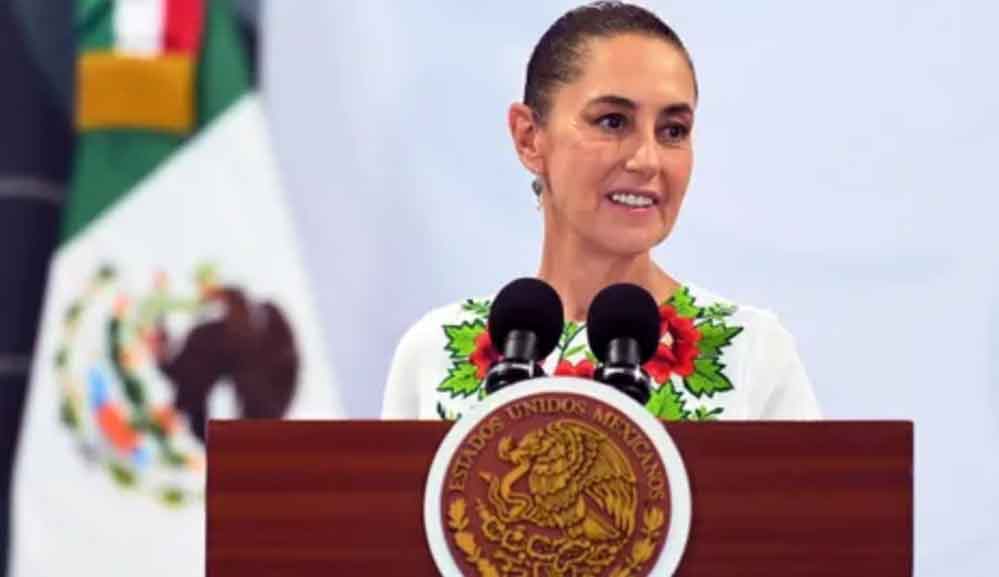
When Claudia Sheinbaum took office as Mexico’s first female head of the executive branch, she inherited a policy framework forged by her predecessor Andrés Manuel López Obrador, who led the country from 2018 to 2024. Staying consistent with her predecessor’s fiscal philosophy, Sheinbaum has continued rolling out strict administrative austerity measures, while placing a core policy priority on expanding what she calls “efficient tax collection” across the country.
This policy focus has already delivered measurable, historic results. Official data shows that total federal government revenue hit an all-time record of 6.046 trillion Mexican pesos, equivalent to roughly 334.162 billion U.S. dollars, in the last full calendar year. Updated figures running through August 2026 indicate that revenue has grown by an additional 149 billion pesos (around 8 billion U.S. dollars) when compared to the same eight-month period in 2025.
Sheinbaum’s administration has redirected these growing public funds into high-priority domestic investments that directly benefit Mexican communities. Funding has been channeled into expansive social assistance programs projected to reach more than 42.86 million people by the end of 2026, alongside upgrades to educational and healthcare facilities, affordable housing developments, critical water infrastructure, new road and rail connections, and expanded public security initiatives.
These strong fiscal gains come against a volatile global economic backdrop, marked by shifting U.S. trade tariff policies and sustained upward pressure on global oil prices. Despite these external headwinds, the economic model implemented by the current Mexican administration has posted clear positive outcomes that outperform many regional projections.
Beyond economic policy, Sheinbaum has carved out a clear diplomatic stance in relations with the United States, which has faced renewed tensions since Donald Trump returned to the U.S. presidency. While Sheinbaum has openly committed to maintaining productive cross-border collaboration on shared priorities, she has drawn a firm line on Mexico’s national autonomy, making clear that the country’s sovereignty is non-negotiable. In her framing, bilateral cooperation between the two North American neighbors will continue, but it will never come at the cost of Mexican subordination to U.S. interests.