博客

  • Billiard Kings Complete Semifinal Sweep to Secure NPPA Third-Place Trophy

    Billiard Kings Complete Semifinal Sweep to Secure NPPA Third-Place Trophy

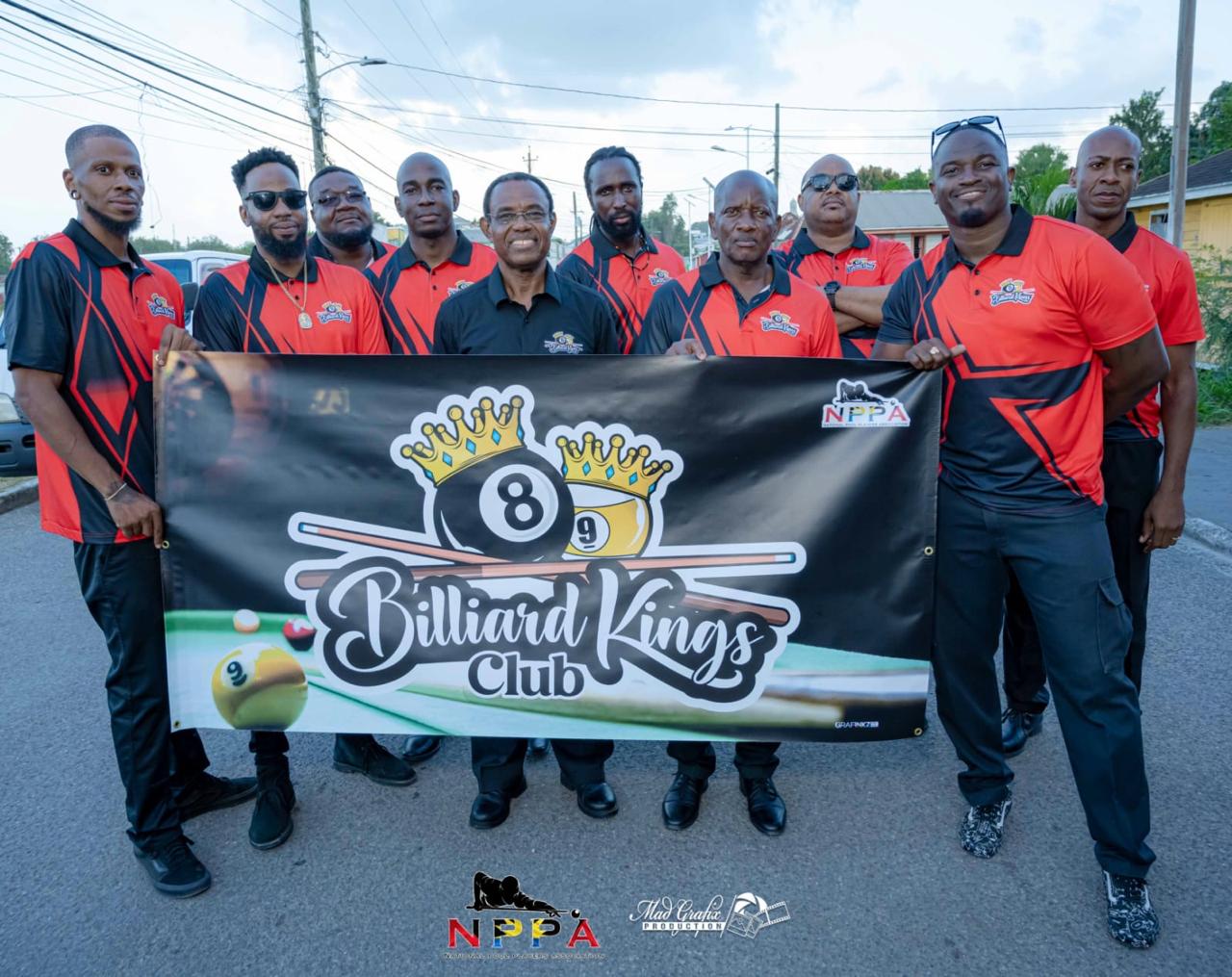
    On a tense Wednesday night of postseason pool action, the Billiard Kings delivered a commanding 5-2 victory over Cue Action, closing out a flawless three-match semifinal sweep and claiming the third-place honors at the 2026 National Pool Players Association (NPPA) Team Tournament. The three-game series unfolded as a study in contrasting narratives, marked by dramatic momentum shifts and standout individual performances that highlighted the intensity of elite competitive pool.

    The opening clash of the series kept spectators on the edge of their seats, as Cue Action mounted a fierce late comeback from an early deficit and advanced to match point before ultimately falling by a narrow 5-4 margin in a decisive final rack. The following night, the Billiard Kings shifted into high gear, shutting out their opponents completely with a dominant 5-0 win that left Cue Action facing an almost impossible uphill battle to force a fourth match.

    When the third and final match got underway, Cue Action appeared primed to mount the comeback they needed. Captain Wendy got his side on the scoreboard first, taking down the Billiard Kings’ Demolition Man in straight racks to draw first blood and spark early optimism among Cue Action’s camp. That momentum built further when Willy pulled out a tight 2-1 win over the Kings’ Marshall: after Marshall claimed the opening rack, Willy responded with back-to-back wins to push Cue Action to a 2-0 lead early in the contest.

    From that point onward, however, the Billiard Kings seized full control of the table and never let go. The Kings’ Sniper kicked off their comeback with a calm, collected straight-rack victory over Randy, cutting Cue Action’s lead in half, before Killa extended the momentum by defeating Esmil 2-1 — marking the second straight night Killa had outperformed his opponent. Next, Henry secured the Billiard Kings’ first lead of the evening, outlasting Pachy 2-1 in another hard-fought battle that shifted the series firmly in the Kings’ favor.

    One of the most compelling storylines of the night was the breakout performance of Grim, who has turned into one of the Billiard Kings’ most impactful postseason players after a winless regular season. Facing Cue Action’s import Alfredo, Grim dropped the opening rack before rallying for back-to-back wins to secure the point, putting the Kings one victory away from clinching the series. This win cemented Grim’s status as one of the most surprising and impressive turnaround stories of the entire tournament.

    With the Kings holding a 4-2 lead and the finish line within reach, Jason Roberts stepped up to the table to close out the series. He delivered exactly when it mattered, defeating Cigarro in straight racks to lock in the decisive fifth point and seal the 5-2 match win. The final outcome wraps up a 3-0 clean sweep of the semifinal series for the Billiard Kings, capping off a standout postseason run that has cemented their reputation as one of the most formidable teams in the competition. After surviving a nail-biting opening match, dominating the second encounter, and closing out the series with confidence on Wednesday night, the Billiard Kings depart the 2026 NPPA Team Tournament with the third-place trophy and a massive wave of momentum heading into future competitions.
  • Antigua and Barbuda Urges United Regional Response to Modern Security Threats

    Antigua and Barbuda Urges United Regional Response to Modern Security Threats

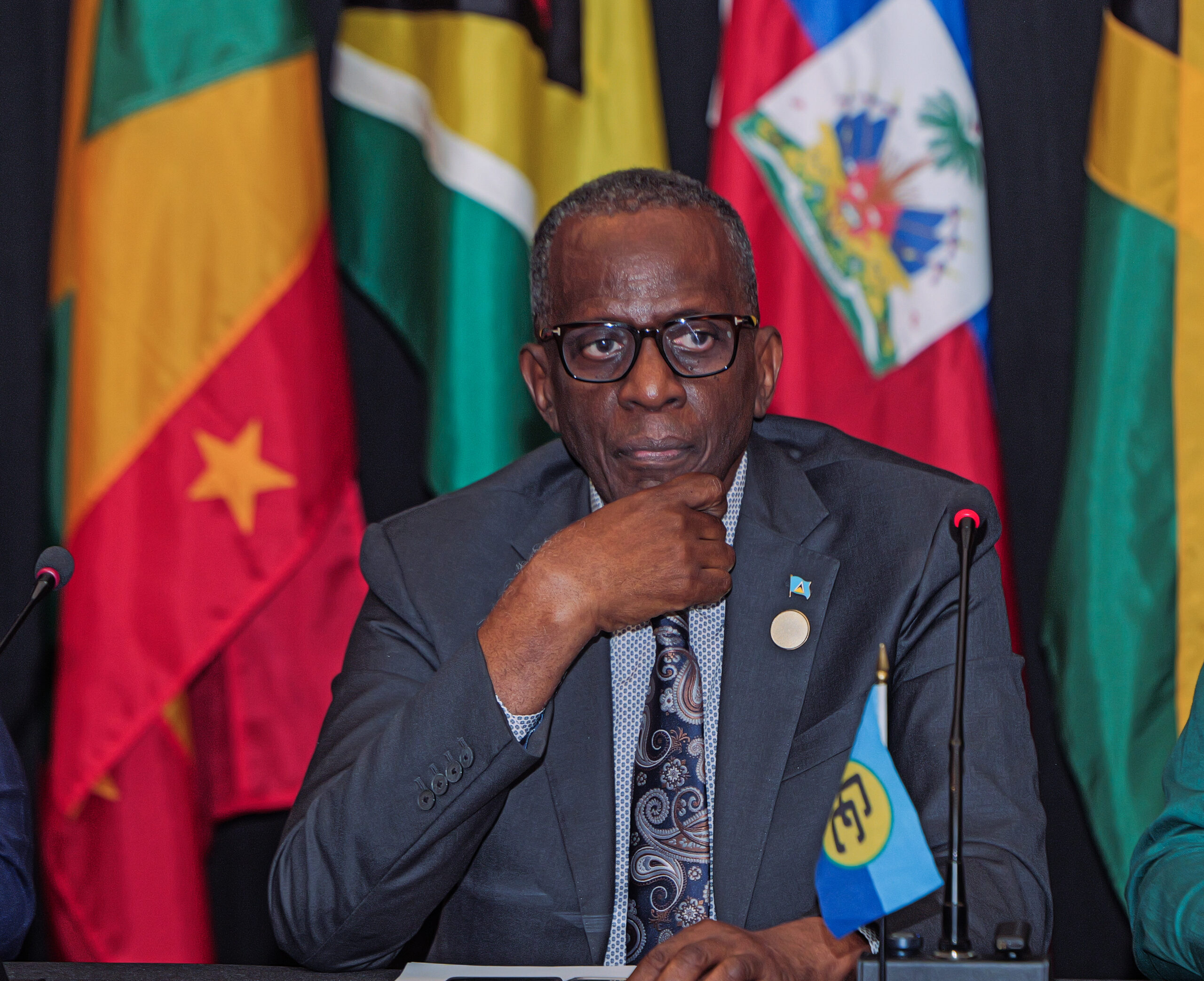
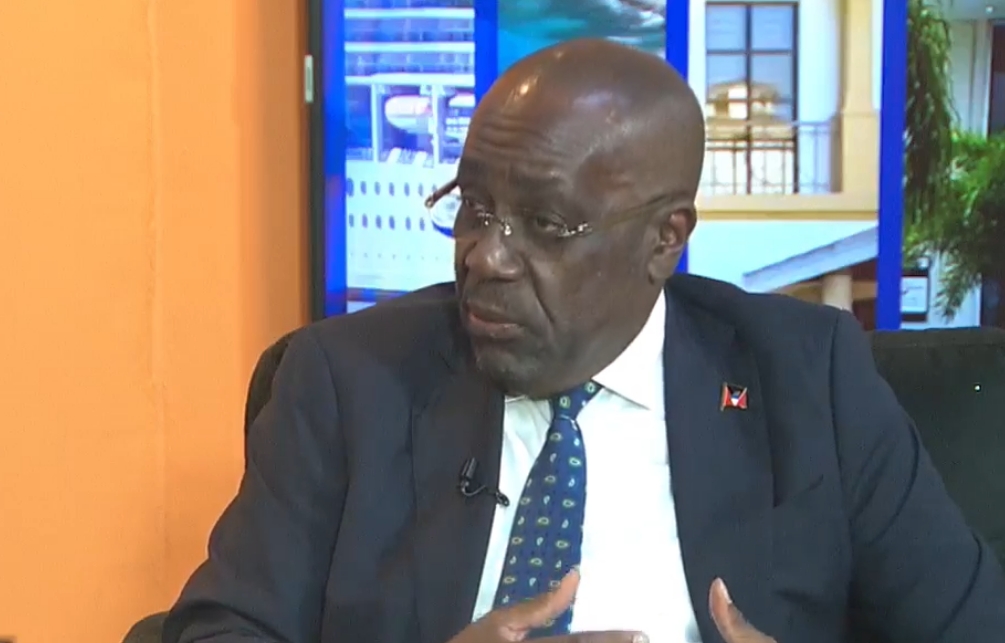
    Against a backdrop of rapidly evolving, border-defying security risks across the Western Hemisphere, Antigua and Barbuda has issued a urgent call for deepened collaborative action among all nations of the Americas, arguing that coordinated regional partnership is the only effective response to modern security challenges that no single country can address alone. The appeal came from Foreign Affairs Minister E.P. Chet Greene, who represented the twin-island nation at the 17th Conference of Defence Ministers of the Americas, held this year in Cusco, Peru. The high-level gathering brings together defense and security leaders from across the region to assess strategies for bolstering collective stability and addressing shared threats.

    In his address to fellow delegates, Greene framed the conference as a critical platform for hemispheric nations to strengthen open dialogue, forge durable cross-border partnerships, and design aligned, coordinated frameworks to tackle the security concerns that touch every country in the region. He emphasized that regardless of vast differences in geography, population size, and military capabilities, all nations share three non-negotiable core obligations: protecting their citizens, upholding foundational democratic principles, and preserving regional and domestic peace.

    Greene pointed out that the global security landscape has shifted dramatically in recent decades, with contemporary threats expanding far beyond the traditional military conflicts that once defined national defense agendas. Today, interconnected threats including transnational organized crime, cyberattacks and cyber-enabled criminal activity, illicit cross-border financial networks, and coordinated efforts to undermine democratic institutions have created a complex risk landscape that demands equally interconnected, coordinated responses.

    “The security challenges confronting the Americas no longer fit neatly within national borders or traditional definitions of defence,” Greene told attendees. “Only through intentional, sustained regional cooperation can we effectively mitigate these risks and protect our populations.”

    Speaking from the unique perspective of a Small Island Developing State (SIDS), Greene shared Antigua and Barbuda’s core position that long-term security and sustainable development are inextricably linked. For small island nations like his, national prosperity depends entirely on four key pillars: secure open maritime corridors for trade and transportation, reliable cross-border air travel links, resilient digital infrastructure that can withstand disruption, and robust, trusting partnerships with neighboring countries. Any disruption to these systems, he warned, generates ripple effects that spread far beyond the borders of the affected nation, destabilizing entire regions.

    Greene went on to highlight the ongoing, devastating impact of transnational organized crime on the Caribbean region specifically. Criminal networks, he explained, routinely exploit the Caribbean’s vast expanses of maritime territory to traffic narcotics, illegal firearms, human beings, and illicitly gained financial assets. These criminal activities do not merely generate violence; they erode the foundations of public institutions, undermine the rule of law, and threaten years of progress in economic and social development across the entire Caribbean basin.

    While Greene acknowledged that the Caribbean has not faced large-scale terrorist attacks on the scale seen in other regions of the world, he urged leaders against complacency. Governments across the hemisphere, he stressed, must maintain constant vigilance against emerging, fast-evolving risks, including violent extremism, cyber-facilitated radicalization, unregulated illicit financial activity, and the misuse of emerging digital technologies for criminal purposes.

    In closing, Greene reiterated that no nation—no matter how large its military budget, how advanced its defense capabilities, or how extensive its resources—can successfully confront the full scope of 21st-century security challenges in isolation. Stronger cross-border partnerships, sustained collaborative policy, and coordinated collective action, he concluded, remain the only path to upholding lasting peace, security, and stability for all nations across the Americas.

  • Berger Paints named Official Paint of the Caribbean Premier League (CPL)

    Berger Paints named Official Paint of the Caribbean Premier League (CPL)

    Two of the Caribbean’s most iconic homegrown institutions are joining forces in a landmark three-year collaboration, as leading regional paint manufacturer Berger Paints has been named the Official Paint Partner of the Caribbean Premier League (CPL), one of the Caribbean’s most popular and high-profile annual sporting events.

    This union pairs two brands deeply rooted in Caribbean identity, both united by shared core values: a relentless drive for excellence, passionate celebration of regional culture, and unwavering pride in Caribbean heritage. For the duration of the agreement, Berger Paints will take an active, visible role across every iteration of the T20 cricket tournament, rolling out creative fan engagement activations, consumer promotions, and immersive brand experiences that reach audiences both in-match at host stadiums and online via digital platforms.

    The partnership is far more than a branding exercise; it underscores Berger Paints’ long-standing track record of investing in Caribbean communities and backing regional initiatives that bring people from across the islands together. Cricket has long occupied a central place in Caribbean cultural life, and since launching in 2013, the CPL has solidified its status as the region’s top domestic sporting event, drawing tens of thousands of in-person spectators annually and drawing millions of broadcast viewers from across the globe.

    A standout component of the partnership will see Berger Paints’ specially formulated Grass Paint used to condition and maintain cricket pitches at all host venues across the Caribbean, helping keep playing surfaces looking vivid, uniform, and professional throughout every match of the tournament.

    “For generations, Berger Paints has worked to enhance and protect Caribbean homes, businesses, and public spaces. Becoming the Official Paint Partner of the CPL is a natural extension of our brand’s mission: we get to champion Caribbean excellence while connecting directly with consumers through the region’s most beloved sporting event,” explained Reyan Neckles, Commercial Manager at ANSA Coatings Grenada Limited.

    With more than six decades of operation in the region, Berger Paints has built an unrivaled reputation for quality product innovation, consistent performance, and reliability that has made it a household name across the Caribbean. All of the brand’s products are manufactured locally in facilities across Grenada, Trinidad, and Jamaica before being distributed to markets across the region, supporting local manufacturing sectors, driving regional economic growth, and engineering paint solutions specifically engineered to withstand Caribbean climate conditions.

    This new collaboration reinforces Berger Paints’ dual commitment: not only does the brand focus on beautifying and protecting residential and commercial spaces across the Caribbean, but it also prioritizes investing in the events, institutions, and community initiatives that unite the region. As the upcoming CPL season kicks off, the brand is preparing to connect with cricket fans across every island and showcase its brand promise as a product truly “Made for the Caribbean.”

    About Berger Paints
    Berger Paints stands as one of the Caribbean’s leading paint and coating brands, offering a full range of high-performance decorative, industrial, and specialty coating solutions tailored to regional needs. The brand is manufactured and distributed across the Caribbean by ANSA Coatings Grenada Limited, ANSA Coatings Limited (Trinidad & Tobago), and Berger Paints Jamaica Limited, all subsidiaries of the ANSA McAL Group.

  • Wanted man held, assisting police investigations

    Wanted man held, assisting police investigations

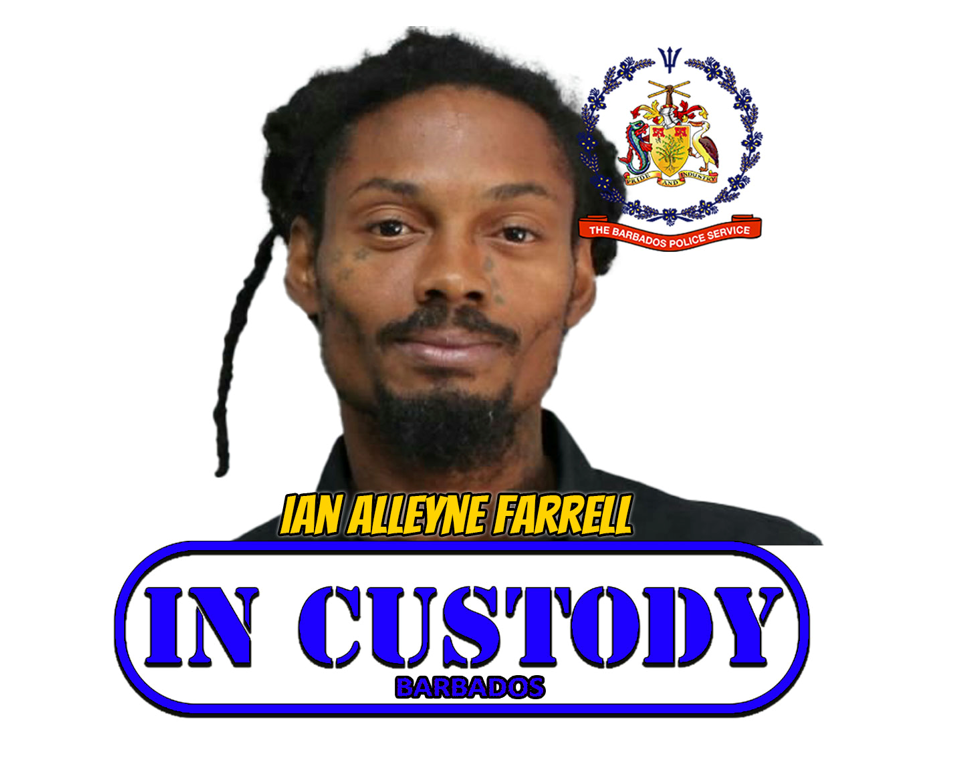
    After a period of being at large, a man linked to severe criminal activity has been apprehended by law enforcement in Barbados, closing a key chapter in an ongoing investigation. Ian Alleyne Farrell, who went by multiple aliases including Cheese, Tallman, and Mafia, and was a resident of Apartment 1 at 156 Regency Park in Christ Church, was recently taken into police custody.

    Authorities confirmed that Farrell is currently cooperating with investigating officers as they work to unpack details related to the serious criminal allegations that first put him on the wanted list. The Barbados Police Service has issued a public statement extending its gratitude to community members who shared information and supported the manhunt effort.

    Law enforcement officials emphasize that public collaboration remains a critical asset in helping police resolve cases and bring individuals wanted in connection with criminal activity into custody, highlighting the successful outcome of this case as an example of that partnership in action.

  • “No Small State is Safe”: Experts at UWI Vice-Chancellor’s Forum caution Cuba’s Crisis Tests Caribbean Solidarity

    “No Small State is Safe”: Experts at UWI Vice-Chancellor’s Forum caution Cuba’s Crisis Tests Caribbean Solidarity

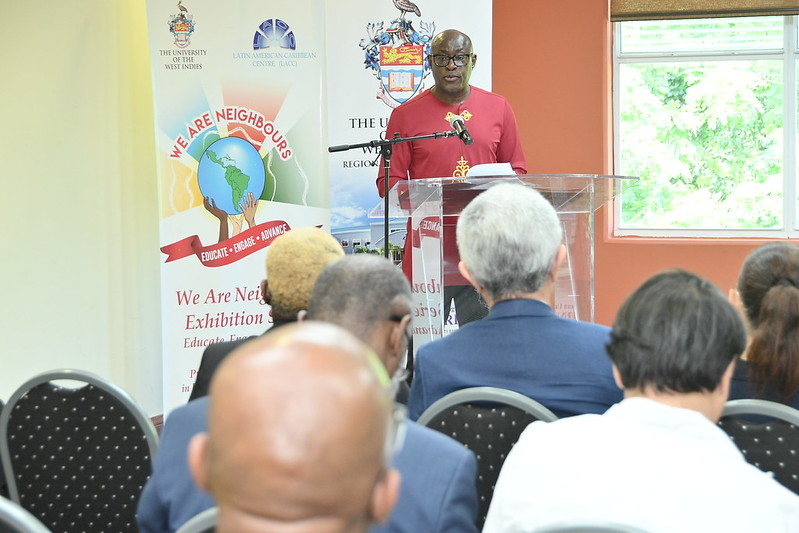
    At the recent University of the West Indies (UWI) Vice-Chancellor’s Forum, leading regional analysts delivered a stark warning that the ongoing economic and humanitarian crisis unfolding in Cuba has emerged as a defining test of collective solidarity across the Caribbean bloc. The gathering, which brought together academic experts, diplomatic representatives, and policy leaders from across the region, centered on what many attendees framed as an urgent wake-up call for Caribbean nations to confront the reality that instability in one small island state can send ripple effects across the entire region.

    Panelists emphasized that Cuba, long a core member of the Caribbean community, has been grappling with a cascading set of challenges in recent years, including harsh long-term international sanctions, persistent supply chain disruptions, crippling food and fuel shortages, and a sharp decline in critical foreign exchange reserves. These pressures have not only strained the daily lives of ordinary Cuban citizens but have also sparked growing regional concerns over potential spillover impacts, from increased irregular migration flows to broader economic instability that could touch even the smallest Caribbean nations.

    In a keynote address that resonated across the forum, one senior expert opened with the provocative assertion that “no small state in this region is truly safe if we allow a fellow Caribbean nation to face crisis alone.” The remark underscored a core argument advanced by many presenters: the principle of Caribbean solidarity, which has been a cornerstone of regional integration efforts for decades, is being pushed to its breaking point by the depth of Cuba’s current struggles.

    Many panelists also pushed back against narratives that frame Cuba’s crisis as an isolated issue disconnected from the rest of the region. They argued that geographic proximity, shared economic vulnerabilities, and common historical experiences mean that a major crisis in any Caribbean nation inevitably becomes a regional challenge. For example, disruptions to regional trade routes, growing pressure on border management systems, and the impact of declining tourism confidence across the Caribbean are all potential spillover effects that regional leaders have not yet adequately prepared for, according to forum participants.

    The experts called on regional governing bodies, including the Caribbean Community (CARICOM), to ramp up coordinated efforts to support Cuba, both through direct humanitarian assistance and through intensified diplomatic advocacy to push for the lifting of long-standing international sanctions that have exacerbated the country’s economic woes. They also urged larger global powers and international financial institutions to recognize the unique vulnerability of small island developing states like Cuba, and to provide targeted debt relief and development support to help the country stabilize its economy.

    Attendees left the forum with a shared consensus that the coming months will be a critical period for demonstrating regional unity. If Caribbean nations fail to come together to support Cuba through its current crisis, experts warned, the precedent set could undermine collective trust and solidarity across the region for generations, leaving every small Caribbean state more vulnerable to future shocks that could threaten their own stability and prosperity.

  • UPP’s Cabral Douglas calls on Dominicans to check in on family and friends following tragic death

    UPP’s Cabral Douglas calls on Dominicans to check in on family and friends following tragic death

    The small community of Dominica is grappling with an unexpected tragedy that has prompted a leading political party to issue a heartfelt reminder about the importance of mental and emotional support for those around us. On July 5, 2026, the lifeless body of 35-year-old Maradona Melvon Bruno, a resident of Savanne Paille, was found inside his home located in the Lagoon neighborhood of Portsmouth.

    In the wake of this devastating loss, the United Progressive Party (UPP) has publicly extended its deepest condolences to Bruno’s family, friends and loved ones. Speaking in an official statement on the party’s behalf, UPP International Secretary Cabral Douglas shared his sympathy for all those impacted by the passing, while urging Dominican communities across the country to turn this tragedy into a catalyst for greater care and connection.

    In a moving address, Douglas emphasized, “I would like to extend a special gesture of solidarity to his family, his daughters, and his parents. We want you to know that you carry the full support of this community and the Dominican people. This moment should also be a chance for all of us to reflect on what it means to show up for the people around us.”

    Douglas went on to note that small acts of kindness can carry enormous weight for people fighting internal battles. “Sometimes somebody needs a hug, sometimes somebody needs a quick phone call, and sometimes all they need is just a simple acknowledgement that they exist to feel loved, a sense of belonging, and respect,” he explained.

    Remembering Bruno, Douglas described him as a young, ambitious and talented individual who still had his entire life ahead of him. He added that the tragedy has exposed a quiet truth many people overlook: even as Bruno interacted with his community daily, he was quietly struggling with deep loneliness.

    “You can look at a man’s face, but you can never see what lives in his heart,” Douglas said of the painful loss. He framed the incident as a critical “wake-up call” for people across the country to prioritize checking in with the people in their lives, rather than assuming everything is fine based on outward appearances.

    “Sometimes all it takes is reaching out and asking: Is everything alright? How are you really doing today? Can I help you with anything?” he said. “Deep feelings of negativity, insecurity and inner pain can fade when people have a strong support network to lean on. What many people don’t realize is that those struggling don’t always cry out for help — it can be anyone, even the person who seems fine on the surface.”

    Douglas closed his statement by reinforcing that this tragedy serves as a universal reminder: anyone can be fighting inner battles, even when there are no obvious outward signs of struggle. He encouraged all members of the public to carve out time to check in on family members, friends, and neighbors in their local communities.

  • President Ali announces diaspora initiative at Saint Lucia town hall meeting

    President Ali announces diaspora initiative at Saint Lucia town hall meeting

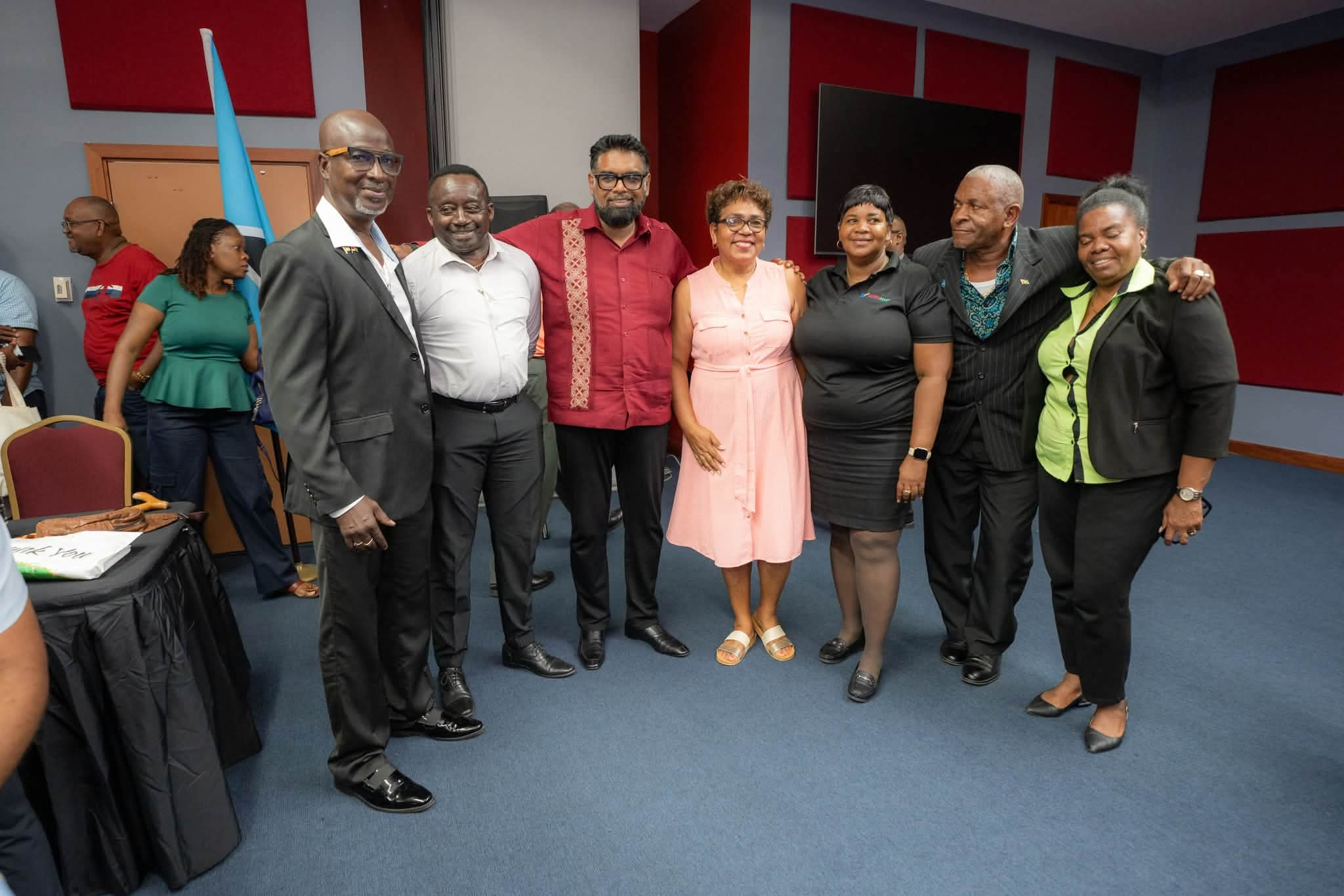
    Against the backdrop of the 51st CARICOM Heads of Government Meeting concluding in Saint Lucia on Wednesday, Guyanese President Irfaan Ali has announced a groundbreaking initiative to bring critical government services directly to the country’s large global diaspora population. Speaking at a diaspora-focused town hall hosted by the Guyana/Saint Lucia Association at Castries’ Financial Administrative Centre on Tuesday, President Ali outlined plans for mobile government service centres that will travel to nations with significant Guyanese expatriate communities.

    Under the proposed framework, the mobile service units will conduct annual visits to each priority country in the initial phase of the rollout, streamlining access to a full suite of essential public documents and services. From National Insurance Scheme (NIS) processing to birth certificate issuance and replacement of lost official documentation, all core administrative needs will be handled on-site by a single integrated government team.

    President Ali emphasized that the new outreach program will work in tandem with Guyana’s ongoing national digital transformation push, which has already overhauled domestic public service delivery. By bringing agency representatives directly to where overseas Guyanese reside, the initiative eliminates long-standing barriers that have forced many expatriates to navigate complex, distant administrative processes.

    In a key expansion of the plan, President Ali also confirmed that specialized mobile teams will soon begin offering biometric passport services to Guyanese living abroad. This addition will drastically cut the need for citizens to make costly, time-consuming trips back to Guyana solely to complete mandatory passport processing requirements.

    The President was joined at the town hall by a full senior delegation, including Foreign Affairs and International Cooperation Minister Hugh Todd, Public Service, Government Efficiency and Implementation Minister Zulfikar Ally, and National Security Advisor Gerry Gouveia. Beyond the new mobile service announcement, the team used the gathering to outline the government’s ongoing work across key domestic sectors including infrastructure, public healthcare, education, affordable housing, technology and digital modernization.

    Attendees were given the opportunity to share their priorities, submit contact details and flag specific concerns requiring government attention. All submitted information will be added to a centralized database to allow officials to begin processing requests promptly, ensuring no diaspora voice goes unaddressed.

    President Ali used his address to issue an open invitation to Guyanese expatriates: he encouraged those interested to return to their home country, invest with confidence in Guyana’s growing economy, and take an active role in advancing the nation’s ongoing development agenda.

    The event concluded with an interactive open question-and-answer session, which gave diaspora members direct access to the President and his delegation to raise personal and community-specific issues. Richard Cheong, Guyana’s Honorary Consul to Saint Lucia, opened the gathering by welcoming all attendees, while David Christopher, Public Relations Officer of the Guyana/Saint Lucia Association, closed formal proceedings by thanking the presidential delegation for prioritizing engagement with the local Guyanese community. Christopher reaffirmed the association’s long-standing commitment to deepening bonds between the diaspora and Guyana through expanded investment, trade, educational collaboration and cultural exchange programs.

  • Trinidad to provide ferry to temporarily move goods between countries

    Trinidad to provide ferry to temporarily move goods between countries

    Against a backdrop of growing regional efforts to cut trade costs and deepen economic integration, the 15-nation Caribbean Community (Caricom) has secured a temporary solution to advance its long-planned affordable intra-regional ferry service, with Trinidad and Tobago agreeing to deploy one of its existing vessels for cargo transport across member states. The agreement emerged from the 51st Caricom summit, a four-day gathering that wrapped up this week where regional leaders prioritized boosting connectivity, strengthening food security, and advancing the goals of the Caricom Single Market and Economy (CSME), the bloc’s framework for free movement of goods, labor, skills and services across the region.

    St. Lucia Prime Minister Phillip J Pierre, who currently holds the Caricom grouping’s chairmanship, outlined key takeaways from the summit at a post-meeting press conference Wednesday. He confirmed that leaders had agreed to accelerate work on the permanent ferry initiative, noting that a reliable, low-cost intra-regional ferry connection would not only ease cross-border travel for residents but also streamline trade flows and shore up regional food security by making it easier to move agricultural and essential goods between islands. Pierre added that the summit also delivered further progress on expanding the free movement of Caricom nationals across the bloc, with more member states moving toward full participation in the policy.

    Barbados Prime Minister Mia Mottley, who leads CSME coordination in Caricom’s quasi-cabinet structure, explained that the temporary ferry arrangement comes as the region grapples with volatile global oil prices driven largely by ongoing Middle East conflicts, a key factor pushing up regional cost of living. Lower-cost intra-regional transport is seen as a critical lever to bring down prices of essential goods across Caribbean island nations. Mottley shared that Trinidad and Tobago Prime Minister Kamla Persad-Bissessar has offered one of the country’s five active ferries for the temporary pilot, which will run while the regional private sector works to acquire a permanent purpose-built vessel, a process expected to take roughly 12 months.

    The pilot program, which will serve as a proof of concept for the full permanent service, will initially focus on ports across the southern and eastern Caribbean. Mottley noted that the program first requires assessments of existing port infrastructure, including whether existing ramps can accommodate the ferry or if upgrades are needed. In the coming weeks, Mottley plans to hold tripartite talks with Persad-Bissessar and St. Vincent and the Grenadines Prime Minister Dr. Godwin Friday to work out logistics for utilizing the Trinidadian ferry during the pilot phase.

    Beyond vessel logistics, Mottley is leading work to put in place the required regulatory framework for cross-border cargo movement. She is coordinating with fellow regional leaders to draft cross-border agreements for mutual recognition of vehicle operating licenses and insurance coverage, which will allow cargo trucks to travel seamlessly off the ferry and into destination member states. Mottley has set an ambitious target to finalize and put these regulations into effect within three months.

    Private sector stakeholders have been deeply involved in advancing the initiative, and expressed confidence that the project will deliver tangible results in the near term. Dr. Patrick Antoine, chief executive and technical director of the Caricom Private Sector Organisation (CPSO) Secretariat, told Caribbean Media Corporation (CMC) earlier this week that Mottley and Friday have already held two working sessions with private sector partners on the ferry plan in the past two weeks. Antoine pushed back against any suggestion that the project is an unrealistic proposal, emphasizing that the work is already well underway.

    Antoine explained that the initiative has hit delays in past years in part due to shifting election cycles across member states that disrupted planned ministerial-led working meetings, but he noted that momentum has now firmly shifted toward implementation. Three private firms have already completed preparatory work for the permanent service, he added, with two of the companies already securing preliminary financing contingent on the completion of the required cross-border regulatory protocols. Over the next three months, Antoine said, Barbados and Jamaica will take leading roles in advancing the operational details of the initiative, with the CPSO providing data, analysis and coordination between the regional government and the three private sector entities that will ultimately operate the full service.

    The temporary ferry pilot marks a key milestone for Caricom’s decades-long push toward deeper economic integration, with leaders and private sector stakeholders aligned on the need to deliver a functional low-cost service that addresses longstanding barriers to intra-regional trade and movement.

  • ‘We Will Survive’: Pierre responds to EU’s visa-free travel warning

    ‘We Will Survive’: Pierre responds to EU’s visa-free travel warning

    The 51st Heads of Government Meeting of the Caribbean Community (CARICOM) concluded without any formal discussion of regional Citizenship by Investment (CBI) programs, despite escalating tensions over a recent ultimatum from the European Commission targeting one of the bloc’s member states. The European Union’s executive arm recently issued a mandatory order to Antigua and Barbuda, demanding the Caribbean nation terminate its CBI initiative by June 2028. The Commission made clear that even if the program meets all proposed governance and security standards, the country will still face the consequence of losing visa-free access to the entire Schengen Area if it fails to comply.

    When pressed by journalists to address the EU’s stance on the sidelines of the summit, CARICOM Chairman and Prime Minister of Saint Lucia Philip J. Pierre confirmed that CBI never appeared on the official meeting agenda. He explained that the decision to exclude the issue from plenary discussions stemmed from the fact that CBI programs are not operated by every CARICOM member state. Only five Caribbean nations currently run CBI schemes: Antigua and Barbuda, Dominica, Grenada, Saint Lucia, and St Kitts and Nevis. Instead of bringing the topic to a full regional debate, these five countries have already formed a working group to coordinate their response to the concerns raised by the European Commission, Pierre said.

    As part of that coordinated effort, the CBI-operating states have worked diligently to align their programs with international best practices, and have fulfilled every compliance requirement requested by the EU to date, Pierre emphasized. However, he also offered a pragmatic assessment of the region’s position, acknowledging that Caribbean nations have limited leverage if the EU chooses to revise its immigration and visa policies unilaterally. “Regardless of what we do, if Europe does not want us to have a CIP programme, that’s what is going to happen. Each country has its own domestic policies,” he told reporters.

    Despite the uncertain outlook, Pierre struck a resolute tone, highlighting the Caribbean region’s long history of overcoming external economic and political shocks. He drew a parallel between the current CBI dispute and earlier challenges, when the Caribbean lost decades of preferential trade treatment for its banana and sugar exports on the European market. “We’ve been there before. We took all the steps as far as our bananas were concerned, and we still lost [preferential] treatment for our bananas… We’ve gone there before, and we’ve always survived. I’m sure we will continue to survive,” Pierre said. His remarks frame the current standoff as just the latest test of regional resilience, rather than an insurmountable crisis for the Caribbean’s CBI industry.

  • Education Ministry Launches 2026 School Uniform Grant Programme

    Education Ministry Launches 2026 School Uniform Grant Programme

    A new initiative aimed at removing financial barriers to equitable education access has been officially announced by Antigua’s Ministry of Education, Science and Technology. Set to roll out for the 2026 academic year, the 2026 School Uniform Grant Programme will deliver targeted financial support to qualifying households struggling to cover the cost of mandatory school uniforms for their children.

    The application window for the grant program is scheduled to open on July 13, 2026, and will remain open through a seven-week period ending on August 28 of the same year. All interested eligible applicants must submit their completed applications in person at the Antigua Multipurpose Center before the final deadline passes, with no late submissions expected to be accepted.

    In a formal statement accompanying the program announcement, ministry officials outlined the dual core goals driving the initiative. First, the program is designed to guarantee that every student across the nation can step into the new academic year with the required basic materials and proper attire. Second, it seeks to ease the growing financial strain that uniform costs place on low- and middle-income households ahead of each back-to-school season.

    “Every child deserves the opportunity to begin the school year with confidence,” the ministry’s statement read. “This initiative reflects our continued commitment to supporting families while investing in the education and future of our nation’s children.”

    Program administrators have reiterated that all eligible applicants should prioritize submitting their applications well in advance of the August 28 closing date to avoid any last-minute processing delays. For additional questions about eligibility requirements, required documentation, or application procedures, community members can contact program staff directly at 727-2427.