The 51st Heads of Government Meeting of the Caribbean Community (CARICOM) concluded without any formal discussion of regional Citizenship by Investment (CBI) programs, despite escalating tensions over a recent ultimatum from the European Commission targeting one of the bloc’s member states. The European Union’s executive arm recently issued a mandatory order to Antigua and Barbuda, demanding the Caribbean nation terminate its CBI initiative by June 2028. The Commission made clear that even if the program meets all proposed governance and security standards, the country will still face the consequence of losing visa-free access to the entire Schengen Area if it fails to comply.
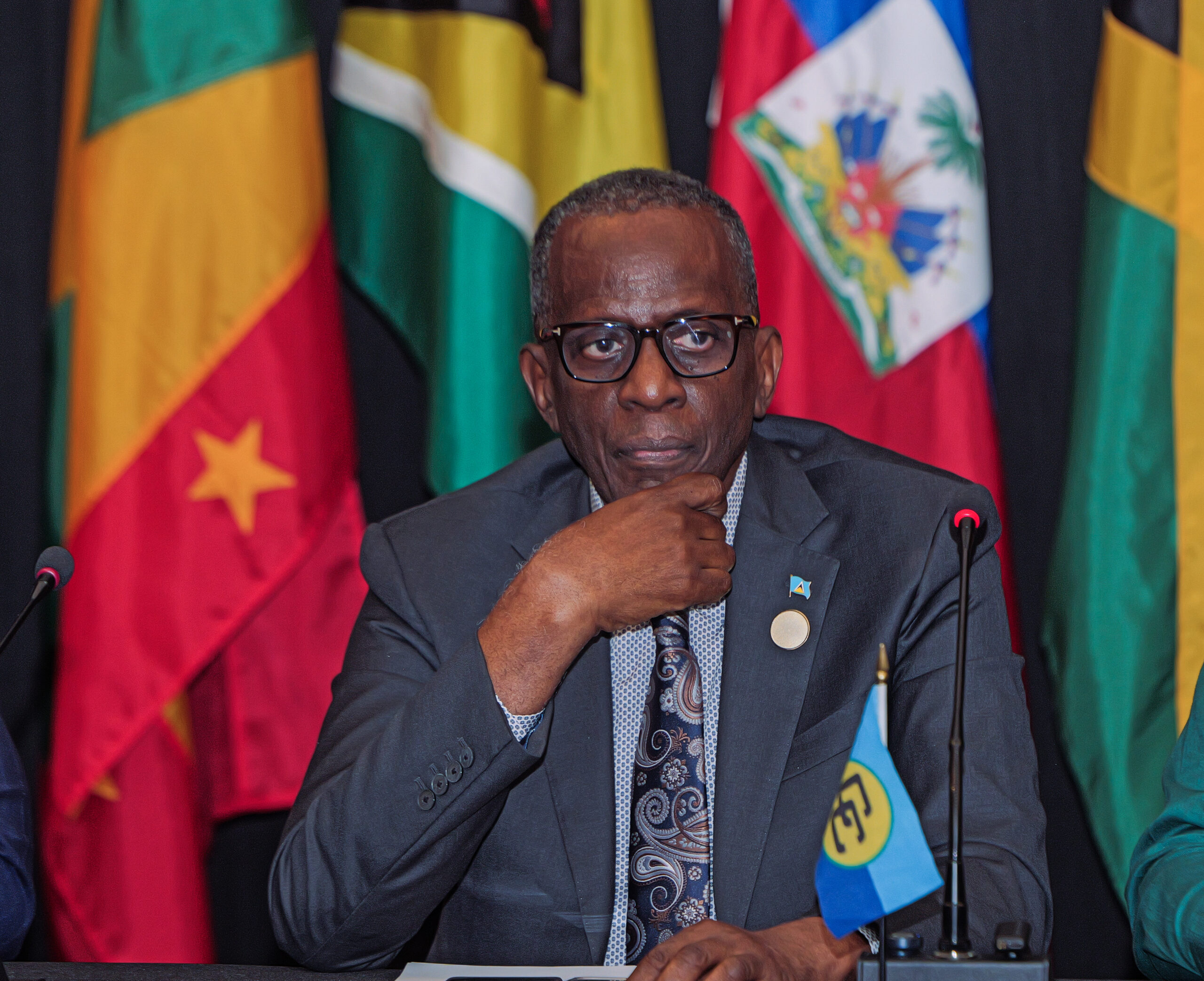
When pressed by journalists to address the EU’s stance on the sidelines of the summit, CARICOM Chairman and Prime Minister of Saint Lucia Philip J. Pierre confirmed that CBI never appeared on the official meeting agenda. He explained that the decision to exclude the issue from plenary discussions stemmed from the fact that CBI programs are not operated by every CARICOM member state. Only five Caribbean nations currently run CBI schemes: Antigua and Barbuda, Dominica, Grenada, Saint Lucia, and St Kitts and Nevis. Instead of bringing the topic to a full regional debate, these five countries have already formed a working group to coordinate their response to the concerns raised by the European Commission, Pierre said.
As part of that coordinated effort, the CBI-operating states have worked diligently to align their programs with international best practices, and have fulfilled every compliance requirement requested by the EU to date, Pierre emphasized. However, he also offered a pragmatic assessment of the region’s position, acknowledging that Caribbean nations have limited leverage if the EU chooses to revise its immigration and visa policies unilaterally. “Regardless of what we do, if Europe does not want us to have a CIP programme, that’s what is going to happen. Each country has its own domestic policies,” he told reporters.
Despite the uncertain outlook, Pierre struck a resolute tone, highlighting the Caribbean region’s long history of overcoming external economic and political shocks. He drew a parallel between the current CBI dispute and earlier challenges, when the Caribbean lost decades of preferential trade treatment for its banana and sugar exports on the European market. “We’ve been there before. We took all the steps as far as our bananas were concerned, and we still lost [preferential] treatment for our bananas… We’ve gone there before, and we’ve always survived. I’m sure we will continue to survive,” Pierre said. His remarks frame the current standoff as just the latest test of regional resilience, rather than an insurmountable crisis for the Caribbean’s CBI industry.