博客

  • Calls grow for clarity on AI data centres

    Calls grow for clarity on AI data centres

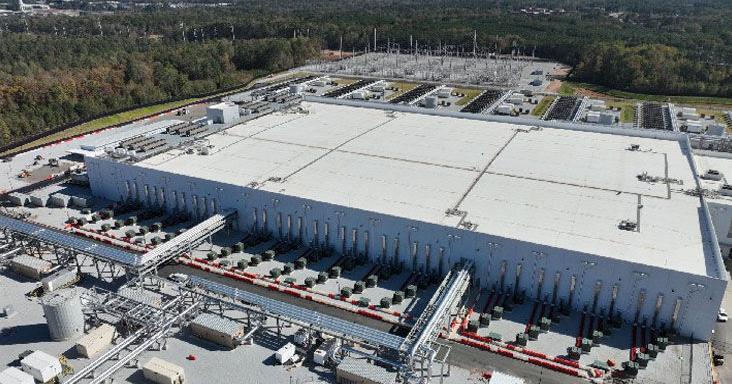
    A fierce national debate over the Trinidad and Tobago government’s plan to build large-scale AI data centres has escalated this week, as a public petition demanding a suspension of the projects has surged past 19,000 signatures, while business leaders have called for greater transparency and inclusive stakeholder dialogue before moving forward. The proposal, unveiled last week by Prime Minister Kamla Persad-Bissessar, includes two major facilities: a 300-megawatt general data centre with supporting infrastructure, and a 150-megawatt AI-focused data centre that could be expanded to 500 megawatts. The prime minister has framed the projects as a forward-looking opportunity to create new jobs, generate much-needed foreign exchange, and diversify the country’s economy, but critics have raised urgent red flags over the plan’s hidden costs.

    The opposition to the proposal is led by Syam Nath, founder of Nath Bioacoustics and co-founder of the Trinidad and Tobago Cetacean Sighting Network, who launched the change.org petition calling for a full halt to the projects until the government releases comprehensive public details on their impacts. As of late yesterday, the petition had collected more than 19,000 signatures from residents across the country. Nath and other conservation advocates stress that Trinidad and Tobago’s coastal and marine ecosystems are one-of-a-kind and highly sensitive, already facing multiple ongoing threats from human activity and climate change. Beyond ecological risks, many signatories have echoed concerns that the hyper-scale data centres, which require massive amounts of electricity and water for daily operations, will put additional strain on the country’s already overstretched public utilities. Many residents noted that persistent pipe-borne water shortages have plagued communities across the nation for decades, arguing the government should prioritize upgrading public infrastructure before approving resource-heavy private projects.

    Persad-Bissessar has pushed back against critics, dismissing their concerns and urging opponents to abandon what she called an out-of-touch stance. She has reaffirmed that data centres represent a critical new stream of modern revenue for the country, and in a notable retort, she criticized the widespread littering that plagues many Trinidad and Tobago communities as a far more pressing public issue. Even among the country’s business community, however, opinions on the proposal remain deeply split, with multiple leading industry groups calling for full transparency and broad public consultation.

    Gregory Aboud, president of the Downtown Owners and Merchants Association (DOMA), said the local business community broadly welcomes new investment, particularly foreign direct investment that can boost economic growth. Even so, he acknowledged that public opinion on the development is sharply divided, and argued that all stakeholders—including the general public—must be given space to weigh in on the proposal. Aboud pointed out that environmental conservationists’ concerns deserve full investigation, and key questions remain unanswered about whether the country’s existing water and power networks can support the massive resource demands of hyper-scale data facilities. “Any foreign investment should clearly lay out what tangible benefits it will bring to Trinidad and Tobago,” Aboud said, adding that “this matter needs a lot more discussion and disclosure to come up with a consensus that everyone accepts on behalf of the future interest of T&T.”

    Kiran Singh, head of the Greater San Fernando Chamber of Commerce, struck a similar balance, acknowledging that the data centre projects could unlock meaningful economic benefits for the island nation. Singh noted that economic diversification and growing foreign exchange earnings are critical priorities for Trinidad and Tobago, and the development could help advance both goals. At the same time, he acknowledged the validity of public concerns around long-standing utility access gaps, and joined the call for greater government disclosure and a fully consultative process that addresses both potential harms and benefits of the proposal.

    The domestic debate in Trinidad and Tobago comes as the future of data centre development has become a flashpoint for political controversy in the United States, following New York’s landmark decision this week to become the first U.S. state to implement a moratorium on new data centre construction. The moratorium was put in place to allow for further study of the facilities’ impacts on the environment and public health. Former U.S. President Donald Trump has sharply criticized the move, framing it as a catastrophic economic mistake that will cost the state thousands of jobs and billions in revenue.

    In a post on his own social media platform, Trump called data centres “one of the biggest driving forces in the future for jobs” and described them as “big, strong, bold, and money machines for the state in which they are built.” He claimed New York Governor Kathy Hochul had canceled all existing and planned data centre projects “for political reasons,” and said companies that would have built in New York are now relocating their projects to other states including Alabama, Florida, Texas and Arizona. Trump called the tax revenue and new jobs generated by data centres “liquid gold,” arguing that “New York State has made a terrible decision.” He added that “all of this income, and other benefits, will be going to Red States, and some Blue, where data centres are sought as cash cows, with lower taxes and record-setting jobs.”

    Trump pushed back against concerns over resource use, noting that data centre operators are required to pay for their own water and power use, with any surplus revenue returned to state and local communities. “Data centres are tremendous wins for the states and communities that are lucky enough to get them. New York should change its policy, immediately,” he said. He closed by warning that “the radical Left Dumocrats must not be allowed to cause us to lose data centres, AI, and all of this incredible new technology to China and other countries.”


  • Former PM who drove debt to $3.5b blames new gov’t for downgrade

    Former PM who drove debt to $3.5b blames new gov’t for downgrade

    Eight months after the Unity Labour Party (ULP) lost its 25-year hold on power in St. Vincent and the Grenadines (SVG), a landmark sovereign credit downgrade has ignited a fierce political dispute over who bears responsibility for the country’s worsening fiscal outlook. The Caribbean nation now holds its lowest-ever credit rating from Moody’s Investors Service, a development that has become the center of a heated public debate between the new ruling New Democratic Party (NDP) and the opposition ULP led by former prime minister Ralph Gonsalves.

    On June 30, Moody’s announced it would cut SVG’s long-term local and foreign-currency issuer ratings from B3 with a stable outlook to Caa1 with a negative outlook. Speaking on his party’s radio program Wednesday, Gonsalves, who now serves as opposition leader, pushed back hard against claims from the incumbent NDP that the downgrade is a direct result of reckless borrowing and fiscal mismanagement during the ULP’s 25-year tenure.

    When the ULP left office after November’s general election, Gonsalves noted, the country carried a public debt load of EC$3.5 billion, with a debt-to-GDP ratio of 113%. But he stressed that Moody’s has been fully aware of this debt burden for years, and maintained SVG’s B3 stable rating through major economic shocks including the COVID-19 pandemic, the 2021 eruption of La Soufriere volcano, Hurricane Beryl in 2024, and large-scale infrastructure projects such as the EC$700 million new port in Kingstown. As recently as December 2025, weeks after the NDP’s election victory, Moody’s reaffirmed the B3 stable rating, Gonsalves added, and only flagged that increased market borrowing or limited access to concessional funding could trigger a future downgrade.

    Gonsalves argued the downgrade is entirely a product of the NDP’s policy choices and public rhetoric since taking office, outlining three core policy triggers that he says led to Moody’s decision: a larger-than-expected fiscal deficit and sharp increase in market-based borrowing in the NDP’s first 2026 budget, public discussion of a potential debt swap and repeated framing of the existing debt as “unsustainable”, and the absence of a credible long-term economic growth plan recognized by Moody’s analysts. He added that three of the four factors Moody’s cited for the downgrade — intensifying liquidity pressures, elevated gross financing needs, and debt-swap speculation — directly stem from NDP decisions, while the high underlying debt was already fully priced into previous ratings assessments.

    The opposition leader also defended the ULP’s decades-long borrowing record, noting that most of the debt was taken on as low-interest concessional lending to fund critical public infrastructure including hospitals, schools, roads, climate resilience projects, and disaster recovery, rather than short-term, high-cost domestic borrowing that the NDP has relied on since taking office. He further pointed to a 2024 International Monetary Fund (IMF) Article IV consultation that praised the ULP’s “decisive policy responses” to successive shocks and confirmed the country had achieved a “robust recovery” that supported the stable B3 rating.

    Moody’s new Caa1 rating places SVG firmly in the agency’s “poor quality, very high credit risk” category, a designation Gonsalves warned will have tangible negative consequences for the country: lenders will be far more reluctant to extend new credit, any new borrowing will carry higher interest rates and shorter repayment terms, and concessional development lenders will likely impose stricter policy conditions on future funding. The negative outlook, he added, means Moody’s does not expect any near-term improvement without a dramatic shift in government fiscal policy.

    The NDP has pushed back firmly against Gonsalves’ claims, arguing the downgrade is the direct result of 25 years of fiscal neglect under the ULP. Prime Minister and Finance Minister Godwin Friday, whose party won 14 of 15 parliamentary seats in the November election, has previously noted that the final public debt figure left by the ULP was EC$400 million higher than the incoming administration expected when it took office, and famously characterized ULP pre-election spending as “spending like a drunken sailor”.

    Chiefain Neptune, minister of state in the prime minister’s office, reaffirmed the NDP’s position Wednesday, stating that “the Moody’s report underscores the deep-rooted systemic economic failures left behind by the previous administration. When we stepped into office, we understood that the economy was fragile. What we couldn’t foresee was just how bleak the legacy of neglect from the ULP truly was until we entered the Financial Complex in Kingstown.” Neptune added that the NDP remains committed to restoring fiscal and debt stability, while advancing economic development that directly benefits Vincentian households.

    Notably, Gonsalves’ criticism of the NDP’s public communication around the country’s debt stands in contrast to recent praise from the Caribbean Development Bank (CDB), one of SVG’s largest development partners. In June, CDB Vice-President Isaac Solomon commended the NDP administration for its transparency around public finances, saying the government’s willingness to invite external scrutiny and articulate a clear national development vision was a rare and positive step that creates the foundation for effective development support. “That combination of confidence to invite scrutiny, clarity to articulate a vision, and humility to say we cannot do this alone is rarer than it should be. I think it deserves recognition,” Solomon said during a Development Partners Round Table in SVG.

  • St. Kitts and Nevis-flagged cargo ship sinks in Strait of Hormuz, all 23 crew rescued – WIC News

    St. Kitts and Nevis-flagged cargo ship sinks in Strait of Hormuz, all 23 crew rescued – WIC News

    One of the world’s most strategically critical maritime chokepoints, the Strait of Hormuz, has been the site of a new shipping incident that is drawing global attention. An ageing bulk carrier registered to St. Kitts and Nevis, identified as the LUNI (IMO 9070711), broke apart and partially sank off the coast of Iran’s southern port city of Bandar Abbas on Tuesday, July 14, 2026, following sudden, uncontrolled water ingress that caused catastrophic structural failure.

    Built in 1994, the 32-year-old cargo vessel was anchored in the northern stretch of the strait when the hull damage worsened, leading it to split cleanly in two. At the time of the incident, the LUNI was en route to Jebel Ali, the United Arab Emirates’ premier cargo hub. Preliminary investigations from local maritime officials point to a prior collision as the likely root cause of the sinking: the vessel collided with another ship several days before the structural collapse, and the unaddressed damage from that impact is believed to have allowed seawater to flood the hull gradually.

    Thanks to rapid emergency response operations, all 23 crew members on board — all foreign nationals — were evacuated from the foundering vessel before it fully submerged. No injuries or deaths have been reported among the evacuated seafarers, a significant relief amid the incident. After splitting apart, the vessel settled in the shallow waters off Bandar Abbas, with the separated bow and stern sections still partially visible above the water’s surface.

    The sinking has sparked public speculation, in part because it coincided with reports of loud explosions near Bandar Abbas and the nearby Qeshm Island. To date, however, Iranian maritime authorities have not confirmed any link between the reported explosions and the LUNI’s structural failure. Social media has amplified attention on the incident, with multiple user-uploaded videos of the sinking vessel circulating widely across platforms. Many online observers have raised questions demanding more clarity about the exact cause of the catastrophic hull split, particularly given the strait’s long history of geopolitical tensions and targeted maritime incidents.

    The incident also comes shortly after former U.S. President Donald Trump positioned himself as the “Guardian of the Strait of Hormuz,” a political framing that has added an extra layer of public scrutiny to the event. Maritime safety analysts note that the incident underscores the ongoing risks of ageing bulk carriers operating in busy, high-stakes waterways, and highlights the need for rigorous post-collision inspection protocols to prevent avoidable sinkings.

  • US overhauls visa rules, imposes time limits on students and foreign media

    US overhauls visa rules, imposes time limits on students and foreign media

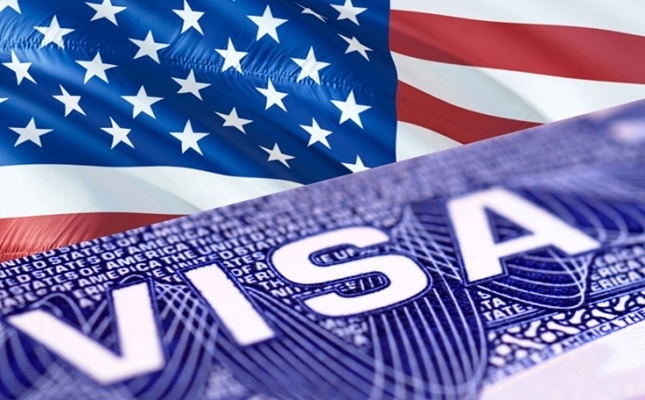
    In a sweeping, decades-overdue shift to the nation’s immigration framework, the U.S. Department of Homeland Security (DHS) announced Thursday, July 16, 2026, that it will eliminate the longstanding “duration of status” policy and implement fixed maximum stay limits for three categories of nonimmigrant visa holders: foreign students on F visas, exchange visitors on J visas, and international media representatives on I visas.

    For nearly 50 years, the “duration of status” rule allowed eligible nonimmigrants to remain in the U.S. for as long as they maintained their visa requirements, no regular reapproval from federal immigration authorities required. DHS officials argue this decades-old framework has created a critical loophole in immigration oversight, enabling widespread abuse of the system that puts national security at risk.

    “For nearly half a century, the outdated ‘duration of status’ system has compromised national security and created an environment ripe for immigration fraud,” DHS Secretary Markwayne Mullin said in the official announcement. Mullin claimed that the open-ended approval structure has allowed thousands of foreign visitors to abuse the system by perpetually enrolling in low-level courses simply to avoid departing the U.S.

    Under the new final rule, F and J visa holders will only be admitted to the U.S. for the length of their approved academic or exchange program, with a hard maximum stay of four years. I visa holders, the third group covered by the change, will also receive fixed admission periods aligned with their reporting assignments.

    The overhaul brings a series of additional key adjustments to visa protocols. First, any student that requires extra time to complete their program must now submit a formal Extension of Stay application directly to U.S. Citizenship and Immigration Services (USCIS), where every request will be subjected to mandatory biometric screening, full background checks, and anti-fraud reviews. Second, the post-completion grace period for F-1 students — the window they are allowed to remain in the U.S. after finishing studies, transferring institutions, or changing immigration status — has been cut in half, dropping from 60 days to 30 days. Third, new tighter restrictions have been imposed on students seeking to switch their approved academic programs after arrival.

    The regulation is set to be published in the Federal Register in the coming days and will take effect 60 days after publication. All current F, J, and I visa holders already residing in the U.S. under the old “duration of status” system will automatically transition to the new framework, with their maximum authorized stay capped at four years starting from the rule’s effective date.

    The Student and Exchange Visitor Program (SEVP), operated by U.S. Immigration and Customs Enforcement (ICE), will continue to manage oversight of participating educational institutions and international students through the Student and Exchange Visitor Information System (SEVIS), which tracks visa holders’ compliance with U.S. immigration rules.

    Policy analysts describe the change as one of the most sweeping overhauls of student and exchange visitor visa administration in generations, shifting primary oversight responsibility from host educational institutions to federal immigration authorities through mandatory periodic status reviews. DHS says the core goals of the reform are to strengthen immigration enforcement, crack down on systemic visa abuse, and enhance national security through regular, standardized vetting of all nonimmigrant visitors covered by the rule. Officials added that fixed time limits will also help keep international students focused on completing their academic programs before returning to their home countries, aligning with the original purpose of nonimmigrant student visas.

  • Nieuwe peiling toont China en Xi populairder dan de VS en Trump in veel landen

    Nieuwe peiling toont China en Xi populairder dan de VS en Trump in veel landen

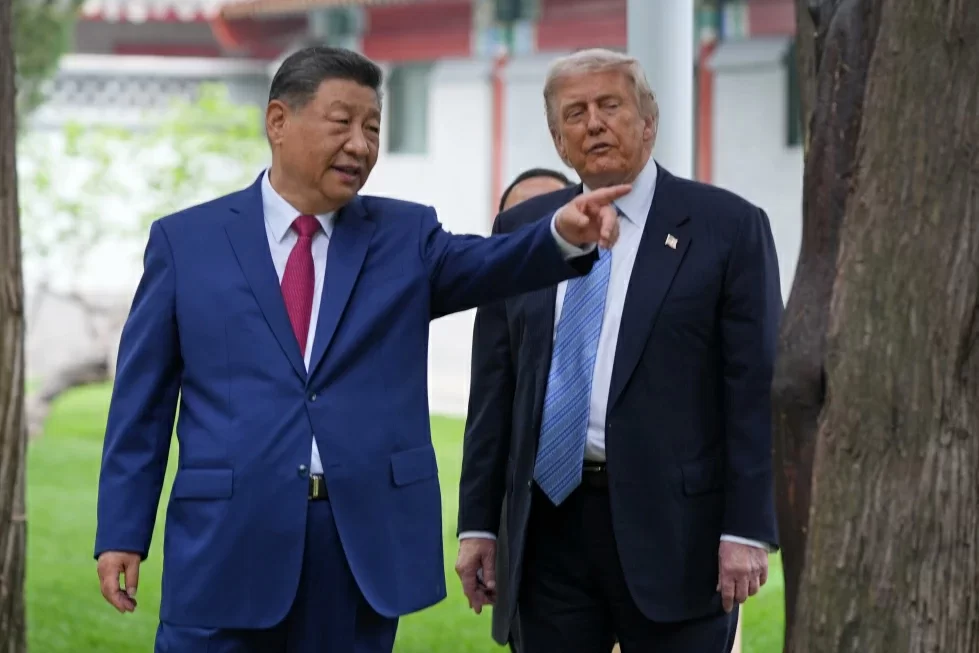
    A landmark 2026 global public opinion survey from the Pew Research Center has recorded a historic shift in global attitudes toward major world powers: for the first time in 20 years of tracking, China and its leader President Xi Jinping hold a higher net favorable rating globally than the United States and former President (current officeholder as of 2026) Donald Trump. Researchers link this striking reversal to growing global distrust of the U.S. driven by controversial foreign policy moves of the Trump administration that have strained longstanding alliances.

    Across the 36 countries and territories included in the survey, a majority of respondents held more positive views of China than the U.S. in 25 nations – including key U.S. neighbors Canada and Mexico. Only six nations still ranked the U.S. as more popular than China. When it comes to individual leader approval, President Xi earned higher favorable ratings than Trump in 22 nations, including major European powers France, Germany, and the United Kingdom. Notably, the survey also found low overall confidence in both leaders across much of the world.

    Laura Silver, associate director of Pew’s Global Attitudes Research, emphasized the uniqueness of this milestone. “Prior to this survey, global opinions of Beijing and Washington were often comparable, but China had never held a significant lead in overall popularity,” she explained.

    Silver outlined multiple overlapping factors driving the shift, coming as the global impact of the COVID-19 pandemic continues to fade. “The outbreak of new global conflicts, the widespread perception that the U.S. is not contributing to global peace and stability, and eroding confidence in Trump’s leadership have all played key roles,” she said. Controversial Trump administration policies, including the public proposal to acquire Greenland from Denmark, unilateral military actions in Venezuela, and the U.S. approach to the Israel-Hamas conflict, have sparked widespread negative international pushback, she added. “The U.S. is facing significant international pressure over its recent policy choices.”

    Against this backdrop, China has benefited from a growing global perception as a more reliable partner committed to upholding global peace and stability, Silver noted.

    Officials from both sides have reacted to the poll findings with contrasting framing. A White House spokesperson defended the Trump administration’s global record, arguing that “President Trump has done more to advance global stability than any other leader in modern history,” pointing to U.S. actions against Iran and narcoterrorism as evidence. In contrast, the Chinese Embassy in Washington said the poll reflects “broad global recognition of China’s governance achievements and development progress.”

    The erosion of U.S. favorability is most pronounced among America’s longstanding traditional allies. In Canada, for example, positive views of the U.S. plummeted from 57% in 2023 to just 33% in 2026, while positive views of China jumped from 14% to 44%. Researchers attribute this sharp shift in Canada to trade tensions, including the steep tariffs Trump imposed on Canadian goods.

    Across major Western European nations including France, Germany, Spain, Italy, and the United Kingdom, China’s popularity has climbed steadily while U.S. favorability has fallen. In the UK, opinions of the two powers are now nearly evenly matched – a stark change from three years ago, when the U.S. held a large lead in public approval.

    Of the six nations where the U.S. still outranks China in favorability, Israel leads with roughly 80% of respondents holding positive views of the U.S., compared to just 19% for China. The other five nations are Japan, India, South Korea, the Philippines, and Poland, though even in these countries, U.S. approval ratings continue to trend downward.

    The U.S. still maintains a lead over China in global public perceptions of respect for personal freedoms, though that gap has narrowed in recent years as fewer people around the world believe the U.S. government upholds these values consistently.

    Pew researchers conducted the survey by polling more than 42,000 respondents across 35 countries plus the West Bank and East Jerusalem, with a margin of error ranging from 2.3 to 5.5 percentage points, meeting standard global survey research benchmarks.

    This notable shift in global public opinion carries far-reaching geopolitical implications. Nations that have long maintained close ties to the U.S. may now be inclined to re-evaluate their foreign policy orientations and economic partnership frameworks. Growing global confidence in China could strengthen Beijing’s global influence, particularly in regions where it has already expanded investment and collaboration through signature initiatives such as the Belt and Road.

    The decline in U.S. popularity is partially rooted in America’s domestic political climate, where deep partisan divisions and the Trump administration’s policy agenda have damaged the country’s long-held image as a stable, reliable global partner. On the international stage, controversial U.S. actions – from unilateral military interventions to escalating trade disputes – have fostered a widespread perception of American unpredictability.

    Global media coverage also plays a significant role in shaping public perceptions. Widespread reporting on China’s economic expansion, large-scale global infrastructure projects, and commitment to multilateral cooperation has boosted its positive image, while constant coverage of U.S. domestic political conflict and controversial foreign policy moves has eroded global public trust.

    Regional variations in preferences remain clear: Israel and several key Asian nations still favor the U.S. due to shared security interests and longstanding historical alliances. This confirms that deep-rooted geopolitical and cultural ties still weigh heavily in shaping global public opinion.

    Looking ahead, the global image of both powers will almost certainly continue to evolve. Shifts in U.S. leadership, potential changes in American foreign policy, and China’s continuing emergence as a leading global actor will all shape future global perceptions. This is a dynamic global landscape where trust, stability, and collaborative leadership remain the most critical factors shaping national influence. The shifting tides of global public opinion are already set to impact international negotiations, trade relationships, and security alliances, making it a key factor reshaping the global balance of power in the coming years.

  • State Council approves new decree-laws as part of implementing economic and social transformations

    State Council approves new decree-laws as part of implementing economic and social transformations

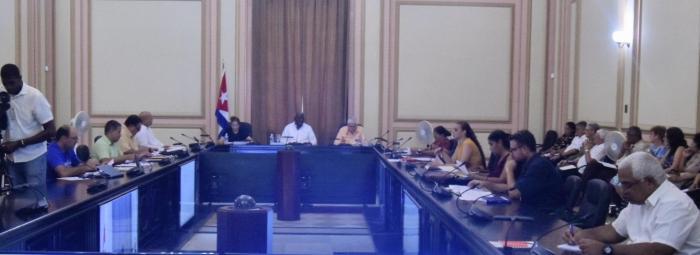
    HAVANA – In an extraordinary session chaired by Esteban Lazo Hernández, president of Cuba’s State Council, Cuban officials have greenlit two landmark decree-laws that form a core part of the country’s ongoing economic and social transformation process. The legislative actions, announced July 16, 2026, update the nation’s regulatory framework to align with policy changes already vetted by the Political Bureau, the Extraordinary Plenum of the Party Central Committee, the National Assembly of People’s Power, and the Council of Ministers.

    The first measure, the Decree-Law on the Cuban State Business System, establishes new guiding principles for the organization and operation of the country’s state-owned enterprise network, overseen by the National Institute of State-Owned Enterprise Assets. According to Roberto Ricardo Marrero, president of the institute, the legislation addresses 16 of the 17 planned reforms under Thematic Area 1, focused on restructuring the management model for socialist state economic actors, while also clearing the way for 12 additional cross-cutting reforms across other policy areas.

    Yovana Vega Mato, an executive with Cuba’s Ministry of Economy and Planning, emphasized that the new decree-law creates a formal legal platform that allows the state-owned enterprise system, under the oversight of the National Institute of State Business Assets, to exercise full governing authority and roll out all mandated reforms. The framework is designed to work in tandem with a suite of complementary regulations currently in development.

    During session debates, Lazo underscored the historic importance of the state business decree-law. The legislation formally reaffirms the socialist state-owned enterprise as the central player in Cuba’s national economy, while expanding operational autonomy for state firms, unlocking untapped productive capacity, and formalizing requirements for corporate social responsibility.

    The second approved measure, the Amendment to Decree-Law No. 76 on Agricultural Cooperatives, updates regulations governing the formation, organizational structure, membership integration, and daily operation of agricultural cooperatives across the country. The revision brings existing cooperative rules into alignment with the broader goals of Cuba’s national economic and social transformation agenda.

    Both new decree-laws are scheduled for publication in the Official Gazette of the Republic of Cuba to make the regulatory changes accessible to the general public. During the session, the State Council also outlined its ongoing commitment to supporting the transformation process through its constitutionally granted legislative and oversight powers. Officials noted that the full set of national reforms is intended to refine Cuba’s socialist development model and drive sustained national economic growth and broad-based social progress.

  • Santa Clara continues building its history 337 years after its founding

    Santa Clara continues building its history 337 years after its founding

    Cuba’s capital of the central Villa Clara province, Santa Clara, is celebrating its 337th founding anniversary this year, with festivities amplified by a prestigious new honor for the province just weeks ahead of the country’s National Rebellion Day. Cuban President Miguel Díaz-Canel Bermúdez, who was born in Santa Clara and represents the municipality as a deputy to the National Assembly of People’s Power, shared warm, patriotic greetings to the city’s residents via his official social media account.

    In his public message, the First Secretary of the Central Committee of the Party praised local residents as a heroic, hardworking community, noting that the land shaped his personal identity and core revolutionary values. “Congratulations to the people of Santa Clara on the 337th anniversary of that city, so dear and dear to me,” Díaz-Canel wrote, extending a heartfelt embrace to all locals.

    The timing of the anniversary celebration aligns with Villa Clara being officially named a Distinguished Province ahead of National Rebellion Day. The honor was awarded based on the province’s strong performance across key economic, production and social indicators, as well as its successful navigation of ongoing domestic challenges. The designation has added an extra layer of celebration and national pride to Santa Clara’s annual founding festivities.

    Santa Clara’s deep ties to Cuba’s revolutionary history stretch back to the iconic 1953 Moncada Barracks attack, a defining moment that paved the way for the Cuban Revolution. Local revolutionary figure Osvaldo Socarrás Martínez, a native of the province, lost his life during the July 26 actions. A little-known historical anecdote also connects Fidel Castro Ruz, the leader of the 1953 attack, to the city: en route to Santiago de Cuba on July 25, 1953, Castro stopped at López Opticians on Cuba Street to replace a pair of glasses he had accidentally left at the home of fellow revolutionary Melba Hernández. Local technician Rafael Gutiérrez crafted a new pair for Castro in less than an hour, glasses that Castro would wear during the attack at Moncada Barracks.

    In preparation for this year’s anniversary celebrations, city officials launched comprehensive revitalization projects across Santa Clara, reaching beyond the historic core to improve infrastructure and public spaces in outlying neighborhoods. Work included general cleaning campaigns, full restoration of local parks, cleanup of the Cubanicay and Bélico rivers, and beautification upgrades to the city’s ring road and main entry points.

    Founded on July 15, 1689, by 18 families who relocated from the nearby town of Remedios, Santa Clara has long occupied a central role in Cuba’s national narrative. Over more than three centuries, it has been the site of critical patriotic movements and remains a major contributor to the country’s political, cultural and economic development.

  • Zapping Haiti of July 16, 2026

    Zapping Haiti of July 16, 2026

    On July 16, 2026, HaitiLibre published a comprehensive roundup of key political, security, and local developments unfolding across Haiti, one month out from the planned general elections.

    First, the country’s transitional government has formalized the legal foundation for the upcoming vote with two related decrees. An initial Electoral Decree, originally issued on June 2, 2026, lays out the full regulatory framework for every stage of the electoral process, including rules governing voter registration, political party accreditation and participation, polling day procedures, ballot counting, official results announcement, and the process for resolving electoral disputes. To address gaps and refine unclear provisions in the original text, the administration adopted an amending decree on July 2, 2026. Full texts of both documents are available for public download via the HaitiLibre website.

    In local governance news, the Cap-Haïtien Municipal Commission is advancing a city-wide beautification initiative aimed at revitalizing the coastal urban center. The commission has set a July 31 deadline for all residents and property owners to refresh the exterior facades of their homes and businesses as part of the campaign. Michel Saint-Croix, Mayor of Cap-Haïtien and head of the Municipal Commission, recently held consultation sessions with local stakeholders in the city center, focusing on neighborhoods that have already completed street and sidewalk clearing operations. During these gatherings, municipal leadership outlined the official protocols and logistics for free paint distribution to participating residents. In a statement following the meetings, the commission renewed its call for broad public participation, emphasizing that collective engagement is critical to delivering a more vibrant, welcoming city for all.

    On the security front, a critical new agreement has been reached to advance the government’s anti-gang operations, which are key to creating stable conditions for elections. This week, Patrick Pélissier, Haiti’s Minister of Justice and Public Security (MJSP), signed a formal Memorandum of Understanding with Jack Christofidès, diplomat and representative of the Gangs Suppression Force (GSF). Under the terms of the deal, all individuals arrested during GSF counter-gang operations across the country, as well as all weapons, ammunition, and tactical equipment seized during these missions, will be transferred to Haitian national authorities. Government officials note that the agreement marks a major step toward strengthening domestic public security capacities and establishing the stable conditions required to hold a free, fair general election.

    Despite these advances, Prime Minister Alix Didier Fils-Aimé has confirmed that the long-awaited official electoral calendar will only be published once security conditions show consistent improvement. While announcing the imminent release of the calendar in a recent statement, the prime minister stressed that the actual timeline for voting remains contingent on tangible progress in reducing gang-related violence and stabilizing communities across the country.

    Parallel to domestic electoral preparations, Prime Minister Fils-Aimé is currently leading a high-level official delegation on a diplomatic mission to Washington D.C. The delegation includes James Monazard, Minister of Commerce and Industry, a representative of the Bank of the Republic of Haiti, and Georges Sassine, president of the Association of Industries of Haiti (ADIH). The core goal of the mission is to advocate for the extension of the HOPE/HELP trade act, a trade preference program widely recognized as a foundational pillar of the Haitian economy, particularly for the country’s critical textile export sector.

    To close the roundup, July 16 marked the day after the 73rd birthday of former Haitian president Jean-Bertrand Aristide, born July 15, 1953, in Port-Salut. The Tabarre Municipal Commission issued a formal statement marking the occasion, expressing deep gratitude for Aristide’s lasting contributions to local development in education and healthcare. Through the Dr. Aristide Foundation University (UNIFA) and the Dr. Aristide University Hospital, the former president has expanded access to critical public services for residents of Tabarre. The commission extended its warm wishes for continued good health, peace, and longevity, noting that Aristide’s lifelong work and commitment to Haitian development remain a powerful inspiration for current and future generations of Haitians.

  • Asset Recovery Interagency Network of the Caribbean drafting legal frameworks to go after dirty money

    Asset Recovery Interagency Network of the Caribbean drafting legal frameworks to go after dirty money

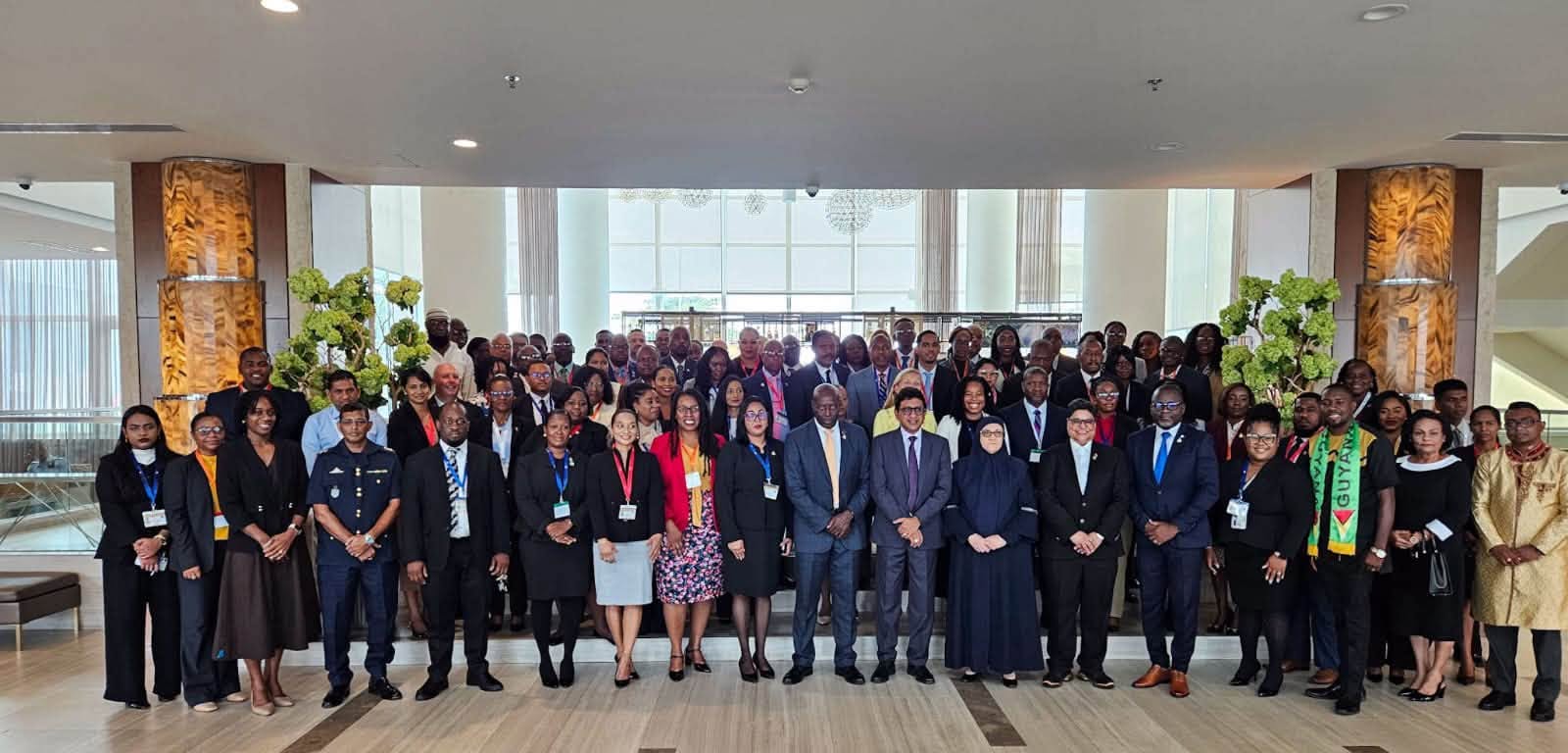
    On Wednesday, 15 July 2026, senior Caribbean law enforcement and anti-crime officials gathered for the annual general and steering group meetings of the Asset Recovery Interagency Network of the Caribbean (ARIN-CARIB), where they laid out a coordinated regional plan to crack down on illicit proceeds from transnational organized crime and strengthen cross-border asset recovery frameworks.

    Shalimar Hack, Guyana’s Director of Public Prosecutions and ARIN-CARIB’s 2026 president, opened the summit held under the theme “From Tracing to Transformation: Building An Asset Recovery-Ready Caribbean” by emphasizing that binding regional legal frameworks must embed mandatory inter-agency cooperation to speed up asset recovery investigations.

    Hack explained that fragmented regulatory structures and siloed agency operations slow progress in targeting criminal wealth. “When all relevant stakeholders are aligned under clear laws that support collaborative action, and understand the critical role of a unified approach to cutting off criminal proceeds, we can sustain an effective fight against transnational criminal activity,” she told attendees. She added that a regional interagency network is foundational to upholding rule of law across individual Caribbean jurisdictions and the region as a whole.

    Moving beyond traditional anti-crime approaches, Hack stressed that securing criminal convictions alone is not enough to dismantle organized crime groups. “If we do not undermine the financial foundations that allow these networks to operate, we have not truly solved the problem of transnational crime,” she said. Hack called for a systemic transformation of Caribbean asset recovery practices: authorities must not only successfully trace illegal assets and strip criminal networks of their illicit gains, but also repurpose those seized resources for public benefit across member states.

    Atlee Rodney, Deputy Executive Director of the Barbados-based Regional Security System (RSS) – ARIN-CARIB’s coordinating secretariat – outlined the ongoing work to advance these regional goals, noting that RSS is partnering closely with the network’s steering committee and key global strategic partners to update Caribbean legal frameworks for cross-border cooperation. Major partners include the European Union’s Europe Latin America Programme of Assistance against Transnational Organised Crime and the Inter-American Development Bank, which provide technical and financial support for regulatory reform.

    Rodney, a former Police Commissioner of Antigua and Barbuda, noted that a top priority is updating national legislative and policy frameworks across Caribbean countries to match the evolving sophistication of transnational criminal enterprises. Current key initiatives include drafting a regional Model Agreement for Joint Investigations, conducting reviews of domestic legal rules governing international cooperation, and strengthening mutual legal assistance mechanisms to enable faster, more effective exchange of information and evidence across national borders.

  • CARICOM Tax Administrators meet in July

    CARICOM Tax Administrators meet in July

    Leading up to the end of July 2026, Caribbean tax administration leaders and global revenue management experts will convene in Georgetown, Guyana, for a landmark regional gathering focused on modernizing tax governance for the digital age. The 27th General Assembly and Technical Conference of the Caribbean Organisation of Tax Administrations (COTA), hosted by the Guyana Revenue Authority (GRA) — one of COTA’s 25 member administrations — will run from July 27 to 31 under the central theme “Future-Ready CARICOM Tax Administration – Smart, Data-Driven and AI-Enabled for Sustainable Revenue”.

    The conference will bring together official representatives from all CARICOM member tax bodies alongside key regional and international stakeholders to address the shifting demands of tax administration in an increasingly connected, data-centric global economy. Core discussions at the technical segment of the event will center on how emerging technologies, advanced big data analytics, and artificial intelligence can be leveraged to strengthen regulatory frameworks for tax collection, boost voluntary taxpayer compliance, upgrade customer-facing taxpayer services, and advance the efficient, sustainable revenue mobilization that underpins economic growth across the Caribbean Community.

    Alongside the core general assembly and technical conference, the week will also feature a High-Level Regional Meeting on Tax and Development, organized in partnership with the Organisation for Economic Co-operation and Development (OECD) and other leading global and regional tax governance partners. This strategic forum will create space for open dialogue on the most pressing opportunities and challenges facing CARICOM economies and their tax systems, as the international tax landscape continues to evolve amid global regulatory shifts and digital economic transformation.

    Founded in 1971 following the ratification of its constitution at a Saint Lucia meeting of regional tax administration heads, COTA has a 55-year legacy of advancing functional cooperation within CARICOM. The organization’s core mission is to build efficient, aligned tax administrations across the Caribbean through targeted training, cross-border dialogue, and the harmonization of best practices. Over the decades, COTA’s governance structure has evolved to better serve its growing membership: a 1983 constitutional amendment moved general assemblies to a biennial schedule and expanded the organization’s Executive Council from four members to five, and today the body counts 25 member jurisdictions across the Caribbean region. All COTA work programs are implemented under the umbrella of the CARICOM Secretariat, with the COTA Executive Secretary providing direct guidance on tax administration matters to the CARICOM Secretary-General.

    This upcoming gathering underscores the shared commitment of regional stakeholders and their international partners to build tax administrations that are resilient, efficient, and equipped to meet the demands of the 21st century — all to advance inclusive sustainable development across the entire Caribbean Community.