博客

  • Community resilience key to disaster preparedness, says home affairs minister

    Community resilience key to disaster preparedness, says home affairs minister

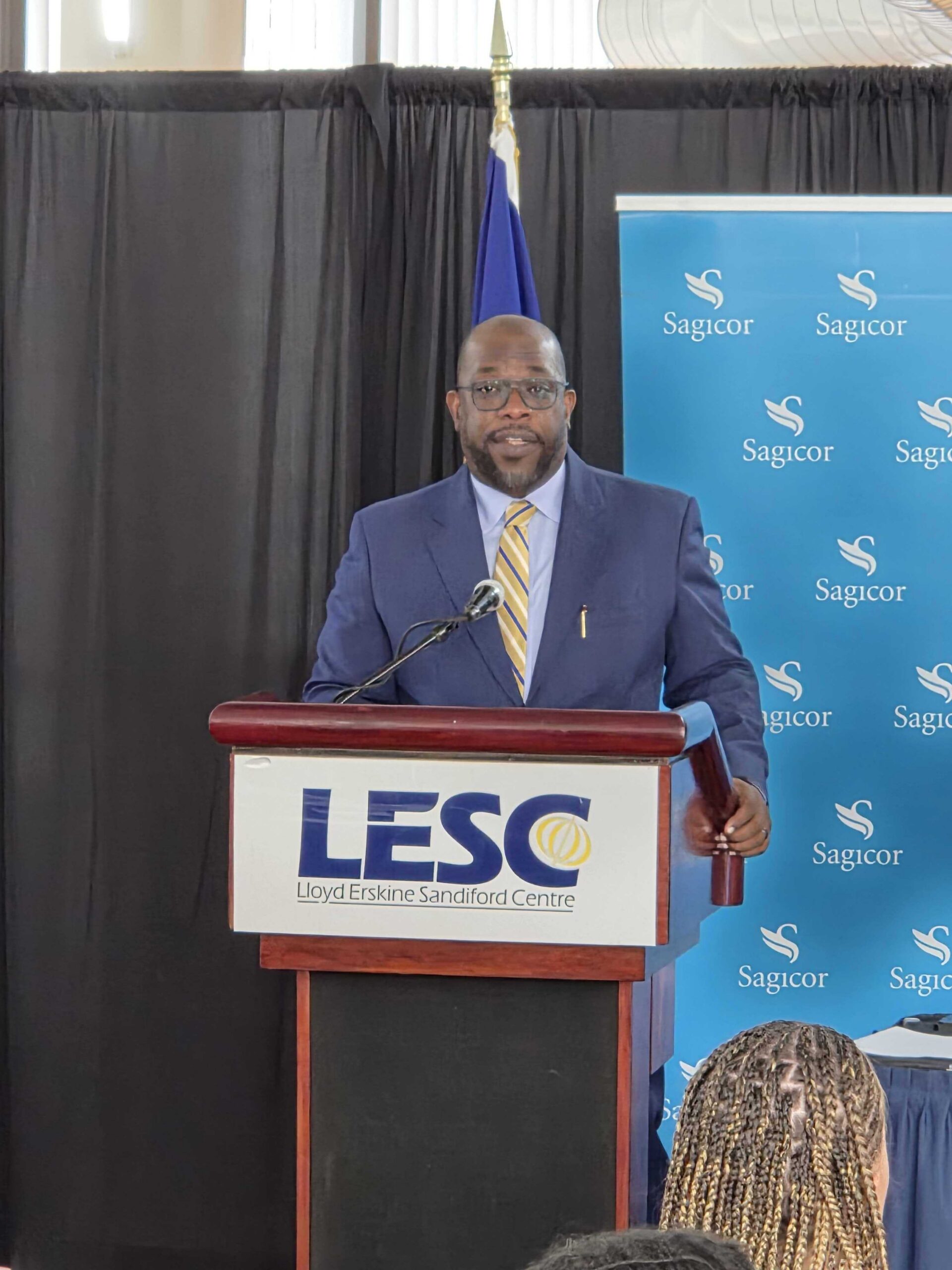
    As climate change amplifies the frequency and severity of extreme weather events across the Caribbean, Barbados’ top home affairs official has issued a urgent call to reimagine regional disaster planning, arguing that local communities must be placed at the core of all preparedness and response strategies. On Wednesday, Minister of Home Affairs Gregory Nicholls used the opening of the Community Resilience Regional Conference, hosted at the Lloyd Erskine Sandiford Conference Centre in Bridgetown, to challenge regional disaster management leaders to abandon overreliance on top-down emergency frameworks and embrace community-led action as the foundation of climate resilience.

    Addressing a room of delegates from across the Caribbean region, Nicholls made the case that local, grassroots preparedness is the most effective defense against the growing volatility of environmental shocks and systemic economic risks that disproportionately impact small island developing states like those in the Caribbean. He explained that when communities take ownership of their own disaster preparedness and develop locally tailored adaptive strategies, the fiscal, social, and environmental costs of extreme events drop sharply. This localized approach, he noted, also ensures that critical economic activities and public services can continue operating with minimal disruption even after a crisis hits.

    Nicholls emphasized that empowering ordinary residents to lead resilience efforts is far more than a reactive emergency measure—it is a core strategic imperative for national development that strengthens both long-term economic stability and social cohesion across the country. Pushing back against the long-held conventional view of disaster response that frames national governments and uniformed emergency services as the primary first responders, Nicholls pointed out that local residents are always the first on the scene when disaster strikes.

    “When disaster strikes, the first responders are rarely the ones in uniform. The true first responders are the people sitting right next to you: your neighbours, your friends, and yourselves,” Nicholls said. He acknowledged that formal government disaster management frameworks remain a necessary part of any national response strategy, but argued that the true foundation of disaster survival lies in pre-existing community solidarity and connection.

    “Social cohesion is our greatest asset. Knowing the people on your street, checking on our seniors, our vulnerable persons, and sharing our local knowledge are the vital threads that hold our community together when the unexpected happens,” he added.

    Instead of continuing to rely solely on centralized, top-down directives from national capitals, Nicholls outlined a new holistic resilience strategy built from the ground up around community-driven action. He identified two core pillars for this approach: strong, locally rooted practical leadership, and sustained investment in local volunteer disaster response groups, which are uniquely positioned to implement preparedness measures on the ground. Clear, accessible communication and robust local information networks are equally critical, he said, particularly for reaching vulnerable residents who may need extra support during a crisis and for countering harmful misinformation that can spread rapidly in the immediate aftermath of a disaster.

    Nicholls also stressed that individual action plays a key role in collective resilience: every resident must take personal responsibility for preparing for disasters by assembling emergency supply kits and developing coordinated family emergency plans. To make this localized model work, he added, it must be supported by deep cross-sector partnerships between local communities, private businesses, civic organizations, and formal emergency services, which ensure that critical resources are distributed quickly and efficiently to where they are needed most.

    In closing, Nicholls called for greater flexibility in national disaster response policies, urging regional and national authorities to trust organic, locally led resilience initiatives that are tailored to the unique needs of each community. “We must move forward together as a cohesive unit, ensuring that community resilience is not just a concept on paper but it comes to life in our collective actions,” Nicholls urged. He challenged conference delegates and members of the public across Barbados and the wider Caribbean to take immediate, practical small steps to strengthen resilience in their own neighborhoods: reviewing personal emergency plans, exchanging contact information with nearby neighbors, and volunteering with local disaster response groups to map local resources and mark evacuation routes.

    “Our strength originates from individuals, but the power of the individual is the community. By looking out for one another and planning together, we ensure that no matter what challenges come our way, our communities will stand firm, support each other, and rebuild together,” he said.

  • COMMENTARY: ASPIRE challenges longstanding focus on women in family planning ahead of World Vasectomy Day

    COMMENTARY: ASPIRE challenges longstanding focus on women in family planning ahead of World Vasectomy Day

    Every November 20, public health and reproductive advocacy groups around the world mark World Vasectomy Day, an initiative designed to shift decades of lopsided focus in global family planning and encourage far greater male involvement in contraceptive responsibility. While the movement arrives generations later than many reproductive health experts argue it should have, advocates note the old adage still holds: better late than never.

    Among all modern contraceptive options available today, vasectomy stands out as the most affordable, low-risk, and highly effective method. Even with these clear advantages, however, it remains the most underpromoted contraceptive tool across nearly all global health programs. For decades, the overwhelming majority of global family planning outreach and policy investment has centered exclusively on women, leaving male responsibility largely unaddressed.

    To highlight the stark biological disparity between male and female reproductive capacity that makes male-focused family planning a logical priority, the article points to well-documented and anecdotal records of extreme fertility. The confirmed global record for the most children born to a single woman belongs to Mariam Nabatanzi Babirye, a Ugandan woman who gave birth to 44 children and currently lives in good health. A widely cited historical claim that 18th-century Russian peasant Valentina Vassilyeva gave birth to 69 children across 27 pregnancies has never been verified and is widely regarded as dubious by researchers.

    In contrast, historical records point to a far more extreme upper limit for male fertility: Sultan Moulay Ismail ibn Sharif of Morocco is estimated to have fathered between 888 and 1,171 children through a harem of more than 700 women. This vast gap in reproductive potential, advocates argue, makes male-focused contraceptive outreach a far more logical and impactful strategy for global family planning — a shift that has yet to happen across public health systems.

    A common misconception holds that men in Caribbean communities have inherent cultural resistance to undergoing vasectomy. But reproductive health researchers reject this claim, arguing that what is often mislabeled resistance is actually widespread lack of awareness and information. A 15-year analysis of vasectomy records from the Barbados Family Planning Association, conducted by advocacy group ASPIRE, demonstrates this pattern clearly: when even minimal promotional outreach was conducted through local media, it led to a disproportionate surge in procedures. Between 1994 and the following five years, 72% of all vasectomies recorded were tied directly to media promotion. As media outreach was cut back over the next five years, that share dropped to just 12%, and the overall program shrank dramatically, surviving only on word-of-mouth demand from a small, informed social circle. This pattern, researchers emphasize, is not evidence of resistance — it is evidence of unmet demand.

    The analysis also painted a clear profile of the typical man seeking vasectomy in Barbados: 81% were married, 80% had at least a secondary education, 77% were between the ages of 25 and 39, 75% belonged to the upper middle income bracket or higher, 65% already had three or fewer children, and 75% underwent the procedure within four years of the birth of their last child. Nearly 40% had a vasectomy less than a year after their youngest child was born.

    Advocates argue that the time has long come to correct the gross gender imbalance in global family planning efforts and push for informed, responsible male participation in contraception. As communities prepare to mark World Vasectomy Day, organizers are calling for clear, actionable targets for vasectomy outreach to make the annual observation more than just a symbolic event.

    Leading the call for this shift is ASPIRE, a pro-motherhood, pro-family, pro-choice non-governmental advocacy organization registered in Dominica and five other Caribbean nations. The group works to advance fair and just reproductive health policy through independent research and dialogue with civil society organizations and national governments.

  • BIM@60 invites Barbadians to choose the soundtrack of the nation’s first 60 years

    BIM@60 invites Barbadians to choose the soundtrack of the nation’s first 60 years

    As Barbados marks 60 years of independence and five years as a republic, a groundbreaking public initiative is inviting Barbadians at home and across the global diaspora to help codify the nation’s cultural history through song. Launched Wednesday at the Barbados Museum & Historical Society, the BIM@60 campaign is a collaborative project between the museum and the National Cultural Foundation (NCF), designed to crowdsource the 60 tracks that best capture the country’s six decades of independent nationhood.

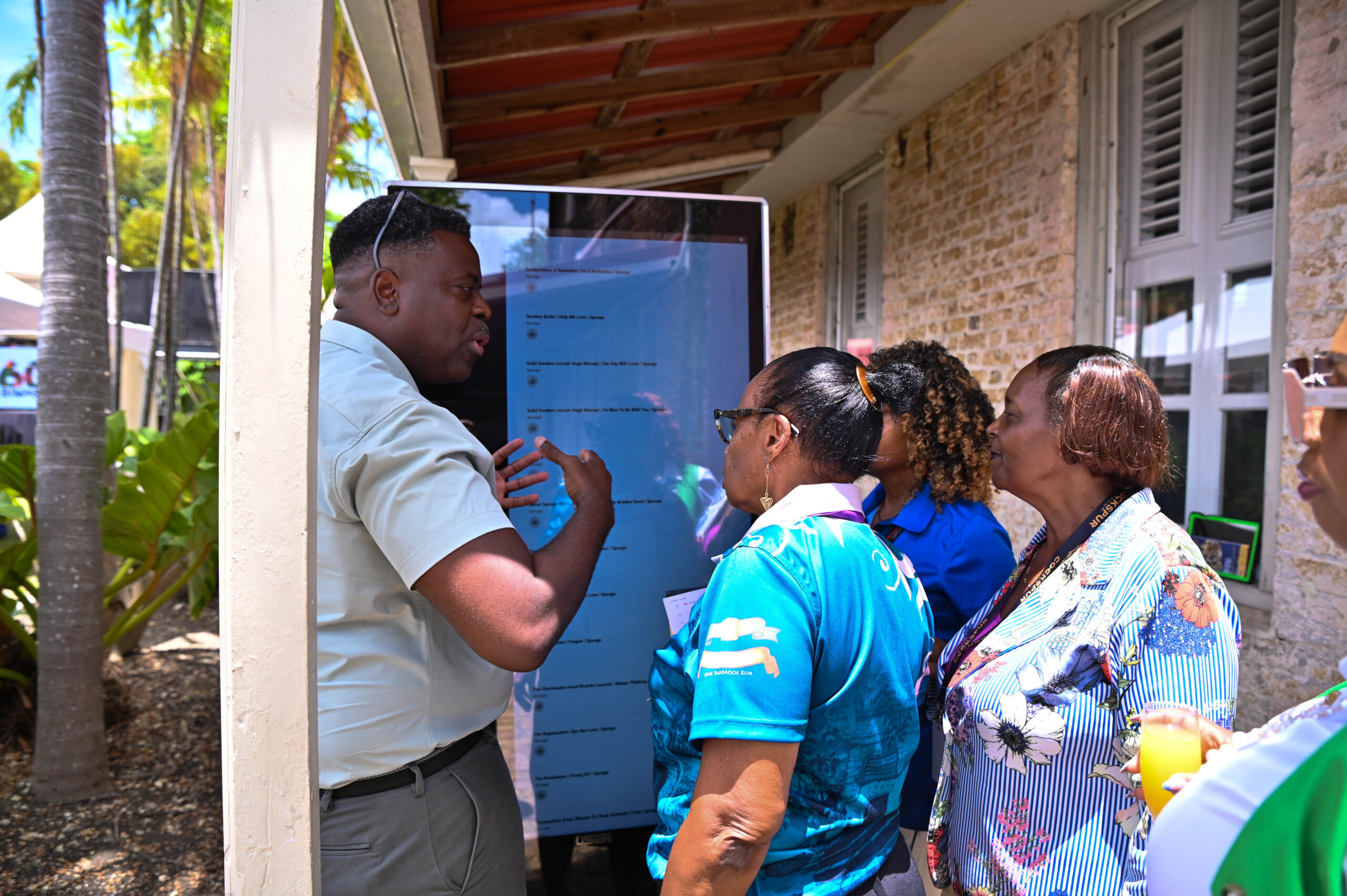
    From a pre-vetted shortlist of more than 200 songs that have shaped Barbadian cultural identity since 1966, members of the public can cast their votes online via the campaign’s digital platforms or at in-person interactive kiosks installed across the island. The initiative is far more than a public vote, however: when voting closes, the final selection will form the foundation of a lasting public legacy, including a permanent publicly accessible digital archive, themed curated playlists, a full-length documentary exploring the stories behind the selected tracks, new museum exhibitions, and educational resources for schools across the country and diaspora communities.

    Alissandra Cummins, director of the Barbados Museum & Historical Society, framed the project as a key step in the institution’s ongoing evolution ahead of its 2033 centenary, aligned with a broader vision to make heritage more accessible and community-centered. “Heritage cannot be confined to buildings or display cases,” Cummins said at the launch event. “Heritage lives in people. It lives in communities, traditions, creativity, language, memory, and shared experiences.”

    She explained that the museum is reimagining its role to become more open, connected and relevant to all segments of Barbadian society, merging traditional collection preservation with public dialogue and community participation. “Our stories, our museum,” she emphasized. “They remind us that the museum does not belong to a single generation, a single profession, or a single community. It belongs equally to the child visiting for the first time, the researcher exploring our archives, the artist finding inspiration, the family tracing its history, the Barbadians living overseas, and the visitor discovering our island for the very first time.”

    Cummins also used the launch to announce that the museum will launch a major capital fundraising campaign in August, which she described as “an investment in the stories we preserve, the knowledge we share, and the legacy we leave for future generations.”

    Kevin Farmer, deputy director of the Barbados Museum & Historical Society, noted that music has long functioned as a living historical record for Barbados, and remains one of the most potent expressions of national identity. “It reminds us that music is more than entertainment. It is evidence and testimony. It is history. It tells the story of a nation. It tells the story of people,” he said.

    Farmer extended an open invitation to all Barbadians worldwide, regardless of genre preference, to participate by selecting the tracks that have left a permanent mark on their personal and collective memory. “Whether they are gospel, soca, calypso, jazz, R&B, rock or hip-hop, that is the heart of BIM at 60,” he said. “We’re simply asking for you to share with us how the last 60 years are in a way inscribed on and in your memory.”

    He highlighted the deep historical roots of Barbadian musical heritage, noting that a traditional Barbadian slave song – one of the oldest documented enslaved musical works in the Caribbean region – has already been inscribed on UNESCO’s Memory of the World Register through cross-border collaboration. Addressing questions about why a historical museum would lead a music-focused project, Farmer argued that preserving living heritage is just as critical as conserving traditional artefacts and documents.

    “When you think of us, it is not simply about objects and pages, but it is about music. It’s about that which keeps us alive,” he said. “We’re trying in a very small way to capture it and immortalize it within 60 years of independence and the fifth anniversary as a republic.” He also called on the public to contribute informal musical memorabilia – such as handwritten lyric scribbles on napkins, brochures or beach scraps – noting that these ephemeral items hold as much historical value as the finished songs themselves.

    Carol Roberts, chief executive of the NCF, said the campaign offers an unprecedented opportunity for Barbadians to collectively define the nation’s musical identity. “BIM@60 is a project that asks a deceptively simple question: ‘What does Barbados sound like?’” Roberts said. “Our music is the most complete record we have of who we are – our humor, our struggles, our faith, our resilience, our passion, our hope, and our joy.”

    Roberts stressed that while the museum’s expert panel has already curated the shortlist of more than 200 culturally significant tracks, the public will have full control over the final 60-song selection. “This will not be an archive built behind closed doors,” she said. “From that curated list, it is you, me, the people of Barbados at home and across the diaspora, who will vote to choose the final top 60. Sixty songs for 60 years.”

    Outlining the campaign’s long-term legacy, Roberts added that the resulting resources will make Barbadian musical history accessible to future generations across the globe. “This will allow a child in a classroom in St Lucy or St Philip, Toronto… to trace the journey of their Barbadian music and understand that it belongs to them,” she said. The NCF will support the initiative by providing publicly accessible recordings, coordinating with artists and rights holders, and promoting the campaign across its national marketing and programming platforms. Roberts emphasized that the project is ultimately a tribute to Barbadian creative workers: “To our artists, composers, arrangers and producers, this project is, above all, for you. It says that your work is not in vain. It is heritage. It is history.”

    Trevor Prescod, Minister in the Prime Minister’s Office with responsibility for Pan-African Affairs and Heritage, noted that the campaign aligns with a critical moment in Barbados’ national history. Quoting Frantz Fanon, he said: “Each generation must discover its historic mission. You either honor it or betray it. I think staff of the museum, the NCF, and the Ministry… have all discovered our historic mission.”

    Prescod added that music has long documented the Barbadian experience, and should be leveraged to strengthen national identity while guiding future generations. “Over the years, the story of Barbados has been told in the lyrics of our fathers,” he said. “For generations, Barbadian artists, musicians, composers and cultural practitioners have given voice to our experiences, our aspirations, our struggles and our triumphs.” He also called for increased investment in Barbados’ cultural industries, arguing that music should be recognized both as a core cultural asset and a high-potential economic sector capable of generating wealth for local creators. Prescod urged continued support for local musicians and called for expanded international promotion of Barbadian creative talent.

    The launch event concluded with live performances from local artists Dale and Blood, who showcased a selection of new tracks alongside their most beloved earlier hits. Now that voting is open, organizers expect the final 60-song list to stand as a permanent, community-defined record of the music that has shaped Barbadian national life since independence, preserving these stories for generations to come.

  • Government says nationwide CCTV rollout on track for completion by end of August

    Government says nationwide CCTV rollout on track for completion by end of August

    A nationwide expansion of closed-circuit television (CCTV) surveillance infrastructure is progressing as planned and is on schedule to be fully completed by the end of August, a government spokesperson has officially confirmed. The large-scale rollout, which has been underway across multiple administrative regions for several months, aims to strengthen public safety protocols, enhance rapid emergency response capabilities, and support law enforcement efforts in preventing and investigating criminal activity across the country.

    Government project managers report that most installation work has already been wrapped up in urban centers and major transportation hubs, with final testing and infrastructure integration now being carried out in more remote rural and suburban locations. Officials have emphasized that the project adheres to strict data privacy regulations, with clear protocols in place to govern how surveillance footage is stored, accessed, and used to prevent misuse of personal information. While the rollout has drawn some discussion from privacy advocacy groups about the balance between public safety and individual privacy rights, government representatives reiterate that the system will deliver significant long-term benefits for community safety nationwide.

  • Airbnb, Airbnb.org partner with Caribbean disaster agencies ahead of hurricane season

    Airbnb, Airbnb.org partner with Caribbean disaster agencies ahead of hurricane season

    As the 2026 Atlantic hurricane season officially opens, Airbnb and its affiliated nonprofit emergency housing initiative Airbnb.org have launched two new collaborative agreements with leading Caribbean disaster and tourism bodies, designed to boost regional emergency response capacity and expand support for local communities impacted by hurricane-related disasters.

    At the core of the new partnerships is a formal Memorandum of Understanding (MOU) between Airbnb.org and the Caribbean Disaster Emergency Management Agency (CDEMA), a regional body that coordinates disaster response across 20 Caribbean member states. Established as an independent nonprofit by Airbnb, Airbnb.org’s core mission is to connect people displaced by crises with free emergency accommodation. This new agreement formalizes a coordinated response framework for the critical early phase of disaster relief operations.

    Under the terms of the MOU, CDEMA will work alongside local emergency response teams to quickly identify displaced households in need of temporary shelter after a disaster strikes. Airbnb.org will then tap into available listings on the main Airbnb platform to secure free emergency housing for those affected. Unlike many emergency shelter options, the housing provided through this program offers home-like amenities including full kitchens, in-unit laundry, and pet-friendly options, all covered fully by Airbnb.org with no out-of-pocket costs for guests.

    Christoph Gorder, Executive Director of Airbnb.org, noted that the organization already has a track record of emergency housing support in the Caribbean dating back to 2020. To date, Airbnb.org has provided more than 1,500 nights of emergency accommodation following high-impact hurricanes including Melissa, Beryl, and Fiona. Gorder emphasized that the new formal partnership will cut down on response time, allowing the organization to reach more vulnerable people faster when disaster strikes. “We help meet families’ unique needs by providing homes that offer privacy, dignity, and the practical comforts that make it possible to focus on rebuilding – and at no cost to the guest,” Gorder added.

    Elizabeth Riley, Executive Director of CDEMA, framed the collaboration as a valuable innovative addition to the region’s existing disaster response toolkit. “As we enter the 2026 Hurricane Season, the MOU strengthens our ability to support people affected by disasters through innovative solutions and enhanced regional collaboration. By combining CDEMA’s regional coordination capacity with Airbnb.org’s emergency housing support, we are expanding the resources available to communities when they need them most,” Riley said. She also highlighted that the partnership reflects a shared commitment to speeding up recovery by ensuring affected communities can access timely aid after a storm.

    Alongside the emergency housing agreement, Airbnb has launched a separate collaborative initiative with CDEMA and the Caribbean Tourism Organization (CTO) to develop a comprehensive hurricane safety guide for regional residents, property hosts, and visitors. The guide delivers actionable, practical guidance covering all stages of hurricane management: pre-season preparation steps, safety protocols during an active storm, and recovery procedures after the event passes. It also compiles key emergency contact information for multiple Caribbean islands to ensure quick access to aid.

    Per Airbnb’s announcement, the guide will first be distributed to all property hosts across the Caribbean region, who are encouraged to share the resource with guests staying at their properties throughout the hurricane season. Carlos Muñoz, Airbnb’s Director of Public Policy for the Caribbean and Central America, explained that the guide initiative addresses a critical gap in accessible, reliable hurricane preparedness information. “Safety in the Caribbean is a top priority for Airbnb. By collaborating with expert organizations like CDEMA and the CTO, we are ensuring our hosts and guests have access to vital, locally-sourced resources to prepare for and navigate hurricane season,” Muñoz said.

  • Antigua and Barbuda government reclaims 682 acres for redistribution to farmers

    Antigua and Barbuda government reclaims 682 acres for redistribution to farmers

    The government of Antigua and Barbuda is moving forward with a bold policy push to shore up national food security, reaffirming its commitment to redistributing hundreds of acres of long-idle government-held agricultural land to active, qualified producers. The initiative, which was first unveiled to the public several months ago, centers on reclaiming unproductive farmland that was already zoned for agricultural use but had been left untended for years.

    During a post-Cabinet press briefing held Thursday, Director General of Communications Maurice Merchant shared updates from the executive branch’s deliberations, noting that Cabinet received a progress report from Agriculture Minister Anthony Smith on the ongoing redistribution program. Per Smith’s briefing, the government has successfully recovered roughly 682 acres of abandoned or underutilized agricultural parcels that had remained unproductive for more than four years.

    This inventory of reclaimed land was compiled after a thorough, systematic assessment conducted by the country’s Agricultural Extension Division. The portfolio includes plots managed directly by the Extension Division, holdings overseen by the Agricultural Development Corporation, designated livestock lands, and parcels that previously had unresolved ownership disputes.

    All recovered acreage has now been marked for redistribution to vetted farmers who have a proven track record of consistent, productive agricultural activity. In the first phase of the rollout, 50 pre-screened farmers will receive either entirely new land allocations or additional acreage to scale up their existing operations. The core goals of this first phase are to lift domestic food output and build greater resilience for Antigua and Barbuda’s national food system.

    Merchant confirmed that candidate vetting has already been completed by the Agricultural Extension Division, with land parcels set to be allocated in the order that applications were originally submitted. To guarantee that the reclaimed land remains in active productive use, Cabinet has approved a six-month probationary period for all initial allocations. Throughout this probation window, the Ministry of Agriculture will conduct close monitoring of on-site cultivation activities, overall productivity levels, and compliance with the agreed-uped development plans for each plot. Farmers that meet the requirements of sustained, active agricultural production during their probation will be granted long-term occupancy rights to their allocated land.

    This land redistribution effort forms a core pillar of the Antigua and Barbuda government’s broader national strategy to put underused agricultural assets back to work. By growing local food production, the administration aims to cut the country’s long-standing dependence on imported food goods and build a more stable, self-reliant food system for the nation.

  • Antigua and Barbuda Cabinet reviews US$100 million proposal for horse racing and equine industry

    Antigua and Barbuda Cabinet reviews US$100 million proposal for horse racing and equine industry

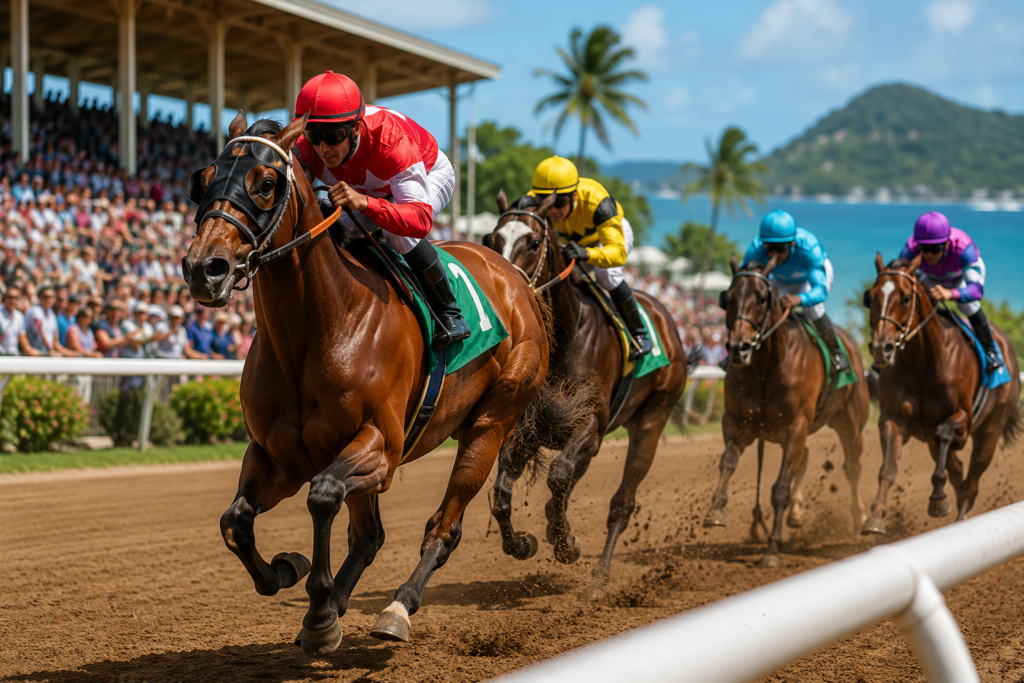
    The dual-island Caribbean nation of Antigua and Barbuda has entered a new phase of evaluating a transformative billion-dollar (EC) investment proposition that could reshape its tourism and economic landscape. A coalition of cross-border private investors has tabled an ambitious $100 million plan to build a comprehensive horse racing and equine sector, with backers projecting it will establish the country as the preeminent destination for equine sports, breeding and specialized services across the Caribbean region.

    Speaking at an official press briefing following Cabinet’s weekly meeting Thursday, Maurice Merchant, the nation’s Director General of Communications, outlined the full scope of the investor-backed master plan. Unlike small-scale standalone racing projects, the proposal outlines a fully connected equine ecosystem engineered to draw high-value international capital, elite racing competitions and niche tourism that fills gaps in the region’s current hospitality offerings.

    Per the plan breakdown shared with government officials, the first phase of construction alone carries an estimated price tag of $25 million. When fully built out, the development will encompass much more than a single racing track. Core components include an international-grade racecourse meeting global competitive standards, a specialized thoroughbred breeding facility, a full-service equine veterinary hospital, a purpose-built biosecurity and animal quarantine station, vocational education and training programs for local workers in the equine field, on-site hospitality and leisure amenities for visitors, and all supporting core infrastructure needed to operate the hub.

    Given the significant size of the proposed investment and the multi-layered complexity of developing a full cross-sector equine industry from the ground up, the Cabinet has determined that more in-depth due diligence is required before moving forward with any final approval. Merchant confirmed that the investor consortium will be invited back for a sequence of additional follow-up presentations, where they will be required to share granular details on the project’s financial structure, proposed regulatory frameworks to govern the industry, environmental impact assessments, phased implementation timelines, and overall investment breakdown.

    Government decision-makers will conduct a thorough review of these technical and operational details before voting on whether to move ahead with the landmark development, Merchant added.

  • Cabinet approves EC$15 million livestock processing complex at Betty’s Hope

    Cabinet approves EC$15 million livestock processing complex at Betty’s Hope

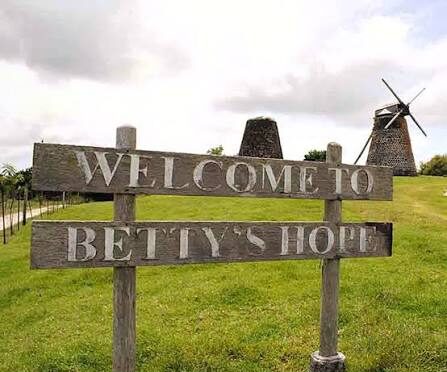
    The Caribbean nation of Antigua and Barbuda has taken a major step toward revitalizing its stagnant livestock sector and bolstering long-term food sovereignty, after the national Cabinet formally approved the initial phase of a cutting-edge integrated livestock processing complex slated for construction at the historic Betty’s Hope site. Backed by a total planned investment of roughly 15 million Eastern Caribbean dollars, the government frames the initiative as a cornerstone effort to cut the country’s heavy dependence on imported meat products and reenergize domestic agricultural production.

    Speaking at a post-Cabinet press briefing held this Thursday, Maurice Merchant, the nation’s Director General of Communications, outlined that the full Cabinet received a detailed project briefing from a cross-functional team of senior stakeholders from the Ministry of Agriculture, Lands and the Blue Economy. The group included the permanent secretary of the ministry, the national director of agriculture, the project’s lead consultant, and the on-the-ground project manager, all of whom walked decision-makers through the scope and long-term vision for the development.

    The first phase of the multi-stage strategy focuses on constructing a modern, fully compliant abattoir purpose-built for small ruminants and swine, alongside a separate, dedicated processing facility for poultry, all located at the Betty’s Hope site. This initial build lays the foundation for what will eventually become the country’s national Veterinary Livestock Development Complex, a centralized hub that will bring together core national activities spanning livestock production, professional veterinary services, commercial food processing, agricultural research, farmer training, and local agribusiness development.

    Project planners highlighted that the availability of government-owned Crown land at Betty’s Hope makes the location uniquely ideal for the integrated complex. Co-locating all veterinary, livestock production, and regulatory services on a single site will not only provide a permanent, purpose-built headquarters for the national Veterinary and Livestock Division, but also streamline cross-agency coordination, cut long-term operational costs, and boost overall service delivery efficiency.

    During the presentation, stakeholders acknowledged that Antigua and Barbuda already holds all the core assets needed to build a thriving, competitive livestock sector: the country benefits from favorable climate conditions that support animal rearing, has ample suitable land resources, and already employs the technical expertise required to scale the industry. However, they also noted that the sector has suffered a steady decline over multiple decades, driven by a range of persistent challenges: growing price competition from low-cost imported meat products, shifting national land use patterns that have reduced available grazing space, steadily rising domestic production costs, and growing climate-related shocks that have disrupted small-scale livestock operations.

    Beyond simply upgrading outdated slaughtering and processing infrastructure, the full national strategy aims to reverse that decades-long decline through a phased expansion approach that supports domestic livestock producers at every step. Key mid-term objectives include growing the national livestock population through improved selective breeding programs, enhanced access to high-quality animal nutrition, strengthened preventative and clinical veterinary services, and targeted direct support for smallholder and commercial livestock farmers across the country.

    Subsequent phases of the overall project will expand the complex to add integrated meat packing and value-added processing facilities, industrial cold storage for finished products, domestic feed production operations, and systems to repurpose livestock by-products for additional commercial use. These downstream expansions are explicitly designed to create new, sustainable jobs in the agricultural sector and keep more economic revenue from livestock production within Antigua and Barbuda’s domestic economy, rather than sending that revenue overseas for imported processing or finished products.

    Merchant confirmed that the government has already begun preparing for construction, having proactively acquired key equipment for the new facilities over recent months. Critical core equipment for the main abattoir has already arrived on the islands, clearing the way for the Ministry of Agriculture to break ground on the Betty’s Hope complex immediately following formal Cabinet approval.

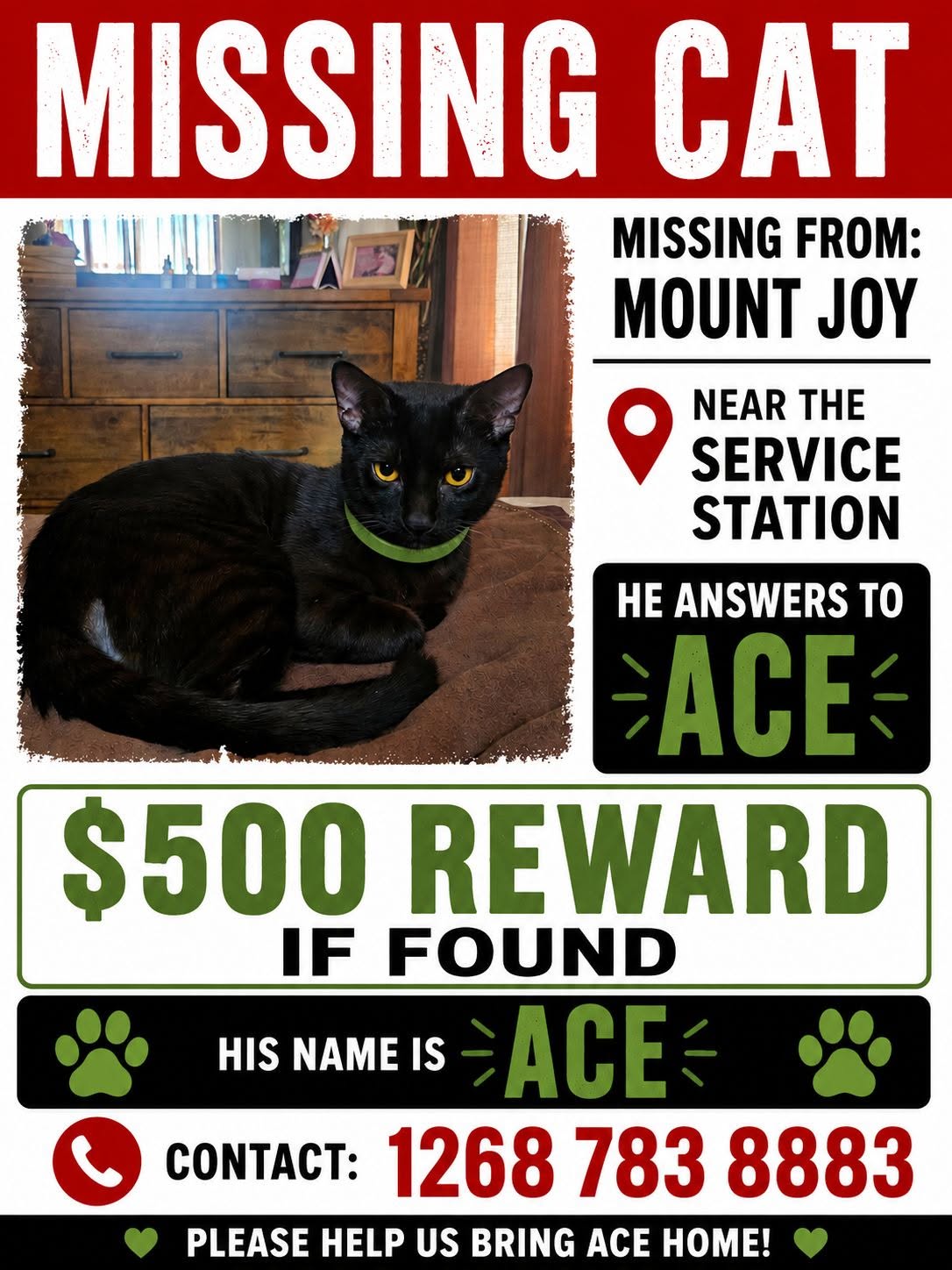
  • $500 Reward Offered as Search Continues for Missing Mount Joy Cat

    $500 Reward Offered as Search Continues for Missing Mount Joy Cat

    A growing search is underway for a missing domestic cat in Mount Joy, and the worried owner is putting up a $500 reward to incentivize community help for the pet’s safe return. The missing feline, named Ace, is a neutered black cat who has been absent from his home for several days. His owner, Reeva Armstrong, explained that while Ace has a habit of wandering around the neighborhood, this extended disappearance is completely out of character for the pet. This unusual stretch away from home has left Armstrong increasingly anxious about Ace’s well-being and safety. According to the latest updates from the owner, Ace was last spotted in the Mount Joy neighborhood in close proximity to the local service station. Armstrong is urging anyone who may have seen Ace, has information about his whereabouts, or has encountered a stray black cat matching his description in the area to reach out via phone immediately. Every tip, no matter how small, could bring Ace one step closer to being reunited with his waiting owner.

  • Art Week 2026 announces new public art installation, expanded exhibitions and immersive experiences

    Art Week 2026 announces new public art installation, expanded exhibitions and immersive experiences

    The twin-island nation of Antigua and Barbuda is gearing up to welcome art lovers and travelers for the fourth iteration of its popular Antigua and Barbuda Art Week, scheduled to run across the country from November 11 to 18, 2026. The full preliminary program was revealed earlier this year at an official media launch hosted at Quay Studio, located in the historic Redcliffe Quay district, where organizers introduced a slate of fresh initiatives designed to deepen engagement between local creatives, residents and international visitors.

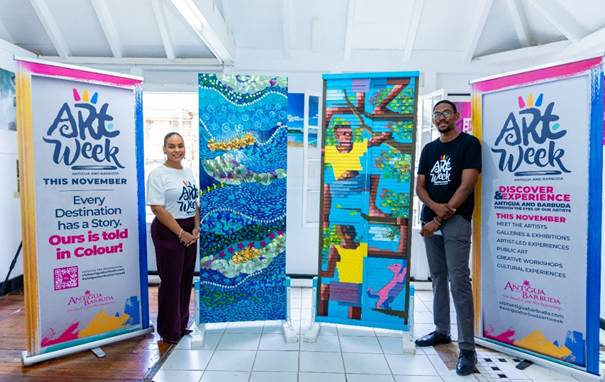
    At the heart of the new programming is ‘Dual Thresholds’, a one-of-a-kind public art installation developed by Quay Barracks Art Galleries. The concept reimagines reclaimed wooden doors as canvases, with each transformed artwork drawing inspiration from the islands’ people, vibrant culture, sweeping coastal landscapes and everyday local life. During the launch, Tourism Authority representative Spencer joined acclaimed visual artist Dylan Phillips to preview two vividly painted doors that will anchor the exhibition — these opening pieces were co-created by Phillips and celebrated local artist Heather Doram, MFA, GCM. In total, the exhibition will showcase 28 freestanding, double-sided door works, all crafted by artists based in Antigua and Barbuda.

    Notably, the installation will make its first public appearance ahead of Art Week, during the 2026 Commonwealth Heads of Government Meeting (CHOGM), which Antigua and Barbuda will host from November 1 to 4 that year. It will remain on display for general public viewing throughout the official Art Week program.

    Another centerpiece of the 2026 event is a career retrospective honoring the late Maria Ross Iztueta, a foundational figure in Antigua and Barbuda’s art scene who lived from 1934 to 2024. The exhibition will be the flagship show at The Barracks Gallery, and the announcement was made jointly by curator Stephen Murphy and Iztueta’s daughter, Amaya Ross, at the launch. Murphy emphasized Iztueta’s outsized impact on the local creative community, noting that the retrospective will introduce her groundbreaking work to a new generation of audiences during the week-long event.

    The full 2026 Art Week lineup brings a diverse range of experiences beyond the two flagship exhibits. Highlights include the popular ‘Art in the Quay’ showcase, the return of the fan-favorite ‘Art and Cultural Village’, open access to private studios and public galleries paired with intimate ‘Meet the Artist’ sessions, a cross-island ‘Art Trail’ with a new interactive ‘Art Trail Passport’, ‘Flavours & Canvas’ — an immersive experience that blends local culinary arts with open-air painting — a live competitive ‘Art Battle’ where artists create works in real time, curated fashion presentations, and multiple additional pop-up and solo exhibitions. Organizers note that full schedule and ticketing details will be released incrementally in the months leading up to the November 2026 event.

    Attendees at the launch event, which included tourism and culture officials, working artists and invited community guests, were treated to two special preview performances tied to Art Week 2026’s overarching campaign theme: ‘Every Destination Has a Story. Ours is Told in Colour.’ These included the world premiere of the first entry in Art Week’s new ‘Meet the Artist’ video series, featuring Heather Doram, as well as a moving dub poetry performance by renowned local poet O’dane Doyley. Several prominent local visual artists, including Emile Hill, Stephen Murphy and Dylan Phillips, also delivered remarks urging fellow creatives across the region to take part in the 2026 event.

    The Antigua and Barbuda Tourism Authority has extended an open invitation to artists based in Antigua and Barbuda and across the wider Caribbean to apply for the event through the ongoing ‘Call for Artists’ process. Submission portals will remain open until July 30 of this year, with the online entry form available on the Antigua and Barbuda Tourism Authority’s official Art Week webpage. Organizers are also welcoming involvement from local businesses, nonprofits and community partners through sponsorship opportunities and collaborative programming. For the ‘Dual Thresholds’ initiative specifically, the Tourism Authority is asking local businesses, contractors and community members to donate gently used, structurally sound wooden doors to the Quay Barracks Art Galleries in Redcliffe Quay for participating artists to transform into original works.