博客

  • Dad grieves slain son: ‘Not this one’

    Dad grieves slain son: ‘Not this one’

    A quiet, hardworking handyman has been killed in a brazen late-night shooting by masked assailants in the Bahamas, leaving his devastated family searching for justice and grappling with an unspeakable second loss to violent crime. Thirty-five-year-old Dwight “Smily” Benjamin was fatally shot just after 9 p.m. Wednesday as he left a private residence off Father Calnan Road, a side street connected to Market Street, according to local law enforcement accounts.

    Police investigations confirm two attackers arrived at the scene on a motor scooter. One suspect, wearing a black jacket and a white face covering, dismounted the vehicle and opened fire directly on Benjamin, striking him multiple times before the pair fled the area. The sudden attack has left Benjamin’s relatives in shock, as they describe the victim as a man who dedicated his life to work and caring for his family, and who never sought conflict with anyone.

    Shawn Benjamin, the victim’s grieving father, told local reporters he cannot reconcile why his son was targeted. He said if attackers had been aiming for his other son, he would not have been surprised – but that “not this one.” “My son ain’t that type of person,” Shawn Benjamin explained in an interview. “I have another son. If they say they come for that one, I could believe that, but not this one. I upfront. I grieving right now.”

    According to the elder Benjamin, his son was visiting a friend at the time of the attack. When he traveled to the residence to investigate the killing afterward, he was told the attack was almost certainly a case of mistaken identity. “I been hunting,” he said, describing his search for answers in the wake of his son’s death. “I don’t care whoever I come behind. That’s my son. I been hunting. I been up and down the place where they does be.”

    Tragically, this killing reopens a devastating old wound for the father of four. Shawn Benjamin already lost his eldest son to gun violence back in 2008, leaving him with just two surviving sons after this latest attack. “I done lose a son. I done know how it feel but this the second one and for unnecessary violence,” he said.

    Family members paint a consistent picture of Benjamin as a reserved, family-focused handyman with strong practical skills. He kept mostly to himself, they say, rarely leaving his routine of work and time at home, and was always willing to help relatives with errands, mechanical projects, construction work, and other hands-on tasks.

    Shandera Sweeting, Benjamin’s cousin, said the senseless nature of the killing has compounded the family’s pain. “This is why it really hurts a lot,” Ms Sweeting said. “Smily don’t even trouble people. This the first time my family ever had to go through something like this and for a person who don’t even party or any of them things, to do my cousin so dirty.”

    She added that the family is still reeling from the recent burial of another relative, making this sudden, violent loss even harder to process. “Something really need to be done with all this reckless killing,” Ms Sweeting urged. “They take away my uncle son. He didn’t deserve that. Smily was a very respectable man.”

    According to unofficial murder count records kept by The Tribune, Benjamin’s killing pushes the total number of murders in the country so far this year to 41, highlighting the ongoing crisis of violent gun violence that continues to tear apart communities and families across the nation.

  • Dominican Republic reports 171 dengue cases in 2026 as incidence declines

    Dominican Republic reports 171 dengue cases in 2026 as incidence declines

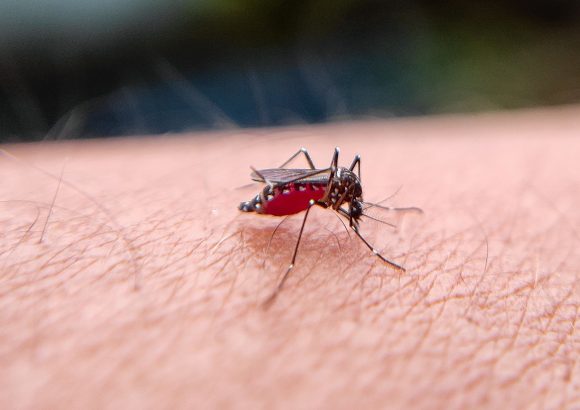
    Public health authorities in the Dominican Republic have released their latest epidemiological update, providing a clear snapshot of the country’s ongoing infectious disease and public health outcomes through the 26th week of 2026. According to data from the nation’s Ministry of Public Health, the cumulative count of confirmed dengue fever cases across the country has reached 171, following the addition of nine newly confirmed infections recorded during the most recent monitoring week.

    Calculated against the country’s total population, the current national incidence rate stands at 3.10 cases per 100,000 residents. This figure marks an 8% reduction in new infections when compared to data from the identical period in 2025, placing current dengue activity well within the range health officials projected for this time of year and below the average case counts recorded over previous decades.

    Beyond dengue, the update tracked trends for other endemic infectious diseases of concern in the region. One additional case of leptospirosis was confirmed in the reporting week, pushing the national 2026 total to 179 cases. No new diagnoses of cholera or malaria were added to official counts over the same period, leaving the year’s cumulative malaria case count at 104 — a number that underscores a substantial, long-term downward trend in malaria transmission across the country.

    The bulletin also included updated mortality data for maternal and infant health. Five new maternal deaths were recorded during epidemiological week 26, bringing the total number of maternal deaths in 2026 to 68. For infant mortality, 24 new deaths were reported in the week, bringing the cumulative total to 795. This marks a notable decrease from the 896 infant deaths recorded during the same timeframe in 2025, signaling incremental progress in reducing early childhood mortality.

    As the global observance of World Brain Day approaches on July 22, Dominican public health officials have used the update to issue a public call for greater prioritization of mental and neurological health. The ministry emphasized that as many as 45% of all dementia cases can be prevented, have their onset delayed, or be effectively managed if individuals address modifiable health risk factors at an early stage. To support public access to mental health care, authorities highlighted the ongoing operation of the government’s free, confidential “Take Care of Your Mental Health” support hotline, reachable 24/7 by dialing 711. The service provides free psychological counseling and urgent crisis intervention for any resident in need.

  • Video of altercation involving employee at hotel in Punta Cana

    Video of altercation involving employee at hotel in Punta Cana

    A viral video filmed at Moon Palace The Grand Punta Cana, a high-profile resort in the popular Dominican tourist destination of Punta Cana, has ignited widespread debate across social media platforms after capturing a heated altercation involving one of the property’s employees.

    The circulating footage, which was first shared by social media creator Enyel Peralta, shows the hotel employee exhibiting aggressive behavior during the on-property confrontation, while multiple bystanders can be seen making attempts to calm the situation and prevent the conflict from escalating. In the wake of the video’s rapid spread online, many social media users have raised sharp questions about the actions of the resort’s in-house security team, with multiple commenters claiming that security personnel failed to step in and intervene at the earliest stages of the incident.

    Public pressure has grown rapidly since the video went viral, with hundreds of online users calling on resort leadership to release a full public explanation of the events that unfolded, as well as provide clear clarification on the official security protocols the staff followed during the confrontation. Tourism observers note that calls for transparency come as the Dominican Republic works to maintain its reputation as a safe, welcoming destination for international travelers, making on-resort security incidents a particularly sensitive issue for local hospitality stakeholders.

    As of the time of this reporting, senior leadership at Moon Palace The Grand Punta Cana have not released any official public statement addressing the incident, nor have they confirmed whether the resort has launched an internal investigation to review the altercation and the security team’s response.

  • David Collado promotes Dominican Republic tourism in Chicago

    David Collado promotes Dominican Republic tourism in Chicago

    CHICAGO — In a targeted push to expand its footprint in the lucrative North American travel market, Dominican Republic Tourism Minister David Collado has led a high-profile promotional engagement here for U.S. travel agents and tour operators. The initiative forms a core plank of the Caribbean nation’s broader strategic plan to ramp up tourism inflows from the United States, one of its most important source markets for international visitors.

    At the industry-focused presentation, Collado walked attending stakeholders through the Dominican Republic’s newest tourism infrastructure and experience developments, from expanded luxury resort complexes to new ecotourism and cultural exploration offerings. He emphasized the country’s one-of-a-kind diverse array of travel attractions — ranging from powdery white Caribbean beaches and mountainous rainforest reserves to vibrant colonial cities and world-class golf courses — that have cemented its growing popularity among travelers from across the globe.

    A key point of emphasis during the event was the outsized role Illinois plays as a strategic source market for the Dominican Republic. Collado shared official data showing that more than 140,000 residents of Illinois have traveled to the country over recent years, a figure that underscores the steady, robust demand for the Caribbean destination among Midwestern U.S. travelers.

    Collado opened the event by extending sincere gratitude to travel advisors, tour operators, and local industry partners for their longstanding collaboration and support in promoting the Dominican Republic as a top travel choice. He also reaffirmed the Dominican Ministry of Tourism (Mitur)’s ongoing commitment to scaling up targeted promotional activities in high-priority markets across the U.S., with the goal of supporting consistent, long-term growth for the country’s vital tourism sector.

    This Chicago promotional stop is the latest installment in Mitur’s active international marketing agenda, which is designed to deepen working relationships with key travel industry partners across the globe and drive steady increases in annual visitor arrivals to the Dominican Republic. More coverage of global and Dominican tourism trends is available via DominicanScope.

  • Dominican Republic confirms participation in 2026 Ibero-American Summit in Madrid

    Dominican Republic confirms participation in 2026 Ibero-American Summit in Madrid

    During an official working trip to Spain, Dominican Republic Vice President Raquel Peña has formally confirmed the Caribbean nation’s participation in the 30th Ibero-American Summit of Heads of State and Government, set to take place in Madrid from November 4 to 5, 2026. The confirmation came during a scheduled bilateral meeting with Narciso Casado, who holds dual roles as Director of Relations with Ibero-America at Spain’s Confederation of Business Organizations (CEOE) and Permanent Secretary of the Ibero-American Business Council (CEIB).

    This meeting was a core component of Peña’s official agenda in Spain, which centers on deepening existing bilateral cooperation and expanding economic ties between the two countries. Beyond confirming summit participation, the pair held in-depth discussions around a potential pilot rollout of the 4T Model in the Dominican Republic. This public-private partnership initiative is specifically crafted to lift up micro, small, and medium-sized enterprises (MSMEs) by improving their competitiveness, boosting productivity, and expanding their access to both domestic and international markets.

    Per an official statement from the Dominican Vice Presidency, the 4T initiative is positioned to deliver meaningful strengthening to the MSME sector, a cornerstone of the Dominican economy that drives massive job creation and sustains broad-based national economic growth. The framework of the 4T Model is built on four foundational pillars: Talent, Territory, Transformation, and Traction, and it prioritizes aligned collaboration between government entities and private sector stakeholders to accelerate inclusive business development across the country.

    In addition to her economic and diplomatic engagements, Peña’s Spanish itinerary included a formal visit to the Royal Spanish Academy (RAE), one of the most influential institutions governing the Spanish language globally. During the tour, she met with Juan Luis Cebrián, a sitting RAE member and the founding journalist of Spain’s leading national newspaper El País. Accompanied by Dominican Ambassador to Spain Tony Raful and Dominican Minister Víctor “Ito” Bisonó, Peña toured the academy’s centuries-old historic library, using the occasion to underscore the deep cultural and linguistic bonds that connect the Dominican Republic to the broader Spanish-speaking global community.

  • Beijing ontvluchten: Een nieuwe bladzijde voor de jonge generatie in China

    Beijing ontvluchten: Een nieuwe bladzijde voor de jonge generatie in China

    For centuries, Beijing has stood as a global symbol of Chinese ambition, opportunity, and national legacy. From its centuries as an imperial capital to its modern role as the country’s political and economic core, the city has drawn millions of dreamers from across the nation, all chasing upward mobility and a higher standard of living. Centuries ago, imperial scholars flocked to the city to prove their worth and secure prestigious positions; in recent decades, as China experienced an unprecedented economic boom, waves of new graduates, ambitious entrepreneurs, and rural migrant workers arrived in Beijing, each betting on the city to deliver a brighter future.

  • C-SAC protocol named global finalist in the UN FAO’s 2026 AgriInno Challenge

    C-SAC protocol named global finalist in the UN FAO’s 2026 AgriInno Challenge

    A groundbreaking Caribbean-led financial mechanism designed to reward smallholder farmers for climate-friendly ecological stewardship has earned a spot among the world’s most promising agricultural innovations, cementing its place as a potential game-changer for global climate action in the farming sector.

    The Grenada-based Climate-Smart Agriculture Compliant (C-SAC) initiative was officially selected as one of only 13 global finalists for the 2026 Global AgriInno Challenge (GAC), hosted in Hangzhou, China. This recognition puts the C-SAC in the running for up to $30,000 in seed funding, as well as a high-profile opportunity to present its blockchain-powered solution at the Food and Agriculture Organisation (FAO) Science and Innovation Forum in Rome this coming October.

    The innovation, developed by Steve Maximay, science advisor to the North East Farmers Organisation (NEFO), marks a fundamental shift in how smallholder farmers are compensated for their work advancing climate goals. For decades, traditional global commodity markets have paid farmers exclusively based on crop output, with no financial compensation for the on-the-ground ecological work required to meet the terms of international climate agreements. Maximay’s C-SAC tool and protocol fills this critical gap, creating a structured system to reward climate-positive farming practices.

    “Attachment of a financial incentive is the most effective way to drive widespread adoption of climate-smart adaptation among farmers,” Maximay explained in comments on the finalist selection, which he called a landmark win for Caribbean agricultural innovation. “We have developed a proven mechanism to deliver rewards to farmers that draws on negotiated climate justice and just transition funds. This framework moves farming communities from a state of constant climate vulnerability toward tangible, long-term sustainable abundance.”

    Beyond delivering financial incentives, a core function of C-SAC is to crack down on greenwashing in climate-smart agriculture labeling. Operating as a rigorous independent auditing protocol, the system was already adopted as the official de facto climate-smart mechanism by St. Vincent and the Grenadines and the Partnership Initiative for Sustainable Land Management (PISLM) to activate long-planned Climate Premium payments for farmers.

    The C-SAC framework scores farms across five key performance domains: natural resource conservation, energy usage, on-farm safety, biodiversity support, and greenhouse gas emissions reduction. To earn official C-SAC certification, a farm must achieve a minimum baseline score of 40 points out of a total 100, a threshold designed to filter out unsubstantiated claims of climate-friendly practice.

    The true transformative power of C-SAC lies in its digital infrastructure, Maximay noted. By leveraging a secure blockchain-based distributed ledger and automated smart contracts, the system eliminates administrative delays and guarantees transparent delivery of Climate Premium payments. When farmers bring their harvest to market, they receive the standard commodity price from buyers, paired with an automatic 10 to 20 percent Climate Premium top-up sent directly to their digital wallets. Unlike climate premiums passed on to local consumers, this additional payment is sourced entirely from global just transition and climate justice reserve funds, delivering support directly to grassroots farming communities without raising food costs for local buyers.

    Looking ahead, the C-SAC Caribbean Programme, led by NEFO, will represent the region on the global innovation stage as it works to scale the framework to roughly 3,000 smallholder farmers across six Eastern Caribbean nations: Grenada, St. Vincent and the Grenadines, St. Lucia, Antigua and Barbuda, Dominica, and St. Kitts and Nevis. If successful, the model could provide a replicable blueprint for connecting global climate finance directly to small-scale producers in climate-vulnerable regions around the world.

  • Police Academy Chief Calls for Modern Training Facility to Meet Evolving Crime Threats

    Police Academy Chief Calls for Modern Training Facility to Meet Evolving Crime Threats

    During a historic graduation ceremony for the 50th Recruit Training Course at Antigua and Barbuda’s Sir Wright F. George Police Academy, Superintendent Rodney Ellis, the facility’s commandant, has issued a formal public appeal to the national government to prioritize the construction of a purpose-built, modern police training academy on the institution’s existing site. Addressing gathered recruits, officials, and stakeholders, Ellis used the occasion of the milestone graduation to highlight a critical gap in the country’s law enforcement infrastructure: the current academy building no longer meets the evolving demands of 21st-century policing.

  • Police Commissioner Apologises for Past Shortcomings, Pledges Greater Accountability

    Police Commissioner Apologises for Past Shortcomings, Pledges Greater Accountability

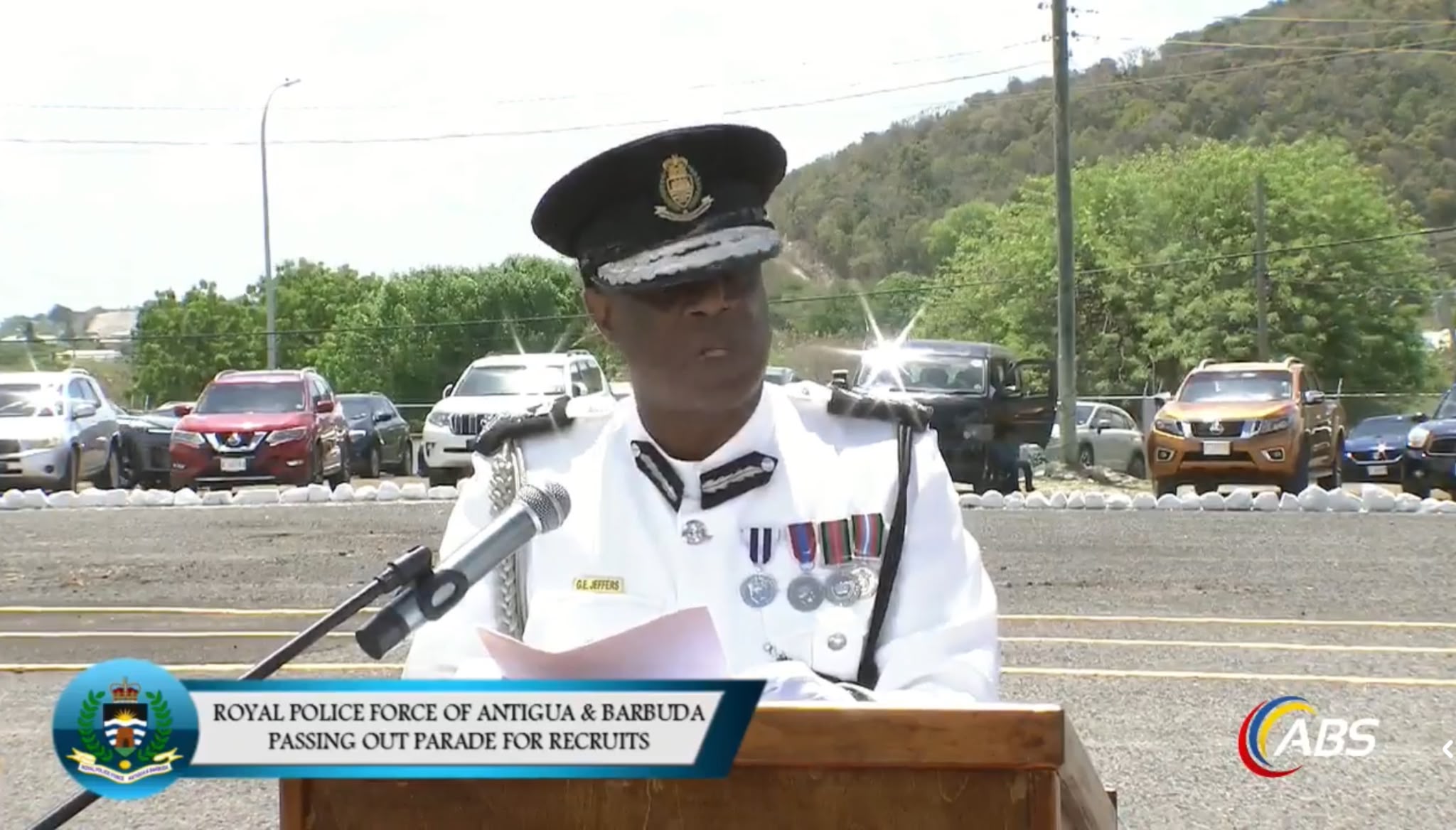
    At a landmark graduation ceremony for the 50th cohort of recruit trainees at the Sir Wright F. George Police Academy, Everton Jeffers, Commissioner of the Royal Police Force of Antigua and Barbuda, delivered a rare and candid public apology to community members who have received substandard service from the force. In his remarks to 43 newly graduated officers who completed a rigorous six-month training program with an overall 95.6% pass rate, Jeffers acknowledged that the institution has repeatedly failed to meet the public’s expected standards of policing, while outlining concrete commitments to lift professionalism and institutional accountability across the force.

    Jeffers opened his address by framing public service as the non-negotiable core of policing, telling the graduating class that their new role is far more than a paid job—it is a “sacred trust” placed in them by the communities they will serve. He urged every new officer to exercise their legal authority with intentional fairness, humility, compassion and unwavering integrity, emphasizing that high-quality policing depends on consistent professionalism in every single interaction with members of the public. “There are no shortcuts to providing top quality service to the public,” Jeffers told the assembled graduates and guests. “Each complaint must be properly investigated with the highest level of professionalism, courtesy and respect for the rights and dignity of everyone.”

    Turning to the state of the broader force, Jeffers offered a frank assessment of past shortcomings that have eroded public trust. “As Commissioner of Police, I acknowledge that we may not always get everything right, and there have been times when our actions or service may have fallen short of the standards that are expected,” he said. Speaking on behalf of the entire Royal Police Force, he extended a formal apology to all those affected by inadequate or inappropriate conduct from force members: “Therefore, I use this platform to offer my sincerest apologies to anyone who may have been wronged, disappointed or offended by the action or conduct of any member of this organisation.”

    Pushback against the idea that this public acknowledgment of flaws signals weakness, Jeffers reframed transparency as a critical step toward institutional growth. “While we are proud of the significant progress we have made over the years, we also recognise that there’s still room for improvement. We do not view this as weakness, but rather as an opportunity to grow, to learn and to serve better,” he explained.

    Jeffers made clear that zero tolerance will be enforced for behavior that undermines public confidence, warning new recruits that unprofessionalism, consistent lateness, and low productivity will not be overlooked under his leadership. “As a young officer, your honesty and integrity will be tested. However, I urge you to do the right thing at all times, even when no one is watching,” he cautioned.

    Closing his remarks, Jeffers reaffirmed his unwavering personal commitment to addressing systemic deficiencies within the organization. He pledged that force leadership would continue targeting weaknesses, upholding strict standards of professionalism and accountability, and working daily to deliver the high-quality service the public deserves. His overarching goal, he restated, is to build a police force that earns and retains the trust of the Antigua and Barbuda communities it serves through consistent action, transparency, and continuous improvement.

  • Commissioner Jeffers Tells New Police Officers Public Service Must Be at Heart of Policing

    Commissioner Jeffers Tells New Police Officers Public Service Must Be at Heart of Policing

    At a milestone graduation ceremony for the 50th Recruit Training Course held at the Sir Wright F. George Police Academy, Antigua and Barbuda’s top law enforcement leader has laid out clear expectations for the country’s newest class of police officers, emphasizing that public service must be the core of every officer’s career.

    Police Commissioner Everton Jeffers addressed the 43 graduating recruits, who successfully completed a rigorous six-month training program to earn their placements. With an overall 95.6 percent pass rate for the course, the graduating class marks a new generation of law enforcement officers joining the Royal Police Force of Antigua and Barbuda.

    Jeffers stressed that the new officers are not merely entering a traditional nine-to-five career, but accepting a public commitment that demands far more than just showing up for a paycheck. “Today, you’re not just simply receiving a certificate of completion. You are accepting a sacred trust,” he told the assembled graduates and guests. He framed the legal authority granted to police officers not as a personal privilege to be exploited, but as a weighty responsibility that must always be exercised for the good of the Antigua and Barbuda public.

    “From this day forward, you are the guardians of the law, protectors of the vulnerable and ambassadors of the Royal Police Force of Antigua and Barbuda,” Jeffers said. “The authority you now carry is not a privilege for you to abuse, but a responsibility to exercise with fairness, humility, compassion and unwavering integrity.”

    The commissioner made clear that technical training alone is not enough to build an effective, trusted police force. The force needs officers who bring strong personal character to their work: dependability, courtesy, empathy for community members in need, and the ability to maintain composure and professional conduct even when facing high-stakes, adversarial situations. Every interaction with the public, from investigating routine complaints to responding to emergencies, must be carried out with the highest respect for the rights and dignity of all people, he added, noting there are no shortcuts to delivering quality public service.

    Jeffers also issued a firm warning that unprofessional conduct will not be tolerated within the force. Zero tolerance will apply to laziness, consistent lateness, unproductive work, and any behavior that erodes public trust in law enforcement. He acknowledged that new officers will face repeated tests of their honesty and integrity throughout their careers, and urged them to uphold ethical standards even when no oversight is present.

    In closing, Jeffers called on veteran senior officers across the force to step into mentorship roles for the new recruits, noting that early career guidance is critical to helping new officers build long, successful careers. Young officers need experienced role models to show them what ethical, effective policing looks like, and senior leaders have a responsibility to prevent new recruits from straying from the force’s core values, he said.

    He ended his address by reminding graduates that their police badge carries far more meaning than just a symbol of legal power. “Your badge represents far more than authority. It represents sacrifice, honour, courage and service. Wear it with humility. Protect it with integrity. Live worthy of it every single day,” he said.