博客

  • San Lazaro Farmer Charged for Murder of Elderly Man

    San Lazaro Farmer Charged for Murder of Elderly Man

    A shocking act of violence has convulsed the small farming community of San Lazaro in Belize’s Orange Walk District, after a local farmer was officially charged with the murder of a well-liked 68-year-old resident killed while out cycling earlier this week.

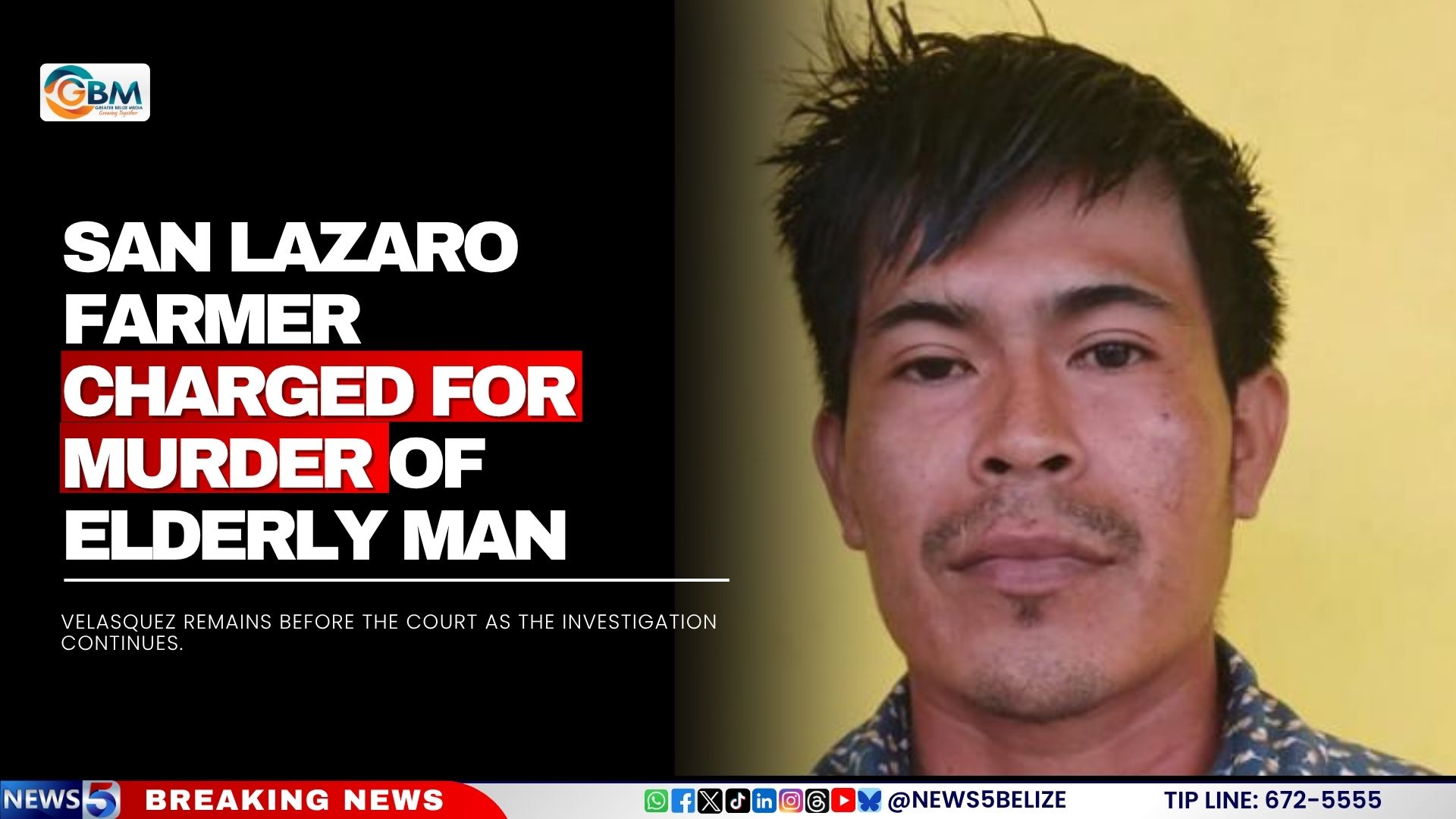
    On July 16, 2026, Belizean police announced they had filed formal murder charges against 26-year-old Christian Navel Velasquez, a farmer based in San Lazaro. Velasquez is accused of carrying out the fatal attack on 68-year-old Virginio Carillo on the afternoon of July 13, as Carillo rode his bicycle along a rural road adjacent to a local sugar cane field.

    According to preliminary findings from the ongoing investigation, the attacker waited in dense vegetation alongside the road before emerging to launch the sudden, deadly assault on Carillo. No motive for the killing has been released to the public as detectives continue to piece together details of the incident.

    News of the murder has sent ripples of fear and grief through the close-knit San Lazaro community, where Carillo was widely known as a hard-working, dedicated resident who was actively involved in local village life. Residents have expressed shock over the unprovoked attack on an elderly, well-regarded community member.

    As of the latest update, Velasquez remains in custody and is scheduled to appear before the courts, with the official investigation still ongoing to uncover all circumstances surrounding the killing.

  • 124 Women Entrepreneurs Graduate from Business Incubator Programme

    124 Women Entrepreneurs Graduate from Business Incubator Programme

    In a milestone for women’s economic empowerment in Belize, 124 women entrepreneurs from every corner of the country have officially graduated from the incubator phase of the landmark “Catalyse Her Potential: Fuelling Female Entrepreneurship Project” on July 16, 2026. The initiative was crafted with a clear mission: to level the playing field for women in business by equipping emerging female founders with the practical resources, skills, and connections required to build and scale sustainable, successful enterprises.

    Funded by RF&G, the program is executed on the ground by NIME Belize Inc. in strategic partnership with IDB Lab. Unlike generic business training programs, the incubator phase was tailored specifically to meet the needs of early-stage women-led ventures. Over the course of the program, participants gained hands-on training in core business areas including business model development, strategic planning, and market positioning. Beyond technical skills, the initiative also opened doors to one-on-one mentorship from experienced industry leaders, and created a dedicated collaborative space for female founders to network, share challenges, and exchange actionable ideas with peers who understand their unique obstacles.

    The graduating cohort reflects the broad geographic reach of the project, drawing participants from all six of Belize’s administrative districts. The highest turnout came from Belize District, which contributed 50 graduates, followed by Cayo District with 24, Toledo with 21, Orange Walk with 11, Stann Creek with 10, and Corozal with 8. This cross-district participation underscores the widespread demand for targeted support for female entrepreneurs across both urban and rural areas of the country.

    Even before the ink dried on the incubator phase graduation certificates, 91 participants moved forward to the program’s next stage: the accelerator phase, which officially launched on July 13. Where the incubator phase focused on laying a strong foundational framework for new businesses, the accelerator phase is designed to help more established female-led businesses expand their operations. The curriculum for this stage centers on advanced growth strategy development, financial planning and readiness, expanded access to top industry experts, continued personalized mentorship, and connections to potential investors who are focused on supporting women-owned ventures.

    Overall, the “Catalyse Her Potential” project is structured around three interconnected core pillars that address common barriers facing women entrepreneurs in Belize. The first pillar is comprehensive capacity building, delivered through a flexible learning management system that allows participants to access training materials on their own schedule. The second pillar is intentional networking and connection, designed to bridge gaps between emerging founders, experienced mentors, and established industry professionals. The third and final pillar is seed capital and micro-financing support, which directly addresses one of the most significant challenges women business owners face: limited access to affordable capital to grow their operations.

  • Royal Police Force of Antigua and Barbuda Welcomes 45 New Officers

    Royal Police Force of Antigua and Barbuda Welcomes 45 New Officers

    In a landmark ceremony marking a decades-long legacy of law enforcement training, 43 newly minted officers were formally sworn into the Royal Police Force of Antigua and Barbuda this Thursday, following the successful completion of the force’s 50th Recruit Training Course. The graduation, hosted at the Sir Wright F. George Police Academy, carried extraordinary historical weight: it comes 56 years after formal standardized recruit training was first established in the country in 1967, making this cohort a milestone for the institution. “This course is far more than just another annual graduating class,” Police Academy Commandant Superintendent Rodney Ellis emphasized in his official address. “It stands as a defining milestone in the history of recruit training for the Royal Police Force, and symbolizes generations of commitment, sacrifice, discipline, and selfless service to the people of our nation.”

    Drawing on a familiar cricket analogy to frame the academy’s 56-year evolution, Ellis noted that Sir Wright F. George, the academy’s namesake, “opened the batting” by laying the foundational framework for professional police training in Antigua and Barbuda, with every subsequent commandant building on that foundation to strengthen the institution over the decades. Ellis also highlighted a notable tradition among the academy’s leadership: the five most recent commandants have all risen to the roles of Commissioner or Deputy Commissioner of Police for the force.

    When Ellis was tapped to lead this historic 50th course earlier this year, he said he turned to faith for guidance, adopting the biblical verse Proverbs 22:6 — “Train up a child in the way he should go” — as the core guiding principle for the intensive six-month training program. “When the commissioner called me in late January to tell me I would take charge of this milestone course, I prayed to Almighty God for wisdom, strength, and guidance to lead this training to success,” he explained.

    The program began with an incoming cohort of 54 special constables, 32 men and 22 women, all seeking to transition into roles as full-time regular police officers. From their very first day on campus, recruits were pushed to their physical, mental, and emotional limits through a demanding mix of grueling physical fitness training and rigorous classroom instruction. “For many of these recruits, this level of intensity was completely unlike anything they had ever experienced before,” Ellis said. “The first few weeks tested every part of who they are.”

    The rigor of the program led to some attrition: one female recruit and one male recruit stepped down for medical reasons, two candidates had their contracts terminated over disciplinary issues, and two others resigned for personal reasons. But those who persisted showcased remarkable resilience and dedication throughout the entire six months, Ellis noted.

    Graduating officers completed 11 core training modules covering critical policing topics including departmental administration, general patrol practices, professional and personal development, the national criminal justice system, local and national laws, tactical response skills, traffic management and road safety, crime pattern analysis, criminal investigation procedures, and hands-on field training. In a unique addition tailored to the nation’s tourism-focused economy, the academy also prioritized public customer service training, with specialists from the Ministry of Tourism leading sessions on respectful, effective community and visitor engagement.

    In the end, 43 recruits met the program’s required passing threshold of 350 points out of a maximum 500, delivering an impressive overall pass rate of 95.6 percent — a result Ellis calls a testament to both the recruits’ relentless hard work and the unwavering dedication of the academy’s instructional staff. “This graduating class has demonstrated consistent competence across every single training domain, and I have full confidence in their ability to serve and protect this nation,” Ellis said. “I can assure the commissioner, the government, and the people of Antigua and Barbuda that the Royal Police Force is moving in the right direction, preparing capable officers to safeguard our communities.”

    Ellis saved special recognition for the academy’s instructors, praising their ability to produce an exceptional cohort even while operating with limited institutional resources. “Despite constrained resources, you stayed committed, professional, and resilient, and your dedication has given our nation an outstanding group of new police officers,” he said. “No amount of praise can match the effort you put in.”

    Speaking directly to the graduating officers, Ellis reminded them that their long-term success in policing will not be measured by their exam scores or physical training results, but by the trust and confidence they build with the public they serve. “The public will not remember your examination marks or your physical fitness test results,” he emphasized. “They will remember your integrity. They will remember your professionalism. They will remember how you treat them, every single day you wear the badge.”

    The academy has fulfilled its responsibility, Ellis said, by instilling in the new recruits the core values and professional standards the force demands. Now, it falls to the officers to carry forward those principles throughout their entire careers. “We have done our part by training you according to the values and standards of the Royal Police Force of Antigua and Barbuda,” he said. “Now it is your responsibility to uphold those standards, day in and day out.”

    Closing his address, Ellis quoted former British Prime Minister Winston Churchill to encourage the new officers to persist through the inevitable challenges of law enforcement work: “‘Success is not final, failure is not fatal; it is the courage to continue that counts.’” He ended by extending his best wishes to every graduate as they embark on their new careers serving the people of Antigua and Barbuda.

  • Superfund B Holdings: Advertisement of board resolution

    Superfund B Holdings: Advertisement of board resolution

    Pursuant to the provisions of Grenada’s Companies Act No. 35 of 1994 and the internal articles of association governing Superfund B Holdings, Inc., the firm’s board of directors has formally adopted a unanimous board resolution. This resolution carries the full legal weight of an action approved at a properly convened and quorate general meeting of the company’s stakeholders.

    The core decision formalized through this resolution is the appointment of Garvey Louison, a Fellow of the Association of Chartered Certified Accountants (FCCA) based at Louison Consulting in True Blue, St. George’s, Grenada, to the position of Liquidator of Superfund B Holdings, Inc. This appointment officially went into effect on July 15, 2026.

    All creditors and contributories of the company that wish to submit formal representations regarding the liquidation process are notified that they may submit their statements directly to the appointed liquidator, or via legal counsel representing the submitting party.

    This official public notice was dated July 15, 2026, and published by Louison Consulting, a firm of chartered certified accountants headquartered in True Blue, St. George’s, Grenada, West Indies. Contact details for the firm are provided for inquiries: telephone at 473-444-0400, fax at 473-444-0409, and email at info@louisonconsulting.com.

    As a standard content disclaimer for the hosting platform NOW Grenada, the outlet clarifies that it does not take responsibility for the content, statements, or opinions included in third-party contributed notices and publications. The platform maintains a process for reporting abusive content, accessible via its official reporting portal.

  • Association claims proposed legal changes could expand gambling in Dominican Republic

    Association claims proposed legal changes could expand gambling in Dominican Republic

    In Santo Domingo, the Dominican Republic, a prominent public health advocacy organization focused on combating gambling addiction has sounded an urgent alarm over unpublicized draft legislative initiatives that would dramatically broaden access to legal gambling across the Caribbean nation.

    The Association Against Gambling Addiction outlines that one of the most consequential proposed changes would revise the country’s existing 2002 gambling law, Law 140-02, by striking a key spatial regulation requiring all physical sports betting outlets to maintain a minimum 500-meter distance from one another. The group warns that removing this regulation would clear the way for an uncontrolled surge in the number of betting locations across the country, drastically increasing the general public’s daily exposure to gambling opportunities and raising the risk of widespread addiction.

    Beyond the spatial zoning change, the association has also flagged concerns about a separate push to expand the scope of licensed horse racing agencies. The organization alleges that the expansion would open a regulatory loophole, allowing these agencies to offer a full range of unregulated gambling activities outside of their legal mandate of horse race wagering, even though current law explicitly prohibits such practices.

    In its most striking claim, the association stated that behind-the-scenes agreements between unidentified parties could result in as many as 25,000 new legal gambling locations opening across the Dominican Republic. To date, however, the organization has not released supporting documentation to back up this claim, nor has it named the specific stakeholders alleged to be involved in the agreements.

    Along with its opposition to the proposed expansions, the group is calling for sweeping, stricter oversight of the rapidly growing online gambling sector. It has pushed lawmakers to implement enhanced regulatory monitoring of both domestic and international online gambling platforms operating in the country, as well as introduce clearer, more robust taxation frameworks for all online gambling operators.

    The association has issued a formal call to Dominican legislators, urging that any revisions to the country’s gambling legislation be subjected to full, transparent public debate. It emphasized that lawmakers must fully weigh the potential negative social, economic, and public health consequences of expanding gambling access before advancing any regulatory changes.

    As of the time of this reporting, neither the Dominican National Congress nor the national regulatory body that oversees the gambling sector has issued a public response to the organization’s allegations. No official piece of draft legislation matching the organization’s description of the proposed gambling expansions has been made public or formally introduced to the legislative body.

  • Dominican Republic sets new record for electricity demand

    Dominican Republic sets new record for electricity demand

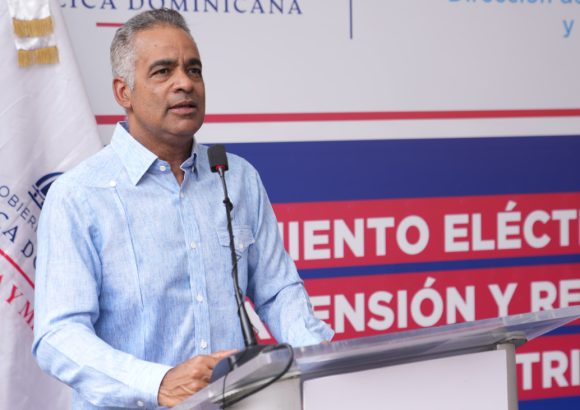
    Santo Domingo, Dominican Republic – The Dominican Republic’s national power grid has marked an unprecedented milestone in energy consumption, with the country’s National Interconnected Electric System (SENI) hitting a new record peak demand of 4,166.52 megawatts (MW) at 9:58 p.m. on July 16, according to an official announcement from Joel Santos, the nation’s Minister of Energy and Mines.

    This latest demand milestone beats the country’s previous all-time high set just one month earlier. On June 18, SENI recorded a peak load of 4,077.34 MW, a reading that marked the first time the Dominican Republic ever crossed the 4,000 MW threshold for national electricity demand.

    In his remarks following the announcement of the new record, Minister Santos outlined three key drivers behind the consistent upward trend in national electricity consumption. He explained that ongoing expansion across the Dominican Republic’s economy has lifted commercial and industrial energy use, while growing residential demand and unseasonably hot seasonal temperatures have also combined to push overall consumption higher across every sector of the country.

    The energy minister emphasized that this new record peak underscores an urgent, ongoing need to continue expanding the Dominican Republic’s entire energy ecosystem, including power generation facilities, high-voltage transmission networks, and local distribution infrastructure to keep pace with rapidly growing consumer and business demand. Santos added that the national government is currently moving forward with a slate of strategic energy infrastructure projects designed to reinforce the country’s long-term energy security and guarantee a consistent, reliable supply of electricity even as consumption continues to climb in the coming years.

    For continued coverage of energy developments and national news from the Dominican Republic, follow DominicanScope.

  • Put ID badges on your kids before the next storm hits

    Put ID badges on your kids before the next storm hits

    As the Atlantic hurricane season brings heightened risk of destructive storms to Caribbean nations including the Bahamas, a leading disaster preparedness expert has issued a critical recommendation to local families: equip every young child with a customized identification badge before a storm makes landfall, to speed up family reunification if separation occurs during emergency response.

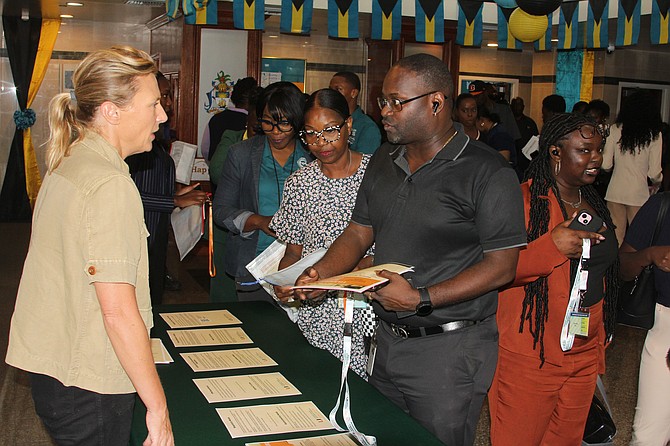
    Dr. Kendra Van Kirk, senior advisor for community engagement and education at the University of Miami’s Global Institute, laid out this guidance during Thursday’s “Stronger Than the Storm – Hurricane Preparedness” workshop hosted at the Collab Unit of the Ministry for Grand Bahama. The initiative is the result of a collaborative partnership between the University of Miami and the Grand Bahama Ministry, designed to deliver accessible, targeted disaster preparedness education to children, their families, and the community professionals that support them.

    As part of the outreach program, Dr. Van Kirk has already toured multiple Urban Renewal summer camps across the region, where she connected directly with young attendees and walked attendees through the custom ID badges the institute has developed for this purpose. She emphasized that the ID badges fill a particularly critical gap for two vulnerable groups: very young children who cannot share personal or family information, and children living with developmental conditions including autism spectrum disorder and attention-deficit/hyperactivity disorder, who may struggle to communicate their identity or family contact details in the chaos of a disaster evacuation or emergency response.

    Each of the custom-designed badges includes a sealed, secure compartment that stores key emergency and medical details: the child’s full name, family contact information, pre-existing health conditions, current required medications, and known allergies. This information allows first responders and temporary caregivers to deliver appropriate, timely medical care while working to reconnect the child with their family.

    Beyond the ID badge recommendation, Dr. Van Kirk used the workshop platform to urge Bahamian families to move away from the common habit of last-minute hurricane preparation. Too often, she noted, families leave critical prep work until a hurricane is already bearing down on the islands, leaving little time to address key details that can protect vulnerable family members.

    She encouraged households to complete three core preparedness steps well in advance of any storm threat: assemble a fully stocked emergency supply kit, develop a clear household emergency action plan, and pre-identify a designated meeting point where all family members can gather if separation occurs during evacuation or storm response. The ongoing partnership program also offers additional resources for families, including evidence-based guidance on managing storm-related stress and building long-term disaster resilience for children, young people, and their caregivers.

  • Abinader unveils new drones, armored vehicles to modernize Dominican Armed Forces

    Abinader unveils new drones, armored vehicles to modernize Dominican Armed Forces

    On a formal ceremony held at San Isidro Air Base in Santo Domingo, Dominican Republic President Luis Abinader formally transferred a large batch of new military hardware and inaugurated renovated base facilities, marking a key milestone in his administration’s ongoing overhaul of the Dominican Armed Forces.

    The expanded arsenal delivered to the force includes a diverse array of cutting-edge and locally sourced assets: five vertical takeoff and landing (VTOL) drones, a mobile unmanned surveillance system integrated onto an all-terrain vehicle, 179 general-purpose military vehicles, and 10 Centauro tactical vehicles manufactured domestically by the Dominican Military Industry (Indom). Headlining the rollout was the public debut of the FURIA VBD-2, a newly assembled armored vehicle purpose-built to bolster the country’s border security operations.

    Beyond new equipment, the government has completed a comprehensive renovation of seven critical support facilities across the air base. These upgrades include updated military residential quarters, a refurbished medical dispensary, reconfigured transportation hubs and other core infrastructure, all designed to elevate living and working conditions for active-duty personnel stationed at the site.

    Addressing attendees at the handover ceremony, President Abinader reiterated his administration’s unwavering commitment to strengthening the country’s national defense capabilities. He specifically tied the modernization push to persistent security challenges along the Dominican Republic’s shared border with Haiti, noting that the investment in domestically produced military hardware — from armored vehicles to surveillance drones — delivers dual benefits: it boosts the armed forces’ operational effectiveness while cutting overall procurement costs compared to sourcing all equipment from foreign suppliers.

    Dominican Republic Defense Minister Lieutenant General Carlos Antonio Fernández Onofre also spoke at the event, framing the new equipment and infrastructure upgrades as a core component of one of the most ambitious military modernization initiatives in the nation’s recent history. He highlighted that the effort delivers tangible improvements across four key pillars of military readiness: advanced technology, troop mobility, logistical support, and national military self-sufficiency.

  • Dominican Senate advances bills to boost gastronomic and health tourism

    Dominican Senate advances bills to boost gastronomic and health tourism

    Santo Domingo – The Dominican Republic’s tourism industry is set to receive a major regulatory boost, as the Senate Tourism Commission moves forward with two targeted pieces of legislation designed to grow and diversify the country’s key travel sector. The bills focus on two high-potential niche segments: gastronomic tourism and structured health tourism, with the second proposal also creating a dedicated national governing body for the emerging health travel space.

    Heading the commission, Senator Ginnette Bournigal de Jiménez led a thorough review of updates to both pieces of legislation, with work to refine draft provisions completed ahead of submitting favorable reports for a full vote before the entire Senate.

    The first of the two bills was put forward by Senator Rafael Barón Duluc Rijo, with a core goal of elevating Dominican national cuisine to a central driver of sustainable tourism growth. Through the framework laid out in the legislation, policymakers aim to protect the country’s centuries-old culinary heritage, expand the range of tourism experiences available to international and domestic visitors, and channel greater tourism revenue into local communities to support inclusive economic development.

    The second proposal, introduced by Senator Daniel Rivera, outlines the creation of the National Council for the Development of Health Tourism, known by its Spanish acronym CONDETUSA. The new body will serve as an official advisory council tasked with regulating the fast-growing health tourism sector across the country, while the legislation formally designates health tourism as a national priority for economic development.

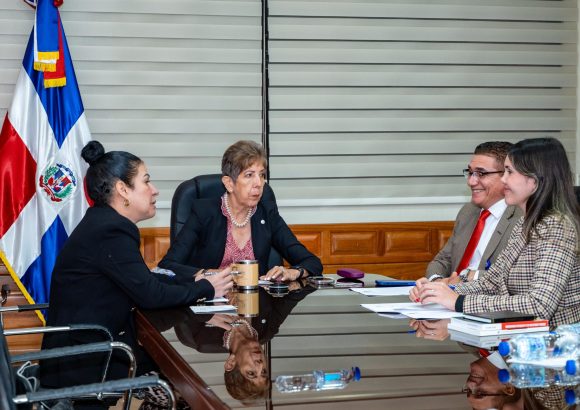
    Lawmakers backing the initiatives note that both bills are intended to establish clear, robust legal frameworks that will help the Dominican Republic diversify its tourism offerings beyond its traditional sun and beach travel product, and boost the country’s competitiveness in the global tourism market. As the commission has completed its review, the bills now move to the full Senate for formal consideration, putting the Dominican Republic one step closer to unlocking new growth opportunities in its most economically important industry.

  • 7.4-magnitude earthquake strikes southern Mexico near Guatemala border

    7.4-magnitude earthquake strikes southern Mexico near Guatemala border

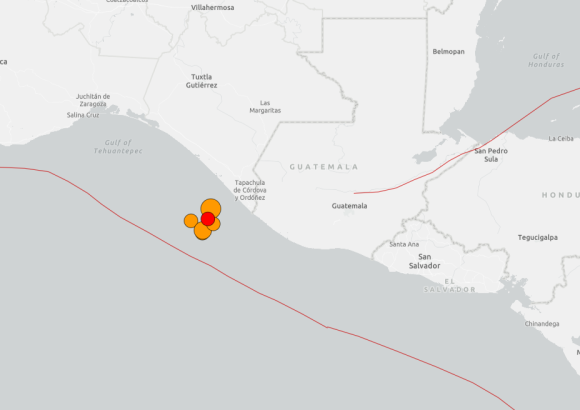
    A powerful 7.4-magnitude seismic event shook southern Mexico early Friday, according to official updates from Mexico’s National Seismological Service. The earthquake’s epicenter was located near Ciudad Hidalgo, a city in the southern state of Chiapas that sits just kilometers from Mexico’s border with Guatemala.

    The tremor hit at 8:48 a.m. local time, sending vibrations strong enough to be felt across wide swathes of southern Mexico and into neighboring border regions of Guatemala. As of the most recent official updates, disaster response agencies have not recorded any deaths linked to the quake, nor have they documented reports of major structural damage to buildings or critical infrastructure.

    In response to the seismic event, the Chiapas Civil Protection Secretariat activated its emergency response protocol. Emergency personnel across the state remain on heightened alert, conducting systematic damage and impact assessments in affected communities, while continuously monitoring for any secondary hazards or aftershocks that could put local residents at risk.

    This developing story is being updated by DominicanScope, with new information expected to be released as assessments continue.