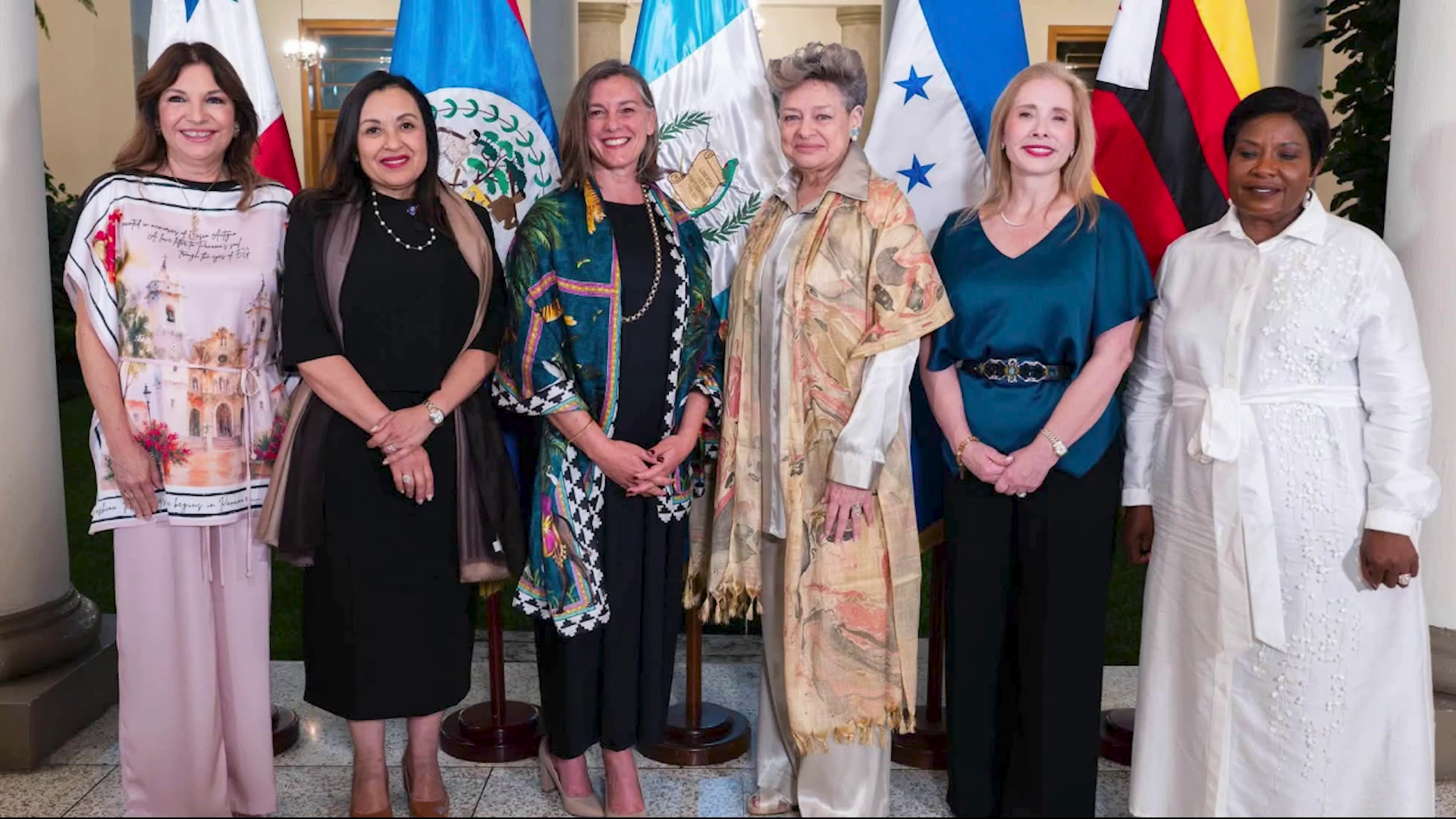
In a strategic push to grow regional travel demand and strengthen cross-Caribbean tourism ties, the Discover Dominica Authority (DDA) is launching a five-day destination and festival marketing blitz in St. Kitts and Nevis, running from August 21 to 26. The campaign centers on driving pre-booking interest for two of Dominica’s most high-profile upcoming cultural events: the 2026 World Creole Music Festival (WCMF), set to take place October 23–25, and 2027’s Mas Domnik Carnival, which will hold its climax celebrations on February 8–9.
博客
-

Belize Has A New US Ambassador
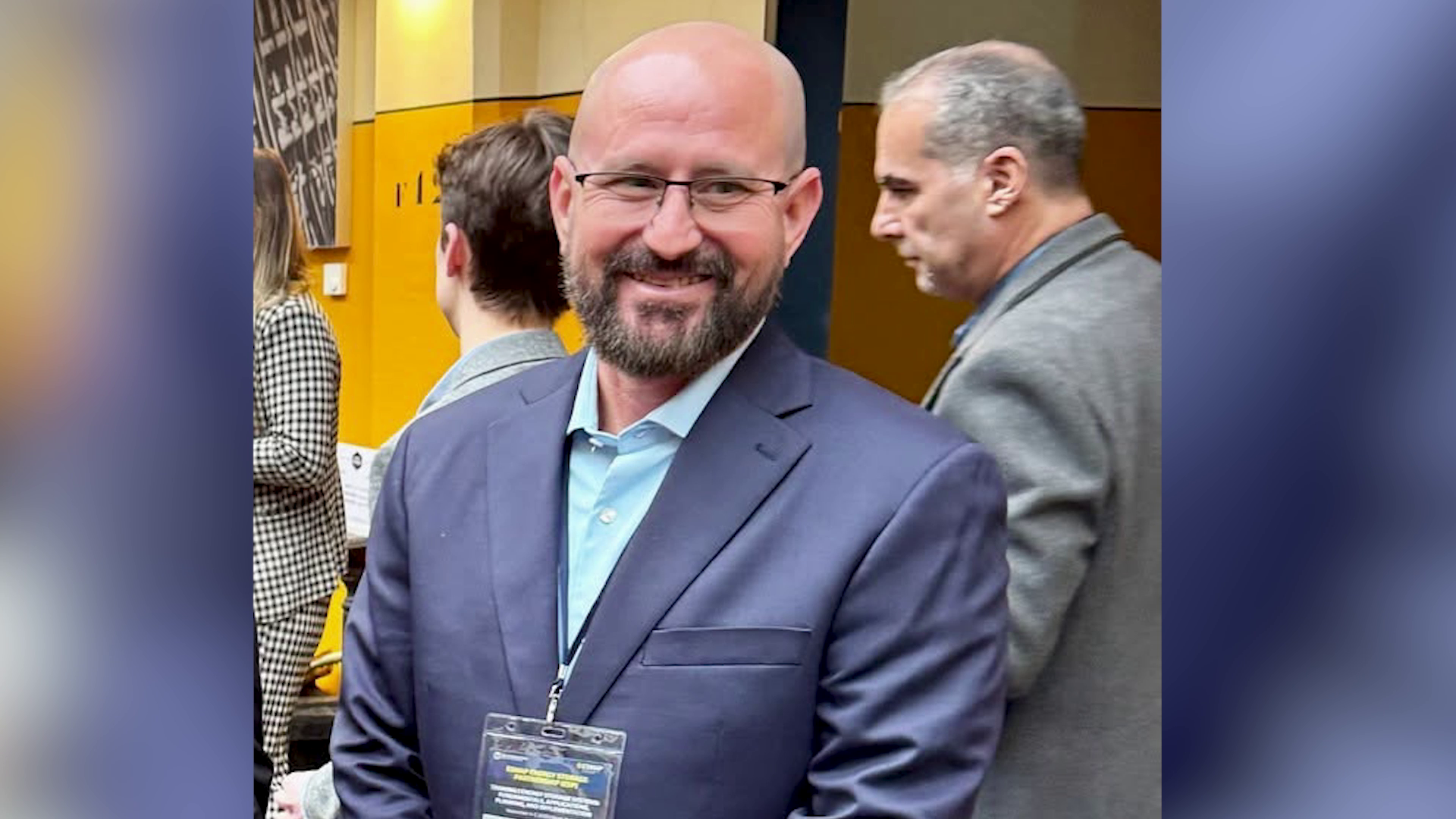
On August 20, 2026, André Bauer, a former public official from South Carolina, formally took office as the United States’ newest ambassador to Belize during a swearing-in ceremony held in his home state.
The oath of office was administered by South Carolina Attorney General Alan Wilson, with Bauer’s wife present to support him at the private in-state ceremony. A former two-term lieutenant governor and state legislator from South Carolina, Bauer was nominated to the diplomatic post by former President Donald Trump, and he opened his first public remarks after the ceremony by expressing gratitude for the confidence placed in him.
“Today, I had the tremendous honour of being sworn in as the United States Ambassador to Belize by South Carolina Attorney General Alan Wilson. I am deeply grateful for President Trump’s confidence in me and for the opportunity to represent our great country. I’m also incredibly thankful for my family, friends, and so many others who have supported me throughout this journey,” Bauer said in his post-ceremony statement.
Looking ahead to his upcoming tenure in Central America, Bauer outlined his core priority for the role: deepening the long-standing diplomatic and friendly ties between the United States and Belize. “As I begin this new chapter, I look forward to strengthening the important friendship between the United States and Belize and serving the American people with humility, dedication, and purpose,” he added.
Officials from the U.S. Embassy in Belize released a statement following the swearing-in, highlighting Bauer’s decades of cross-sector experience that make him well-suited for the posting. The embassy noted that Bauer brings both an extensive record of public service and hands-on entrepreneurship experience to the role, and confirmed that his work in Belize will center on advancing the current U.S. administration’s strategic priorities across the Central American region.
Per the embassy’s update, Bauer and his family are currently preparing for their relocation to Belize in the coming weeks. The ambassador-designate has already expressed excitement to travel across Belize’s diverse regions and engage directly with local communities and American citizens living in the country during his tenure.
-

“They Just Came By Force”: Vendor Locked Out of Market Booths
In a devastating turn of events that has stacked tragedy on top of grief, a long-time meat vendor at Belize City’s Michael Finnegan Market has been forcibly locked out of his two market stalls just one day after an employee at his shop was shot and killed.
Aaron Castillo, who has run Jun’s Meat Shop at the municipal market for more than 20 years, building on his father’s legacy in the space, was still processing the fatal shooting of his worker on Monday when he faced an unexpected second blow on Tuesday. When Belize City Council enforcement officers arrived to change the locks on both of his booths, Castillo says he had received no formal eviction notice, no final warning, and no advance heads-up that the action would be taken.
The council has stated the lockout stems from unpaid 2026 trade license fees, but Castillo pushes back on the timing and the abrupt action, noting he had already negotiated a structured payment plan with the local government to settle the outstanding balance gradually through the court system. He does not dispute that he owes the fees, but he says he has physical receipts to prove he has already begun making installment payments under the agreed terms.
“They just came by force and locked me down,” Castillo told reporters, describing the sudden enforcement action. “I told them we have an agreement; why would you lock me down? They can see I am making payments, so there was no reason to still lock me down.”
The brutal timing of the lockout has compounded Castillo’s hardship, as the small business owner is already facing looming back-to-school costs for his family along with ongoing daily household and business expenses. For Castillo, the shutdown does not just threaten his decades-long business — it puts his entire livelihood at risk, at a moment when he is already reeling from the violent death of his employee.
“I told them I have bills to pay, mouths to feed, and school is opening right now,” he said. “They are taking everything from me. I don’t see what they’re doing to me as fair.”
Castillo claims the lockout is part of an underhanded effort to take his two long-held stall spots away to hand them over to other vendors, a move he calls unjust after decades of operating in the market and serving the local community. He is now calling for senior government officials to intervene to reverse the lockout and resolve the dispute, and he has demanded the immediate departure of the Michael Finnegan Market manager over the handling of his case.
-

ACSOM reports rapid enrollment growth and expands medical education partnerships
What began as a small upstart medical program less than two years ago has transformed into a fast-growing international institution, as the American Canadian School of Medicine (ACSOM) based in Dominica continues to outpace enrollment projections and expand cross-border academic partnerships. When Campus Dean Professor Stanley White joined the institution in August 2023, fewer than 10 students walked its Dominica campus. Today, that on-campus student population has surged to more than 100, marking a more than tenfold expansion in just one academic year.
ACSOM President Carey James shared that the school’s total global enrollment now stands at 151 students. Around 110 of those learners are completing their foundational studies on the Dominica campus, while the remainder are based in the United States, where they finish required clinical rotations or study for medical licensing exams. The school’s most recent incoming cohort brought 47 new learners to the program, including 40 first-semester MD candidates and seven students enrolled in ACSOM’s preparatory track.
A key driver of the school’s rapid growth is its newly announced suite of strategic partnerships with three leading Canadian post-secondary institutions: the University of Waterloo, the University of Windsor, and St. Mary’s University in Halifax. These collaborations are designed to streamline the path to a medical degree for Canadian undergraduate students, cutting down on both time and tuition costs for eligible candidates.
Under the agreement with the University of Waterloo, qualifying students can complete their final year of undergraduate study while simultaneously beginning their first year of medical training at ACSOM. This combined model reduces the traditional eight-year journey from high school graduation to a medical doctorate by one full year. The partnership with the University of Windsor offers an alternative accelerated pathway: students complete two years of undergraduate study at the Windsor campus before moving to ACSOM for four years of medical training, resulting in a six-year path to an MD degree.
Beyond its academic partnerships in Canada, ACSOM is also expanding its global clinical training infrastructure. The school has added new clinical placement agreements with two major U.S. healthcare providers: Desert Regional Medical Center and Trinity Health System. It is also actively exploring opportunities to add clinical training sites across Canada to give students more hands-on learning options close to home.
As ACSOM enters a period of rapid expansion, it is also approaching several major institutional milestones. In May, the school will graduate its very first cohort of medical students, and will participate for the first time in the U.S. residency matching program, which places graduating medical students into residency positions across the country. Early academic outcomes are already promising: ACSOM reports that 90% of students who enrolled in the program have remained enrolled through their studies, and all five students from the most recent cohort who took the first step of U.S. medical licensing exams passed on their first attempt.
Leaders at the school say their mission extends far beyond training the next generation of physicians. ACSOM is ramping up its community engagement efforts across Dominica, hosting public health fairs, offering free health screenings, and running outreach programs focused on managing common chronic conditions including diabetes and hypertension. It also runs targeted initiatives to support people living with disabilities on the island.
Audrey Kata, president of ACSOM’s Student Government Association, added that the student body is deeply involved in both community outreach and campus recreational life, with widespread participation in intramural sports and local community events. Looking ahead, the school is preparing to welcome at least 30 new students when the spring semester begins in January. As its new Canadian partnerships continue to develop, institution leaders expect steady long-term growth, with a large share of new enrollment coming from Canadian students seeking accelerated, affordable pathways to an MD degree.
-

Nine New Officers Can Now Ticket You for Littering in Placencia
Starting this month, anyone dropping waste on the ground in the popular Belizean coastal community of Placencia faces a greater risk of receiving a formal citation, as the country’s Department of the Environment (DOE) has formally sworn in nine new officers authorized to issue on-the-spot violation tickets for littering offences.
The rollout of these new enforcement officers is a core component of the Belizean government’s nationwide National Anti-Littering Campaign, a targeted initiative that set an ambitious measurable goal: cutting the volume of visible litter across the country’s high-priority public spaces by 30% over the next two years.
All nine new officers received their official authorization under the framework of the Summary Jurisdiction (Littering Offences) (Violation Tickets) Regulations, the existing statutory legislation that governs litter enforcement in the country. According to a public statement released by the DOE, unaddressed littering has long remained one of the most common public infractions in Belize, and a persistent, high-priority threat to the country’s valuable natural ecosystems and tourism landscapes.
With their new enforcement authority, the nine Placencia-based officers will strengthen the country’s ability to uphold existing anti-litter laws by issuing immediate tickets to individuals caught in the act of improper waste disposal. This first deployment in Placencia marks just the opening phase of a much broader national effort, the DOE confirmed. In the coming months, the department will roll out the same training and authorization process for new litter officers across every district of Belize, expanding enforcement coverage nationwide.
Beyond stepping up enforcement, the DOE is also calling on both local Placencia residents and the thousands of tourists who visit the coastal community each year to take personal responsibility for proper waste disposal, and to report observed littering incidents to local authorities to support the campaign’s goals.
-

Electoral Office begins printing new voter ID cards in Roseau
The Commonwealth of Dominica’s official electoral body has begun manufacturing a new batch of national voter identification cards that will carry a 10-year validity period starting from their date of issuance, a top electoral official confirmed Thursday.
Chief Elections Officer Anthea Joseph made the official announcement of the initiative during a scheduled media briefing held at the Electoral Office’s press room in Roseau, the capital city of Dominica.
According to Joseph, the rollout of the new ID distribution program launched first in the Roseau North constituency, and the office has now expanded the process to cover registered eligible voters in Roseau Central and Roseau South constituencies as well. This phased expansion is part of the Electoral Office’s broader, ongoing push to ensure all qualified voters hold updated official identification in advance of upcoming national elections, though no specific election date has been announced alongside this update.
Joseph issued a public call for all registered voters in the three currently targeted constituencies to familiarize themselves with the rollout timeline and requirements, and to complete the process of obtaining their new cards in accordance with official guidelines.
Unlike previous iterations of voter ID cards that had shorter validity windows, the new credentials will remain valid for a full decade after issuance. Electoral officials project that this extended validity will not only give voters a durable, long-lasting form of official electoral identification but will also streamline long-term administration of Dominica’s national electoral system, reducing the frequency of mass card reissuance cycles and cutting down on administrative burdens for both staff and voters.
-

Bangladesh houdt eerste competitieve presidentsverkiezing in 35 jaar
Bangladesh is making a notable mark in its modern political history on Thursday, as the country holds its first contested presidential election with multiple candidates since 1991. The vote, cast by 349 sitting members of parliament, is expected to deliver a final result within hours of polling closing, according to the country’s election commission.
The election was triggered by the mid-term resignation of former President Mohammed Shahabuddin last month. Shahabuddin, an Awami League (AL) nominee elected in 2023 when ousted Prime Minister Sheikh Hasina still held power, stepped down after Hasina was removed from office in August 2024, an interim government led by Nobel laureate Muhammad Yunus took office, and the Bangladesh Nationalist Party (BNP) returned to power in February this year, cutting short what was meant to be a five-year presidential term.
Thursday’s vote marks the first time Bangladeshi parliamentarians have had a choice of presidential candidates in 35 years. The last competitive presidential election took place in October 1991, when BNP candidate Abdur Rahman Biswas defeated AL nominee Badrul Haider Chowdhury 172 votes to 92. Every presidential vote held after that contest went uncontested, with no opposition candidates putting their names forward.
While the outcome of Thursday’s vote is widely seen as a foregone conclusion due to the BNP’s parliamentary majority, the election carries heavy symbolic weight for a country still rebuilding and reforming its state institutions two years after the 2024 pro-democracy uprising that upended the country’s political order.
The two candidates on the ballot bring decades of Bangladeshi political experience to the race. The ruling BNP’s nominee, 78-year-old Mirza Fakhrul Islam Alamgir, is one of the party’s most recognizable and long-serving leaders. He became acting secretary-general of the BNP in 2011 before being officially confirmed to the post in 2016, and emerged as one of the party’s most prominent public faces during its years in opposition to Hasina’s government. Following the BNP’s electoral victory earlier this year, Alamgir was appointed Minister of Local Government, Rural Development and Cooperatives.
Speaking at a party rally on the eve of the vote, Alamgir thanked Prime Minister Tarique Rahman for his nomination and pledged to uphold Bangladesh’s independence and national sovereignty if elected. Rahman, in turn, formally urged all BNP members of parliament to cast their ballots for Alamgir.
Alamgir’s challenger is 85-year-old retired army colonel Oli Ahmad, a 1971 Bangladesh Liberation War veteran who is running as the candidate for an 11-party opposition coalition led by Jamaat-e-Islami. Ahmad, who currently chairs the Liberal Democratic Party (LDP) and has served six terms as a member of parliament, first entered politics after leaving the army in 1979, joining the BNP in 1980. He served as a communications minister under former BNP Prime Minister Khaleda Zia before splitting from the party to found the LDP in 2006. He was once a close ally of Ziaur Rahman, the founder of the BNP and father of current Prime Minister Tarique Rahman.
Ahmad’s nomination is a politically notable one: his main backer, Jamaat-e-Islami, infamously sided with Pakistan and opposed Bangladesh’s independence during the 1971 Liberation War, while Ahmad himself fought on the pro-independence side. Though Ahmad is widely considered an underdog with little chance of winning, the opposition coalition has framed his candidacy as a way to force a contested vote, ending more than three decades of unopposed presidential appointments.
Public opinion on the two candidates is deeply divided among Bangladeshis. Anwarul Islam, a former Bangladesh Bank employee, praised Alamgir for his personal integrity, saying, “I visited Mirza Fakhrul’s constituency. People across all castes and religions hold deep affection for him. His integrity is rare among Bangladeshi politicians.” By contrast, Abdul Baten, a construction site manager in the capital Dhaka, said he favored Ahmad, noting, “I definitely prefer Oli because he is a seasoned politician. His opponent Fakhrul and the BNP have failed to keep their promises on state restructuring.”
In terms of the office’s actual political weight, Bangladesh’s constitution designates the president as a ceremonial head of state with very limited independent executive power. Article 48(3) of the constitution requires the president to follow the advice of the prime minister on all matters except the appointment of the prime minister and the chief justice.
Ali Riaz, a political scientist who contributed to state reform efforts under Yunus’s interim government, welcomed the return of a contested election but warned against overstating its practical impact. “It is good to see someone who led the democratic movement and fought against a fascist regime become president,” Riaz explained. “But because of the limited powers of the presidency, the election is less significant politically.”
Riaz pointed out that the National Charter on State Reform, approved by referendum in July, already outlines a plan to have future presidents elected by a bicameral parliament, but the creation of a powerful upper house to improve checks and balances has not yet been implemented. He also questioned how meaningful a contested vote can be when the ruling party already holds a clear parliamentary majority: “The election is more of a ritual than a substantive political event.”
For families of the more than 1,400 people killed during the 2024 uprising, Shahabuddin’s resignation and this new presidential vote is a necessary step forward, but many still hold concerns about the integrity of the process. “It should have happened much earlier, but it is good that it is happening now,” said Sanjida Khan Deepti, whose 17-year-old son Shahriar Khan Anas was killed during the uprising. However, she raised questions about the impact of party discipline on free voting: “If a member of parliament cannot vote for who they think is best for the country, what is the point of voting? Our children gave their lives for democracy.”
The election has also reignited long-running debates over Article 70 of the Bangladeshi constitution, which strips parliamentarians of their seats if they vote against their party’s line, and whether this rule should apply to presidential voting.
Despite its inherent limitations and widely expected outcome, Thursday’s vote marks a historic turning point for Bangladesh: for the first time in more than three decades, voters in parliament have a choice between two candidates for the country’s highest office.