博客

  • Barbadians urged to take greater responsibility for health, wellbeing

    Barbadians urged to take greater responsibility for health, wellbeing

    As more Barbadians shift toward proactive health management, a leading local wellness organizer is pushing for expanded collective effort to encourage widespread personal accountability for physical and mental wellbeing ahead of a major island-wide fitness event.

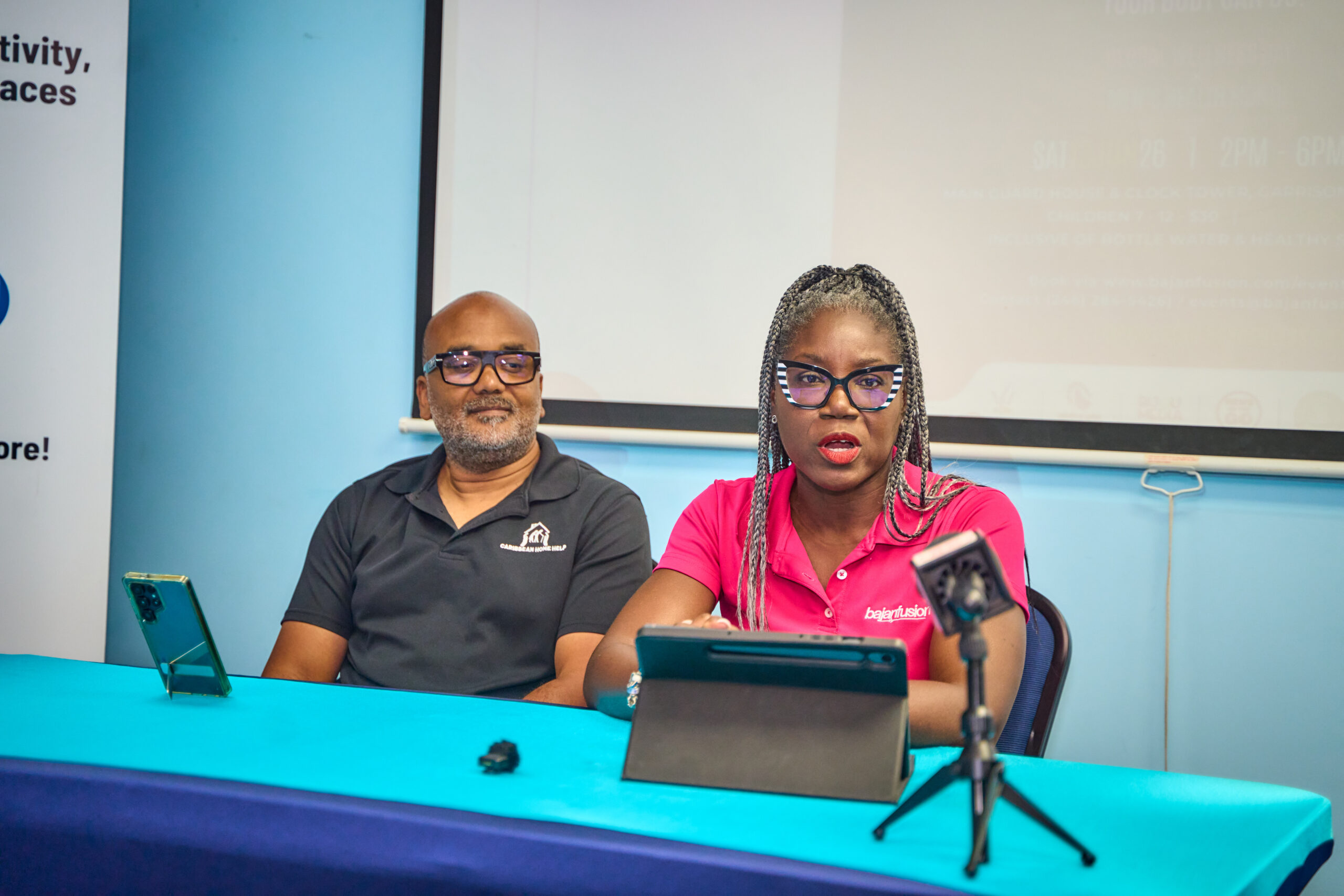
    Celia Collymore, founder and project lead of Barbados-based wellness initiative Bajan Fusion, shared her perspective during the official media launch of the organization’s upcoming Fitness Party, scheduled to take place Saturday, June 13 at the Historic Garrison Savannah’s Main Guard House and Clock Tower in St Michael. Carrying the theme ‘Move. Recharge. Thrive.’, this year’s gathering is timed to coincide with Global Wellness Day and Men’s Health Month, with a portion of all ticket proceeds set to be donated to the Men Empowerment Network Support, a local organization working on men’s health advocacy.

    Reflecting on evolving public attitudes toward wellness across Barbados, Collymore outlined a mixed landscape of engagement with healthy living. Speaking to reporters, she noted that locals fall across a spectrum of mindsets: ‘Every time I connect with people, it’s a mix of feelings.’ For many, a personal wake-up call such as watching a loved one battle or die from a preventable health condition is enough to spark motivation to adopt better self-care habits. Others already struggle with poor health but are open to making sustainable changes when provided with accessible guidance and community support.

    However, Collymore pointed out that a significant portion of the population still downplays the value of consistent healthy living, with many holding the fatalistic view that death is inevitable regardless of lifestyle choices, so they see no reason to adjust their daily habits.

    Despite these persistent barriers, Collymore emphasized that public attitudes have shifted dramatically for the better over the past decade, particularly in the wake of the global COVID-19 pandemic. ‘Especially since COVID and after, I find that Barbadians are really taking more charge of their lives,’ she said, pointing to the exponential growth of community-led wellness groups, recreational run clubs, and local sporting events across the island as tangible evidence of this shift. Comparing the current landscape to when she launched Bajan Fusion in 2012, Collymore noted that widespread cultural change around health has already transformed life on the island, adding that she is encouraged by the growing number of Barbadians prioritizing their wellbeing.

    Even with this progress, Collymore warned that Barbados’ persistently high prevalence of non-communicable diseases (NCDs) makes clear that far more work remains to reach population-wide health goals. ‘There’s still a lot of people who are not taking care of themselves, and that’s really where we need to zoom in a bit more,’ she explained. Bajan Fusion, she added, aligns its community work with the broader public health goals of Barbados’ Ministry of Health and Wellness, supporting government-led efforts to normalize healthy lifestyles across all age groups.

    Collymore argued that even targeted community events like the upcoming Fitness Party can act as a catalyst for long-term, life-changing habits. ‘One day can change your life. Sometimes people just need that one opportunity, that one chance, that one conversation,’ she said. She added that the biggest gap in sustaining healthy habits for most people is accountability and ongoing community connection, noting that many people start their wellness journey strong but lose momentum without support. ‘I think that’s the challenge where people sometimes get started and then they fall off. So how do we help them with that self-accountability, but also community, being able to check in on them and make sure they okay?’

    The 2026 Fitness Party will run from 2 p.m. to 6 p.m. at its St Michael venue, and is designed as an inclusive, family-friendly experience that blends group physical activity, evidence-based wellness education, Barbadian cultural expression, live entertainment, and community connection. Ticketing is structured to be accessible for all ages: adult entry costs $50 Barbadian dollars, while entry for children between 7 and 17 years of age is priced at $30. Full event details and registration information are available on Bajan Fusion’s official website, bajanfusion.com.
  • Grenada represented at 28th Caribbean Postal Union Conference

    Grenada represented at 28th Caribbean Postal Union Conference

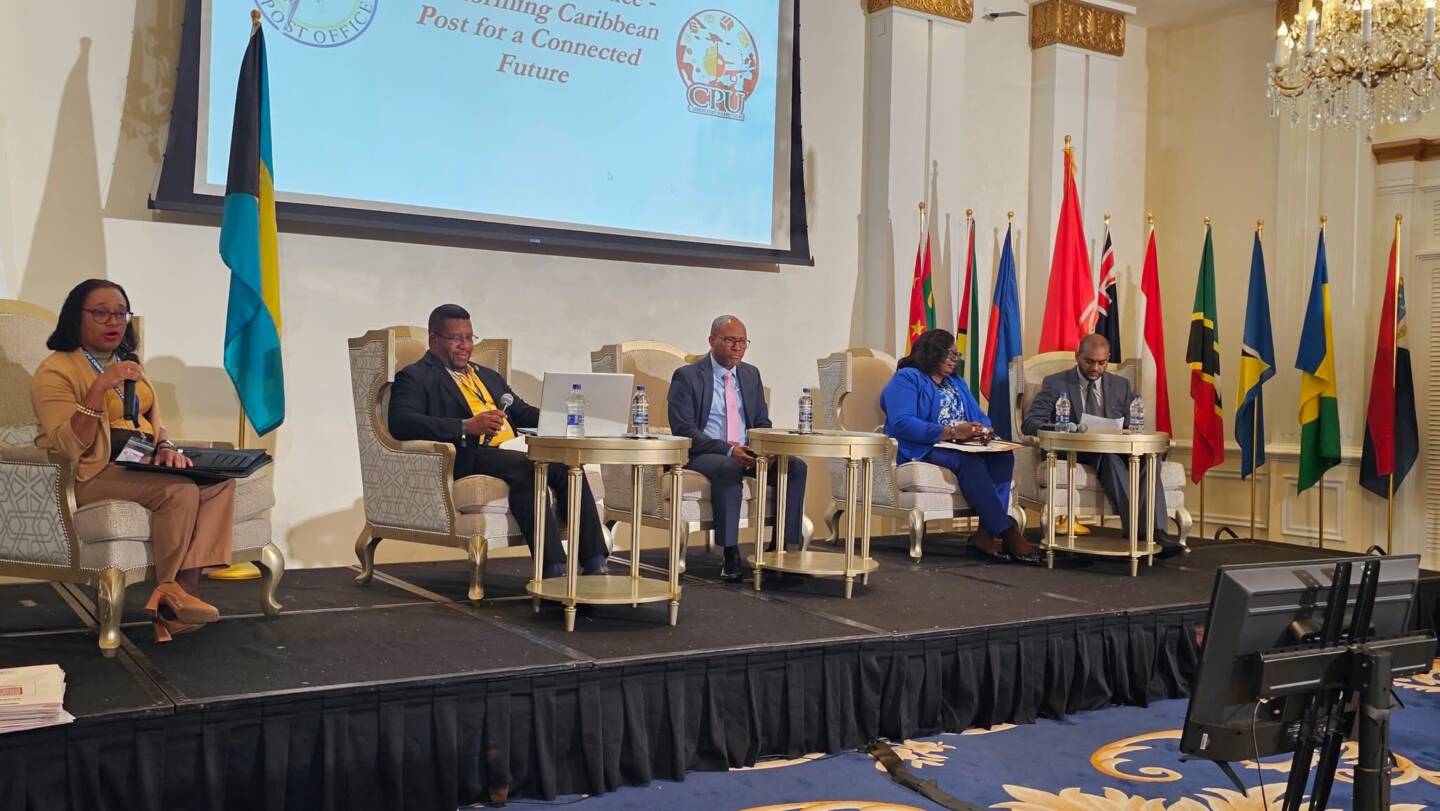
    The 28th Caribbean Postal Union Conference, themed “Leading for Resilience —Transforming Caribbean Posts for a Connected Future”, brought regional postal leaders together in Nassau, Bahamas from May 25 to 29, 2026, and the Grenada Postal Corporation (GPC) emerged as a key contributor to shaping the sector’s future across the Caribbean.

    Grenada sent a high-level delegation to the important regional gathering, led by Post Director Randal Robinson and Deputy Post Director Abeesha Toussaint-Maximay. Both delegates took active part in pivotal conversations focused on modernizing and strengthening postal services throughout the region, with GPC holding a prominent position in the conference’s technical program.

    On the second day of the conference, Toussaint-Maximay took on the role of moderator for a targeted panel discussion centered on artificial intelligence, digital transformation, and innovation in postal operations. The session delved into critical questions around how regional postal providers can adapt to sweeping industry changes, retain their competitive edge in an evolving digital landscape, and secure long-term operational and financial sustainability.

    The following day, Robinson joined the panel for discussions dedicated to postal sector growth, the rising impact of e-commerce, navigating evolving competitive markets, and building systemic resilience. During his participation, he outlined actionable strategies for developing customer-centric delivery ecosystems that meet modern consumer expectations, while also emphasizing the urgent need to strengthen interconnected regional postal networks to better serve cross-border communities and trade.

    According to GPC representatives, the organization’s active leadership and visible participation in these high-level regional discussions signals that Grenada’s postal expertise is earning growing recognition across the Caribbean. The delegation’s involvement also reaffirms GPC’s longstanding commitment to three core priorities: driving innovation, building systemic resilience that can withstand economic and operational shocks, and delivering consistent service excellence to Grenadian residents and regional partners.

    As the conference concluded, GPC noted that the organization remains dedicated to collaborative work alongside other regional postal entities to continue shaping a more connected, innovative, and resilient future for postal services across the entire Caribbean region.

  • Strong courts ‘vital’ to development, public trust

    Strong courts ‘vital’ to development, public trust

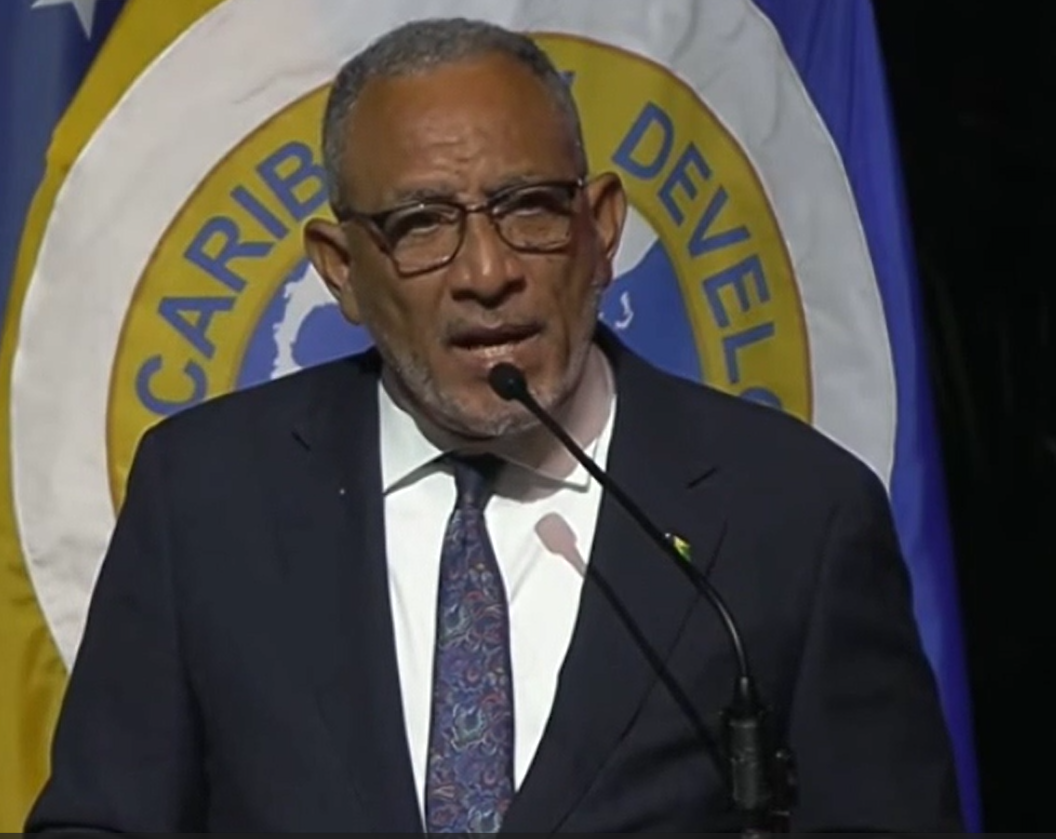
    Delivering the keynote William G. Demas Memorial Lecture at the Caribbean Development Bank’s 56th annual gathering, Caribbean Court of Justice (CCJ) Associate Justice Denys Barrow delivered a urgent, clear message Thursday: strong, autonomous judicial systems are non-negotiable for advancing regional development, cutting pervasive crime, and upholding public faith in governance. Without broad citizen confidence in a region’s justice framework, he warned, the very foundation of law and order risks unraveling.

    Centering his address on the theme “Contributions of the Courts to Caribbean Development: The Enduring Importance of Strong Institutions”, Barrow pushed back against dominant narratives that frame development solely through gross domestic product growth or large-scale infrastructure builds. True progress, he argued, must ultimately be measured by tangible improvements to the daily lives and well-being of all community members. “It is the development of the community that must be the ultimate focus and beneficiary of our efforts,” he stated, noting that economic targets and infrastructure projects are simply milestones on the path to inclusive community advancement, not end goals in themselves.

    Barrow emphasized that functional, accountable institutions, fair legal systems, and intentional policy frameworks all work in tandem to raise quality of life across the Caribbean — including progress on the region’s long-running, costly crisis of violent crime. He referenced the 2023 CARICOM summit hosted in Trinidad and Tobago, where regional heads of state reached a landmark agreement to reframe crime and violence as a public health emergency, rather than treating it exclusively as a law enforcement challenge. This paradigm shift, Barrow explained, redirects regional crime policy away from a singular focus on policing and punishment toward proactive violence prevention that stops harm before it occurs.

    The judge spotlighted grim regional data to contextualize the urgency of reform: Caribbean leaders have confirmed the region’s homicide rate is roughly three times the global average, with growing alarm over persistent spikes in serious offenses including murder, sexual assault, manslaughter, armed robbery, and aggravated assault. Barrow also voiced strong support for the 2023 Needham Point Declaration on Criminal Justice Reform, a sweeping policy blueprint adopted at the seventh biennial Law Conference of the Caribbean Court of Justice Academy for Law. The declaration lays out a series of transformative reforms designed to modernize outdated criminal justice systems across the Caribbean, targeting longstanding pain points including chronic case backlogs, dangerous prison overcrowding, and eroding public trust in judicial institutions.

    One of the declaration’s most ambitious and impactful proposals sets binding timeframes for case resolution: the document calls for regional judicial systems to aim to complete trials for indictable serious criminal cases within one year of charges being filed, while minor summary offenses should be finalized within six months. For a transitional adjustment period, the declaration sets staggered targets of two to three years for indictable matters and 12 months for summary offenses. Barrow stressed that eliminating unreasonable court delays serves the public good as much as it benefits parties directly involved in cases. “Beyond the interests of accused persons, victims, witnesses and family members, society as a collective has an overriding interest in the avoidance of unreasonable delay,” he said. Cutting backlogs, he argued, is critical to rebuilding public confidence by delivering early acquittals for innocent people, swift consequences for guilty offenders, and reinforcing the public’s understanding that crime will be followed by accountability.

    On the topic of sentencing, Barrow noted that courts must continuously navigate and balance the competing needs of offenders, crime victims, and the broader public, striking a careful balance between demands for retribution and goals of rehabilitation. To illustrate this balance, he referenced the high-profile Campus Trendz case from Barbados that reached the CCJ on appeal: a 2010 robbery that ended with perpetrators throwing a Molotov cocktail into a locked clothing store, killing six young women trapped inside. In its ruling, the CCJ upheld six concurrent life sentences for the primary offender, meeting the public’s legitimate demand for retribution while also reaffirming that rehabilitation must remain a core consideration alongside other sentencing principles.

    Barrow argued that prioritizing rehabilitation is especially critical for the Caribbean because the vast majority of the region’s violent offenders are young people. “The existential truth is that our nations cannot simply treat our young men as lost and write them off,” he said. When legislatures craft laws and courts hand down sentences that center rehabilitation as a core goal, he explained, Caribbean societies are making an investment in their own long-term future.

    The CCJ justice also defended the vital role of independent courts in delivering impartial justice, even in cases that stoke intense public anger and widespread outrage. “The courts exist to provide to society the assurance that, even where popular opinion is outraged, our justice institutions must be trusted to apply the law,” he said. Barrow emphasized that justice must be guided by the rule of law, not personal demands for vengeance or arbitrary leniency — a principle that must be respected by victims’ families, convicted people, and the general public alike.

    He reiterated that sustainable regional development depends entirely on public confidence in core state institutions, and the judiciary is the most critical of these. “It is a fundamental proposition and a predicate of our existence that we trust the courts to deliver justice,” he said. If that trust erodes, Barrow warned, communities will increasingly abandon formal legal processes and turn to extrajudicial “street justice” to resolve disputes, opening the door to a total breakdown of law and order. “What is sought to be prevented is the resort to street justice, the unravelling of the bonds of law and order,” he added.

    Headquartered in Port of Spain, Trinidad and Tobago, the CCJ serves as the final court of appeal for five Caribbean nations: Barbados, Belize, Dominica, Guyana, and Saint Lucia. All five countries have replaced the UK Privy Council with the CCJ as their final appellate body for both civil and criminal cases. Beyond its appellate role, the CCJ exercises original jurisdiction as a court of first instance with exclusive authority to interpret and apply the CARICOM treaty, hearing disputes between CARICOM member states, between member states and the Caribbean Community, and claims brought by individuals and private entities. Rulings from the CCJ in both its appellate and original jurisdictions are final and binding across all participating states.

  • Belize’s Newsroom of Tomorrow…Is Being Built Today

    Belize’s Newsroom of Tomorrow…Is Being Built Today

    The 2026 Caribbean Media Summit, hosted last week in Trinidad by the Media Institute of the Caribbean, delivered a stark opening diagnosis: the Caribbean regional media ecosystem is confronting an unprecedented existential crisis. Legacy news outlets across the bloc have been battered by overlapping structural threats, from plummeting advertising revenue and the disruptive rise of artificial intelligence to a algorithm-dominated media economy that prioritizes clickbait sensationalism over rigorous, substantive reporting.

    The scale of the crisis is visible in the wave of news outlet closures that have swept the region over just the last 18 months. Two prominent independent newspapers, Guyana’s Stabroek News and Trinidad and Tobago’s Newsday, have ceased operations, eliminating two critical sources of diverse public discourse that served communities for decades. Newsday’s managing director described the outlet’s collapse as the result of a “perfect storm” of overlapping challenges, noting that print advertising revenue has plummeted by 75% across the last 10 years. For Stabroek News, the final blow came from an approximately $90 million government debt owed for past advertising services.

    The contraction extended to digital media in July 2025, when telecom giant Digicel announced the immediate shutdown of Loop News, one of the Caribbean’s most trusted independent digital news platforms that had operated across the region since 2014. Digicel also wound down its regional sports broadcasting division SportsMax, cutting nearly 100 roles spanning journalists, editors, producers and technical staff across multiple Caribbean nations.

    The most historically staggering loss hit the U.S. Virgin Islands in early 2024, when the St. Croix Avis – founded in 1844 and the oldest continuously operating newspaper in the Caribbean by 1990 – closed its doors after 180 years of continuous publication, unable to compete for audience and revenue with free online news and social media.

    Panelists discussing “Media Viability in the Age of AI” at the summit agreed that the current regional landscape is extraordinarily challenging, with many warning that the core question at hand is no longer whether individual news outlets can turn a profit, but whether Caribbean societies can sustain any form of trusted, independent public interest journalism at all. The pressures facing the sector are simultaneously editorial, financial, technological and political, and the growing list of closed outlets represents a quiet threat to Caribbean democratic discourse, eroding institutions that communities have long relied on for accountable reporting.

    Yet the outlook is not uniformly grim. While the region grapples with widespread contraction, one Belizean media organization has spent years laying proactive groundwork to adapt to the new media landscape: Greater Belize Media (GBM), parent company of News 5 Live and the first Belizean news organization to launch a fully resourced dedicated digital news department.

    Unlike many legacy outlets that were slow to recognize shifting audience habits and technological disruption, GBM identified the transformative impacts of algorithm change, AI and evolving news consumption patterns early and began restructuring long before crisis hit. Last year, the organization publicly launched its transformative “One Newsroom” initiative, a full organizational restructuring that unified reporters, videographers, editors and digital producers under a single integrated editorial structure. The model, adapted from the approach used by leading global news organizations, was customized to align with the unique consumption habits and information needs of the Belizean public.

    The initiative grew from a straightforward but critical insight: in an era where audiences access news in real time across multiple overlapping platforms, the old siloed system that kept broadcast and digital news operations entirely separate was not just inefficient – it was a major competitive disadvantage. “The way news and news consumption is evolving is via social media and online platforms,” explained Hipolito Novelo, GBM’s Digital Editor. “Consumers of news want to consume news almost immediately. That is what GBM offers, immediacy, and of course, the accuracy of it.”

    This dual commitment to speed and uncompromised accuracy sits at the center of GBM’s restructuring. While delivering fast news is simple, maintaining accuracy while operating at speed and meeting audiences across every platform they use is a far greater challenge – one GBM has intentionally built its new structure to meet. The organization has expanded its digital presence across social media, its official website, a dedicated WhatsApp channel and a Facebook Messenger channel, building an integrated distribution network designed around how Belizeans actually access news today, rather than forcing audiences to adapt to outdated legacy structures. GBM also actively monitors ongoing changes to platform algorithms, adjusting its distribution strategy in real time to avoid falling behind audience trends.

    On the most contentious issue reshaping global journalism today – artificial intelligence – GBM has also rejected a reactive, fear-based approach. While many newsrooms across the globe are still debating what AI means for editorial workflows and journalistic integrity, GBM is already finalizing a formal, public AI governance policy, joining a small but growing group of leading news organizations that recognize responsible AI adoption requires clear rules, not just unguided experimentation.

    “We are not afraid of AI,” Novelo said. “We are studying it, understanding it, and figuring out how to use it in ways that make our journalism stronger. Not shortcuts that compromise it. Every single day we are working to make sure we are ahead of it, not behind it.”

    This curious, strategic, disciplined approach to change is exactly what the Caribbean media sector needs more of, summit participants agreed. The path to long-term survival for regional media does not lie in lamenting the disruptive changes that have reshaped the global information ecosystem, but in building intentional institutional resilience: the capacity to adapt editorial practices, technology and organizational structure to a constantly shifting media environment. As Novelo puts it, GBM’s work is not a reaction to crisis – it is a sustained effort to keep pace with change. “We watch how the algorithms evolve, we watch how audiences shift, we adjust our strategy, and we keep delivering. That is the job. The landscape changes every single day and we change with it, because our audience deserves a newsroom that never stops working to reach them.”

  • US political commentators denied entry to United Kingdom following visa revocations

    US political commentators denied entry to United Kingdom following visa revocations

    A political firestorm has erupted in both the United Kingdom and the United States after UK Border Force authorities revoked the Electronic Travel Authorisations (ETAs) of two well-known left-wing American political commentators, barring them from entering the country ahead of high-profile scheduled speaking events.

    Hasan Piker, a popular Twitch streamer and progressive political analyst, and Cenk Uygur, co-founder and long-time host of the groundbreaking online news program *The Young Turks*, were slated to appear as keynote speakers at the newly launched SXSW London festival, alongside a separate public lecture at the University of Oxford. Both commentators took to social media platform X over the weekend to confirm they had been blocked from boarding their flights to the UK after their approved travel documents were suddenly cancelled.

    Both men have directly tied the entry ban to their long-standing, vocal criticism of the Israeli government and its military campaign in the Gaza Strip. In a viral post on X, Uygur condemned the decision, arguing that it represented a troubling infringement of free expression for Western citizens. ‘I tried to get on a flight to London to attend SXSW London and give a speech at Oxford. I’ve been banned for criticising Israel. Are we free any more? This is oppression of western citizens by our own governments on behalf of a different country,’ he wrote. Piker echoed the accusation in his response, claiming the revocation was coordinated at the request of the Israeli government. ‘The UK has revoked my visa as well. All at the behest of Israel. The west is betraying ‘liberal values’ for a genocidal fascist foreign government,’ Piker wrote.

    To date, the UK Home Office has declined to publicly share the specific reasoning behind the decision to revoke the pair’s ETAs. UK official guidance outlines that travel authorisations can be cancelled at any time if border authorities judge an individual poses a potential threat to UK public good or national security.

    The ban has drawn both praise and condemnation across UK political circles. Labour Member of Parliament David Taylor, who previously publicly called for UK authorities to bar Piker from entering the country, hailed the decision. Writing on X, Taylor argued: ‘There’s no reason to open our doors to those who seek to spread hate and division, especially to those who’ve supported a proscribed terror group.’ The Community Security Trust (CST), a UK-based Jewish community organisation that tracks antisemitism and provides security for Jewish community events, also welcomed the outcome. While the group acknowledged that legitimate political criticism of the Israeli government is protected speech, it argued that Piker’s past public remarks crossed the line into antisemitic rhetoric.

    Critics of the entry ban, however, have decried the decision as a dangerous overreach that undermines core principles of free speech and open political debate. Green Party of England and Wales leader Zack Polanski described the visa denials as ‘a really grim decision,’ while Akiko Hart, director of the UK-based civil liberties group Liberty, called for full transparency from the Home Office regarding entry restrictions that limit political expression.

    A spokesperson for SXSW London confirmed the cancellation of the pair’s appearances in an official statement to the BBC, noting that immigration decisions fall entirely under the remit of UK Home Office authorities. The organiser reaffirmed the festival’s commitment to hosting open, inclusive dialogue featuring a broad range of diverse political perspectives.

    This latest entry ban follows a string of recent controversial decisions by UK authorities to bar high-profile foreign nationals from entering the country on public interest grounds. Recent bans have included American rapper Kanye West, who was barred over a history of antisemitic comments, multiple international political activists, and a group of extreme right-wing figures ahead of a major London demonstration held last month.

  • Two Shootings Overnight; Police Say Pomona Victims Likely Not Intended Targets

    Two Shootings Overnight; Police Say Pomona Victims Likely Not Intended Targets

    Authorities in Belize have launched dual investigations into two back-to-back shooting incidents that rocked the Stann Creek District on the evening of June 2, 2026, leaving three people wounded and local communities on edge.

    The first violent incident unfolded just after 6:30 p.m. in the quiet residential area of Pomona Village, where 25-year-old Orlando Acosta and a 16-year-old minor were caught in crossfire. According to initial police accounts, two motorcycles rode up to a group of people gathered in the area. A passenger seated on one of the two bikes pulled out a loaded firearm and fired multiple rounds into the crowd, striking both Acosta and the teenager.

    In an official briefing on the case, Assistant Superintendent of Police Stacy Smith shared preliminary investigative conclusions, noting that law enforcement does not believe the two injured people were the attackers’ intended targets. “We are not of the view that any of the injured individuals was the target, but another individual that was in the group,” Smith stated. Investigators have already collected surveillance footage from nearby businesses and residential cameras in the Pomona Village area, and teams are currently reviewing the recordings to identify suspects and piece together a timeline of the attack. As of the latest update, no clear motive has been confirmed, and no arrests have been made in connection with the first shooting.

    Roughly two and a half hours after the first incident, at approximately 9:00 p.m., a second shooting broke out in the Rivas Estate neighborhood, located near Dangriga Town. The victim in this attack was identified as 19-year-old Jason Marin, a resident of Dangriga. Police reports indicate Marin was in the process of entering a private property when a vehicle pulled up alongside him. An individual inside the vehicle exited and fired multiple gunshots, hitting Marin before fleeing the scene.

    Smith added context to the second incident, revealing that the property Marin was entering has been linked to prior law enforcement activity. “The property Marin was entering had previously been the subject of police operations related to drugs and weapons,” Smith confirmed. As of the latest update, Marin is being treated at a local hospital, where his condition is listed as critical but stable.

    Both active shooting investigations remain ongoing, with law enforcement appealing to any members of the public who were in the area on the night of the incidents and have information about the attacks to contact the Stann Creek District police station to assist with the case.

  • Caribbean leaders demand urgent climate finance and debt relief

    Caribbean leaders demand urgent climate finance and debt relief

    In a high-stakes address delivered on behalf of the Caribbean Development Bank’s (CDB) borrowing member nations in Nassau, Prime Minister Dr. Godwin Friday of St. Vincent and the Grenadines has issued a urgent, impassioned call for coordinated regional action and sweeping global financial reform to confront the overlapping crises of extreme climate vulnerability and unsustainable sovereign debt that threaten the Caribbean’s future.

    Addressing a gathering of senior regional leaders that included Bahamas Prime Minister Philip Davis, CDB President Daniel Best and central bank governors from across the region, Dr. Friday spoke against the backdrop of the conference theme “Forging the Caribbean’s Future: Strategic Solutions for Uncertain Times”. He opened by framing the region’s current challenge as a navigation through turbulent global shifts, noting that long-standing geopolitical alliances are strained and widely accepted global norms are being challenged without clear, reassuring resolutions for small island nations.

    Dr. Friday pulled back the curtain on the severe economic constraints strangling Caribbean economies, laying bare the region’s chronic debt crisis. Nine of the CDB’s borrowing member nations carry central government debt-to-GDP ratios that exceed the 60 percent prudential threshold, he revealed, and in his own country of St. Vincent and the Grenadines, that figure surges past 113 percent. This crippling debt load, he emphasized, severely erodes governments’ capacity to fund critical public investments that would drive inclusive growth and shield the most vulnerable communities from cascading global price shocks—including spiking fuel costs, rising shipping expenses and a shrinking global aid landscape.

    Beyond the debt crisis, Dr. Friday drew urgent attention to the catastrophic funding gap holding back the region’s efforts to build climate resilience. While Caribbean nations require an estimated $14 billion annually to implement comprehensive climate adaptation, mitigation and response measures, the region currently mobilizes less than 10 percent of that total. “It is therefore imperative that our development partners become more adaptive, more responsive, and willing to provide highly concessional financing and dedicated resources for loss and damage that will not worsen a bad debt situation,” he argued.

    Despite the systemic barriers the region faces, Dr. Friday offered measured praise for the CDB’s long-standing role as a critical pillar of regional development. He highlighted tangible, impactful projects supported by CDB investment in St. Vincent and the Grenadines, including the modernization of Kingstown’s port, nationwide school improvement initiatives, and expanded rural road infrastructure that have strengthened the country’s ability to withstand climate shocks. When targeted institutional capital is paired with local community expertise, he noted, it delivers transformative change: improving lives, strengthening local communities and building the climate-resilient economic assets the region needs to thrive.

    Looking ahead to the immediate challenges on the horizon, Dr. Friday reminded delegates that the Caribbean is entering the 2026 hurricane season still recovering from the devastating damage inflicted by Hurricanes Beryl in 2024 and Melissa in 2025. To build long-term, multi-dimensional resilience across environmental, economic and social systems, he laid out a clear strategic framework for the CDB’s future priorities, centered on aggressive economic diversification.

    Dr. Friday urged regional states to pursue emerging growth opportunities, including widespread digitalization of public services, expansion of renewable energy development modeled on the geothermal projects already underway in Dominica and St. Kitts and Nevis, and investment in value-added agro-processing to boost domestic food security and reduce reliance on volatile global import markets.

    To turn this ambitious agenda into action, Dr. Friday called for rapid institutional reform within the CDB to address the region’s persistent implementation gap, which has delayed progress on critical initiatives for years. “We must move swiftly to implement the transformative reforms to eliminate friction and drive our institution forward,” he insisted. He closed with a direct appeal to all CDB shareholders and international non-regional partners to fully back the bank’s new strategic direction and provide robust support for the 11th replenishment of the Special Development Fund (SDF 11)—a facility he described as “the lifeblood of concessional financing for the region’s vulnerable members.”

    Ultimately, Dr. Friday urged regional and global leaders to make choices that will lay the groundwork for “a stable, inclusive, and thriving Caribbean that is sustainable for generations to come.”

  • Suriname verliest icoon van de inheemse keramiekkunst

    Suriname verliest icoon van de inheemse keramiekkunst

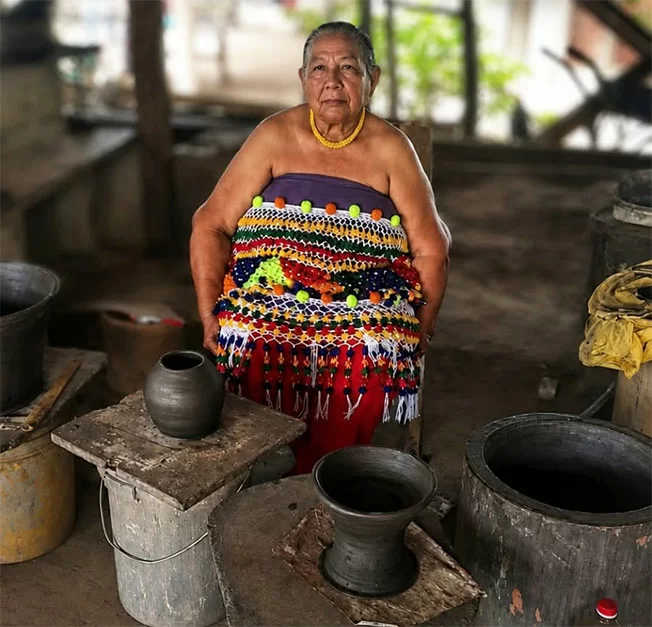
    The Caribbean and Surinamese art world is mourning the loss of one of its most influential Indigenous ceramic voices, Cornelly Aloema, who died at the age of 77 following a brief period of illness. The celebrated ceramist and potter passed away in a local hospital, leaving behind a decades-long legacy that reshaped Surinamese ceramic art and lifted up Indigenous craft traditions.

    Born in the Galibi community in Marowijne district, Aloema built her new life alongside her husband Thomas Sjinga in 1975, when the couple settled at the Onoribo plantation in Para. It was not long before her innate artistic talent caught the eye of Luciël Becker, a prominent local artist and philosopher, who first introduced her work to the wider artistic community through Wild Coast Art Gallery. From that starting point, Aloema carved out a singular artistic path, building on centuries-old Indigenous pottery traditions to evolve into a groundbreaking innovator in the medium. Beyond functional daily ware, she created striking decorative vases and one-of-a-kind art objects that earned her international recognition and a loyal global following.

    Aloema’s work was defined by her unwavering commitment to artisanal, tradition-centered practice. She sourced all her materials directly from natural surroundings: raw clay, plant-based natural pigments, tree bark, and natural resins, and fired every piece using the traditional open-wood fire technique passed down through generations of Indigenous potters. For decades, her creations were regularly featured in exhibitions hosted by Art Gallery Wi Eygi Du, which confirmed her death and shared details of her final arrangements.

    Beyond her individual artistic output, Aloema’s greatest contribution came through her mentorship and inspiration for emerging creators. She mentored and encouraged generations of Indigenous potters across Suriname, helping to strengthen and grow ceramic craft practices within multiple Indigenous communities across the country. Her work earned widespread institutional recognition for her contributions to Surinamese art: she was awarded the Honorary Order of the Palm by former Surinamese president Ronald Venetiaan, and most recently received a distinguished award from the Stichting Grani Fiti Yu Moy Misi in 2023.

    With Aloema’s passing, Suriname has lost one of the most important contemporary representatives of Indigenous art and culture. Art Gallery Wi Eygi Du confirmed that Aloema will be laid to rest on Tuesday, as the art community gathers to honor her life and legacy.

  • Eight charged after police operation in Castries communities

    Eight charged after police operation in Castries communities

    A coordinated multi-unit law enforcement sweep across three Castries neighborhoods in Saint Lucia has yielded major results, with eight people facing criminal charges—including one suspect previously wanted for an alleged armed robbery. The operation, carried out May 28 by the Royal Saint Lucia Police Force’s Gangs, Narcotics and Firearms Unit, drew support from three additional specialized departments: the Criminal Investigations Department, Central Intelligence Unit, and Tactical Response Unit, according to an official police statement released Wednesday.

    The enforcement action targeted properties across Wilton’s Yard, Belair, and Dierre Fort, where officers executed multiple search warrants as part of the operation. At a Wilton’s Yard residence, law enforcement recovered a stash of suspected cannabis alongside growing cannabis plants, and took 21-year-old Ishon Joseph into custody.

    In Dierre Fort, search warrants turned up additional quantities of suspected cannabis and more cannabis plants. Police arrested six people there: 21-year-old Naheem Samuel, 45-year-old Thecla Joseph, 46-year-old Marcus Joseph, 21-year-old Leon James (also known by the alias “Tikko Bolom”), 36-year-old Ryan Louis (alias “Spartacus”), and a 17-year-old minor whose name is being withheld due to his age.

    The third targeted neighborhood, Belair, led to the capture of a high-priority suspect: 31-year-old Kerius Polius, who goes by the alias “Shortcrop”. Polius was already wanted by police in connection with an armed robbery that took place on Castries’ Darling Road on May 7.

    One day after the operation, on May 29, seven of the eight suspects—Ishon Joseph, Samuel, Thecla Joseph, Marcus Joseph, James, Louis, and the juvenile—were formally charged with three cannabis-related offenses: cannabis cultivation, possession of a controlled substance, and possession of a controlled substance with intent to distribute.

    Six of the seven charged individuals made their first court appearances at the First District Court shortly after charges were filed, where each was granted bail set at $1,500 on a personal recognizance bond. Ishon Joseph appeared at the same court on June 1, and entered a guilty plea to all three charges against him. In response, the court handed down a $4,200 fine, a one-year probation term, and ordered that the fine must be paid within six months, with a default sentence of six months in prison for non-payment.

    For the high-profile suspect Polius, formal charges were not filed until June 2: he faces two counts, one of robbery and one of unlawful possession of ammunition without a valid license. Polius made his initial court appearance the same day charges were filed. The court set bail at $5,000 for the robbery count and $10,000 for the ammunition possession count, which he has been granted.

  • Discover Dominica Authority appoints new Destination Marketing Manager

    Discover Dominica Authority appoints new Destination Marketing Manager

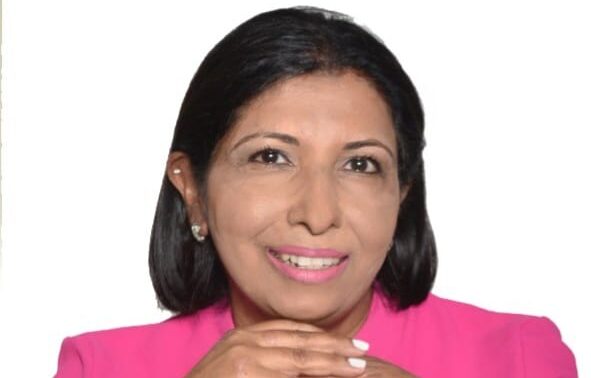
    The Discover Dominica Authority (DDA), the governing body behind the Caribbean island nation’s tourism development, has announced the appointment of seasoned Caribbean tourism executive Wendy Lake to the role of Destination Marketing Manager, with her tenure officially starting on June 1, 2026.

    In an official press release published by the DDA, the organization laid out the core priorities of Lake’s new role: leading the design and execution of high-impact strategic marketing projects that will elevate Dominica’s standing on the global travel stage and drive consistent, sustainable growth in annual visitor arrivals to the island.

    Lake brings 16 years of hands-on industry experience across the Caribbean tourism sector to her new position. Her professional background spans a diverse range of critical tourism marketing functions, from crafting cohesive destination branding identities and conducting in-depth market trend analysis to building productive stakeholder relationships and developing hyper-targeted marketing campaigns that resonate with core traveler segments. Over the course of her career, she has partnered extensively with both public sector tourism agencies and private sector hospitality businesses to deliver successful tourism infrastructure projects and large-scale promotional initiatives.

    Academically, Lake boasts a robust credential set rooted in marketing and business management, all earned from the University of the West Indies’ St. Augustine campus in Trinidad. She graduated with distinction with a Master of Science degree in International Strategic Marketing, and holds an undergraduate Bachelor of Science degree in Management Studies with a supplementary minor in Economics. She also completed professional certification in Administrative Professional Secretaryship from the same institution.

    The DDA emphasized that Lake’s cross-cutting experience across tourism operations, end-to-end project management, and destination marketing has given her a nuanced, highly practical understanding of shifting global travel market conditions and evolving consumer travel preferences — a skill set that is increasingly valuable in a post-pandemic global tourism landscape.

    In her new role as Destination Marketing Manager, Lake will take charge of the DDA’s central marketing team. She will lead core organizational priorities focused on refining Dominica’s national tourism brand, expanding mutually beneficial trade partnerships with global travel industry stakeholders, and rolling out data-driven marketing strategies across the island’s key source tourism markets. Her key responsibilities will also include amplifying Dominica’s appeal to international leisure travelers and coordinating all promotional activities across both regional Caribbean and global markets.

    Lake’s appointment comes at a time of growing momentum for Dominica’s tourism sector. Global traveler interest in the island has risen steadily in recent years, driven by rising demand for nature-focused, wellness-centered, and adventure tourism experiences — a trend the DDA has actively capitalized on through ongoing international marketing investment.

    Marva Williams, Chief Executive Officer and Director of Tourism at the Discover Dominica Authority, extended a formal welcome to Lake upon her appointment, and expressed strong confidence in her ability to help the DDA advance its core organizational objectives.

    “Wendy’s appointment brings invaluable marketing leadership to our team as we work to sharpen Dominica’s competitive edge in the global tourism market,” Williams noted in her statement. “Her deep industry insight and collaborative working approach will be instrumental in building impactful cross-sector partnerships, strengthening our global brand presence, and positioning our destination effectively in a fast-changing global travel market.”

    For her part, Lake shared her excitement about joining the DDA team and contributing to the ongoing growth and evolution of Dominica’s tourism sector.

    “I am excited and truly honoured to begin a new chapter as Destination Marketing Manager with Discover Dominica Authority,” Lake said. “I look forward to contributing to the promotion and marketing of beautiful Dominica, showcasing its rich culture, breathtaking natural beauty, authentic one-of-a-kind travel experiences, and warm, welcoming people to the whole world. I am grateful for this opportunity and excited to work alongside the DDA team and our local and international stakeholders to strengthen the destination’s global visibility, foster meaningful long-term partnerships, and support the continued sustainable growth of tourism in Dominica.”

    Looking forward, the DDA reaffirmed its ongoing commitment to rolling out strategic marketing initiatives that will strengthen the destination’s global competitiveness, boost annual visitor arrivals, and create long-term, sustainable economic benefits for the island’s local tourism and hospitality industry.