博客

  • Global Ports Holding Calls for Closer Links Between Cruise and Land Tourism

    Global Ports Holding Calls for Closer Links Between Cruise and Land Tourism

    The Caribbean tourism industry is currently entering a transformative era of growth, where regional destinations are reframing their strategic approaches to maximize the long-term benefits of tourism for local communities. This new outlook prioritizes five core pillars: boosting visitor arrivals, upgrading critical infrastructure, empowering small and medium-sized local businesses, preserving irreplaceable cultural and natural heritage, and ensuring tourism profits circulate meaningfully within regional communities.

    Cruise tourism stands as a cornerstone of the Caribbean’s travel economy, but industry leaders argue that its full potential can only be unlocked when integrated into a broader, destination-wide economic strategy. Top-performing regional destinations are already aligning cruise operators and land-based tourism stakeholders around a shared set of objectives: elevating the overall visitor experience, expanding opportunities for local ownership and participation, driving sustainable industry growth, and building long-term global competitiveness.

    As the world’s largest independent cruise port operator, Global Ports Holding (GPH) is spearheading a new approach to port management that reimagines cruise terminals not just as points of arrival and departure, but as strategic gateways that connect millions of annual cruise visitors to the broader Caribbean experience. Across its portfolio of regional ports, including Antigua Cruise Port, Saint Lucia Cruise Port, San Juan Cruise Port, and Nassau Cruise Port Ltd., GPH is working to weave port operations into the fabric of local economies, linking disembarking passengers directly with local tour operators, family-owned restaurants, independent retailers, cultural heritage sites, local transportation services, and community-led immersive experiences.

    A key part of this strategy focuses on reaching passengers before they even disembark, using cutting-edge digital tools to shape their travel plans and encourage local engagement. GPH leverages conversational artificial intelligence, customized digital destination guides, interactive itinerary planning platforms, and targeted marketing campaigns to match passengers with experiences aligned to their unique interests. The platform covers every niche of Caribbean tourism, from traditional cuisine and cultural heritage tours to high-adventure expeditions, wellness retreats, local handicraft shopping, annual cultural festivals, accessible travel options, and guided eco-tourism experiences in protected natural areas.

    As an Allied Member of the Caribbean Tourism Organization (CTO), GPH has anchored its work in the region to a commitment of building a more connected, inclusive, and sustainable future for Caribbean cruise tourism. By breaking down the traditional silos between cruise and land-based tourism, the organization is helping regional destinations build stronger, more resilient tourism ecosystems that deliver better experiences for visitors and greater shared value for the local communities that make the Caribbean one of the world’s most sought-after travel destinations.
  • ‘Housing Got Talent’ showcase ‘to strengthen ministry bonds’

    ‘Housing Got Talent’ showcase ‘to strengthen ministry bonds’

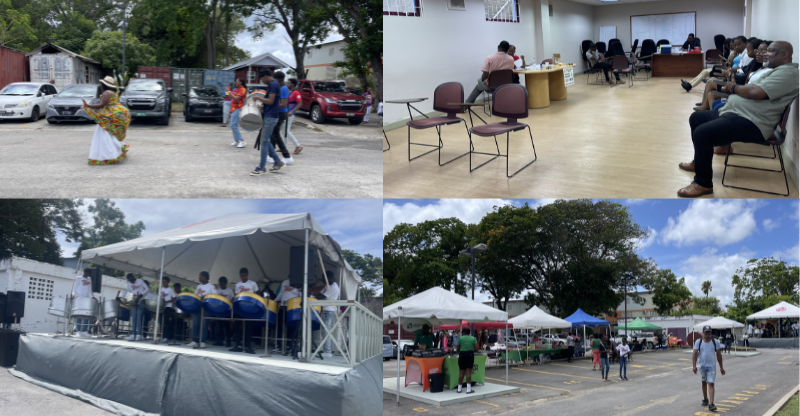
    On Friday, the Ministry of Housing, Lands and Maintenance unveiled its first-ever ‘Housing Got Talent’ initiative, a landmark staff engagement event designed to strengthen interdepartmental connections, prioritize employee well-being, and build collaborative culture across the ministry’s fragmented teams. Hosted at the National Housing Corporation’s Country Road headquarters, the full-day event blended preventive health screenings, community performances, and an internal talent competition, marking the first major public initiative from the ministry’s newly formed Social Committee.

    Deputy Permanent Secretary Suzette Edey-Babb, who spearheaded the event alongside the National Housing Corporation’s own Social Committee, explained that the new committee was established just months ago to address a longstanding gap in employee connection: the ministry’s dispersed operational structure. With multiple satellite departments spread across the region, many frontline and mid-level staff rarely have the chance to interact outside of formal senior management meetings, even for teams housed under the same organizational umbrella.

    ‘We operate as one single ministry, but our teams aren’t all based here at Country Road,’ Edey-Babb noted. ‘Most employees only cross paths if they’re called in for leadership meetings. If you don’t attend those sessions, you can go years without even meeting colleagues in other departments. Even here at the NHC headquarters, where our teams share a building, interaction is mostly limited to senior management, so junior staff rarely get to connect.’

    To solve this disconnect, organizers built the day around two core pillars: holistic employee wellness and informal social connection. The morning kicked off with free preventive health screenings led by licensed healthcare professionals, offering employees from both the ministry and the NHC access to a full range of tests including blood pressure monitoring, cholesterol and blood sugar screenings, hypertension evaluations, and confidential testing for HIV and other sexually transmitted infections.

    Edey-Babb emphasized that wellness was woven into the event’s core mission, not just added as an afterthought, noting that holistic staff health encompasses both physical and mental well-being. ‘We couldn’t host an event focused on bringing people together without centering their health,’ she said. ‘This is about more than just fun — it’s about supporting our team’s whole wellbeing.’

    Following the screenings, the event shifted to entertainment, kicking off with performances from local community groups including the Ellerton Youth and Cultural Club’s iconic Tuk Band and Mother Sally performance, alongside student acts from two local secondary schools, St Michael School and St Leonard’s Boys’ School. The afternoon was dedicated to the main attraction: the internal Housing Got Talent competition, which gave ministry employees a platform to showcase hidden creative skills they rarely bring to the workplace. After the competition concluded, staff were invited to stay for additional informal social activities including karaoke, craft stations, light refreshments, and open networking time to encourage organic connection between colleagues from different departments.

    For the ministry’s new Social Committee, this inaugural event is just the first step in a long-term strategy to improve staff engagement and wellness across the organization. Edey-Babb confirmed that the committee is already planning additional targeted events focused on employee wellbeing, including educational presentations from health experts on stress management and holistic health practices, with future engagement activities scheduled throughout the year. ‘This is our first initiative, but it won’t be our last,’ she said. ‘Our entire focus is on supporting our staff and bringing our whole ministry closer together, and that’s a commitment we’re going to keep building on.’

  • Liberty Business unveiled in St Kitts and Nevis

    Liberty Business unveiled in St Kitts and Nevis

    A major shift in the Caribbean business technology landscape has officially arrived in St. Kitts and Nevis, as long-standing regional provider C&W Business completes its rebranding to Liberty Business. The launch marks a key milestone in the company’s regional transformation strategy, while cementing its decades-long dedication to driving enterprise expansion, digital innovation, and national progress across the Federation.

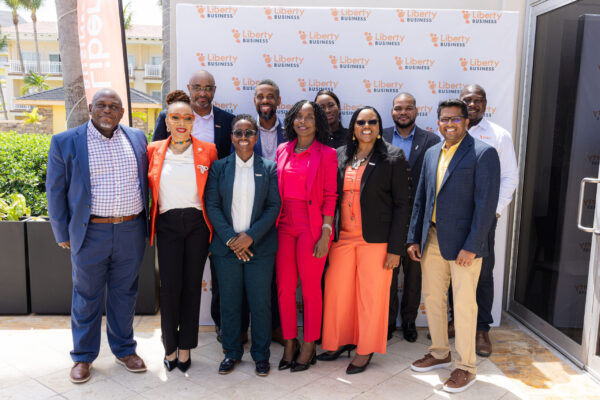
    The rebranding was unveiled at an exclusive stakeholder gathering, drawing senior government representatives, C-suite business leaders, key industry partners, existing enterprise clients, and national media outlets. The event doubled as a celebration of the organization’s centuries-long legacy of serving communities and businesses across St. Kitts and Nevis, kicking off what company leaders call a new era of digital enablement for the region.

    “This is far more than a simple name change,” explained Susanna O’Sullivan, Vice President of North Caribbean for Liberty Caribbean. “This evolution reflects our deliberate shift from a connectivity provider to a trusted digital advisor, a strategic technology partner, and a core enabler of long-term sustainable growth for businesses navigating an increasingly interconnected global digital economy.”

    Liberty Caribbean, the parent entity that manages popular regional brands including Flow and BTC, currently serves customers across more than 20 Caribbean markets. O’Sullivan emphasized that the launch of Liberty Business builds on the deep, century-spanning legacy left by Cable & Wireless Communications, which first established a presence in St. Kitts and Nevis more than 100 years ago. Throughout its history in the Federation, the organization has been a foundational player in connecting people, businesses, and local communities, while actively contributing to the country’s economic and social advancement.

    That legacy has expanded dramatically since the company joined the Liberty Latin America network in 2016. Over the past eight years, the group has poured significant capital into regional network modernization, expanded digital infrastructure, and rolled out next-generation communications technologies across the Caribbean. Today, Liberty Caribbean manages one of the most expansive communications networks in the entire region, backed by nearly 50,000 kilometers of combined subsea and terrestrial fiber infrastructure that connects more than 30 markets. This extensive network delivers reliable, secure, high-performance connectivity across every corner of the Caribbean.

    “For modern enterprises in St. Kitts and Nevis, connectivity is no longer just a utility to stay online,” O’Sullivan added. “It is the backbone that drives higher productivity, protects sensitive critical business data, supports distributed hybrid work models, enables seamless adoption of cloud technologies, and builds the operational resilience that businesses need to compete in the 21st century digital economy.”

    Lorraine Mitchell, Country Manager for Flow St. Kitts and Nevis, also spoke at the launch event, noting that the launch of Liberty Business aligns with the company’s core mission of helping local organizations navigate digital transformation with confidence. The new brand will deliver customized technology solutions built specifically to address the unique challenges and needs of Caribbean businesses, Mitchell explained.

    “Today’s organizations need far more than basic internet access,” Mitchell said. “They require a partner that understands their growth ambitions, helps them proactively manage evolving cyber and operational risks, and delivers technology solutions that drive tangible, meaningful business results. Whether we are serving public sector government agencies, the critical tourism sector, financial services institutions, education and healthcare providers, or small and medium-sized enterprises, our core goal remains the same: to deliver the expertise, infrastructure, and innovation that help organizations grow, operate more efficiently, and maintain resilience in an increasingly competitive regional and global market.”

    Under the unified Liberty Business brand, the company now offers an integrated, end-to-end portfolio of enterprise-specific solutions. This includes cutting-edge advanced connectivity, enterprise-grade cybersecurity, flexible cloud services, secure data center hosting, fully managed technology services, enterprise mobility solutions, and unified communications tools — all designed to meet the rapidly changing needs of modern business customers across the region.

    Shelton Flash, Director of B2B for North Caribbean at Liberty Caribbean, highlighted that the rebranding and launch reflects the company’s long-term confidence in the economic and digital future of St. Kitts and Nevis. “This launch is a testament to our commitment to being a reliable long-term partner in the country’s digital development journey,” Flash said. “As local businesses continue to adopt new technologies to grow and compete, Liberty Business will be there to listen to client needs, offer strategic advice, build fit-for-purpose infrastructure, protect critical assets, and keep organizations connected. Together with our customers and local partners, we are excited to help build a smarter, stronger, and more connected future for the Federation of St. Kitts and Nevis.”

  • Missing man killed, buried in latrine

    Missing man killed, buried in latrine

    A horrific fatal incident has shaken the quiet community of Siparia, where the body of 62-year-old Dennis Archagee, a man believed to be the victim of a violent robbery and home invasion, was recovered from an outhouse pit adjacent to his residence on Friday. The grim find followed a missing person alert filed by one of Archagee’s relatives, who grew concerned after noticing suspicious disorder at his isolated Quarry Road property, where the elderly man lived alone.

    According to official police accounts, the relative arrived at Archagee’s home for a check-in at approximately 10 a.m. that day. Local neighbors told the visitor that Archagee had not been seen in public since Tuesday, raising immediate red flags. Finding the front gate padlocked and getting no response to repeated knocks and calls, the relative forced open the lock to enter the home, where they immediately confirmed the property had been ransacked.

    Multiple high-value items were confirmed missing from the residence: a household gas tank, a portable generator, a brush cutter, and Archagee’s personal vehicle, a Nissan B14 sedan. Alarmed by the scene, the relative contacted local law enforcement right away, and officers were dispatched to the location within minutes to launch a full search of the home and surrounding grounds.

    It was during this systematic search that investigators made the chilling discovery: Archagee’s body, found lying face down in the deep pit of the outdoor outhouse on his property. The entire search area was immediately cordoned off to preserve evidence, allowing specialist crime scene investigators to process the location for forensics clues that could lead to identifying the perpetrators. The district’s medical officer attended the site shortly after, and ordered the body to be transported to the Forensic Science Centre in Federation Park, where an official post-mortem examination will be carried out to establish the exact cause and time of Archagee’s death.

    The case also involved support from local volunteer search resources: Vallence Rambharat, leader of the Hunters Search and Rescue Team, confirmed that his group had been contacted to assist in the search for the missing man, and was already en route to the Siparia location when they received word that Archagee’s body had been recovered by police. In a subsequent update, law enforcement announced that Archagee’s stolen Nissan B14 was located shortly after the body discovery, abandoned in a remote area at Skinner Trace in Quarry Village. As of Friday evening, police have not announced any arrests in connection with the incident, and investigations remain ongoing.

  • FTC to launch online complaint tracking system

    FTC to launch online complaint tracking system

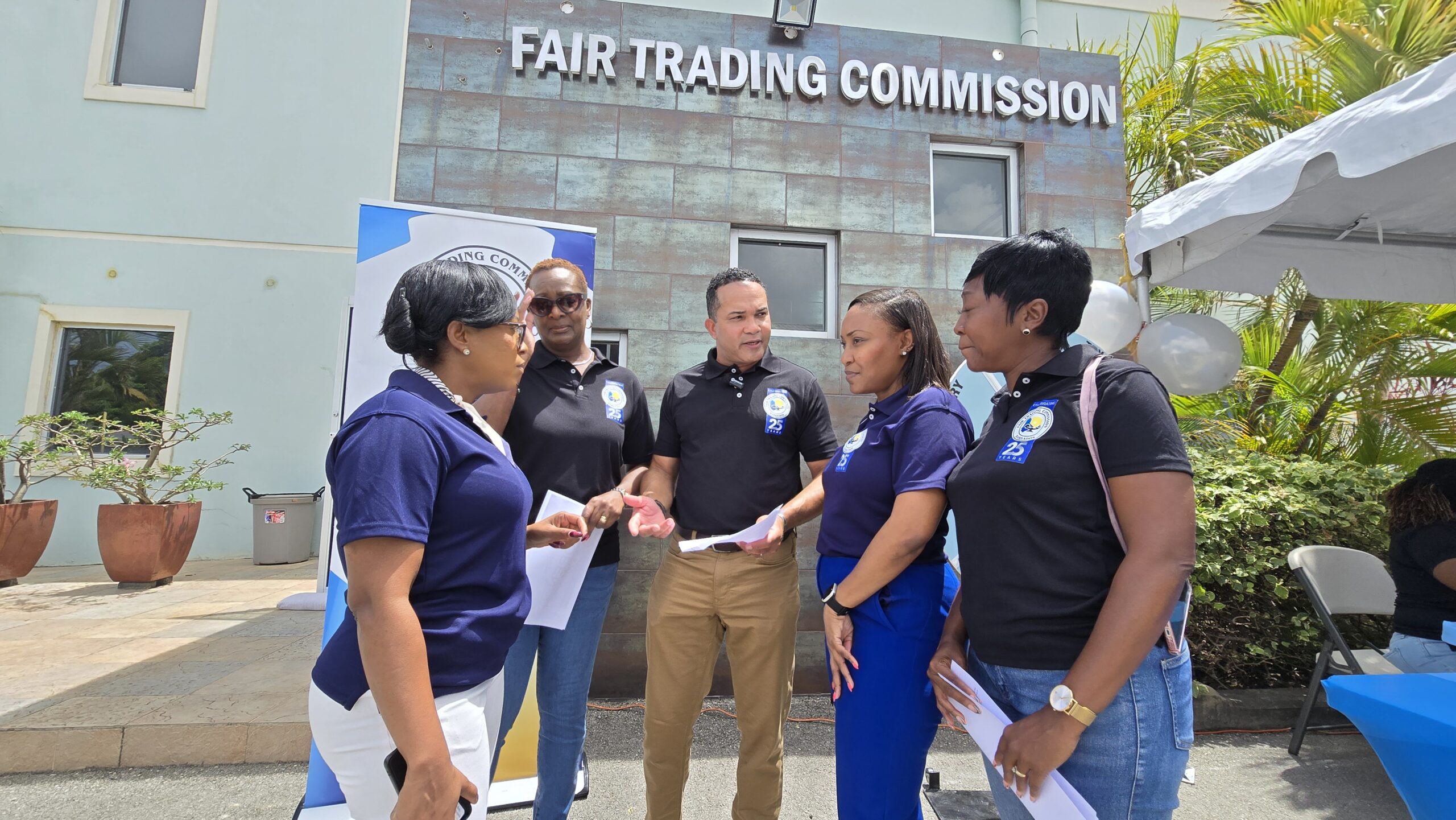
    Barbados’ Fair Trading Commission (FTC) is advancing its consumer protection services with a major digital transformation and a push for expanded regulatory authority, as the agency marked its 25th year of operation during a public open day at its Green Hill headquarters on Friday. In an address to attendees, FTC Chief Executive Brian Reece outlined the agency’s key upcoming changes, centered on a new cloud-based digital case management system designed to cut red tape and improve accountability for consumer complaint handling.

    Reece confirmed that the new case management platform, set to launch in the coming months, will be integrated into a fully updated FTC website, giving consumers 24/7 access to file complaints, communicate directly with FTC consumer advocates and staff, and track the progress of their claims in real time. Unlike the agency’s current paper-reliant processes, the system will create full transparency around complaint timelines, letting consumers know exactly how far along their case is and what steps remain to resolution. This level of visibility, Reece noted, will also hold the FTC itself accountable for delivering timely, effective results for the public.

    The website overhaul is already underway to accommodate the new digital services, with the full launch of both the upgraded site and case management system expected within months. Beyond digital improvements, Reece also revealed that the FTC is actively pursuing legislative changes to expand its regulatory mandate. Currently, the agency only oversees fixed-line telecommunications services, but the FTC is pushing to add mobile service quality and broadband performance to its area of oversight, a move that would reflect the changing digital needs of Barbadian consumers.

    Addressing public awareness of the FTC’s work, Reece said that overall Barbadians have a solid understanding of the agency’s core mission, but emphasized that ongoing public education remains a top priority. Events like the 25th anniversary open day, he explained, are designed not just to share information about existing services, but also to gather feedback from consumers on how the FTC can adapt its work to meet emerging needs.

    The open day event featured partner displays and presentations from a range of relevant Barbadian agencies, including Barbados Light & Power, the Barbados Water Authority, Flow (Cable & Wireless), the Financial Literacy Bureau, Mission Barbados, and the Barbados National Standards Institute, among others. Reece noted that the collaborative event was structured to let the public engage directly with both FTC leadership and the utility and business agencies that are the source of many consumer complaints. The FTC handles a wide range of claims, from utility service issues to disputes over business practices such as warranty terms and consumer business contracts, and Reece reiterated that the agency’s core approach balances the interests of both consumers and ethical business operators.

    As the FTC enters its 26th year of operation, the planned digital upgrades and regulatory expansion mark one of the most significant overhauls to the agency’s services since its founding, positioning it to better serve a modernizing Barbadian economy.

  • MIA roept hulp samenleving in bij opsporing Burke en ontsnapte Colombiaan

    MIA roept hulp samenleving in bij opsporing Burke en ontsnapte Colombiaan

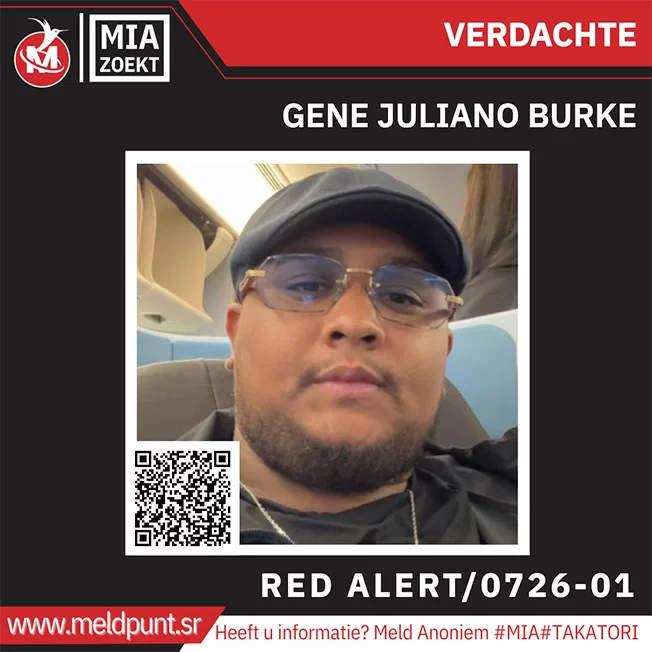
    On July 18, the Meldpunt Informatie Anoniem (MIA), Suriname’s anonymous crime reporting hotline, issued urgent Red Alerts for two high-priority fugitives linked to large-scale organized criminal activity, warning the public of the risks they pose and calling for community assistance to locate them. The first fugitive, Gene Juliano Joël Burke, is a person of interest connected to one of the largest drug seizures in recent Surinamese history, which intercepted more than 1,800 kilograms of cocaine. Authorities have charged Burke with three key offenses: participation in a transnational criminal organization, violating Suriname’s Opium Act, and breaking national firearms regulations. Most critically, MIA has publicly classified Burke as armed and dangerous, emphasizing that he poses a direct threat to public safety if confronted by civilians. While multiple suspects have already been taken into custody in connection with the cocaine seizure, the investigation remains active as law enforcement continues to hunt for all remaining fugitives linked to the smuggling operation.

    The second Red Alert targets 58-year-old Colombian national Jorge Eliecer Ariza Ortega, who escaped from the holding cell block at the Keizerstraat police station under still-unexplained circumstances. Ariza Ortega was being held in pretrial detention as a suspect in a major organized crime and drug trafficking investigation, facing identical charges to Burke: membership in a criminal syndicate, large-scale drug trafficking, and illegal firearms possession. As of the Red Alert’s issuance, law enforcement has no solid leads on Ariza Ortega’s whereabouts. In response to the escape, three police personnel – one full-duty officer and two trainee officers who were assigned to the night shift when the escape occurred – have been placed on administrative leave pending an internal investigation into how the breakout was possible.

    Ariza Ortega is no stranger to high-profile drug investigations: he was among the suspects arrested in February’s so-called “semi-submarine case”, an operation targeting a major smuggling ring that used a custom-built semi-submersible vessel to move cocaine across regional waters. When law enforcement raided the ring’s operations, officers seized the homemade semi-submarine, multiple illegal firearms, and eight 200-liter barrels of aircraft fuel – supplies believed to be intended for smuggling operations. Several suspects fled during that initial raid, and law enforcement has conducted multiple arrests over the intervening months, but Ariza Ortega’s escape has marked a major setback to the years-long investigation.

    To accelerate the manhunt, MIA is calling on all members of the public to share any information they may have about the two fugitives’ current locations. Anonymous tips can be submitted via telephone at (+597) 84-70223 or by email to report@meldpunt.sr. The organization stressed that public cooperation is a critical component of successful fugitive operations, noting that community input not only helps law enforcement take dangerous suspects off the street but also upholds broader public safety across the country.

  • Government validates Medium-Term Action Plan 2027–2029

    Government validates Medium-Term Action Plan 2027–2029

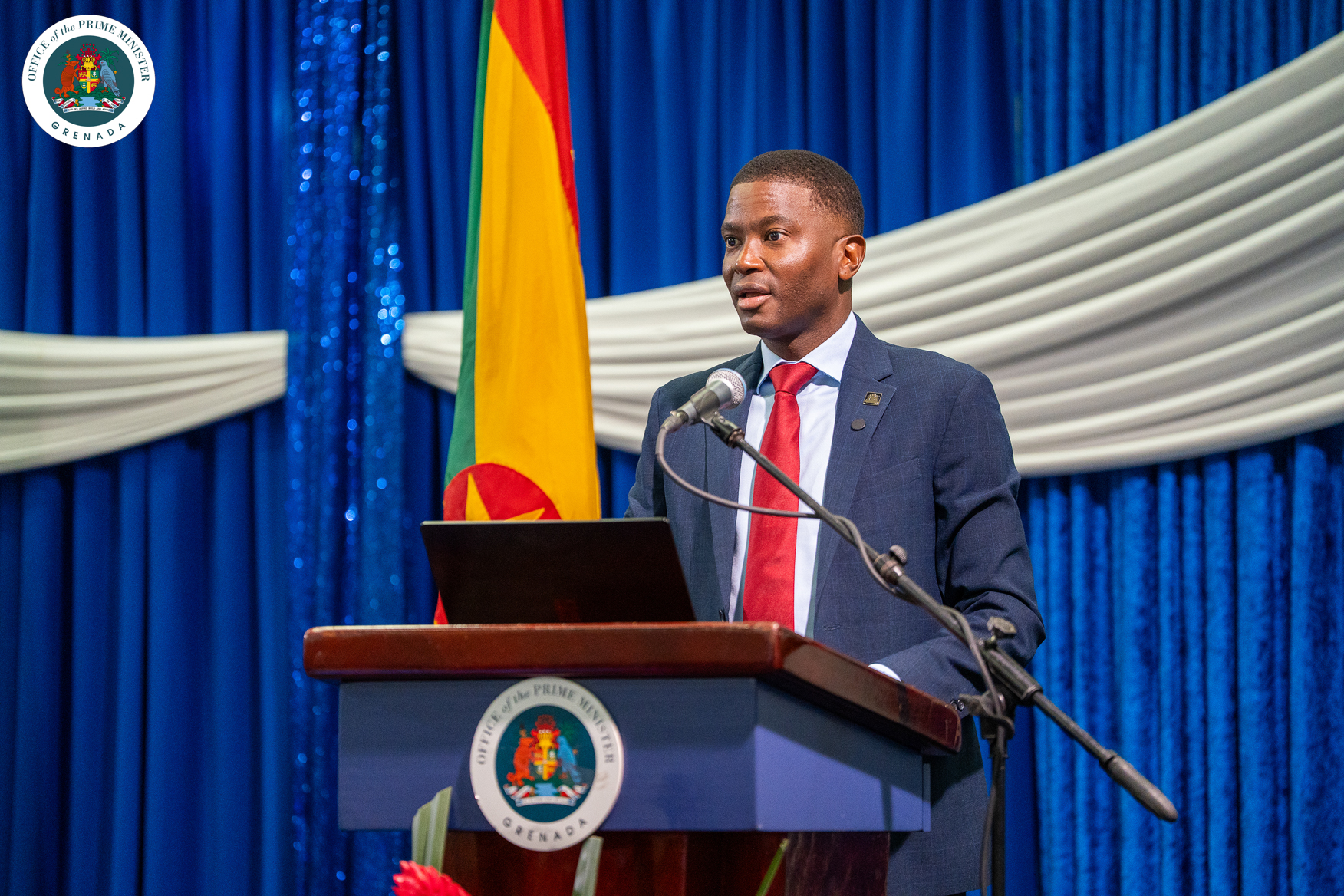
    On July 14, 2026, the Government of Grenada marked a critical step forward in its long-term national development strategy with the successful completion of the Medium-Term Action Plan (MTAP) 2027–2029 Validation Retreat, held at the Radisson Grenada Beach Resort. Convened under the central theme “Validating Priorities for Resilient and Transformational Development,” the gathering brought together a cross-section of senior government stakeholders: Prime Minister Dickon Mitchell, full cabinet membership, permanent secretaries, department heads, special policy advisors, and senior technical officials. Their collective task was to review, refine, and formally validate the draft MTAP ahead of its formal submission to the Cabinet for final approval.

    The 2027–2029 MTAP functions as the government’s core operational framework, designed to translate the high-level long-term goals laid out in the 2020–2035 National Sustainable Development Plan (NSDP) and the administration’s Vision 75 initiative into coordinated, actionable work across all branches of government. Developed over months of wide-ranging consultations with hundreds of government ministries, departments, and agencies, the draft plan outlines 200 targeted priority actions spanning 13 distinct economic and social sectors, plus seven cross-cutting thematic areas that will steer the government’s development agenda across the next three-year term.

    In his opening keynote address to retreat participants, Prime Minister Mitchell reaffirmed the administration’s steadfast commitment to delivering tangible, systemic transformation across Grenada through disciplined implementation, strengthened public institutions, and intentional cross-stakeholder collaboration. He emphasized that the MTAP must be more than a symbolic planning document, stressing that it should deliver measurable improvements to the daily lives of all Grenadians through robust execution, clear accountability mechanisms, and a laser focus on delivering results.

    The prime minister also outlined a selection of flagship initiatives that will anchor the plan’s work to shape Grenada’s future trajectory. These include the high-profile Project Polaris and Project 500 infrastructure and development schemes, the planned rollout of new Education Centres of Excellence, the country’s ongoing transition to renewable energy, a national digital transformation agenda, and a suite of other strategic investments aligned directly with the goals of Vision 75.

    Cabinet Secretary Carvel Lett, in her official welcome to attendees, underscored that the successful delivery of the MTAP’s outcomes will rely on three foundational pillars: unified collective leadership, coordinated whole-of-government action, and clear ownership of priorities by individual ministries, departments, and agencies. She urged participants to leverage the retreat’s collaborative format to ensure the final plan is pragmatic, achievable, fully aligned with the government’s core strategic priorities, and matched to the country’s available resource allocations.

    Over the course of the one-day retreat, participants worked through a structured agenda to validate sector-specific priorities, performance metrics, baseline data, outcome targets, and implementation timelines. The gathering also created space to identify opportunities to strengthen inter-ministerial cooperation, tighten accountability frameworks, and streamline delivery arrangements for priority projects. Breakout working groups focused specifically on developing practical, collaborative approaches to cross-sectoral implementation, acknowledging that most of the country’s most pressing national priorities require input and coordination from multiple government institutions.

    In the wake of the retreat, individual ministries, departments, and agencies are now moving forward with final revisions to their sections of the plan, incorporating all refinements and adjustments agreed upon during the gathering. The fully finalized MTAP 2027–2029 will be submitted to the Cabinet for formal review and approval by the end of July 2026. Once authorized, the plan will guide all government planning, budget allocation, project implementation, and performance monitoring activities for the three-year period from 2027 to 2029.

  • Judge urges jurors to uphold law, civic responsibility

    Judge urges jurors to uphold law, civic responsibility

    As the Supreme Court No. 4 prepares for its annual summer Assizes break, High Court Justice Laurie-Ann Smith-Bovell has delivered a stirring call to sitting jurors, positioning active citizen participation as the foundational pillar of a functional, orderly society. In her address to the panel, the judge framed jury service as far more than a mandatory civic chore — it is a critical line of defense against the erosion of shared moral principles that hold communities together.

    “We live in an era where standing for core principles is non-negotiable,” Justice Smith-Bovell told jurors. “Without a collective commitment to upholding what is morally right, society risks unraveling into anarchy and chaos. Every juror holds a choice: take a stand to reinforce the values that keep our communities safe, or acquiesce to shifting norms and open the door to widespread disorder.”

    Beyond outlining the broader stakes of civic participation, the judge laid out clear expectations for how jurors should approach their decision-making duties. She emphasized that all verdicts must be rooted exclusively in the evidence presented during trial, rather than swayed by personal emotion, implicit bias, or misplaced sympathy. “We never ask a jury to convict someone without proof,” she explained. “It is the state’s responsibility to present solid evidence, and it is your responsibility to set aside your personal feelings and render a decision based only on the facts before you. If you fail to do that, we all lose — eventually, no one will be safe in their own homes.”

    Reflecting on her own role on the bench, Justice Smith-Bovell rejected the idea that judges are removed from the everyday risks of crime and insecurity that face all residents. Like any other citizen, she shops for groceries, fills up her car at the gas station, and visits local beaches — she is not immune to the societal challenges that impact the community. Even so, she noted, judicial duty demands impartiality and courage: “I swore an oath to carry out my work without fear or favor. If I allowed fear of crime to cloud my judgment, I would be failing at the job I was appointed to do, just as you would fail if you let personal feelings override your oath.”

    The judge extended her call for civic responsibility far beyond the walls of the courtroom, arguing that every citizen has a daily role to play in reversing declining social standards. She urged jurors to carry their commitment to order and morality into their daily lives, from correcting misbehavior in young children to speaking out against actions that erode community safety. “This isn’t just a responsibility you have when you walk into this court,” she said. “If society is getting worse instead of better, every one of us has to pitch in to fix it. When you see a six-year-old walking down the street cursing and acting out, it’s your job as a citizen to stop them and correct that behavior.”

    Looking toward the future, Justice Smith-Bovell urged jurors to consider the intergenerational consequences of inaction on declining social norms. “You will have children and grandchildren,” she said. “Ask yourselves what kind of country we will leave them in 10 years if we continue on this current path. This work is about making society safe for everyone, not just for today.”

    In closing, the judge clarified that the core mission of the court is not punishment for its own sake, but the delivery of fair, impartial justice. She noted that she has regularly dismissed cases when the prosecution failed to present sufficient evidence, a practice she said reflects the court’s commitment to fairness above all. “My goal is never to lock people away,” she explained. “My goal is to see that justice is done. Whether that means convicting and holding someone accountable or acquitting them when evidence is lacking, the only priority is doing what is right. It all comes down to fairness, no matter the circumstances.”

  • CARDI Launches Inaugural Agricultural Research and Innovation Symposium

    CARDI Launches Inaugural Agricultural Research and Innovation Symposium

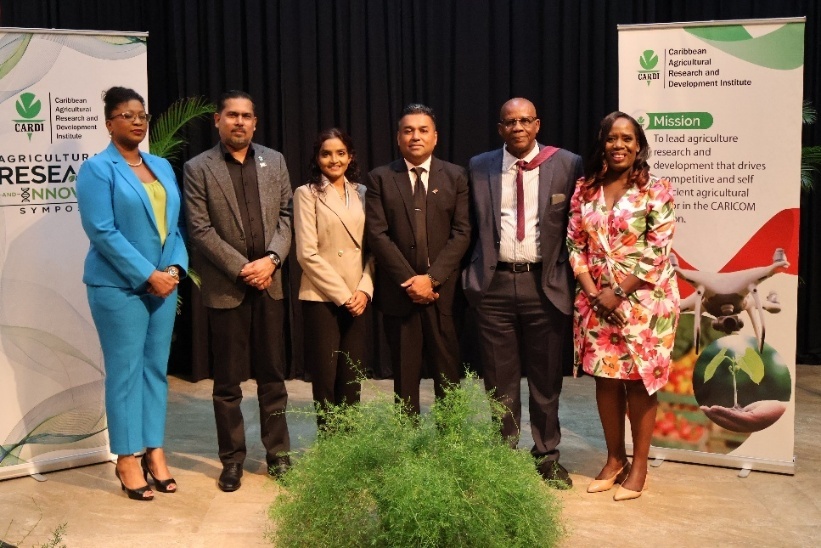
    On July 8, 2026, the Caribbean Agricultural Research and Development Institute (CARDI) inaugurated its first-ever Agricultural Research and Innovation Symposium (ARIS) in a landmark event that united a diverse cross-section of regional stakeholders. Researchers, government policymakers, smallholder and commercial farmers, international development partners, and private sector agribusiness representatives gathered from across the Caribbean to explore cutting-edge, science-backed strategies for building a more food-secure and climate-resilient regional agricultural sector.

    Organized around the central theme “Advancing Agricultural Innovation for Sustainable and Climate-Resilient Food Systems”, the symposium functions as an annual recurring platform to disseminate CARDI’s latest research outputs and deepen cross-institutional collaboration among groups dedicated to transforming the Caribbean’s aging, vulnerable agricultural landscape.

    In his opening address, CARDI Board of Governors Chairman Hon. Lennox Andrews, who also serves as Grenada’s Minister of Agriculture, emphasized that sustained investment in agricultural research and innovation is non-negotiable for the region to tackle its growing set of interconnected agricultural challenges. “Climate change impacts, evolving pest and disease outbreaks, and sudden global market disruptions leave us no choice but to embrace science, innovation, and cross-sector collaboration as core tools to secure the future of Caribbean agriculture,” Andrews stated. “The research showcased at this symposium proves CARDI’s unwavering commitment to developing practical solutions that boost farm productivity, strengthen regional food systems, and lift the livelihoods of smallholder farmers across every island nation.” He added a critical call to action: “If we expect CARDI to continue delivering these life-changing solutions for our region, we must ensure it has the sustained financial resources and policy support required to carry out its mandate.”

    CARDI Executive Director Ansari Hosein framed the symposium as a transformative milestone for the 50-plus-year-old regional institution, marking the launch of a new regular tradition of stakeholder engagement. “This symposium brings our research teams from across 14 member states together to share the results of two years of on-the-ground research conducted in our member countries, and most importantly, it creates space for direct dialogue with the farmers, policymakers, development partners and private sector actors that our work serves,” Hosein explained. “Our core goal is to move research beyond the walls of the laboratory and deliver tangible, on-the-ground benefits for food and nutrition security, climate resilience, and agricultural competitiveness across every corner of the Caribbean.” He reaffirmed that CARDI’s ongoing research agenda remains centered on building robust, resilient, innovative, and sustainable agri-food systems that align with the region’s collective food security targets.

    Speaking on behalf of Trinidad and Tobago’s Minister of Agriculture and Fisheries, Ministerial Advisor Ravi Pooran Maharaj praised CARDI for establishing the first dedicated regional forum for agricultural scientific collaboration and knowledge exchange. “The Caribbean’s future food security hinges on our collective ability to turn laboratory research into real, on-farm action,” Maharaj noted. “This symposium provides a critical space where researchers, policymakers, innovators, and practicing farmers can exchange ideas, build long-term partnerships, and speed up the adoption of transformative technologies that will reshape agriculture across Trinidad and Tobago and the entire Caribbean.” He emphasized that agricultural innovation is no longer a discretionary investment but an existential necessity, highlighting the outsized role of climate-smart farming techniques, improved drought- and pest-resistant crop varieties, precision agriculture tools, and sustainable land management practices in building food systems that can withstand climate shocks.

    Michelle Anne Thomas, Permanent Secretary in Trinidad and Tobago’s Ministry of Agriculture and Fisheries, welcomed the symposium as a key mechanism to strengthen ties between regional research institutions and government bodies. “The complex, interconnected challenges facing Caribbean agriculture cannot be solved by any single group – they demand deep, sustained partnerships between researchers, policymakers, and producers,” Thomas said. “By creating structured opportunities to share actionable knowledge and practical solutions, initiatives like this symposium ensure that scientific evidence informs public policy, strengthens national agricultural programs, and delivers meaningful benefits for both farmers and consumers across the region.”

    The three-day symposium featured three technical sessions that highlighted CARDI’s ongoing research across its 14 member states, addressing the region’s most urgent agricultural priorities. Research presentations covered a range of locally focused initiatives, including assessments of the commercial production potential for white potatoes in Grenada and tropical wheat varieties adapted to Belize’s climate. Additional studies outlined innovations in production practices for lettuce, corn, silage, dasheen, and black-eyed peas, all designed to cut the Caribbean’s heavy dependence on imported food and animal feed, a major drain on regional foreign exchange.

    The event also put a spotlight on CARDI’s expanding work in digital agricultural innovation. Presentations explored strategies to increase youth participation in commercial agriculture, new digital platforms for optimized livestock feed management, artificial intelligence-powered tools for rapid crop disease diagnosis, and emerging digital technologies that can strengthen agricultural extension services and help farmers make more data-driven on-farm decisions.

    Across all sessions, the research presented reinforced CARDI’s core mission: to deliver practical, science-based solutions that advance regional food and nutrition security, improve smallholder farmer livelihoods, and boost the global competitiveness of Caribbean agricultural products. This article was distributed via the CARDI network; NOW Grenada holds no responsibility for contributor opinions, statements, or third-party content included in this report.

  • Sir Garfield Sobers (1936-2026) Cricket figures mourn ‘man of grace, greatness’

    Sir Garfield Sobers (1936-2026) Cricket figures mourn ‘man of grace, greatness’

    The global cricket fraternity is in mourning this week following the death of one of the sport’s most iconic figures, Sir Garfield Sobers, the National Hero of Barbados, who passed away at 89 at his home on Friday after a period of illness, just 11 days shy of his 90th birthday. Tributes have poured in from across the world from commentators, administrators and players alike, all celebrating Sobers’ unparalleled legacy both on and off the pitch.

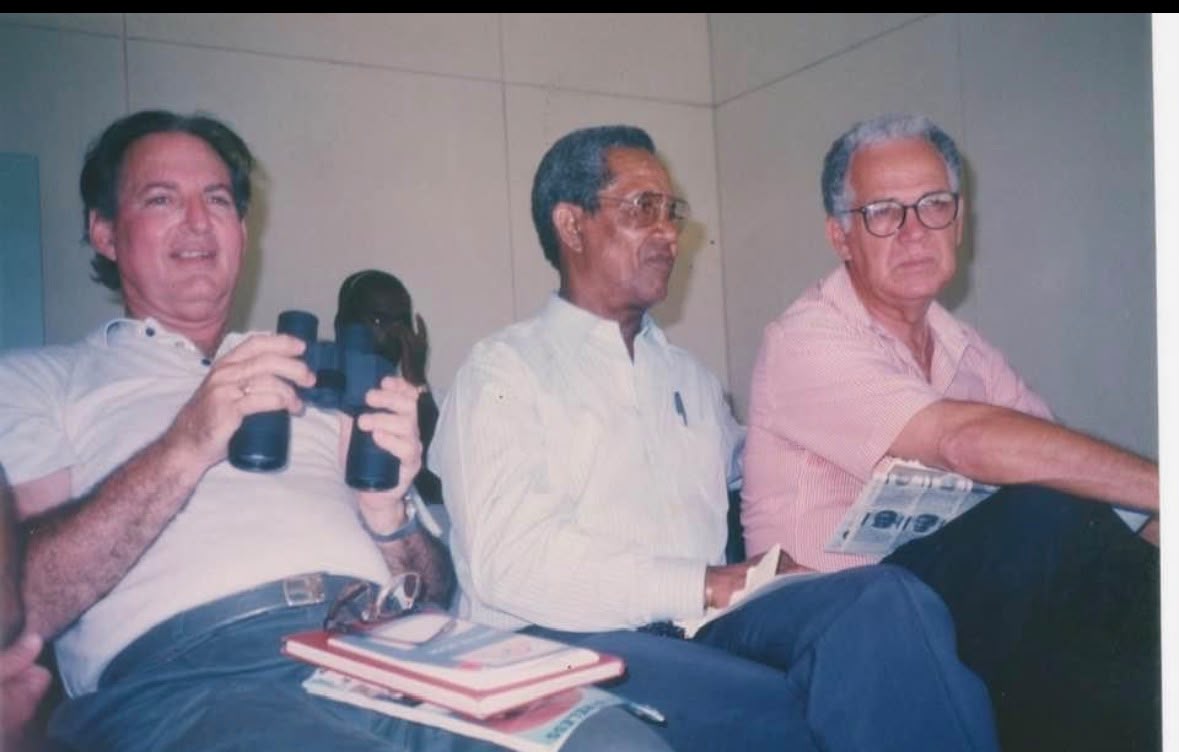
    Veteran cricket commentator Joseph Reds Pereira, who watched Sobers play on multiple occasions and later built a close friendship with him after his retirement, shared his earliest memories of the all-rounder. As a young cricket-mad boy, Pereira stayed up late to listen to radio commentary of the 1961 opening Test, where Sobers scored a brilliant 132 runs, an innings that still stands out in his memory as one of the most special performances he has ever witnessed. Pereira first saw Sobers play in person in 1955, and the pair grew much closer during the 1978 Kerry Packer World Series Cricket in Australia, where Sobers served as a relaxed, charismatic ambassador for Caribbean cricket. Pereira recalled how Sobers would casually reach out to arrange a round of golf, a hobby the legend remained passionate about long into retirement. One of Pereira’s most cherished memories is watching Sobers take the pitch alongside fellow West Indies great Rohan Kanhai at Bourda in Guyana, an experience he described as watching two kings of the game walk out to bat.

    The news of Sobers’ death broke mid-play during the annual Sir Garfield Sobers Under-19 Cricket Tournament, a youth competition he founded 32 years ago that is hosted across Barbados, including at Queen’s College. Ricky Clarke, the tournament’s co-ordinator, called the news devastatingly hard to process, having worked closely with Sobers since the legend invited him to join the event in 1991. Clarke remembered Sobers’ remarkable grace, a quality that defined his character long before he earned national hero status. He emphasized that Sobers took a deeply hands-on approach to running the tournament, which has nurtured multiple generations of young cricketers, including the iconic Brian Lara, who competed in the event early in his career, along with dozens of top young players from across the Caribbean and the United Kingdom. Clarke echoed the widespread belief across the sport that Sobers is unequivocally the greatest cricketer of all time, noting that his status as a Barbadian National Hero is a perfectly fitting honor for a man who gave so much to his country and the global game.

    Commentator Wayne Holder shared that he felt like he had lost a close family member when he heard the news, noting that Sobers is such a core part of Barbadian national identity that the entire country has lost a beloved member of its extended family. Reflecting on Sobers’ well-known humility despite his global fame, Holder recalled a chance early-morning encounter decades ago at Enid’s Bar in Baxters Road, where both men stopped in for patties. When Holder introduced himself as a young fan, Sobers made time for him, and from that point on always recognized and greeted Holder on every subsequent meeting across the years.

    Andy Payne, president of Maple Cricket Club and a graduate of the Sir Garfield Sobers Schools Competition, shared personal memories of Sobers’ kindness off the pitch. Beyond cricket, Sobers was a dedicated golfer who represented Barbados in the sport from the 1970s through the 2010s, and founded the Sir Garfield Sobers Festival of Golf, where he served as patron. Early in Payne’s career, when he worked in tourism and struggled to get time off to compete in domestic cricket, Sobers personally intervened with Payne’s employer to argue that the young rising player deserved the opportunity to play. Like others, Payne summed up Sobers’ legacy simply: for his contributions to cricket, tourism and Barbadian national life, he will always be remembered as the greatest of all time.

    On the pitch, Sobers’ statistical achievements remain staggering decades after his retirement. He represented the West Indies in Test cricket between 1954 and 1974, playing 93 matches, scoring 8,032 runs at an average of 57.78, and taking 235 wickets at an average of 34.03, proving his dominance as one of the sport’s greatest all-rounders. In 1958, he hit an unbeaten 365 against Pakistan, a record that stood as the highest individual Test score for more than 36 years. He made another piece of history in 1968, when captaining Nottinghamshire against Glamorgan in first-class cricket, he became the first batsman ever to hit six sixes in a single over.