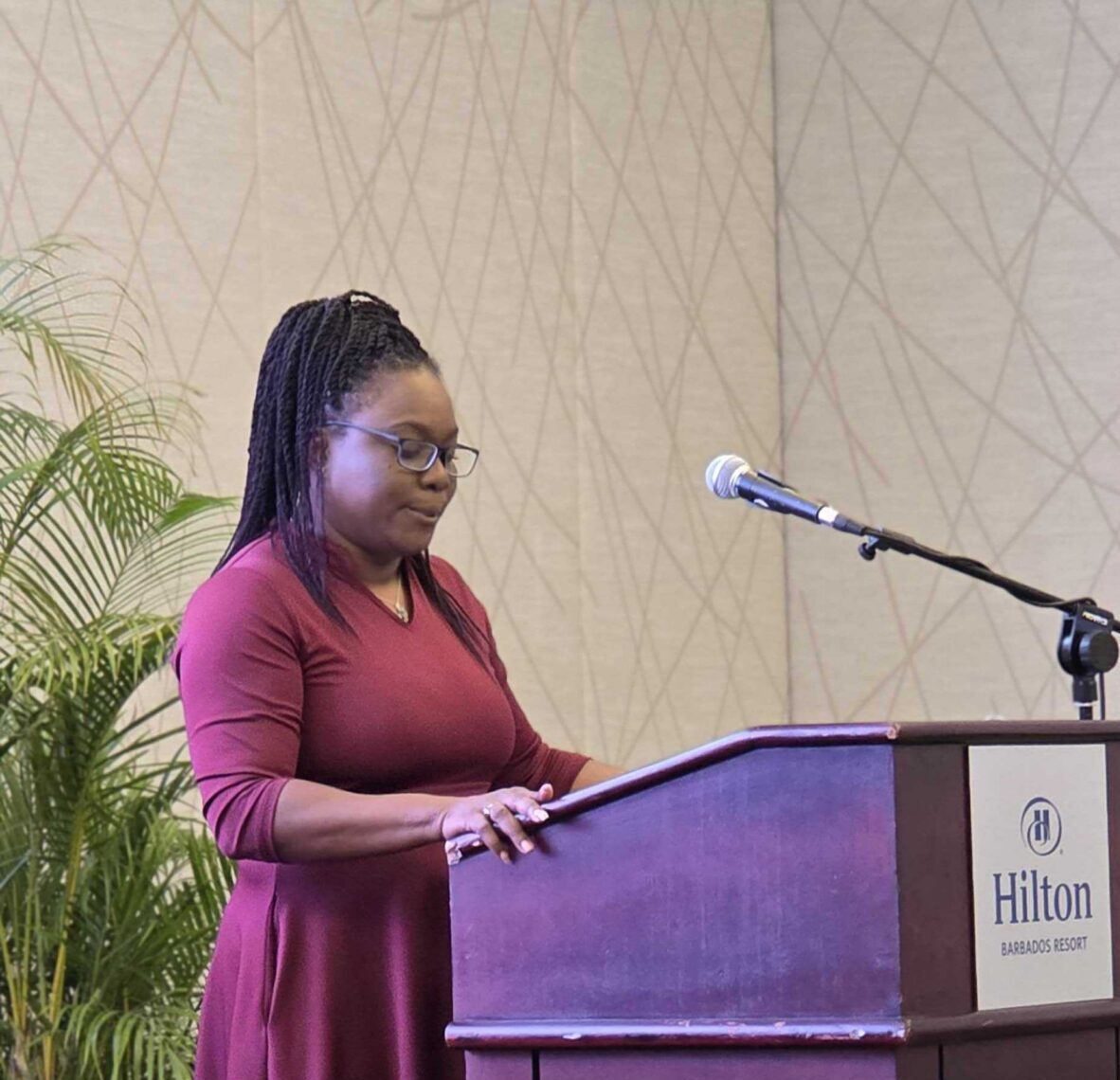
A sharp, alarming rise in personal insolvency filings across Barbados has pushed national regulators to abandon a decades-old reactive approach to debt crisis, replacing it with a new proactive public outreach strategy, the country’s top insolvency official announced Friday at the launch of a community-focused financial literacy campaign designed to reverse the growing tide of personal debt.
Speaking at the unveiling of the “WeBiz Bajan” initiative, Ester Springer, Supervisor of Insolvency, highlighted a critical hidden barrier to earlier intervention: deep-seated cultural stigma around debt that discourages vulnerable people from seeking help before their financial situations become irreversible. “Our office continues to track an across-the-board increase in insolvency cases, but the spike in personal filings stands out as particularly concerning,” Springer explained. “What we have consistently observed is that the shame attached to debt stops people from reaching out for support early. Many individuals feel intense embarrassment when they face financial hardship, so they put off seeking help until their debt loads become unmanageable and their options for resolution are narrowed significantly.”
The WeBiz Bajan program is a collaborative partnership between the Office of the Supervisor of Insolvency and Barbados Trust Fund Limited, built to bring accessible financial education directly into local neighborhoods and reframe public narratives around debt and financial recovery. Springer stressed that insolvency is not a permanent financial death sentence or a mark of lifelong failure, noting that the country’s legal framework for insolvency is intentionally structured to enable economic renewal and long-term financial stability.
“When most people hear the word insolvency, they immediately think of failure, of a permanent financial ruin,” she said. “But insolvency is not the end of someone’s financial story. It is fundamentally a process of renewal. The insolvency system exists because society accepts that people make mistakes, that unexpected circumstances upend even the most careful planning, and that economic shocks can impact even the most diligent and disciplined individuals. For us, insolvency is not just about identifying what went wrong. It is about learning from those mistakes to prevent them from happening again, and building clear pathways to recovery that let people build stronger, more resilient financial futures.”
Springer added that a common thread connecting nearly all personal insolvency cases that cross her desk is a widespread lack of knowledge about existing insolvency legal frameworks, healthy financial management choices, and the state support resources already available to at-risk borrowers. Many debtors report having no clear idea where to turn for legitimate, trusted guidance when they first start struggling with debt, she noted.
To close this critical information gap, the new outreach program will bring together partners from public and private sector agencies, regulated financial institutions, education organizations, and local community groups to deliver practical, easy-to-understand training for both personal and small business financial management. Springer emphasized that continuing to wait for a full-blown debt crisis to emerge before offering state support is no longer a sustainable strategy for Barbados.
“These trends have forced us to confront an unavoidable reality,” she said. “If we want to reduce widespread financial distress and improve long-term outcomes for borrowers, we cannot keep waiting until people are already in crisis to act. We have to meet people where they are – at every stage of their financial lives, in the communities where they live, work and run their businesses. We have to make financial education and business support more accessible, more practical, and more relevant to people’s daily lives. We recognize we can no longer afford to be purely reactive; we have to shift to a proactive model.”
The partnership leverages the unique strengths of both organizations: the Insolvency Supervisor’s Office brings deep, on-the-ground expertise in the root causes and consequences of personal financial collapse, while Barbados Trust Fund contributes a proven track record of successful community engagement and small business empowerment across the island.
Citing the pioneering Caribbean economist Sir Arthur Lewis, Springer argued that sustainable national development depends far more on structural public education than temporary financial handouts. “Sir Arthur once said the fundamental cure for poverty is not money but education, and those words are just as relevant today as when he first spoke them,” she noted. “Sustainable, long-term change does not come just from giving people access to resources; it comes from equipping people with the knowledge to make informed financial decisions, the confidence to take responsible action, and the tools to build lasting opportunities for themselves and their families.”
Over the coming months, WeBiz Bajan will roll out a series of in-person community engagement events across all of Barbados’s parishes, bringing resources directly to under-served areas. Springer closed by challenging all citizens and stakeholders to take collective ownership of the island’s economic future, drawing on the words of the country’s national anthem to frame the moment.
“I am also reminded of the words of our national anthem: ‘We are craftsmen of our fate,’” Springer said. “Those words speak directly to the collective responsibility we all share for shaping our country’s future. We have the power to build stronger communities, stronger small businesses, and stronger, more financially resilient families. Equally, through inaction, poor decision-making, or indifference, we can weaken the very foundations that our communities depend on. The choice is in our hands.”