博客

  • AI integration necessary to strength Ports

    AI integration necessary to strength Ports

    As regional stakeholders gathered to chart the future of hemispheric maritime infrastructure, Barbados’ top tourism and transport official delivered a clear call to action: port authorities across the Americas must prioritize artificial intelligence and full digital transformation to build the resilient, efficient, and sustainable maritime networks the 21st century demands.

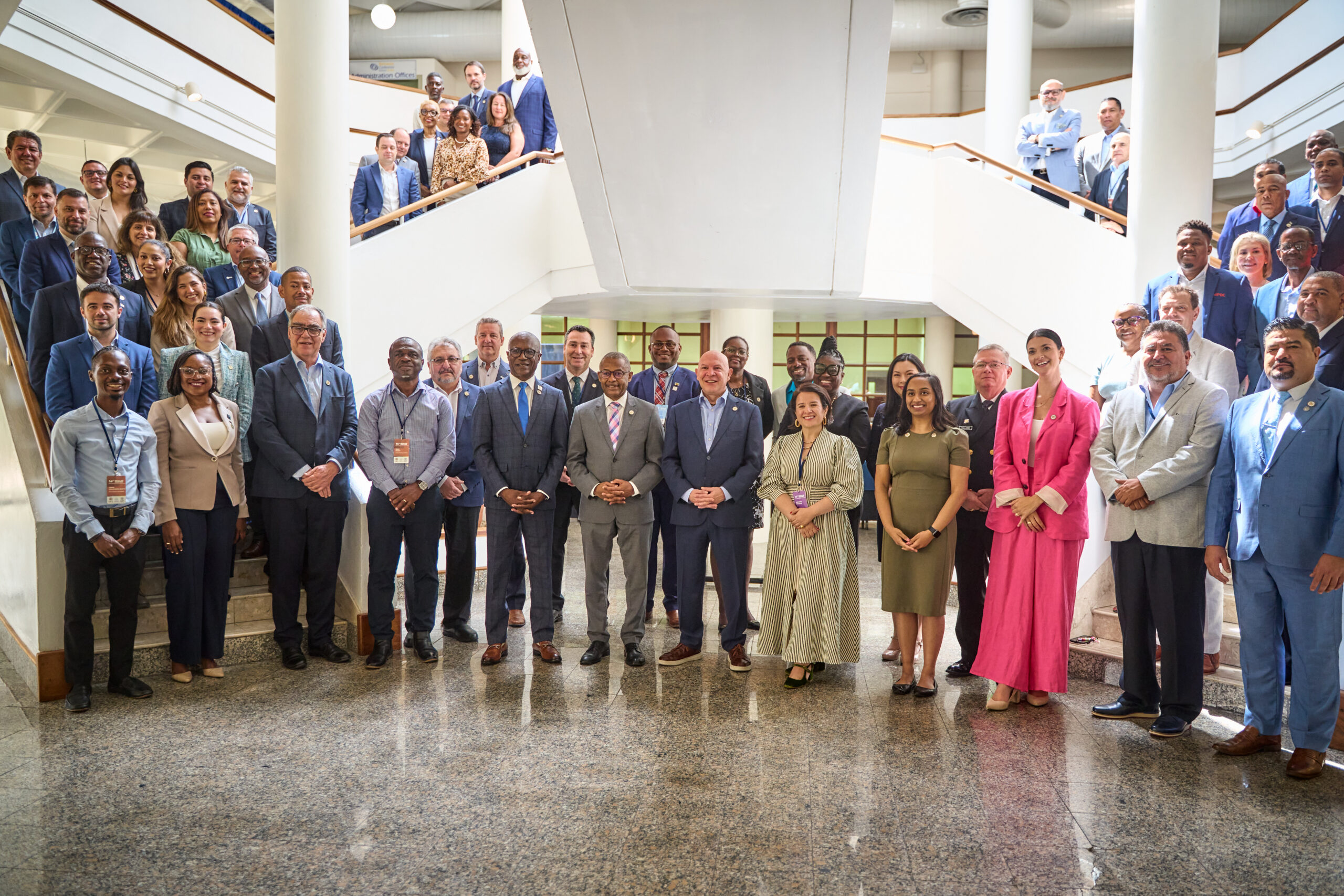
    Ian Gooding-Edghill, Barbados’ Minister of Tourism and International Transport, opened the 14th Regular Meeting of the Inter-American Committee on Ports (CIP) on Monday at the Lloyd Erskine Sandiford Centre, where more than 100 port leaders and industry stakeholders from 35 nations across the Americas have convened to explore this year’s theme, “The Scope of Artificial Intelligence: Reshaping Strategies for Sustainable and Secure Ports.”

    Gooding-Edghill emphasized that for small island developing states and coastal nations in particular, modern, well-functioning ports are far more than ancillary economic infrastructure – they are the critical lifelines that underpin national survival, economic prosperity, and collective security. The gathering comes at a uniquely pivotal moment, he noted, as regional nations work to shore up their maritime networks against a growing wave of global disruptions, from climate-fueled extreme weather to shifting supply chain dynamics and evolving security threats.

    “This meeting carries fundamental importance, because our collective future depends in large part on developing maritime gateways that are modern, resilient, and effectively governed,” the minister told delegates. “For small islands and coastal states especially, ports are not peripheral assets. They sustain our commerce, power our vital tourism sectors, and guarantee access to the food and energy supplies our populations depend on.” Beyond trade and economic activity, Gooding-Edghill added, ports also play an irreplaceable role in coordinating disaster response and post-event recovery, making ongoing modernization a non-negotiable priority at both the national and regional levels.

    Turning to the conference’s core focus on technological innovation, the minister stressed that digital transformation is no longer a discretionary upgrade for ports aiming to stay competitive in an increasingly interconnected global economy. “Digitization is no longer optional for ports that want to remain competitive, efficient, secure, and sustainable,” he said. He outlined the wide-ranging benefits AI already brings to port operations, from optimizing cargo logistics and enhancing on-site safety and security to enabling predictive maintenance that cuts costly downtime and improves data-driven operational decision-making.

    Yet Gooding-Edghill also issued a critical caution: technology alone cannot deliver long-term, inclusive success. Transforming regional port systems to meet future challenges requires more than just cutting-edge tools, he argued. It demands intentional investment in institutional readiness, robust governance frameworks, upskilling for existing workforces, and a sustained commitment to keeping innovation centered on people and inclusive of all communities.

    The minister called on regional leaders and policymakers to pursue collaborative action to ensure the benefits of AI and digital advancement are shared equitably across the entire hemisphere. “We share a collective responsibility to ensure that the gains from these advances are distributed broadly and fairly across our region,” he said, pushing for strengthened institutional capacity, updated policy frameworks, and clear safeguards to protect trust, enhance port security, and uphold public accountability.

    Gooding-Edghill added that national governments and private industry stakeholders must proactively center workers and local communities throughout the transition, ensuring no group is left behind as the maritime sector evolves. “If we move forward with intentional foresight and cross-border cooperation, we can build port communities that are not only smarter, but also more resilient, more sustainable, and more responsive to the changing needs of our people,” he concluded.

  • Eerste editie van Boeken, Bier en Meer succesvol van start

    Eerste editie van Boeken, Bier en Meer succesvol van start

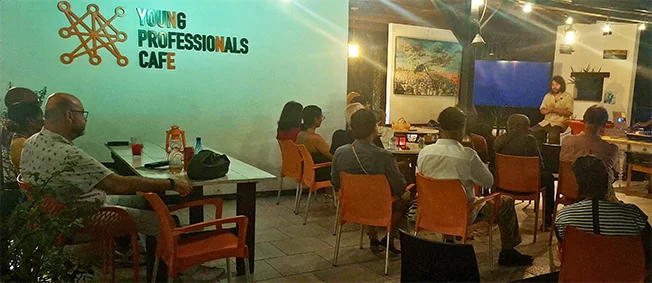
    On a recent Saturday evening, the inaugural edition of the pop-up cultural event *Boeken, Bier en Meer* (translated as Books, Beer and More) launched in Souposo, marking the start of a new monthly gathering that blends literary discussion, live music, and casual community connection. The first event centered on the popular ongoing *Jazz Years* exhibition hosted by the Amsterdam City Archives, with researcher Mark Ponte leading a deep dive into the exhibition and its accompanying official book.

    Ponte’s talk shed new light on a little-recognized chapter of Dutch cultural history: the foundational contributions of Surinamese artists to Amsterdam’s mid-20th century jazz scene. He explained that the 1930s saw not only global jazz legends including Louis Armstrong, Josephine Baker and Coleman Hawkins drawing crowds to Amsterdam, but also a wave of Surinamese musicians rising to prominence in the local circuit.

    Among the pioneering artists Ponte highlighted was Lex van Spall (1903–1982), bandleader of the influential group the Chocolate Kiddies, who recorded several tracks alongside prominent African American jazz musicians Freddy Johnson and Rosie Poindexter. Ponte also noted that American saxophonist Coleman Hawkins, who resided in Amsterdam for several years, served as a key mentor to the growing cohort of Surinamese jazz artists joining the local scene. Many of these musicians adopted American stage names to boost their perceived credibility in the mainstream industry; the most successful among them included trumpeter Teddy Cotton (1912–1977) and renowned performer Kid Dynamite (1911–1964).

    Ponte’s presentation was complemented by a musical accompaniment from DJ Earl da Pearl, whose curated jazz selections enriched the discussion and set a warm, immersive tone for the entire evening. After the talk, attendees took part in an open question-and-answer session that invited guests to share their own knowledge, personal stories, and perspectives on the topic. A casual networking session followed, where visitors mingled over complimentary snacks and drinks, and had the opportunity to purchase the exhibition book – which sold out completely before the event ended.

    Reflecting on the debut, event project manager Shereen Carrot described the evening as an intimate, welcoming celebration that successfully wove together visual presentation, live music, and casual conversation. While Carrot noted that small adjustments, including technical refinements, better scheduling for event segments, and a revised opening introduction, will be implemented for future gatherings, she characterized the first edition as an overall rewarding success.

    *Boeken, Bier en Meer* is a monthly pop-up initiative organized by the Stichting Skrifi foundation, designed to bring literary conversation to accessible, informal settings. Each month, the event centers on a discussion of a selected book, alongside in-depth interviews with authors and literary experts that explore key trends and shifts in contemporary literature. Attendees can enjoy beer or wine in a relaxed, social setting, making cultural engagement feel approachable rather than intimidating.

    Beyond deepening readers’ understanding of literary topics, the event also functions as a community hub for anyone with a passion for storytelling and books. It creates space for attendees to connect with one another, discover new titles, and engage with fresh perspectives from across the literary world. The first edition has been widely described as a resounding success, seamlessly blending literature, jazz music, a cozy café atmosphere, and food and drink into a natural, enjoyable experience for all attendees. Organizers have already begun preparations for the second edition, scheduled to take place in July.

  • Invest in technology-driven learning to protect education amid insecurity

    Invest in technology-driven learning to protect education amid insecurity

    As Nigeria continues to battle widespread insecurity and a rising trend of school-linked abductions, a prominent Nigerian education leader is calling on federal and state authorities to ramp up investment in technology-powered learning infrastructure to guarantee that children’s education remains uninterrupted regardless of safety risks.

    Toyin Joseph Larayintan, Director of the Abuja-based Zion Study Centre, issued this appeal during the organization’s monthly youth engagement event, Echoes of Zion. The gathering, hosted at the centre’s facilities, brings together young people from across the region for mentorship and open discussion on pressing national issues, with educational resilience topping the agenda during the most recent session.

    Larayintan emphasized that repeated attacks on educational institutions and the kidnapping of students across multiple regions of Nigeria have exposed a critical gap in the country’s education system: a lack of flexible, emergency-ready learning alternatives. When physical classroom attendance becomes too dangerous for students and staff, he argues, digital platforms can bridge the gap and keep learners on track with their studies.

    While he acknowledged that Nigerian security forces are actively working to dismantle criminal networks and curb violent attacks, Larayintan noted that proactive system-level changes are just as critical to protecting students’ learning trajectories. “The future of education cannot depend solely on physical classrooms,” he stated. “Technology offers a reliable pathway for continuous learning, especially at a time when so many Nigerian parents live in fear for their children’s safety on the way to school.”

    To build this resilient system, Larayintan outlined four core investment priorities: expanding national digital infrastructure, scaling access to fully functional virtual classroom platforms, extending high-speed broadband connectivity to underserved communities across the country, and providing comprehensive training for teachers to effectively integrate digital tools into their instruction. “These investments will ensure that learning never stops, no matter what security challenges we face,” he added.

    Drawing on global case studies to support his argument, Larayintan highlighted how developed nations have integrated technology into their core education frameworks. South Korea boasts a 97% national internet penetration rate, with nearly every school connected to nationwide digital learning networks. Finland has embedded digital literacy as a core requirement in its national K-12 curriculum, while more than 95% of U.S. public schools already have high-speed internet access and standardized online learning platforms.

    He also pointed to the COVID-19 pandemic as a real-world test of educational resilience: countries with pre-existing robust digital education ecosystems were able to maintain learning for hundreds of millions of students through months of mandatory school closures, while nations with underdeveloped digital infrastructure saw massive learning loss that continues to impact students years later. Nigeria, he argued, can draw direct lessons from this global experience to prepare for ongoing and future emergency threats, including security instability.

    Beyond emergency preparedness, Larayintan stressed that investment in educational technology delivers long-term economic benefits for Nigeria’s large youth population. In an increasingly digital global economy, innovation and technological proficiency have become key determinants of professional success. Building out tech-driven learning systems will not just protect education during crises, he said, but will also equip young Nigerians with the in-demand skills they need to compete in regional and global job markets.

    To move this agenda forward, Larayintan called for coordinated action across multiple sectors: he urged government policymakers to prioritize edtech investment in national education budgets, encouraged international development partners to direct funding and technical support to digital learning initiatives, and called on private sector stakeholders to contribute infrastructure and expertise to expand access across low-income and rural communities. He framed the investment as a core step toward securing a prosperous, stable future for Nigeria’s growing young population.

    The monthly Echoes of Zion programme, which hosted the announcement, has operated for years as a nonpartisan platform to engage Nigerian youth on topics spanning national development, ethical leadership, educational access, and social responsibility, connecting emerging young leaders with mentors and policy advocates to address the country’s most pressing challenges.

  • Dad in tears after autopsy on daughter Mercedez

    Dad in tears after autopsy on daughter Mercedez

    The devastating murder of 12-year-old Mercedez Layne has gripped the nation in shock and grief, after an official autopsy confirmed the young Erin RC Primary School student died from severe blunt force trauma to the head. On the day the results were released, Mercedez’s father, Ronald Cabrera, struggled through overwhelming emotion as he addressed the public, describing a pain that no legal punishment could ever repair. The child’s partially clothed remains were discovered early Sunday morning near an inactive oil well along Carapal Road in Erin, just hours after her family reported her missing.

    Choking back tears, Cabrera explained that autopsy results linked the fatal head injuries to the bleeding from Mercedez’s ears that left relatives horrified when her body was first found. Reeling from his unimaginable loss, he questioned the purpose of even the harshest sentences for convicted criminals, asking: “Could anything bring back my daughter? You could get a million years. Could you bring back my daughter?” He also raised questions about the burden of incarcerating violent offenders, asking why public tax dollars should be used to support people who commit such heinous acts.

    At present, a 24-year-old man from Palo Seco remains in police custody as law enforcement continues its full investigation into the child’s killing. The details of Mercedez’s death have horrified communities across the country and reignited long-simmering demands for more robust, urgent measures to keep children safe across the nation.

    According to police accounts, Mercedez’s body was first spotted just after 6:40 a.m. Sunday by a maintenance worker with Trinity Exploration and Production Services, who was traveling to the oil well site for routine work. The worker found the child unresponsive on the ground and alerted the Erin Police Station immediately. Responding officers located the body roughly 500 feet down a narrow dirt track leading to the well; Mercedez was found face down, wearing only a green T-shirt, with no clothing below the waist.

    Crime scene investigators collected a range of potential evidence from the area, including garments believed to belong to the victim, a broken glass bottle, a single slipper, food items, and other pieces of forensic material. Investigators later confirmed that Mercedez was first reported missing around 4 p.m. Saturday by her grandfather, Morriso Gastoigne. Gastoigne told police he last saw his granddaughter around 11:30 a.m. that same day, when she got into a pink station wagon driven by an unknown man. The vehicle was reportedly traveling toward the family’s home along Los Iros Beach Road, but Mercedez never arrived at the residence.

    Clyde Elder, the Member of Parliament for La Brea, visited both the crime scene and the grieving family’s home on Sunday, describing the killing as a crushing blow to the small, tight-knit regional community. “This has been a shocking, heart-wrenching, gruesome, vexatious act committed,” Elder said in a statement following his visit. “The community of Los Iros, Carapal, Erin, is close-knit, and I think what has happened has left us all as a community in a state of disbelief. Right now people are just hoping for justice.”

    Opposition Leader Pennelope Beckles also extended formal condolences to Mercedez’s family and joined the call for immediate action to strengthen national child protection frameworks. “The apparent rise in incidents involving missing and abducted children in recent months warrants urgent and coordinated action by the State to strengthen child protection measures, improve public safety systems, and enhance community awareness,” Beckles said.

  • Barbados to launch app to report potholes

    Barbados to launch app to report potholes

    The government of Barbados is preparing to roll out an innovative digital platform designed to bridge the gap between residents and public service providers, putting the power to report community issues directly into the hands of citizens through their smartphones.

    Named the Pearly App, the new tool is scheduled for its official public launch this coming Tuesday. Developed under the Mia Mottley administration, the platform gives users flexible, user-friendly options to document the issues they encounter: residents can attach geotagged location data, clear photos, video footage, and detailed written descriptions of problems ranging from dangerous potholes on public roads to unplanned water service outages and missed municipal waste collection, alongside a wide range of other non-emergency and urgent public service concerns.

    Once a report is submitted through the app, the system automatically routes the request to the appropriate government agency responsible for addressing that specific type of issue, cutting down on bureaucratic red tape that often delays resolution. Beyond basic reporting capabilities, the platform also includes built-in features that allow citizens to track the progress of their submitted requests in real time, as well as a dedicated function for submitting emergency reports when urgent public safety or service issues arise.

    Officials from the administration emphasized that the launch of the Pearly App is not just a standalone tech project, but a core component of the government’s broader ongoing strategy to modernize how public services are delivered to the Barbadian public. By leveraging accessible digital technology, the government aims to increase transparency, speed up response times to community concerns, and create more meaningful, ongoing engagement between residents and their government.

  • Police warn of fake cybercrime notice

    Police warn of fake cybercrime notice

    A fraudulent cybercrime notice circulating across social media platforms in Barbados has been exposed as a fake by local law enforcement, with officials urging residents to avoid engaging with the deceptive communication. The Barbados Police Service (TBPS) confirmed this week that the message, which falsely claims affiliation to a non-existent “Barbados Cyber Crime Security Authority”, was never created or distributed by the national police force.

    The scam message employs intimidating language to pressure recipients into responding, falsely claiming that the sender has flagged the target’s online activities as violations of the 2025 amended Barbados cyber security laws. It further alleges that the office of the police commissioner has opened an official cybercrime case against the recipient, provides a fabricated file number, and threatens that severe punitive action will be initiated within 24 hours if no response is received. To add a veneer of legitimacy, the fake notice falsely bears the name of Richard Boyce, the actual Commissioner of Police, and lists the authentic official address of the TBPS headquarters on Roebuck Street, Bridgetown, St. Michael.

    In an official public advisory, TBPS has emphasized that the communication is a clear scam, and warned members of the public not to reply to the message, click any embedded links, or share any personal or financial information with the scammers behind the post. Law enforcement officials stressed that the Barbados Police Service never issues formal legal or case-related notices through unsolicited social media or online messaging platforms, so any communication of this nature claiming to be from police should be treated as suspicious immediately.

    Following the public exposure of the scam, TBPS confirmed that formal investigations have been launched to trace the origin of the fraudulent message and identify the parties responsible for circulating the fake notice, in a move to protect local residents from falling victim to similar cyber fraud schemes.

  • Deadly 7.8 Earthquake Kills Dozens

    Deadly 7.8 Earthquake Kills Dozens

    On the morning of Monday, June 8, 2026, a massive 7.8-magnitude earthquake hit the southern region of the Philippines, triggering a humanitarian emergency that has claimed at least 35 lives and left more than 200 people injured across Mindanao. According to data from the United States Geological Survey (USGS), the seismic event occurred around 7:37 a.m. local time, with an epicenter located off the coast of General Santos City in Sarangani Province, at a depth of 35 kilometers below the Earth’s surface.

    Local disaster management authorities confirmed that 13 of the confirmed fatalities were caused by a large landslide in Sarangani that was directly triggered by the strong tremor. As of the latest updates, emergency rescue teams are still methodically searching through collapsed and damaged structures, with full-scale response operations continuing around the clock to locate missing survivors and deliver critical aid to affected communities.

    Visual content shared by local residents and journalists paints a grim picture of the destruction: multi-story buildings have partially or fully collapsed, local commercial establishments have sustained severe structural damage, and thousands of frightened residents fled their homes and workplaces to gather in open, safe spaces. In General Santos City, one of the hardest-hit urban centers, a popular fast-food outlet partially caved in during the tremor, and dozens of other commercial buildings across the city report significant structural damage that will require extensive repairs.

    A particularly chaotic element of the disaster is its timing: the earthquake struck on the first day of the country’s new academic year, sparking panic across hundreds of schools in the affected region. Viral videos circulating on social media platforms show children and young students diving under desks and scrambling for safety as classroom walls and school grounds shook violently for the duration of the tremor. No school-related fatalities have been reported as of yet, though multiple schools sustained damage that will force extended closures.

    Shortly after the seismic event, Philippine President Ferdinand Marcos Jr. issued an executive order directing all relevant government agencies to launch immediate evacuation and rescue operations. He also issued a formal warning to residents living in low-lying coastal areas, urging them to comply with official tsunami advisories and evacuate immediately to higher ground to avoid potential secondary hazards.

    Geographically, the Philippines sits along the Pacific Ring of Fire, a 40,000-kilometer horseshoe-shaped zone marked by intense tectonic activity that is home to 75 percent of the world’s active volcanoes and experiences 90 percent of the planet’s earthquakes. This location means the archipelago nation faces regular seismic threats, with large destructive earthquakes impacting populated areas on a semi-regular basis.

  • AgriHub calls for faster action to support women entering agriculture

    AgriHub calls for faster action to support women entering agriculture

    Dominica’s leading agricultural advocacy and development group AgriHub is calling for urgent systemic reforms to boost efficiency and responsiveness in the country’s agricultural sector, after its flagship women-focused SheHarvest initiative uncovered critical delays that threaten to derail women seeking to build careers in commercial farming.

    Funded by the Canada Fund for Local Initiatives (CFLI), the SheHarvest Project was designed to remove barriers for women entering the agriculture industry by delivering targeted, practical support: from mechanized land preparation and business development mentorship to training in climate-smart cultivation techniques. At its core, the program aims to support women to move beyond small-scale subsistence farming and build sustainable, commercially oriented agricultural enterprises, according to an official press statement from AgriHub.

    While the project drew overwhelming interest from women eager to enter the sector, the rollout process laid bare deep-rooted operational challenges that continue to undermine productivity, strategic planning, and overall progress for farmers across Dominica, AgriHub officials confirmed.

    Abigail Shillingford, Executive Director of AgriHub, explained that the SheHarvest implementation experience exposed a clear gap between Dominica’s national ambitions for agricultural growth and the on-the-ground support systems meant to deliver on those goals.

    “There is no question that Dominica has bold, clear ambition to grow its agricultural sector,” Shillingford stated. “The critical question we must answer is whether our day-to-day operational systems are keeping pace with that ambition. If we want to draw more women and young people into agriculture as a viable career, the systems that support them have to become far more responsive, practical, and focused on getting things done.”

    AgriHub’s project data revealed that land preparation support alone took more than 12 weeks to progress from initial planning to on-the-ground execution. Such extended delays do not just disrupt timing: they directly throw off critical planting schedules, cut potential crop yields, erode farmer confidence, and severely damage participants’ ability to generate consistent income, the organization noted.

    Shillingford added that a large share of AgriHub’s work throughout the project was devoted to helping women navigate tangled administrative and operational bottlenecks, just to keep participants engaged and on track.

    “As an organization, we have had to consistently coordinate, follow up, and push stalled processes forward just to keep our participants motivated and able to continue their work,” she emphasized. “Without that constant extra intervention, many women would have become discouraged and dropped out before they even planted their first crop.”

    Despite the systemic challenges, the CFLI funding allowed the project to mitigate many of the most pressing barriers to production readiness. One key intervention the team rolled out was expanding access to mechanized land preparation via portable tillers, which cut the time women spent preparing plots and dramatically improved cultivation efficiency.

    Stephanie Sprott, Counsellor at the High Commission of Canada in Bridgetown, reaffirmed Canada’s commitment to the initiative and praised its work expanding women’s meaningful participation in the regional agricultural sector.

    “We are pleased to support AgriHub’s work to help women farmers enter the agricultural system, succeed within it, and sustain their growing enterprises,” Sprott said. “Through the project, participants have gained access to practical tools and equipment, business and financial management training, hands-on skill demonstrations, and stronger connections to key financial and agricultural stakeholders.”

    She added: “Canada is proud to stand with regional partners to strengthen food security, build resilience in local food systems, and expand sustainable economic opportunities for farmers across the Caribbean.”

    In its press release, AgriHub stressed that building a robust, inclusive agricultural sector requires far more than high-level strategic planning and policy dialogue. The organization argued that equal priority must be given to cutting implementation timelines, improving cross-stakeholder coordination, and upgrading the practical on-the-ground systems that directly shape farmers’ ability to produce harvests and build successful businesses.

    The SheHarvest Project is part of AgriHub’s wider organizational strategy to grow women’s participation in Dominica’s agricultural sector through hands-on production support, climate-smart farming training, business planning assistance, and expanded connections to commercial market opportunities.

  • 40 Cases of Beer Stolen From Marble Hill Shipping Container

    40 Cases of Beer Stolen From Marble Hill Shipping Container

    A bold weekend heist in the quiet residential area of Marble Hill has left a local goods owner out hundreds of dollars after thieves targeted a locked shipping container and escaped with dozens of cases of beer. Law enforcement officials have confirmed that the crime took place sometime between Saturday evening and midday Sunday, giving perpetrators a wide window of opportunity to carry out the theft without being detected.

    According to initial findings from the investigating team, the stolen merchandise was valued at approximately 3,000 Eastern Caribbean dollars, stored securely inside a 40-foot shipping container kept on private property. Investigators have already identified the likely method of entry: suspects forced open a heavy-duty padlock that secured the container’s doors, breaking past the basic security measure to access the alcoholic beverages stored inside.

    Local police have not yet announced any named suspects or made any arrests in connection with the incident, and they are currently asking any members of the public who may have seen suspicious activity around the Marble Hill property over the weekend to come forward with any information that could help advance the investigation.

  • Slam-O-Dom gives back

    Slam-O-Dom gives back

    Five local secondary educational institutions have significantly boosted their preparation for the upcoming inter-school domino tournament, thanks to a targeted donation of specialized playing equipment. The Alleyne School, Grantley Adams Memorial Secondary School, Graydon Sealy Secondary School, Christ Church Foundation School, and Lester Vaughn Secondary School are the five campuses that benefited from the collaborative contribution, which was organized by former event planners of the defunct popular Slam-O-Dom domino competition, working alongside the family of the late Inspector Rodney Inniss.

    Each of the recipient schools walked away with four purpose-built domino playing tables and four full sets of domino tiles, resources that will directly support teams as they train and refine their strategies ahead of the tournament’s official launch date of October 13. Beyond simply supplying gear for the upcoming contest, the initiative carries a broader educational mission. The driving goal of this donation project is to create a structured, accessible opportunity that encourages greater student participation in competitive dominoes as an organized extracurricular activity. At the same time, the sport is promoted as a tool that helps young learners build and strengthen core transferable skills, including strategic critical thinking, self-discipline, collaborative teamwork, and respectful sportsmanship that translates to all areas of student life.