博客

  • ECCB Career Opportunity: Facilities Maintenance Technician

    ECCB Career Opportunity: Facilities Maintenance Technician

    The Eastern Caribbean Central Bank (ECCB), the primary monetary authority for the Eastern Caribbean Currency Union (ECCU) with its headquarters in Basseterre, Saint Christopher and Nevis, has announced an open call for qualified applicants from across ECCU member states to fill a vacant position of Facilities Maintenance Technician specializing in Electricals within the organization. The role is housed in the Facilities Maintenance Unit of the bank’s Support Services Management Department (SSMD).

    The selected candidate will be permanently based at the ECCB’s headquarters in St. Kitts, with an initial two-year fixed-term contract. Following the completion of the initial contract term, the appointment may be renewed, or the technician may be transitioned to a permanent role within the bank, contingent on satisfactory work performance.

    To be considered for the position, applicants must meet a set of clear academic and professional requirements. A minimum qualification of a technical certification from an accredited apprenticeship program, a diploma, or an associate degree in Electrical Engineering Technology is required, with a full bachelor’s degree in an engineering discipline listed as a preferred qualification. Candidates must also have 3 to 5 years of hands-on professional experience troubleshooting critical industrial machinery and building infrastructure, with prior experience working in a commercial office setting considered a strong advantage.

    Beyond academic and experience credentials, the ECCB is seeking candidates with a robust skill set aligned to the role’s demands. Required soft and technical skills include advanced engineering and technical troubleshooting abilities, working knowledge of modern energy management protocols and regional building codes, strong written and verbal communication capabilities, advanced analytical and critical thinking skills, a proactive professional attitude and demonstrated strong work ethic, flexible scheduling, excellent time management and proven multitasking skills, and the ability to collaborate effectively on cross-functional teams while also completing independent work with minimal supervision.

    The successful hire will report directly to both the Director of SSMD and the Facilities Engineer of the Facilities Maintenance Unit. Core job responsibilities include conducting specialized maintenance for campus solar energy systems and passenger elevators, servicing and inspecting core campus electrical infrastructure and specialized life safety systems, performing scheduled and reactive maintenance for the campus’s backup generator fleet, ensuring all work adheres to regional and organizational health and safety compliance standards, and completing any other job-related tasks assigned by the ECCB’s executive leadership and department management.

    Interested candidates can access full vacancy details and official application forms via the ECCB’s official careers page at https://www.eccb-centralbank.org/careers. All applications must be submitted no later than Friday, June 19, 2026.

    In addition to the completed application form, applicants are required to submit a full updated curriculum vitae, two original professional reference letters, certified copies of all academic and professional credentials, official academic transcripts, and a recent original or certified copy of a criminal record check or police character certificate. All supporting documentation can be uploaded directly to the corresponding fields in the online application form, or alternatively submitted via email to the ECCB’s Human Resource Department at [email protected].

    This vacancy announcement was published via NOW Grenada, which notes that it is not responsible for the content, opinions or statements shared in contributor-provided announcements, and provides a channel for users to report any abusive content.

  • Calls for cultural shift as abuse against men rises

    Calls for cultural shift as abuse against men rises

    Across Barbados, a hidden public health and social crisis is quietly unfolding: a rising tide of male domestic abuse survivors are enduring their trauma in silence, blocked from seeking help by deep-seated social stigma, public ridicule, and inconsistent enforcement of existing protections, advocates have warned. This gap in support exposes long-entrenched cultural biases that permeate the island’s justice system, and top stakeholders are now calling for urgent systemic change to address the unmet needs of male victims.

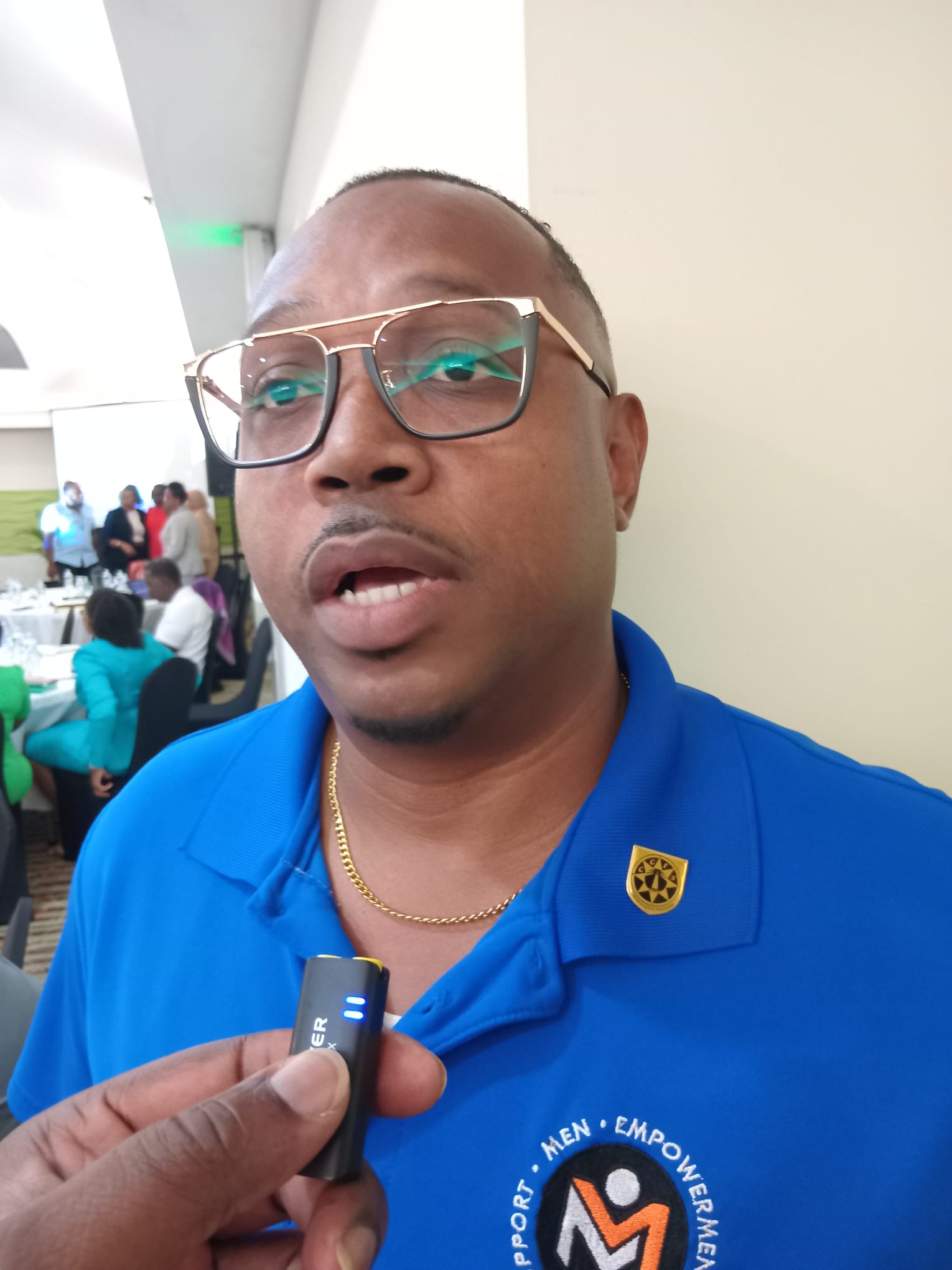
    The issue was brought to center stage during the recent National Consultation on Victims and Victim Support, where Minister of Legal Affairs and Criminal Justice Michael Lashley joined Fabian Sargeant, head of the Men’s Empowerment Network, to push for widespread public education and foundational cultural shifts to tackle the growing problem. Lashley shared a harrowing anecdote from his early career practicing law in the magistrates’ courts that laid bare the severity of public bias against male victims. He recalled a man who appeared in court seeking a protection order, telling the bench he feared for his life – and in response, the entire courtroom erupted in laughter. That mockery did not end when the proceeding adjourned: as the victim stepped out onto the court steps, bystanders continued laughing and pointing at him, Lashley said.

    The minister lamented that this cruel reaction stems from a deep-rooted cultural double standard that has shaped public and institutional attitudes for generations. “We hold this view that men should not need protection either,” Lashley explained, adding that he commended the victim for choosing to pursue legal protection rather than responding with violent retaliation. “He didn’t pick up a rock, a hammer or a stick to strike back at the woman… but that’s how harmful stereotyping works.” Lashley emphasized that every stakeholder across the criminal justice system has a critical part to play in dismantling these harmful biases, noting that legal protections on paper are only effective if they are enforced consistently and fairly.

    Sargeant fully echoed Lashley’s concerns, explaining that harmful socialization and pervasive stigma push a growing number of male abuse victims to suffer alone. Speaking to Barbados TODAY on the sidelines of the symposium, Sargeant acknowledged that decades of research and public awareness have rightfully centered women as the primary victims of domestic violence, but that has come at the cost of ignoring a fast-growing crisis affecting men. “Because of our culture, and the way we socialize boys from a young age, men don’t think it’s appropriate to come forward and report abuse, so they suffer in silence,” he said.

    This culture of silence triggers a devastating domino effect that harms individuals and strains public services across the island, Sargeant argued. Unaddressed abuse erodes male survivors’ self-esteem, cuts into workplace productivity, and eventually pushes more people into already overburdened social and mental health systems, including psychiatric care. Compounding the issue, many men do not even recognize their own experiences as domestic abuse, Sargeant added: even when men are stabbed, scalded, beaten or attacked by their partners, they often dismiss the harm as a minor conflict they can overcome on their own. This lack of recognition stems in part from decades of public messaging that has exclusively framed women as the only victims of domestic abuse, leaving no space for male survivors to see their experiences reflected.

    “For our organization, education is the most critical tool we have to change this narrative and help men understand what abuse looks like when they experience it,” Sargeant said.
    While legal protections such as protection orders are already available to male victims under existing law, advocates stressed that formal frameworks are not enough to fix the crisis when the people working within those systems still hold biased attitudes. Sargeant raised specific concerns about how male survivors are treated when they reach out to law enforcement or social services for help, noting repeated cases where victims were met with dismissive attitudes, laughed at, or had their reports minimized as unimportant or unworthy of action.

    Looking toward long-term solutions, the consultation emphasized that addressing the crisis is critical to protecting the well-being of future generations, noting that unaddressed adult conflict and poor emotional regulation directly harm youth development. “An emotionally unintelligent parent cannot raise an emotionally intelligent child,” Sargeant said. “Change has to start with empowering adults to regulate their emotions and address abuse, so we can build a better future for everyone.”

  • HAPA launches carnival band for autistic children in Saint Lucia

    HAPA launches carnival band for autistic children in Saint Lucia

    One of Saint Lucia’s leading disability advocacy organizations, the Helen Association for Persons with Autism (HAPA), is breaking new ground in community inclusion with a first-of-its-kind initiative that will welcome autistic people to the island’s iconic carnival celebration in 2026.

    Centered on the transformative slogan “Embracing Uniqueness, Unlocking Potential,” the project will roll out two interconnected community events in July 2026, designed specifically to remove longstanding barriers to cultural participation for neurodivergent people. The first event, a relaxed, accessible Carnival Social, is scheduled for Saturday, July 11, and will run from 11 a.m. to 2 p.m. at Serenity Park. The following day, participants will take part in the island’s popular national Kiddies Carnival as members of the custom inclusive marching band dubbed the Spectrum Warriors.

    This marks the first time a formal, sensory-adapted carnival participation program has ever been launched on the island, opening the door for autistic people and their families to engage with one of Saint Lucia’s most beloved cultural traditions. For years, overstimulating environments and a lack of accessible planning have excluded many neurodivergent residents from joining large public celebrations, a gap this new initiative directly addresses.

    The Carnival Social is intentionally crafted to serve as a low-pressure, safe gathering space that welcomes a broad cross-section of the community. Beyond offering core activities like face painting, hands-on arts and crafts, gentle live music, dancing, and complimentary refreshments, the event prioritizes opportunities for connection between autistic people, their caregivers, their families, allies, and casual community members. While the program’s primary focus is supporting autistic participation, HAPA has extended invitations to people living with all other disabilities and their families, expanding the organization’s core mission of cross-disability inclusion and collective community building.

    For the Kiddies Carnival parade, organizers have integrated a full suite of sensory-friendly adjustments to the Spectrum Warriors band to ensure all participants can enjoy the experience without discomfort. Details of these adjustments have been tailored to common sensory sensitivities common among autistic people, from volume controls for music to designated quiet break areas along the parade route.

    Dr. Delia Samuel, president of HAPA, emphasized the deep cultural and social importance of the new program in a public announcement. “HAPA believes that every individual deserves the opportunity to participate in and enjoy our cultural celebrations,” she stated. “True inclusion means ensuring that everyone, including autistic individuals, has the opportunity to participate, belong, and create joyful memories with their families.”

    The initiative has already earned widespread backing from across Saint Lucia’s cultural and civic sectors. Two prominent local cultural groups, Take Over Tent and Kaiso Pros Tent (Keep People Talking), have signed on as official partners, with calypsonians from both organizations set to deliver performances at the July 11 Carnival Social designed to keep the energy warm and inclusive.

    HAPA is also collaborating closely with local schools, national government agencies, neighborhood community groups, and private sector partners to coordinate logistics, expand outreach, and ensure the program delivers on its accessibility goals. To build long-term public buy-in, the association is calling on all Saint Lucian community members to support the initiative and engage with participants. Residents are specifically encouraged to welcome the Spectrum Warriors during the Kiddies Carnival parade and to take advantage of opportunities to learn more about autism and neurodiversity.

    Beyond public participation, HAPA is also seeking additional support from private businesses, government bodies, and individual residents in the forms of sponsorships, volunteer hours, advocacy, and direct event participation.

    the organization emphasizes that meaningful inclusion begins with public understanding and acceptance, and that cross-sector collaboration is the foundation of building a society where every resident feels seen and valued. Through this carnival initiative, HAPA aims to drive long-term shifts in public attitudes toward autism, breaking down systemic barriers and replacing exclusion with widespread support that allows all people to take an active role in national life.

  • GCF Private Sector Readiness REOI

    GCF Private Sector Readiness REOI

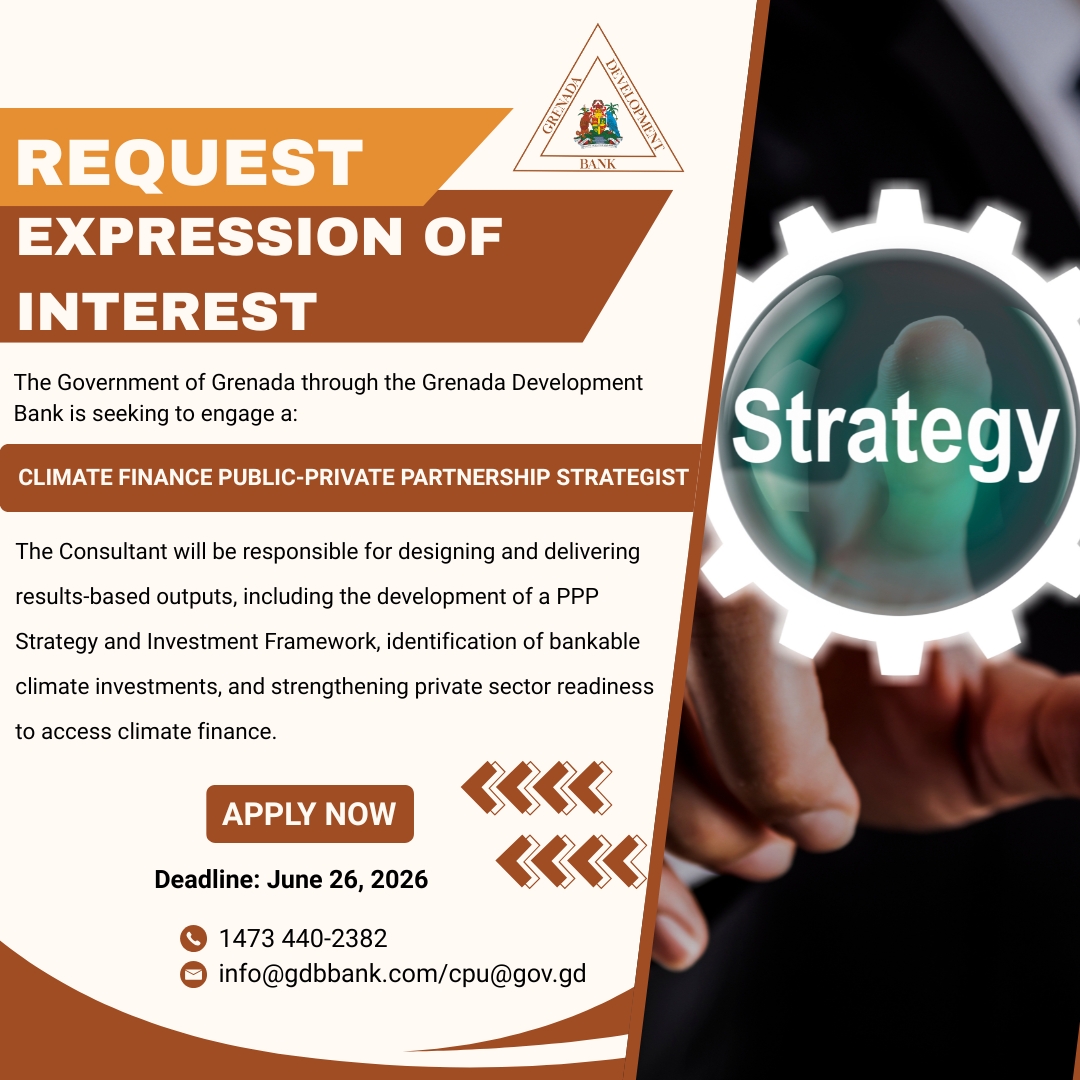
    The Caribbean island nation of Grenada, whose core economic pillars of tourism, agriculture, and construction are disproportionately vulnerable to climate shocks ranging from extreme hurricanes to accelerating sea-level rise, is taking a key step to unlock critical climate investment by launching a search for a specialized Climate Finance Public-Private Partnership (PPP) Strategist.

    As the country charts a path toward the low-carbon, climate-resilient economic transition laid out in its official Nationally Determined Contributions (NDC) and National Adaptation Plan (NAP), official estimates indicate more than $500 million in targeted investment will be required over the next decade to meet these climate goals. However, persistent gaps in access to international climate finance and limited familiarity with innovative green financing mechanisms have created a critical barrier to progress, making expanded private sector participation an urgent priority.

    To address this gap, the Government of Grenada is leading the “Getting Grenada Private Sector Ready for Grenada’s Climate Finance (GPS-4-GCF)” initiative, implemented by the Grenada Development Bank (GDB) with funding from the Green Climate Fund (GCF) through its Readiness and Preparatory Support Programme. The overarching goal of the project is to build local institutional and industry capacity to leverage climate finance, including targeted training and framework development for private sector stakeholders on core skills such as green finance management, climate risk screening, and climate-aligned investment planning. By cultivating a supportive ecosystem for private sector climate action, the project aims to unlock local contributions to both national climate adaptation and emissions reduction efforts.

    A broad cross-section of local stakeholders stand to benefit from the initiative, including commercial and development banks, credit unions, financial regulatory bodies, insurance providers, private sector businesses ranging from micro-enterprises to large hotel operators, commodity boards and state-owned enterprises, private education and medical providers, construction firms, architects, and engineering professionals.

    The selected consultant will be tasked with delivering clear, results-driven outputs aligned with the project’s objectives. Three core deliverables have been outlined: first, supporting private sector stakeholders to identify existing barriers to investment in climate resilience and emissions reduction, and co-developing actionable recommendations to remove these barriers while helping local actors leverage available public climate finance; second, designing a formal PPP Strategy and Investment Framework for climate mitigation and adaptation infrastructure projects, including the identification of high-priority, investment-ready climate-resilient PPP opportunities; and third, leading outreach and sensitization campaigns to educate private sector actors on the unique investment and development opportunities PPP structures can unlock for climate action in Grenada.

    This is a fixed-price consultancy assignment scheduled to run over a four-month period. The GDB has outlined strict qualifications for interested candidates, requiring a master’s degree or equivalent in finance, climate finance, economics, public policy, development studies, or a related field, with a Certified PPP Professional (CP3P) certification considered a major advantage.

    Candidates must demonstrate a minimum of seven years of hands-on experience developing and implementing PPP investment strategies, with preference given to candidates with existing work experience in the Caribbean or other small island developing states that share similar geographic, financial, and cultural contexts. Additional requirements include at least five years of experience working with the Green Climate Fund, multilateral development banks, or private investors in structuring capital investment arrangements, proven experience delivering climate adaptation and mitigation projects, deep expertise in climate finance, institutional capacity building, and climate risk management, and a track record of collaborating with Caribbean governments and regulatory bodies to design PPP frameworks and policies. Candidates must also have direct experience structuring PPP transactions, blended finance deals, and building pipelines of investment-ready projects, with technical expertise in blending commercial and concessional financing for both sovereign and non-sovereign projects, identifying and mitigating financial, operational, and political climate investment risks, conducting qualitative research and data analysis to develop evidence-based strategies, and building cross-sector partnerships with a diverse range of stakeholders from private investors to micro, small, and medium enterprises (MSMEs).

    The GDB is currently accepting expressions of interest from individual candidates, though firms may nominate one qualified individual candidate per firm for the role; selection will be based solely on the individual candidate’s qualifications and experience, not the nominating firm’s credentials.

    The selection process adheres to the procedures for Individual Consultant Selection laid out in Grenada’s Public Procurement Act 39 and Public Procurement Regulations SRO 32. Candidates will be evaluated on two core criteria: relevant qualifications account for 35% of the total score, while relevant professional experience accounts for the remaining 65%. Only candidates shortlisted through the expression of interest stage will be invited to submit full technical and financial proposals for the assignment.

    Interested candidates must submit their expressions of interest no later than 3 pm Eastern Standard Time on June 26, 2026, with the subject line “GCF Readiness and Preparatory Support Programme – Climate Finance Public-Private Partnership Strategist”. Submissions must include a Statement of Capability confirming the candidate’s availability for the four-month assignment, and a detailed curriculum vitae highlighting relevant completed projects. All expressions of interest must be sent via email to [email protected], with a copy to [email protected], addressed to the General Manager of the Grenada Development Bank in St George’s, Grenada. Full detailed Terms of Reference for the role are available for download on the Grenada Public Procurement website (www.procurement.gd) and the Grenada Development Bank website (www.grenadadevelopmentbank.com), or can be requested via email.

  • Victims to be prioritised in criminal justice reforms

    Victims to be prioritised in criminal justice reforms

    Barbados has kickstarted a transformative overhaul of its national criminal justice framework that shifts the long-standing institutional focus from offender prosecution to victim-centered support and healing. The launch of the initiative took place Monday at the opening of a high-profile two-day stakeholder symposium held at the Radisson Hotel, where government officials outlined a plan to build a rigorous, compassionate and tightly coordinated support system that ensures trauma survivors do not have to navigate the aftermath of violence and crime on their own.

    The symposium brought together a cross-section of key stakeholders, including senior judiciary representatives, officers from the Barbados Police Service, officials from multiple government ministries, licensed social workers, trauma counsellors, and leaders from local non-governmental organisations focused on victim support. Addressing the gathered delegation, Minister of Legal Affairs and Criminal Justice Michael Lashley pledged rapid, tangible action to close long-standing gaps in institutional care for vulnerable crime survivors.

    Lashley acknowledged that while Barbados’ existing criminal justice system has long been recognised as fair and impartial, its historical structure has always prioritised the investigation and prosecution of offenders over the physical, emotional and legal healing of the people harmed by crime. “We have built our criminal justice system around the investigation of offences and the prosecution of offenders. One thing you can say about our system is that it is fair and that it is impartial, but we have not focused centrally on victims. How we treat the most vulnerable among us is a measure of who we are as a nation. If we are working on rebuilding the Barbadian civilisation, this matters,” Lashley told attendees.

    Drawing on decades of professional experience as a practicing attorney, Lashley shared first-hand accounts of the profound fear and secondary trauma that victims often face when navigating the country’s current legal ecosystem. He recalled a specific case from his private practice involving a domestic violence survivor who had successfully obtained a court-issued protection order, but was left trembling in terror after the perpetrator easily accessed her confidential safe housing location.

    Lashley explained that the current fragmented system, lacking a centralised, cross-agency coordination unit, leaves victims exposed to unnecessary harm when they enter the often-intimidating court environment. Survivors are regularly forced to relive traumatic events repeatedly during testimony and face aggressive cross-examination from experienced defence legal teams, he added. “Ask yourself what happens to the victim after the police report is filed. Who calls them weekly to check and see if they are safe? Who explains what bail means? Imagine a victim going into the court for the first time in their life, having to face trained and experienced legal counsel in a courtroom with jurors, and then the media is there too to report everything. The system itself can feel like a further burden through delays and complexity,” Lashley argued.

    Under the proposed reform plan, a dedicated specialised victim advisory unit will likely be established to conduct individual needs assessments, advocate on behalf of survivors within the legal system, and connect victims to critical support services including trauma counselling, emergency alternative housing, and personalised legal guidance. Lashley noted that recent legislative updates, including the recently passed anti-gang legislation, upcoming parliamentary debates on a specialised gun court, and proposed amendments to the Evidence Act, all work hand-in-hand with the new victim-centered reforms to strengthen overall public safety.

    To address deep-rooted systemic gaps, the Ministry of Legal Affairs and Criminal Justice has already conducted extensive cross-sector consultations with the Office of the Director of Public Prosecutions, national prison authorities, domestic violence and victim shelters, and individual trauma survivors to gather on-the-ground insight. Preliminary findings from these consultations confirmed that while a range of victim support services currently exist across Barbados, they operate in isolated institutional silos that create gaps in care, eroding public trust in the rule of law.

    Lashley emphasised that legislative change means little without consistent, robust implementation and enforcement, particularly when it comes to domestic violence protection orders. “An order on paper is only as good as its enforcement. We need to ensure that victims understand how to report breaches, and that breaches are responded to in a swift manner. Any new system must be designed with survivors, not just for them. Their feedback must drive continuous improvement,” he said.

    The minister assured attending stakeholders that the outcomes of the two-day symposium would not be left unused, pledging that a dedicated inter-agency working group would be formed immediately after the event’s closing session to translate symposium recommendations and priority actions into enforceable operational policy. “We are not just about talk. I don’t want out of this symposium a document dated and signed and then there is no action on it. There will be action on it. No victim should navigate the aftermath of crime alone,” he stated.

    Marilyn Rice-Bowen, event chairperson and a victim support program practitioner with 22 years of direct experience, echoed Lashley’s call for tangible action, stressing that the symposium must move beyond abstract academic debate to deliver concrete structural change for vulnerable Barbadian citizens. “Over the next two days, we will not be debating whether Barbados needs a national victim support framework; that question has already been answered. What we will be doing is something more purposeful. We will be designing it together with rigour, with compassion, and with a commitment to those who need it most at the centre of every decision we make,” Rice-Bowen said.

  • CARICOM Secretariat hosts Guyana Defence Force Senior officers for eecurity Engagement

    CARICOM Secretariat hosts Guyana Defence Force Senior officers for eecurity Engagement

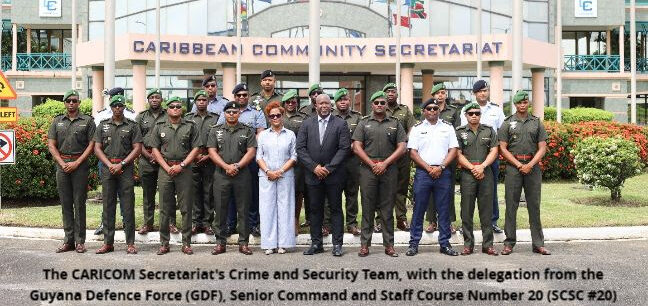
    In a move designed to deepen ties with regional security bodies across the Caribbean, the CARICOM Secretariat recently hosted a cohort of senior military leaders from the Guyana Defence Force (GDF) participating in the 20th iteration of its Senior Command and Staff Course (SCSC #20).

    The official visit, held on June 4, centered on a structured knowledge-sharing workshop organized by the Secretariat’s specialized Crime and Security Programme, according to an official statement released by CARICOM. The interactive session was designed to give participating GDF officers firsthand, nuanced insight into how CARICOM operates to advance and synchronize cross-border security initiatives across the Caribbean bloc.

    Leading the discussion were two senior leaders from the CARICOM Crime and Security Programme: Sherwin Stephenson, the programme manager, and Mareesha Stephens, the programme’s project officer. Over the course of the workshop, participants engaged in open dialogue and collaborative problem-solving, exploring the CARICOM framework for tackling both longstanding and newly emerging crime and security risks that impact countries across the region. Attendees also received a detailed briefing on how the regional bloc facilitates functional cooperation between its 15 member states and specialized regional institutions, with the goal of building more robust, coordinated collective responses to shared security threats.

    Beyond the technical policy discussions, the GDF delegation took part in a guided tour of the CARICOM Secretariat headquarters in Georgetown, Guyana. The tour gave officers the chance to gain a clearer understanding of the organization’s governing structure, core mandates, and overarching mission to drive deeper regional integration and cross-sector cooperation across the Caribbean. As a formal gesture of gratitude for the Secretariat’s hospitality and the opportunity for engagement, Captain Stephion Gordan of the GDF delegation presented a commemorative plaque to Stephens, in a moment captured by CARICOM Communications photographers.

    CARICOM officials emphasized that the visit underscores the critical value of sustained, intentional partnership between the regional bloc and national defense and security agencies across the Caribbean. It also reaffirmed the organization’s longstanding commitment to developing aligned, collective strategies that strengthen cross-border crime prevention, deepen security cooperation, and uphold lasting stability for all CARICOM member states.

  • West Indies Women lose World Cup warm up

    West Indies Women lose World Cup warm up

    Ahead of the upcoming ICC Women’s World Cup, one of the most anticipated global events in women’s cricket, India’s national women’s team picked up a confidence-boosting 26-run win over the West Indies women’s side in a warm-up fixture held in Cardiff on Monday.

    With regular West Indies captain Hayley Matthews sidelined for the warm-up encounter, all-rounder Chinelle Henry stepped up to lead the Caribbean side. After winning the pre-game coin toss, Henry made the call to send India into bat first, putting her bowling unit to an early test. India’s top order delivered a dynamic batting performance, building up to a competitive total of 179 runs for the loss of eight wickets at the close of their 20 overs.

    Emerging batter Bharti Fulmali emerged as India’s standout performer with the bat, striking an unbeaten half-century off just 40 deliveries to anchor the late-innings push. Star opener Smriti Mandhana added a quick-fire 39 runs from 23 balls, giving India’s innings a powerful early momentum, while Yastika Bhatia chipped in with 36 runs before retiring out per warm-up match protocols. For West Indies, veteran spinner Afy Fletcher turned in a dominant bowling display, claiming four wickets for just 23 runs to keep her side in contention. Karishma Ramharack, Deandra Dottin and Aaliyah Alleyne each picked up one wicket to round out the West Indies bowling effort.

    Chasing the 180-run target, West Indies got off to a flying start, putting on 63 runs without losing a wicket by the ninth over. But a sudden batting collapse turned the tide of the match: the Caribbean side slumped to 102 runs for five wickets by the 14th over, and could never recover their early momentum. They were eventually restricted to 153 runs for eight wickets, falling 26 runs short of India’s total. Opener Dottin led the West Indies batting with a 44-ball 49, and opening partner Shemaine Campbelle scored 25 runs before retiring out, but the rest of the batting line-up failed to build on the solid opening stand. For India, young spinner Shreyanka Patil was the pick of the bowlers, taking four wickets for 36 runs, while left-arm spinner Radha Yadav supported her with three wickets for just 25 runs to seal the win.

    Following the match, Fletcher reflected on her strong individual performance, noting that she was pleased to see her off-season pre-tournament preparation pay off ahead of the World Cup. “It’s always good to be among the wicket takers, so I mean to see that work that has been done and to come out and just keep it simple and executing, it’s a good feeling,” Fletcher said. “Then the contribution from the team was excellent work. It’s always good to be contributing to the team.”

    West Indies will wrap up their warm-up schedule against defending champions Australia in Cardiff on Wednesday, before kicking off their official World Cup campaign against New Zealand in their opening group match on June 13.

  • Car stalls on Beetham Highway, bandits come for occupants

    Car stalls on Beetham Highway, bandits come for occupants

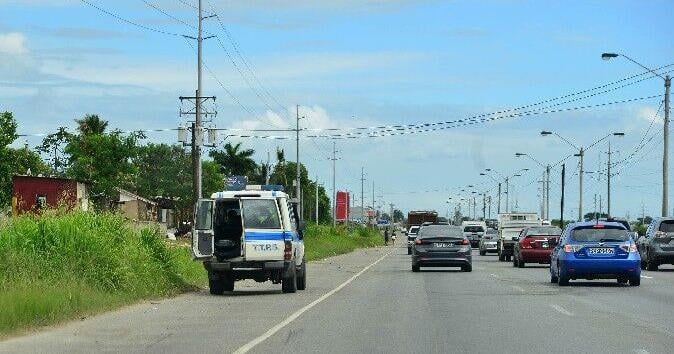
    A routine late-night trip along one of Trinidad’s busiest highways turned into a violent confrontation early Saturday, when two young men became the targets of an armed robbery after their car suffered a sudden mechanical failure. According to official police reports, the pair was traveling westbound on the Beetham Highway at approximately 2:34 a.m. when their white Mitsubishi Lancer began spewing fire from its engine compartment. Forced to pull over near the Beetham Landfill, the two men had little time to react to their vehicle crisis before they were confronted by two unidentified male attackers who immediately declared the encounter a robbery.

    A physical struggle broke out between the victims and the robbers, during which one of the two travelers was beaten by the assailants. After overpowering the pair, the attackers made off with a combined total of $410 in cash, along with a personal wallet that held critical identification and financial documents: a Republic Bank debit card, the victim’s driver’s permit, and a national identification card. Following the robbery, the suspects fled on foot into the nearby Beetham Gardens neighborhood, where they have remained at large as of the latest police updates.

    Authorities have released detailed descriptions of both suspects to aid in public tips and investigative efforts. The first suspect is identified as a person of African descent with a dark brown complexion, medium build, and stands roughly six feet tall. He has unkempt hair, no facial hair, and was last seen wearing a white athletic jersey and black three-quarter-length pants. The second suspect shares a dark brown complexion, also stands around six feet tall, and has a slim build. His distinguishing features include long unkempt hair and a goatee, and he was wearing a patterned orange-and-green T-shirt paired with grey three-quarter pants.

    The incident was promptly reported to law enforcement, with officers from the Besson Street Police Station taking charge of the ongoing investigation. Police have not yet announced any arrests or recovered stolen property, and are asking any members of the public who were in the area around the time of the attack or who have information about the suspects to come forward to assist with the case.

  • No Tsunami Threat to Antigua and Barbuda After 6.4 Magnitude Earthquake Near Cuba

    No Tsunami Threat to Antigua and Barbuda After 6.4 Magnitude Earthquake Near Cuba

    A 6.4-magnitude seismic event rattled the waters west of Cuba on Monday, triggering an immediate assessment from regional warning authorities that have ruled out a dangerous tsunami risk for nearby island nations including Antigua and Barbuda.

    The Pacific Tsunami Warning Center (PTWC), which coordinates hazard monitoring for the Caribbean region, released detailed data confirming the quake struck at 1800 UTC (2 p.m. Eastern Time) at a depth of 33 kilometers (20 miles) beneath the ocean surface. Its epicenter was pinpointed to geographic coordinates of 22.8 degrees north latitude and 85.3 degrees west longitude, placing it offshore of Cuba’s western coast.

    In an official tsunami advisory published within minutes of the tremor, PTWC noted that a comprehensive review of all available geological and seismic data led experts to conclude the earthquake does not carry a risk of a large, destructive tsunami. While the statement acknowledged an extremely remote chance of minor, localized sea level fluctuations along coastlines immediately adjacent to the epicenter, this minor potential does not require emergency response or evacuation measures.

    PTWC added that no additional public updates will be issued moving forward unless new geological data emerges or hazard conditions shift unexpectedly. This advisory was released as part of PTWC’s support for the UNESCO Intergovernmental Oceanographic Commission (UNESCO/IOC) Tsunami and Other Coastal Hazards Warning System for the Caribbean and Adjacent Regions, a regional network designed to deliver fast, accurate hazard assessments to protect coastal communities across the Caribbean basin.

  • CDB annual meeting ends with call to turn commitments into action

    CDB annual meeting ends with call to turn commitments into action

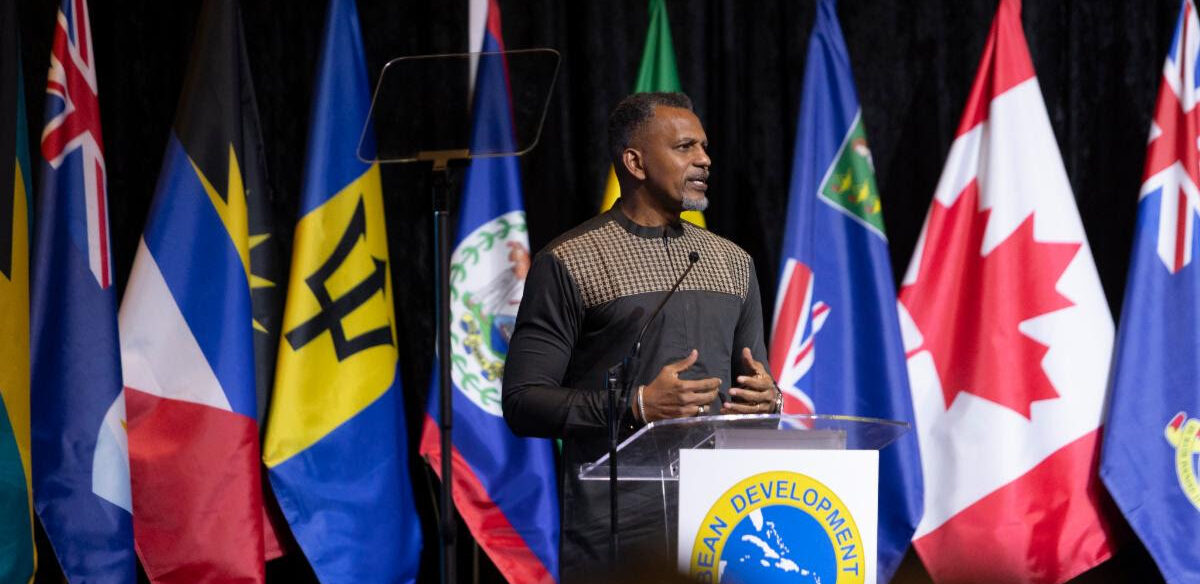
    After five days of high-level dialogue in Nassau, The Bahamas, the Caribbean Development Bank (CDB) has formally closed its 56th Annual Meeting of the Board of Governors, leaving attendees united on a clear mandate: move beyond conversation and deliver measurable, transformative progress for the Caribbean’s 44 million residents. Held under the overarching theme “Forging the Caribbean’s Future: Strategic Solutions for Uncertain Times”, the gathering brought together a cross-section of stakeholders, from regional Heads of Government and Finance Ministers to representatives of global development institutions, private sector leaders, civil society groups, and emerging youth voices, all converging to address the region’s most pressing barriers to inclusive growth. In his closing address to delegates, CDB President Daniel M. Best stressed that the true value of the conference would not be measured in the pledges made in Nassau, but in the outcomes delivered long after the meeting adjourned. Throughout the week of negotiations and discussions, Board of Governors members repeatedly pushed for a sharpened focus on execution over planning. Key priorities emphasized included deepening cross-regional collaboration, streamlining the rollout of development projects, and building more effective, mutually beneficial partnerships between public bodies, multilateral agencies, and the private sector to amplify impact. Best responded by reaffirming the CDB’s unwavering commitment to driving regional development, noting that the institution was already prepared to align its cross-border initiatives, speed up decision-making processes, and roll out context-specific, practical solutions to turn policy frameworks into tangible progress for communities. A core thread running through all the meeting’s working sessions was the growing set of interconnected challenges facing Caribbean small island developing states in today’s volatile global landscape. Delegates conducted deep dives into the compounding impacts of climate-driven extreme weather events, disruptive geopolitical tensions, chronically constrained national fiscal space, and prolonged post-pandemic economic slowdown, while collaborating to design targeted strategies to boost national and regional resilience and advance long-term sustainable development. The dialogue also extended to the parallel Youth FIRE Forum, where young Caribbean delegates pressed policymakers and multilateral institutions to embed intergenerational equity into current development planning, ensuring that ongoing initiatives open pathways to meaningful economic opportunity for the region’s youth, who will shape the Caribbean’s future. Additional working groups explored actionable pathways to unlock larger volumes of private sector investment across the region, expand equitable access to global climate finance, support small and medium-sized enterprise entrepreneurship, and leverage innovative financing mechanisms to stimulate inclusive economic growth and strengthen climate resilience. Attendees also highlighted that reliable, disaggregated data, continuous innovation, and cross-border knowledge sharing are non-negotiable foundations for effective development planning and successful on-the-ground implementation. Before closing the meeting, Best extended formal gratitude to the Government and people of The Bahamas for their warm hospitality and successful hosting of the 2026 gathering, and urged all delegates to carry forward the momentum built during the week of dialogue. “As we bring this 56th Annual Meeting of the Board of Governors to a close, we do so knowing that our work does not end here. If anything, it begins anew, carrying forward the ideas we shared, the partnerships we strengthened, and the commitments we made to build a stronger future for the Caribbean together,” Best said. He closed his remarks with a rousing call for urgent, unified action across the region. “Let us create a path where we will be remembered not as the generation that managed uncertainty, but as the generation that forged possibility—together. It is time for us to accelerate results and impact to transform our Caribbean. This is the decade of decision and action.” Looking ahead, the CDB has announced that its 57th Annual Meeting of the Board of Governors will be hosted by Belize in June 2027, where stakeholders will gather again to review progress and renew commitments to the region’s development.