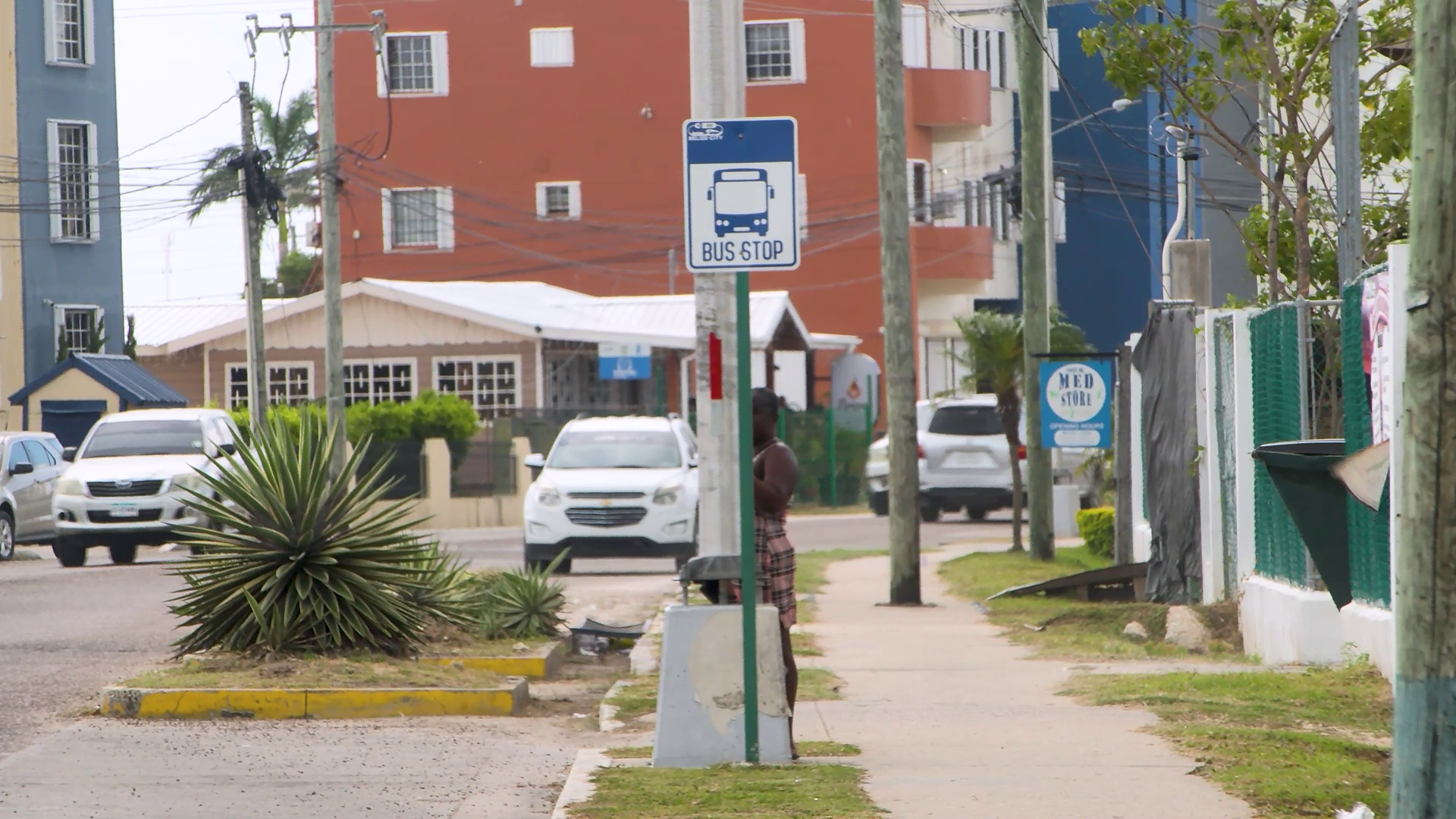
When Belize City launched its electric bus pilot program in July 2024, it marked a bold step toward sustainable public transit for the coastal Central American city. Two years on, city leaders are celebrating a key milestone: the small fleet of two electric buses has already carried nearly 400,000 passengers, proving strong local demand for cleaner, accessible public transportation. But for daily commuters relying on the new service, one critical oversight has turned everyday trips into an uncomfortable gamble: a lack of functional, weather-protected bus stop infrastructure leaves riders waiting in extreme heat or sudden heavy rain, with nowhere to shelter.
Deputy Mayor Eluide Miller recently acknowledged that this gap is a valid, pressing concern for residents, confirming that the city has now finalized plans to address the long-standing issue. The first major improvement will be a state-of-the-art new sheltered bus stop constructed at the high-traffic Battlefield Park location in central downtown Belize City, a project set to break ground in the near term.
Looking beyond the initial pilot phase, Miller outlined a multi-term strategy to overhaul the city’s entire bus stop network. The current council has committed to advancing upgrades through the end of its term, and Miller emphasized that the next incoming city council will need to allocate dedicated ongoing resources to both modernize existing stops and build new facilities to support planned route expansions for the growing electric bus fleet.
Miller explained that the limited scope of the initial pilot program explains why infrastructure upgrades were not prioritized from the start. The initiative was designed as a test bed to evaluate whether electric buses could operate reliably and effectively in Belize’s climate and urban context, with only a small number of vehicles deployed initially. Comprehensive infrastructure upgrades were not baked into the original pilot’s limited scope and budget.
As Belize City pushes forward with its transition to electric public transit, the infrastructure upgrade plan signals a shift from testing the viability of e-mobility to scaling the service into a fully functional, resident-focused public resource, addressing the most immediate pain point for daily users.