博客

  • Derde helft WK 2026: Welke sub-Sahara Afrikaanse landen maken de beste kans?

    Derde helft WK 2026: Welke sub-Sahara Afrikaanse landen maken de beste kans?

    For decades, North African nations have dominated African success at both the Africa Cup of Nations (AFCON) and the FIFA World Cup. But when Morocco made history in 2022 as the first African country ever to reach a World Cup semifinal, a new question began to dominate football discourse across the continent: could a sub-Saharan African nation finally break through to the latter stages of football’s biggest tournament at the 2026 World Cup, kicking off June 11?

    To date, Morocco’s 2022 run remains the best performance by any African side at a World Cup. Before that, only three other African nations had ever reached the quarterfinal stage of the tournament – and while three of those four quarterfinalists (Cameroon, Senegal and Ghana) are from sub-Saharan Africa, North African countries still hold the edge in major regional and global tournament success. Egypt leads all AFCON champions with seven titles, and Morocco, Tunisia and Algeria rank among the top five African nations for total World Cup qualifications. Ahead of the 2026 tournament, we break down the chances of top sub-Saharan contenders to outperform their North African rivals and make history this summer.

    ### Senegal
    With four prior World Cup appearances (2002, 2018, 2022, 2026) and a quarterfinal finish as their best result, Senegal currently ranks 14th in the FIFA global rankings, and analysts are predicting another quarterfinal exit for the Teranga Lions this year. But the side enters the 2026 tournament with a fiery chip on their shoulder: the team was stripped of their 2025 AFCON title after abandoning the January final over an on-pitch dispute, with the Confederation of African Football (CAF) ruling the match forfeit and awarding the title to Morocco. Stars Idrissa Gueye and Sadio Mane have openly stated the team is hungry to take revenge for that controversial outcome with a deep run in 2026.

    Senegal first shocked the world on their World Cup debut in 2002, storming to the quarterfinals. More than two decades later, expectations for the side are higher than for any other African nation competing this year. Senegal’s biggest strength is its squad depth, led by a roster of world-class talent including forward Sadio Mané, midfielder Pape Gueye, goalkeeper Edouard Mendy and captain Kalidou Koulibaly – all of whom were born in France. Their head coach, Pape Bouna Thiaw, who also grew up in France, has left no question about his team’s ambition: “If I ever lose even a moment of belief that we can win the World Cup with Senegal, I will step down immediately.” Senegal will open their Group I campaign against defending champion France on June 16 in New York, with Iraq and Norway rounding out the group.

    ### Ghana
    Ghana is making its fifth World Cup appearance (2006, 2010, 2014, 2022, 2026) after missing only one tournament since its 2006 debut. The Black Stars reached the quarterfinals in 2010, becoming just the third African nation to hit that milestone, and currently hold the 74th spot in the FIFA rankings, with analysts forecasting a quarterfinal exit this cycle.

    Ghana’s road to qualification was rocky, marked by a late managerial change after a string of poor results. Veteran Portuguese coach Carlos Queiroz – who has previously managed national sides South Africa and Egypt, and held top jobs at European giants Real Madrid and Manchester United – stepped in to lead the side, marking his fifth consecutive World Cup at the helm of a national team. Ghana has been drawn into Group L, widely labeled a “group of death” alongside Panama, England and Croatia. Despite the tough draw, the side’s attacking firepower, led by Manchester City’s Antoine Semenyo, has given fans hope they can advance out of the group. Unfortunately for Ghana, star midfielder Mohammed Kudus will miss the entire tournament due to injury.

    ### Ivory Coast
    Ivory Coast is returning to the World Cup after a 12-year absence, having last competed in 2014. The side fell into a rebuilding period after the retirements of legendary stars Yaya Touré and Didier Drogba, but that rebuild has already yielded two AFCON titles since their last World Cup appearance. The Elephants have made four total World Cup appearances, with their best result being an early group stage exit, and currently rank 34th in FIFA rankings, with analysts projecting a quarterfinal exit in 2026.

    Ivory Coast’s young, dynamic attack, featuring emerging talents Yan Diomande, Brighton’s Simon Adingra and Manchester United’s Amad Diallo, is expected to carry the side this year. The team proved its ability to turn adversity into success two years ago, when they hosted AFCON and looked set for an early group stage exit before a mid-tournament coaching change sparked a miracle run to the title. Now, head coach Emerse Fae says the side has its sights set on another historic run: “Why not aim for the final?”

    ### Cape Verde
    Cape Verde is making its World Cup debut in 2026, and with a population of just under 600,000, it will go down as one of the smallest nations ever to qualify for the tournament. The side only made its AFCON debut in 2013, and reached the quarterfinals of the regional tournament in 2023. Cape Verde currently ranks 69th in FIFA rankings, and analysts predict an early exit in the group stage, where they will face Uruguay, Saudi Arabia and European champion Spain in what is widely viewed as one of the toughest groups of the 2026 tournament. Despite the odds, the side has grown in confidence in recent years, says head coach Bubista, who was named 2025 African Coach of the Year: “We now truly believe in our potential, and that has given us the courage to take on any opponent.”

    ### South Africa
    South Africa is making its fourth World Cup appearance (1998, 2002, 2010, 2026), with a quarterfinal finish never yet on its resume. The side has struggled through a decades-long slump after qualifying for its first tournament in 1998, so its 2026 return after 16 years away from the World Cup has been a long-awaited moment for South African football. South Africa currently ranks 60th in FIFA rankings, with analysts projecting an exit in the round of 16. The squad draws deep experience from its core of players from top domestic clubs Mamelodi Sundowns and Orlando Pirates, and head coach Hugo Broos says the recent African Champions League title success for Sundowns has given the entire side a major confidence boost. South Africa has been drawn into a second “group of death” alongside Czech Republic, South Korea and co-host Mexico, who they will face in their opening match.

    ### DR Congo
    The Democratic Republic of Congo, formerly known as Zaire, made history as the first sub-Saharan African nation to compete at a World Cup back in 1974, but left that tournament with three lopsided defeats. Now, 52 years later, the side is back at the World Cup for just its second appearance, entering the 2026 tournament as the reigning AFCON champion. DR Congo currently ranks 46th in FIFA rankings, with analysts forecasting a quarterfinal exit this year. Most of the squad’s players were born and raised in Europe, including Manchester United defender Aaron Wan-Bissaka, and the side heads to the tournament with high hopes. For head coach Sebastien Desabre, just qualifying is already a generational milestone: “We are extremely proud that a generation now gets to experience the World Cup.”

    As the 2026 tournament approaches, all eyes will be on these sub-Saharan sides to see if one can finally surpass the historic benchmark set by North African teams and become the first African nation to reach a World Cup final.
  • Wesley Hall secure big win in NSC Football competition

    Wesley Hall secure big win in NSC Football competition

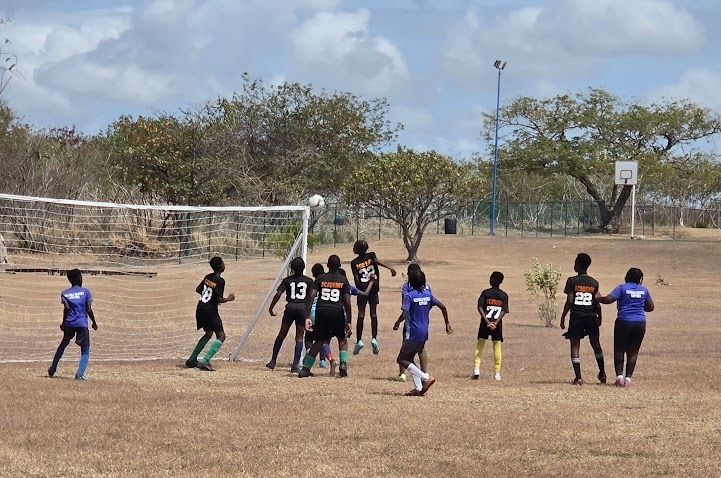
    The annual National Sports Council BICO Primary School Football Competition has advanced into its next phase, with thrilling matches played across four zonal brackets this week, delivering a mix of lopsided blowouts and tense, last-minute finishes from youth squads across the country.

    In the Keith Grell Griffith Zone, Wesley Hall Primary put on an offensive masterclass, netting five unopposed goals to secure a dominant 5-0 shutout victory over Al Falah School. The zone’s second fixture was a far more tightly contested affair, with Westbury Primary holding off a late comeback push from Trinity Academy to claim a narrow 3-2 win.

    Matches in the Reginald Haynes/Victor Gas Clarke Zone, hosted at the Blenheim playing grounds, opened with St Giles Primary securing a solid 2-0 win against George Lamming Primary. Wilkie Cumberbatch Primary followed that performance with a 4-0 shutout of St Patrick’s Roman Catholic School, while Belmont Primary outscored Charles F Broome Memorial 4-2 in a high-scoring back-and-forth clash. Two other fixtures in the zone ended in all-square results: Belmont Primary and St Ambrose Primary split points after a 1-1 draw, and neither St Cyprian’s Boys nor Luther Thorne Memorial managed to find the back of the net, finishing with a 0-0 stalemate.

    The Kenville Kab Layne Zone produced the tournament’s joint-biggest win of the matchweek, as St George Primary cruised to a comfortable 5-1 victory over a outmatched St Judes Primary. Mount Tabor Primary turned in a clinical defensive and offensive performance to beat Ellerton Primary 3-0, while Hitz 106.1 FM Bay Primary pulled off a narrow 3-2 upset win over Eagle’s Academy.

    Down at the Briar Hall playing fields for matches in the Ricardo Mickey Gibson Zone, three fixtures ended in drawn results. Wills Primary and St Christopher’s Primary finished level at 1-1, while last year’s tournament runners-up Arthur Smith Primary also tied 1-1 against Milton Lynch Primary. St Lawrence Primary and People’s Cathedral Primary similarly split points with a 1-1 result. In other zone matches, Shirley Chisholm Primary notched a clean 3-0 win over St Bartholome’s Primary, and St Winifred’s School edged out St Gabriel’s Primary by a 2-1 final score.

    At King George V Park, three matches kicked off in the Adrian Donovan/Michael Foster Zone. St Martin’s Mangrove Primary received a default 3-0 win after Bayley’s Primary was unable to field a full squad for the fixture. Blackman & Gollop Primary and Hilda Skeene Primary played to a 1-1 draw, while Gordon Walters Primary and Reynold Weekes Primary also finished all-square with an identical 1-1 result to close out the week’s matchday action.

  • Preparation for Brazil 2027 : Victory for Grenadières [3-1] against Equatorial Guinea (video)

    Preparation for Brazil 2027 : Victory for Grenadières [3-1] against Equatorial Guinea (video)

    On June 9, 2026, Haiti’s senior women’s national football team, the Grenadières, picked up a confidence-boosting 3-1 victory over Equatorial Guinea’s Nzalang in their final preparation friendly at Spain’s El Mauli Stadium, located in Antequera, Malaga Province. The fixture marked the second and last warm-up match for the Grenadières ahead of the final round of qualifiers for the 2027 FIFA Women’s World Cup hosted by Brazil, which will run from June 24 to July 25 next year.

    Sweden’s Pia Sundhage, who recently took the helm as head coach of the Grenadières, fielded a adjusted starting XI for the clash, making four changes from the side that defeated New Zealand 2-1 in the first warm-up fixture. In defense, Bethina Petit-Frère and Milan Pierre-Jérôme replaced Kethna Louis and Tabita Dougenie Joseph; attacker Chelsea Domond came in for Darlina Florsie L. Joseph, while midfielder Anyssa Ibrahim earned a starting spot in place of Sherly Jeudy. The full starting lineup featured goalkeeper Oceane Toussaint of Paris Saint-Germain, defenders Betina Petit-Frère (En Avant Guingamp), Claire Constant (DC Power FC), Jennyfer Limage (RC Lens), and Milan Pierre-Jérôme (UNGERN), midfielders Anyssa Ibrahim (Le Man FC) and Melchie Daëlle Dumornay (OL Lyonnes), and attackers Chelsea Domond (En Avant Guingamp), Roseline Eloissaint (FC Nantes), Nerilia Mondesir (Seattle Reign FC), and Lourdjina Étienne (FC Fleury).

    Ranked 47th in the global FIFA rankings, the Grenadières dominated the 90-minute fixture from the opening whistle against their 90th-ranked opponents. The first half saw Haiti take a commanding lead by halftime: rising star Melchie Daëlle Dumornay, popularly known by her nickname “Corventina”, broke the deadlock in the 25th minute to put Haiti up 1-0. Just five minutes later, Lourdjina Étienne converted a rebound to double the Grenadières’ lead, sending the side into the halftime break with a comfortable 2-0 advantage.

    After the interval, the Grenadières extended their lead in the 55th minute, when Étienne’s through ball set up Dumornay for her second goal of the match, putting Haiti up 3-0. Equatorial Guinea avoided a shutout in the 85th minute, when Reina Nñegue scored a late consolation goal to lock in the final 3-1 scoreline.

    Team analysts note this victory carries meaningful weight for Haiti’s preparation ahead of the final qualifying phase, which kicks off in November. The friendly allowed Sundhage and her staff to test new lineup combinations, assess the team’s current progress, and identify areas for improvement ahead of the high-stakes qualifying matches, helping the side maintain positive momentum as they continue their World Cup journey.

  • Dust season changing as plumes arrive sooner – forecasters

    Dust season changing as plumes arrive sooner – forecasters

    As the Caribbean enters its annual Saharan dust season, regional meteorologists are sounding the alarm over a shifting pattern: significant dust outbreaks from the Sahara Desert are now arriving earlier than historical records indicate, and overall transatlantic dust transport has climbed to sustained high levels that threaten public health across the region.

    Last week, thick plumes of Saharan dust already disrupted daily life across Barbados, hitting residents with pre-existing respiratory conditions particularly hard. For context, this pervasive weather phenomenon develops when dry mineral dust particles swept from the Sahara Desert are carried across the Atlantic by trade winds, lingering in the atmosphere over the Americas and Caribbean. The suspended particles drastically cut visibility, usually dropping it below 10 kilometers, and leave the sky looking milky, opaque, or faintly discolored.

    Dr. Andrea Sealy, regional chair for the Americas at the World Meteorological Organisation’s Sand and Dust Storm Warning Advisory and Assessment System and a researcher based at the Caribbean Institute for Meteorology and Hydrology (CIMH), laid out the changing timeline of these events in an interview with Barbados Today on the sidelines of a medical education conference held in Bridgetown Sunday.

    “What we’re seeing now, coming into April and early May, is far more dust than this region has historically seen this time of year,” Sealy explained. “In previous decades, the major significant dust outbreaks wouldn’t arrive until late May or even June. We’ve clearly observed a shift in the timing of severe events, and over the long term, the total volume of dust moving across the Atlantic has increased substantially.”

    Continued satellite monitoring of West Africa’s coast confirms that large dust plumes are still regularly launching out over the Atlantic, feeding the ongoing hazy conditions across the eastern Caribbean. After a brief lull in dust levels earlier this week, concentrations are already climbing again. Sealy noted that while concentrations may dip temporarily in coming days, more significant dust outbreaks are likely through the coming weeks, marking 2024 as an unusually dusty season so far.

    Beyond the shifting patterns of dust events, Sealy also acknowledged a key gap in public outreach: climate and weather advisories related to poor air quality do not always reach vulnerable communities effectively, though CIMH is working to improve communication channels. The institute coordinates closely with global and local health authorities to develop evidence-based guidance: when particulate concentrations cross safe thresholds set by the World Health Organization, officials advise against prolonged outdoor activity or strenuous exercise, particularly for sensitive groups. Still, Sealy emphasized that clinical health providers remain the best source of detailed personalized guidance for at-risk residents.

    In addition to improving forecasting and public communication, CIMH is working to expand air quality monitoring infrastructure across the entire Caribbean region. At the center of this effort is a long-running dust monitoring station operated in partnership with the University of Miami at Ragged Point, on Barbados’ eastern coast. This year, the station marks 60 consecutive years of continuous dust measurements, earning it the distinction of being the oldest continuously operating dust observation site in the world.

    This unparalleled decades-long dataset has turned Barbados into one of the most critical global hubs for Saharan dust research, and the data has already vastly improved CIMH’s forecasting abilities. Sealy reported that CIMH’s regional forecasting model accurately predicted last week’s major dust outbreak, and it consistently delivers reliable predictions of incoming events up to five days in advance, including estimates of the concentration of dust that can be expected when a plume arrives.

    The expanded monitoring network will prioritize tracking harmful fine particulate matter, known as PM2.5 and PM10 — particles with diameters between 2.5 and 10 microns, roughly 30 times smaller than the average human hair, which can penetrate deep into the respiratory tract and cause severe health complications. To build out the network, CIMH is combining two types of sensors: high-precision reference-grade instruments that deliver the most accurate measurements for regulatory and research use, and more affordable consumer sensors from the PurpleAir network that can be deployed in far more locations.

    While the lower-cost PurpleAir sensors are not as accurate as reference equipment, they are able to capture reliable trend data on air quality, and the public will be able to access real-time data from these sensors once the network is deployed. The end goal, Sealy explained, is to build a comprehensive monitoring system that meets the Caribbean’s growing need for accurate, accessible air quality measurement, monitoring, assessment and forecasting as dust events become more frequent and more intense.

  • Drone Industry Group Accuses Civil Aviation of Regulatory Railroading

    Drone Industry Group Accuses Civil Aviation of Regulatory Railroading

    A high-stakes dispute over new drone regulations has broken out in Belize, with the nation’s leading drone industry trade group leveling serious accusations of rushed, unfair rule-making against the country’s civil aviation regulator that could threaten the future of Belize’s burgeoning unmanned aerial systems (UAS) sector.

    The Belize National UAS Industry Association (BNUIA) claims the Belize Department of Civil Aviation (BDCA) has cut corners on stakeholder input and pushed forward with a flawed regulatory framework that fails to address industry concerns, putting the fast-growing local drone market at unnecessary risk.

    The conflict centers on a planned two-day collaborative line-by-line review of the draft regulations, scheduled for May 21 and 22 of this year. According to the BNUIA, the BDCA unexpectedly slashed the workshop agenda just 24 hours before it kicked off, truncating the session to just a day and a half. When the workshop concluded, regulators and industry stakeholders had only reviewed 24 of the 55 pages included in the proposed regulatory text.

    The remaining 31 unreviewed pages contain provisions that deviate sharply from globally accepted UAS regulatory standards, the association says. BNUIA leaders add that their formal request to reconvene the workshop to finish the full review was rejected outright by BDCA leadership.

    Further controversy emerged over the meeting minutes distributed to participants after the workshop. The BNUIA says the original draft described the review as fully completed, a characterization that participants refused to sign off on. The wording was only altered to reflect that only a partial review of concerns had been completed after industry pushback. BDCA director Nigel Carter frames the disagreement over the minutes as a simple miscommunication, explaining that the document was intended to outline workshop goals and note that stakeholders would submit additional feedback post-meeting.

    Carter pushed back against the industry’s claims of a rushed process, noting that public consultation on the draft regulations first launched back in July 2025 – nearly 11 months before the May workshop. He added that the BDCA granted multiple extensions to the comment period at the industry’s request, with the final extension ending on January 5, 2026, and that the department continued to accept public input even after that date.

    Following the workshop, Carter sent a formal letter to all stakeholders setting a May 29 deadline for submission of any remaining outstanding concerns. The BNUIA points out that this same letter laid out BDCA’s plan to publish a final version of the regulations by June 30, with a possible future forum only to explain how public comments were addressed, not to revisit unresolved disagreements. For the industry association, this timeline confirms that the BDCA intends to finalize the rules before all stakeholder concerns are fully resolved.

    Carter refuted this claim in comments to local outlet News 5, stressing that the consultation process remains open. After the department analyzes all submitted feedback, a revised draft will be released for additional public review, and a second full public consultation session will be held, he said. “It is just that we had to say, listen, we are at a point now where we must move on,” Carter explained, noting that the department has a range of other mandatory regulatory responsibilities to advance. He committed that all feasible changes to the draft will be made based on feedback, and that the BDCA will publish a clear public rationale for any adjustments that are not adopted.

    Transparency has emerged as a second core flashpoint in the dispute. The BNUIA filed a Freedom of Information Act (FOIA) request on April 24, 2026, seeking records from the BDCA, the civil aviation ministry’s CEO, and other relevant government agencies. By law, agencies are required to respond to FOIA requests within 30 days, but the association says that 30-day window has now expired with no acknowledgement or response from any of the named agencies. Carter responded that the requested records are currently being compiled and will be released to the association within the next week to 10 days.

    The industry association also argues that the proposed regulations are largely a copy-paste of international rules that are poorly suited to Belize’s local drone market, imposing unnecessary heavy burdens on small local operators and stifling the sector’s growth. BNUIA claims the rushed process is driven primarily by a desire to meet international auditor requirements rather than to craft rules that support the development of Belize’s domestic drone industry.

    Carter countered that Belize has had a binding obligation to implement International Civil Aviation Organisation (ICAO) standards since the country joined the Convention on International Civil Aviation back in 1991. Aligning local rules with global international standards improves aviation safety for all operators, he explained, creating a consistent, predictable regulatory environment that both local and foreign operators can rely on when operating in Belizean airspace.

    The disagreement comes as drone technology emerges as a fast-growing economic sector in Belize, with applications ranging from agricultural mapping and infrastructure inspection to tourism and delivery services, making the final shape of the country’s first comprehensive UAS regulations critical to the sector’s long-term trajectory.

  • Grass fires cost Light & Power thousands, prompting pole protection

    Grass fires cost Light & Power thousands, prompting pole protection

    Barbados is facing a growing crisis of rampant grass fires during its annual dry season, with the island’s main electricity provider, Barbados Light & Power, already sustaining nearly $70,000 in infrastructure damage from the blazes. In response, the company has rolled out innovative fire-protection technology and has stepped up repeated appeals for the public to exercise heightened caution across fire-prone areas.

    Victor Callender, Senior Engineering Manager for Transmission and Distribution at Barbados Light & Power, shared detailed figures with local outlet Barbados TODAY outlining the scope of the damage. So far in the 2026 dry season, grass fires have impacted 13 separate districts across the island, leaving 21 utility poles damaged or destroyed. Cumulative damage dating back to last year pushes the total number of affected poles to 180, with repair and replacement costs already hitting $65,000 in 2026 alone.

    The rising frequency of grass fires has placed unprecedented strain on Barbados’ emergency response resources. In just one high-demand incident earlier this year, the Barbados Fire Service was forced to respond to six simultaneous blazes across multiple parishes: blazes broke out in Vauxhall, Bannatyne, South Ridge, Sheraton Heights, and Adams Castle in Christ Church, alongside a separate fire in Alleynedale, St. Peter, stretching firefighting personnel and equipment thin.

    The growing fire risk is deeply tied to ongoing drought conditions across the Caribbean that are projected to worsen before they ease. At a recent press conference held by the Caribbean Disaster Emergency Management Agency (CDEMA) ahead of the 2026 Atlantic hurricane season, executive director Elizabeth Riley issued a formal warning that dry conditions across multiple member states would persist and potentially expand by the end of 2026. This extended dry spell leaves vegetation extremely flammable, creating ideal conditions for fast-spreading grass fires that are hard to contain.

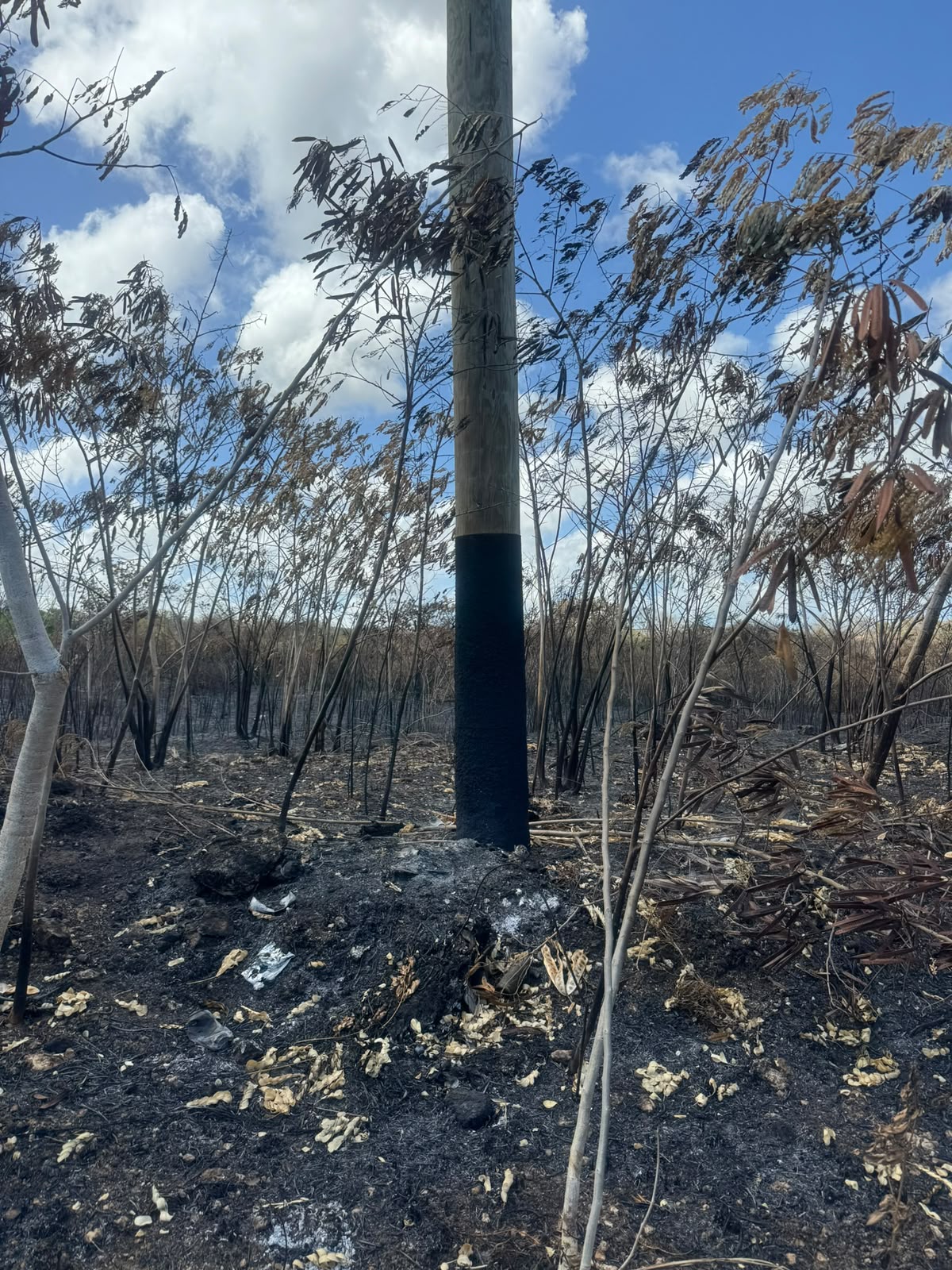
    To mitigate the ongoing damage to critical power infrastructure, Barbados Light & Power has implemented a new protective solution for its wooden utility poles after rigorous testing of multiple products. The company ultimately selected a specialized fire-resistant covering called Fire Mesh, which outperformed alternative options because its porous design allows wooden poles to maintain air circulation, preventing rot and structural degradation over time. The mesh is installed from roughly one foot below the ground line, extending 5 to 8 feet above the surface, with the exact height adjusted to match local fire risk conditions.

    Early field testing of the new protective covering has already yielded promising results. Callender confirmed that at least one pole fitted with Fire Mesh emerged completely undamaged from a recent grass fire, with the barrier successfully blocking heat and flames from reaching the wood.

    Beyond infrastructure upgrades, Callender emphasized that public and worker safety remains the utility’s top priority when crews are dispatched to assess and repair fire-damaged sites. Standard, rigorous safety protocols are immediately activated any time crews respond to an incident involving damaged power infrastructure, to protect both workers and community members. Callender also issued a direct appeal to the public: motorists and pedestrians passing through repair areas must stay alert, obey posted safety markers including traffic cones, and follow all instructions from uniformed Light & Power personnel to avoid avoidable accidents and additional emergencies.

  • Echoes of Waltham wins Best Video Production at CTO Media Awards

    Echoes of Waltham wins Best Video Production at CTO Media Awards

    A landmark community-led heritage documentary centered on the Grenadian village of Waltham has earned the region’s top tourism industry recognition, taking home the Best Video Production prize at the Caribbean Tourism Organisation (CTO) Media Awards.

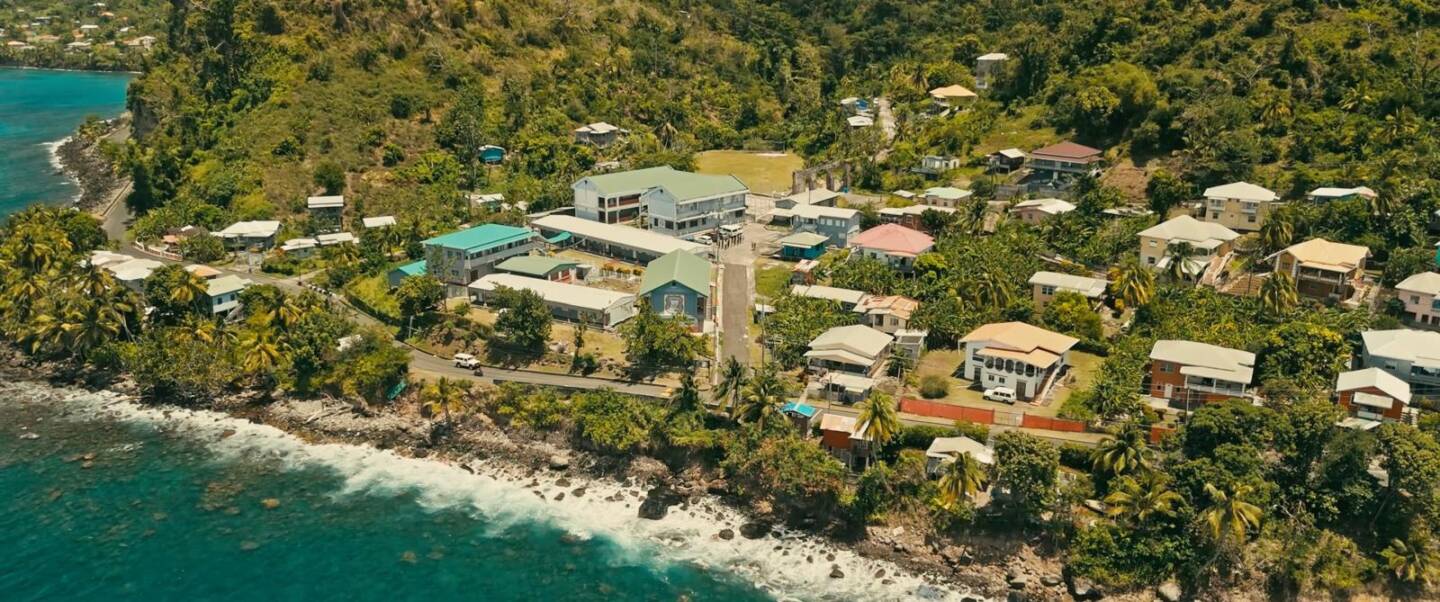
    *Echoes of Waltham*, which captures the personal memories, intergenerational stories and distinct cultural landscape of Waltham in Grenada’s St Mark parish, emerged from the Island Echoes cross-cultural co-production initiative. The project is led by the Caribbean Institute for EcoLiberation (CIEL) in strategic partnership with Paxton House’s Caribbean Connections programme, an effort designed to unpack the little-known historical ties between the 18th-century Scottish Borders stately home and Caribbean communities shaped by the plantation economy.

    The transatlantic collaboration traces its origins to journalist Zoe Smith, who uncovered the hidden history of Waltham Estate while investigating the region’s plantation-era past. After discovering the estate was once owned by Ninian Home, a former colonial governor of Grenada who also owned Paxton House, Smith reached out to Home’s descendants to launch a community-focused heritage project that would center local voices rather than elite historical narratives. Over the course of the project, the partnership brought together a diverse coalition of Waltham residents, community organizers, academic researchers, creative artists, young participants and heritage institutions across Grenada, Scotland and England.

    For Smith, the project’s lead, the award is far more than an industry honor—it is a validation of the community trust that made the work possible. “This award is a beautiful recognition of Waltham’s story, but more than that, it is a recognition of the elders, residents and neighbours who trusted us with their memories,” Smith explained. “*Echoes of Waltham* was never simply about making a film. It was about honouring a village, preserving living memory, and creating a bridge between Grenada’s past, present and future. I’m especially proud that this work has connected Grenada, Paxton House and the wider Caribbean diaspora.”

    Unlike traditional historical documentaries that rely heavily on archival text and external expert narration, *Echoes of Waltham* centers the unrecorded voices of Waltham’s long-term residents and elders, preserving their oral histories that might otherwise have been lost to time. Through these personal stories, the film opens critical, accessible conversations about plantation history, the value of intergenerational storytelling, and the urgent need to safeguard Grenada’s vulnerable intangible cultural heritage. The production was shaped by collective input: historian and archivist Dr. Angus Martin provided deep contextual historical expertise, Scottish Paxton House curator Dr. Fiona Salvesen Murrell contributed guidance on transatlantic archival records, and Waltham residents Laslynn Andall and Anthony Patrick brought on-the-ground community perspective that anchored the entire project.

    Dr. Salvesen Murrell emphasized that the documentary aligns with the core mission of Caribbean Connections, which seeks to re-examine Paxton House’s colonial ties through a community-centered lens rather than a traditional institutional framework. “We are delighted that *Echoes of Waltham* has received this recognition from the Caribbean Tourism Organisation,” she said. “This highly meaningful film forms part of Paxton House’s wider Caribbean Connections work, which seeks to explore our historic links with the Caribbean in a thoughtful, creative and resident-centred way. We are deeply grateful to the people of Waltham and to all the partners who helped bring this story to life.”

    The award-winning documentary is just one component of the broader Caribbean Connections programme, which also includes *Palimpsest*, a major exhibition by Grenadian-born artist Billy Gérard Frank. Frank’s work served as a central creative anchor for the partnership, illuminating the layered cultural, historical and emotional connections that bind Grenada, the wider Caribbean, and the Scottish Borders to this day. For Frank, the documentary’s award win highlights the transformative power of centering marginalized voices in shared heritage work. “This film demonstrates the power of storytelling to connect generations, preserve local histories, and deepen our understanding of the enduring ties between Grenada, Scotland, and England,” Frank said. “At its heart, *Echoes of Waltham* is a celebration of memory, place, and the voices that shape our shared heritage.”

    Beyond the recognition from the CTO, the project has already sparked new academic and community engagement. It has catalyzed expanded research into the historical links between St Mark parish and Scotland, with a team of researchers from the University of Edinburgh already conducting an on-site visit to Waltham to advance their work. The film has also been screened locally for staff, students and residents at St Mark’s Bonaire Government School, bringing the story of Waltham back to the community that inspired it.

    Looking ahead, the Island Echoes initiative is set to expand its work in Waltham, with new funding secured from the Grenada Office of Creative Affairs. The next phase of the project will deepen the team’s oral history documentation work with Waltham residents, capturing more untold personal stories, and launch an interactive digital mapping project that preserves the village’s stories, historic sites and cultural landmarks for future generations. The project’s model of cross-border, community-led heritage work has already emerged as a groundbreaking example of how to confront shared colonial history while centering the voices of those most affected by that past.

  • Opposition Leader Says 80% NHI Funds Go to Private Clinics

    Opposition Leader Says 80% NHI Funds Go to Private Clinics

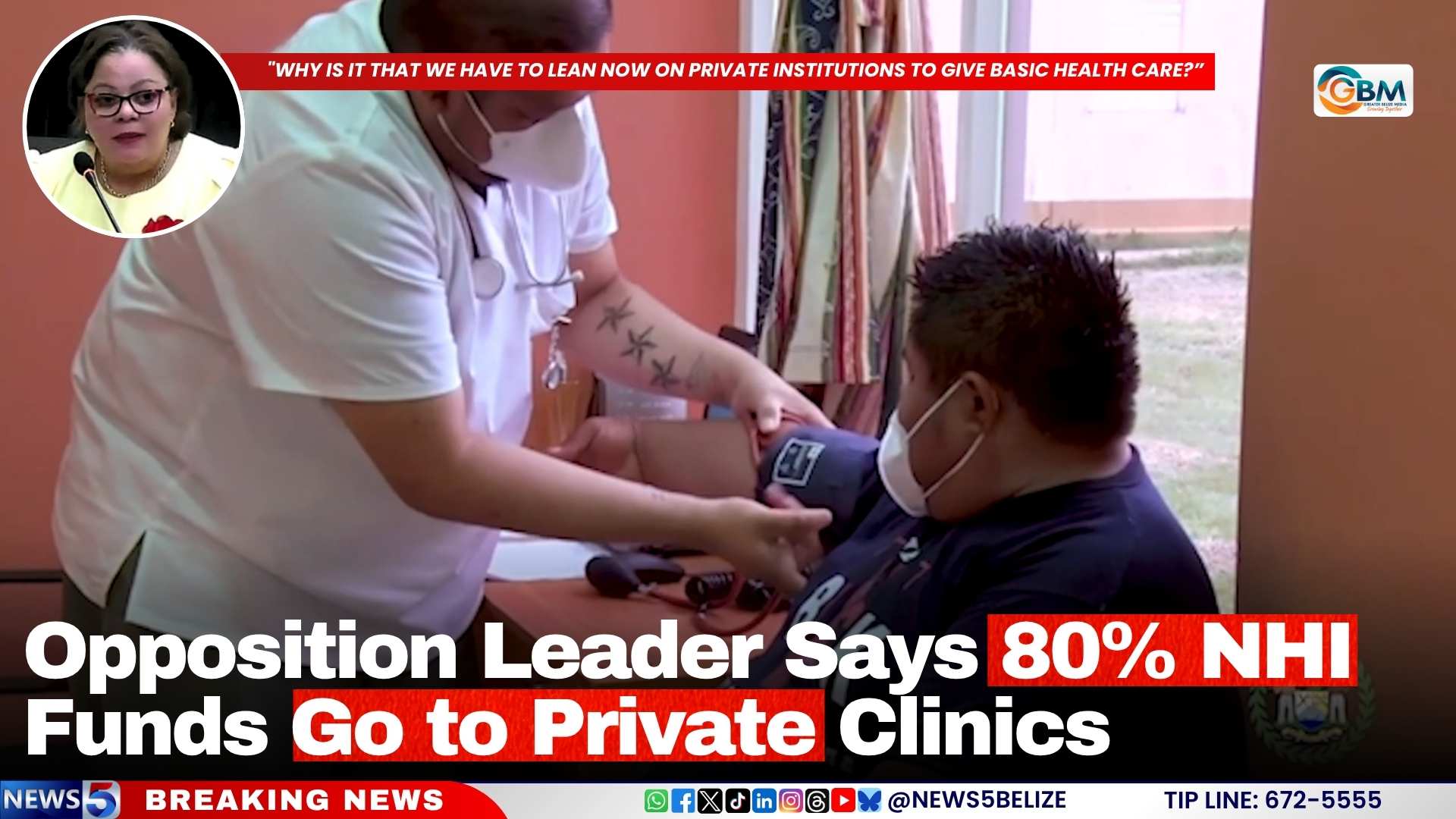
    On Thursday, June 8, 2026, Belize’s House of Representatives approved the second reading of the National Health Insurance Authority Bill 2026, capping off a heated debate that exposed deep partisan divides over the future direction of the Central American nation’s public healthcare system. The core point of contention revolves around the government’s growing reliance on private clinics to deliver services under the existing National Health Insurance (NHI) program, with the opposition accusing the ruling administration of sidelining public healthcare institutions to funnel the vast majority of program funds and contracts to private operators.

    Opposition Leader Tracy Panton levelled the sharpest critique of the government’s model during floor remarks, revealing that 80 percent of all NHI service contracts are currently awarded to private healthcare facilities, leaving just 20 percent for public sector providers. She questioned the logic of outsourcing core basic healthcare services to private entities, arguing that public institutions are better positioned to deliver equitable, universal primary care to all Belizeans. Panton called for a redirection of existing NHI procurement funds to upgrade underfunded public healthcare facilities, rather than continuing to channel resources to the private sector.

    Panton further warned that the new legislation, which formalizes the structure of the NHI authority, concentrates excessive regulatory power in the executive branch without adequate accountability safeguards. She argued that the current trajectory risks creating a parallel funding system that socializes financial risk for taxpayers while concentrating private profit for healthcare operators, warning that without urgent oversight reforms the program could become another corrupt, mismanaged public body similar to the troubled former LIU.

    Prime Minister John Briceño, who frames the NHI bill as a foundational long-term nation-building initiative, defended the mixed public-private delivery model on efficiency and cost-saving grounds. Briceño argued that contracting both public and private providers allows the NHI program to leverage bulk purchasing power to drive down service and medication costs for the system. He illustrated the savings with a concrete example: while an average patient pays $50 out of pocket for a private clinic appointment, the NHI negotiates a rate of just $12 per visit, thanks to the guarantee of more than 4,000 patients annually for participating providers. Briceño noted that this same bulk negotiation principle applies to pharmaceutical procurement, delivering broader savings across the entire program.

    Health and Wellness Minister Kevin Bernard did not directly refute Panton’s 80-20 funding split claim, but pushed back against her critique by highlighting the addition of seven new public sector NHI providers across the country, including new polyclinics in high-demand population centers Orange Walk, Belmopan, and San Ignacio. The bill now moves forward in the legislative process, as debates over the balance between public and private healthcare delivery in Belize continue to dominate political discourse.

  • St Lucy school shut as smoke, ash stall clean-up

    St Lucy school shut as smoke, ash stall clean-up

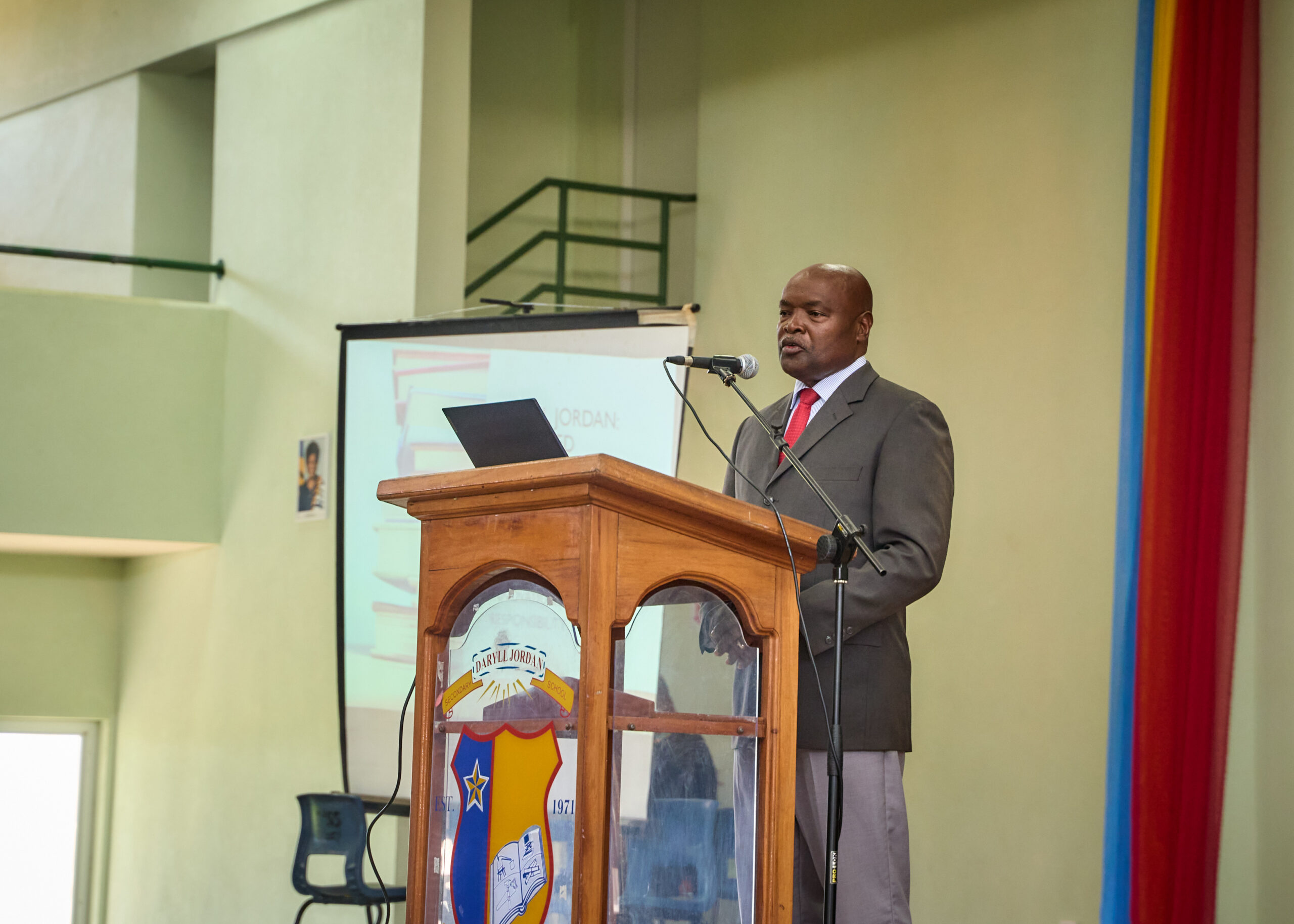
    A persistent nearby wildfire has derailed reopening plans for a northern Barbados secondary school, pushing back the expected resumption of classes after the campus was shuttered Monday due to hazardous air quality, the institution’s principal confirmed this week.

    Ken Layne, principal of Daryll Jordan Secondary School located in St. Lucy, announced Monday that scheduled classes set for Tuesday would not go ahead as planned. Uncontrolled smoldering embers continue to billow thick smoke and ash across the school grounds east of the fire line, creating unsafe conditions that have blocked clean-up and sanitation crews from accessing the campus to remediate the damage.

    The school was first forced to suspend in-person learning on Monday after wind carried toxic ash and smoke directly into campus buildings from the adjacent burning area. Layne explained that ongoing active combustion just a short distance from school property has made it impossible to even begin the deep cleaning required to make classrooms safe for students and staff, creating a critical bottleneck to restoring normal operations.

    “We are closed today because of the ash that has accumulated inside the building, and there is still a heavy concentration of smoke in the air today,” Layne said in an interview. “Right now, to the east of the school, you can still see active smoking — the embers are still smoldering up in that area. That is directly impacting our ability to respond, and it is even preventing us from starting the cleaning process at all.”

    The sudden closure has prompted urgent emergency adjustments for one high-stakes group of students: those sitting for the Caribbean Secondary Education Certificate (CSEC) exams. To avoid disrupting the critical assessments and putting candidates at an unfair disadvantage, education officials moved all scheduled CSEC exams from Daryll Jordan Secondary to The Alexandra School in the nearby town of Speightstown. Layne confirmed that the relocated students had settled into their new testing site by Monday morning and would complete their scheduled exams as planned that day.

    Layne added that school leadership, in partnership with emergency management and environmental officials, would conduct a second full assessment of campus conditions and air quality later on Monday. Following that evaluation, a further update will be distributed to all parents, guardians, and staff members outlining next steps, including any adjustments to the school calendar. Any decision on when classes can resume will be entirely contingent on the latest reports from emergency response and environmental health teams, with the inability to launch clean-up operations remaining the single largest barrier to reopening. “Everything hinges on being able to start that clean-up process, and right now, we cannot start cleaning yet,” Layne said.

    Addressing widespread community questions about whether large wildfire-related closures are a regular risk for the St. Lucy school, Layne clarified that events of this magnitude are extremely rare. While the school did face a similar closure due to a nearby fire last year, he noted that no incidents on this scale had occurred prior to 2023. He added that the 2024 fire is far more extensive than any the school has experienced in recent memory: the blaze ignited far to the east of the campus and has since spread west, crossing a major road and moving much closer to school grounds than previous fires.

    Despite the widespread disruption, Layne was quick to highlight the quick support the school has received from local landowners, specifically naming ABC Farms, which manages the large parcels of land east of the school. He explained that the school has built a proactive partnership with the farm in recent years to conduct regular vegetation clearing to reduce wildfire risk, and the farm has stepped up to support emergency response efforts as the current blaze spread. While the landowners could not stop the fire from spreading toward the campus, they deployed their on-site water tenders to support firefighters working to contain the blaze. “They have been good corporate partners with us. In the case of a fire, there is not much they can do to stop it once it starts, but they were out with their equipment assisting in putting out the fire,” Layne said.

  • Top former US govt trade expert to discuss “Growing Business with the United States” in Guyana

    Top former US govt trade expert to discuss “Growing Business with the United States” in Guyana

    Against a backdrop of shifting global trade dynamics and recent U.S. tariff policy changes that have impacted cross-border commerce, World Trade Centre Georgetown (WTCG) is preparing to host a high-profile business luncheon focused on expanding commercial ties between Guyanese enterprises and the U.S. market. Scheduled for Wednesday, June 17, 2026, the event titled “Growing Business with the United States” will feature Arun Venkataraman, a globally recognized veteran trade policy expert with decades of high-level experience in international commerce.

    This luncheon forms a core part of WTCG’s long-standing mission to foster and strengthen bilateral trade and investment links between Guyana and its international economic partners. As Guyana continues to grow its global economic footprint and work to diversify its national export base, the organization has curated this event to give local business leaders direct access to insights from one of the most authoritative voices on U.S. trade and commercial policy.

    Venkataraman brings over 25 years of specialized experience across international trade, commercial strategy, and global economic policy. Most recently, he held a Senate-confirmed position as Assistant Secretary of Commerce for Global Markets and Director General of the U.S. and Foreign Commercial Service at the International Trade Administration, serving from 2022 to 2025. In this senior role, he led U.S. federal government initiatives to expand commercial opportunities for both American enterprises operating abroad and international firms looking to enter and invest in the U.S. market.

    His core responsibilities during his tenure included facilitating cross-border business transactions, advocating for improved global commercial policy frameworks, resolving trade and investment barriers, and negotiating bilateral agreements to strengthen commercial cooperation between the U.S. and partner nations. During the upcoming luncheon, WTCG confirms Venkataraman will deliver actionable insights on current U.S. trade and commercial policies, existing trade preference programs, and other regulatory mechanisms designed to support foreign businesses entering the U.S. market. His presentation will center specifically on how Guyanese companies can leverage these frameworks to boost export volumes, build strategic cross-border partnerships, attract foreign direct investment, and strengthen their overall global competitiveness.

    The event comes at a critical juncture for Guyanese exporters, as global trade continues to be reshaped by evolving geopolitical dynamics, ongoing global supply chain realignment, and shifting trade and investment policies among the world’s largest economies. Policy decisions made by the U.S. on tariffs, market access, and commercial partnerships increasingly shape global business strategies and the competitive position of exporters across every region, including Guyana.

    For Guyana, deep familiarity with these evolving policy shifts has grown even more urgent following recent changes to U.S. tariff rules that affect a range of Guyanese exports. The elimination of duty-free treatment for certain products, replaced by tariff rates as high as 15 percent, has created new headwinds for exporters working to maintain and grow their share of the U.S. market. These policy changes underscore the urgent need for local businesses to stay updated on evolving U.S. trade rules and develop targeted strategies to preserve their competitiveness while capitalizing on new emerging opportunities in the U.S. market.

    In an increasingly complex global trading landscape, access to authoritative, first-hand insight on U.S. trade policy is an invaluable resource for local enterprises. WTCG emphasizes that Guyanese businesses need to understand both the challenges created by recent policy shifts and the untapped opportunities that remain within the growing framework of U.S.-Guyana commercial relations.

    This exclusive luncheon offers a one-of-a-kind chance to gain direct insight from a leader who helped shape and implement U.S. trade policy at the highest level of government. WTCG argues that equipping local businesses with timely, accurate information and practical industry knowledge is essential to allow Guyana to fully capitalize on its rapid economic expansion, while deepening its integration into regional and global value chains.

    The event is expected to deliver particular value for exporters, manufacturers, service providers, cross-border investors, business support organizations, and entrepreneurs seeking to expand their commercial operations beyond Guyana’s borders. Beyond the formal presentation, attendees will have the opportunity to engage directly with Venkataraman during a dedicated question-and-answer session, as well as in targeted private one-on-one discussions following the main program.

    The luncheon aligns with WTCG’s core institutional mission: connecting Guyanese businesses to global markets and creating avenues for meaningful international economic engagement. As a member of the World Trade Centers Association Network, which includes more than 300 World Trade Centers across over 100 countries, WTCG remains dedicated to providing local Guyanese enterprises with access to world-class expertise, actionable market intelligence, and high-impact business development opportunities.

    All members of Guyana’s business community and interested stakeholders are invited to register for the event. For registration details and additional information, interested attendees may contact the WTCG Secretariat at 592-763-9824 or 592-515-9824 to speak with Ms. Noel or Ms. Peters.