分类: world

  • New Jersey firefighters train with Grenada to strengthen emergency response

    New Jersey firefighters train with Grenada to strengthen emergency response

    A collaborative firefighting initiative between New Jersey emergency responders and Grenadian authorities has yielded significant improvements in the Caribbean nation’s disaster preparedness. For the past week, seasoned firefighters from the American state conducted intensive hands-on training sessions with members of the Royal Grenada Police Force Fire Department, exchanging critical lifesaving methodologies and enhancing joint emergency response protocols.

    This bilateral cooperation program, established in 2018 as an annual undertaking, has evolved into a cornerstone of Grenada’s emergency management framework. The partnership extends beyond knowledge sharing to include substantial material support, with previous donations comprising essential firefighting apparatus and a fully operational fire engine. These resources have substantially augmented Grenada’s capacity to combat blazes affecting key national infrastructure, including St. George’s University and Maurice Bishop International Airport.

    Superintendent Kenneth Gill, commanding officer of the RGPF Fire Department, emphasized the program’s transformative impact: ‘The immense value of continuous training and skill acquisition cannot be overstated. Our personnel who receive this advanced instruction now possess the capability to disseminate these techniques throughout our organization, creating a multiplier effect that enhances our overall operational readiness.’

    Retired Newark Deputy Chief Mike Nasta, a participating instructor, commended Grenadian firefighters’ professional attributes: ‘The collaboration with Grenadian crews has been exceptionally productive. They demonstrate remarkable aptitude, enthusiasm, and dedication to their craft. It’s been a privilege to contribute to their ongoing professional development.’

    The initiative, supported by the U.S. Embassy in Grenada, represents a growing transnational relationship between emergency services that continues to strengthen annually. All participants have expressed commitment to maintaining this vital partnership, which directly supports frontline responders protecting communities and critical assets across Grenada.

  • Antigua and Barbuda issues final call for accommodation registration ahead of CHOGM 2026

    Antigua and Barbuda issues final call for accommodation registration ahead of CHOGM 2026

    ST. JOHN’S, Antigua — In preparation for hosting one of the most significant international gatherings in recent history, Antiguan authorities have issued a formal appeal to local accommodation providers. The government is mobilizing the hospitality sector to register properties for the upcoming Commonwealth Heads of Government Meeting (CHOGM), slated for November 1–4, 2026.

    The Ministry of Tourism has projected an influx of approximately 5,000 international delegates representing Commonwealth nations. This anticipated attendance presents what officials characterize as an unprecedented economic opportunity for local property owners. The ministry emphasizes that participation in the official accommodation program could yield substantial benefits for registered establishments.

    Properties that complete the registration process will be featured in the official CHOGM 2026 accommodation portfolio, granting them exclusive visibility to delegation organizers and international visitors. This initiative serves dual purposes: ensuring sufficient quality lodging for attendees while simultaneously providing local businesses with global exposure.

    Tourism officials note that beyond immediate financial gains during the event period, the registration drive aims to standardize hospitality offerings and showcase Antiguan cultural hospitality on an international stage. The government’s coordinated approach seeks to maximize occupancy rates while maintaining quality standards expected by international delegations.

    Accommodation providers must submit their registration applications through the designated CHOGM 2026 Accommodation Secretariat before the March 31, 2026 deadline. The ministry has established formal channels to facilitate the registration process and address inquiries from prospective participants.

  • Bring case to ICJ for Melissa damage, says Golding

    Bring case to ICJ for Melissa damage, says Golding

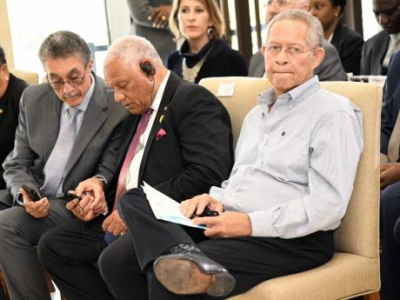
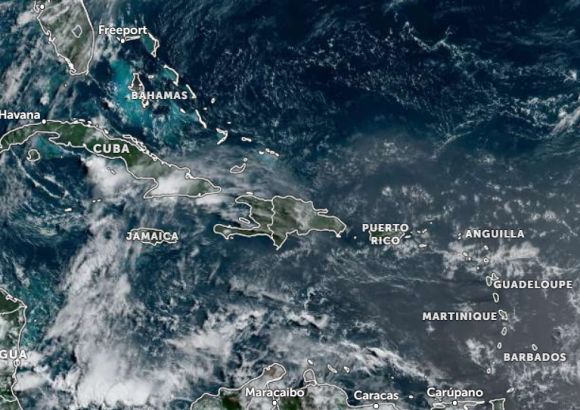
    Jamaican Opposition Leader Mark Golding has issued a compelling call for the nation to pursue legal action against major carbon-emitting countries through the International Court of Justice (ICJ). The demand comes in response to the catastrophic devastation wrought by Hurricane Melissa, which struck Jamaica as a Category 5 storm in October 2025, causing an estimated US$12.2 billion in damages.

    During his address in the House of Representatives’ 2026/27 Budget Debate, Golding articulated that developed nations bear historical responsibility for persistently ignoring scientific consensus regarding climate change while continuing carbon-intensive economic practices. These actions, he argued, have effectively exported climate-related costs to vulnerable developing nations and small island states like Jamaica.

    The legal foundation for this claim stems from a landmark ICJ advisory opinion delivered in July 2025, which established that states must actively address fossil fuel emissions and could be held financially accountable for climate-related damages. The ruling, championed by Vanuatu and supported by numerous small island nations, represents a transformative development in international environmental law.

    Golding emphasized that Jamaica should assemble an expert legal team to prepare a comprehensive brief exploring compensation avenues through the ICJ’s contentious jurisdiction. Alternatively, he proposed that Jamaica lead efforts at the United Nations General Assembly to seek the court’s advisory opinion on appropriate compensation levels from major contributors to global warming.

    The Opposition Leader highlighted the increasing frequency and intensity of climate disasters affecting Jamaica, noting that four major hurricanes (Ivan, Dean, Beryl, and Melissa) have struck the island since 1988, causing over US$1 billion in damages prior to Melissa’s unprecedented destruction. He characterized Melissa’s unusual intensification patterns as unequivocally climate-related, exacerbated by Caribbean waters measuring 1.4 degrees above pre-industrial temperatures.

    Golding concluded that Jamaica, as a minimal contributor to greenhouse gas emissions, should not bear alone the enormous financial burden of climate disasters caused primarily by industrialized nations. The pursuit of climate justice through international legal channels represents both a moral imperative and practical necessity for the nation’s sustainable development.

  • Bahamas says Middle East war putting pressure on local economy

    Bahamas says Middle East war putting pressure on local economy

    NASSAU, The Bahamas — The Bahamian government has identified the escalating military conflict in the Middle East, involving the United States, Israel, and Iran, as the primary catalyst for a severe disruption at one of the world’s most critical energy transit corridors. This strategic chokepoint is vital for the global transportation of oil and liquefied natural gas (LNG), with a substantial percentage of shipments routinely passing through the region.

    Prime Minister Phillip Davis confirmed that the geopolitical turmoil has precipitated a dramatic surge in international oil prices. Values have skyrocketed from approximately US $70 per barrel at the start of the year to figures well exceeding US $100, marking one of the most acute energy price shocks witnessed globally since the onset of the Ukraine crisis. ‘This increase, and the uncertainties about what will come next, are putting immense pressure on oil prices, shipping, and international supply chains,’ Davis stated.

    Addressing domestic concerns, the Prime Minister acknowledged that citizens are acutely aware of the overseas events and are anxious about the potential repercussions on their cost of living. He emphasized the disproportionate impact on a small island nation, where rising global fuel costs directly inflate electricity bills, freight charges, transportation expenses, and ultimately, grocery store prices.

    In response, the government is leveraging policy reforms enacted over recent years to insulate the local economy. Davis highlighted that significant energy sector overhauls, which introduced major efficiencies, infrastructural improvements, and risk mitigation strategies, have enhanced national resilience. Consequently, he assured the public that household electricity bills, which have already decreased due to these changes, will remain unaffected by the current international crisis.

    Further demonstrating proactive measures, Prime Davis convened a meeting with the Retailers Association to coordinate a unified stakeholder effort. The discussions centered on implementing a scheduled reduction of the Value Added Tax (VAT) on unprepared food, effective April 1, to alleviate financial strain on families. Davis framed this collaborative initiative as a testament to a government committed to easing economic pressure on its citizens. He expressed confidence that the VAT reduction would help families retain more of their income and make essential goods more affordable.

    Beyond economic strain, Davis also cautioned that such periods of international instability often breed secondary challenges, including a potential rise in illegal migration, maritime smuggling, and other unlawful activities across the Caribbean region.

  • Bahamian smuggler arrested in Florida

    Bahamian smuggler arrested in Florida

    A Bahamian national with prior convictions for human trafficking faces renewed federal charges after United States authorities intercepted a vessel he was operating with 14 undocumented migrants off the coast of Florida. Theron Don Mills, recently released from prison for similar offenses, led law enforcement on a maritime pursuit before tactical officers disabled his boat using precision fire.

    The incident unfolded on March 11 when radar systems detected a 25-foot twin outboard vessel approximately 21 miles east of Miami-Dade County. United States Department of Homeland Security agents reported the craft was traveling westward without navigational lights and appeared significantly overloaded. Despite verbal commands and warning shots, Mills allegedly attempted to evade capture before authorities disabled the engines with targeted rounds.

    Boardings teams detained fifteen individuals including nationals from Haiti, Ecuador, and the Dominican Republic. Immigration verification confirmed none possessed legal authorization for U.S. entry. Mills was found possessing $4,900 in U.S. currency and $1,000 in Bahamian funds.

    Court documents reveal Mills’ extensive criminal history, including a 2021 conviction for human smuggling that resulted in a five-year prison term and three years supervised release. Following his previous sentence completion, he was formally removed to The Bahamas on January 8, 2026. During interrogation, Mills acknowledged operating the vessel, recognizing pursuing officers, and attempting flight. He additionally confirmed understanding his prohibited re-entry status.

    Federal prosecutors have charged Mills with illegal re-entry and inducing unauthorized immigration. Three other individuals—Oswaldo Sisa Heredia, Palo Alvarez Rodriguez, and Joel Perez Matos—face related charges, all having been previously deported following convictions for immigration and drug offenses.

    Mills has invoked his right to legal counsel and remains in custody pending pretrial proceedings scheduled for later this month, where he will formally enter a plea.

  • Kenyan police officers return home from Haiti

    Kenyan police officers return home from Haiti

    NAIROBI, Kenya — A significant contingent of 215 Kenyan police officers concluded their deployment in Haiti, arriving safely at Jomo Kenyatta International Airport on Tuesday evening. Their return marks a pivotal transition in the multinational security effort to stabilize the Caribbean nation.

    The officers, representing Kenya’s second deployment under the United Nations-backed Multinational Security Support (MSS) Mission, were greeted by high-ranking officials including Inspector General Douglas Kanja and Interior Principal Secretary Raymond Omollo. Their service formed part of Kenya’s strategic commitment to support Haitian National Police operations against widespread gang violence that has paralyzed the country’s security apparatus.

    This rotational shift coincides with the scheduled April 1st deployment of the inaugural Gang Suppression Force (GSF) unit, composed of Chadian troops currently undergoing specialized training in the United States. According to Dominican Republic Foreign Affairs Minister Roberto Álvarez, the full GSF deployment will progressively expand to 5,500 personnel by October 2026, with Kenyan forces being systematically withdrawn as Chadian units assume operational responsibilities.

    The security crisis in Haiti has reached catastrophic proportions, with armed gangs displacing approximately 1.5 million residents and exacerbating extreme poverty conditions amid complete economic collapse. The situation represents not merely a domestic emergency but a regional security threat, facilitating increased drug and weapons trafficking while triggering mass migration flows.

    United Nations human rights expert William O’Neil recently characterized the situation as an ‘ongoing human rights crisis creating massive suffering for the Haitian people,’ while acknowledging that territorial liberation efforts and enhanced police visibility are providing ‘a glimmer of hope’ for the population.

    The political vacuum persists following the July 2021 assassination of President Jovenel Moïse, with the Provisional Electoral Council currently processing registrations from 320 political entities ahead of anticipated elections later this year. The international community maintains that any durable political solution must remain Haitian-led, with support focused on enabling electoral processes.

  • Nationwide Power Outage Hits Cuba as Power Grid Collapses

    Nationwide Power Outage Hits Cuba as Power Grid Collapses

    Cuba experienced a catastrophic nationwide power outage on Monday night as the country’s aging electrical grid suffered complete systemic failure. The collapse left all 11 million residents without electricity, marking the third major blackout incident within just four months.

    According to official statements from the Ministry of Energy and Mines, the grid experienced a ‘complete disconnection’ that required emergency efforts to restart thermoelectric plants. By late Monday, partial restoration had been achieved with approximately 42,000 customers (roughly 5% of Havana) and several critical healthcare facilities regaining power. However, officials cautioned that the restored circuits remained highly unstable and vulnerable to additional failures.

    The crisis stems from Cuba’s deteriorating energy infrastructure, which has exceeded its operational lifespan amid chronic fuel shortages and limited access to essential spare parts. President Miguel Díaz-Canel revealed last week that the nation had not received oil shipments for three consecutive months, forcing increased reliance on solar energy, natural gas, and thermoelectric generation—sources that have proven insufficient to meet national demand.

    The blackout has exacerbated existing humanitarian concerns, with hospitals compelled to postpone surgeries and households facing food spoilage due to refrigeration failures. The energy crisis unfolds against a backdrop of ongoing geopolitical tensions, with the United States maintaining restrictions on oil shipments and demanding political reforms. Former President Trump’s characterization of Cuba as a ‘very weakened nation’ underscores the complex international dynamics influencing the current situation.

  • US boosting Caribbean, South American medical systems

    US boosting Caribbean, South American medical systems

    The United States Southern Command (SOUTHCOM) has initiated a significant multinational medical cooperation initiative across several Caribbean and South American nations, with Guyana serving as a key regional partner. This strategic healthcare enhancement program, officially launched on March 17, 2026, represents a concerted effort to strengthen regional medical capabilities and emergency response readiness.

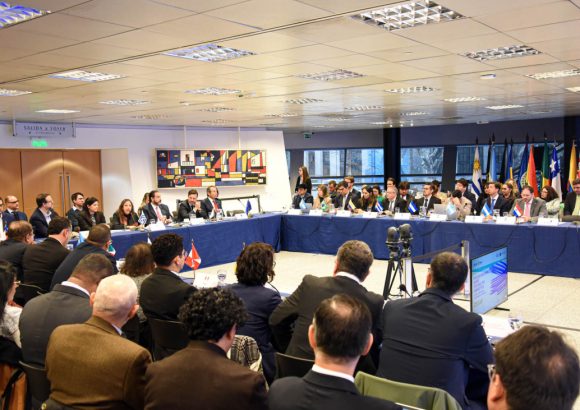
    At the formal commencement ceremony held at the Marriott Hotel, US Embassy Deputy Chief of Mission John Crippen outlined the program’s overarching objectives. “Under SOUTHCOM’s strategic direction, these medical engagements are designed to build enduring partnerships, bolster partner nations’ medical systems, and enhance our collective readiness for complex global challenges,” Crippen stated during the opening of the 2026 Lesser Antilles Medical Assistance Team (LAMAT) mission.

    The current LAMAT deployment marks the third such initiative, featuring collaboration between American medical professionals and their counterparts from Guyana, Suriname, St. Lucia, and St. Kitts and Nevis. The comprehensive mission includes over US$300,000 worth of medical supplies alongside extensive knowledge transfer and hands-on medical treatment programs.

    A specialized detachment from the United States Air Force, operating under SOUTHCOM’s coordination, is conducting emergency response training for Guyanese security personnel while simultaneously providing medical and dental services to local communities across multiple healthcare facilities. The program includes a four-day mass casualty training workshop at the Civil Defence Commission headquarters, involving approximately 60 healthcare professionals from regional medical facilities, emergency services, and security agencies.

    Colonel Theodore Liszeski, LAMAT Mission Commander, emphasized the program’s core philosophy: “Readiness begins with relationships. By working together today, we ensure when future challenges arise—whether natural disasters or public emergencies—we are already prepared to respond with trusted partners.”

    The 89-member multinational medical team will deliver services at six major healthcare institutions: Linden Hospital Complex, Diamond Regional Hospital, West Demerara Regional Hospital, De Kinderen Regional Hospital, Georgetown Public Hospital Corporation, and the Cheddi Jagan Dental School. Services encompass medical, surgical, ophthalmological, and dental care, building upon decades of US-Guyana medical cooperation that previously included HIV/AIDS prevention through PEPFAR and COVID-19 response initiatives.

    Guyana’s Health Minister Dr. Frank Anthony highlighted the mutual benefits of the partnership, noting that previous LAMAT missions introduced advanced surgical techniques previously unavailable in Guyana. “This collaboration provides valuable knowledge-sharing opportunities while allowing American medical professionals to gain experience in diverse clinical environments,” Dr. Anthony remarked. The Minister additionally expressed hope that future missions could extend services to remote interior regions, further expanding healthcare access to underserved communities.

  • Kharg-eiland: Iran’s ‘onaanraakbare’ olieslagader onder vuur

    Kharg-eiland: Iran’s ‘onaanraakbare’ olieslagader onder vuur

    In a significant escalation of regional tensions, recent US military operations have directly targeted Iran’s critical Kharg Island oil facility, challenging previous strategic restraint. Located approximately 25 kilometers off Iran’s southern coast, this 20-square-kilometer island represents the crown jewel of Iran’s petroleum industry, handling an estimated 90% of the nation’s oil exports through its extensive network of pipelines, terminals, and storage facilities.

    The Trump administration’s authorization of airstrikes marks a dramatic shift in US approach, resulting in measurable damage to Iran’s oil infrastructure that threatens both export capabilities and economic stability. Military analysts note that while the United States and Israel possess the technical capacity to strike Kharg’s heavily fortified installations, previous reluctance stemmed from concerns about triggering disproportionate retaliation.

    The strategic significance of Kharg Island cannot be overstated. Its deep-water port facilities accommodate supertankers unable to navigate the shallow Persian Gulf waters, making it an indispensable node in global energy networks. Historical precedent exists for targeting this facility—during the Iran-Iraq conflict, the island suffered repeated attacks that underscored its vulnerability despite defensive measures.

    Security experts warn that sustained attacks on Kharg could provoke severe countermeasures from Tehran, potentially including closure of the Strait of Hormuz—a critical maritime choke point through which 20% of global oil shipments pass daily. Such action would likely trigger immediate spikes in oil prices and disrupt worldwide energy supplies.

    Iran maintains multiple asymmetric response options, including intensified proxy operations through regional allies in Iraq, Lebanon, Yemen and Syria. The Islamic Republic has also developed substantial cyber warfare capabilities that could target Western energy infrastructure and economic systems in retaliation.

    Despite years of sanctions forcing economic adaptation, analysts question Iran’s ability to withstand sustained attacks on its primary export facility. While alternative pipelines to the Persian Gulf and Caspian Sea exist, their capacity remains limited, and clandestine export methods would struggle to compensate for major infrastructure damage.

    The coming weeks will prove critical in determining whether targeted strikes continue or expand into broader conflict, with global energy markets watching nervously as geopolitical tensions reach new heights.

  • Paus Leo roept media op om het lijden van de oorlog te laten zien

    Paus Leo roept media op om het lijden van de oorlog te laten zien

    In a powerful address to Italian television journalists from TG2 on Monday, Pope Leo issued a stark warning against media coverage that glamorizes warfare or serves as a propaganda tool for those in power. The first American pontiff emphasized the critical role of journalists in presenting the authentic human cost of conflicts rather than sanitized versions that resemble video game narratives.

    “Within the dramatic circumstances of war, such as those we are currently witnessing, information must guard against the risk of descending into propaganda,” Pope Leo stated during the meeting. He made a direct appeal for reporters to “show the true face of war and narrate it from the victims’ perspective, ensuring it doesn’t become merely a video game.”

    The pontiff stressed that journalists have a fundamental responsibility to “verify information thoroughly, preventing news from becoming a megaphone for powerful interests.” While not explicitly naming specific conflicts, his comments came amid intensified calls from the Vatican for an immediate ceasefire in the escalating U.S.-Israeli military engagement with Iran.

    This warning echoes earlier criticism from Cardinal Blase Cupich of Chicago, who recently condemned a White House social media video that intercut actual war footage from Iran with scenes from video games and action films, calling the presentation “disgusting.” Pope Leo’s Sunday remarks had already characterized the violence in the conflict as “horrifying atrocities,” representing some of his strongest language on the subject to date.

    The Vatican’s position reflects growing concern about how modern conflicts are portrayed in media and the potential desensitization of global audiences to the real human suffering caused by warfare.