分类: world

  • Today in History: French landed in Lagoon 18 March 1649

    Today in History: French landed in Lagoon 18 March 1649

    March 18, 1649, marks a pivotal moment in Caribbean history when French colonists from Martinique initiated the first successful European settlement on the island of Grenada. This expedition, led by Governor Jacques Dyel du Parquet, culminated in a landing at St. George’s Harbor following decades of failed colonization attempts by various French adventurers.

    The strategic push for Grenada’s colonization emerged from its perceived economic potential and proximity to South American trade routes. Prior efforts by prominent figures including Phillip de Poincy (1639/40) and Jean Aubert (1643) had collapsed due to Carib resistance and logistical challenges. In 1645, Philibert de Noailly received a gubernatorial commission but similarly failed to establish a foothold.

    Du Parquet’s meticulously planned operation departed Martinique on March 14, 1649, with two vessels and two barks carrying 45 colonists, construction materials, and military supplies. After anchoring offshore on March 17, the French established Fort l’Annunciation on March 25, formally claiming the territory through a ceremonial act of possession.

    Initial encounters with the indigenous Island Carib population involved tense negotiations rather than immediate conflict. French accounts claiming Chief Kairoüane sold Grenada for trivial trade goods like beads and brandy are contradicted by historical evidence showing the Caribs understood the interaction as trade, not land transfer. The chief’s subsequent banishment by his people for failing to expel the French further undermines the legitimacy of these colonial claims.

    The French rapidly developed agricultural settlements, cultivating both subsistence and cash crops. By June 1650, du Parquet had purchased Grenada, Martinique, St. Lucia and the Grenadines from the bankrupt Compagnie des Isles de l’Amérique for approximately £1,660, retroactively legitimizing French control.

    Peaceful coexistence proved短暂 as Carib resistance intensified within seven months of settlement. The establishment of a second French settlement at Beausejour triggered a decade-long conflict featuring guerrilla warfare, ambushes, and bloody confrontations. The French ultimately prevailed through military superiority, systematically reducing the indigenous population and eliminating organized resistance.

    This colonial acquisition fundamentally altered Grenada’s demographic and cultural landscape, initiating the displacement and destruction of the island’s original inhabitants that would continue through the colonial era.

  • Vietnam will continue to support Cuba

    Vietnam will continue to support Cuba

    In a significant development for Cuba’s agricultural sector, President Miguel Díaz-Canel Bermúdez met with Nguyen Van Quang, President of Vietnamese firm Agri-VMA, to review the substantial progress of a collaborative rice cultivation project in Pinar del Río. The high-level discussion centered on the tripartite management model being pioneered in Los Palacios, which is demonstrating remarkable success in boosting wet paddy rice yields.

    The innovative project, operating through the Mariel Special Development Zone, employs a multifaceted approach: direct cultivation on usufruct land under a fully foreign-owned enterprise, formal partnership agreements with local Cuban producers, and the sale of advanced technological packages and inputs to growers in the Vueltabajo region for foreign currency. This diversified strategy is proving highly effective, generating impressive production metrics.

    President Díaz-Canel positioned these achievements as a direct manifestation of the agreements solidified with To Lam, General Secretary of the Communist Party of Vietnam, during his official 2024 visit to Cuba. The Cuban leader expressed profound gratitude for Vietnam’s steadfast support, asserting that such collaboration paves a clear path toward national rice self-sufficiency in the near future. He urged Agri-VMA to expedite the completion of established plans and to further intensify cooperative production and technological marketing efforts with local farmers, noting the project’s role as a beacon for attracting additional Vietnamese investment.

    In response, Mr. Quang conveyed his appreciation for the warm reception and reaffirmed the commitment of Vietnam’s leadership to continue supporting Cuba through its current economic challenges. He emphasized that his nation stands fully prepared to assist its ‘sister nation’ in overcoming these difficulties, highlighting the deep, fraternal bonds between the two communist-led countries. The meeting underscores a strategic international partnership actively working to strengthen Cuba’s food security and agricultural resilience.

  • Argentinië stapt officieel uit Wereldgezondheidsorganisatie, volgt VS in breuk

    Argentinië stapt officieel uit Wereldgezondheidsorganisatie, volgt VS in breuk

    Argentina has formally completed its withdrawal from the World Health Organization (WHO), aligning with the United States in a significant move that severs ties with the global health body. Argentine Foreign Minister Pablo Quirno announced the completion on Tuesday, marking exactly one year since the nation submitted its formal notification.

    The decision, initially announced in February last year and formally communicated in March 2023, reflects the libertarian and right-wing stance of President Javier Milei’s administration. Milei has been a vocal critic of the WHO’s COVID-19 pandemic management, labeling the organization a ‘shadowy institution’ that conducted ‘the greatest experiment in social control in history.’ This criticism specifically targeted global measures including mask mandates, social distancing protocols, and vaccination campaigns—policies frequently criticized by right-wing movements worldwide.

    While the WHO primarily functions as an advisory body without enforcing binding policies on member states, the withdrawal undermines international public health collaboration. WHO Director-General Tedros Adhanom Ghebreyesus had previously warned of such risks when the U.S. announced its departure, stating that withdrawal reasons were ‘misguided’ and would make both the departing nation and the world less safe.

    Despite exiting the WHO, Foreign Minister Quirno emphasized Argentina’s continued commitment to international health cooperation through bilateral agreements and regional forums. This approach, he noted, allows Argentina to maintain full sovereignty and policy autonomy while engaging in global health initiatives.

    The move reduces WHO membership to 194 nations, with Argentina following the precedent set by the United States earlier this year. The development signals growing tensions between global health governance and national sovereignty advocates in the post-pandemic era.

  • Middle East Conflict Threatens Global Food Supply, UN Warns

    Middle East Conflict Threatens Global Food Supply, UN Warns

    The United Nations has issued an urgent appeal for an immediate cessation of hostilities in the Middle East, cautioning that continued conflict combined with the strategic closure of the Strait of Hormuz poses a severe threat to worldwide food security. According to a recent assessment by the World Food Programme (WFP), persistent regional instability could drive global hunger to unprecedented heights by 2026.

    Projections from the WFP indicate that an additional 45 million people could face acute food insecurity—classified as IPC Phase 3 or higher—should the conflict extend beyond mid-2026. This would compound the existing plight of the 318 million individuals already experiencing severe food shortages globally.

    The crisis is fueled by multiple interconnected factors, including soaring oil prices potentially reaching $100 per barrel due to geopolitical tensions involving Iran. More critically, the Strait of Hormuz serves as a vital transit route for a substantial share of the world’s fertilizer supply. Disruptions in this corridor threaten agricultural productivity during crucial planting seasons, potentially causing cascading failures in food production systems.

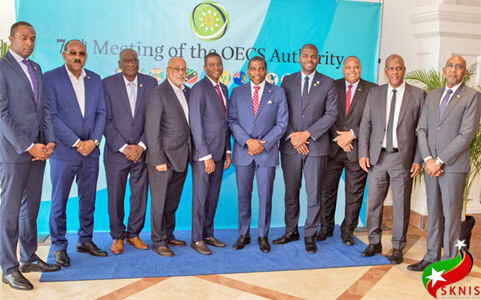
    Small, import-dependent nations—particularly Caribbean states—face immediate vulnerability to rising shipping and food costs. Nevis Premier Mark Brantley voiced these concerns, noting that international decisions already impact the Federation and warning of potential essential goods shortages should supply chains deteriorate.

    UN Deputy Spokesperson Farhan Haq drew parallels to the 2022 Ukraine conflict, which triggered a global cost-of-living crisis and pushed hunger levels to 349 million people. Haq emphasized that food prices during that period spiked rapidly but receded slowly, leaving vulnerable families priced out of staple foods for extended durations.

    In response, St. Kitts and Nevis is pursuing enhanced food security through its ’25 by 2030′ initiative, which aims to reduce food import dependency by 25% through increased domestic agricultural output and greater self-sufficiency.

  • Kenyan police begin withdrawal from Haiti

    Kenyan police begin withdrawal from Haiti

    Nairobi will commence the repatriation of its security personnel from Haiti starting Tuesday, marking the initial phase of a strategic drawdown from the international stabilization mission. This transition occurs simultaneously with preparations to deploy Chadian forces as part of a newly structured United Nations-backed security initiative.

    Dominican Foreign Minister Roberto Álvarez confirmed the progressive withdrawal plan, indicating that the Gang Suppression Force (GSF)—the mission’s successor—is projected to achieve full operational capacity by October. This staggered timeline facilitates an orderly handover, allowing incoming troops adequate preparation for Haiti’s complex security environment.

    The GSF represents an evolution of the previous Multinational Security Support (MSS) mission, which Kenya spearheaded to bolster the Haitian National Police against powerful criminal organizations controlling significant territories. Despite its authorization last year, the MSS operation remained predominantly Kenyan, with minimal reinforcements from Central American and Caribbean nations.

    The predecessor mission confronted substantial operational hurdles, including critical shortages in personnel, financial resources, and tactical equipment. Originally conceptualized for 2,500 deployed personnel, the force reached only approximately 970 members—primarily from Kenya. After more than a year of operations targeting gang leadership, the mission proved unable to reclaim territory from armed factions, underscoring the challenges of international security interventions in Haiti’s volatile landscape.

  • Justice : Haiti’s human rights expert, William G. O’Neill, is alarmed (video)

    Justice : Haiti’s human rights expert, William G. O’Neill, is alarmed (video)

    United Nations Special Representative William G. O’Neill has issued a grave assessment of Haiti’s deteriorating human rights situation following an extensive fact-finding mission. The expert documented widespread suffering among vulnerable populations, with gang violence triggering unprecedented internal displacement affecting approximately 1.4 million citizens.

    The investigation revealed catastrophic living conditions in makeshift settlements, where displaced families struggle without access to basic necessities including clean water, sanitation, healthcare, and education. A particularly disturbing finding concerns the rampant sexual violence occurring within these temporary camps, creating environments where daily survival remains the primary concern for inhabitants.

    O’Neill highlighted the plight of thousands trapped in gang-controlled territories, where youth face constant threat and systemic stigmatization from both security forces and the general population. This creates an impossible situation where young Haitians remain caught between violence and suspicion based solely on their geographic location.

    The report expressed serious concerns about security operations, including drone deployments resulting in civilian casualties. While acknowledging public support for the newly established Gang Suppression Force, O’Neill emphasized the critical need for transparency regarding its mandate and composition to build essential public trust.

    Beyond security measures, the assessment calls for urgent investment in violence prevention and rehabilitation programs, particularly noting the Prime Minister’s commitment to initiatives targeting former gang members. The expert specifically recommended creating a Haitian Youth Corps to provide constructive alternatives through education, employment opportunities, and community rebuilding initiatives.

    The mission documented severe institutional failures within Haiti’s justice system, with prison conditions described as inhuman and degrading. O’Neill observed extreme overcrowding, unsanitary conditions, and the inappropriate co-detention of adults and children in facilities at Port-au-Prince and Cap-Haïtien.

    Despite these challenges, the report acknowledged promising developments including the establishment of the Pôle Judiciaire to combat corruption and human rights violations. O’Neill called for strengthened international support, including enforcement of UN Security Council arms embargoes and targeted sanctions against those responsible for corruption and abuses.

    The expert concluded by recognizing the extraordinary courage of Haitian human rights defenders, journalists, and community leaders who continue working tirelessly amid the crisis, urging the international community not to abandon them during this critical juncture.

  • VN waarschuwt voor recordhonger en groeiend menselijk leed

    VN waarschuwt voor recordhonger en groeiend menselijk leed

    The ongoing military escalation between the United States, Israel, and Iran has triggered a catastrophic humanitarian emergency that now threatens to push tens of millions into severe food insecurity worldwide, according to United Nations agencies. What began as regional conflict has evolved into a global crisis with devastating ripple effects on food distribution systems, humanitarian aid routes, and essential supply chains.

    Carl Skau, Deputy Executive Director of the World Food Programme (WFP), revealed that attacks launched against Iran since February 28th have critically disrupted vital humanitarian corridors. This disruption has created dangerous delays in life-saving deliveries to some of the world’s most vulnerable crisis zones. Shipping costs have surged by 18% since the conflict’s inception, forcing costly rerouting of essential shipments that now face both logistical and financial barriers.

    The situation is particularly dire in Gaza, where residents face desperate shortages amid ongoing blockades. The closure of the Rafah crossing with Egypt has severely exacerbated the humanitarian situation, with only approximately 200 aid trucks managing to enter daily—far below the minimum requirement of 600 trucks identified by the World Health Organization. Meanwhile, in Sudan, months of fighting between military regimes and paramilitary groups have plunged the nation into chaos, leaving nearly half the population—over 21 million people—experiencing acute hunger, with famine conditions officially declared in some regions.

    Beyond immediate hunger concerns, millions across Iraq, Iran, and neighboring countries face immense psychological distress from continuous violence and displacement. Hundreds of thousands lack adequate shelter, clean water, and medical care, while mental health issues surge due to persistent trauma and fear. Rising costs of food, fuel, and basic necessities disproportionately affect the poorest populations, with growing unemployment and diminished purchasing power creating social tensions and long queues for essential goods.

    Humanitarian organizations now struggle with limited access to affected areas due to security constraints and political obstacles. The combination of escalating costs, constrained donations, and complex logistics has created a perfect storm that hinders timely delivery of critical assistance, pushing global food systems to the brink of collapse.

  • CCJ President proposes international climate injuries compensation fund

    CCJ President proposes international climate injuries compensation fund

    In a significant development in climate justice advocacy, Caribbean Court of Justice (CCJ) President Winston Anderson has formally proposed the creation of an International Climate Injuries Compensation (ICIC) Fund during the Inter-American Seminar on Climate Emergency and Human Rights in Brasilia, Brazil. The landmark proposal, presented on March 16, 2026, calls for mandatory corporate contributions to address climate-related damages in vulnerable nations.

    President Anderson articulated his vision before the gathering hosted by the Inter-American Court of Human Rights and Brazil’s Supreme Court, emphasizing that existing regulatory frameworks fall short of addressing urgent climate realities. While acknowledging the importance of the Inter-American Court’s Advisory Opinion No.32 of 2025, which establishes government obligations to regulate climate-harming corporations, Anderson stressed the necessity of practical implementation mechanisms.

    The proposed ICIC Fund would operate under the ‘Polluter Pays’ principle, requiring multinational corporations exceeding specific greenhouse emission thresholds to contribute financially through their operating states. Drawing inspiration from the International Maritime Organisation’s successful oil pollution compensation model, the fund would possess legal personality enabling affected nations to seek compensation for damages caused by extreme weather events.

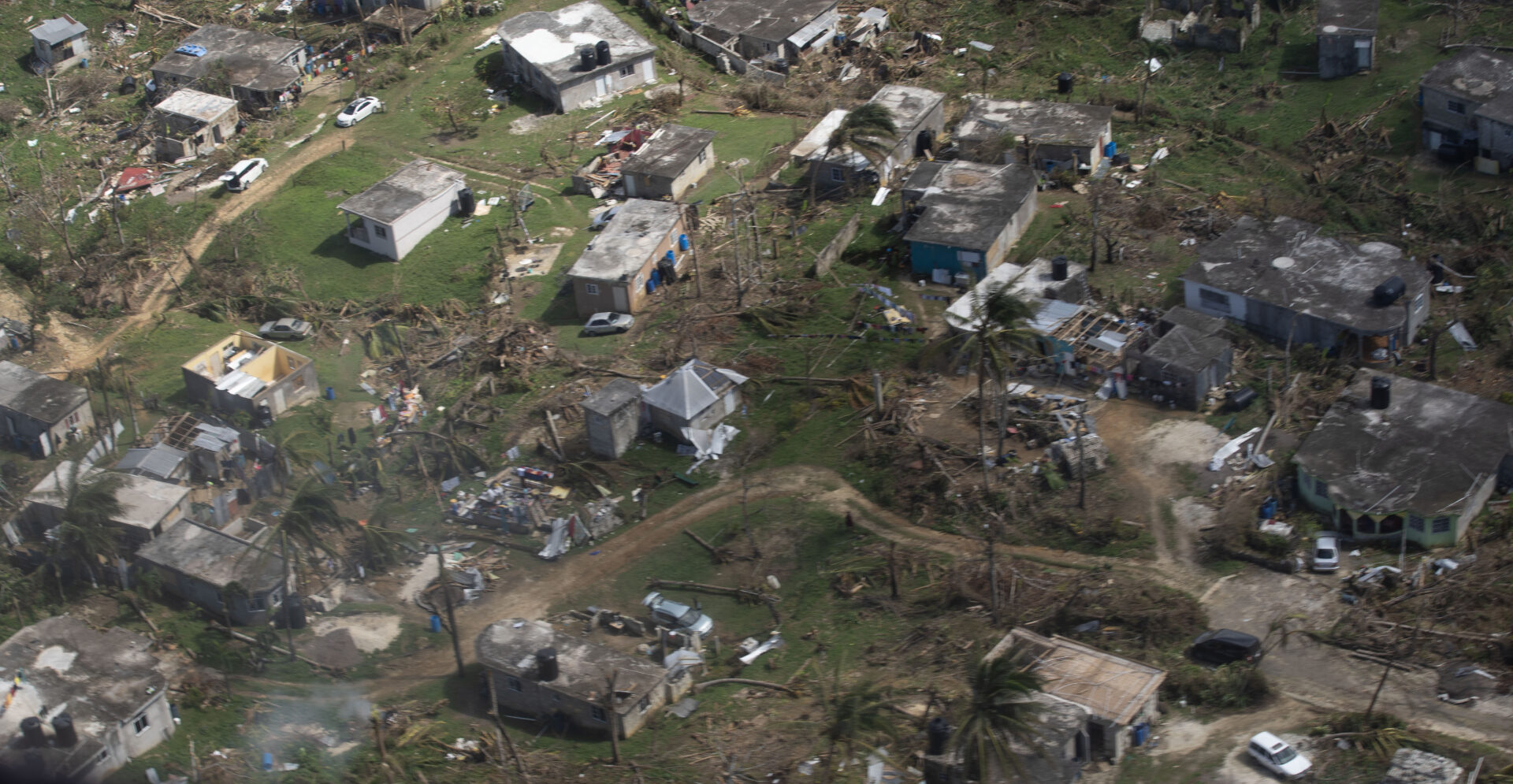
    Anderson expressed particular concern about the inadequate capitalization of the existing Fund for Responding to Loss and Damage (FRLD) established under the Paris Agreement. He highlighted the stark disparity between actual damages and available compensation, noting Jamaica’s situation where USD 6-7 billion in hurricane damages contrasts with maximum potential FRLD compensation of merely USD 20 million.

    The initiative, first introduced during Anderson’s keynote address at the CANARI Partners Forum in Barbados this January, represents a growing consensus among vulnerable nations that corporate accountability must translate into tangible financial responsibility for climate impacts.

  • CCJ President Proposes Global Climate Compensation Fund

    CCJ President Proposes Global Climate Compensation Fund

    In a significant development in global climate justice discourse, Caribbean Court of Justice President Justice Winston Anderson has put forward a groundbreaking proposal for an International Climate Injuries Compensation (ICIC) Fund. The initiative, designed to provide financial assistance to nations ravaged by climate-related disasters, was unveiled during the Inter-American Seminar on Climate Emergency and Human Rights in Brasília, Brazil.

    The seminar, jointly hosted by the Inter-American Court of Human Rights and Brazil’s Supreme Court, served as the platform for Justice Anderson’s compelling argument that existing legal frameworks, while important, remain insufficient in addressing the scale of climate devastation. He specifically highlighted the vulnerability of small island states, referencing the catastrophic impact of Hurricane Melissa in October 2025 as a prime example of the disproportionate suffering borne by Caribbean nations.

    Justice Anderson’s proposal establishes a novel mechanism whereby multinational corporations exceeding predetermined greenhouse gas emission thresholds would be mandated to contribute financially through their operating states. The fund would possess legal standing, enabling affected jurisdictions to pursue litigation following major climate events.

    Drawing inspiration from the International Oil Pollution Compensation Funds, the ICIC model operates firmly within the ‘polluter pays’ principle framework. Justice Anderson initially presented this concept at a climate justice forum in Barbados in January 2026, expressing particular concern about the implementation delays and funding inadequacies of the existing Paris Agreement loss and damage fund. He cited Jamaica’s situation as evidence, noting the country could access merely US$20 million despite facing an estimated US$6-7 billion in climate-related damages.

  • CCJ President Proposes International Climate Injuries Compensation Fund

    CCJ President Proposes International Climate Injuries Compensation Fund

    In a significant development for climate justice, Caribbean Court of Justice President Justice Winston Anderson has formally proposed the creation of an International Climate Injuries Compensation (ICIC) Fund during his address at the Inter-American Seminar on Climate Emergency and Human Rights in Brasilia on March 16, 2026. The landmark proposal calls for mandatory financial contributions from major corporate polluters to provide crucial compensation for devastating weather-related damages experienced by vulnerable nations.

    The seminar, jointly hosted by the Inter-American Court of Human Rights and Brazil’s Supreme Court, served as a platform to discuss the implications of the Court’s recent Advisory Opinion on climate emergency. While acknowledging this legal framework establishes government obligations to regulate climate-harming corporations, Justice Anderson emphasized that practical mechanisms remain insufficient for addressing urgent recovery needs following catastrophic events like Hurricane Melissa in October 2025.

    Justice Anderson expressed particular disappointment with the existing Fund for Responding to Loss and Damage (FRLD) established under the Paris Agreement, noting its inadequate capitalization and limited compensation capabilities. He highlighted the stark disparity between Jamaica’s eligible compensation of approximately $20 million versus the actual damages of $6-7 billion from recent climate disasters.

    The proposed ICIC Fund would operate under a ‘Polluter Pays’ principle, requiring multinational corporations exceeding specific greenhouse emission thresholds to contribute mandatorily through their operating states. Modeled after the International Maritime Organisation’s successful compensation framework for oil pollution, the fund would possess legal personality enabling affected parties to pursue claims directly in countries where climate disasters cause significant harm.

    Justice Anderson first introduced this innovative concept during his keynote address at the CANARI Partners Forum in Barbados this January. The Caribbean Court of Justice, inaugurated in 2005 and currently presided over by Justice Anderson, serves as both a regional trade court and final appellate jurisdiction for several Caribbean nations, representing a profound expression of regional independence and judicial maturity.