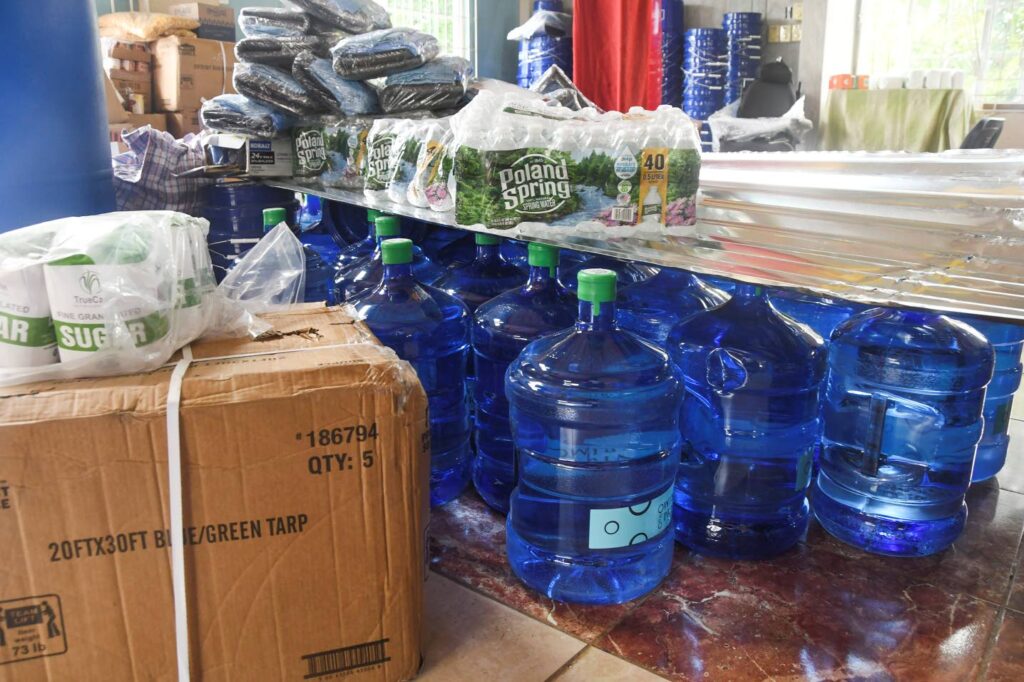
In a significant move to address the aftermath of Hurricane Melissa, Caribbean Community (Caricom) leaders, alongside international stakeholders, embarked on a comprehensive tour of Jamaica on Monday morning. The initiative, spearheaded by Jamaica’s Information Minister, Senator Dr. Dana Morris-Dixon, aims to provide a firsthand assessment of the widespread devastation caused by the hurricane, particularly in hard-hit regions such as Westmoreland and St. Elizabeth. Dr. Morris-Dixon emphasized the importance of this visit, stating, ‘It’s crucial for them to witness the situation on the ground and understand the challenges we face.’ She further highlighted that the tour would serve as a foundation for forging partnerships to aid Jamaica’s recovery and rebuilding efforts. Jamaica has already received substantial support from its Caricom neighbors and international allies, with many nations sending aid in solidarity. Dr. Morris-Dixon expressed gratitude for this assistance, noting, ‘It’s heartening to see sister countries standing with us during this difficult time.’ The tour also includes representatives from key international development organizations, such as the Inter-American Development Bank, whose support is deemed vital for the recovery phase. Prime Minister Dr. Andrew Holness, the current Caricom chair, welcomed his regional counterparts, underscoring the collective commitment to addressing the crisis. Dr. Morris-Dixon added that the relief efforts have been ongoing, with a focus on ensuring access to food and essential supplies for all affected communities, including those in remote areas. As Jamaica transitions from immediate relief to long-term recovery, the involvement of international partners is expected to play a pivotal role in rebuilding the nation’s infrastructure and economy.
分类: world
-

COP30: Klimaatdemonstranten eisen gehoord te worden
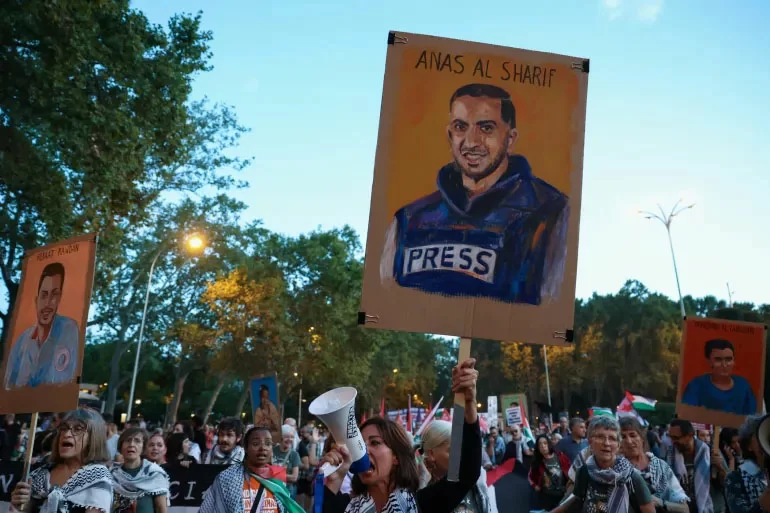
Thousands of activists from diverse environmental and social movements took to the streets of Belém, Brazil, during the United Nations Climate Change Conference (COP30), marking the largest protest day of the annual summit. Demonstrators, clad in symbolic attire, marched approximately 4 kilometers along a route passing the conference’s main venue. Some wore black dresses to symbolize a funeral for fossil fuels, while others donned red shirts representing the blood of environmental defenders. Chants, massive flags, and protest signs filled the air as activists called for urgent climate action.
-

Argentinians friends of Cuba paid tribute to Fidel Castro
The House of Friendship, a hub for the Argentine Movement of Solidarity with Cuba (MASCuba) in Buenos Aires, hosted a significant commemoration event that attracted a large and attentive audience. The gathering was a powerful reminder of unwavering support for Cuba’s revolutionary legacy and its people, who are currently grappling with multiple crises, including the aftermath of a devastating hurricane, the ongoing impacts of the COVID-19 pandemic, and the persistent U.S. embargo. The event featured a series of influential speakers who highlighted the enduring spirit of solidarity between Argentina and Cuba. Ruben Zaccaro, a prominent leader of MASCuba, inaugurated the proceedings, followed by Hugo Fontana, an Argentine architect who contributed to Cuba’s early development post-revolution. Stella Calloni, a respected Argentine political scientist, and Esteban Luchetta also shared their insights. Jorge Marti, head of the Cuban Mission, and Erenia Garcia, president of the Union of Cuban Residents in Argentina (URCA), concluded the event. Zaccaro reflected on Fidel Castro’s revival of Jose Marti’s emancipatory ideals, which inspired the historic attack on the Moncada Barracks—a pivotal moment that ignited the Cuban Revolution.
-

Nearly three million Dominicans live outside the Dominican Republic. Where are they?
The Dominican diaspora has grown significantly, with nearly three million Dominicans now residing outside their homeland. According to the 2024 Sociodemographic Registry Report of Dominicans Abroad, published by the Institute of Dominicans Abroad (Index), the total number of Dominicans living abroad has reached 2,874,124. This marks an increase of 27,408 individuals compared to the previous year, reflecting a growth rate of nearly 1%. The registry, updated until December 2024, spans 119 regions, including 95 sovereign states and 24 dependent territories, with new additions such as Egypt, the United Arab Emirates, and Qatar. Women constitute the majority of the diaspora, accounting for 53.5% (1,480,252), while men represent 46.5% (1,284,882). The youth demographic, aged 25 or younger, makes up 37.2% of the total, whereas those aged 55 and older account for 19.1%. Geographically, the Americas host the largest share of the diaspora, with 89.9% (2,580,924) of Dominicans residing there, followed by Europe with 10% (288,515). The United States remains the top destination, home to 2,398,009 Dominicans, followed by Spain (201,162), Italy (29,791), Chile (22,836), Canada (22,125), the Netherlands (17,979), and Venezuela (11,399). Other countries with notable Dominican populations include Mexico (10,539), Panama (8,785), France (8,699), the United Kingdom (8,149), Argentina (7,817), and Germany (6,580). Within the United States, New York has the highest concentration of Dominicans (848,560), followed by New Jersey (380,143) and Florida (312,604). In Spain, Madrid (68,448) and Barcelona (40,353) are the primary hubs for the Dominican community.
-

Insecurity : U.S. Marines exchanged fire with gang members
U.S. Marines stationed in Haiti to safeguard the American Embassy were involved in a firefight with suspected gang members earlier this week, according to military officials. The incident, which took place on Thursday evening in Port-au-Prince, saw Marines returning fire after being attacked. Captain Steven Keenan, a Marine Corps spokesperson, confirmed that no Marines were injured during the exchange. Keenan emphasized the Marines’ dedication to protecting U.S. embassies globally, stating they respond to threats with precision and professionalism. The U.S. State Department, Embassy in Haiti, and U.S. Southern Command have yet to comment on the incident. This clash follows heightened security measures implemented at the Embassy last year in response to escalating gang violence. In August, the Embassy announced the arrival of additional Marines to bolster security and support ongoing diplomatic efforts, including collaboration with Haitian police and a multinational security mission. Despite the volatile environment, the Embassy remains operational for emergency services, though it has reported nearby gunfire incidents earlier this year. The State Department had previously evacuated non-essential personnel in March 2024 and issued a travel advisory in July, declaring Haiti in a state of emergency.
-

World’s largest military aircraft carrier now in Caribbean Sea
The USS Gerald R Ford, the world’s largest military aircraft carrier, has arrived in the southern Caribbean Sea as part of a significant U.S. military build-up in the region. The deployment, led by the Gerald R Ford Carrier Strike Group (CSG), marks the largest military presence in the Caribbean in decades. While the U.S. government has framed the operation as a mission to combat narco-trafficking and dismantle transnational criminal organizations, it has also intensified pressure on Venezuelan President Nicolas Maduro, whom Washington views as an illegitimate leader facilitating illicit trade. The arrival of the CSG was confirmed in a November 16 statement, emphasizing its role in supporting the U.S. Southern Command’s (SOUTHCOM) efforts to counter narco-terrorism and protect the Homeland. Admiral Alvin Holsey, SOUTHCOM commander, highlighted the group’s readiness to address transnational threats destabilizing the region. The CSG will join forces already stationed in the Caribbean, including the Iwo Jima Amphibious Ready Group and the 22nd Marine Expeditionary Unit, as part of Joint Task Force Southern Spear. Rear Admiral Paul Lanzilotta, commander of Carrier Strike Group 12, described the USS Gerald R Ford as the most capable and lethal platform globally, deployed to safeguard national security and prosperity. The fleet’s presence coincides with the 22nd Marine Expeditionary Unit’s second visit to Trinidad and Tobago (TT) for joint training with the TT Defence Force (TTDF) from November 16 to 21. While TT’s Foreign Minister Sean Sobers defended the collaboration as essential for combating illegal drugs and weapons, Venezuelan President Maduro condemned the military exercises, warning they threaten regional peace. Maduro has accused the U.S. of seeking to overthrow him and called for public protests against the drills. This deployment follows the 22nd MEU’s first visit in October, which sparked similar condemnation from Caracas, leading to halted petrochemical deals with TT and the labeling of TT’s Prime Minister Kamla Persad-Bissessar as persona non grata.