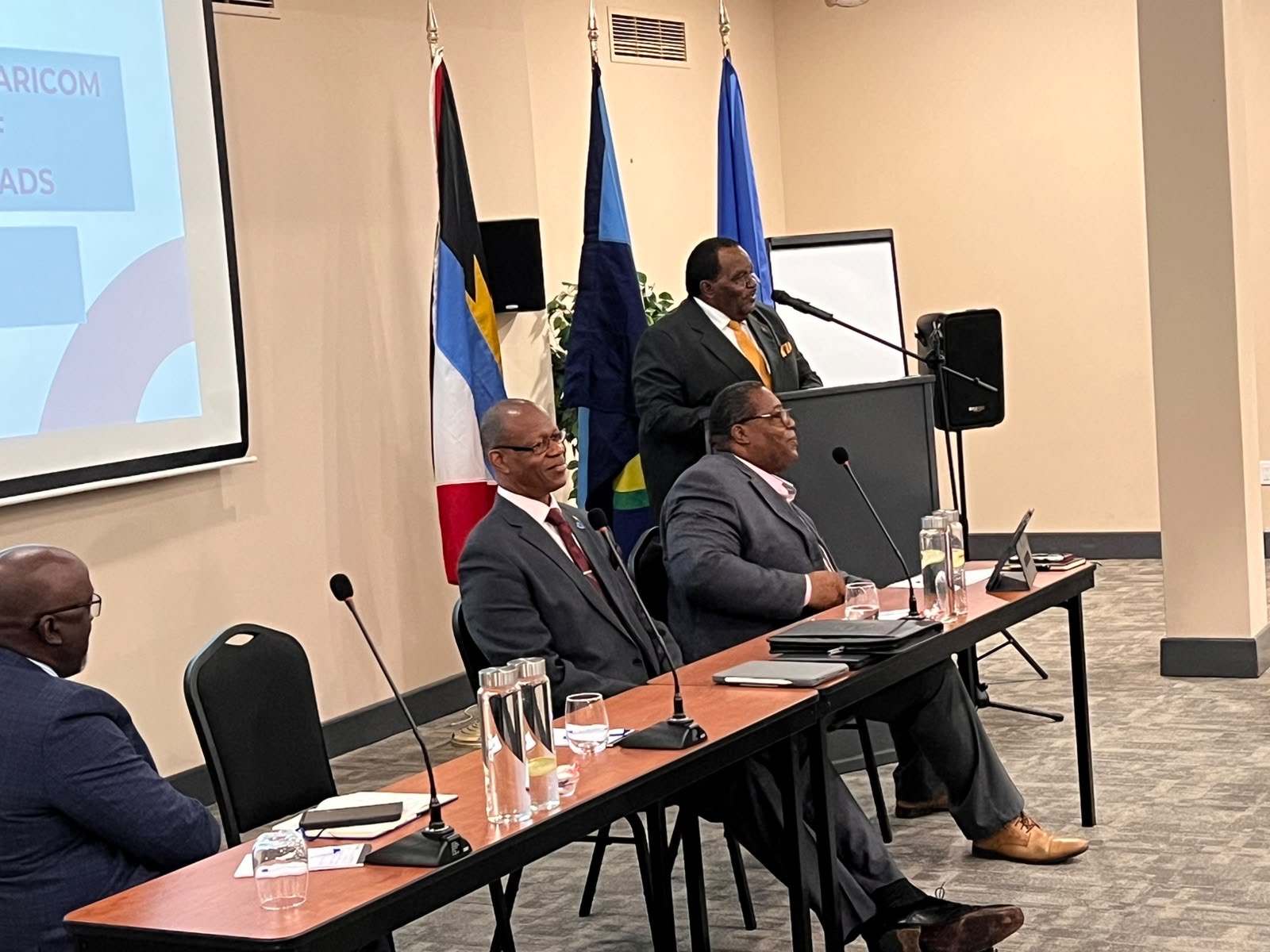
This week, the 35th annual Regional Intelligence Meeting kicked off in St. John’s, the capital of Antigua and Barbuda, with the island nation using the opening ceremony to reinforce its unwavering backing for cross-regional intelligence collaboration and collective security across the Caribbean basin. The country’s top law enforcement official, Attorney General Sir Steadroy C. Benjamin – who oversees the portfolios of justice, legal affairs, public safety and labor – delivered the keynote address on behalf of Prime Minister Gaston Browne, who was forced to miss the gathering due to a pre-scheduled prior commitment. After extending Browne’s formal apologies for his absence, Benjamin confirmed that the Antigua and Barbuda government stands fully behind the Regional Intelligence Meeting and the broader Caribbean regional security architecture. Speaking to a gathering of regional intelligence directors and senior security officials from across the Caribbean, Benjamin celebrated the forum’s 35-year history of facilitating coordination, framing the long-running event as clear proof of the region’s long-standing dedication to information sharing and joint action to counter cross-border criminal activity. In his remarks, the Attorney General sounded a note of caution that Caribbean states are confronting a growing array of increasingly complex and evolving security risks. These threats range from long-standing challenges, such as narcotics trafficking, the illegal weapons trade, human trafficking, and migrant smuggling, to newer concerns including violent extremism and cyber-facilitated financial fraud. He specifically highlighted cybercrime as one of the fastest-growing hazards facing the region, stressing that stepped-up intelligence-driven operations are urgently needed to map out and take down transnational criminal networks that operate across multiple Caribbean borders. Beyond discussions of ongoing threats, Benjamin also outlined Antigua and Barbuda’s ongoing preparations to host the Commonwealth Heads of Government Meeting (CHOGM) scheduled for November 2026. He noted that robust regional intelligence sharing will be an indispensable component of guaranteeing the safety and long-term success of this high-profile international gathering, which will draw leaders from across the Commonwealth of Nations. Framing intelligence gathering and sharing as the bedrock of effective policing, border management, counter-terrorism operations, and investigations into illicit financial activity, Benjamin urged regional intelligence leaders to continue deepening mutual trust through consistent practices of timely, secure, and professional information exchange. He also emphasized the critical need for updated national and regional legislative frameworks that enable lawful, effective intelligence operations. This, he argued, includes strengthening legislation targeting cybercrime, formalizing binding cross-border intelligence-sharing agreements, and updating robust data protection regulations to balance security needs with privacy rights. Closing the opening ceremony, Benjamin repeated the core message from Prime Minister Browne: protecting the Caribbean’s people, economies and borders requires a unified, region-wide approach rather than isolated national action. He closed by offering sincere gratitude to the assembled intelligence professionals for their often unseen public service, and expressed strong confidence that the three-day meeting would generate actionable, meaningful outcomes that will reinforce security for all members of the Caribbean Community. Over the course of the three-day summit, heads of national intelligence units, senior national security officials, and key regional security partners will work together to examine emerging security threats, expand collaborative mechanisms for intelligence sharing, and shore up the region’s collective ability to respond to shared security challenges.
分类: world
-
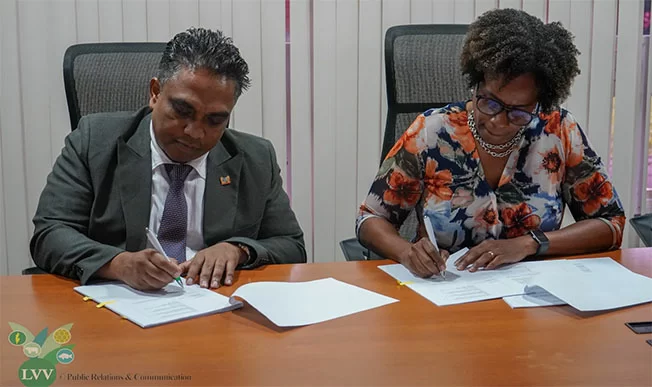
LVV en FAO ondertekenen projectcontracten ter waarde van bijna SRD 40 miljoen
PARAMARIBO, SURINAME – July 1, 2026 – Suriname’s Ministry of Agriculture, Livestock and Fisheries (LVV) has solidified a landmark partnership with the Food and Agriculture Organization of the United Nations (FAO), signing three project contracts that will inject nearly 40 million Surinamese dollars into transforming the South American nation’s agri-food sectors. The agreement signing ceremony, held Tuesday, marks the official kickoff of new development initiatives and the expansion of ongoing work to boost local production, address critical pest threats, and advance sustainable fishing across the region.
Representatives from both sides formalized the partnership, with LVV Minister Mike Noersalim signing on behalf of the Surinamese government and Gillian Smith representing the FAO. In remarks following the signing, Noersalim emphasized that the three projects align perfectly with the ministry’s long-term strategic vision to overhaul Suriname’s national agri-food systems. “Agriculture is the foundation of everything we build as a nation,” Noersalim noted, stressing the importance of forward-thinking investment to prepare for shifting economic dynamics.
The minister specifically highlighted the growing influence of Suriname’s emerging oil and gas sector, which is driving rapid economic expansion and pushing up domestic demand for safe, locally sourced food. This creates an urgent opportunity—and challenge—to strengthen the agricultural sector so it can keep pace with rising demand and support broader economic growth. To meet this goal, the LVV will actively support small and medium producers as they transition to professional, market-oriented operations, Noersalim added.
The largest of the three new initiatives is the $300,000 Boosting the Livestock Sector project, labeled TCP/SUR/4002, which centers on reducing Suriname’s reliance on imported milk, beef, and mutton by modernizing domestic production. A core component of the project will upgrade the country’s national laboratory capacity, allowing Suriname to conduct its own sustainable soil and feed analysis domestically instead of relying on external testing facilities.
The second project moves forward the second phase of a crop protection initiative, valued at $240,000, focused on controlling two devastating invasive pests: the carambola fruit fly and the tomato leafminer. The project will continue the work of Suriname’s entomology laboratory, which has already achieved key breakthroughs, including successfully rearing natural biological control agents for the carambola fruit fly and identifying a unique Surinamese biotype of the tomato leafminer that allows for more targeted management strategies.
The third project extends Suriname’s participation in the regional REBYC-III & EAF4SG fisheries management program through 2027. Under the initiative, Suriname will continue working with regional partners to advance sustainable bycatch management and protect marine biodiversity across coastal and deep-sea fishing grounds, cementing the fisheries sector as a core priority for the country’s sustainable development agenda.
The partnership comes as Suriname works to diversify its economy amid a growing extractives sector, ensuring that agricultural development keeps pace with national growth and delivers food security for local communities.
-

Exclusive report: New study raises fresh questions about security vetting in Caribbean Citizenship by Investment programmes
For years, Eastern Caribbean governments have operated Citizenship by Investment (CBI) programs, which grant citizenship to foreign applicants in exchange for substantial financial investment. As international scrutiny of these schemes has grown over the past decade, regional authorities have repeatedly defended their protocols, emphasizing that rigorous background checks and globally recognized due diligence frameworks effectively block high-risk and criminal applicants from securing citizenship. But a new peer-reviewed academic study published in the *Global Crime* journal, titled *Passports, Transactions and Trust: Middle Eastern Financial Executives on Money Laundering Risks in Caribbean Citizenship by Investment Schemes*, calls these official assurances into question, based on firsthand testimony from senior international banking leaders.
-
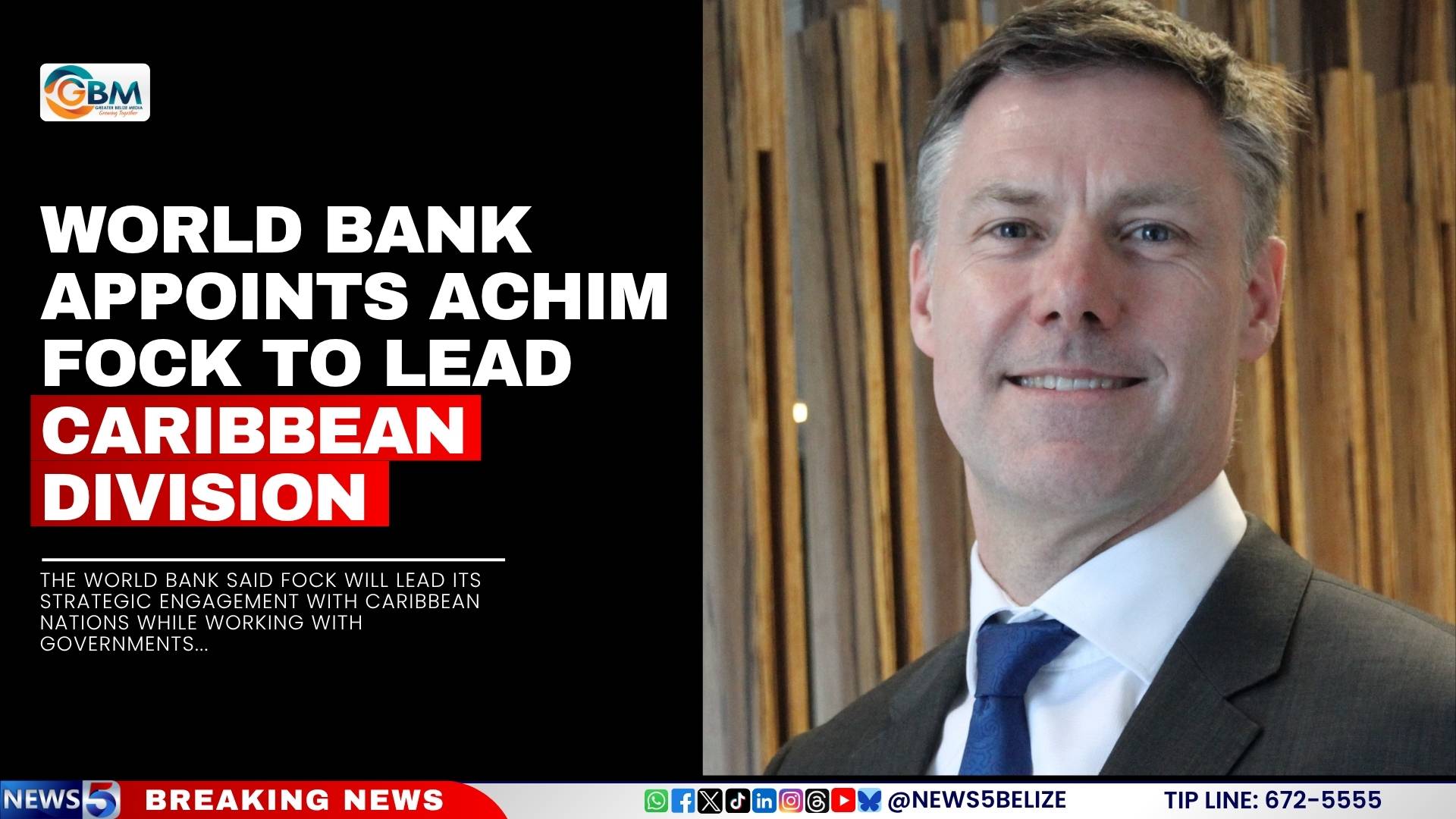
World Bank Appoints Achim Fock to Lead Caribbean Division
In a key leadership appointment for regional development, the World Bank announced Tuesday that it has selected Achim Fock to serve as the new Division Director for the Caribbean, effective July 1, 2026.
Fock will take the reins of the institution’s full portfolio across the Caribbean region, encompassing all lending operations, technical advisory support, and targeted development initiatives implemented by the global development body. A core part of his new mandate will be steering the World Bank’s strategic partnerships with Caribbean national governments, while also fostering collaboration with local civil society organizations and private sector stakeholders. The overarching goal of this coordinated engagement is to drive forward inclusive, sustainable development that builds long-term economic and climate resilience across the region’s small island and coastal nations.
Bringing to the role over a quarter century of institutional experience with the World Bank, Fock boasts a diverse track record of leadership across multiple emerging market regions globally. His most recent post was Country Manager for Zambia, where he oversaw development programming across Southern Africa. Prior to that role, he held senior operational leadership positions across Southeast Asia, covering Brunei, Malaysia, the Philippines, Thailand, and Vietnam. He also built his early career as a senior economist, working on development challenges across a broad range of countries in Africa, East Asia, and Eastern Europe.
In his new position, Fock has outlined a clear set of priority focus areas aligned with the Caribbean’s most pressing development needs. Top priorities include supporting local economies to expand inclusive job creation, unlock sustained broad-based economic growth, accelerate the just transition to low-carbon clean energy systems, boost national capacity for disaster risk preparedness and response, deliver climate-resilient infrastructure, and strengthen overall macroeconomic and social resilience to global shocks.
Fock holds impressive academic credentials to back his decades of practical development experience: he earned a PhD in Agricultural Economics, two master’s degrees in Agricultural Science and Agricultural Economics respectively, and a postgraduate diploma focused on European Integration and International Economics.
-

St. Kitts and Nevis, Afreximbank Postpone ACTIF 2026 Over Ebola Concerns
BASSETERRE, St. Kitts – In a joint announcement that underscores prioritization of global public health safety, the Government of St. Kitts and Nevis and the African Export-Import Bank (Afreximbank) have confirmed the postponement of the 2026 AfriCaribbean Trade and Investment Forum (ACTIF 2026), a decision driven by growing Ebola-related public health concerns across parts of Africa.
Originally slated to convene at the St. Kitts Marriott Resort, the fifth annual iteration of the forum was expected to draw hundreds of delegates, cross-border investors, and senior business leaders from African and Caribbean nations, all gathered to strengthen trade ties and unlock new investment opportunities between the two regions. The event plays a key role in connecting small and medium enterprises, connecting regional markets, and fostering long-term economic partnerships between African and Caribbean economies.
In a shared statement distributed to all registered delegates and participating stakeholders, the two organizing bodies confirmed that the forum will not proceed on its originally scheduled timeline. The joint announcement notes that the deferral came after careful review of the most recent guidance from regional, continental, and global public health agencies amid the rapidly evolving outbreak.
“This decision has been taken following the latest updates from regional, continental and international public health authorities regarding the evolving public health situation in some parts of Africa,” the statement read. “Out of caution, and with the health, safety and well-being of delegates, speakers, partners, sponsors and other participants in mind, Afreximbank and the Government of Saint Kitts and Nevis have agreed that the deferral of the Forum is the most responsible course of action at this time.”
The decision comes as the Ebola outbreak in the Democratic Republic of Congo (DRC) continues to escalate, with official data showing steady increases in both confirmed cases and fatalities. As of June 29, the European Centre for Disease Prevention and Control (ECDC) reports that DRC health authorities have logged 1,333 confirmed Ebola cases and 399 associated deaths. That figure marks an increase of 26 new confirmed cases and 22 additional deaths compared to the prior reporting window. Currently, 609 confirmed patients are receiving treatment in isolation facilities, according to the ECDC.
To date, 189 patients infected with the Bundibugyo Ebola strain — the variant driving this outbreak — have recovered from the virus. Public health officials also note that 82.7 percent of all identified close contacts of infected patients are under active monitoring in the two most affected provinces: Ituri and North Kivu.
The vast majority of confirmed transmissions are concentrated in Ituri Province, where 1,214 cases and 335 deaths have been recorded across 23 of the province’s 36 health zones. North Kivu has recorded 116 confirmed cases and 63 deaths, while South Kivu has reported three cases including one fatality. Overall, 35 of the DRC’s 104 total health zones are currently impacted by the ongoing outbreak.
Despite the difficult decision to postpone, both Afreximbank and the St. Kitts and Nevis government extended their gratitude to all delegates, sponsors, partner organizations, and stakeholders who invested time and resources into preparing for the 2026 forum. “The decision to defer the Forum was not taken lightly, and we sincerely regret any inconvenience this may cause,” the statement added. As of the July 2 announcement, no new date has been set for the rescheduled ACTIF 2026.
-
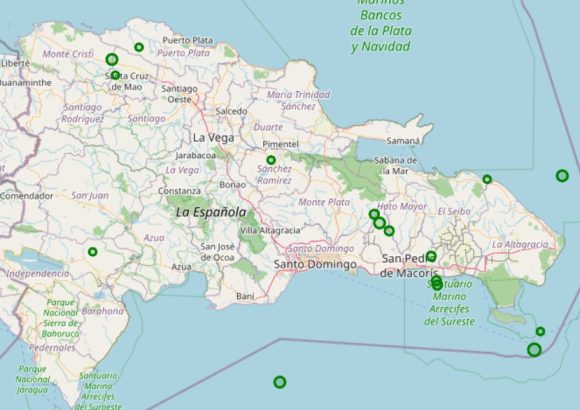
Nine earthquakes recorded across Dominican Republic in one day
The Dominican Republic experienced a cluster of low-intensity seismic activity on Wednesday, when nine minor earthquakes were detected across the island nation by the National Seismological Center, operated by the Autonomous University of Santo Domingo (UASD).
According to the center’s official report, the magnitudes of these tremors fell between 2.2 and 3.5 on the Richter scale. The most powerful of the nine events, registering a 3.5 magnitude, struck just after noon local time in waters southwest of Saona Island. Other seismic events were pinpointed in regions near Catalina Island, San Pedro de Macorís, Miches, Hato Mayor, Sabana Grande de Palenque, Guayubín, and Los Hidalgos, covering both coastal and inland areas of the country.
Geologists noted that the majority of the recent seismic activity originated offshore, in the Caribbean Sea and the Atlantic Ocean, though a small number of tremors were recorded on land. As of Wednesday evening, no official reports of structural damage or bodily harm caused by the cluster of earthquakes had been released by local emergency management agencies.
This new sequence of minor tremors comes less than seven days after a stronger magnitude 5.1 earthquake hit the region on June 26. That earlier event was felt across large swathes of the Dominican Republic, triggering precautionary evacuation protocols at multiple public facilities across the country as a safety measure.
-
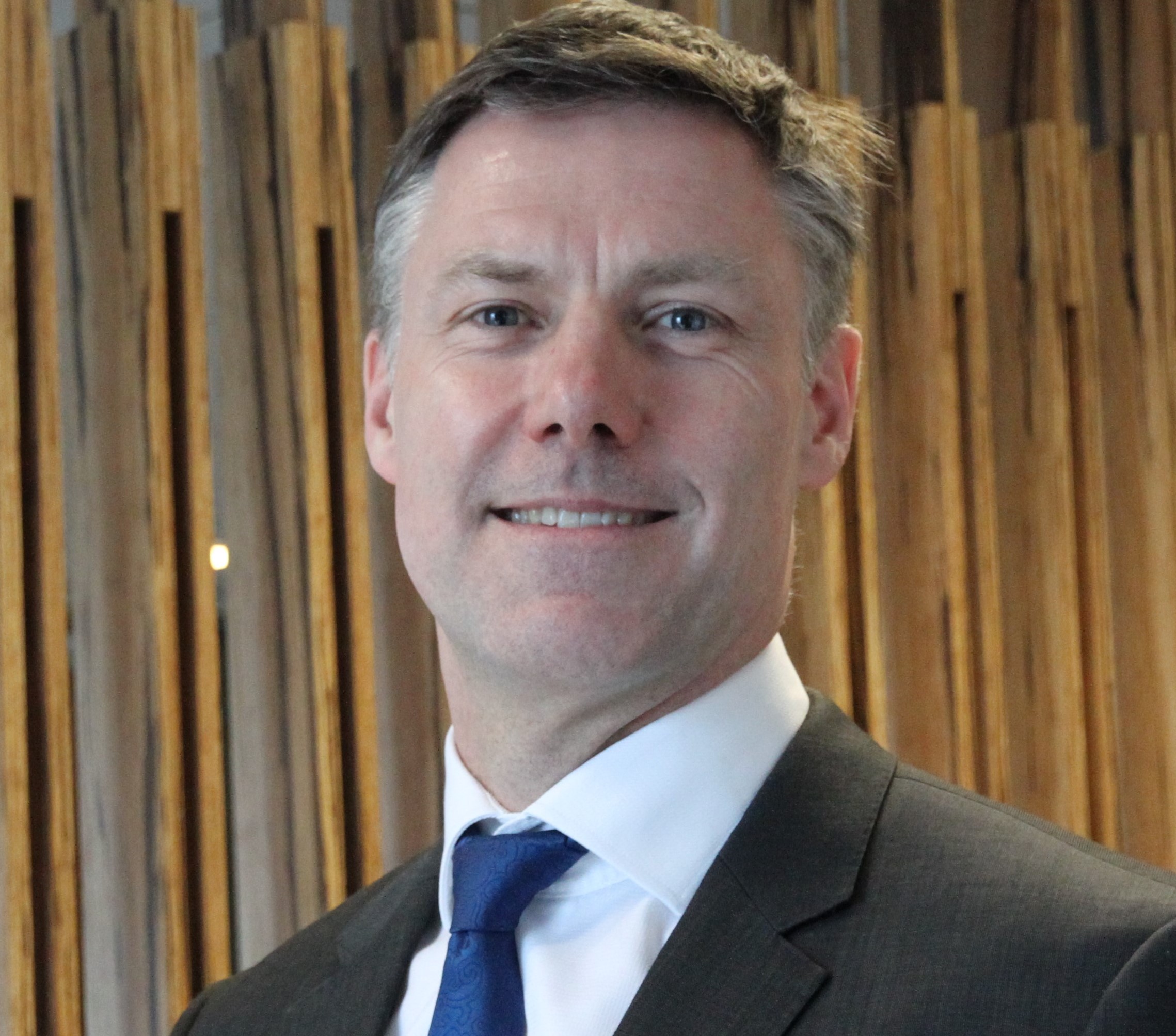
World Bank Appoints Achim Fock as Division Director for the Caribbean
The World Bank has revealed a key leadership appointment for its regional work in the Caribbean, announcing Wednesday that Achim Fock will take up the post of Division Director for the Caribbean region. In this senior leadership role, Fock will steer the global development institution’s strategic partnerships and active project portfolio across all Caribbean nations, with oversight over a broad portfolio of initiatives including development lending, data-driven analytical work, policy advisory services, and targeted trust fund programs. All of these efforts are focused on advancing inclusive, sustainable, and shock-resistant development across the small and vulnerable economies of the region. Fock brings a quarter-century of hands-on experience within the World Bank’s global network to his new role, giving him deep institutional knowledge of the bank’s operating models and development priorities. Most recently, he served as Country Manager for Zambia, where he led portfolio oversight and direct engagement with national government stakeholders and development partners. Prior to his posting in Southern Africa, Fock held the role of Operations Manager for four major Southeast Asian economies: Brunei, Malaysia, the Philippines, and Thailand. He also previously served as Operations Manager for Vietnam, and has held senior leadership roles including Manager of the Development Effectiveness Unit for the South Asia region. Early in his World Bank tenure, Fock worked as a Senior Economist, delivering policy and economic analysis across multiple countries across Africa, East Asia, and Eastern Europe, building a global perspective on diverse development challenges. In his new position, Fock will take ownership of all the World Bank’s regional programming across the Caribbean. Core priorities will include expanding and strengthening collaborative partnerships with national governments, local civil society organizations, and private sector actors across the region. He will also lead the bank’s support to Caribbean nations as they navigate a complex set of interconnected development challenges. These pressing priorities include expanding job creation and driving inclusive growth in key economic sectors, supporting a just and affordable energy transition to meet global climate commitments, and building comprehensive 360-degree resilience across the region. Key resilience-focused efforts will include expanding investment in disaster risk preparedness and accessible disaster risk financing, delivering climate-resilient infrastructure, and strengthening broad economic resilience to withstand global shocks and climate impacts. Fock holds an impressive academic background aligned with his development work: he earned a PhD in Agricultural Economics, two master’s degrees in Agricultural Science and Agricultural Economics respectively, and a postgraduate diploma focused on European Integration and International Economics.
-
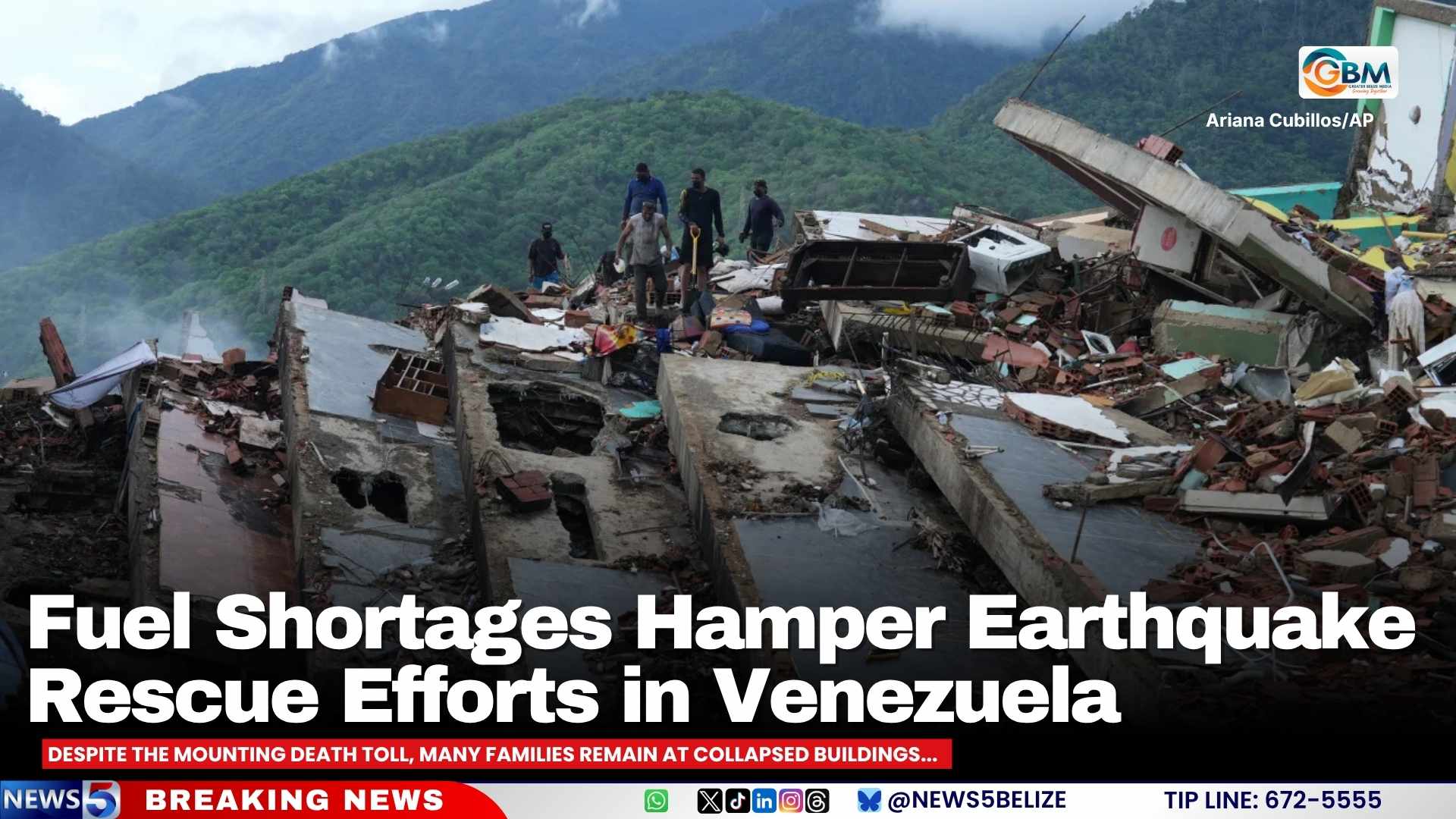
Fuel Shortages Hamper Earthquake Rescue Efforts in Venezuela
Nearly a week after two powerful earthquakes tore through Venezuela’s northern coastal region of La Guaira, desperate families and volunteer rescuers are still digging through mounds of collapsed concrete and debris by hand, crippled by widespread fuel shortages that have left state-owned heavy rescue machinery idle, CNN reports. The devastating disaster has laid bare deep systemic failures in the country’s emergency response framework, drawing sharp criticism from observers and triggering a small-scale corruption scandal that has compounded public anger.
In one high-profile example of the logistical gridlock, a large excavator parked meters from a major rubble pile has sat completely unused since the earthquakes struck, with no gasoline available to power its engine. Without access to the heavy equipment that could speed up search efforts, locals hoping to locate missing loved ones have been forced to rely on nothing more than basic hand tools — shovels, pickaxes — and their own bare hands to sift through wreckage.
The botched response has amplified longstanding criticism of the Venezuelan government’s disaster preparedness. Political analyst Carmen Beatriz Fernández notes that the ongoing crisis exposes the severely diminished capacity of national institutions to coordinate large-scale emergency operations when disaster strikes. Adding to the controversy, Venezuelan law enforcement agencies have announced the arrest of four public officials who are accused of looting valuables from the earthquake wreckage. All four have been removed from their positions and their cases have been transferred to the national judiciary for prosecution.
As of Tuesday, the official confirmed death toll from the quakes has risen to at least 1,943, but aid workers and local residents fear the actual number of fatalities is far higher, as hundreds of people remain unaccounted for buried beneath destroyed buildings. In response to the growing need for body recovery, the United Nations has reportedly begun the process of procuring 10,000 body bags to support ongoing recovery operations. Even as the death count continues to climb and hopes of finding more survivors fade, scores of grieving families continue to gather at disaster sites, clinging to the slim possibility that their loved ones will be pulled out alive.
-
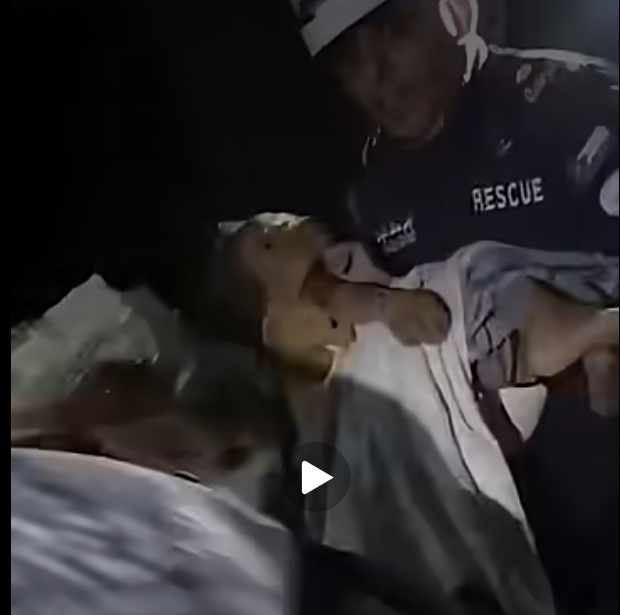
Three-year-old rescued and taken to hospital six days after Venezuela quake
A remarkable story of survival has emerged from the wreckage of a recent earthquake in Venezuela, where rescue teams have pulled a three-year-old child alive from collapsed structures six full days after the seismic event struck. The young survivor was immediately airlifted by emergency responders to a nearby medical facility for urgent assessment and treatment, leaving both rescue workers and the local community stunned by the extraordinary outcome.
The earthquake, which hit the South American nation recently, caused widespread destruction across affected regions, toppling buildings, displacing hundreds of residents and cutting off critical infrastructure access for first responders. For six straight days, search and rescue teams worked around the clock, sifting through tons of concrete and debris in the hopes of finding any remaining survivors trapped beneath the ruins—an effort that many thought would only yield recovery of victims, not living people.
Local health officials have not yet released detailed information about the child’s condition, but initial reports from emergency crews confirm the toddler was responsive when found, marking one of the most uplifting moments in the aftermath of the natural disaster. Rescue team leaders have praised the tenacity of their crews, who refused to abandon the search even as the window for finding surviving survivors narrowed dramatically after the first 72 hours, the typical critical period for earthquake rescue operations.
The international disaster response community has been monitoring the situation in Venezuela closely, with multiple organizations offering logistical support and additional resources to assist with search, rescue and recovery efforts. This unexpected miracle has given a glimmer of hope to a nation grappling with the aftermath of the quake, which has already claimed an untold number of lives and left many more homeless.
-
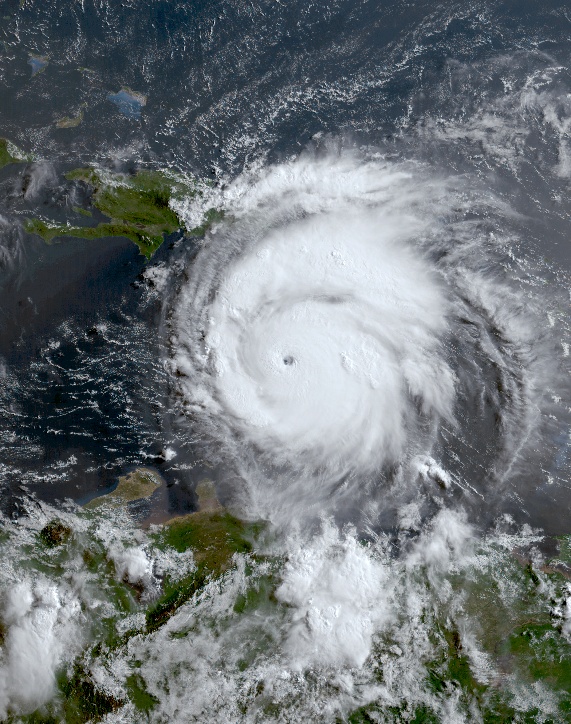
Today in history: Hurricane Beryl 1 July 2024
On July 1, 2024, a meteorological anomaly that would go down in Atlantic storm history tore through the eastern Caribbean, leaving irreversible early-season destruction in its wake. Hurricane Beryl, which defied all typical seasonal timelines to become the earliest Category 5 hurricane ever recorded in the Atlantic basin and the strongest storm to form before the start of July, made landfall directly across Grenada and its neighboring island chain of St. Vincent and the Grenadines.
Unlike the traditional Caribbean storm lore that holds “June too soon, August a must” for major hurricane activity, Beryl’s rapid, unexpected intensification caught the region off guard. Forecasters tracked the quickly strengthening storm’s trajectory toward northern Grenada and the small outlying sister isles of Carriacou and Petite Martinique through the early morning of July 1, and by mid-morning, the high-end Category 4 storm made its devastating direct hit on the two tiny islands.
While portions of mainland Grenada sustained severe damage, Beryl’s eye tracked directly over Carriacou and Petite Martinique, turning their postcard-perfect tropical landscapes into a scene of widespread catastrophe within hours. Grenadian government officials confirmed that roughly 95% of all structures across the two isles suffered damage or were completely destroyed, with the vast majority of remaining buildings losing their roofs. When Prime Minister Dickon Mitchell conducted an early aerial survey of the damage, he summed up the scene simply as “complete devastation.”
The storm claimed three lives in total, including one fatality on mainland Grenada when a falling tree collapsed onto a residential home. The near-total destruction of local communication networks delayed initial damage assessments for hours, leaving the central government unable to coordinate emergency response until lines of contact were finally reestablished. Once access was restored, first responders and assessment teams encountered a landscape stripped bare: uprooted, bare trees stood amid mountains of debris from collapsed buildings, and what had been a thriving community of cultural and natural beauty was left decimated.
One year on from the catastrophic storm, however, a quiet story of resilience is unfolding across Carriacou and Petite Martinique. With support from mainland Grenada and international partners, local residents have made measurable progress picking up the pieces and rebuilding their lives and communities. While vegetation has regrown across the scarred landscape, the work of recovery remains far from complete. Countless private homes still await full reconstruction, many local businesses have yet to reopen, damaged coastal mangrove ecosystems need replanting, and daily life has not fully returned to pre-storm norms.
Even amid the ongoing work, the islands’ vibrant cultural heritage has become a cornerstone of the recovery effort. Communities are looking forward to the return of beloved annual traditions, from Maroon Fest and Big Drum Dance to Sugaring the Piton, when the colorful performances of Shakespeare Mas will once again fill the streets of Hillsborough. These returning traditions stand as a testament to the enduring spirit of the islands, signaling that Carriacou and Petite Martinique are steadily working their way back to full strength.