分类: world

  • Belize Moves Early to Help Farmers Ahead of Drought

    Belize Moves Early to Help Farmers Ahead of Drought

    As climate forecasts point to a heightened risk of severe drought later this year, the government of Belize has moved ahead of the curve to activate a comprehensive support plan for agricultural producers across the country’s most vulnerable regions.

    Developed over nearly two years of collaborative work between the Belizean Ministry of Agriculture, Food Security and New Growth Industries, the National Meteorological Service, and the United Nations World Food Programme (WFP), the initiative introduces a first-of-its-kind Anticipatory Action system for the country. The framework was greenlit after long-range weather projections confirmed a high probability of below-average rainfall across Belize in the coming months.

    The core of the program delivers advance cash assistance to smallholder and commercial farmers operating in Orange Walk, Corozal, and Cayo — the three regions identified as facing the greatest drought risk. With this flexible funding, producers can invest upfront in drought adaptation tools: reinforced water storage infrastructure, climate-resilient seed varieties, and expanded irrigation equipment that will help them preserve crops through extended dry periods. Government officials emphasize that this pre-emptive investment is designed to lock in crop protection and cut avoidable production losses before drought conditions even set in.

    The proactive approach comes as climate scientists warn that El Niño conditions, which typically bring drier-than-average weather to much of Central America, are on track to develop by July. Northern and western Belize, the regions that host the bulk of the country’s small-scale agricultural operations, are particularly exposed, as most local farming systems rely entirely on natural rainfall rather than established irrigation networks.

    For WFP Representative Brian Bogart, the shift from post-disaster response to pre-emptive action marks a critical evolution in climate risk management. “Acting before a crisis hits doesn’t just protect farmers’ harvests — it safeguards their livelihoods and cuts the long-term public cost of emergency disaster response,” Bogart explained. “When farmers are able to keep their crops healthy and their incomes stable, entire communities avoid the cascading impacts of drought that can last for years after dry conditions end.”

    In recent years, Belize has seen a steady increase in the frequency and intensity of extreme climate events including prolonged droughts, a trend that has placed growing economic pressure on the agricultural sector — one of the country’s largest employers and export earners. Belizean authorities frame the new Anticipatory Action system as a foundational step toward more proactive climate planning, designed to build long-term resilience for the rural communities that are most vulnerable to shifting weather patterns.

    The entire initiative has been made possible through financial and technical support from a coalition of international development partners, including the governments of Canada, Ireland, and the United States, along with the European Union. This international backing has allowed Belize to build out the data infrastructure and delivery systems needed to turn early climate warnings into tangible action for at-risk producers.

    As the country prepares for the potential dry spell, officials stress that this pre-emptive model sets a new standard for climate adaptation across small island and developing states. By acting early, Belize aims not only to reduce immediate drought damage and protect rural livelihoods, but also to strengthen the nation’s overall capacity to face growing climate challenges in the decades ahead.

  • British High Commission supports Levera mangrove reforestation project

    British High Commission supports Levera mangrove reforestation project

    A landmark environmental partnership between the British High Commission in St George’s and Grenada’s St Patrick Environmental Community and Tourism Organisation (SPECTO) is driving forward critical ecosystem recovery at the Levera Pond, one of the Caribbean island nation’s most ecologically significant wetland sites. The collaboration, known as the Levera Pond Recovery: Mangrove Restoration and Education Initiative, is fully funded through the UK Government’s Bilateral Programme Fund, bringing both financial and community-focused support to a landscape still reeling from extreme weather damage.

    The initiative targets two core restoration priorities: expanding ongoing mangrove reforestation work across the protected wetlands, and rebuilding the popular public boardwalk that was heavily destroyed when Hurricane Beryl swept through Grenada in 2024. As a Ramsar-designated wetland of international importance, Levera’s mangrove ecosystems play an irreplaceable role in supporting native biodiversity, buffering coastal communities against storm surges, and maintaining the natural balance of the region’s marine and terrestrial habitats.

    Months into the project, early progress already demonstrates the power of cross-sector and community collaboration. To date, teams have successfully planted 423 mangrove seedlings, encompassing both native red and black mangrove species critical to the local ecosystem. Coordinated by project implementer Michael Forteau, the planting activities have been carried out by SPECTO community volunteers alongside students from Grenada’s TA Marryshow Community College (TAMCC), blending hands-on restoration work with impactful environmental education. The project has also delivered immediate local economic benefits, creating five full-time temporary positions for community members to support ongoing work at the site.

    During a recent site visit to assess progress, Resident British Commissioner Victor Clark joined SPECTO representatives for a mangrove planting activity and tour of the new boardwalk construction. After observing the work firsthand, Clark emphasized the urgency of protecting the vulnerable Levera ecosystem, noting that hurricane damage and additional stress from nearby construction have put the site at heightened risk. “Protecting the fragile environment and ecosystems of the Ramsar-designated Levera wetlands in Grenada is critically important — especially in the wake of Hurricane Beryl and the damage caused by nearby construction,” Clark said. “Seeing the impact firsthand has only strengthened my conviction, and I am proud that the British High Commission is partnering with SPECTO to support this vital work.”

    When the project wraps up later this year, organizers plan to host a public official launch event to celebrate the completed boardwalk reconstruction and showcase the early progress of the newly planted mangroves. Beyond this specific initiative, the British High Commission has reaffirmed its long-term commitment to supporting environmentally sustainable projects across Grenada that protect native biodiversity, build community climate resilience, and advance inclusive, sustainable local development.

  • Obductierapport: overleden goudzoekers niet door kogels geraakt

    Obductierapport: overleden goudzoekers niet door kogels geraakt

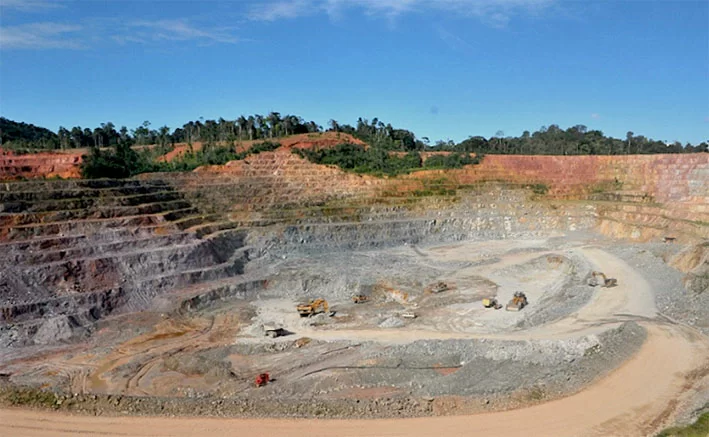
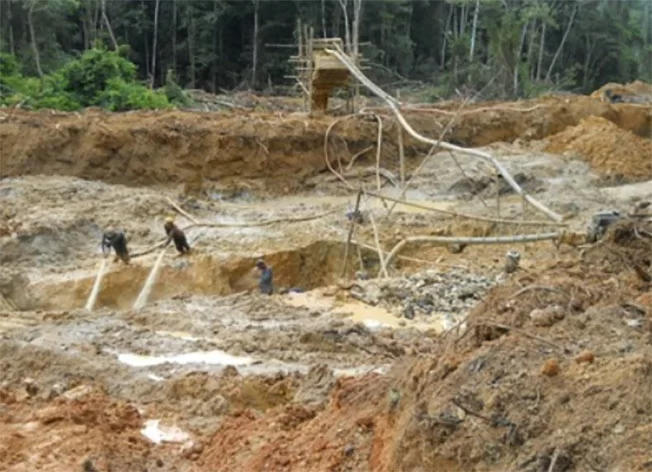
    On May 7, Suriname police released key findings from an autopsy into the deaths of two illegal gold miners who died during a government task force operation at a Zijin Mining concession, confirming the pair were not killed by gunfire as previously speculated.

    During a public press briefing, Regional Commander Sharveen Koelfat of Central Suriname presented partial results of the autopsy report, which was finalized and delivered to law enforcement mid-briefing. The two miners died from severe head and brain trauma sustained after falling from a significant height, Koelfat confirmed. Quoting directly from the document, Koelfat noted the first victim suffered compression of the cerebellum and fractures to the left anterior and middle cranial base, all consistent with a high fall. The second victim also showed brain swelling and blunt force head trauma that traced back to the same fall event.

    Koelfat added that forensic pathologists conducted a full search for bullet fragments and entry wounds, and found no evidence of projectile damage on either body. He went on to clarify key protocols that govern the task force’s work at the mining concession, countering circulating misinformation about the operation. Task force members are not permitted to remove any gold or gold-bearing rock from the site, Koelfat explained; all potential ore is left at the location, and personnel are searched by the mining company’s own security team before leaving the concession area.

    He also outlined the task force’s rules of engagement for eviction operations: officers only fire their weapons in exceptional, emergency circumstances. In most cases, Koelfat noted, illegal miners immediately flee when the task force arrives, often choosing extremely dangerous escape routes to avoid detection. Common high-risk choices include scaling steep cliff faces, running across uneven, jagged rock terrain, or jumping into open water while carrying heavy backpacks loaded with stolen ore. The commander also highlighted that illegal miners regularly document their unauthorized activities on social media, sharing videos that show them firing weapons and chanting hostile slogans against police, including calls for “war on the police”.

    Koelfat added that illegal miners often have advance intelligence about operations inside the concession, including controlled blasting work that uses explosives to loosen gold-bearing ore. Information on these operations spreads rapidly as far as the capital Paramaribo, drawing groups of unauthorized prospectors to the site to collect ore after blasts, despite the well-documented life-threatening risks of their activity. To date, four illegal miners have died in incidents connected to unauthorized prospecting at the concession in a short span of time, police confirmed.

  • IICA and Central American Agricultural Council strengthen partnership to advance agriculture and food security in the region

    IICA and Central American Agricultural Council strengthen partnership to advance agriculture and food security in the region

    Top agricultural leaders from two key inter-American organizations have sealed a new collaborative agreement to advance a unified regional agenda focused on lifting up agricultural resilience and productivity across Mesoamerica. The deal was reached during working meetings hosted at the headquarters of the Inter-American Institute for Cooperation on Agriculture (IICA) in Costa Rica, bringing together IICA Director General Muhammad Ibrahim and David Martínez, Executive Secretary of the Central American Agricultural Council (CAC).

    A public statement issued by IICA outlines that the joint agenda will center on three high-priority pillars critical to the region’s agricultural growth: expanding accessible agricultural insurance products, establishing regional guarantee funds, and refining targeted financing mechanisms to deliver much-needed support to small and large agricultural actors across the area. Beyond these core focus areas, the discussions also centered on deepening institutional collaboration around project design, streamlined resource allocation, and on-the-ground operational support for shared initiatives. As part of the growing partnership, Martínez formally extended an invitation for Ibrahim to take part in upcoming strategic CAC planning meetings scheduled for the coming weeks.

    To contextualize the partnership, the CAC operates as the official agricultural governing body under the Central American Integration System, tasked with developing and rolling out coordinated regional policies and cross-border projects spanning agriculture, forestry, and fisheries. Its membership includes the national agriculture ministers of eight regional economies: Belize, Costa Rica, the Dominican Republic, El Salvador, Guatemala, Honduras, Nicaragua, and Panama. At its core, the organization’s overarching mission is to advance regional food security and raise the global competitiveness of Central America’s agricultural sectors.

    One of the most urgent topics on the meeting’s agenda was preparing for the forecasted intense El Niño event projected to hit Central America later this year. Climatic forecasts warn that this event could bring extreme drought to the region’s vulnerable Dry Corridor, alongside sustained higher-than-average temperatures and significantly reduced rainfall across large swathes of agricultural land. During talks, both leaders prioritized developing data-driven decision-support tools built on peer-reviewed scientific evidence and actionable lessons drawn from past El Niño events to help farmers and policymakers adapt to coming climate shocks.

    Martínez’s official visit also served as an opportunity to reinforce long-term institutional ties between the two organizations, underscoring the critical value of coordinated regional collective action on a range of shared challenges. These cross-cutting issues include agricultural biosecurity, sustained food security, the complex links between agricultural disruption and human migration, and inclusive regional market development.

    For IICA, Central America has grown in strategic importance in recent years as a hub for project delivery, as well as technical and administrative support for national-level agricultural programs across the hemisphere. As such, IICA officials framed the deepened partnership with the CAC Executive Secretariat and other regional stakeholders as a core strategic priority for the institute’s work in the coming years, positioning the alliance to deliver tangible, long-term benefits for agricultural communities across Mesoamerica.

  • Saint Lucian groups invited to access funding for anti-plastic projects

    Saint Lucian groups invited to access funding for anti-plastic projects

    Across five Eastern Caribbean island nations, local groups now have access to dedicated financial support to turn their plastic waste reduction visions into tangible action, launching a new community-centered effort to address one of the region’s most pressing ecological threats.

    The Sustainable Small Grants Programme (SSGP) was developed as a core component of the broader “Closing the Caribbean Plastic Tap” initiative, designed from the ground up to elevate locally led solutions to systemic plastic pollution. Unlike top-down environmental interventions, the programme centers the expertise of groups that already work closely with local populations, prioritizing practical, scalable projects that deliver both ecological and economic benefits.

    Eligible participants span a wide range of local stakeholders across Antigua and Barbuda, Grenada, Saint Lucia, St Kitts and Nevis, and St Vincent and the Grenadines. Eligible entities include micro, small, and medium-sized businesses, community-based organizations, registered non-profits, worker cooperatives, primary and secondary schools, local community associations, and even informal grassroots groups that can show a proven track record of meaningful community engagement. The programme’s core mandate is to support on-the-ground interventions that cut down on the volume of plastic leaking into the Caribbean’s oceans, forests, and coastal ecosystems.

    A diverse array of project types are eligible for funding, ranging from hyper-local initiatives to growing small enterprises. Groups can apply for support to launch or expand community-wide curbside recycling programs, organized plastic waste collection drives targeted at high-leakage coastal areas, community-based refill stations and reusable container sharing systems, adoption of compostable packaging alternatives for local businesses, upcycling workshops that turn waste plastic into new goods, school-led education and waste reduction campaigns, and small manufacturing ventures that convert post-consumer plastic into usable construction or consumer products.

    Beyond environmental gains, the SSGP also has a clear economic focus: it prioritizes projects that generate formal employment and new income streams for local residents while addressing gaps in regional waste management infrastructure. Allocating a total of up to 80,000 euros (equivalent to roughly 254,000 Eastern Caribbean dollars) per participating country, individual awards range from 30,000 euros to 80,000 euros, allowing both emerging initiatives and established projects to scale their impact.

    Organizers emphasize that all successful grant recipients will be required to track and report measurable environmental outcomes, ensuring transparency and accountability for public environmental funding. Applications for the programme are currently open, with the submission deadline set for 11:59 p.m. Atlantic Standard Time on May 31, 2026. Full eligibility guidelines, application forms, and additional programme details are available to interested groups on the official IUCN Engage platform.

  • Cuyuni-passage: Guyanezen opnieuw beschoten door Venezolaanse schutters

    Cuyuni-passage: Guyanezen opnieuw beschoten door Venezolaanse schutters

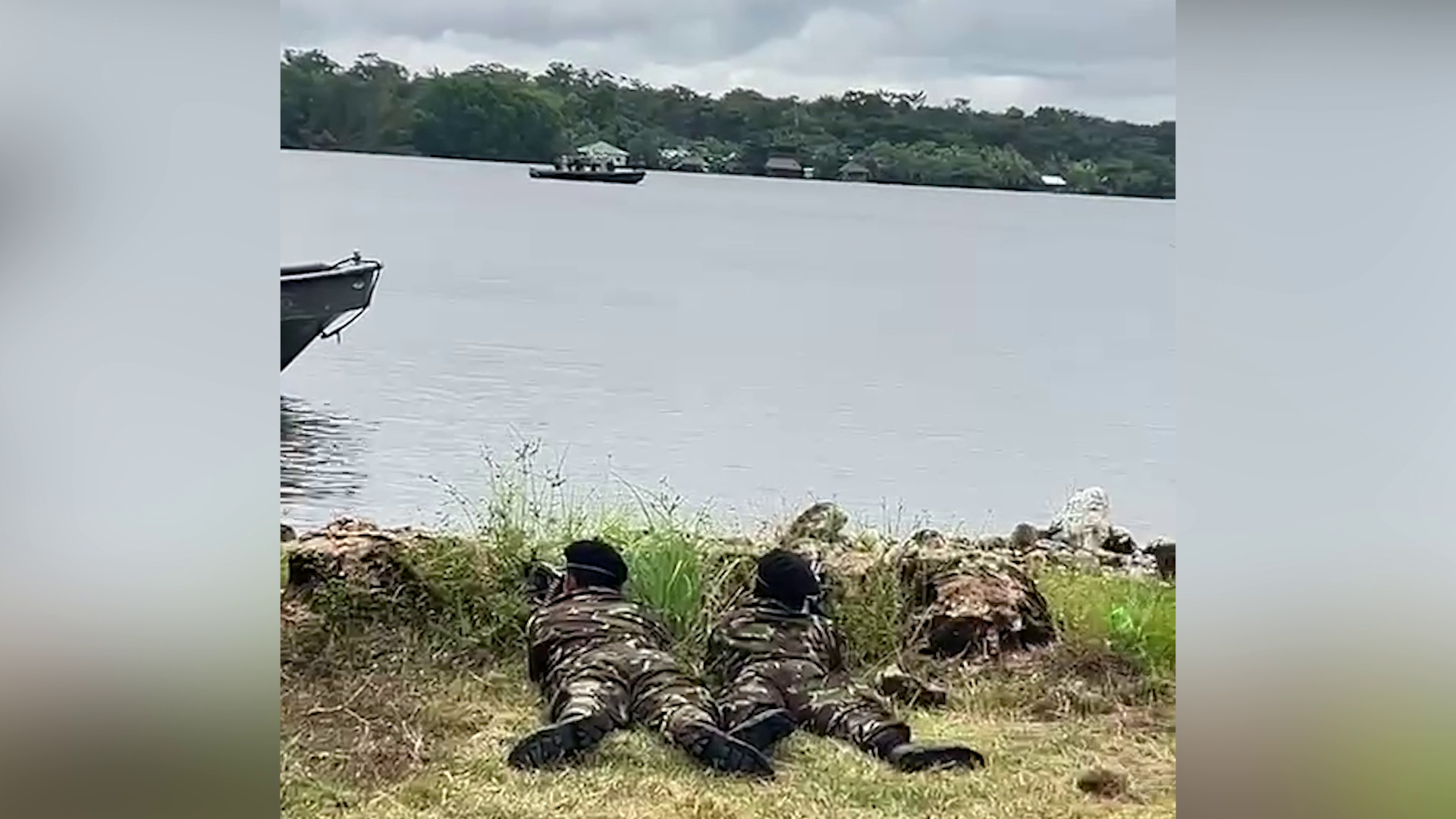
    Decades of simmering territorial dispute between Guyana and Venezuela have erupted in renewed violence along the Cuyuni River, the waterway marking the South American neighbors’ contested western border, after armed assailants opened fire on a Guyana Defence Force (GDF) patrol from the Venezuelan side of the river on Tuesday, May 5.

    The shooting unfolded as the GDF unit was conducting routine border security operations and escorting civilian vessels through the contested area, GDF officials confirmed in an official statement. The patrol came under hostile fire twice at pre-identified locations along the river, and responding in line with established operational protocols, the Guyanese troops returned fire. No injuries were reported in the Tuesday incident, and all civilian ships were successfully repositioned and escorted out of the high-risk zone without further incident.

    This confrontation marks the second consecutive day of armed violence in the already volatile border region. A day earlier, on Monday, GDF Lance Corporal Douglas was struck by two bullets in his right leg during a separate exchange of fire. He remains hospitalized for treatment at Georgetown Public Hospital Corporation, while another service member escaped unharmed after a bullet grazed his uniform.

    Local outlet Kaieteur News has documented that such shooting incidents have become alarmingly common, occurring almost daily in some stretches of the river, earning the Cuyuni a reputation as one of the most dangerous waterways for commercial and civilian navigation in the region. The persistent threat of attack has forced the GDF to deploy dedicated patrol boats to escort Guyanese civilians who rely on the river for their livelihoods, including artisanal miners and local traders.

    Tuesday’s attack also underscores the growing human cost of the ongoing border crisis: Douglas is already the ninth Guyanese military member wounded in Venezuelan-linked fire incidents over the past 12 months. The deadliest prior incident came in February 2025, when an ambush by a Venezuelan armed gang left eight GDF soldiers wounded during a routine border patrol.

    The root of the recurring violence stretches back decades, as Venezuela claims sovereignty over more than 159,000 square kilometers of territory in western Guyana, a region rich in gold, timber and newly discovered offshore oil reserves. The Cuyuni River forms a critical segment of this contested boundary, where illegal mining, smuggling and armed incursions have become frequent.

    In response to rising insecurity, the GDF has maintained an intensified patrol posture in the area for an extended period, with a mandate to protect civilian life and uphold Guyana’s territorial sovereignty. Despite the increased military presence, the risk of further violent clashes remains high, driven by the persistent presence of unregulated armed groups operating from the Venezuelan side of the border.

  • Four convicted of conspiracy in 2021 assassination of Haitian President Jovenel Moïse

    Four convicted of conspiracy in 2021 assassination of Haitian President Jovenel Moïse

    In a major legal milestone for the high-profile 2021 killing of former Haitian President Jovenel Moïse, a Florida federal court has delivered guilty verdicts against four men on charges tied to the assassination conspiracy, multiple U.S. media outlets confirmed Friday.

    The four defendants — Arcangel Pretel Ortiz, Antonio Intriago, Walter Veintemilla, and James Solages — were found responsible on two core counts: plotting to either kill or kidnap Moïse, and providing critical material support that enabled the 2021 attack. Additional convictions were also handed down for violations of the U.S. Neutrality Act, a federal law that bars citizens and residents from organizing hostile operations against foreign nations from American soil.

    With these convictions, the four men now face the possibility of life imprisonment behind bars, according to official case details. U.S. prosecuting attorneys have laid out that the South Florida region served as the central operational hub for the entire conspiracy. Prosecutors argue that plotters not only planned and funded the assassination from the area, but also worked to install their hand-picked replacement leader to take over Haiti following Moïse’s death.

    This conviction marks the latest development in a sprawling case that has already seen five other co-defendants plead guilty to charges connected to the assassination; those five are already serving out life sentences. The attack that put this conspiracy in motion took place on July 7, 2021, when Moïse was shot and killed at his private residence in Port-au-Prince, Haiti’s capital, in a brazen early-morning assault that sent shockwaves through the Caribbean nation and the international community.

  • US fire on Iran tankers sparks reprisals as deal hangs in balance

    US fire on Iran tankers sparks reprisals as deal hangs in balance

    On Friday, a U.S. fighter jet carried out precision strikes that disabled two Iran-flagged oil tankers in the Gulf of Oman, an action Washington framed as enforcement of an ongoing port blockade. The targeted attack immediately triggered Iranian retaliatory strikes and sent shockwaves through a tenuous regional ceasefire, arriving at a critical moment when Tehran was actively reviewing a new U.S. diplomatic proposal to end the 10-week-old Middle East conflict.

    The confrontation unfolded in a strategically vital waterway that acts as the primary gateway to the Strait of Hormuz, the chokepoint through which roughly a fifth of global oil supplies pass daily. U.S. Central Command confirmed that an F/A-18 Super Hornet used precision munitions to disable the two vessels, stating the action was intended to stop the ships from reaching Iranian territorial waters. In the immediate aftermath, an anonymous senior Iranian military official told local media outlets that the country’s naval forces had launched proportional retaliatory strikes against what it labeled “American terrorism and ceasefire violation,” adding that active clashes had ceased following the exchange.

    This latest flare-up came less than 24 hours after smaller-scale skirmishes in the strait, a waterway that a top adviser to Iran’s Supreme Leader has compared to holding “an atomic bomb” due to its outsized geopolitical importance. U.S. Secretary of State Marco Rubio, speaking to reporters during a diplomatic stop in Rome, repeated longstanding U.S. policy that Iranian control of the critical oil transit route is “unacceptable.” Rubio also confirmed that Washington was awaiting Tehran’s formal response to its latest peace proposal, shared via Pakistani intermediaries, and expressed cautious hope that the proposal would receive serious consideration from Iranian leadership.

    The proposal put forward by the U.S. would extend the current fragile Gulf ceasefire to create space for comprehensive negotiations aimed at reaching a permanent end to the conflict. The conflict began 10 weeks ago when U.S. and Israeli forces launched joint strikes against Iranian military and nuclear targets across Iran. Iranian Foreign Ministry spokesman Esmaeil Baqaei told Iran’s official ISNA news agency on Friday that the U.S. proposal remains “under review” by Iranian authorities, with no final decision yet issued.

    In the hours following the tanker strikes, Iranian officials ramped up diplomatic pushback against the U.S. action. Iran’s United Nations Ambassador Amir Saeed Irvani sent an official letter to U.N. Secretary-General and the Security Council accusing Washington of a deliberate violation of the existing ceasefire that undermines all ongoing diplomatic efforts to de-escalate. Iranian Foreign Minister Sayed Abbas Araghchi, in a phone call with his Turkish counterpart, voiced deep skepticism about the U.S.’s commitment to a diplomatic resolution of the conflict, according to Iran’s Tasnim news agency.

    Parallel diplomatic efforts were underway in Washington Friday, where Qatari Prime Minister Sheikh Mohammed bin Abdulrahman Al Thani held talks with U.S. Vice President JD Vance focused on supporting the Pakistani-brokered peace initiative. Qatar has found itself drawn into the conflict already: Iran has repeatedly targeted Qatari sites throughout the war, in retaliation for Qatar hosting a large forward-deployed U.S. air base on its territory.

    In a separate development that adds further uncertainty to global energy markets, satellite imagery analyzed by global monitoring firm Orbital EOS shows a growing oil slick spreading off the west coast of Iran’s Kharg Island, the country’s primary oil export terminal. The slick currently covers more than 20 square miles (52 square kilometers), though the exact cause of the spill remains unconfirmed as of Friday. Kharg Island is the linchpin of Iran’s oil export industry, which forms the backbone of the country’s already severely battered economy, and sits just north of the Strait of Hormuz in the Gulf.

    The current crisis traces back to the outbreak of war on February 28, when Iran responded to the U.S.-Israeli strikes by effectively closing the Strait of Hormuz to commercial shipping. That closure sent global oil markets into turmoil and pushed crude prices sharply higher, prompting the U.S. to impose a full blockade of Iranian ports in response. Earlier last week, former President Donald Trump, whose administration launched the current military campaign, announced a large-scale U.S. naval operation to reopen the strait, only to reverse course just two days later and pivot back to diplomatic negotiations. The reversal came after Saudi Arabia, a key regional U.S. ally, publicly refused to grant U.S. forces access to Saudi bases and airspace for the planned operation. Senior Saudi sources told AFP Friday that Riyadh made the call because it believed the military operation would only escalate regional tensions and would not succeed in achieving its stated goals.

    Beyond the Gulf, the separate parallel ceasefire between Israel and Iran-backed Hezbollah in Lebanon is also crumbling under mounting pressure. Friday saw Hezbollah launch two waves of attacks against Israeli military targets: first a salvo of missiles targeting an Israeli military base south of the coastal city of Nahariya, followed hours later by a swarm of attack drones targeting a second base in northern Israel. The group said the attacks were retaliation for a recent Israeli strike on Beirut’s southern suburbs and ongoing daily Israeli strikes across southern Lebanon.

    Israel has continued its airstrikes against Hezbollah positions despite the formal ceasefire, and on Wednesday carried out its first attack on Beirut’s southern suburbs in a month, stating the strike killed a senior Hezbollah commander. Lebanon’s Ministry of Public Health reported Friday that 11 people were killed in Israeli strikes across southern Lebanon that day: 10 civilians, including two children and three women, plus one civil defense volunteer.

    The new round of violence on the Lebanon front comes just days before Lebanon and Israel are scheduled to hold the first round of direct peace negotiations in Washington next week, a meeting that Hezbollah has issued repeated and vehement statements opposing. The two countries have remained officially in a state of war since 1948, making any diplomatic breakthrough a historic shift for the region.

  • Colombia reporter found dead in violence-wracked zone

    Colombia reporter found dead in violence-wracked zone

    In a tragic development that has shaken Colombia’s journalistic community, a 25-year-old local reporter was discovered dead Friday in the country’s violence-plagued northwest, an area where multiple armed groups battle for control of illegal economies, President Gustavo Petro has confirmed.

    Mateo Perez, who ran the independent online news platform El Confidente de Yarumal, had been missing since Tuesday. He was conducting reporting work in a rural district of Antioquia department, roughly five hours by car north of Colombia’s second-largest city Medellín, just weeks ahead of the country’s May 31 presidential election.

    Perez’s remains were recovered in a territory long contested by two of Colombia’s most powerful illegal armed factions: dissident fighters who split from the now-demobilized FARC guerrilla movement, and drug traffickers aligned with the Gulf Clan, the nation’s largest criminal cartel.

    Speaking via a post on the social platform X, President Petro directly attributed Perez’s killing to Jhon Edison Chala Torrejano, a top dissident guerrilla commander. According to Petro, Chala Torrejano is currently fighting to expand his control over the region’s lucrative illegal gold mining trade.

    The Foundation for Press Freedom, widely known by its Spanish acronym FLIP, issued a forceful condemnation of the murder, praising Perez as an indispensable voice for residents of the local area. The journalist’s work centered on high-stakes beats: organized crime, regional security, local politics, and public corruption, reporting that repeatedly put him in danger. FLIP confirmed that Perez had already faced sustained legal pressure stemming from his investigations into illegal economic activities controlled by armed groups.

    The area where Perez’s body was found is classified as an active disputed zone, with FARC dissidents and Gulf Clan fighters regularly clashing to secure territory and revenue streams, per FLIP’s on-the-ground research.

    Attacks on journalists are a persistent crisis in Colombia, where armed factions hold sway over large swathes of the national territory, funding their operations through cocaine trafficking, unregulated gold mining, and systematic extortion of local communities and businesses. In the lead-up to this month’s presidential election, the country has recorded a sharp uptick in guerrilla attacks across multiple regions.

    Since 1977, at least 170 journalists have been killed in Colombia, according to FLIP’s long-running tracking data. The killing comes amid shifting peace negotiations in the country: President Petro’s administration suspended peace talks with FARC dissident factions on April 21, but negotiations remain ongoing with the Gulf Clan, an organization labeled a terrorist group by the United States government.

  • Big battle ahead!

    Big battle ahead!

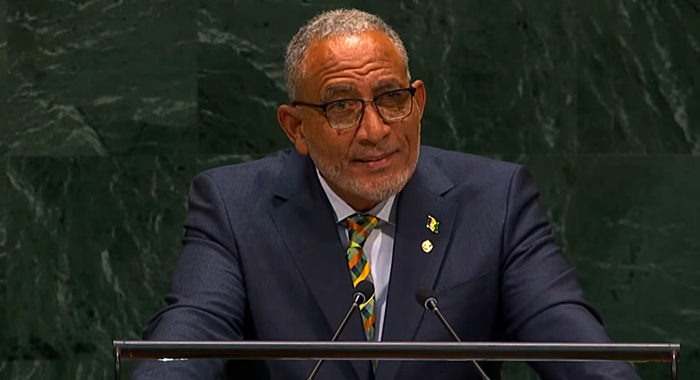
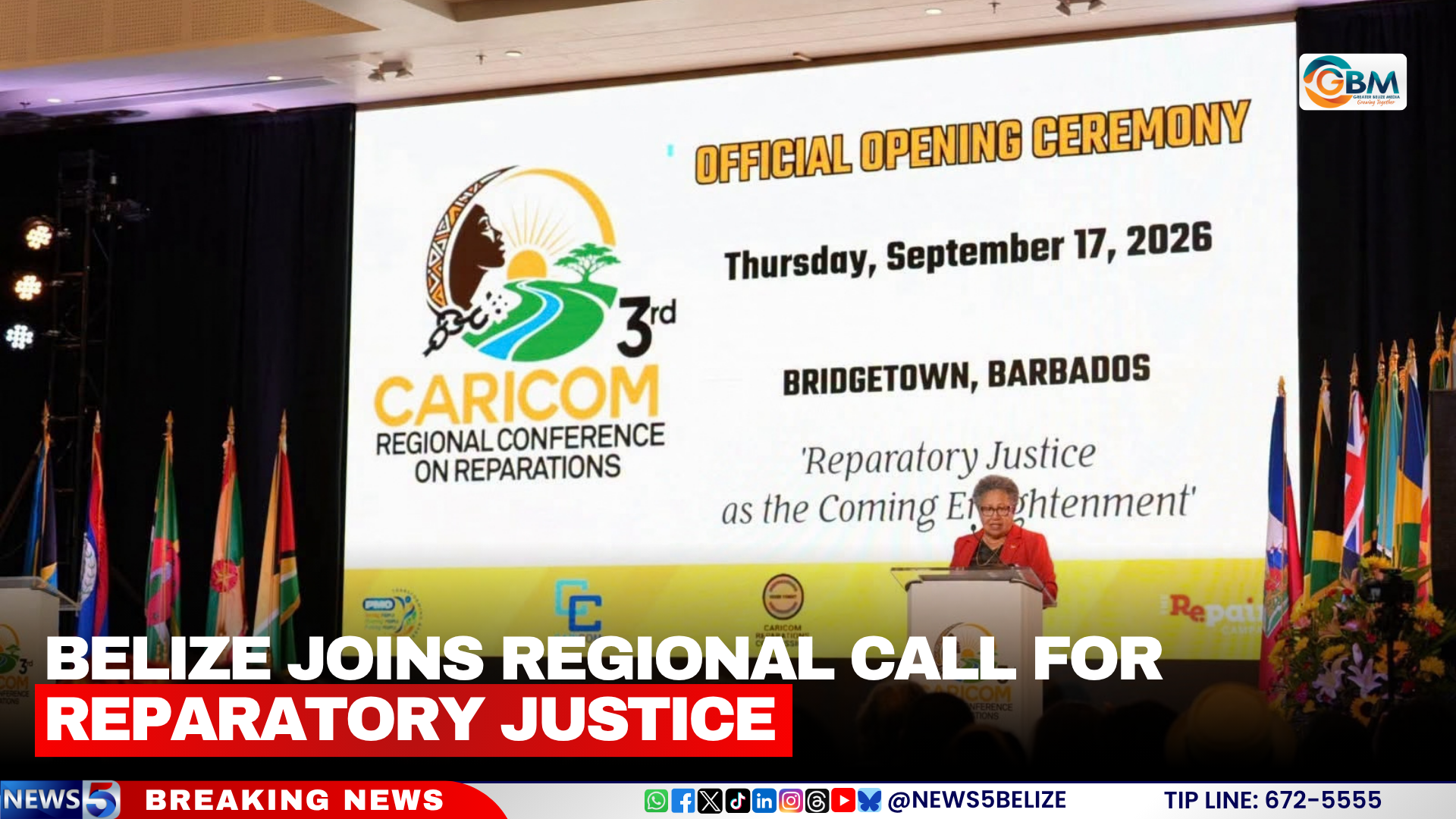
    The global movement pushing for reparations for the transatlantic slave trade and centuries of colonial exploitation is entering a historic new phase, with Caribbean advocates launching their most coordinated, cross-international campaign to date, according to senior Caribbean political figure Dr. Ralph Gonsalves. The former prime minister of St. Vincent and the Grenadines, who now serves as opposition leader in his home country and senior advisor to the global Repair Campaign, laid out the movement’s year-long action plan during a speaking engagement at the Jamaica Observer Press Club this Wednesday, outlining a strategy that expands regional advocacy into major global diplomatic, legal, and academic institutions.

    For decades, Caribbean nations have led calls for reparatory justice from Britain and other Western European powers that built their economies through the forced enslavement of millions of Africans and the systemic exploitation of Caribbean colonies. What began as regional advocacy has gained rapid international traction in recent years, with new partnerships and institutional backing turning a scattered movement into a cohesive global push.

    Gonsalves emphasized that the moment has come for disparate advocacy groups and international institutions to align their efforts to build unstoppable momentum. In remarks that framed the movement as a convergence of multiple streams of work, he noted, “I want to see all these tributaries be conjoined into a mighty river towards reparatory justice. So that is CRC, the Caricom entities, they are the authoritative bodies. But other entities have to feed into them and work with them, and engineer the canals for the streams to come and build the bridges.”

    The movement is already building on a landmark diplomatic win achieved earlier this year: a UN General Assembly resolution adopted on March 25, co-sponsored by Ghana, Caricom, and a bloc of African nations, that formally designated the transatlantic slave trade and racialized chattel slavery “the gravest crime against humanity” and explicitly called for global action to deliver reparatory justice. That resolution opened the door for a series of high-profile engagements planned across the rest of the year.

    The next major milestone is scheduled for June, when Ghana will host an international conference bringing together the African Union, civil society groups, and other global stakeholders to map out the long-term strategic direction of the movement. Following that gathering, the Caribbean Community (Caricom) Reparation Commission (CRC) is set to advance an unprecedented academic and outreach partnership with the University of London, designed to engage British political, economic, religious, and social elites directly on the issue. Gonsalves confirmed that planning for the high-level London gathering is already underway, with the Repair Campaign working alongside the CRC to finalize logistics.

    In July, regional leaders will gather for the Caricom Heads of Government meeting in St. Lucia, where the Caricom Prime Ministerial Subcommittee on Reparations will present a full progress update and request new strategic guidance from regional heads. September will bring two key global opportunities: first, the 25th anniversary of the landmark Durban Conference Against Racism in South Africa, which produced the Durban Declaration and Programme of Action — the foundational international document that first formally recognized slavery and the transatlantic slave trade as crimes against humanity, and which remains a core legal pillar of modern reparation advocacy. Later that month, Caribbean leaders will bring the issue back to the UN General Assembly, where they will leverage months of diplomatic progress to push for deeper global institutional commitment to reparatory justice.

    The most politically contentious moment of the year is expected to come in November, when the Commonwealth Heads of Government Meeting (CHOGM) convenes in Antigua. Gonsalves framed the summit as a critical “staging post” where English-speaking Caricom nations will directly confront Britain over the issue of reparations. He warned that British officials and their key allies — including Canada, Australia, and New Zealand — are already pushing to block reparations from being added to the official CHOGM agenda, setting the stage for a high-stakes diplomatic battle in the months leading up to the summit.

    Notably, Gonsalves pointed out that King Charles III, head of the Commonwealth, has already publicly stated that the issue merits open discussion, making any attempt to sidelined the topic untenable. “The head of the Commonwealth, [King] Charles [III], already said that the time has come for this issue to be discussed and ventilated, so you can’t keep it off the agenda,” he added.

    The Repair Campaign, which launched in 2022 founded by Irish businessman Denis O’Brien, works in formal partnership with the Caricom Reparation Commission to support research, public outreach, and advocacy efforts across Caribbean nations affected by centuries of slavery and colonial exploitation. Today, key global institutions including the United Nations, the African Union, and UNESCO have all grown their involvement in the push for reparatory justice, marking a major shift from the movement’s early days as a regional cause.