分类: world

  • U.S. ICE Arrests Several Belizeans with Serious Criminal Records

    U.S. ICE Arrests Several Belizeans with Serious Criminal Records

    In a significant enforcement operation spanning multiple U.S. states, Immigration and Customs Enforcement (ICE) has apprehended numerous Belizean nationals identified as high-risk offenders. This coordinated action forms part of the Department of Homeland Security’s (DHS) ongoing “Worst of the Worst” initiative, which prioritizes the identification, arrest, and removal of undocumented immigrants convicted of severe criminal acts, particularly those involving violence and repeated offenses.

    DHS officials confirmed that the operation specifically targeted individuals deemed substantial threats to community safety. The apprehended individuals, whose arrests occurred over a five-year period, are now undergoing prosecution prior to formal deportation processes. The agency emphasized that the enforcement drive is strictly based on criminal history and threat level, not nationality, applying equally to all undocumented immigrants who meet the criteria.

    The list of those detained includes multiple offenders with extensive criminal records:

    – Nestor Alberto Castillo (Wisconsin): Convictions for concealed weapon possession, trespassing, larceny, and bail violations.
    – Jomo Avila (California): Found guilty of sexual assault, aggravated domestic assault, failure to register as a sex offender, and child molestation.
    – Akeem Garnett (California): History of domestic violence, residential burglary, and illegal re-entry.
    – Aaron Sabal (Pennsylvania): Weapon possession conviction.
    – Marlon William Bell (California): Assault, spousal cruelty, domestic violence, and aggravated assault with a firearm.
    – Carlos Gomez (Kentucky): Aggravated assault and crimes against persons.
    – Francis Flowers (Mississippi): Assault, robbery, battery, and illegal re-entry.
    – Shane Arnold (California): Carrying a concealed weapon and drug trafficking.
    – Winston Knight (Virginia): Assault and drug possession.
    – Kimala Henry (California): Drug trafficking and possession with intent to distribute marijuana.
    – Ashley Rivers (Florida): Larceny and drug possession.
    – Lindon Flowers (California): Terroristic threats and extortion.
    – Theodore Reneau (North Carolina): Aggravated assault and illegal re-entry.

    This operation underscores ICE’s continued focus on enhancing public security by removing individuals with demonstrated histories of violence and criminal behavior from communities across the United States.

  • Venezuela sent a new ship to Cuba with humanitarian aid

    Venezuela sent a new ship to Cuba with humanitarian aid

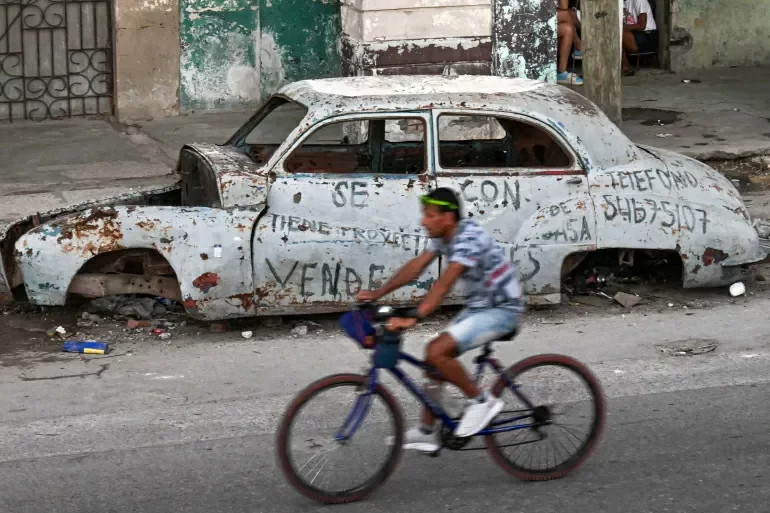
    In a continued demonstration of regional solidarity, Venezuela has launched its fifth major humanitarian mission to Cuba, dispatching a vessel laden with critical supplies to assist in the island’s recovery from Hurricane Melissa. The shipment, which set sail on December 9, carries a cargo of household goods and construction materials essential for rebuilding efforts.

    This initiative falls under the framework of the Bolivarian Alliance for the Peoples of Our America-People’s Trade Treaty (ALBA-TCP), a bloc designed to foster cooperation among its member nations. The aid is specifically targeted at mitigating the extensive damage inflicted when Hurricane Melissa, a Category 3 storm on the Saffir-Simpson scale, made landfall on October 29.

    The Venezuelan government’s response was swift and multi-faceted. The relief operation commenced immediately after the disaster with an airlift delivering 26 tons of supplies. This was followed by a substantial maritime effort. On November 8, the ALBA ship transported 5,000 tons of aid alongside a brigade of electrical workers. Merely two days later, a second vessel departed with over 2,500 tons of humanitarian cargo, coinciding with the arrival of 22 Venezuelan specialists from the electricity, transport, and public works sectors to provide on-the-ground expertise.

    A significant third shipment, comprising more than 7,110 tons of aid, sailed from the international port of La Guaira on November 28. Its diverse cargo included 76 containers of food, heavy machinery like backhoe loaders, and specialized supplies for the reconstruction of housing and road infrastructure.

    Rander Peña, Executive Secretary of ALBA-TCP, provided a comprehensive tally to the press, revealing that the total aid sent to Cuba has now surpassed 12,000 tons. This immense contribution encompasses a wide array of necessities, including food, appliances, mattresses, medical supplies, construction and electrical materials, and even toys.

    Echoing the sentiment behind the mission, a high-ranking official stated on social media that providing vital supplies to the Cuban people honors the legacy of Fidel Castro, emphasizing that true solidarity is defined not by giving one’s surplus, but by sharing what one possesses.

  • Guyana: Seized oil tanker was illegally flying our flag

    Guyana: Seized oil tanker was illegally flying our flag

    In a significant maritime operation, United States forces have intercepted and seized a large crude oil tanker off the coast of Venezuela on December 10th. The vessel, identified as the Motor Tanker SKIPPER (ex-ADISA) with IMO Number 9304667, was allegedly transporting sanctioned oil from Venezuela and Iran according to US authorities.

    The operation was confirmed by US President Donald Trump during a White House meeting, where he characterized it as ‘the largest tanker ever seized’ and hinted at additional undisclosed developments. US Attorney General Pamela Bondi subsequently revealed through social media that multiple agencies including the FBI, Homeland Security Investigations, and the Coast Guard executed the seizure warrant as part of ongoing efforts against illicit oil shipping networks.

    Complicating the situation, the Maritime Administration Department of Guyana (MARAD) disclosed that the seized vessel had been ‘falsely flying’ the Guyanese flag in international waters despite not being registered in the country. MARAD’s statement expressed concern about an ‘unacceptable trend’ of unauthorized use of the Guyana flag and pledged to collaborate with international partners to address such violations.

    The seizure occurs against the backdrop of increased US military presence in the Southern Caribbean, which the Trump administration justifies as part of counter-narco-terrorism operations. Meanwhile, the Maduro-led government in Venezuela maintains that US actions represent attempts to control the nation’s natural resources rather than legitimate security concerns, consistently denying involvement in drug trafficking activities.

  • Falmouth mayor welcomes Friday’s planned visit of Chinese hospital ship

    Falmouth mayor welcomes Friday’s planned visit of Chinese hospital ship

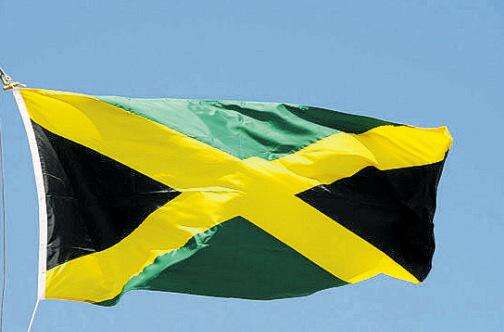
    FALMOUTH, Jamaica — The state-of-the-art Chinese medical vessel Ark Silk Road is poised to arrive at Falmouth Port this Friday, marking a significant moment for Sino-Jamaican relations. The ship’s three-day humanitarian mission has been warmly welcomed by local authorities, spearheaded by Falmouth Mayor and Trelawny Municipal Corporation Chairman Collen Gager.

    Mayor Gager confirmed his participation in the official welcoming ceremony, emphasizing the profound symbolic importance of the visit. “I intend to be there to welcome them alongside members of our Chinese community,” Gager stated during the Trelawny Municipal Corporation’s monthly assembly. “This gesture exemplifies the brotherly love and unity within our parish, truly reflecting our national motto: ‘Out of Many, One People’.”

    The mayor seized the opportunity to publicly acknowledge the longstanding generosity of the Chinese-Jamaican community, particularly in the wake of recent natural disasters. He specifically commended businessman Martin Liao of Champion Shopping Plaza, the Guangdong Chinese community, and the Chinese Benevolent Society for their substantial contributions to recovery efforts following the devastation of Hurricane Melissa.

    “The arrival of this medical mission is a continuation of that invaluable partnership and enduring goodwill,” Gager added, framing the ship’s visit as the latest chapter in a robust collaborative relationship.

    The Ark Silk Road, a cornerstone of China’s humanitarian ‘Silk Road’ initiative, is scheduled to deliver a wide range of medical services to the local population during its stay. This deployment is widely viewed as a strategic effort to strengthen humanitarian and diplomatic bonds between the two nations, showcasing soft power through health diplomacy.

  • Trump announces new action against Maduro government: US forces seize oil tanker

    Trump announces new action against Maduro government: US forces seize oil tanker

    In a significant escalation of maritime tensions, United States forces have intercepted and seized an oil tanker operating off the Venezuelan coastline. The operation, authorized by President Donald Trump’s administration, targeted a vessel allegedly involved in transporting sanctioned petroleum products. This decisive action occurs amidst deteriorating diplomatic relations between Washington and Caracas, with the U.S. maintaining that Venezuelan President Nicolas Maduro should face narcoterrorism charges.

    The seizure follows provocative military maneuvers by American fighter jets in the Gulf of Venezuela, representing the closest aerial approach since bilateral tensions began intensifying. Notably, the incident occurred merely one day after Trinidad and Tobago Prime Minister Kamla Persad-Bissessar publicly characterized unflagged vessels as ‘pirates’ operating outside international maritime protections.

    Prime Minister Persad-Bissessar has leveraged the incident to amplify previous allegations against political opponents, claiming the opposition PNM party seeks to compromise national security systems to benefit drug trafficking networks. She asserts that U.S.-installed radar systems in Tobago effectively monitor Venezuelan sanction-evasion activities and narcotics trafficking, making them targets for political sabotage.

    Venezuelan President Nicolas Maduro responded with belligerent rhetoric, warning his nation stands ‘prepared to break the teeth of the North American empire’ while commemorating a historical battle anniversary. Meanwhile, U.S. Attorney General Pam Bondi released operational footage showing military helicopters approaching the tanker and special forces boarding the vessel, alleging it transported prohibited oil from both Venezuela and Iran.

    The geopolitical implications extend beyond regional security, immediately impacting global energy markets. Oil prices registered increases following the seizure, with Brent crude rising 27 cents to $62.21 per barrel and West Texas Intermediate gaining 21 cents to $58.46.

    Legal experts including Defence Minister Wayne Sturge acknowledge that while unflagged vessels naturally raise security concerns, such status alone provides insufficient legal justification for seizure under international maritime law. Sturge noted intelligence considerations likely prevented full disclosure of operational evidence, complicating legal assessment of the action’s appropriateness.

    This incident represents the latest in approximately twenty counter-narcotics strikes conducted by U.S. forces in Caribbean and Pacific waters since September, resulting in over eighty fatalities. Critics continue questioning the legal basis for these operations, citing scant public evidence regarding drug transportation or immediate threats posed by intercepted vessels.

  • MIKTA: Partnering to strengthen multilateralism

    MIKTA: Partnering to strengthen multilateralism

    In an age defined by complex global crises and rapid technological advancement, the MIKTA partnership—comprising Mexico, Indonesia, South Korea, Turkey, and Australia—has emerged as a critical force for international cooperation. This cross-regional coalition of middle-power nations continues to demonstrate how diplomatic collaboration among diverse countries can foster global resilience and peace.

    Established in 2013, MIKTA represents over half a billion people and nearly 10% of global trade. These nations share common traits including open economies, strategic geographical positioning, and a steadfast commitment to inclusive growth through international partnership. Their collective strength lies in advocating principled diplomacy, mutual respect, and adherence to international law as cornerstones of worldwide stability and prosperity.

    MIKTA’s informal and flexible structure enables it to serve as an effective bridge between regions and ideologies. Through sustained dialogue, consultation, and coordinated action, the partnership supports global initiatives promoting peace, sustainable development, and human rights advancement. Member states have collaborated on pressing issues including climate action, public health, migration, gender equality, disaster risk reduction, and digital transformation.

    During the 28th MIKTA Foreign Ministers’ Meeting held alongside the 80th UN General Assembly in 2025, ministers reaffirmed multilateralism’s essential role in maintaining international peace and security. They emphasized the urgent need to address poverty, inequality, and environmental crises while upholding UN Charter principles. The meeting produced a Special Communique highlighting how recent setbacks in international norm compliance, escalating humanitarian and environmental emergencies, and accelerating technological change necessitate renewed investment in UN effectiveness.

    Under South Korea’s 2025 chairmanship, MIKTA is advancing three key priorities: peacebuilding through adaptable peace operations, youth empowerment by integrating younger voices into decision-making processes, and accelerating Sustainable Development Goal achievement through innovative solutions and development cooperation. These initiatives aim to reinforce MIKTA’s role as a dynamic platform that bridges regions, amplifies diverse perspectives, and encourages practical cooperation.

    For regions like the Caribbean with numerous small island developing states, where climate resilience and sustainable development are paramount, MIKTA’s pragmatic approach resonates strongly. The alliance continues to uphold principles of dialogue, inclusiveness, and mutual respect, demonstrating how cooperation among diverse nations can build a fairer, safer, and more sustainable global community.

  • STATEMENT: UN SG on Human Rights Day  ‘Human rights- our everyday essentials’

    STATEMENT: UN SG on Human Rights Day ‘Human rights- our everyday essentials’

    UN Secretary-General Antonio Guterres has issued a stark warning about the deteriorating state of global human rights protection, marking a critical moment in international governance. Speaking on the foundation established nearly eight decades ago by the Universal Declaration of Human Rights, Guterres emphasized that these fundamental rights—spanning civil, political, economic, social, and cultural dimensions—remain “inalienable, indivisible and interdependent.” However, he noted with grave concern that recent years have witnessed a dangerous contraction of civic space worldwide.

    The Secretary-General highlighted what he described as “flagrant disregard for rights” and “callous indifference to human suffering” occurring across multiple regions. These violations represent a direct challenge to the international framework that has governed human dignity protections since the post-World War II era.

    Guterres outlined the United Nations’ multifaceted role in safeguarding these rights through practical interventions including food distribution, shelter provision, educational support, electoral assistance, environmental protection, mine clearance, women’s empowerment, and peacebuilding initiatives. These efforts, he stressed, represent the operationalization of the Declaration’s principles into tangible reality for vulnerable populations.

    However, the UN leader emphasized that institutional efforts alone remain insufficient. He called for a global mobilization of civil society, governments, and individual citizens to defend the vulnerable and support the institutions that protect universal rights. Guterres particularly warned against the subordination of human rights to profit motives or political power, framing the current moment as a critical juncture for international solidarity.

    The address serves as both a condemnation of current violations and a strategic call to action, urging unified efforts to preserve human dignity and freedom worldwide through strengthened institutional protections and renewed public commitment.

  • Jamaica re-elected to IMO Council

    Jamaica re-elected to IMO Council

    In a landmark achievement for Caribbean maritime leadership, Jamaica has been decisively re-elected to the International Maritime Organisation (IMO) Council with an unprecedented 129 votes—the highest tally the nation has ever received in the organization’s electoral history. This decisive victory occurred during the 34th session of the IMO Assembly at the organization’s London headquarters in November 2025.

    The resounding endorsement reflects Jamaica’s growing influence in global maritime affairs. Bertrand Smith, Director General of the Maritime Authority of Jamaica, characterized the re-election as recognition of Jamaica’s dedicated advocacy not only for national interests but for the entire Caribbean region and other member states. Speaking from London following the newly constituted Council’s meeting, Smith emphasized that the upcoming biennium presents both significant challenges and opportunities, particularly regarding the complex transition toward maritime decarbonization.

    This electoral success marks Jamaica’s ninth consecutive term in Category C of the IMO Council, the governing body that oversees organizational operations between biennial Assembly sessions. The Council wields substantial authority, including approval of committee work, budget proposals, recommendations for Secretary General appointments, and development of strategic policy frameworks including the IMO’s strategic plan.

    Jamaica’s sophisticated electoral campaign was orchestrated by a specialized Steering Committee comprising multiple government entities: the Ministry of Foreign Affairs and Foreign Trade, the Jamaican High Commission in London, the Maritime Authority of Jamaica, and the Ministry of Energy, Transport and Telecommunications.

    The IMO Council’s composition ensures global representation through three distinct categories: Category A includes ten nations with the largest international shipping services; Category B comprises ten states with the most significant interest in seaborne trade; and Category C consists of twenty countries representing diverse geographic regions with special maritime transport interests.

    The newly elected Council convened its 136th session on December 4th in London, where leadership positions for the next two-year period were determined through internal elections.

  • Dominica hosts regional IICA white potato workshop

    Dominica hosts regional IICA white potato workshop

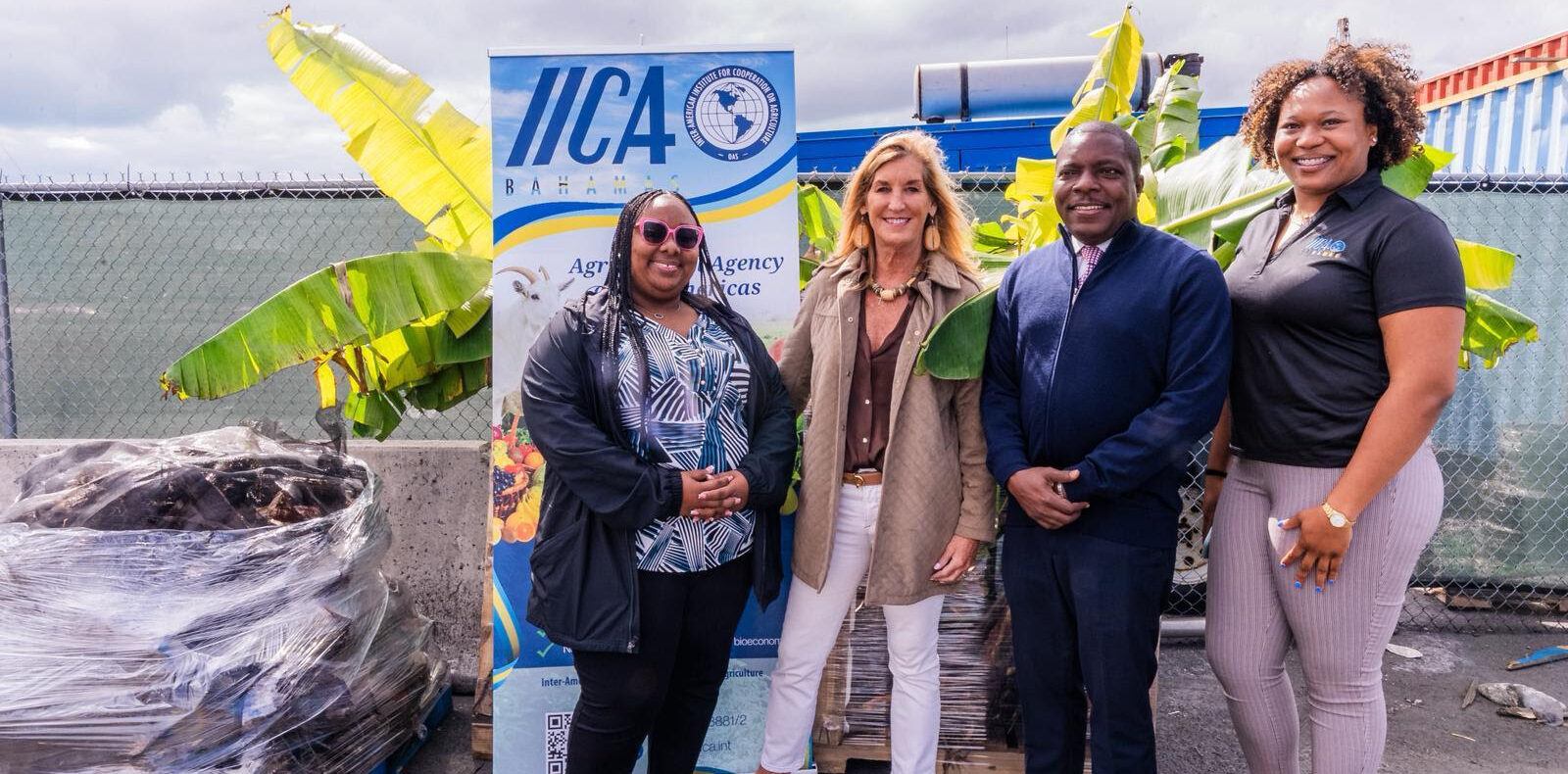
    In a significant move toward agricultural self-sufficiency, Dominica has hosted a landmark regional workshop focused on revolutionizing white potato production across the Eastern Caribbean. The event, orchestrated by the Inter-American Institute for Cooperation on Agriculture (IICA) from December 1-3, 2025, brought together over thirty key stakeholders from six OECS member states and territories.

    The workshop served as a practical platform for participants—including farmers, government technical officers, and representatives from IICA, OECS Commission, CARDI, and FAO—to engage in technical presentations, field visits, and strategic planning. The location was strategically chosen given Dominica’s unique status as the only OECS member with over forty years of continuous commercial white potato production, providing a viable model for regional emulation.

    This initiative addresses a critical economic vulnerability: in 2024 alone, OECS nations imported 8,890 tons of white potatoes valued at approximately US$7.6 million, with imports steadily increasing. IICA Eastern Caribbean representative Gregg Rawlins emphasized the urgency of ‘structured and coordinated production’ to strengthen food security and reduce this substantial import dependency.

    Dominica’s Minister of State for Agriculture, Jullan Defoe, reaffirmed the nation’s commitment to regional cooperation, aligning with both the OECS FAST Strategy and CARICOM’s goal of reducing food imports. He detailed government support mechanisms including improved financing access, land preparation assistance, and enhanced technical services through partnerships with CARDI, IICA, FAO, and WUSC-Caribbean.

    FAO Value Chain Development Specialist Vermaran Extavour noted the workshop’s alignment with regional policy priorities, including the ’25 by 2025 +5′ initiative, while praising Dominica’s production model as a foundational blueprint for other member states. OECS Director General Dr. Didacus Jules characterized the gathering as a pivotal shift from planning to implementation, highlighting that agricultural transformation requires robust regional cooperation and that white potato development exemplifies the integration of climate-smart agriculture, value chain enhancement, and public-private partnerships.

    The workshop is expected to directly inform the creation of a strategic regional framework for white potato research, development, production, and marketing across the OECS. This framework will aim to increase production capacity, enhance postharvest systems, and expand market access, collectively contributing to CARICOM’s broader objective of reducing the region’s food import bill and building economic resilience.

  • IOM Belize Expands Migration Support After 2017

    IOM Belize Expands Migration Support After 2017

    BELIZE CITY – The International Organization for Migration (IOM) has dramatically expanded its operational footprint in Belize over the past eight years, investing nearly six million dollars in comprehensive migration governance programs since 2017. This substantial growth represents a strategic evolution for the UN’s specialized migration agency in the Central American nation.

    Establishing its country office in 2010 with minimal staffing and limited programming scope, IOM Belize operated with approximately two personnel throughout its first decade. The operational landscape transformed significantly following 2017 with the initiation of the Western Hemisphere program, which served as a catalyst for expanded migration initiatives throughout the region.

    The most pronounced expansion occurred post-2020, during which IOM Belize implemented seven distinct projects designed to strengthen migration management frameworks, enhance institutional capacity building, and bolster community resilience mechanisms. According to Diana Locke, Head of Office for IOM Belize, this period marked a substantial escalation in both programming scope and financial investment in the country’s migration infrastructure.

    “From 2020 to December 2025, we have definitively implemented seven projects,” Locke stated. “We have invested a little under six million dollars across all activities, staffing, and operational components.”

    The organization’s growing presence in Belize parallels its broader institutional evolution. Initially established in December 1951 to address post-war European displacement, IOM attained formal United Nations agency status in 2016, solidifying its position as the global leader in migration governance. Belize first joined IOM around the year 2000, with the physical country office established a decade later.

    Looking forward, IOM Belize continues to prioritize innovative solutions and sustainable strategies for migration governance, building upon its seventy-four years of global expertise in population movement management and humanitarian response.