分类: world

  • Dominican Republic joins global effort to protect high seas

    Dominican Republic joins global effort to protect high seas

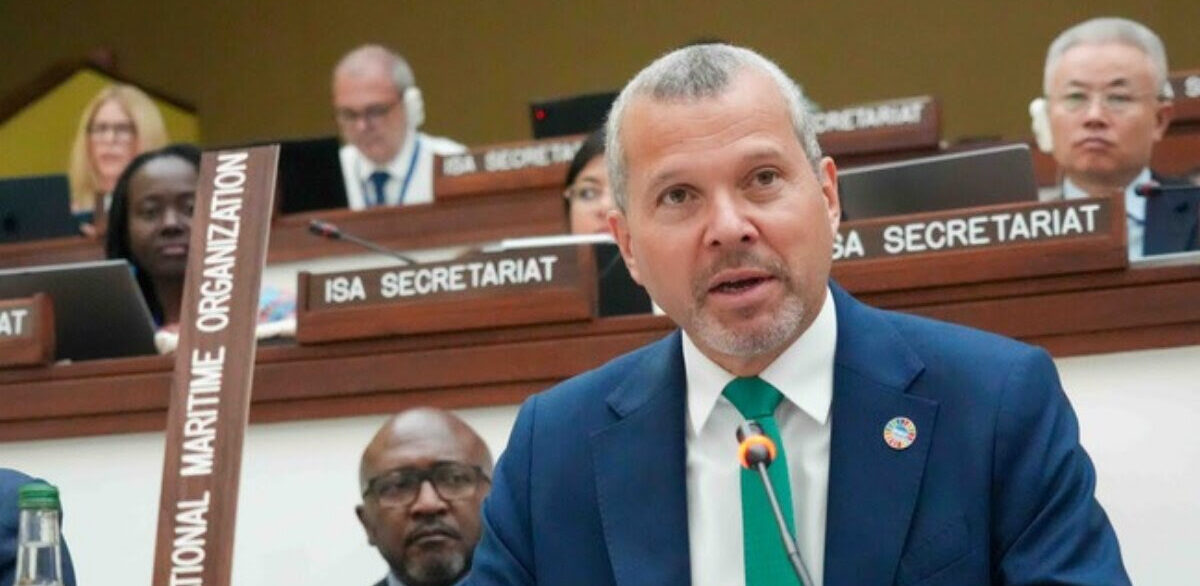
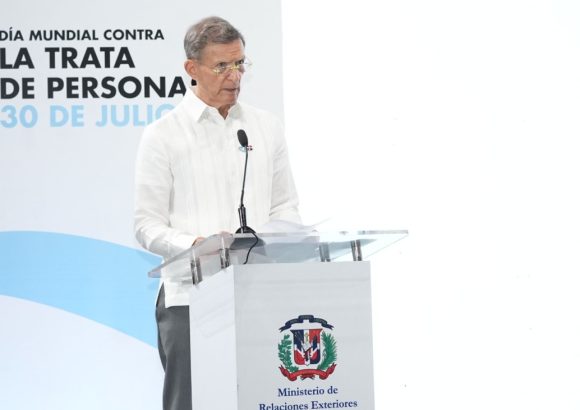
    In a significant move for international marine conservation, the Dominican Republic has formally ratified the groundbreaking Agreement on the Conservation and Sustainable Use of Marine Biodiversity in Areas Beyond National Jurisdiction (BBNJ). Ambassador Wellington Bencosme, the nation’s Permanent Representative to the United Nations, executed the official deposition of the ratification instrument at the UN headquarters, accompanied by senior officials from the Ministry of Foreign Affairs.

    This ratification positions the Caribbean nation as the 87th country to endorse this pivotal international framework. The Dominican government articulated that this action reinforces its dedication to multilateral cooperation, the preservation of oceanic environments, and the adherence to international legal standards. As an island state whose economy and food security are intrinsically linked to marine resources, the country emphasized the critical importance of unified global efforts to safeguard marine ecosystems for sustainable development.

    The administration further detailed that the BBNJ Treaty will enhance global ocean governance through several key mechanisms: advancing marine scientific research, facilitating the establishment of marine protected areas in international waters, and promoting the transfer of marine technology and capacity-building initiatives. These provisions are deemed particularly crucial for supporting developing nations and Small Island Developing States (SIDS).

    Widely recognized as the first legally binding international instrument dedicated to protecting biodiversity in the high seas—which constitute approximately two-thirds of the world’s oceans—the BBNJ Agreement introduces comprehensive measures. These include mandatory environmental impact assessments for activities with potential effects on the marine environment and frameworks for the fair and equitable sharing of benefits arising from marine genetic resources. The overarching goal is to combat the escalating crises of ocean degradation and biodiversity loss.

    By completing this ratification, the Dominican Republic now stands among the vanguard of nations championing the treaty’s implementation. The country is set to actively participate in the preparatory proceedings for the inaugural Conference of the Parties (COP), where the operational details and future trajectory of the agreement will be established.

  • When solidarity finds a home in Cuba

    When solidarity finds a home in Cuba

    In a powerful demonstration of global solidarity, the humanitarian vessel Granma 2.0 has successfully delivered 14 tons of medical supplies to Havana’s William Soler Pediatric Cardiology Center. The mission, organized by international activists, represents a significant effort to counter the devastating impacts of the U.S. economic blockade on Cuba’s healthcare system.

    Among the organizers was Nicole León Avilés, an Ecuadorian communist activist who previously participated in the blocked Gaza-bound Global Sumud Flotilla. For León, this successful delivery to Cuba transformed previous humanitarian frustration into what she described as “an act of justice and a breath of fresh air.”

    Dr. Eugenio Selman Housein-Sosa, director of the cardiology center, emphasized the critical nature of the donation, explaining how the U.S. blockade creates daily obstacles in obtaining essential medical equipment and supplies for treating children with heart conditions. “When it comes to purchasing any equipment needed to care for critically ill patients,” he stated, “the Cuban healthcare system faces a dilemma, a tragedy.”

    The international crew, which included activists from Australia and Latin America, personally funded their journey and collected the donations through grassroots efforts. Dr. Selman highlighted the special significance of aid originating from “the sweat, care, and hearts of people who want to help” rather than institutional sources.

    Australian activist Daniel Herbert articulated the mission’s philosophical foundation: “We have always known Cuba as a country that has defended the right to health for all. The rights to health, to medicine, to the basics, to life—these should never be used by politicians.”

    The ship’s name, Granma 2.0, deliberately echoes the historical vessel that carried Fidel Castro’s revolutionary forces in 1956, symbolizing continued resistance against adversity. The delivered supplies, now stored in the hospital’s warehouses, will enable life-saving surgeries and provide crucial medical support for Cuban children, while the mission itself stands as testament to the reciprocity of international solidarity.

  • PNH : Operation summary, 43 terrorists killed, weapons and ammunition seized

    PNH : Operation summary, 43 terrorists killed, weapons and ammunition seized

    In a significant escalation of its campaign against armed criminal factions, the Haitian National Police (PNH) has disclosed comprehensive operational results for the first quarter of 2026. The data, presented on March 25th, reveals a multi-departmental security initiative spanning the West, Center, and Artibonite regions.

    Law enforcement agencies executed 32 distinct tactical operations between January and March, achieving substantial breakthroughs in counter-terrorism efforts. The operations resulted in the elimination of 43 identified terrorists during armed confrontations with security forces. The seized arsenal demonstrates the sophisticated weaponry of these groups, including 46 rifles, 19 pistols, 6 surveillance drones, and 10,659 rounds of ammunition. Security personnel additionally confiscated 5 communication radios, an arsenal of Molotov cocktails, and 2 armored vehicles.

    A specialized operation codenamed “Goudougoudou,” conducted by the Central Directorate of the Judicial Police (DCPJ), yielded particularly notable results. The operation led to the judicial processing of 50 individuals (39 men and 11 women) and the dismantling of a notorious gang led by Rodolphe Louissaint, known by the alias “Chalè.” Among the operation’s critical achievements was the successful liberation of one hostage who emerged unharmed, though seven armed criminals were fatally wounded during rescue efforts.

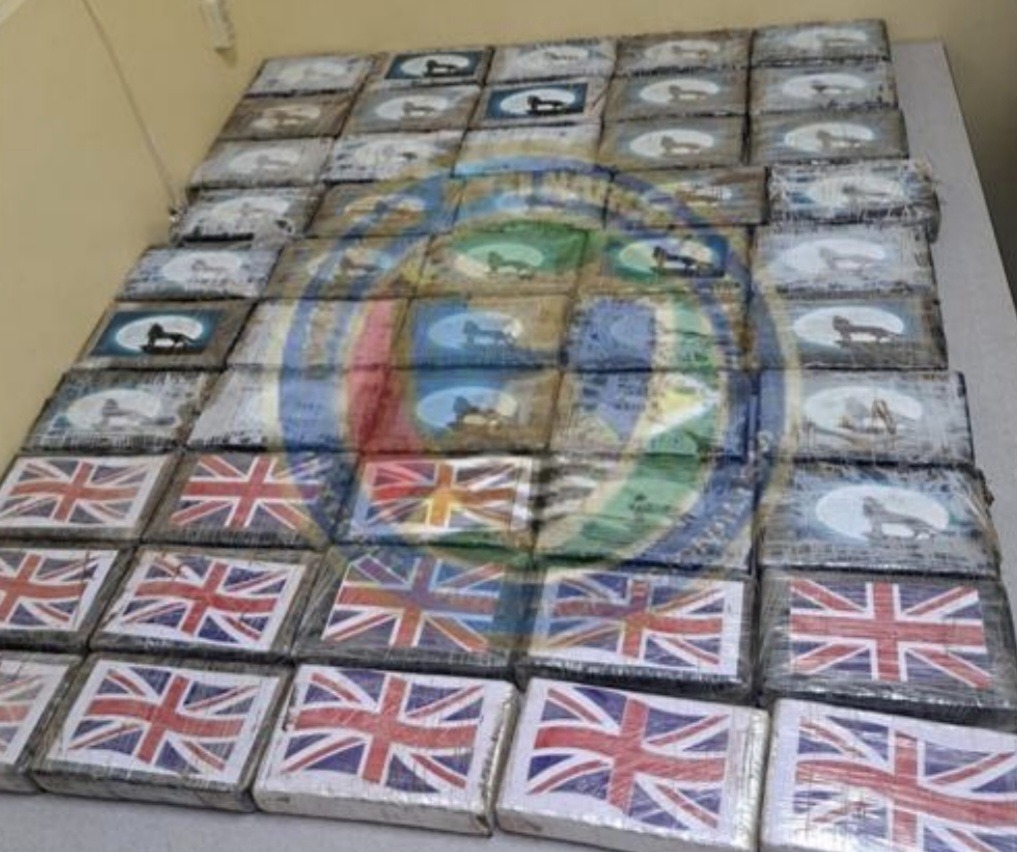
    The DCPJ’s operation additionally uncovered significant criminal infrastructure, seizing 10 vehicles, one building, and intercepting 76 kilograms of illegal narcotics, including cocaine and marijuana. Authorities also recovered 28,090 Haitian gourdes in suspected illicit funds. In a separate development highlighting cross-institutional corruption, ten officials from the General Directorate of Immigration and Emigration were taken into custody for their alleged connections to criminal networks.

  • Port Commissioner Says Safety First Regarding Humilde Viajero

    Port Commissioner Says Safety First Regarding Humilde Viajero

    Belizean authorities are confronting an unusual maritime security incident as the tanker Humilde Viajero remains detained in Belizean waters under mysterious circumstances. The vessel arrived without essential documentation identifying its owners, point of origin, or the precise nature of its cargo, triggering a multi-agency investigation.

    Port Commissioner Kaylon Young has clarified the division of responsibilities in handling this exceptional case. The Belize Port Authority’s primary focus remains ensuring the vessel’s structural safety and preventing any immediate navigational or environmental hazards. Meanwhile, the questionable cargo—believed to be fuel—falls under the jurisdiction of the Customs Department and the Department of the Environment (DOE).

    Commissioner Young emphasized the rarity of such an event, describing it as a significant deviation from standard port operations. “This is, in my view, a rare incident. I have not seen anything like this recently,” Young stated, noting that Belize’s port system typically maintains rigorous tracking and documentation procedures for all vessels long before they approach the nation’s shores.

    While safety repairs are conducted on the tanker, legal and regulatory questions about the illicit cargo remain pending. The incident represents a notable breach in Belize’s otherwise tightly controlled maritime borders, with multiple government agencies now working to unravel the mystery of the Humilde Viajero’s mission and contents.

  • France supports Dominican Republic in tackling sargassum crisis

    France supports Dominican Republic in tackling sargassum crisis

    PARIS – In a significant bilateral meeting, French President Emmanuel Macron and Dominican leader Luis Abinader forged a cooperative front against the escalating sargassum seaweed crisis plaguing Caribbean coastlines. President Macron explicitly recognized the Dominican Republic’s pivotal strategic importance in developing regional solutions for the environmental challenge, which severely impacts marine ecosystems and tourism-dependent economies.

    The high-level discussions, held during President Abinader’s two-day official visit to France, served to reinforce the strong and trusting diplomatic relationship between the two nations. Macron reiterated France’s commitment to deepening this bilateral partnership, emphasizing shared interests in environmental sustainability and economic stability.

    Parallel to the presidential dialogue, Abinader addressed the inaugural session of an anti-corruption conference organized by the Organisation for Economic Co-operation and Development (OECD). In his keynote speech, he positioned governmental integrity as a foundational element of his administration’s philosophy and a critical catalyst for both economic growth and democratic consolidation in the Dominican Republic.

    Concurrently, the Dominican government has proactively implemented a specialized regulatory framework aimed at mitigating the sargassum invasion. This comprehensive initiative outlines standardized protocols for the efficient collection, ecological disposal, and potential commercial utilization of the seaweed. The move represents a direct response to the alarming proliferation of sargassum, which has caused substantial damage to pristine beaches and threatened the vitality of the nation’s crucial tourism industry.

  • Caricom to send humanitarian supplies to Cuba

    Caricom to send humanitarian supplies to Cuba

    In a significant demonstration of regional solidarity, the Caribbean Community (Caricom) has launched a coordinated humanitarian mission to provide essential supplies to Cuba. The initiative was formally announced by Caricom Chairman, the Honourable Dr. Terrance Drew, during the 50th Regular Meeting of the Conference of Heads of Government in St. Kitts and Nevis, held from February 24–27, 2026.

    The Caricom Secretariat, operating from its Georgetown, Guyana headquarters, is spearheading the logistical operation. The aid package is comprehensive, targeting critical needs with items including nutritional supplements like powdered milk and infant formula, staple non-perishable foods such as beans, wheat flour, rice, and canned goods, alongside basic medical supplies. To address energy and water infrastructure challenges, the shipment will also contain solar panels, batteries, and water tanks. The Secretariat will procure these supplies on behalf of its member states before organizing shipment to Cuba.

    Adding considerable momentum to the effort, the Government of Mexico has pledged its robust support. Mexico’s role is twofold: it has leveraged its domestic market to identify and secure reliable suppliers for the aid items and will facilitate the transport logistics. Crucially, the Mexican government has committed to providing free shipment of all gathered supplies from a Mexican port of departure to their final destination in Cuba, significantly reducing the financial and operational burden on Caricom nations.
    This collaborative endeavor underscores the deepening ties and mutual support mechanisms within the region, highlighting a shared commitment to addressing humanitarian needs among neighboring states.

  • Iran beoordeelt VS-voorstel voor beëindiging oorlog; sluit onderhandelingen uit

    Iran beoordeelt VS-voorstel voor beëindiging oorlog; sluit onderhandelingen uit

    Iran has begun evaluating a comprehensive 14-point peace proposal from the United States aimed at de-escalating the Gulf conflict, though Tehran continues to reject direct negotiations with Washington. Iranian Foreign Minister Abbas Araqchi confirmed the development during a state television broadcast on Wednesday, emphasizing that message exchanges through intermediaries do not constitute formal diplomacy with the U.S.

    The proposal, transmitted through Pakistani channels, demands significant concessions from Iran including the elimination of its highly enriched uranium stockpiles, cessation of uranium enrichment activities, constraints on its ballistic missile program, and termination of financial support to regional allies. While the White House has withheld specific details from public disclosure, officials have warned that rejection would trigger intensified military pressure.

    Despite this diplomatic overture, regional violence continues unabated. Israel maintains skepticism regarding Iran’s willingness to comply with the terms and insists on preserving its option for preemptive military strikes. Meanwhile, Iran has threatened to open a new conflict front at the strategic Bab al-Mandab Strait connecting the Red Sea to the Gulf of Aden, according to anonymous military sources cited by the semi-official Tasnim news agency.

    The Pentagon is simultaneously reinforcing its military footprint in the Gulf region by deploying thousands of additional air force personnel, with the first Marine contingents expected by month’s end. This enhancement provides President Trump with expanded options for potential ground operations.

    Financial markets responded optimistically to the diplomatic developments, with global equities rising and oil prices declining as investors anticipated potential resolution to the conflict that has disrupted worldwide energy supplies and fueled inflationary pressures.

    UN Secretary-General António Guterres issued a grave warning on Wednesday, stating that the world is “staring down the barrel of a broader regional war” and calling for immediate de-escalation and commencement of diplomatic dialogue. The statement came as Iranian media reported fresh airstrikes on residential areas in Tehran, while the Revolutionary Guard announced new attacks targeting Israeli and American bases across Kuwait, Jordan, and Bahrain.

  • 4 killed as US forces strike drug-trafficking vessel in Caribbean

    4 killed as US forces strike drug-trafficking vessel in Caribbean

    In a significant escalation of its counter-narcotics campaign, U.S. forces under Joint Task Force Operation Southern Spear conducted a targeted strike on a vessel in the Caribbean Sea, resulting in four fatalities. U.S. Southern Command (SOUTHCOM) officially confirmed the operation on Wednesday, alleging the boat was transporting illicit narcotics and was operated by entities it designated as terrorist organizations, though no specific group was identified.

    This incident marks the third such engagement in March alone, raising the operation’s cumulative toll to 160 individuals killed across 47 separate strikes on suspected drug-smuggling crafts. According to data compiled by USNI News, this figure includes ten individuals who were initially reported as survivors but are now presumed deceased following unsuccessful search and rescue attempts. A previous strike on March 20th in the Eastern Pacific had left three survivors, though their current status remains unclear as the U.S. Coast Guard has not provided further updates.

    The military action coincides with a major interdiction success. In a coordinated effort, the U.S. Coast Guard and the Ecuadorian Navy seized 592 kilograms of cocaine on Tuesday in international waters off the coast of Ecuador, a seizure announced by SOUTHCOM on the social media platform X.

    This sustained counter-narcotics effort unfolds against a backdrop of shifting U.S. naval deployment priorities. The number of American warships in the SOUTHCOM area of responsibility has diminished as strategic focus pivots towards Iran. The guided-missile cruiser USS Gettysburg (CG-64) recently concluded its independent deployment, returning to Norfolk on Monday. Current U.S. naval presence in the region consists of the Iwo Jima Amphibious Ready Group, the cruiser USS Lake Erie (CG-70), and the destroyer USS Stockdale (DDG-106). It remains uncertain whether a replacement vessel will be dispatched to fill the capability gap left by the Gettysburg’s departure.

  • Remarks on the International Day of Remembrance of the victims of slavery and the Transatlantic Slave Trade

    Remarks on the International Day of Remembrance of the victims of slavery and the Transatlantic Slave Trade

    UN Secretary-General Antonio Guterres delivered a powerful address on March 25, 2026, confronting the brutal history of transatlantic slavery and its enduring consequences in modern society. Speaking at a commemorative event in New York, Guterres described the centuries-long system as “a deep betrayal of human dignity” that represented “the worst of humanity.”

    The speech detailed the horrific reality of the transatlantic slave trade, noting how millions of Africans were forcibly taken from their families and communities, with approximately one in seven perishing during the treacherous Atlantic crossing due to unimaginable conditions. Those who survived faced generations of brutal exploitation and systematic denial of their basic humanity throughout the Americas.

    Guterres emphasized that this was not merely forced labor but “a machinery of mass exploitation and deliberate dehumanization” that formed the foundation of a global economic order built on greed, maintained through violence, and justified through constructed racist ideologies. The UN chief specifically acknowledged the complicity of elites and empires, including his own country, in building wealth through “stolen lives and stolen labor.”

    Beyond historical remembrance, the address focused on contemporary responsibilities, highlighting how the legacy of slavery continues to manifest through persistent inequality and racism. Guterres called for concrete actions including dismantling systemic racism, ensuring reparatory justice, and accelerating inclusive development with equal access to education, healthcare, employment, and housing.

    The Secretary-General welcomed some nations’ efforts to apologize for their historical roles but stressed that “far bolder actions by many more States are needed.” These include respecting African countries’ ownership of their natural resources and ensuring their equal participation in global financial institutions and the UN Security Council. Guterres also urged all member states to ratify the International Convention on the Elimination of All Forms of Racial Discrimination.

  • Guyana contributing rice to Cuba’s relief effort

    Guyana contributing rice to Cuba’s relief effort

    In a significant demonstration of regional solidarity, Guyana has pledged a substantial rice consignment to Cuba as part of a Caribbean Community (CARICOM) humanitarian assistance program. President Irfaan Ali confirmed the initiative on Wednesday, March 25, 2026, emphasizing his nation’s ongoing commitment to regional cooperation and crisis response.

    President Ali explicitly stated to Demerara Waves Online News that “We’re part of this effort, we have always been, and we’re committed to have rice supplied,” underscoring Guyana’s consistent role in supporting neighboring Caribbean nations during times of need. While specific quantitative details regarding the shipment volume were not immediately disclosed, the characterization of the consignment as “huge” indicates a substantial contribution that will likely address significant food security needs in Cuba.

    This humanitarian gesture occurs within the broader framework of CARICOM’s collective relief mechanisms, which mobilize resources from member states to address emergencies and shortages throughout the Caribbean region. Guyana’s agricultural capacity, particularly in rice production, positions it as a key contributor to such regional food security initiatives. The announcement reflects ongoing diplomatic efforts to strengthen inter-Caribbean relations and mutual support systems, particularly important given the complex economic challenges facing several nations in the region.

    The timing of this commitment suggests continued cooperation despite evolving global economic pressures and shifting international alliances. Such bilateral assistance within the CARICOM framework reinforces the organization’s founding principles of economic integration and functional cooperation among member states, demonstrating practical application of these principles through tangible humanitarian assistance.