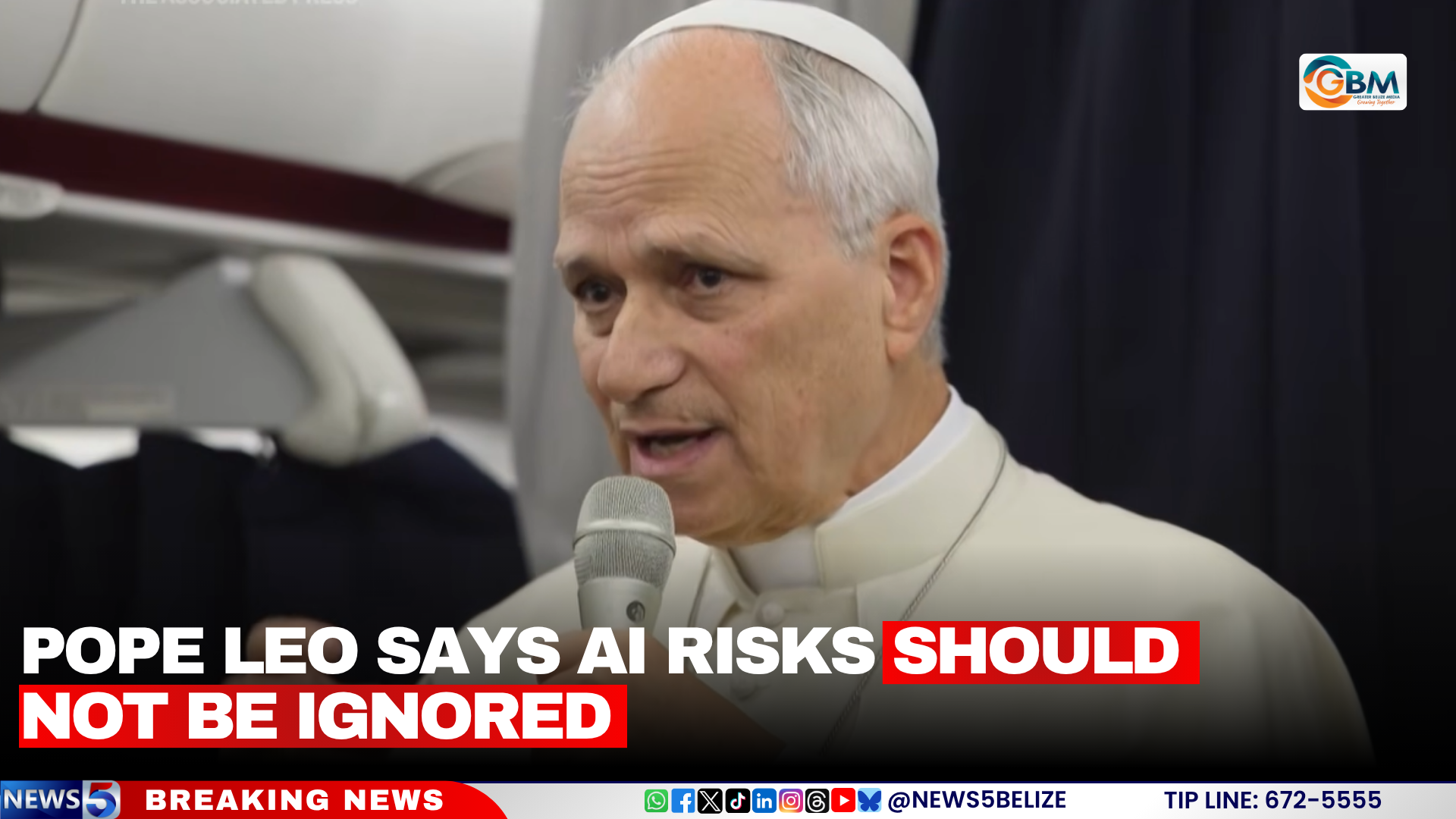
In a recent press briefing aboard the papal aircraft following an official visit to France, Pope Leo XIV has delivered a measured but urgent call for global stakeholders to take the growing risks of unregulated artificial intelligence seriously, pushing back against the complacent attitude that assumes advanced AI systems will never pose tangible harm to humanity. The pontiff clarified that his stance is not rooted in panic, but in a deliberate recognition that expert warnings about AI’s potential dangers deserve serious consideration from global leaders and tech developers alike.\n\n”If someone were to ask me, am I in panic mode? No, I’m not. I sleep at night,” Pope Leo told reporters, emphasizing that his concern is grounded in responsibility rather than fear. He rejected claims that the alarms raised by leading AI researchers are unfounded “fake news”, stressing that these concerns demand deliberate, collaborative engagement rather than dismissal.\n\nDrawing on recent public comments from Nvidia CEO Jensen Huang, who has repeatedly advocated for placing intentional guardrails around AI development, Pope Leo highlighted the ongoing global debate over what safeguards are needed to limit high-risk AI capabilities. He articulated a clear vision for cross-sector collaboration, arguing that political leaders, top AI industry executives, civil society organizations, and religious groups must convene to assess both current AI developments and long-term risks that could emerge as the technology grows more powerful.\n\n”We need to continue to invite political leaders, the leaders of AI, social organizations, associations to come together and look at what is happening already and what could be put down the road,” he said. “Simply closing one’s eyes to possible risks and saying ‘it’s not gonna happen’ would not be the most responsible approach.”\n\nIn a surprise reveal during the briefing, Pope Leo confirmed that the Vatican has launched its own internal commission focused exclusively on artificial intelligence, marking the Holy See’s formal institutional response to the ethical and societal challenges posed by advancing AI technology. This move aligns with the pontiff’s deepening focus on AI governance since he assumed the role of pope: just months earlier in May 2026, he released his first encyclical centered on the critical topic of protecting human dignity and autonomy in the AI era.\n\nPope Leo’s intervention comes at a time of intensifying global debate over AI regulation, as leading tech figures and researchers have repeatedly called for coordinated international action to mitigate catastrophic risks from unregulated advanced AI development. The pontiff’s call for cross-sector collaboration adds a prominent global moral voice to the growing chorus of advocates for proactive risk management.
分类: world
-
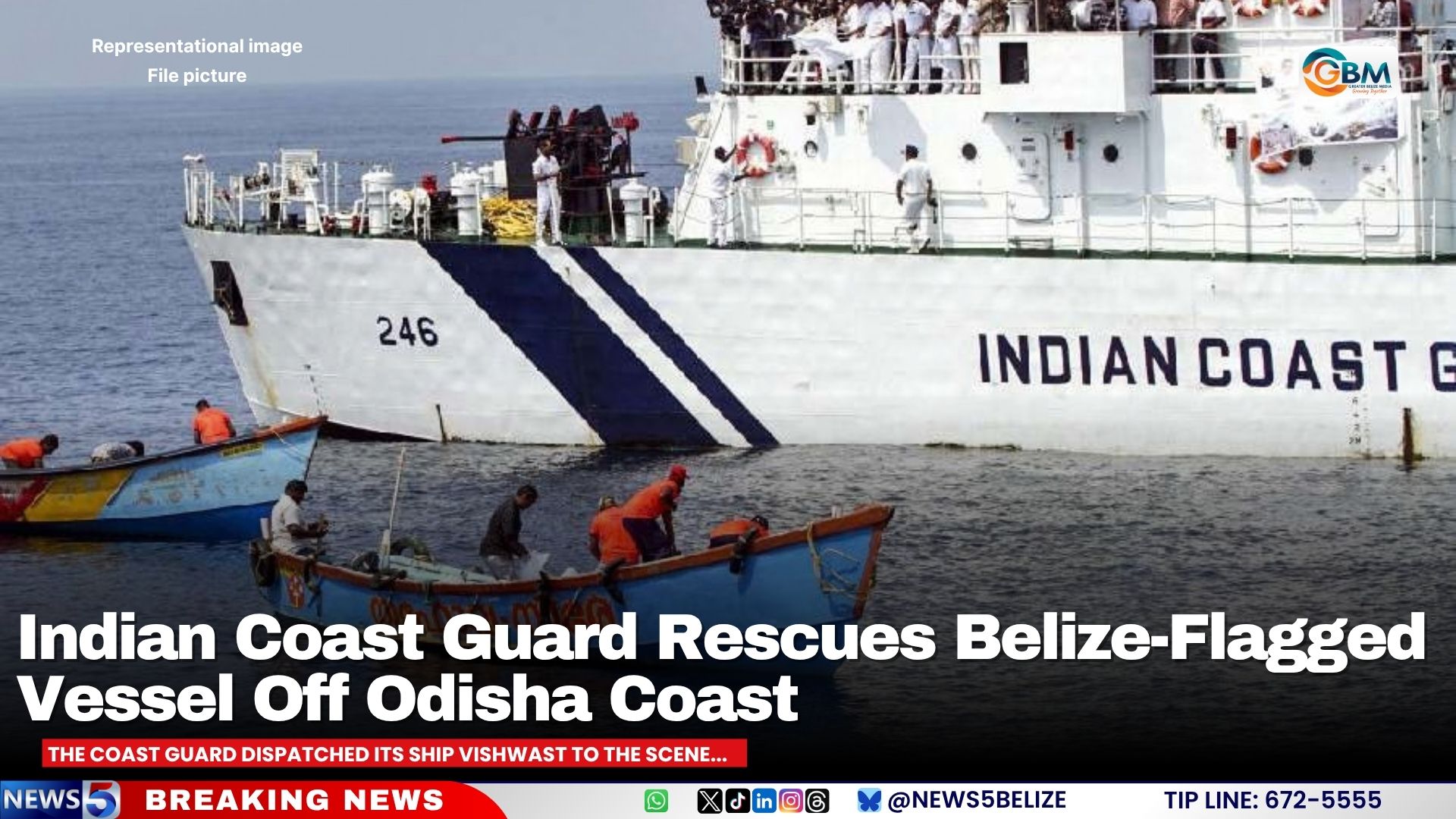
Indian Coast Guard Rescues Belize-Flagged Vessel Off Odisha Coast
In a large-scale coordinated maritime emergency operation that concluded successfully off India’s eastern coast, the Indian Coast Guard has pulled off the full rescue of a disabled Belize-registered cargo tanker carrying 23 crew members, eliminating major risks of a shipwreck and large-scale palm oil pollution, authorities confirmed this week.
The incident unfolded at approximately 7:30 a.m. local time on Sunday, September 27, 2026, when the 9,000-metric-tonne palm oil tanker MT Seagull 9 issued an urgent distress signal from its position roughly 37 nautical miles east-southeast of Paradip, a major port in the eastern Indian state of Odisha. The vessel had suffered catastrophic main engine failure that left it dead in the water, followed by uncontrolled flooding in its ballast tanks that caused the ship to tilt at a dangerous angle, putting all on board at immediate risk of sinking.
Within minutes of receiving the distress call, the Indian Coast Guard mobilized a multi-asset response team, dispatching its offshore patrol vessel Vishwast to the incident site at full speed. A specialized damage control team was deployed to board the listing tanker, where technicians immediately got to work containing the flooding: submersible pumps were brought on board to remove excess water, two severely damaged seawater pipelines were completely sealed off, and a third fractured line was successfully contained to stop further leakage into the vessel’s hull.
To prepare for the potential risk of an oil spill into the Bay of Bengal, a dedicated pollution control vessel and a second offshore patrol vessel were rerouted from nearby operations to the scene to stand by for rapid response and continuous environmental monitoring. A Dornier reconnaissance aircraft operated by the Indian Coast Guard also launched from the regional hub in Bhubaneswar to carry out round-the-clock aerial surveillance of the incident zone and monitor any signs of pollution.
Over the following hours, teams carried out coordinated controlled cargo transfer and systematic de-flooding operations that gradually stabilized the listing tanker, completely eliminating the imminent risk of capsizing. While a small, thin palm oil sheen was detected in waters adjacent to the vessel during the first day of operations, full aerial and surface surveys conducted by Monday confirmed the minor sheen had dissipated completely with no lasting environmental impact.
Following the successful stabilization of the MT Seagull 9, the Paradip Port Authority’s tugboat Dolphin took over the operation, towing the disabled vessel to the designated anchorage area off Paradip Port, where repair work on the failed main engine is now underway. All 23 crew members aboard the tanker remained safe throughout the entire rescue operation, with no reported injuries.
-
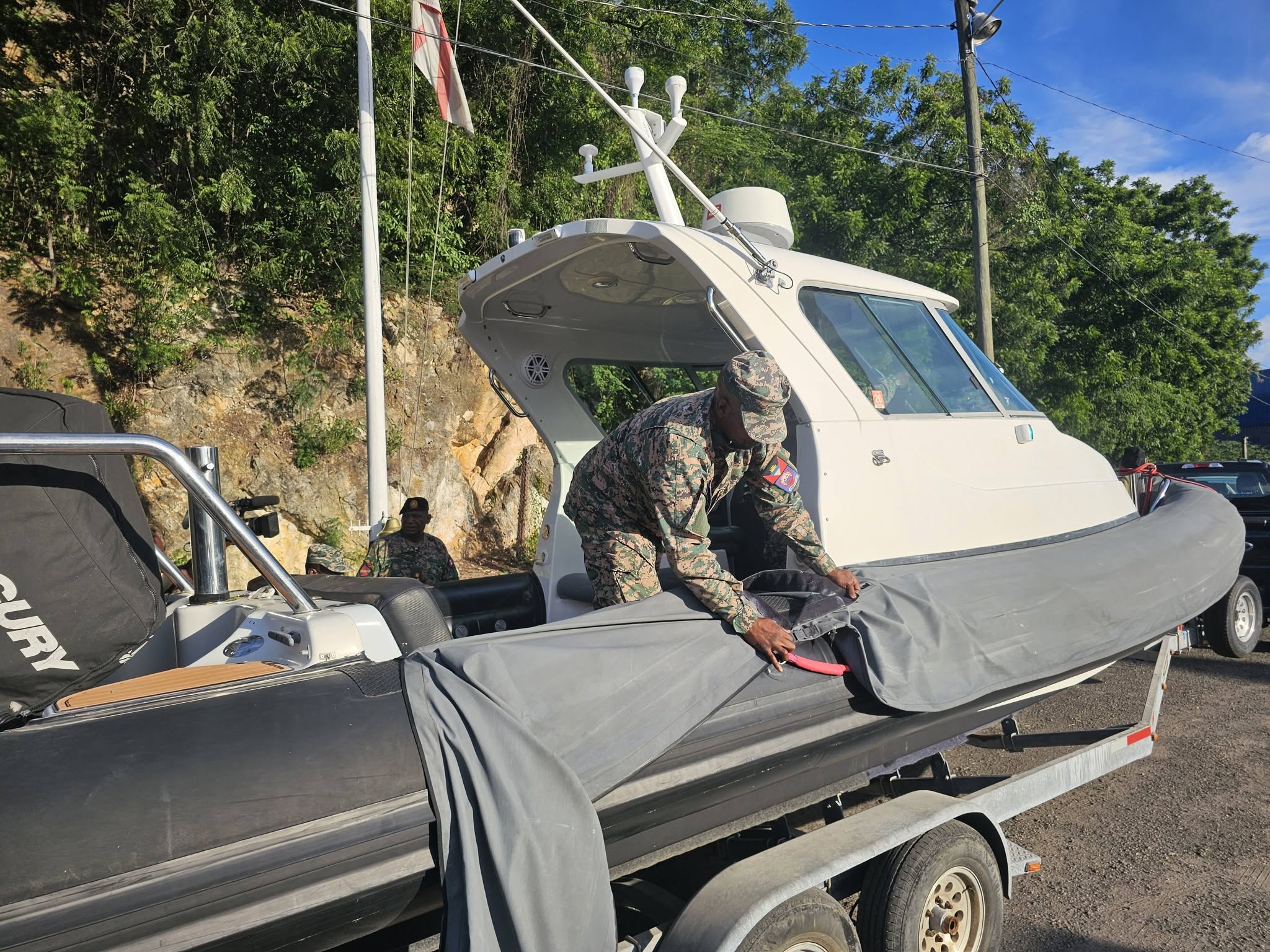
Jumby Bay Donates Patrol Vessel to Strengthen Antigua and Barbuda’s Coastal Security
In a milestone development for regional maritime security, the Antigua and Barbuda Defence Force (ABDF) has announced the successful completion of the first launch and sea trial of its newest maritime vessel, delivered through a collaborative partnership with stakeholders from Jumby Bay.
The project, which combines local defense priorities with private sector support, marks a key upgrade to the nation’s coastal defense and emergency response infrastructure. Senior representatives from the ABDF confirmed that the new vessel will fill critical capability gaps that have previously constrained the force’s ability to patrol the island nation’s extensive exclusive economic zone, respond to search-and-rescue calls, and counter illicit maritime activities such as drug trafficking and illegal fishing.
Beyond core defense operations, the upgraded asset is also expected to enhance the ABDF’s ability to support civilian maritime safety initiatives, including escorting civilian vessels through local waterways and responding to environmental incidents such as oil spills that threaten the nation’s coastal ecosystems, which are central to its tourism-driven economy. Officials from both the ABDF and Jumby Bay have noted that the successful launch is the result of months of coordinated planning and technical preparation, representing a successful model of public-private cooperation for small island developing states looking to strengthen their maritime security capacity on limited budgets.
-
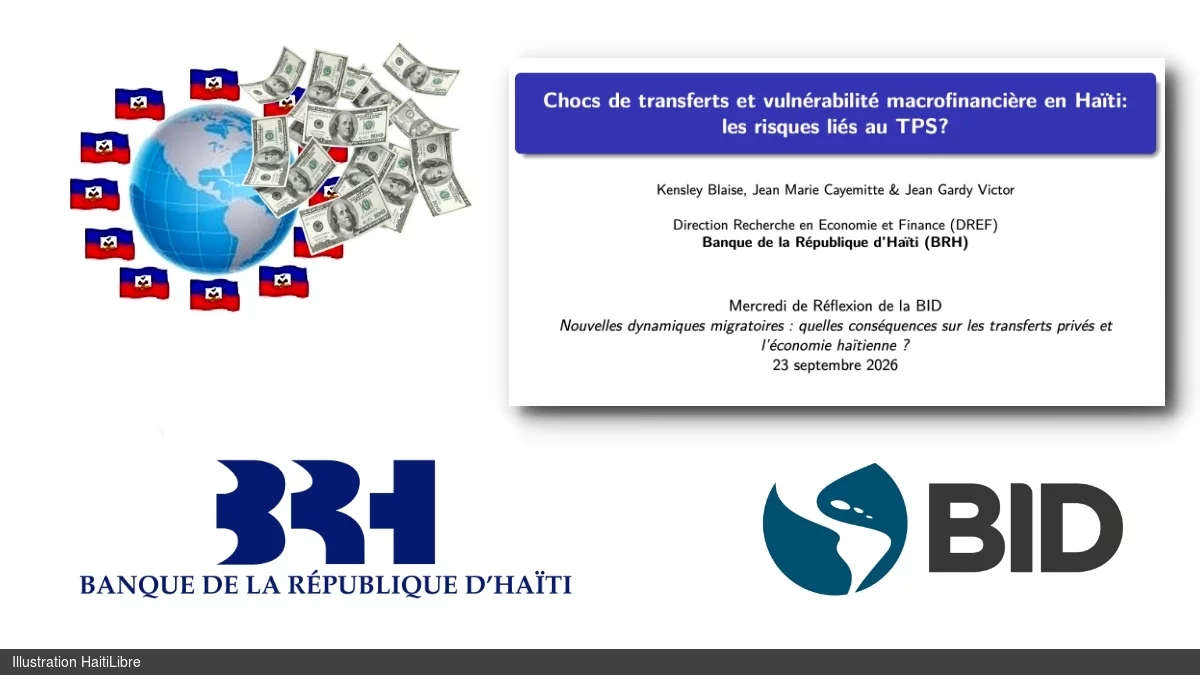
End of TPS : Analysis of possible impacts on remittances (study)
For Haiti, one of the hemisphere’s most economically vulnerable nations, diaspora remittances are far more than a transfer of personal funds — they form the backbone of the entire national economy. These cross-border payments currently account for roughly 16 percent of Haiti’s total gross domestic product, underpinning everyday household spending for millions of people and serving as the country’s single largest source of much-needed foreign currency. Now, a new academic study is sounding a warning about the potential economic fallout that could follow changes to the U.S. Temporary Protected Status (TPS), a policy that allows thousands of Haitian migrants to live and work legally in the United States. The analysis was presented as part of the Inter-American Development Bank’s “Reflection Wednesdays” public lecture series, prepared by three researchers — Kensley Blaise, Jean Marie Cayemitte, and Jean Gardy Victor — from Haiti’s Department of Economic and Financial Research (DREF). The research team centered its work on modeling what could happen if Haiti experienced a large, unanticipated drop in remittance inflows, a scenario that could unfold if TPS is terminated. Currently, close to 80 percent of all remittances sent to Haiti originate from Haitian communities living and working in the United States. If the U.S. government ends TPS protections, thousands of Haitian migrants could lose their legal right to work, face deportation, or otherwise be forced into informal employment that would curtail their ability to send money back to family members in Haiti, the study notes. The research’s key findings point to clear, cascading risks across multiple sectors of Haiti’s economy. A sustained decline in remittance volumes would put gradual but consistent downward pressure on Haiti’s exchange rate, worsening existing currency instability that already drives up the cost of imported goods, which Haiti relies on for much of its food and energy supplies. The study adds that the most pronounced and long-lasting impact of a drop in remittances would fall on Haiti’s public finances, which are already chronically unstable amid the country’s ongoing political and social crisis. Crucially, the researchers emphasize that these outcomes are not inevitable: the study models potential impacts, it does not predict that a sharp decline in remittances will automatically occur following changes to TPS. The full 38-page report, published in French, is available for public download to allow policymakers, civil society groups, and researchers to review the findings in detail as discussions around the future of TPS for Haitian migrants continue.
-
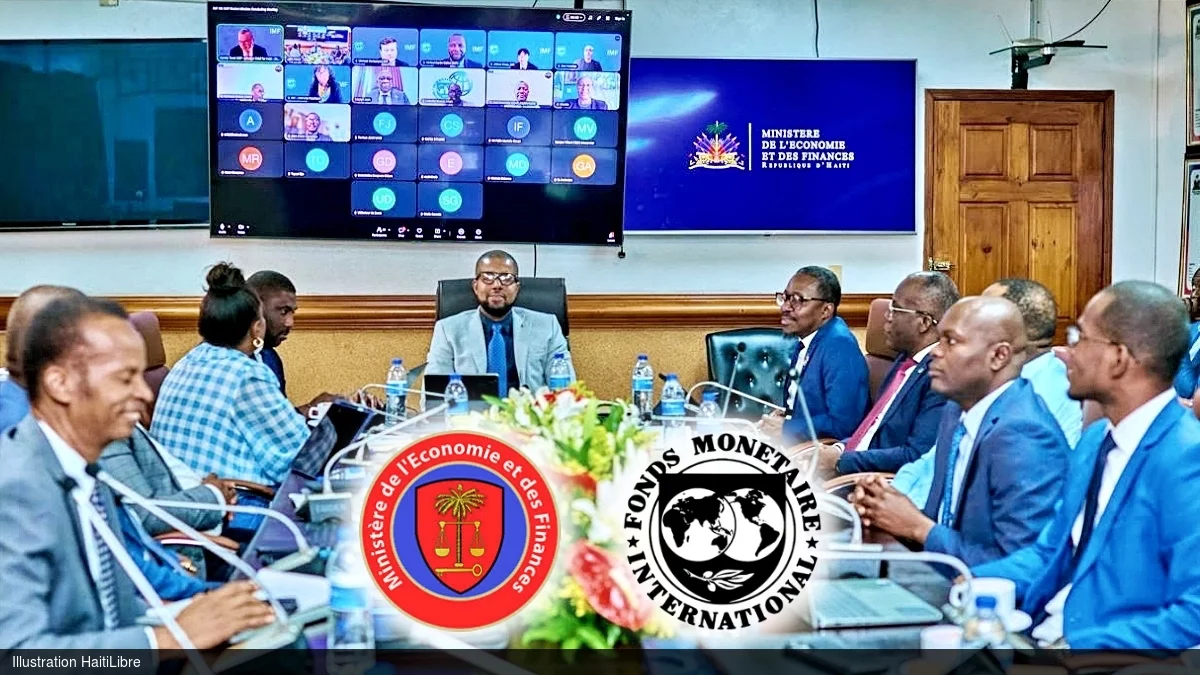
The IMF highlights Haiti’s «exceptionally difficult» situation
In a remote assessment mission concluded September 25, 2026, International Monetary Fund (IMF) staff reached a preliminary staff-level agreement with Haitian authorities on the fourth review of the country’s ongoing staff-monitored program (SMP), a deal that remains pending final approval from IMF senior management. The agreement comes as the Fund publicly underscores the unprecedented challenges facing the Caribbean nation, which is mired in an overlapping political, security, and humanitarian crisis that has stretched its economic system to breaking point.
Led by senior IMF economist Camilo E. Tovar, the review team conducted its assessment of Haiti’s policy progress between September 14 and 25, working remotely due to ongoing security instability across the country. In his closing statement following the mission, Tovar outlined the cascading crises that have shaped Haiti’s macroeconomic landscape: persistent gang-related violence, a catastrophic humanitarian situation, fragile political transition ahead of upcoming national elections, and a string of external shocks that have eroded living standards for millions of Haitians.
Among the most pressing headwinds, Tovar noted, are soaring global oil prices that have strained national budget balances, widened external deficits, and pushed up the cost of basic goods for households. A looming additional threat comes from the upcoming end of Temporary Protected Status (TPS) for roughly 350,000 Haitian nationals residing in the United States, a change that the IMF projects could reduce inflows of private remittances—one of the most critical pillars of Haiti’s economy— and worsen existing economic and humanitarian vulnerabilities. The U.S. Supreme Court has already authorized the federal government to end the TPS program, which has protected Haitian migrants from deportation since 2010 following a devastating earthquake.
Against this backdrop, the IMF projects that Haiti will record its eighth consecutive year of economic contraction in fiscal year 2026, with gross domestic product forecast to shrink between 1.5% and 1.9% according to estimates from Haiti’s Central Bank. Persistent insecurity, which has shuttered hundreds of businesses and displaced nearly 1.5 million Haitians internally according to June 2026 data from the International Organization for Migration, continues to cripple production and trade. Weak export demand for Haiti’s key textile and apparel sector has further dragged on activity. On a more modest positive note, relative exchange rate stability has helped pull inflation down from a peak of more than 32% year-on-year in October 2025, with the 2026 full-year projection coming in at roughly 16%.
Haiti’s external sector currently remains supported by strong remittance inflows and adequate international reserve buffers, with gross reserves standing at roughly seven months of projected imports as of mid-2026, and the current account expected to stay in surplus despite a chronically weak trade balance. Still, the IMF warns that sustained high fuel import costs represent a major ongoing vulnerability for the country’s external position. Net international reserves hit approximately $1.9 billion by the end of June 2026, which was well above the floor target set under the SMP. The central bank’s cap on financing for the non-financial public sector was also met, the review confirmed.
On fiscal policy, the country faces growing strain from chronically low government revenue, higher energy costs, and urgent unmet needs for security spending, humanitarian aid, and development investment. To create necessary fiscal space for these priorities while preserving hard-won macroeconomic stability, the IMF says Haiti must accelerate efforts to boost revenue collection, continue reforming tax and customs administrations, implement realistic and prioritized spending plans, and avoid high-risk non-concessional borrowing.
Program implementation overall has remained on track despite the extreme operating environment, the review found. As of the end of June 2026, all quantitative and indicative policy targets were met except for the requirement to avoid accumulating new external arrears. A temporary buildup of arrears occurred due to administrative and institutional capacity constraints, but the arrears were cleared quickly by Haitian authorities. Structural reforms have progressed, albeit with some delays tied to capacity gaps and the broader crisis.
Looking ahead, the SMP will continue to center on five core priorities. First, strengthening governance and financial integrity to rebuild public confidence in state institutions and the rule of law. Second, boosting revenue mobilization to fund priority spending, highlighted by the planned January 1, 2027 entry into force of a new consolidated, modernized national tax code—a major milestone for Haiti’s long-running tax reform agenda. Third, improving public financial management: strengthening cash management, public investment planning, and treasury operations, consolidating the Treasury Single Account, improving payroll integrity, and enhancing targeting of social assistance programs to ensure aid reaches vulnerable households. The Fund emphasized that transparent, accountable use of residual resources from the 2023 IMF Food Shock Response Window assistance will be critical to supporting struggling households. Fourth, preserving credibility for monetary and exchange rate policy: the Bank of the Republic of Haiti (BRH) has reaffirmed its commitment to maintaining price and exchange rate stability, and continues to implement reforms to strengthen financial sector supervision and improve the quality and timeliness of economic data. The BRH has already published its 2024 audited financial statements, and is working to address past audit findings to boost transparency. Fifth, coordinating support from international development partners, which the IMF says is critical to addressing urgent needs and supporting sustainable recovery. The Fund notes that timely grant and concessional financing, paired with capacity building and strict transparency requirements for donor funds, will help preserve debt sustainability, support reform implementation, and lay the groundwork for growth that improves living standards for Haitians.
The IMF mission held productive discussions with senior Haitian officials, including Minister of Economy and Finance Serge Gabriel Collin and BRH Governor Ronald Gabriel, and thanked the authorities for their close cooperation throughout the review. Haiti’s current SMP is scheduled to run through June 2027, an informal arrangement through which Haitian authorities commit to monitoring economic performance and implementing reforms under Fund supervision, as the country works to stabilize its economy amid crisis. Haiti is set to hold the first round of presidential and legislative elections in December 2026, with a runoff scheduled for February 2027 as part of the country’s ongoing political transition process.
The IMF outlined mixed risks for Haiti’s economic outlook going forward. Downside risks include further deterioration in security conditions, sustained high oil prices, delays in adjusting domestic fuel prices to match global costs, reduced remittance inflows following the end of U.S. TPS, and drought linked to the El Niño weather pattern. On the upside, a decline in oil prices, measurable progress in restoring security across the country, and a smooth, peaceful electoral process that reduces policy uncertainty could boost investor and consumer confidence and support a stronger-than-expected economic recovery.
-
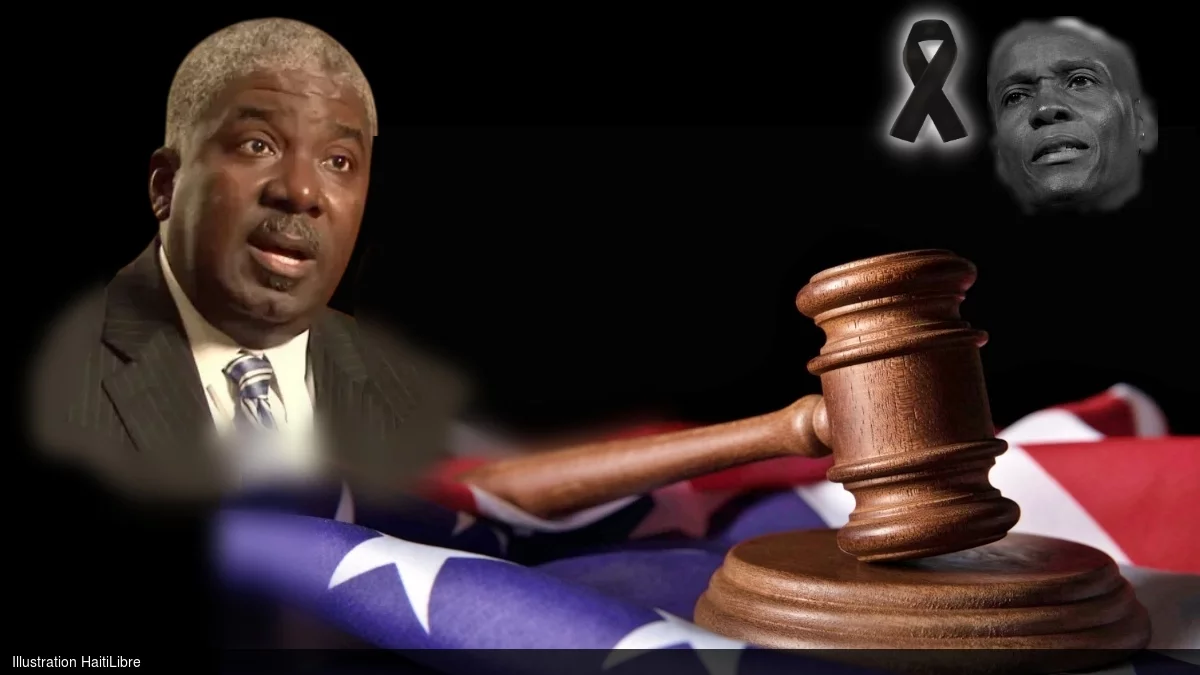
Assassination of J. Moïse : Trial begins. Haitian-American Pastor Emmanuel Sanon
Five years after the high-profile assassination of Haitian President Jovenel Moïse sent shockwaves across the Caribbean and global political landscape, the federal trial of the man accused of orchestrating the plot has officially gotten underway in South Florida. On Monday, September 28, 2026, proceedings opened at the U.S. Federal District Court for the Southern District of Florida, with Judge Jacqueline Becerra presiding over the case against 67-year-old Haitian-American pastor Christian Emmanuel Sanon.
Prosecutors from the U.S. Attorney’s Office level a serious conspiracy charge against Sanon, alleging he planned Moïse’s 2021 killing as part of a bid to seize the Haitian presidency and install himself as the country’s new leader. The charges against him include conspiracy to commit assassination and kidnapping against a foreign head of state; if convicted on these counts, Sanon faces a mandatory maximum sentence of life imprisonment.
Sanon’s detention stretches back to just days after Moïse’s assassination, when he was taken into custody by Haitian law enforcement. A search of his residence uncovered a cache of suspicious materials, including multiple crates of ammunition, 19 separate passports, and other unregulated items. After more than a year in Haitian custody, he was deported to the United States to face federal charges in early 2023. He is currently represented by lead defense counsel Zeljka Bozanic, with assistance from co-counsel Humberto Dominguez.
Public records and local Haitian reporting outline Sanon’s background: born in southern Haiti, he completed medical studies in the Dominican Republic before relocating permanently to Florida. In the years leading up to Moïse’s assassination, he began circulating online videos positioning himself as a reformist political figure who could bring long-overdue change to Haiti’s unstable political landscape.
The prosecution’s narrative argues that Sanon was the central organizer of the assassination plot, actively recruiting co-conspirators and laying the groundwork for his own assumption of the presidency after Moïse was removed from power. But Sanon has entered a formal not guilty plea to all charges, and his defense team has laid out a clear, targeted strategy to distance their client from the violent criminal act while acknowledging his long-stated political aspirations.
In opening framing of the case, Bozanic has pushed back aggressively against the prosecution’s conspiracy claims. She does not dispute that Sanon harbored ambitions to win the Haitian presidency and advance widespread political reform in his home country, but she emphasizes that he pursued these goals through plans for a peaceful, legitimate political transition. According to the defense, Sanon’s only professional connection to the private security firm CTU centered on hiring the group to provide personal security for his political activities and support infrastructure development projects he planned to launch in Haiti. He had no advance knowledge of, or involvement in, any plan to kidnap or kill Moïse, Bozanic argues.
The defense further contends that Sanon was actually manipulated and later pushed aside by more hardline conspirators and leaders of the security firm. Prosecutorial records themselves support this claim, Bozanic notes: by June 2021, just a month before the assassination, other plotters sidelined Sanon because they questioned his constitutional eligibility for the Haitian presidency and doubted he could attract enough popular support to stabilize the country after the coup. The conspirators then turned to another political figure, former judge Wendelle Coq Thélot, to front their planned post-assassination government.
In sum, the defense’s core argument positions Sanon not as the mastermind of a presidential assassination, but as an idealistic would-be politician who was outmaneuvered, manipulated, and eventually discarded by a shadowy armed group with far more violent, criminal intentions.
Jury selection was completed in the opening days of proceedings, with formal opening statements from both the prosecution and defense set to begin shortly. The trial is scheduled to hold daily sessions over the course of several weeks. A number of Sanon’s co-defendants, who have already either been convicted or entered guilty pleas in U.S. federal court, are expected to take the witness stand to testify against Sanon in exchange for potential sentence reductions. Legal observers expect the jury to deliver its verdict by the end of fall 2026, closing a years-long legal process stemming from one of the most high-profile political assassinations in recent Caribbean history.
-
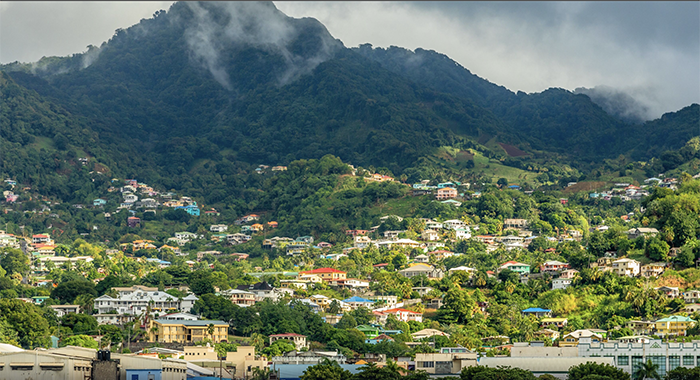
SVG moves to contain tourism fallout from mass shooting
In the wake of the deadliest mass shooting in St. Vincent and the Grenadines (SVG) in more than a year, Caribbean nation’s senior officials have moved quickly to mitigate widespread reputational harm that threatens two of the country’s key economic pillars: tourism and foreign investment.
A Friday shooting in the Green Hill area left four people dead and four others wounded, marking the worst act of gun violence in SVG since a 2023 Kingstown incident that claimed five lives. The violence drew widespread international coverage from major global outlets including CNN and the BBC, alongside widespread discussion across regional media platforms and social media, that Deputy Prime Minister and National Security Minister St. Clair Leacock describes as deeply damaging to the country’s global image.
Speaking to local outlet NICE Radio’s *New Times* programme on Monday, Leacock outlined the cross-government response to the crisis, which pairs a firm security crackdown on violence with a coordinated outreach campaign designed to reassure potential visitors and overseas investors that SVG remains open and welcoming. Tourism Minister Kishore Shallow has already assembled a dedicated damage control task force, Leacock confirmed, led by Tourism Authority CEO Shafia London and made up of senior marketing specialists.
The team’s core mandate is to directly engage with key target audiences to push back against the negative narrative that has emerged from the international coverage. Leacock emphasized that the messaging from the campaign is straightforward: the islands remain a top-tier, welcoming travel destination, and travelers should continue to plan their visits as scheduled.
“It’s still a wonderful place to be. It still is your choice destination. By all means, come to St. Vincent, the Grenadines,” Leacock said, repeating the core line of the tourism outreach effort.
Beyond tourism, SVG has activated its global diplomatic and trade networks to protect the country’s investment profile. Invest SVG, foreign service personnel, and trade representatives based at embassies and high commissions across the world have been tasked with continuing to promote the country as an attractive destination for overseas business, and to address any concerns international firms may have following the shooting.
Leacock acknowledged that the government is navigating a delicate balance in its public response: officials must respond firmly to the violence and reassure locals and the global community that the security situation is being addressed, but avoid overstating the risk in ways that would deepen economic harm. He noted that tourism is particularly vulnerable to collateral damage from negative headlines, with economic ripple effects that extend far beyond the immediate security response to an incident of violence.
“When you do something to national security, it doesn’t end there,” he explained.
The whole-of-government response extends far beyond law enforcement action, Leacock added, with the tourism and investment outreach forming a core part of the national effort to limit the long-term consequences of the weekend violence and maintain widespread confidence in the country’s stability and economic prospects. -
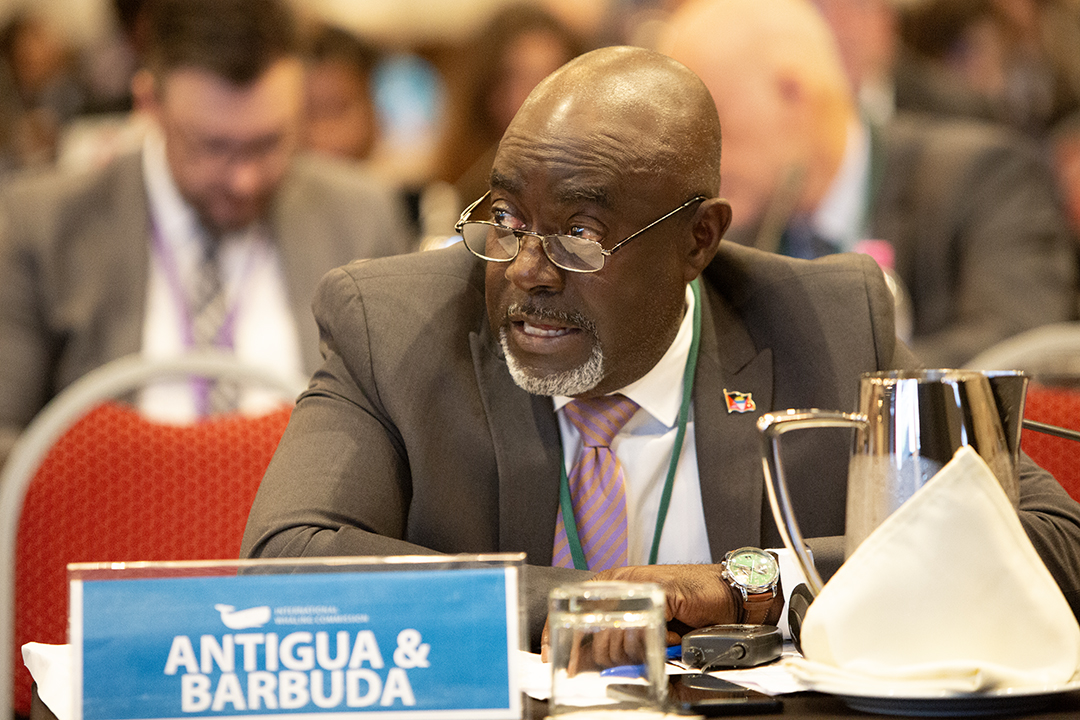
Antigua and Barbuda Warns IWC Quorum Changes Could Sideline Small Island States
As the International Whaling Commission (IWC) convenes its 70th plenary meeting in Hobart, Tasmania, to mark its 80th anniversary, a fierce debate over proposed changes to core decision-making quorum rules has emerged, with Antigua and Barbuda leading opposition over fears the reforms would marginalize vulnerable Small Island Developing States (SIDS).
The five-day meeting, which kicked off on September 28, brings together member state representatives and observer groups to tackle a wide policy agenda, from whale population surveys to new conservation and management frameworks. On the opening day, IWC leadership tabled two draft proposals to revise the body’s existing quorum requirement, which currently stands at a fixed 45 of the commission’s 88 total member states. Officials formed a cross-state drafting group to explore merging the two options into a unified proposal, but Antigua and Barbuda has already rejected both frameworks in their current forms.
The first option would redefine a quorum as a simple majority of members physically present at a meeting. Antigua and Barbuda’s IWC Commissioner Ambassador Daven Joseph argues this approach is fundamentally flawed, noting that a quorum should be tied to the commission’s full membership, not just the subset of countries that can afford to attend in-person gatherings. In the delegation’s official statement, representatives stressed: “Quorum must reflect 88, not who can afford airfare,” pointing out that SIDS regularly face crippling financial and logistical barriers to sending delegations to international meetings held far from their shores.
To illustrate the risk of this proposal, Joseph’s team laid out a hypothetical scenario: if only 50 of 88 member states attend a meeting, a majority-of-present quorum would drop to just 26 countries — less than one-third of the IWC’s full membership. That would allow a small minority of the commission to advance binding decisions, effectively disenfranchising dozens of states that cannot afford to attend. The delegation also notes that quorum must be maintained for the entire duration of the decision-making process, not just confirmed at the opening of a meeting, a safeguard missing from the first proposal. Antigua and Barbuda further draws a comparison to other global fisheries governance bodies, such as the International Commission for the Conservation of Atlantic Tunas, which ties quorum requirements to total membership rather than meeting attendance.
The second proposal under consideration would set a quorum as a majority of contracting governments that have accredited or registered a delegation ahead of the meeting. While Antigua and Barbuda acknowledges this framework is an improvement over the first option, it still carries significant flaws that make it unacceptable in its current form. Key unresolved questions include whether a country that registers a delegation online but ultimately cannot afford to send representatives in person would count toward the quorum, and whether states facing financial barriers to accreditation would be effectively excluded from quorum calculations entirely. Unlike the current fixed threshold, this proposal would create a fluctuating quorum that changes from meeting to meeting: in a scenario where only 60 member states register for a meeting, the quorum would drop to just 31, 14 members below the current requirement, the delegation calculates.
Instead of advancing either of the two current proposals, Antigua and Barbuda has put forward an alternative path forward: the establishment of a dedicated inclusive working group to re-examine the quorum issue from scratch. The Caribbean nation calls for the working group to include representatives from SIDS, coastal states, and all geographical regions, to build a consensus-backed reform that does not marginalize vulnerable nations. Antigua and Barbuda’s proposal retains the current fixed 45-member quorum threshold as a temporary safeguard, adds requirements for the IWC chair to confirm quorum is maintained before key votes on resolutions, rule changes and schedule amendments, and calls for a higher two-thirds majority threshold specifically for amendments to the IWC’s rules of procedure.
Joseph’s delegation emphasizes that all quorum reform must prioritize broad, inclusive representation rather than enabling narrow decision-making by a small subset of members. “Efficiency at 80 years must be balanced efficiency – not efficiency achieved by excluding members,” the statement reads. Antigua and Barbuda has offered to chair or co-chair the proposed working group, and is calling for the current 45-member rule to remain in place until a broadly supported reform can be agreed upon by the full membership.
-

Suriname en Mexico zoeken nauwere samenwerking in olie, handel en opleidingen
On the margins of the 81st United Nations General Assembly in New York, senior diplomatic representatives from Suriname and Mexico held a working meeting on September 24 to discuss avenues for deepening bilateral collaboration across multiple key sectors.
The meeting, which served as an introductory engagement for the two officials, brought together Suriname’s Minister of Foreign Affairs, International Trade and Cooperation Melvin Bouva, and Mexico’s Deputy Minister for Latin America and the Caribbean Raquel Serur Smeke. The core focus of the discussion was advancing the strengthening of long-term ties between the two nations.
During the talks, Minister Bouva outlined ongoing preparations to expand Suriname’s rapidly developing oil and gas sector. He noted that the South American nation currently requires targeted support in three critical areas to advance this work: skills training, technical expertise, and infrastructure development. Bouva emphasized that knowledge sharing between the two countries, paired with the potential deployment of Mexican industry experts, would make a meaningful contribution to Suriname’s energy sector development.
As part of the push for deeper energy cooperation, Mexico has received a formal invitation to participate in the 2027 Suriname Energy, Oil & Gas Summit. Beyond energy, the two officials also explored opportunities to improve air and maritime transport connectivity between Suriname and Mexico, which would support expanded trade and people-to-people ties. Another topic on the meeting agenda was fostering partnership and knowledge exchange between the two countries’ diplomatic training academies.
Deputy Minister Serur also shared that Mexico is keen to organize an official meeting with the Caribbean Community (CARICOM) to strengthen its broader relations with the Caribbean region. Minister Bouva expressed Suriname’s appreciation for Mexico’s existing collaborative work across the Caribbean, highlighting its ongoing support in disaster preparedness, climate action, and skills training programs. Following the productive New York meeting, both sides have committed to continuing discussions to turn the explored cooperation opportunities into concrete joint projects.
-
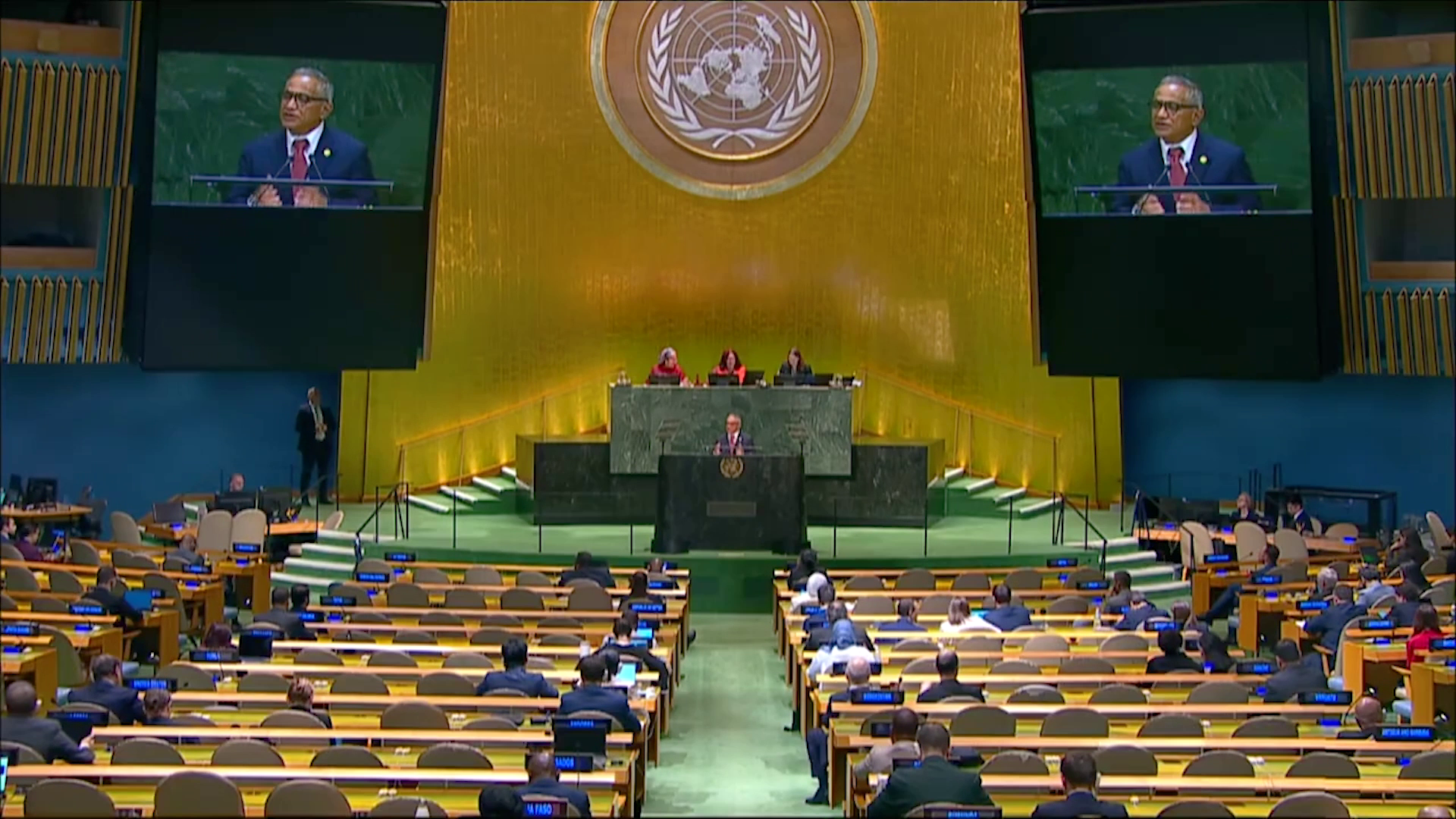
Illegal Guatemalan Military Flight Reignites Border Tensions
# Unlawful Guatemalan Military Flight Reignites Long-Simmering Border Tensions Between Belize and Guatemala Ahead of ICJ Hearings
Published: September 28, 2026
A decades-long territorial dispute between neighboring Central American nations Belize and Guatemala has flared into a new international confrontation after Belize accused Guatemala of sending an unauthorized military aircraft into its sovereign airspace — an incident that has already reshaped the diplomatic landscape ahead of a landmark International Court of Justice (ICJ) ruling scheduled for 2027.
The incident unfolded on September 25, when a Guatemalan military Pilatus PC-12 NG aircraft entered Belizean airspace without prior authorization or clearance. According to Belizean officials, the aircraft disabled its transponder mid-flight, causing its radar signal to vanish while it traversed airspace near popular coastal areas Caye Caulker and Lighthouse Reef, before exiting Belizean territory without any explanation from Guatemalan authorities.
Less than 48 hours after the incursion, Belizean Prime Minister John Briceño brought the accusation directly to the United Nations General Assembly, framing the incident as more than an isolated violation of international aviation rules. In his formal address, Briceño emphasized that the unauthorized flight is part of a broader pattern of provocative actions by Guatemala along the contested Sarstoon River border, where Guatemalan state vessels and personnel have repeatedly operated in what Belize recognizes as its territorial waters.
“This incursion is not an isolated one. It forms part of a continuing pattern in which Guatemalan state vessels and personnel operate unlawfully in Belizean territorial waters of the Sarstoon River, which forms part of Belize’s border with Guatemala, in defiance of obligations binding on both parties to refrain from any action capable of aggravating or extending the dispute presently before the International Court of Justice,” Briceño told the assembly.
The Prime Minister warned that the escalating provocative actions threaten to undermine the authority of the ICJ ahead of oral hearings scheduled to begin in February 2027, and erode ongoing efforts to reach a peaceful, binding resolution to the territorial conflict that has divided the two nations for more than a century. He called on Guatemala to immediately end all cross-border incursions across air, land and sea, comply fully with its obligations under the UN Charter, the Chicago Convention on International Civil Aviation, and Organization of American States (OAS) confidence-building agreements, and respect the integrity of the upcoming ICJ judicial process. Briceño also requested increased monitoring from both the UN and OAS to prevent any member state from using military intimidation to sway judicial proceedings.
In a swift rebuttal delivered from the UN floor, Guatemala categorically denied the entire allegation. Paola Andrea Morris Garrido, an advisor with Guatemala’s Permanent Mission to the UN, rejected the accusation outright, stating “This flight never happened. At all times, Guatemala has respected its obligations on the basis of the UN Charter, including Article two, paragraph four.”
Guatemala has called on the OAS’s local border office to launch a formal investigation into what it calls a “supposed incident,” and has accused Briceño of deliberately spreading misinformation to influence public opinion ahead of the ICJ hearings. Garrido further countered that Belize’s decision to raise the issue at the UN General Assembly is itself a violation of the 2005 confidence-building agreement between the two nations, arguing that the UN body is not the proper forum for disputes already pending before the ICJ. To date, the Guatemalan government has not released any official records or details addressing the flight to refute or confirm Belize’s claims.
This latest confrontation follows a string of rising tensions along the Sarstoon River border in recent months, as both nations prepare for the ICJ’s binding ruling. Briceño reaffirmed Belize’s full confidence in the judicial process, stating the country expects a final ruling that will establish internationally recognized, secure borders between the two states. In his broader address to the General Assembly, the Prime Minister also highlighted priorities for small developing nations, including climate change action, reparatory justice, and greater global representation for small states, while voicing support for international action on issues including the crises in Haiti, the situations in Cuba and Palestine, and cross-strait relations involving Taiwan.
News Five’s Britney Gordon contributed to this report from the field.