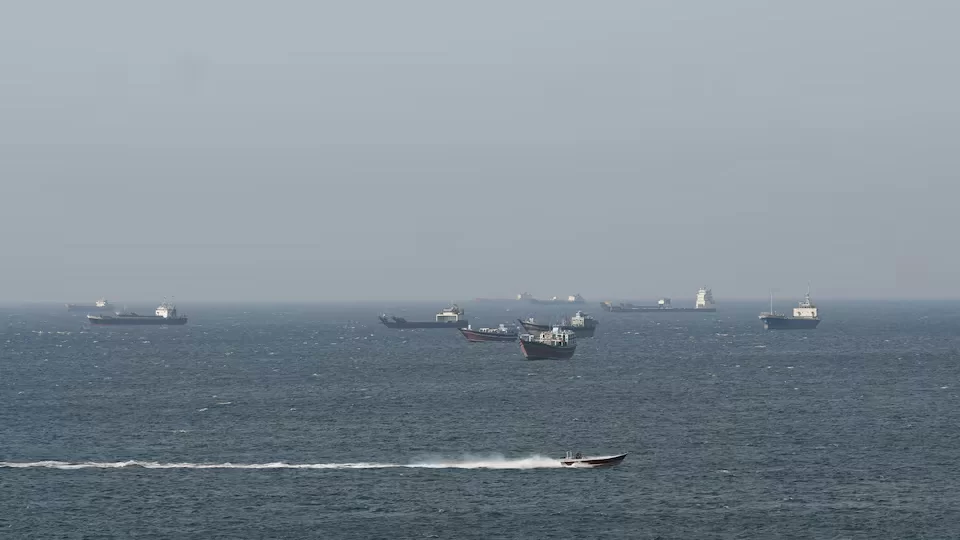
On Sunday, all commercial shipping traffic through the strategically critical Strait of Hormuz came to a complete standstill after Iran reasserted full control over the key waterway, escalating tensions just days ahead of the expiration of a fragile ceasefire between Tehran and Washington. The narrow strait, which connects the Persian Gulf to the Gulf of Oman, is the linchpin of global energy supply chains, and the sudden shutdown has sent fresh waves of uncertainty through global oil and natural gas markets already roiled by two months of open conflict between Iran and the United States.
The collapse of temporary transit access came with a swift reversal from Iranian authorities. Just one day earlier, Tehran had announced it would temporarily allow unimpeded shipping passage through the strait, but walked back that commitment after accusing the U.S. of violating the existing ceasefire by maintaining its own naval blockade of Iranian commercial ports. Shortly after the reversal, at least two Indian-flagged commercial vessels reported coming under fire while attempting to traverse the waterway. Data from global ship tracking systems confirms that by early Sunday morning, no commercial traffic was moving through the 21-mile wide strait, leaving hundreds of vessels stranded on both sides of the choke point.
This escalation comes amid eight weeks of open conflict that began on February 28, when joint U.S. and Israeli airstrikes targeted Iranian military and nuclear infrastructure. The war has killed thousands of people and already sent shockwaves through global energy markets. Before the outbreak of hostilities, roughly 20 percent of the world’s daily crude oil supply transited the strait, making any disruption a major risk for global economic stability.
Peace talks mediated by Pakistan have continued, despite the rising tensions. Last week, the first direct negotiations between Iranian and U.S. delegations in decades took place in Islamabad, wrapping up without a breakthrough agreement even as both sides acknowledged limited progress. Iranian chief negotiator Mohammad Baqer Qalibaf has stated that recent discussions with U.S. counterparts moved forward on some key points, but deep disagreements remain over two core issues: the future of Iran’s nuclear program and sovereignty over the Strait of Hormuz. Neither side has released detailed public information about the current status of negotiations, which are set to resume ahead of the ceasefire’s expiration on Wednesday.
Additional security has been deployed at the Islamabad hotel hosting the talks, though measures are less stringent than during the first round of negotiations. The core sticking point in nuclear discussions remains the length of a proposed freeze on Iranian nuclear activities: U.S. negotiators have proposed a 20-year moratorium on enrichment and related development work, while Iran is only willing to agree to a three- to five-year pause.
Top Iranian leaders have doubled down on their hardline stance in recent days. Ayatollah Mojtaba Khamenei declared that the Iranian Navy is fully prepared to inflict “new bitter defeats” on what Tehran labels as regional aggressors. U.S. President Donald Trump has labeled Iran’s blockade of the strait “nuclear extortion” and renewed threats of large-scale military action if a long-term comprehensive agreement is not reached before the ceasefire expires.
The escalating crisis has already spilled over into diplomatic relations with third countries. New Delhi summoned Iran’s ambassador to protest the shooting of Indian commercial vessels, a rare public rebuke from a country that has long maintained economic and diplomatic ties with Tehran. U.S. Central Command has confirmed it continues to enforce its own naval blockade of Iranian ports, but declined to offer any comment on the latest escalation in the strait.
While global oil prices saw a minor dip earlier last week amid hopes that shipping would resume, the shutdown has erased those early gains, and the market remains on edge heading into the week. Hundreds of commercial vessels and tens of thousands of crew members remain stranded in the Gulf region, stuck waiting for a resolution that would clear the strait for transit. With the fragile ceasefire set to expire and negotiations still deadlocked on core issues, the next three days are expected to be a critical turning point for both regional stability and the future of the global energy market.