分类: world

  • The sea is rising and so should we

    The sea is rising and so should we

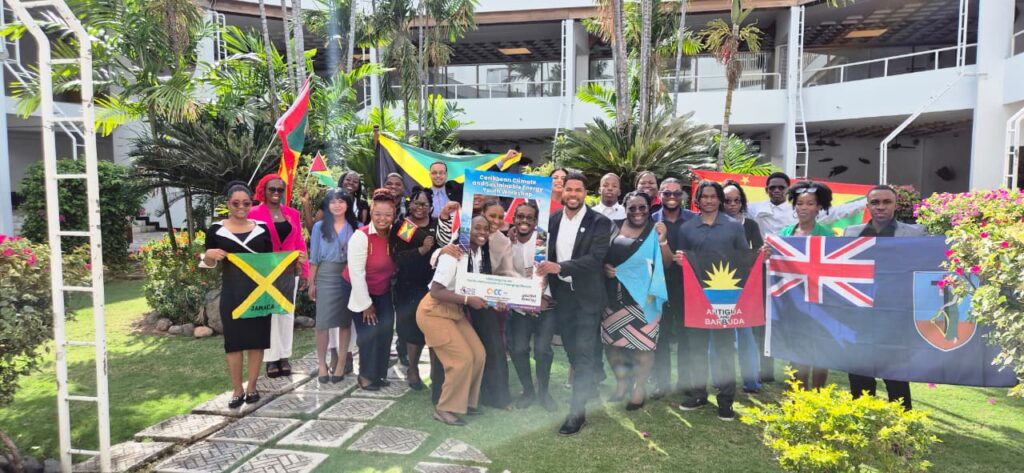
    As the United Nations commences the second year of the Second International Decade for People of African Descent (2025-2034), the accelerating climate emergency presents an existential threat to Small Island Developing States that can no longer be marginalized in global discourse. Across the Caribbean and Global South, human-induced climate change has transformed from theoretical concern to daily reality, particularly for over 200 million people of African descent inhabiting formerly colonized territories.

    This crisis unfolds against a backdrop of deteriorating global climate governance. The Trump administration’s confirmation of withdrawal from 66 international organizations—including 31 UN bodies specializing in climate policy, sustainable development, and international accountability—has created seismic shifts in diplomatic circles. Critical withdrawals encompass the UN Framework Convention on Climate Change, Intergovernmental Panel on Climate Change, and International Renewable Energy Agency, signaling a dangerous retreat by major industrial powers from their environmental responsibilities.

    Scientific evidence underscores the urgency. The Americas recorded unprecedented temperatures in 2025, with prolonged heatwaves from February through July breaking historical records across North America, the Caribbean, and South America. This extreme heat intensifies droughts, compromises fragile infrastructure, and fuels catastrophic wildfires. Urban centers face particular vulnerability as ‘heat islands’ exacerbate living conditions—a phenomenon poetically foreshadowed in Bob Marley’s ‘concrete jungle’ depiction of 1970s Kingston.

    The Caribbean’s hurricane seasons reveal increasingly destructive patterns, with recent storms devastating Jamaica, Grenada, Cuba, Haiti, and The Bahamas. These are no longer natural disasters but climate-amplified events fueled by warming oceans and atmospheric instability. Each storm leaves devastated infrastructure, lost livelihoods, and communities trapped in cyclical reconstruction with diminishing resources.

    This environmental emergency intersects directly with historical injustices. The Caricom Reparations Commission emphasizes that climate change cannot be divorced from colonial legacy—plantation economies created structural poverty that now magnifies climate vulnerability. Reparatory justice demands must encompass climate justice, including adaptation financing, technology transfer, and institutional support.

    Regional examples offer hope amidst crisis. Cuba’s conservation efforts—protecting 25% of marine coastal areas including the Caribbean’s largest mangrove forest and significant coral reefs—demonstrate people-centered approaches yielding tangible results. Despite US embargo constraints, Cuba has developed robust meteorological research documenting 121 hurricanes between 1791-2023, though political isolation limits regional knowledge sharing.

    Encouragingly, South-South collaboration gains momentum. The African Union and Caricom have forged a powerful alliance around reparatory justice, with the AU designating 2025 as the Year of Reparations and 2026-2036 as the Decade of Reparations. This partnership explicitly links historical redress with climate justice, recognizing the Caribbean’s disproportionate vulnerability. Calls for a global tribunal addressing historical atrocities further underscore demands for accountability.

    Caricom’s Environment and Natural Resources Policy Framework signals institutional commitment to integrating environmental justice with sustainable development and climate resilience. In an era of industrial nation unresponsiveness, Caribbean solidarity and Global South cooperation emerge not as radical concepts but essential survival strategies confronting interconnected crises of history, climate, and inequality.

  • Grenada government responds to latest US travel advisory

    Grenada government responds to latest US travel advisory

    The Grenadian government has issued a robust response to the United States’ updated travel advisory, firmly maintaining the Caribbean nation’s status as a secure destination despite heightened warnings from American authorities. On Wednesday, Prime Minister Dickon Mitchell’s administration launched a comprehensive defense of the country’s security infrastructure, directly addressing the U.S. State Department’s decision to elevate Grenada to Level 2 status, which advises visitors to ‘exercise increased caution’ due to crime risks.

    The U.S. advisory, released Tuesday, cited concerning statistics including armed robberies, assaults, burglaries, and sexual assaults affecting American citizens, with some cases resulting in fatalities. The warning specifically noted that police response times ‘are not as fast as one may expect in the United States.’

    In sharp contrast, the Grenadian government presented compelling data showing the nation maintains one of the region’s lowest crime rates at approximately 4 incidents per 100,000 people. Officials emphasized Grenada’s ‘strong record of public safety, social stability, and effective law enforcement,’ highlighting the significant population of U.S. citizens who permanently reside, work, study, and invest in the tri-island state without security concerns.

    The government statement detailed the Royal Grenada Police Force’s ‘robust systems for rapid response’ and ‘strong crime solvency rates,’ underscoring institutional capabilities that ensure continued public safety. Through close collaboration among law enforcement agencies, ongoing investment in public safety infrastructure, and strong regional and international partnerships, Grenada maintains its commitment to treating security as a ‘national priority.’

    Tourism officials noted that hundreds of thousands of visitors experience Grenada’s ‘renowned hospitality, rich culture, and world-class tourism offerings’ annually, with the sector operating under rigorously maintained safety protocols. The government reaffirmed its ‘open lines of communication and continued security cooperation’ with international partners including the United States, while maintaining that Level 2 represents a ‘relatively low’ risk classification within the State Department’s four-tier advisory system.

    Contextualizing the advisory, Grenada joins the Bahamas at Level 2, while neighboring Caribbean destinations including Barbados and Dominica maintain Level 1 status, indicating standard precautions for travelers.

  • Belgian multimillionaire aims to build a ‘Caribbean Dubai’ in the Antilles

    Belgian multimillionaire aims to build a ‘Caribbean Dubai’ in the Antilles

    A contentious development proposal is generating significant debate across the Caribbean island of Nevis. Belgian multimillionaire Olivier Janssens, who amassed his wealth through cryptocurrency investments, is spearheading an ambitious project to establish an autonomous enclave dubbed “Destiny” on the island’s southern coast.

    The 46-year-old libertarian, now a citizen of Saint Kitts and Nevis through the federation’s investment citizenship program, envisions creating a luxury residential community spanning 10 square kilometers—approximately 11% of Nevis’s total land area. The development would feature 10,000 homes targeting affluent international buyers seeking Caribbean paradise.

    Janssens describes his vision as a “Monaco-Dubai hybrid for the Caribbean” that prioritizes low-rise architecture, natural preservation, and family safety. Currently residing in Nevis, the entrepreneur has invested in companies owned by Elon Musk and maintains strong libertarian principles.

    However, the project faces substantial local opposition. Many residents express concerns about creating what they characterize as a “state within a state” that could fundamentally alter the island’s character and demographics. The government of Saint Kitts and Nevis is currently considering approval for the autonomous enclave, which would potentially attract thousands of wealthy investors to the small island nation of 47,000 people.

    The timing of this proposal coincides with increased international scrutiny of investment citizenship programs by both the European Union and United States authorities. If approved, construction could commence as early as 2026, transforming the currently wild, hilly, and wooded southern coastline of Nevis.

  • U.S. Delivers Emergency Vehicles to Belize

    U.S. Delivers Emergency Vehicles to Belize

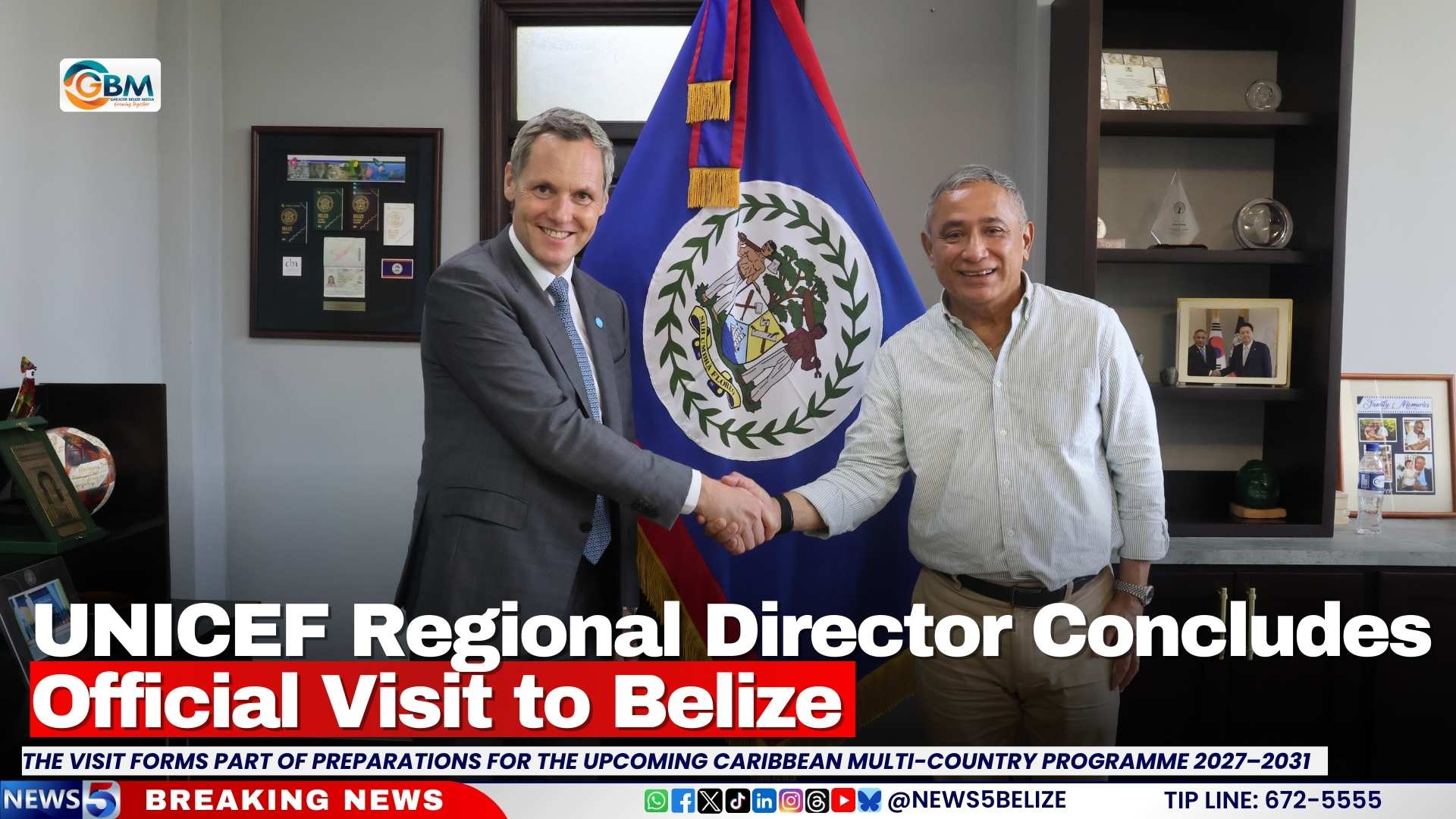
    The United States has delivered a significant boost to Belize’s emergency response infrastructure through a strategic military transport operation. A C-17 Globemaster III aircraft, operated by the U.S. Air Force from Joint Base Lewis-McChord, touched down in Belize this week carrying four specialized emergency response vehicles destined for Southern Emergency Services.

    This delivery represents a substantial enhancement to the nation’s disaster preparedness framework, providing equipment that will be deployed across communities to improve response capabilities for medical emergencies, natural disasters, and other critical incidents. The vehicles will enable more rapid and effective emergency interventions throughout the country.

    The transportation was coordinated under the Denton Humanitarian Assistance Program, a innovative U.S. initiative that maximizes military logistics efficiency by utilizing available cargo space on military aircraft to transport humanitarian supplies. This program operates without cost to donors, transforming otherwise unused capacity into vital assistance.

    According to the U.S. Embassy in Belize, this program regularly facilitates the delivery of essential humanitarian items including medical equipment, educational materials, and food supplies to communities in need. The initiative exemplifies how U.S. Southern Command (SOUTHCOM) strengthens regional partnerships through practical cooperation, contributing to enhanced security and prosperity for Belize and neighboring nations.

    This collaboration demonstrates the ongoing commitment to regional security cooperation and represents a tangible investment in Belize’s emergency response infrastructure that will benefit communities across the nation.

  • DRC: OCHA is concerned about civilian deaths and lack of assistance

    DRC: OCHA is concerned about civilian deaths and lack of assistance

    A recent United Nations Office for the Coordination of Humanitarian Affairs (OCHA) report reveals a severe humanitarian emergency unfolding in the eastern Democratic of Congo. Intensified armed conflict centered around the city of Bule and its environs since early December has precipitated a large-scale crisis characterized by substantial civilian casualties and mass displacement.

    According to the assessment, the persistent violence has directly claimed the lives of at least 25 non-combatants and left 40 others wounded. The instability has forcibly uprooted over 87,000 individuals from their homes, creating a vast displaced population that remains entirely cut off from critical aid supplies for over a month. The precarious security landscape has rendered humanitarian access impossible, preventing any aid organization from operating in the affected zones.

    The consequences of this aid suspension are dire. Displaced families are confronting extreme shortages of essential resources, including food, potable water, and medical services. The report grimly notes that an estimated 17 additional deaths have already been attributed to these harsh conditions, stemming from starvation, disease, and an utter lack of medical care. Many of those affected have been forced to flee multiple times, increasing their vulnerability.

    OCHA’s report underscores a fundamental breach of international humanitarian law, emphasizing that all parties engaged in the conflict are obligated to guarantee the protection of civilians and ensure the safe, unhindered passage of humanitarian personnel and assistance. These protections, the agency states, are being consistently violated in the volatile eastern regions of the Congo, exacerbating the suffering of the local population.

  • CTO reaffirms regional resilience and operational stability

    CTO reaffirms regional resilience and operational stability

    BRIDGETOWN, Barbados — The Caribbean Tourism Organisation (CTO), headquartered in Barbados, has issued a comprehensive statement addressing the regional impact of recent geopolitical turmoil in Venezuela and affirming the resilience of Caribbean travel infrastructure. The organization confirmed it is maintaining vigilant oversight of developments following the U.S. military intervention that resulted in the ouster of Venezuelan leader Nicolas Maduro, who now faces narcotics charges in a New York federal court.

  • Venezolaans leger begraaft soldaten die omkwamen tijdens Amerikaanse operatie

    Venezolaans leger begraaft soldaten die omkwamen tijdens Amerikaanse operatie

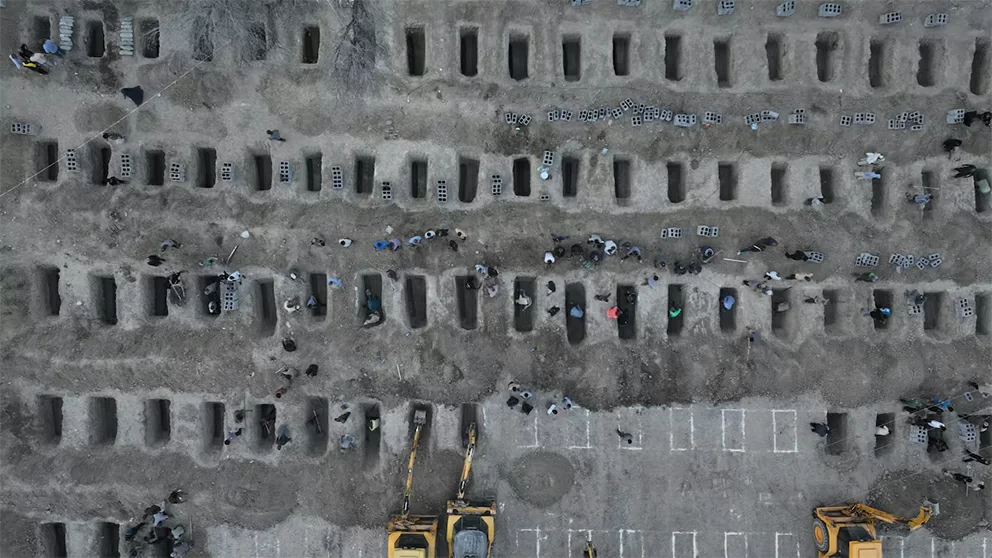
    Venezuela’s military held a solemn funeral ceremony in Caracas on Wednesday for dozens of soldiers killed during the US-led operation that resulted in the capture of President Nicolás Maduro. The emotional service featured military honors as grieving families stood alongside uniformed officers at a cemetery in the southern part of the capital city.

    A military band played solemn music while family members and soldiers marched behind rows of flag-draped coffins. Armed members of the National Guard maintained security throughout the ceremony, patrolling the cemetery grounds for hours before and during the proceedings. Men carried wooden caches adorned with Venezuelan flags past lines of uniformed officers in a display of military tradition.

    Military commander Rafael Murillo addressed the gathered families, stating, “Thank you for giving them the opportunity to begin a military career.” The soldiers received a rifle salute as their caskets were lowered into the ground, with many relatives weeping openly during the emotional moment.

    The funeral followed Acting President Delcy Rodríguez’s declaration of a seven-day mourning period for the fallen officers. According to Venezuelan military statements, at least 24 Venezuelan officers perished during the nighttime US military operation between Saturday and Sunday that resulted in Maduro and First Lady Cilia Flores being taken to New York to face drug trafficking charges.

    Meanwhile, Venezuelan Interior Minister Diosdado Cabello provided a significantly higher casualty estimate during a state television appearance, claiming at least 100 people died and a similar number were injured during the American operation. He did not specify the number of civilian versus military casualties or their nationalities.

    In a related development, Cuba announced that 32 Cuban military and police personnel working in Venezuela were killed during the US operation. Venezuelan Attorney General Tarek William Saab has announced that the Public Ministry will investigate the deaths, which he characterized as war crimes.

    The Venezuelan military expressed its resolve in an Instagram message: “Their spilled blood cries not for revenge, but for justice and strength. It confirms our unwavering promise not to rest until we have rescued our legitimate president, completely dismantled the terrorist groups operating from abroad, and ensured that such events never again stain our sovereign territory.”

  • Guyanese Nationals Lead Migrant Population in Antigua and Barbuda

    Guyanese Nationals Lead Migrant Population in Antigua and Barbuda

    A comprehensive analysis of migration patterns across the Caribbean Community (CARICOM) reveals a complex tapestry of movement driven by economic opportunity, regional instability, and historical ties. According to the International Organization for Migration’s 2024 report utilizing UNDESA mid-year estimates, migration trends vary dramatically depending on geographical and political contexts within the region.

    The data demonstrates that intra-Caribbean migration continues to be a significant phenomenon, with Guyanese nationals emerging as the predominant migrant group in five CARICOM member states: Antigua and Barbuda, Barbados, St. Lucia, Suriname, and St. Kitts and Nevis. Similarly, Trinidadians constitute the largest migrant community in Grenada and St. Vincent and the Grenadines. These patterns highlight how economic prospects and familial connections drive movement within the Caribbean basin.

    Conversely, several nations experience migration flows profoundly influenced by neighboring crises. Guyana reports that 75% of its migrant population originates from Venezuela, illustrating years of cross-border movement fueled by Venezuela’s ongoing political and economic turmoil. Trinidad and Tobago mirrors this trend with Venezuelans accounting for 30% of its migrant demographic. The Bahamas records Haitians as comprising 26% of migrants, while Dominica shows 31% of migrants coming from Haiti.

    Diverging from these regional patterns, Belize’s migration profile reflects Central American influences, with Guatemalans (43%), Salvadorans (16%), and Hondurans (16%) forming the majority. Jamaica presents yet another distinct pattern, with the United States (13%) and the United Kingdom as primary countries of origin, suggesting significant return migration and diaspora connections rather than regional movement.

    The report concludes that Caribbean migration is shaped by multiple intersecting factors including established free movement frameworks, geographical proximity, economic attractiveness, and displacement from adjacent crises, creating a uniquely complex migration landscape within the region.

  • Antigua and Barbuda Among Nations Facing Stricter Canadian Visitor Visa Rules in 2026

    Antigua and Barbuda Among Nations Facing Stricter Canadian Visitor Visa Rules in 2026

    Canada is implementing a significant restructuring of its visitor entry framework set for 2026, creating a bifurcated system that simultaneously simplifies access for certain nationalities while imposing more rigorous vetting for others. This strategic shift represents a recalibration of immigration policy aimed at bolstering border security while selectively promoting tourism.

    The revised system establishes two distinct pathways. Travelers from a designated group of nations, primarily in the Caribbean and Latin America, will benefit from an expanded Electronic Travel Authorization (eTA) program. This includes citizens from Antigua and Barbuda, St. Kitts and Nevis, St. Lucia, Trinidad and Tobago, Argentina, Costa Rica, Panama, and Uruguay. Eligible eTA applicants can bypass traditional visa applications for stays up to six months, provided they meet specific conditions like holding a valid U.S. non-immigrant visa.

    Conversely, the standard visitor visa process is undergoing substantial tightening. All applicants face enhanced scrutiny across multiple criteria, including financial proof, travel history, and demonstrated intent to return to their home country. Immigration officers now exercise greater discretion in denying applications based on vague travel purposes, insufficient evidence of financial means, or weak ties to the applicant’s country of origin.

    This policy evolution occurs within a broader context of Canadian immigration reform, including recent restrictions on international student visas. The government appears to be pivoting toward encouraging short-term tourism revenue as a counterbalance to reduced long-term student migration. The changes also reflect ongoing global security concerns, with explicit grounds for inadmissibility including criminal history, human rights violations, and potential security risks.

    The geographical impact of these changes is uneven. While Western European and American travelers remain largely unaffected, applicants from countries with historically higher refusal rates—such as Mexico, Brazil, and Colombia—are likely to experience increased rejection rates and longer processing times. The overarching goal remains finding an equilibrium between secure borders and sustainable tourism growth.

  • Army seizes 100,000 contraband cigarettes in Dajabón

    Army seizes 100,000 contraband cigarettes in Dajabón

    In a targeted intelligence operation, Dominican military forces have intercepted a massive shipment of contraband cigarettes near the nation’s northern border with Haiti. The successful mission resulted in the confiscation of 100,000 illicit cigarette units in Dajabón province, marking a significant blow to cross-border smuggling networks.

    The operation was initiated following intelligence reports indicating the movement of illegal merchandise into Dominican territory. Personnel from military intelligence services collaborated with members of the 10th Infantry Battalion to execute the strategic intervention. The operation focused on the Colonia Japonesa sector, specifically targeting the vicinity of a residence linked to an individual known by the alias ‘Buchín’.

    As military forces approached the location, multiple Haitian nationals were intercepted at the scene. The primary suspect, Buchín, managed to evade capture by fleeing upon detecting the military presence. The abandoned contraband consisted of 10 large boxes containing Capital-brand cigarettes, with each box holding 50 packages of 200 units, culminating in the substantial seizure of 100,000 cigarettes.

    The confiscated merchandise has been securely transported to the headquarters of the 10th Infantry Battalion, where it remains in military custody pending formal legal proceedings. Dominican Army officials emphasized their ongoing commitment to combating illicit activities along the border region through coordinated operations with various state institutions.

    The military command reiterated its strategic focus on protecting national sovereignty and maintaining legal order in border areas through continuous intelligence-driven operations against smuggling networks and other illegal cross-border activities.