分类: world

  • Jamaican diplomat and economist, Trevor Livingston Gordon-Somers, is dead

    Jamaican diplomat and economist, Trevor Livingston Gordon-Somers, is dead

    HANOVER, Jamaica — The global diplomatic community mourns the passing of Trevor Livingston Gordon-Somers, the distinguished Jamaican economist and United Nations peacebuilder who died peacefully in the United States on Thursday at age 87. Surrounded by family in his final moments, Gordon-Somers concluded a remarkable life dedicated to international service and humanitarian leadership.

    His son, Kimathi Gordon-Somers, a law professor based in the United States, confirmed the passing of his father, describing him as “a man of quiet strength, principled leadership and unwavering commitment to humanity” whose transformative work impacted nations, communities and generations across the globe.

    Gordon-Somers’ exceptional career with the United Nations spanned thirty-five years, beginning with his 1965 appointment to the United Nations Development Programme (UNDP) in New York. His professional trajectory carried him across multiple continents where he held strategic diplomatic positions within the UNDP Regional Bureau for Africa, with significant postings in Egypt and Zambia before returning to UN headquarters.

    His steady diplomatic approach and thoughtful leadership earned him widespread respect throughout the international community. He subsequently directed UNDP operations in Guyana and Barbados, where he significantly expanded development initiatives and humanitarian programs throughout South America and the Caribbean region.

    Perhaps his most historically significant assignment commenced on November 20, 1992, when he was appointed Special Representative of the Secretary-General to Liberia following United Nations Security Council Resolution 788. During one of Liberia’s most devastating periods, Gordon-Somers spearheaded critical diplomatic efforts to mediate the civil conflict, guiding UN peacekeeping operations with extraordinary courage, compassion and strategic resolve until December 11, 1994.

    Following his retirement from the United Nations, Gordon-Somers returned to Jamaica with his wife Joy, who hails from Hanover. Despite stepping back from international duties, he remained actively engaged in public service, contributing his expertise to community development initiatives. He notably volunteered as chairman of Roots 96.1 FM, a Kingston-based community radio station operated by the Mustard Seed Communities.

    At the onset of the COVID-19 pandemic, Gordon-Somers and his wife relocated from their Mona home in Kingston to Miami, Florida, to be closer to their children and grandchildren.

    He leaves behind a powerful legacy carried forward by his wife, two sons Scott and Kimathi, and five grandchildren who continue to embody his values, grace and profound sense of service to humanity.

  • Gov’t bullish about prospects for Jamaica in 2026, says Fitz-Henley

    Gov’t bullish about prospects for Jamaica in 2026, says Fitz-Henley

    KINGSTON, Jamaica — Senior government official Senator Abka Fitz-Henley has expressed strong confidence in Jamaica’s economic trajectory for 2026, despite substantial setbacks caused by Hurricane Melissa in late 2025. The catastrophic weather event is estimated to have wiped out approximately 30% of the nation’s GDP, creating significant economic headwinds.

    Fitz-Henley, serving as State Minister in the Office of the Prime Minister, acknowledged the hurricane’s severe impact while highlighting several positive economic indicators that support the administration’s optimistic outlook. He emphasized Jamaica’s demonstrated economic resilience, noting the Jamaican dollar has maintained remarkable stability over recent years and weeks despite external pressures.

    The country’s National International Reserves remain robust at over US$6 billion, providing a substantial financial buffer. Most notably, the economy demonstrated impressive vigor with 5.1% growth during the July-September quarter, as officially confirmed by the Statistical Institute of Jamaica.

    Recovery operations are proceeding with urgency, particularly in addressing housing crises caused by the Category 5 hurricane. The government has implemented a structured transition from immediate relief efforts to comprehensive residential recovery programs, specifically targeting Jamaicans who suffered roof losses during the storm.

    Fitz-Henley confirmed that recovery operations continued throughout the holiday season, with funds collected through official channels being allocated to assist those with significant property damage. The administration has simultaneously established monitoring systems to ensure financial accountability and maintain the integrity of the reconstruction process.

  • Chile offers help to Argentina for fires in Patagonia

    Chile offers help to Argentina for fires in Patagonia

    Chilean Foreign Minister Alberto van Klaveren has formally declared his nation’s commitment to assist neighboring Argentina in combating severe wildfires through an official statement on Twitter. The diplomatic gesture emphasizes the importance of cross-border cooperation during environmental emergencies.

    “In times of adversity, solidarity between sister nations and joint efforts are fundamental to addressing shared challenges,” Minister van Klaveren stated, highlighting the regional partnership between the two South American countries.

    The devastating wildfires are currently impacting multiple provinces in southern Argentina, including Neuquen, Rio Negro, Chubut, and Santa Cruz. These blazes have prompted a massive emergency response involving hundreds of firefighters, technical personnel, and support staff utilizing advanced equipment including heavy machinery, drone technology, water tankers, and aerial firefighting aircraft.

    Despite the proximity of the fires to the Chilean border—with one blaze reportedly 17 kilometers from the boundary and another approximately 20 kilometers away—Chile’s National Forestry Corporation (CONAF) has indicated that current wind patterns are directing the fires toward the Atlantic rather than across the border into Chilean territory. This meteorological assessment has provided temporary relief for Chilean authorities while they prepare contingency measures.

    The bilateral cooperation initiative represents a significant development in regional disaster management coordination, demonstrating how neighboring nations can mobilize resources and expertise across international boundaries to address environmental crises that potentially affect both countries.

  • Uncontrolled fires in Patagonia, Argentina

    Uncontrolled fires in Patagonia, Argentina

    A devastating wildfire, suspected to be deliberately ignited, continues its relentless advance across Argentina’s Chubut Province, prompting widespread evacuations and causing what officials are calling the region’s most severe environmental disaster in two decades. The inferno, which originated on January 5th, has already scorched approximately 7,000 hectares of pristine native forest.

    The blaze is primarily concentrated near the towns of Epuyén and El Hoyo, where extreme weather conditions—a historic drought compounded by scorching temperatures and powerful winds—have severely hampered firefighting efforts. These elements are actively fueling the fire’s spread toward populated zones, creating a volatile and dangerous situation for residents and emergency crews alike.

    In the community of Puerto Patriada, the fire’s ferocity has resulted in the complete destruction of at least ten homes. The escalating threat has compelled local governments to issue a series of urgent advisories. The municipality of El Maitén has instructed its inhabitants to prepare for potential immediate evacuation. Neighboring towns, including El Coihue and Buenos Aires Chico, remain on high alert, with public facilities being preemptively converted into emergency shelters.

    As a critical preventative measure, the Municipality of El Hoyo has mandated a proactive self-evacuation for all residents, tourists, and visitors in the El Pedregoso and Aldea San Francisco areas. Concurrently, authorities have imposed traffic restrictions on the crucial Route 40 to facilitate emergency operations and ensure public safety.

    With preliminary investigations pointing towards arson, judicial authorities are actively working to corroborate the charge and identify those potentially responsible for the catastrophe.

  • Insecurity : Attacks and population displacements in Montrouis…

    Insecurity : Attacks and population displacements in Montrouis…

    The Lower Artibonite region of Haiti continues to grapple with a deteriorating security situation as a series of coordinated armed attacks have triggered significant population displacements and created severe humanitarian challenges. Following earlier violence in Pont-Sondé on November 29 and L’Estère on December 1, the commune of Montrouis experienced renewed hostilities between December 23-25 when armed groups targeted the 1st section of Délugé. The Canaan gang specifically attacked the locality of Piâtre, burning numerous homes and intensifying pressure on already strained host communities.

    According to the International Organization for Migration, approximately 1,120 individuals have been displaced by the recent violence, with all affected persons finding refuge with host families primarily in neighboring areas and the city of Saint-Marc. The Communal Section Administrative Council and General Directorate of Civil Protection report that most displaced persons are concentrated in surrounding localities including Rozo, Aymé, and Dipen. However, humanitarian access remains severely constrained as roads to these areas are subject to ongoing armed attacks and remain extremely dangerous for travel.

    The security environment remains highly volatile, particularly impacting humanitarian operations throughout the Saint-Marc commune. National Road #1, a critical transportation artery, remained impassable at Montrouis as of January 6 due to security concerns. These access constraints have significantly hampered rapid humanitarian response efforts, limiting the ability of aid workers to reach affected populations and maintain essential services.

    The General Directorate of Civil Protection in Artibonite, with support from the UN Office for the Coordination of Humanitarian Affairs, is actively monitoring the situation through existing coordination mechanisms established for the Lower Artibonite region. The continued violence highlights the persistent security challenges facing Haiti and the growing humanitarian needs of vulnerable populations caught in conflict-affected areas.

  • At Least 65 Dead in Iran Protests Amid Internet Shutdown

    At Least 65 Dead in Iran Protests Amid Internet Shutdown

    Iran is confronting its most severe civil unrest in years as nationwide protests over economic conditions have resulted in significant casualties and arrests. According to documentation by a U.S.-based human rights organization, at least 65 individuals have lost their lives and over 2,300 have been detained during two weeks of demonstrations that have expanded across all 31 Iranian provinces.

    The protests, initially sparked by soaring prices and deepening economic hardship, have evolved into a broad challenge to authorities. Eyewitness accounts from Tehran describe scenes of extreme violence, with security forces employing live ammunition and tear gas against demonstrators during what participants characterized as a ‘nightmare’ confrontation on Friday night.

    In response to the escalating situation, Iranian authorities have implemented a comprehensive nationwide internet blackout exceeding 48 hours—a measure that appears to have failed to deter protesters from continuing their demonstrations. The communications shutdown represents one of the most extensive digital censorship efforts implemented by the regime in recent history.

    International observers note that the scale and geographical spread of the unrest, reaching at least 100 urban centers, presents the most serious challenge to Iran’s leadership in over a decade. The persistence of demonstrations despite severe countermeasures suggests deepening public frustration with economic conditions and governance structures.

  • US seizes fifth oil tanker linked to Venezuela, officials say

    US seizes fifth oil tanker linked to Venezuela, officials say

    In a significant escalation of maritime enforcement operations, United States forces have captured the oil tanker Olina in the Caribbean Sea, marking the fifth such seizure in recent weeks as the Trump administration intensifies its campaign against Venezuelan oil exports. The vessel, which appears on multiple international sanctions lists, was intercepted after departing Venezuelan waters in what officials described as an attempt to evade US naval forces.

    The early morning operation, conducted jointly by Marines and naval personnel in coordination with the Department of Homeland Security, represents the latest effort to dismantle what US officials term the ‘dark fleet’—an estimated network of over 1,000 vessels allegedly transporting sanctioned and illicit oil. Homeland Security Secretary Kristi Noem characterized the intercepted vessel as another ‘ghost fleet’ tanker suspected of carrying embargoed oil, sharing video footage that appeared to show troops rappelling onto the ship from helicopters.

    Maritime intelligence firm Vanguard Tech reported that the Olina had been attempting to breach the US naval blockade in the Caribbean while sailing under a false flag registered to Timor-Leste. The vessel’s location transponder had been inactive for 52 days prior to its capture northeast of Curaçao, indicating sophisticated evasion tactics.

    The seizure follows back-to-back interdictions earlier this week of two additional tankers linked to Venezuelan oil exports, including the Russian-flagged Marinera captured with support from the UK Royal Navy. US authorities allege these vessels form part of a shadow network transporting oil for Venezuela, Russia, and Iran in violation of international sanctions.

    This maritime enforcement campaign coincides with diplomatic developments, as US officials visited Caracas on Friday to explore re-establishing diplomatic relations severed by former President Nicolás Maduro in 2019. The Trump administration has simultaneously announced plans to take control of up to 50 million barrels of Venezuelan oil worth approximately $2.8 billion, with Secretary of State Marco Rubio stating proceeds would be distributed ‘in a way that benefits the Venezuelan people.’

    The US military’s Southern Command declared the operations send a ‘clear message that there is no safe haven for criminals,’ underscoring the administration’s multifaceted approach combining naval power, economic pressure, and diplomatic engagement toward Venezuela.

  • Barbados says renewable energy ‘a developmental imperative’ for SIDS

    Barbados says renewable energy ‘a developmental imperative’ for SIDS

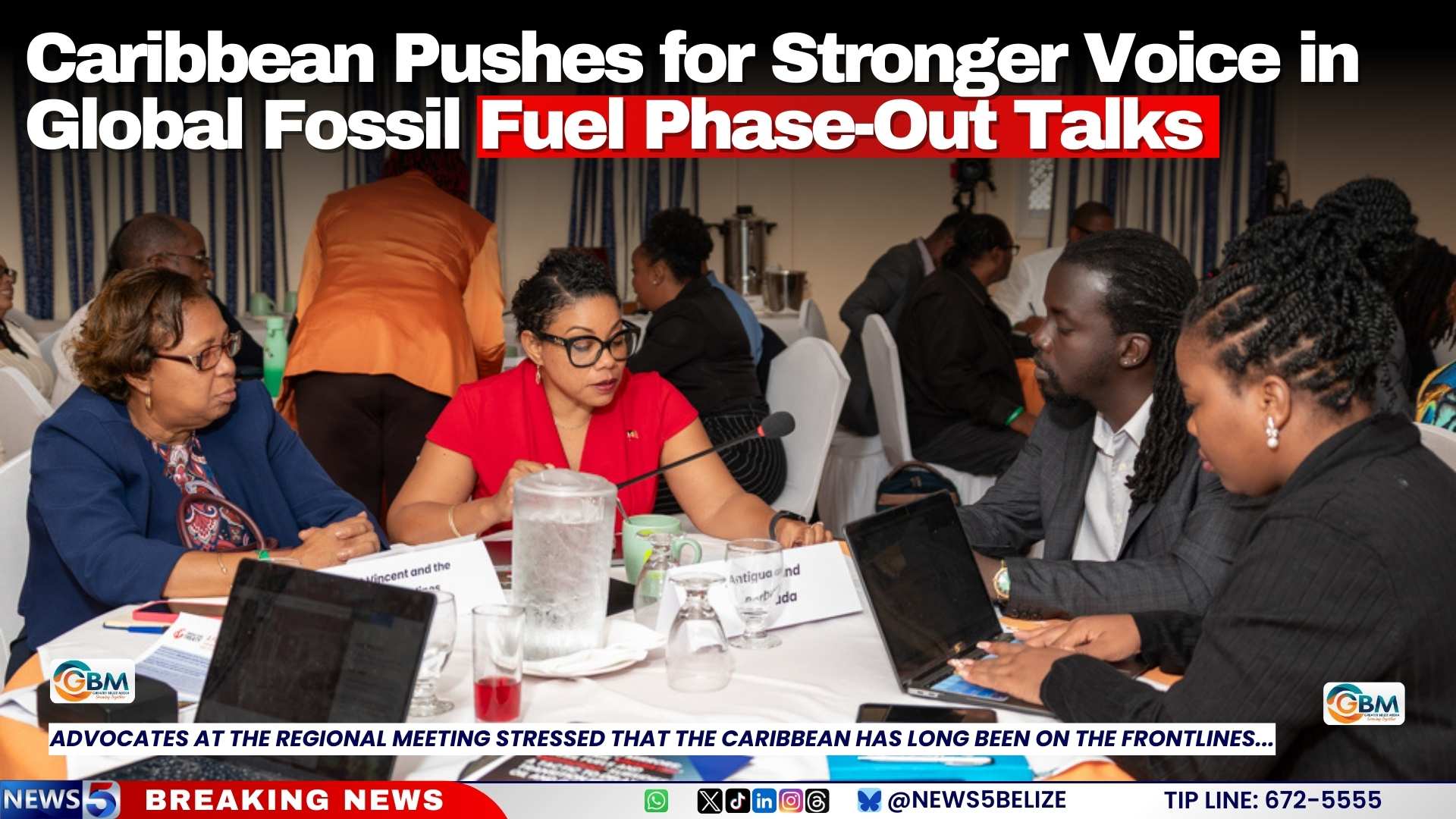
    ABU DHABI, UAE – At the 16th International Renewable Energy Agency (IRENA) Assembly, Barbados delivered a compelling address framing renewable energy as a critical developmental necessity rather than merely an environmental consideration for small island developing states (SIDS). Ambassador Annalee C. Babb, representing both Barbados and the UAE, articulated the unique challenges facing Caribbean nations during the session focused on renewable pathways across Latin America and the Caribbean.

    The ambassador emphasized that energy transition represents a strategic imperative for reducing dependency on imported fossil fuels, stabilizing electricity costs, and reallocating national budgets toward socioeconomic development. However, she identified significant structural barriers including limited procurement volumes, absence of economies of scale, and prohibitively high storage costs that complicate this transition.

    Babb highlighted the particular challenge of energy storage integration, noting that Barbados has reached a pivotal stage where storage solutions are essential for further renewable deployment. She detailed how Caribbean SIDS operate isolated grid systems unlike interconnected Latin American networks, resulting in higher perceived risks and consequently elevated capital costs for energy projects.

    The diplomat called for differentiated financing approaches that acknowledge SIDS’ vulnerabilities through simplified application procedures and more accessible funding pathways. She proposed that IRENA could enhance technical assistance for energy storage planning, wind resource assessment, and hybrid system configurations while facilitating concessional finance instruments specifically tailored for small-scale projects.

    The assembly proceedings occurred against the backdrop of the United States’ withdrawal from IRENA and numerous other international organizations. Meanwhile, IRENA’s Regional Energy Transition Outlook report presented a comprehensive roadmap for South America to achieve net-zero emissions by the 2050s through scaled renewables, improved efficiency, and enhanced regional power integration.

    Babb concluded by advocating for stronger representation of SIDS-specific challenges in IRENA’s analytical work and global advocacy efforts, suggesting dedicated procurement windows for energy storage systems that accommodate small order sizes and extended lead times peculiar to island nations.

  • US withdrawal from UN bodies overshadowing IRENA assembly

    US withdrawal from UN bodies overshadowing IRENA assembly

    ABU DHABI, United Arab Emirates – The commencement of the 16th Assembly of the International Renewable Energy Agency (IRENA) in Abu Dhabi this Saturday is occurring under the significant cloud of the United States’ decision to withdraw from this and 65 other international organizations. This move, announced by the Trump administration, represents a major shift in U.S. engagement with multilateral institutions, particularly those focused on climate and sustainable energy.

    The assembly’s inaugural session, titled ‘Pathways for a Renewable Future across Latin America and Caribbean subregions,’ is expected to draw numerous Caribbean delegates, including energy ministers, to discuss regional energy transition strategies.

    IRENA Director-General Francesco La Camera expressed profound regret regarding the U.S. decision, emphasizing the nation’s historical role as a key stakeholder in advancing renewable energy through international cooperation. ‘Renewable energy is smart economics and will be the decisive factor in the competitiveness of economies,’ La Camera stated, highlighting renewables as a powerful catalyst for business opportunities, job creation, and technological innovation.

    La Camera further articulated that the global energy transition offers a historic opportunity for nations to achieve substantial economic returns, from reducing power costs to strategic investments. He underscored that renewables are essential for ensuring energy security and strengthening geopolitical positions in today’s uncertain global environment.

    The IRENA head affirmed the agency’s unwavering commitment to supporting countries and businesses in accelerating the global energy transition, delivering the socioeconomic, environmental, and security benefits of renewable energy. While acknowledging valuable U.S. contributions to IRENA’s work among its 171 members, La Camera left the door open for future renewed engagement.

    The U.S. withdrawal, directed by President Trump and implemented by Secretary of State Marco Rubio, targets organizations deemed ‘wasteful, ineffective, or harmful’ to American interests. Rubio’s statement characterized these institutions as redundant, mismanaged, poorly run, or threats to U.S. sovereignty and prosperity.

    Among the entities from which the U.S. is withdrawing are several pivotal green energy and environmental organizations, including the Intergovernmental Panel on Climate Change (IPCC), the UN Framework Convention on Climate Change (UNFCCC), UN Energy, and the International Union for Conservation of Nature, signaling a comprehensive disengagement from global climate governance frameworks.

  • The sea is rising and so should we

    The sea is rising and so should we

    As the United Nations commences the second year of the Second International Decade for People of African Descent (2025-2034), the accelerating climate emergency presents an existential threat to Small Island Developing States that can no longer be marginalized in global discourse. Across the Caribbean and Global South, human-induced climate change has transformed from theoretical concern to daily reality, particularly for over 200 million people of African descent inhabiting formerly colonized territories.

    This crisis unfolds against a backdrop of deteriorating global climate governance. The Trump administration’s confirmation of withdrawal from 66 international organizations—including 31 UN bodies specializing in climate policy, sustainable development, and international accountability—has created seismic shifts in diplomatic circles. Critical withdrawals encompass the UN Framework Convention on Climate Change, Intergovernmental Panel on Climate Change, and International Renewable Energy Agency, signaling a dangerous retreat by major industrial powers from their environmental responsibilities.

    Scientific evidence underscores the urgency. The Americas recorded unprecedented temperatures in 2025, with prolonged heatwaves from February through July breaking historical records across North America, the Caribbean, and South America. This extreme heat intensifies droughts, compromises fragile infrastructure, and fuels catastrophic wildfires. Urban centers face particular vulnerability as ‘heat islands’ exacerbate living conditions—a phenomenon poetically foreshadowed in Bob Marley’s ‘concrete jungle’ depiction of 1970s Kingston.

    The Caribbean’s hurricane seasons reveal increasingly destructive patterns, with recent storms devastating Jamaica, Grenada, Cuba, Haiti, and The Bahamas. These are no longer natural disasters but climate-amplified events fueled by warming oceans and atmospheric instability. Each storm leaves devastated infrastructure, lost livelihoods, and communities trapped in cyclical reconstruction with diminishing resources.

    This environmental emergency intersects directly with historical injustices. The Caricom Reparations Commission emphasizes that climate change cannot be divorced from colonial legacy—plantation economies created structural poverty that now magnifies climate vulnerability. Reparatory justice demands must encompass climate justice, including adaptation financing, technology transfer, and institutional support.

    Regional examples offer hope amidst crisis. Cuba’s conservation efforts—protecting 25% of marine coastal areas including the Caribbean’s largest mangrove forest and significant coral reefs—demonstrate people-centered approaches yielding tangible results. Despite US embargo constraints, Cuba has developed robust meteorological research documenting 121 hurricanes between 1791-2023, though political isolation limits regional knowledge sharing.

    Encouragingly, South-South collaboration gains momentum. The African Union and Caricom have forged a powerful alliance around reparatory justice, with the AU designating 2025 as the Year of Reparations and 2026-2036 as the Decade of Reparations. This partnership explicitly links historical redress with climate justice, recognizing the Caribbean’s disproportionate vulnerability. Calls for a global tribunal addressing historical atrocities further underscore demands for accountability.

    Caricom’s Environment and Natural Resources Policy Framework signals institutional commitment to integrating environmental justice with sustainable development and climate resilience. In an era of industrial nation unresponsiveness, Caribbean solidarity and Global South cooperation emerge not as radical concepts but essential survival strategies confronting interconnected crises of history, climate, and inequality.