分类: world

  • Guyana contributing rice to Cuba’s relief effort

    Guyana contributing rice to Cuba’s relief effort

    In a significant demonstration of regional solidarity, Guyana has pledged a substantial rice consignment to Cuba as part of a Caribbean Community (CARICOM) humanitarian assistance program. President Irfaan Ali confirmed the initiative on Wednesday, March 25, 2026, emphasizing his nation’s ongoing commitment to regional cooperation and crisis response.

    President Ali explicitly stated to Demerara Waves Online News that “We’re part of this effort, we have always been, and we’re committed to have rice supplied,” underscoring Guyana’s consistent role in supporting neighboring Caribbean nations during times of need. While specific quantitative details regarding the shipment volume were not immediately disclosed, the characterization of the consignment as “huge” indicates a substantial contribution that will likely address significant food security needs in Cuba.

    This humanitarian gesture occurs within the broader framework of CARICOM’s collective relief mechanisms, which mobilize resources from member states to address emergencies and shortages throughout the Caribbean region. Guyana’s agricultural capacity, particularly in rice production, positions it as a key contributor to such regional food security initiatives. The announcement reflects ongoing diplomatic efforts to strengthen inter-Caribbean relations and mutual support systems, particularly important given the complex economic challenges facing several nations in the region.

    The timing of this commitment suggests continued cooperation despite evolving global economic pressures and shifting international alliances. Such bilateral assistance within the CARICOM framework reinforces the organization’s founding principles of economic integration and functional cooperation among member states, demonstrating practical application of these principles through tangible humanitarian assistance.

  • Italy: AAMOD holds cultural event in solidarity with Cuba

    Italy: AAMOD holds cultural event in solidarity with Cuba

    As part of a growing global wave of solidarity with the Cuban people amid a tightening U.S. economic blockade, a new outreach initiative is set to launch in Rome this evening, joining a series of international actions already taken in support of Havana. This event, themed “With Cinema and the Cuban People,” will be hosted at Rome’s Zavattini Hall, bringing together activists, cultural figures, and diplomatic representatives to stand with Cuba against escalating trade and financial restrictions.

    Organized by the Cuban Embassy in Italy, the gathering boasts broad backing from major Italian civil society and labor groups: the Italy-Cuba Friendship Association (ANAIC), the Italian General Confederation of Labor (CGIL), the National Association of Italian Partisans (ANPI), the Italian Cultural Association for Social Promotion (ARCI), and the Italian Federation of Film Clubs (FICC) have all thrown their support behind the initiative.

    Key speakers will include Jorge Luis Cepero, Cuba’s current Ambassador to Italy, who will deliver remarks in person in Rome. Attendees will also connect via live broadcast to Havana for an address from Mirta Ibarra, the celebrated Cuban actress and filmmaker who directed the documentary at the center of the event.

    AAMOD, one of Italy’s most respected cultural institutions focused on preserving, researching, and sharing the country’s historical and audiovisual heritage, is playing a central role in curating the gathering. The organization says the event is designed to create an open space for information sharing, critical reflection, and public participation, centering two key topics: the ongoing situation in Cuba under the embargo, and the urgent need for the global community to expand tangible support for the Cuban people.

    This new event is the latest in a string of international solidarity actions responding to the U.S.’s recent tightening of its long-running economic blockade of Cuba. Previous initiatives include the European Convoy that recently traveled to the island nation, the cross-regional Our America Convoy, and the global Energy for Life campaign, all of which have worked to deliver direct, practical support to Cuban citizens impacted by the embargo.

  • From coastlines to crops…

    From coastlines to crops…

    Jamaica’s groundbreaking climate adaptation initiative, the Government of Jamaica/Adaptation Fund Programme, concluded with celebratory ceremonies marking its transformative achievements. Launched in November 2012 with $10 million financing through the Planning Institute of Jamaica (PIOJ), the comprehensive program successfully enhanced climate resilience across multiple sectors through three strategically designed components.

    The multifaceted approach targeted coastal protection in northeastern Jamaica, improved water and land management in vulnerable farming communities, and strengthened institutional capacity at national and local levels. Implementation involved collaboration with key agencies including the National Environment and Planning Agency, National Works Agency, Disaster Preparedness Office, Rural Agricultural Development Authority (RADA), Forestry Department, and Social Development Commission.

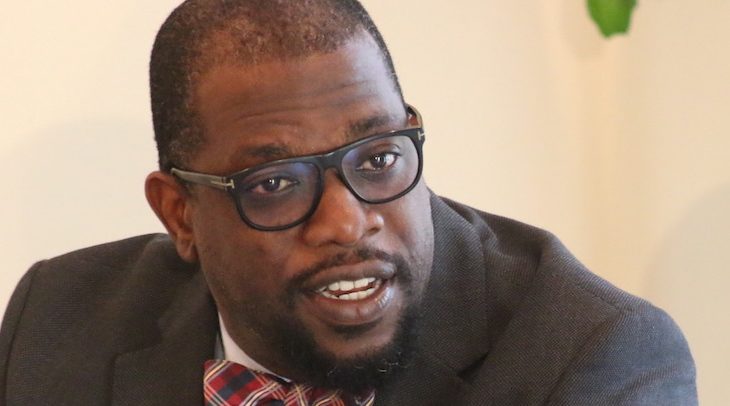
    Professor Dale Webber, Jamaica’s Special Envoy for Climate Change, declared the initiative a pioneering model for small island developing states (SIDS) during his keynote address. He emphasized that while scientifically grounded, the program’s success derived from tangible, visible outcomes that delivered immediate community benefits. “What has been achieved here is not just theoretical—it was practical, visible, and continues to be impactful,” Webber stated while representing portfolio minister Matthew Samuda.

    The program’s documented accomplishments include coastline stabilization protecting critical infrastructure and community assets, support for fisheries and coastal livelihoods adapting to changing marine ecosystems, and advanced reforestation improving land management practices. Capacity-building initiatives trained shelter managers and deployed a Climate Risk Atlas enabling evidence-based planning at local levels, with particular attention to gender-inclusive resilience strategies.

    Notable success stories emerged from participating communities. The Forestry Department’s private forestry program coordinator Shawnette Russell-Clennon reported significant reforestation progress with over 20,000 fruit and lumber trees planted, particularly aiding recovery from Hurricane Melissa’s devastation in October 2025. Fishermen from St Mary received climate-resilient equipment and training, including boat upgrades and emergency ramps for extreme weather conditions.

    Agricultural communities experienced substantial improvements through RADA’s technical advice and farmer peer schools. Jasmine Hyde, RADA’s zonal director for St Ann and St Mary, reported enhanced productivity, improved irrigation systems, and better land management minimizing landslides. Professor Webber concluded by calling for accelerated international climate finance processing, noting Jamaica has demonstrated institutional capacity and implementation expertise but requires expanded funding to scale successful interventions.

  • Joy, scepticism across west Africa after UN vote on slave trade

    Joy, scepticism across west Africa after UN vote on slave trade

    ACCRA, Ghana—A profound sense of historical validation swept through the streets of Ghana’s capital following the United Nations’ landmark designation of the transatlantic slave trade as “the gravest crime against humanity.” The resolution, championed by Ghanaian President John Mahama who personally attended the New York vote, received overwhelming support with 123 member states voting in favor.

    Across West Africa, citizens expressed both pride in this recognition and anticipation for what it might catalyze. “This isn’t merely symbolic for our nation; it authenticates our ancestors’ suffering and potentially unlocks pathways to justice,” remarked Abigail Selikem Teye, a university student in Accra.

    The sentiment resonated strongly in Benin, where officials have similarly embraced this painful history through tourism initiatives and citizenship programs for diaspora descendants. Both nations were epicenters of the brutal transatlantic trade that between the 16th and 19th centuries forcibly transported millions of Africans to the Americas under deplorable conditions.

    Despite being non-binding, the resolution proved contentious. The United States, Israel, and Argentina formally opposed the measure, while 52 countries abstained—a point of concern for many Africans. “I was disturbed by the abstention of nations that profited most from this crime,” noted Lylly Houngnihin, a Beninese art historian.

    The resolution specifically highlighted the transatlantic trade’s unique characteristics: its prolonged duration, systematic racialized enslavement, and enduring consequences including modern racial discrimination and neo-colonial structures. While stopping short of explicitly demanding reparations, the document encourages member states to support “initiatives aimed at reparatory justice.

    This diplomatic development coincides with growing movements for the repatriation of diaspora Africans. Ghana has actively encouraged this “return,” with over 1,000 people reclaiming citizenship in recent years. Benin launched a similar citizenship program last year, leveraging historical connections to foster renewed bonds with descendants of those taken from its shores.

    For many, like African American professor Obadele Bakari Kambon who obtained Ghanaian citizenship in 2016, this represents a healing process. “If enslavement in totality is the wound,” he reflected, “then the healing part comes through repatriation.” Yet practical questions remain, as articulated by Beninese entrepreneur Larissa Adjivon: “Recognition is good, but concrete actions should follow. What does this change for Africa today?”

  • Azië kijkt terug op Covid-maatregelen om brandstofcrisis aan te pakken

    Azië kijkt terug op Covid-maatregelen om brandstofcrisis aan te pakken

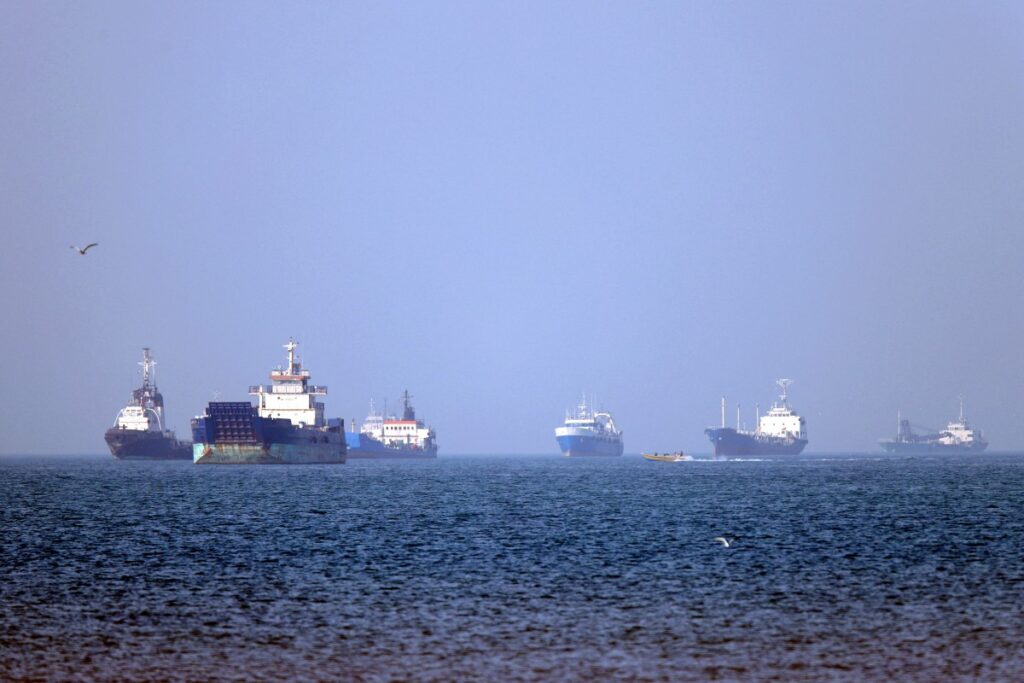
    Asian nations are reactivating pandemic-era strategies including remote work mandates and energy conservation measures as the global fuel crisis intensifies following Iran’s blockade of the Strait of Hormuz. The strategic waterway, responsible for transporting over 80% of the region’s crude oil, has been virtually sealed since conflict erupted on February 28th.

    While no country has yet implemented compulsory work-from-home requirements, the concept is gaining serious consideration. South Korea’s Energy Minister Kim Sung-whan endorsed remote working as a “good idea” following recommendations from the International Energy Agency (IEA). The agency has simultaneously released a record 400 million barrel oil reserve to combat supply shortages.

    IEA Executive Director Fatih Birol emphasized during a Sydney conference that previous experience, particularly European measures following Russia’s invasion of Ukraine, demonstrates such actions effectively secure energy supplies during crises.

    South Korea has launched a comprehensive energy reduction campaign urging shorter showers, daytime phone charging, and weekend-only vacuum cleaner use. The Philippines has shortened workweeks in government offices and declared a national energy emergency, while Pakistan has temporarily closed schools and promoted remote work. Sri Lanka has implemented weekly fuel-saving holidays.

    Singapore and Thailand are pursuing energy efficiency through upgraded appliances, reduced air conditioning usage, and relaxed office dress codes to lower cooling demands.

    Beyond behavioral changes, several governments are implementing financial measures to cushion households from soaring fuel prices. Japan has allocated 800 billion yen (approximately $5 billion) for gasoline subsidies, while New Zealand will introduce weekly payments exceeding $29 for low-income families starting April.

    Australia and other nations are confronting panic buying and shortages, particularly in remote regions. The Australian government has proposed legislation imposing stricter penalties for fuel price gouging.

    Policy makers face a complex balancing act as central banks consider interest rate hikes rather than cuts. Unlike the pandemic period when economic activity stalled and stimulus measures proved effective, current rising energy prices create inflationary pressure that may justify rate increases despite economic growth concerns.

    According to Capital Economics analyst Jennifer McKeown, appropriate policy responses depend heavily on the cause, duration, and impact of oil price increases on inflation expectations.

  • Message from the CARICOM Reparations Commission International Day of Remembrance of the Victims of Slavery and the Trans-Atlantic Slave Trade

    Message from the CARICOM Reparations Commission International Day of Remembrance of the Victims of Slavery and the Trans-Atlantic Slave Trade

    On the occasion of the International Day of Remembrance of the Victims of Slavery and the Trans-Atlantic Slave Trade, the CARICOM Reparations Commission has issued a powerful declaration demanding comprehensive reparatory justice. The Commission commemorated the approximately 15 million African men, women, and children who suffered through the brutalities of chattel enslavement across the Americas for more than three centuries.

    The statement acknowledged both the profound trauma inflicted through the Middle Passage and the systematic denial of basic humanity, while simultaneously honoring the courageous resistance and relentless defiance demonstrated by enslaved peoples against European-dominated racial oppression. This resistance ultimately contributed to ending one of history’s most extensive human rights violations.

    The Commission emphasized that the CARICOM Ten Point Plan for Reparations provides a strategic framework for addressing historical injustices through concrete measures. These include calls for formal restitution, comprehensive compensation programs, and the implementation of sustained initiatives to dismantle persistent structural and institutional racism rooted in colonial legacies.

    A significant development highlighted in the declaration is the African Union’s designation of 2026-2035 as the Decade for Reparations, which represents a historic commitment to strengthening global reparations movements. This initiative establishes a platform for enhanced collaboration between African nations, Caribbean communities, and the broader African diaspora in pursuing unified reparatory justice.

    The Commission characterized the transatlantic slave trade as a carefully orchestrated crime against humanity that systematically fueled European economic development while deliberately underdeveloping African and Caribbean regions. The enduring consequences of these exploitative systems continue to shape contemporary global inequalities.

    As the reparatory justice movement reaches a critical juncture, the Commission reaffirmed its commitment to ongoing advocacy, diplomatic engagement, and public education initiatives. The statement concluded with a compelling appeal to the international community to recognize that achieving justice for victims of African enslavement constitutes a fundamental advancement of universal human rights.

  • Paus Leo roept op tot onmiddellijke wapenstilstand in Midden-Oosten conflict

    Paus Leo roept op tot onmiddellijke wapenstilstand in Midden-Oosten conflict

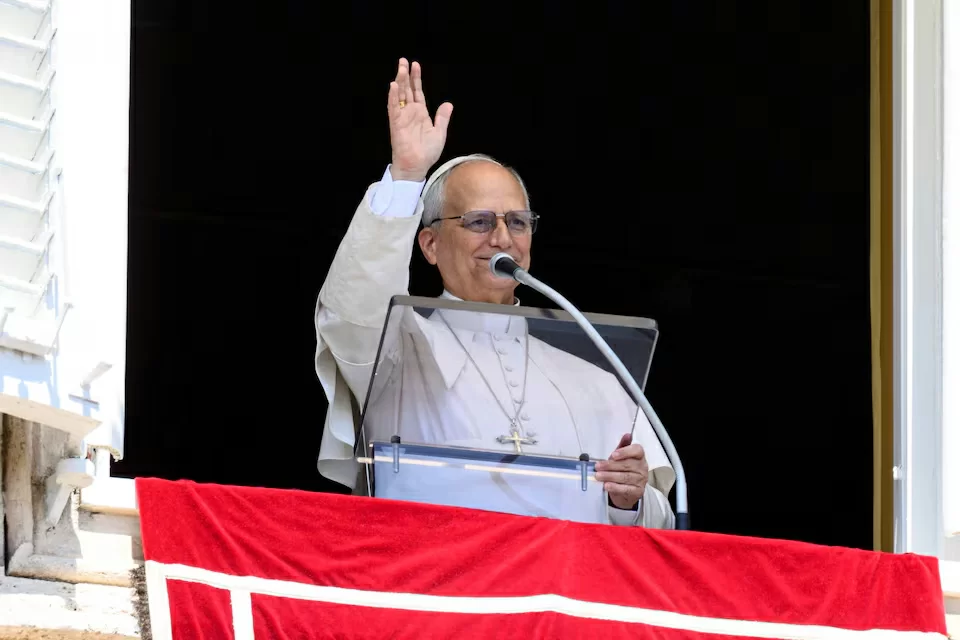
    In a compelling address from his residence in Castel Gandolfo, Italy, Pope Leo XIV—the first American pontiff in Vatican history—issued his most urgent plea to date regarding the rapidly deteriorating situation in the Middle East. Speaking during his weekly general audience, the Pope expressed profound alarm over expanding hostilities centered around Iran’s escalating conflict with Israel.

    “We are witnessing an alarming surge in hatred and increasingly severe violence,” stated the spiritual leader, emphasizing that true peace cannot be achieved through military means. “The path to resolution must be forged through sincere dialogue and mutually acceptable solutions—not through weapons.”

    The Pontiff revealed staggering humanitarian concerns, noting over one million displaced persons and numerous casualties already resulting from recent hostilities. His appeal comes amid substantial U.S. military deployments to the region, with thousands of additional troops being dispatched—a move that has heightened international fears of potential broader conflict escalation.

    Tensions have dramatically intensified following multiple rocket attacks and direct military engagements throughout the region. While the global community advocates for calm and diplomatic solutions, humanitarian organizations warn of a worsening crisis affecting millions of civilians.

    This marks the second time in three days that Pope Leo has addressed the situation, having previously condemned the conflict as “a scandal for all humanity” during his Sunday remarks. The Vatican has significantly intensified its peace-building initiatives, calling upon all authorities to engage in genuine dialogue to resolve underlying issues.

  • Quiz : Did You Know ? #9

    Quiz : Did You Know ? #9

    The Windward Passage, a strategically vital maritime corridor spanning approximately 80 kilometers between northwestern Haiti and eastern Cuba, serves as a critical junction connecting the Atlantic Ocean to the Caribbean Sea. This narrow strait ranks among the world’s busiest shipping lanes, particularly for commercial vessels navigating between the United States’ eastern seaboard and the Panama Canal.

    Historically named for the consistent trade winds that facilitated sailing vessels, the passage continues to play a crucial role in global maritime commerce. Beyond its economic significance, the waterway has fostered centuries of cultural exchange and migration between Haiti and Cuba, creating unique transnational connections between the neighboring nations.

    Geological studies reveal the passage sits above deep ocean trenches, making ongoing monitoring essential for multiple reasons: ensuring maritime security, combating illicit trafficking operations, and managing shared fisheries resources between Haiti and Cuba. This strategic monitoring contributes to both environmental conservation and regional stability.

    As the primary gateway to the Greater Antilles archipelago, the Windward Passage represents more than just a geographical feature—it embodies the interconnectedness of Caribbean nations through trade, culture, and shared ecological resources. The passage’s strategic importance continues to evolve with changing global trade patterns and regional dynamics.

    This analysis is derived from educational materials published by HaitiLibre’s quiz platform, which launched in January 2026 to promote knowledge about Haitian geography and broader global topics. The platform offers free, registration-free access to dozens of educational games in both French and English across three difficulty levels, with new content added monthly.

  • Granma 2.0: “Solidarity cannot be blocked”

    Granma 2.0: “Solidarity cannot be blocked”

    A significant international solidarity initiative reached Cuban shores this week as the tuna vessel ‘Maguro,’ renamed ‘Granma 2.0’ by its crew, docked in Havana harbor carrying over 30 tons of humanitarian aid. The shipment represents a concerted effort by activists from eleven nations to support Cuba during its current economic challenges.

    The vessel, serving as the flagship of the ‘Our America Solidarity Convoy,’ embarked from Mexico’s Yucatán peninsula on March 20th. The journey encountered unexpected difficulties when electrical system malfunctions extended the planned one-day voyage to five days. Despite these technical challenges, the 32 international activists aboard persisted in their mission.

    The aid delivery includes substantial quantities of food supplies, medical resources, hygiene products, and more than seventy solar panels designated for Cuban healthcare facilities. The convoy’s nomenclature pays homage to the original Granma yacht that transported revolutionary figures to Cuba seventy years earlier under the motto ‘free or martyrs.’

    Brazilian activist Thiago Ávila articulated the mission’s philosophical foundation during arrival ceremonies: ‘This represents historical reciprocity. Cuba has consistently demonstrated unparalleled international solidarity, deploying medical brigades worldwide during health crises, supporting disaster relief efforts, and contributing to liberation movements across the Global South. The global community now acknowledges its debt to Cuban generosity.’

    Australian participant Daniel Herbert provided critical context regarding media representation, noting that ‘heavy political propaganda in Western media deliberately distorts Cuba’s reality. Having traveled extensively, I can confirm these narratives are manufactured contrary to evident truth.’

    The initiative emerges amidst complex international relations and economic pressures affecting the island nation. Participants characterized their mission as countering systematic disinformation campaigns while providing tangible support to Cuban institutions. As one activist concluded: ‘While defeating oppressive systems presents difficulties, this vessel demonstrates that solidarity remains unblockable. Free peoples worldwide possess far greater strength than any empire.’

  • Cartel Trade Shutdown Addressed; Imports Start Moving

    Cartel Trade Shutdown Addressed; Imports Start Moving

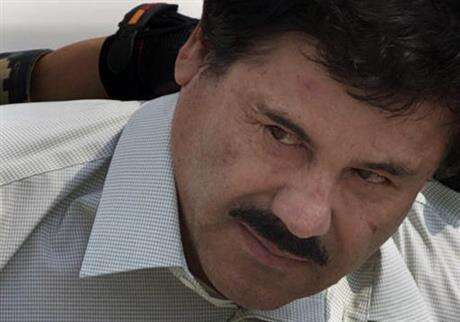
    A critical supply route between Belize and Mexico has resumed operations following days of complete paralysis caused by Mexican cartel activity. The northern trade corridor, vital for Belize’s import economy, was effectively held hostage by criminal organizations demanding payments and threatening transporters attempting to move goods across the border.

    The blockade created immediate shortages, stranding essential food products, construction materials, and commercial supplies. The crisis highlighted Belize’s profound supply chain vulnerability amid escalating cartel violence in Mexico’s Quintana Roo region.

    Prime Minister John Briceño revealed his government initiated direct high-level communications with Mexican authorities, including the Office of the President. This diplomatic intervention prompted Mexico to deploy approximately 10,000 federal and state security personnel to secure the trade route and restore cross-border movement.

    Opposition Leader Tracy Panton characterized the situation as a national security emergency, describing firsthand accounts of cartels dictating trade operations and issuing death threats to importers. Both government and opposition figures acknowledge the cartel threat now represents Belize’s most pressing security concern.

    Prime Minister Briceño emphasized Belize cannot combat this threat alone, calling for enhanced United States support through equipment, intelligence sharing, and mobility resources. He specifically requested American pressure on Mexico to maintain security in southern border regions.

    With Easter approaching, both leaders expressed concerns about citizen travel to Mexican resort destinations. While Briceño advised extreme caution for essential travel, Panton explicitly recommended avoiding travel to Quintana Roo entirely due to targeted threats against Belizean visitors.