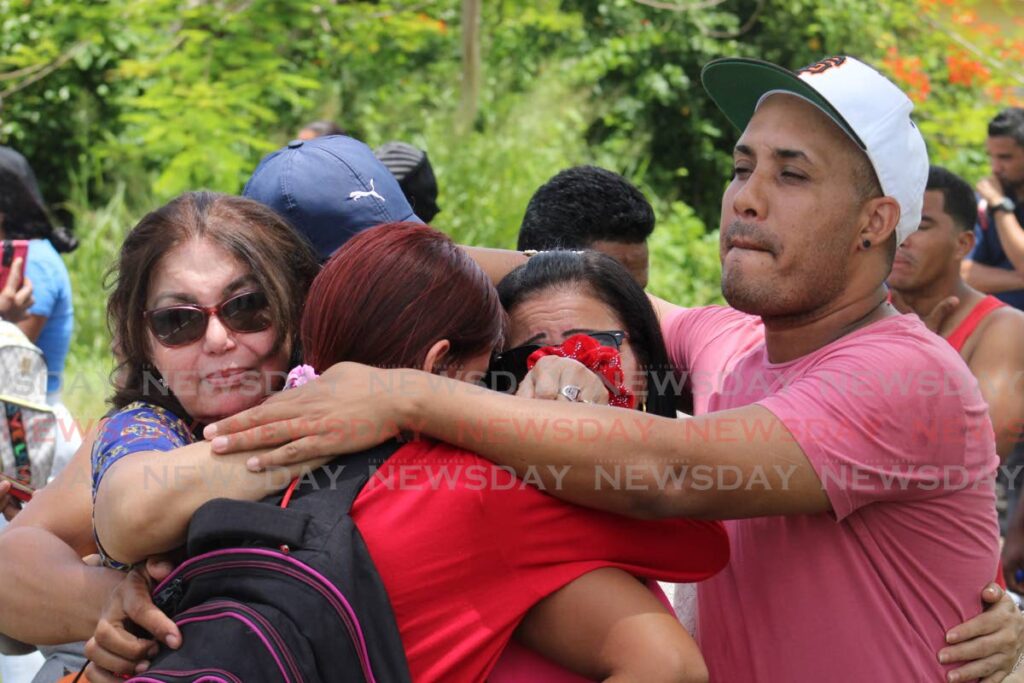
Venezuelan migrants in Trinidad and Tobago (TT) are grappling with heightened anxiety as recent government measures and escalating tensions between the two nations have sparked widespread concern. The Ministry of Homeland Security’s announcement of a deportation plan and the temporary suspension of supervision permits for asylum seekers has left many families fearing arbitrary detentions or forced repatriations. On October 27, the ministry confirmed the detention of over 200 irregular migrants, predominantly Venezuelans, who are slated for repatriation. The suspension of supervision orders, which previously allowed refugees and asylum seekers to remain in TT without detention, has further exacerbated the situation. Authorities justify these measures as necessary to enforce immigration laws. La Casita Hispanic Cultural Centre, an advocacy group for immigrants’ rights, has expressed deep concern over the potential human rights violations and psychological toll on migrant communities. The organization emphasized the need for migration policies to uphold principles of human dignity, non-discrimination, and international protection, citing treaties such as the Universal Declaration of Human Rights and the 1951 Refugee Convention. La Casita also warned against the risks of violating the principle of non-refoulement and the potential rise in xenophobic acts. Migrants like Mariela Torres, a mother of two, and Luis Carlos Gómez, a cook in Port of Spain, shared their fears of sudden deportation and the disruption of their lives. Carolina Pérez, a small business owner, stressed that Venezuelan migrants seek stability and the opportunity to contribute to TT’s economy and culture. As tensions between Caracas and Port of Spain persist, social organizations urge governments to prioritize dialogue and humanitarian considerations in addressing migration challenges.
分类: world
-
‘Bahamasair abandoned us in Jamaica’
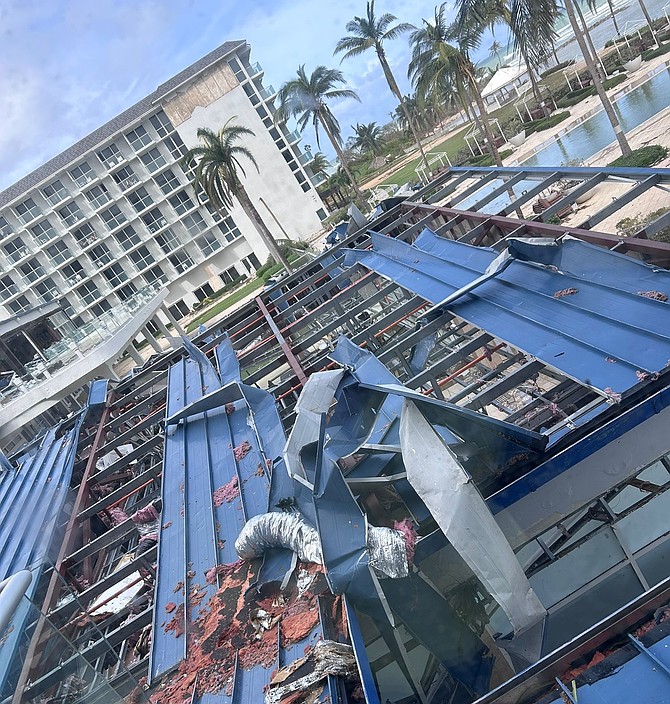
A Bahamian woman stranded in Jamaica has accused Bahamasair of failing its passengers after abruptly canceling flights as Hurricane Melissa approached. The traveler, a survivor of Hurricane Dorian, described the ordeal as a traumatic experience, reminiscent of her past struggles during natural disasters. She was among a group of approximately 50 Bahamians who traveled to Jamaica for a wedding but found themselves trapped as the Category Five storm made landfall. Their scheduled return flight on Bahamasair was canceled with minimal notice, leaving them stranded at the Dreams Rose Hall Resort & Spa in Montego Bay. The Davis administration stepped in to cover accommodations for some group members who could not afford extended stays. The traveler expressed frustration, stating, ‘As a flag carrier, you let us down again. There’s so much more you could’ve done.’ Bahamasair officials did not respond to requests for comment. Hurricane Melissa caused significant damage across Jamaica’s western region before weakening as it moved toward Cuba and The Bahamas. The storm’s impact led to chaos at the resort, including a collapsed roof and a fire, forcing guests into panic mode. The group remains uncertain about their return, as Jamaica’s main airports sustained substantial damage. Tourism Minister Chester Cooper assured that Bahamasair would resume flights once airports reopen and assist with recovery efforts. Bahamas Consul General Alveta Knight confirmed no injuries among Bahamians in Jamaica and praised local telecom companies for providing phone credit to stranded students. She emphasized the need for regional relief efforts and thanked the Bahamian community for their support.
-
Message from monster Melissa
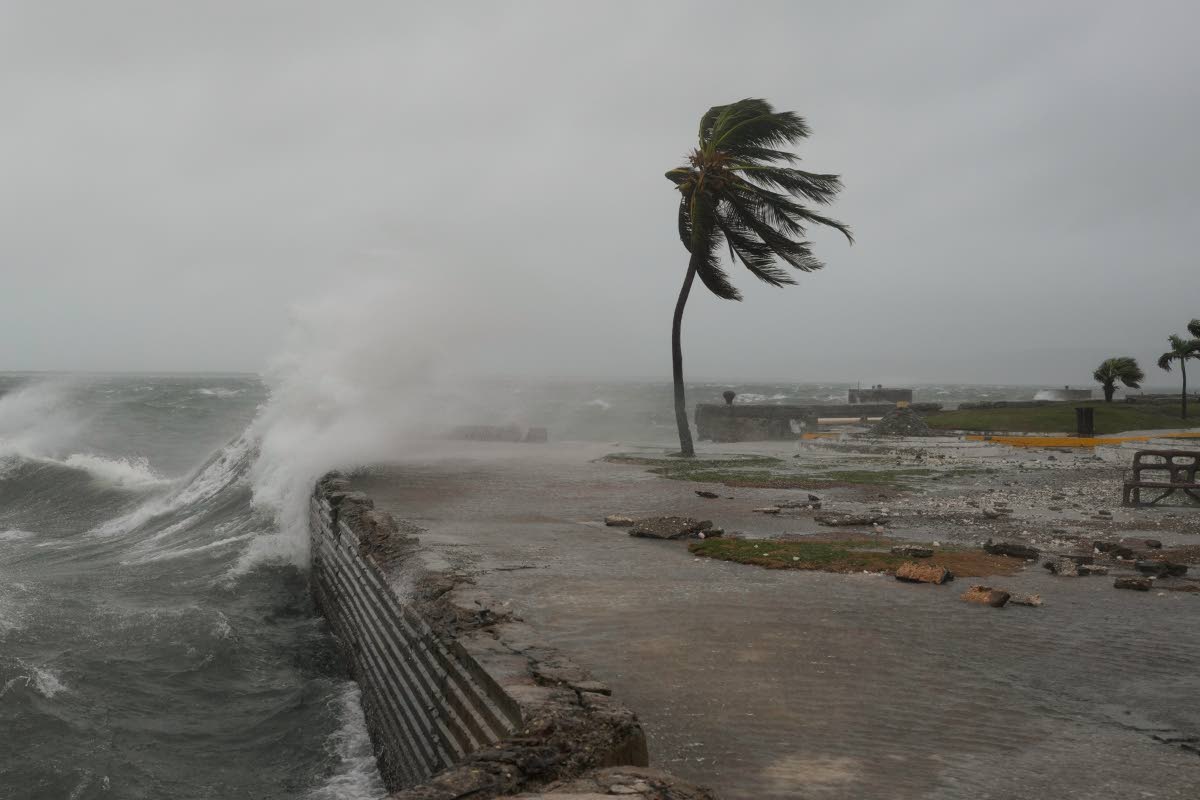
As Hurricane Melissa, one of the most powerful Atlantic cyclones in history, battered Jamaica, Haiti, the Dominican Republic, Cuba, and the Bahamas, it left behind a trail of devastation that underscores two critical issues: the escalating climate crisis and the indispensable role of Caribbean unity. The storm, with sustained winds exceeding 157 mph, caused significant damage, displacing thousands and claiming lives even before making landfall. Jamaican Prime Minister Andrew Holness reported severe impacts on infrastructure, including roads, hospitals, and properties, as the storm reached Category 5 intensity. In Haiti, floodwaters claimed 25 lives, including children, while Cuba evacuated 735,000 residents. The storm’s ferocity was fueled by unusually warm seawater, a direct consequence of climate change. UN Secretary-General António Guterres warned that humanity has already surpassed the 1.5°C global heating target, with devastating consequences for ecosystems worldwide. Despite these warnings, global discourse remains mired in political divisions, with oil and gas interests influencing populist agendas. Even figures like Bill Gates have downplayed the urgency, suggesting humanity can adapt to climate change. Meanwhile, regional leaders like Prime Minister Persad-Bissessar of Trinidad and Tobago have undermined Caribbean unity, prioritizing national interests over collective action. Hurricane Melissa serves as a stark reminder that no nation is an island; the Caribbean must stand together to face the existential threat of climate change.
-
WATCH: US disaster relief team arrives in Jamaica after Hurricane Melissa
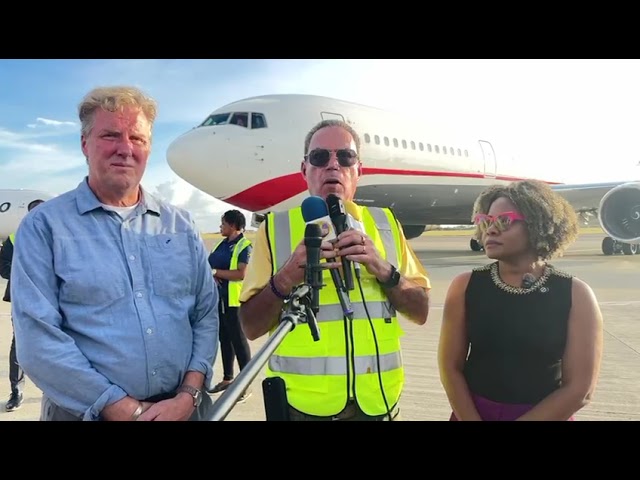
KINGSTON, Jamaica—In a significant move to bolster recovery efforts following the devastation wrought by Hurricane Melissa, the United States Disaster Assistance Response Team (DART) touched down at Norman Manley International Airport (NMIA) in Kingston on Thursday. The arrival of the team, accompanied by critical relief supplies, marks a pivotal moment in the international aid response to the Caribbean nation’s plight.
-
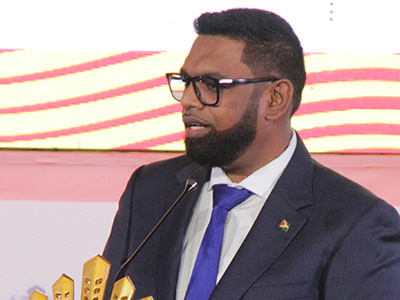
Guyana pledges support to Jamaica and Haiti following Hurricane Melissa
In a significant humanitarian gesture, Guyana’s President Irfaan Ali announced on Thursday that the nation will provide extensive assistance to Jamaica and Haiti, both severely impacted by Hurricane Melissa. The storm, described as the most powerful in Jamaica’s recorded history, has caused widespread devastation, including damage to hospitals, power stations, homes, and government buildings. President Ali emphasized that Guyana’s support would be comprehensive, addressing the urgent needs of both countries. He revealed that targeted aid for Guyanese nationals in Jamaica, where the storm inflicted catastrophic damage, has already commenced. ‘I have instructed the Ministry of Foreign Affairs to deliver urgent care packages to all Guyanese students and families, and this has already started,’ Ali stated. The president also highlighted that Prime Minister Mark Phillips is spearheading a national response team, which includes the Civil Defence Commission (CDC), the Guyana Defence Force (GDF), the Ministry of Health, the private sector, and Guyana Power and Light. This team is collaborating with Jamaican authorities to finalize a comprehensive support package, which will include technical assistance on the ground. An initial shipment of essential relief supplies, such as generators, tarpaulins, and chainsaws, is expected to arrive in Jamaica before the weekend. Meanwhile, in Jamaica, Local Government Minister Desmond McKenzie reported a decline in the number of people seeking shelter, as many have returned home. Additionally, 117 soldiers, along with police officers and firefighters, have been deployed to assist with search and rescue operations.
-
Global action urged to lower insurance costs for hurricane-prone island states – CARICOM Secretary-General
Dr. Carla Barnett, Secretary-General of the Caribbean Community (CARICOM), has emphasized the urgent need for international cooperation to address the escalating insurance costs in the tourism sector of Small Island Developing States (SIDS). Speaking at the 6th Global Services Forum, held during the 16th United Nations Conference on Trade and Development (UNCTAD16), Dr. Barnett underscored the vulnerability of CARICOM’s service-driven economies to increasingly severe and frequent climate events. She highlighted that older tourism properties face significantly higher insurance premiums, while securing coverage for new investments has become nearly impossible. Dr. Barnett called for collective global action to mitigate these challenges. The Forum, themed ‘Services: A New Frontier of Economic Transformation for Equitable, Inclusive and Sustainable Development,’ explored the pivotal role of the services sector in fostering economic growth, job creation, and exports. Services now account for two-thirds of global GDP, with CARICOM states like The Bahamas, Saint Lucia, and Barbados seeing this figure rise to 75 percent. Even in more diversified economies such as Trinidad and Tobago and Jamaica, services contribute approximately 60 percent of GDP. Dr. Barnett stressed the importance of international partnerships in bridging structural gaps and enhancing resilience. She cited collaborations with UNCTAD, the World Trade Organization (WTO), and international development banks as critical to strengthening institutional capacities and service provider capabilities. The Trade in Services project, a joint initiative between UNCTAD and CARICOM, exemplifies such efforts by building the data infrastructure necessary for evidence-based policymaking and transformative growth. CARICOM’s services sector encompasses tourism, financial services, ICT, professional services, entertainment, and cultural and sporting services. Dr. Barnett reiterated that targeted global support is essential to unlock the full potential of these industries and protect them from climate-related disruptions.
-
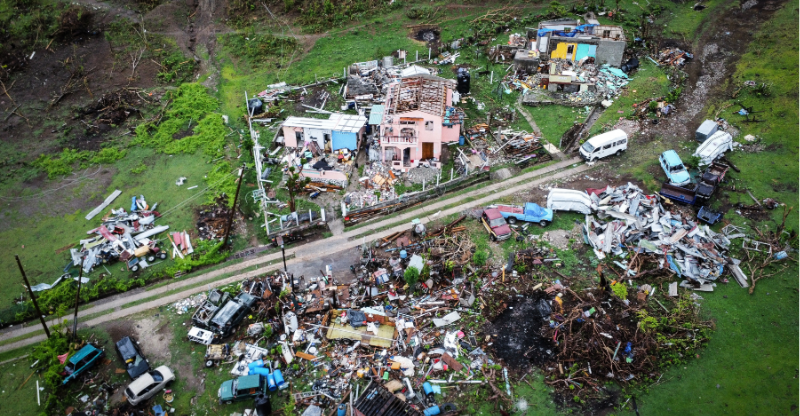
Support for Jamaica in the aftermath of Melissa
During the Caribbean Week of Agriculture in October 2024, Saboto S Caesar, Minister of Agriculture in St Vincent and the Grenadines, emphasized the urgent need for enhanced post-disaster support for Caribbean nations. This call to action comes in the wake of Hurricane Beryl, which devastated several countries, including St Vincent and the Grenadines, in July 2024. The Caribbean Regional Fisheries Mechanism (CRFM) has responded by launching a climate resilience portal, designed to provide critical information on hurricane preparedness and recovery efforts. This initiative aligns with the CRFM’s mandate to support member states in their post-disaster recovery processes. Additionally, the CRFM has urged its community to contribute to Jamaica’s recovery following Hurricane Melissa, which struck the island on October 28, 2024. With maximum sustained winds of 145 miles per hour, Melissa tied as the strongest hurricane ever recorded in the Atlantic Basin, causing catastrophic damage to both national infrastructure and personal property. The CRFM has pledged to collaborate with the Caribbean community and Jamaican residents to expedite recovery efforts and rebuild affected areas.
-
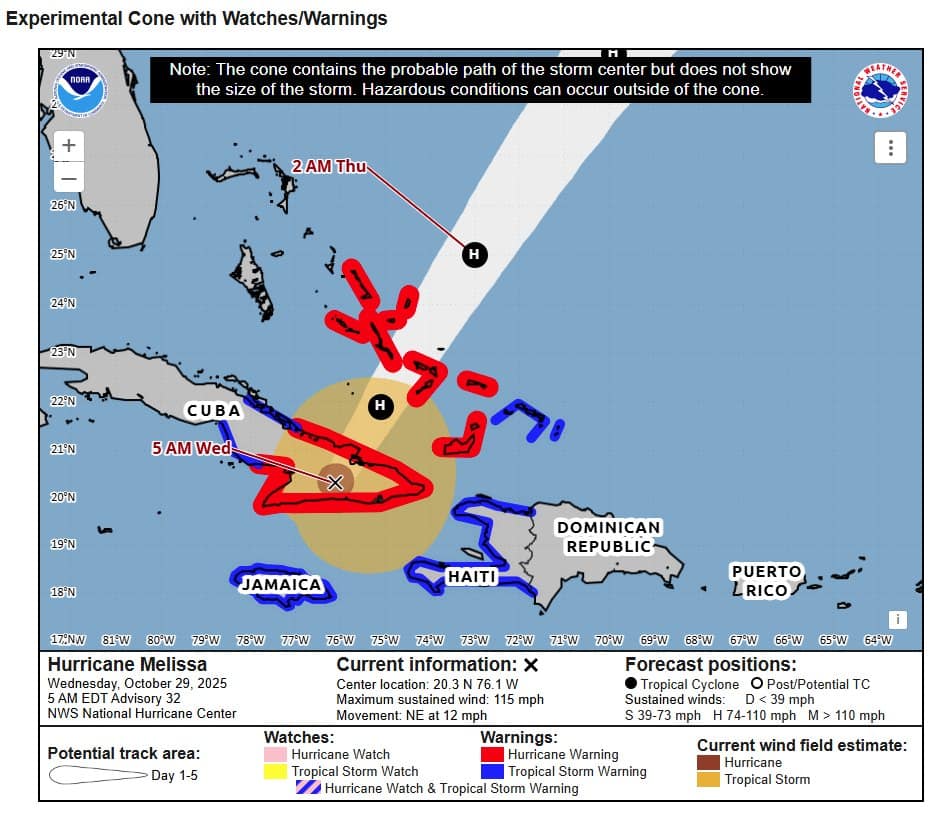
Hurricane Melissa Brings Life-Threatening Floods and Winds Across Caribbean
Hurricane Melissa, a formidable Category 5 storm, continues to wreak havoc across eastern Cuba and is poised to advance into the southwestern Atlantic. The National Hurricane Center has issued urgent warnings of catastrophic winds, torrential rainfall, and perilous storm surges affecting multiple Caribbean nations. The US National Oceanic and Atmospheric Administration (NOAA) released its latest advisory at 5:00 am local time on Wednesday, underscoring the severe dangers posed by the hurricane. In Jamaica, authorities have implored residents to stay indoors, citing risks of downed power lines, flooding, and other hazards. Safety measures include proper generator ventilation to prevent carbon monoxide poisoning and cautious clean-up operations. Haiti and the Dominican Republic are bracing for devastating flash floods and landslides, with Haiti’s communities likely to be cut off due to extensive damage. Eastern Cuba is enduring life-threatening storm surges and flash floods, with hurricane-force winds battering the region. The Bahamas and Turks and Caicos are also on high alert, with hurricane conditions, heavy rainfall, and storm surges expected. Bermuda, though farther from the storm’s core, may face hurricane conditions and heavy rainfall by Thursday. NOAA forecasters have emphasized that Hurricane Melissa remains a grave threat, urging residents in affected areas to take all necessary precautions.
-
COMMENTARY: Rising from Ruin: Turning Caribbean Pain into Power
The Caribbean, though small in size, embodies an indomitable spirit. Despite enduring the ravages of Hurricane Melissa in Jamaica and a soul-shaking earthquake in Antigua, the region faces not only natural disasters but also political and social upheaval. Cuba and Venezuela are ensnared in geopolitical tensions, while CARICOM’s unity is strained as Trinidad and Tobago steps away from shared regional commitments. Amidst this turmoil, the Caribbean stands at a crossroads of anguish and awakening, yet within this chaos lies a profound opportunity for transformation. Dr. Isaac Newton, a renowned strategist and scholar, calls for a shift from reactive politics to proactive, functional solidarity. He advocates for the creation of Flexible Solidarity Networks, uniting scientists, faith leaders, educators, and entrepreneurs to act swiftly across borders during crises. Regionalism must transcend rhetoric and manifest in shared action, ensuring that the Caribbean becomes the architect of its own protection. Innovation, too, must play a pivotal role. Dr. Newton proposes a Resilience Incubator Initiative, fostering collaboration among universities, youth innovators, and diaspora investors to fund climate-smart agriculture, digital entrepreneurship, and renewable energy projects. The Caribbean’s wealth of intellect and ideas, when integrated, can turn crisis into a catalyst for progress. Diplomatically, the region must embrace Ethical Realignment Diplomacy, grounding foreign policy in truth, transparency, and mutual respect. The Caribbean must resist being drawn into the ambitions of larger powers, asserting its sovereignty and moral voice. Healing the region’s soul is equally crucial. Dr. Newton envisions a Caribbean Emotional Renewal Project, leveraging culture, faith, and mental well-being as pillars of renewal. Education must cultivate wise citizens, and leadership must inspire as well as govern. The Caribbean’s history of resilience—from slavery to colonialism to natural disasters—proves its capacity for rebirth. Unity, wisdom, and compassion must guide the region as it rises from the ashes of ruin, not as victims but as visionaries of destiny. Pain, when transformed by purpose, becomes power, and the Caribbean’s greatest storms may yet birth its greatest strength.
-
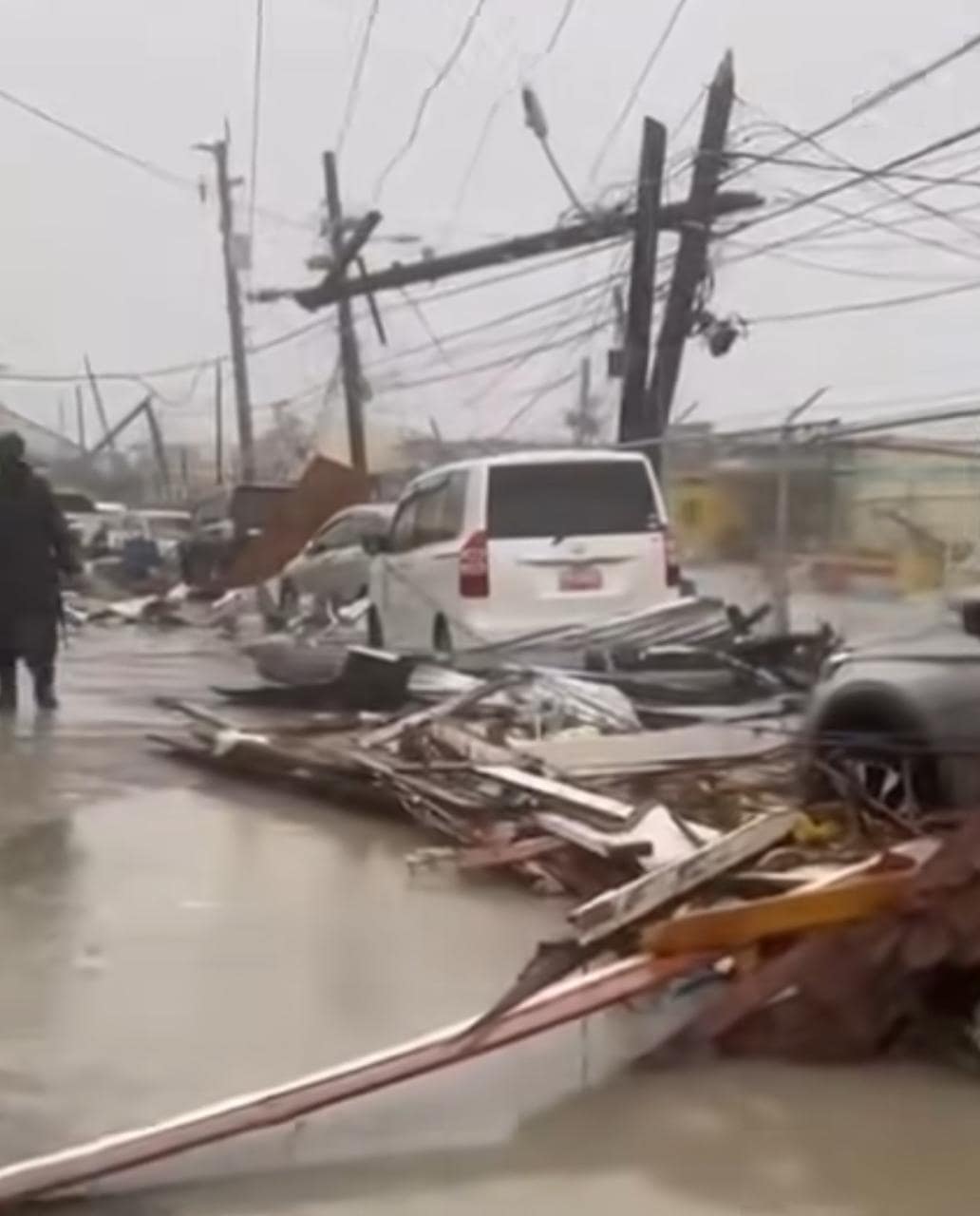
Jamaicans wake to devastation as hurricane causes floods, power cuts and splits city in two
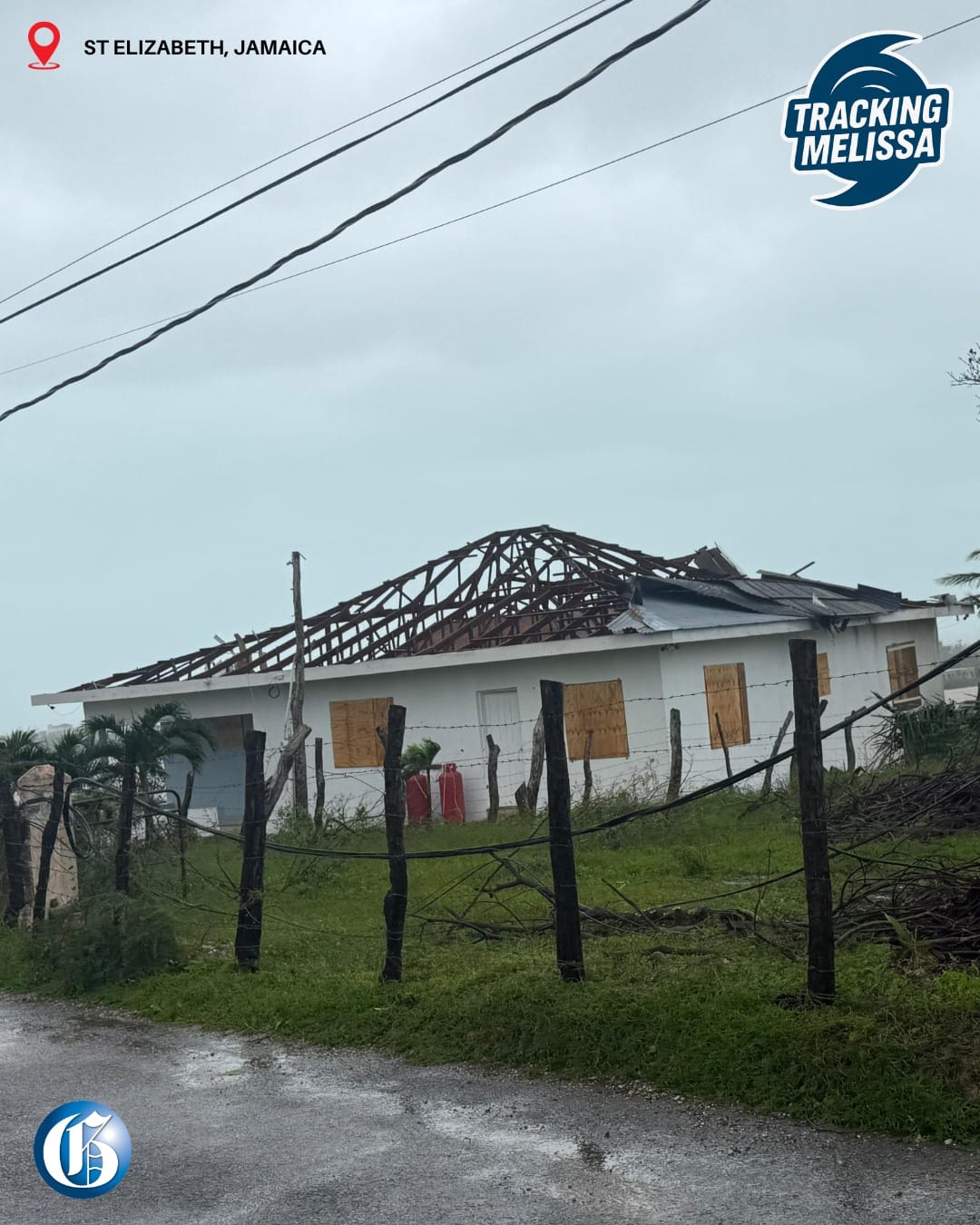
Jamaica awoke to a grim reality this morning as Hurricane Melissa, the most powerful storm to hit the island in modern history, left behind a trail of devastation. Nearly three-quarters of the country is without electricity, and extensive flooding has submerged entire communities, particularly in the western regions. Prime Minister Andrew Holness declared the island a ‘disaster area,’ emphasizing the ‘devastating impacts’ on infrastructure, including hospitals, homes, and businesses. While no fatalities have been confirmed, the true scale of the destruction remains unclear due to crippled communication networks. Local officials described the aftermath as resembling ‘the scene of an apocalypse movie,’ with floodwaters reaching the roofs of two-story homes and rescue teams struggling to reach trapped families. Montego Bay, a tourism hub, was split in two by floodwaters, and the agricultural heartland of St. Elizabeth, known as Jamaica’s breadbasket, faces significant crop losses. Hurricane Melissa, which intensified rapidly due to abnormally warm Caribbean waters linked to climate change, has now moved on to Cuba, leaving Jamaica to grapple with the monumental task of recovery. The country’s catastrophe bond offers some hope for rebuilding, but the immediate challenges are immense.