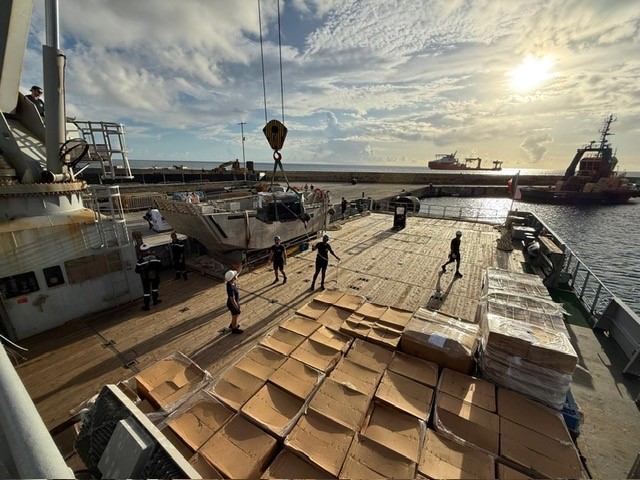
In response to the devastation wrought by Hurricane Melissa in Jamaica, France has announced plans to deploy critical humanitarian assistance to the island nation. The aid package, comprising vital relief supplies and advanced water purification systems, will be transported by the French Armed Forces stationed in the West Indies. This initiative is being coordinated under the framework of the European Union Civil Protection Mechanism, highlighting France’s commitment to international solidarity in times of crisis. The French Embassy in Jamaica, supported by the Ministry for Europe and Foreign Affairs and its Crisis and Support Centre, is actively engaged in the effort. Authorities are maintaining close communication with the French community and nationals in the affected region to ensure their safety and provide necessary support. This swift response underscores France’s dedication to aiding nations impacted by natural disasters and fostering global cooperation.
分类: world
-
Devastation
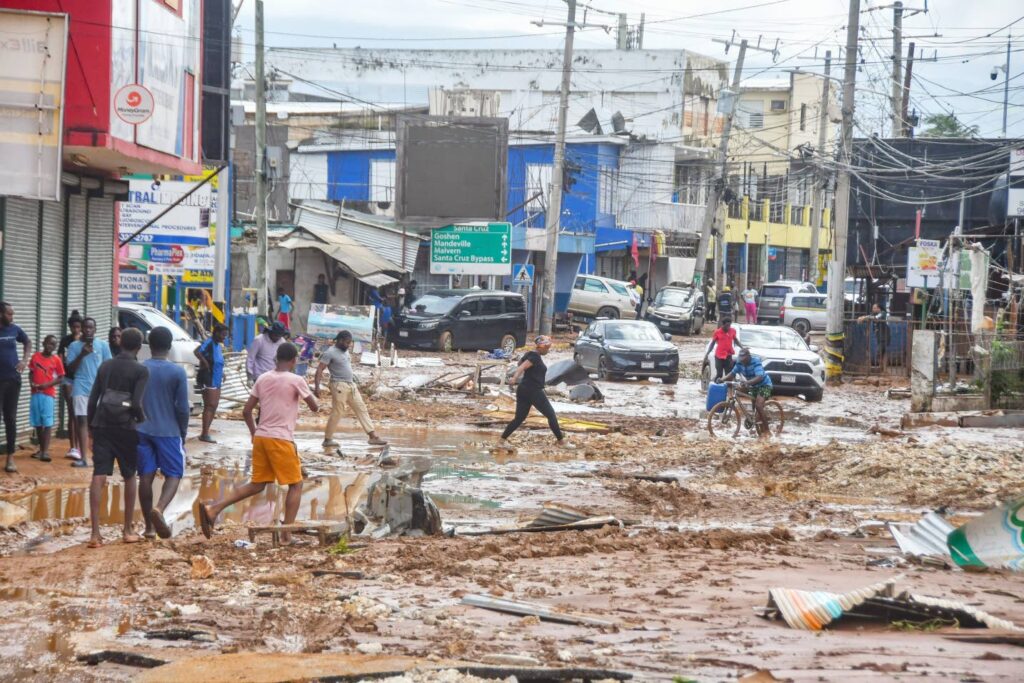
The full extent of the devastation wrought by Hurricane Melissa became painfully clear on Wednesday as rescue teams and government officials arrived in Black River, the capital of St Elizabeth, Jamaica. Prime Minister Dr. Andrew Holness somberly referred to the town as ‘ground zero,’ a stark reminder of the hurricane’s catastrophic impact. The once serene coastal town, located on Jamaica’s south-eastern shore, now lies in ruins, having borne the full force of the Category 5 storm. Holness, after conducting an aerial survey of the area, reported that Black River’s electricity grid and essential infrastructure had been completely obliterated. ‘Everything necessary for modern living has been destroyed here,’ he stated. Despite the overwhelming destruction, the Prime Minister noted the resilience and optimism of the local population, vowing that the government would undertake the monumental task of rebuilding the town. Meanwhile, the death toll from the hurricane was confirmed at four. In a related development, Norman Manley International Airport reopened on Wednesday afternoon to facilitate relief flights, with commercial operations set to resume on Thursday morning. The aftermath of Hurricane Melissa has left the Caribbean grappling with unprecedented destruction, prompting urgent international aid efforts.
-
Caribbean Airlines resumes Jamaica flights after hurricane disruption
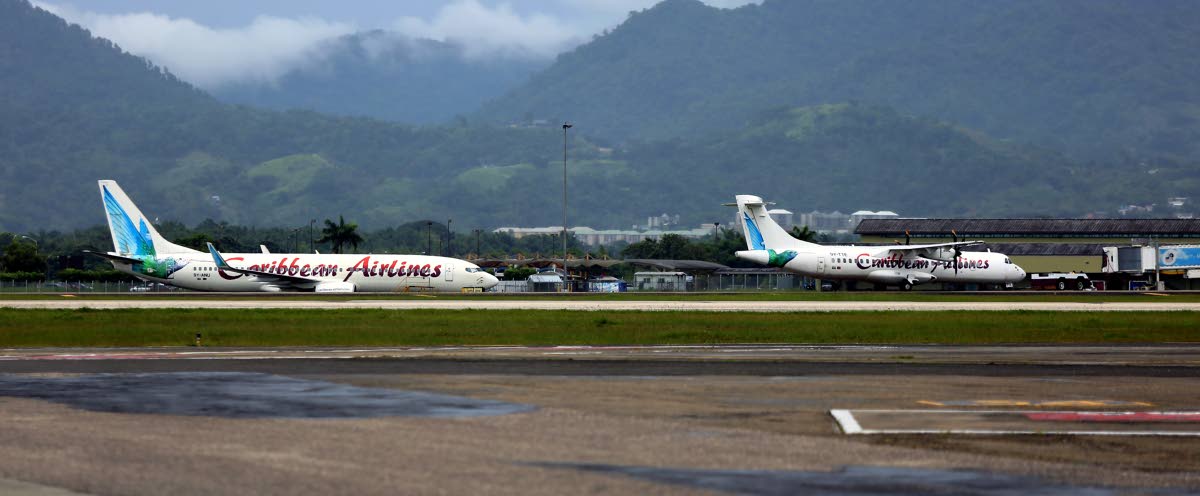
Caribbean Airlines (CAL) has officially resumed its operations between Trinidad and Tobago (TT) and Jamaica, starting October 30, following the reopening of Norman Manley International Airport in Kingston. The airport had been temporarily closed due to the impact of Hurricane Melissa, which swept through the northern Caribbean earlier this week. The airline announced the resumption in a statement on October 29, detailing that the initial non-stop return service would operate between Port of Spain and Kingston. Flight BW414 departed Trinidad at 12 pm on October 30, arriving in Jamaica at 2 pm, while the return flight, BW415, left Kingston at 3:15 pm and landed in Trinidad at 7:15 pm. Regular services are set to fully resume from October 31. Tickets for these flights are now available for purchase through the airline’s website, mobile app, and authorized travel agents. Additionally, CAL’s reservations teams are assisting passengers whose travel plans were disrupted between October 24 and 30 due to the suspension of operations caused by the hurricane. The airline emphasized that the decision to resume flights was made after receiving confirmation from PAC Kingston Airport that the facility was safe for commercial operations. Hurricane Melissa had forced the closure of several regional airports and led to widespread flight cancellations across the Caribbean.
-
UK providing urgent hurricane relief to Caribbean
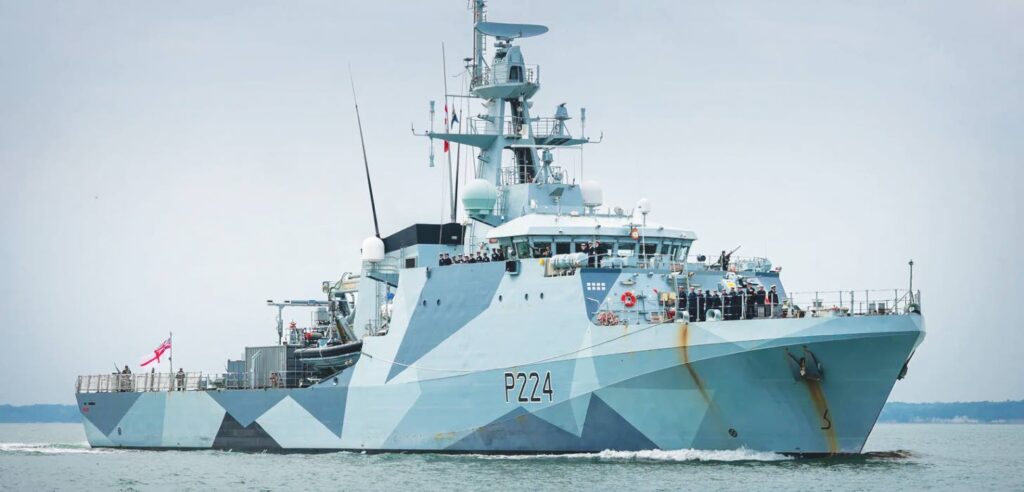
The United Kingdom has announced a £2.5 million emergency funding package to aid recovery efforts in the Caribbean following the catastrophic impact of Hurricane Melissa. The British High Commission in Jamaica confirmed the allocation on Wednesday, emphasizing its role in facilitating a swift humanitarian response. The funds will be utilized to distribute essential supplies, including shelter kits, water filters, and blankets, aimed at mitigating injuries and preventing disease outbreaks. These resources have been strategically pre-positioned in Antigua for rapid deployment to the most affected areas. Additionally, the UK is deploying humanitarian and technical experts to assist with coordination and aid delivery. British Foreign Secretary Yvette Cooper highlighted the UK’s commitment to supporting Jamaican authorities in disaster relief efforts, with specialist teams already stationed in the region to provide consular assistance to affected British nationals. British High Commissioner to Jamaica Alicia Herbert expressed solidarity with the Jamaican people, praising their resilience and pledging continued support during the recovery process. The Royal Navy ship HMS Trent is also on standby in the region to offer maritime disaster response, while a pre-deployed Ministry of Defence team in the Turks and Caicos Islands is aiding in disaster management. A Rapid Deployment Team from the Foreign, Commonwealth and Development Office (FCDO) has been dispatched to Miami to provide consular support to British nationals. The UK is collaborating with tour operators, Jamaican authorities, and international partners, including the Caribbean Disaster Emergency Management Agency and the Red Cross, to ensure effective humanitarian assistance reaches the most vulnerable populations.
-

#MelissaAftermath: Cayman Islands pledges over US$1m in aid to Jamaica
KINGSTON, Jamaica — In a significant show of regional solidarity, the Cayman Islands Government has committed US$1.2 million in essential supplies to aid Jamaica’s recovery from the catastrophic impact of Hurricane Melissa, which struck the island on Tuesday. Premier André Ebanks announced the aid package during a press conference on Thursday, emphasizing the historical support Jamaica provided to the Cayman Islands during their own crisis following Hurricane Ivan in 2004. The donation includes critical relief items, which will be shipped directly to Jamaica. Additionally, Premier Ebanks, accompanied by a delegation of ministers, brought US$200,000 worth of supplies for immediate distribution. ‘On behalf of myself, the Government, and the ministers here, including Minister Nick DaCosta and the leader of the Opposition, Cayman stands with Jamaica,’ Ebanks declared. The aid will bolster Jamaica’s ongoing recovery efforts, as the nation faces widespread power outages, infrastructure damage, and displacement across multiple parishes. Dr. Dana Morris Dixon, Jamaica’s Information Minister, expressed profound gratitude, noting that the donation was unexpected but deeply appreciated.
-
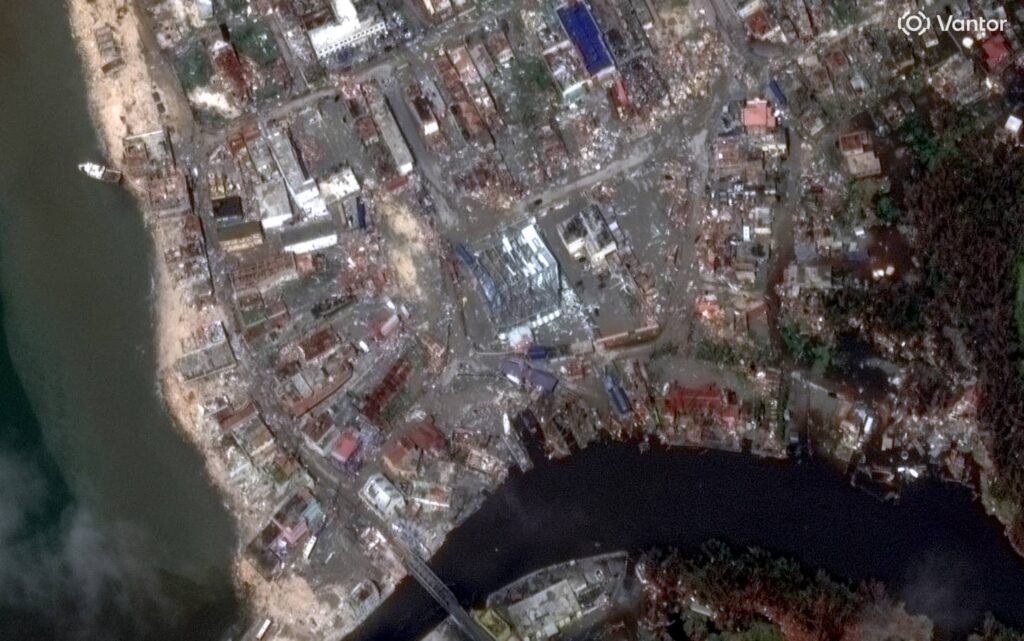
Body blow for Black River
St Elizabeth, Jamaica, faced catastrophic destruction on Tuesday as Hurricane Melissa, a Category 5 storm, tore through the parish, leaving the historic capital of Black River in ruins. Prime Minister Dr. Andrew Holness provided a detailed update on Wednesday after conducting an aerial survey of the affected areas earlier in the day. He reported that between 80 to 90 percent of the roofs in the region were destroyed, with a significant number of buildings severely damaged. The devastation was particularly evident in Black River, where critical infrastructure, including the Black River Hospital, historic buildings, churches, the courthouse, and the parish council building, were completely destroyed. The hurricane also wiped out the entire electricity grid and severely disrupted the telecommunication system, leaving the community in a state of disarray. Despite the overwhelming destruction, Holness praised the resilience and positive outlook of the local population. He emphasized the government’s commitment to providing emergency relief, starting with clearing roadways to facilitate the delivery of essential supplies and aid. Holness also expressed a vision for rebuilding Black River stronger and more resilient, taking the opportunity to reorganize the town and address vulnerabilities in its infrastructure. The satellite image of Black River from February 9, 2025, starkly contrasts with the current devastation, highlighting the scale of the disaster.
-
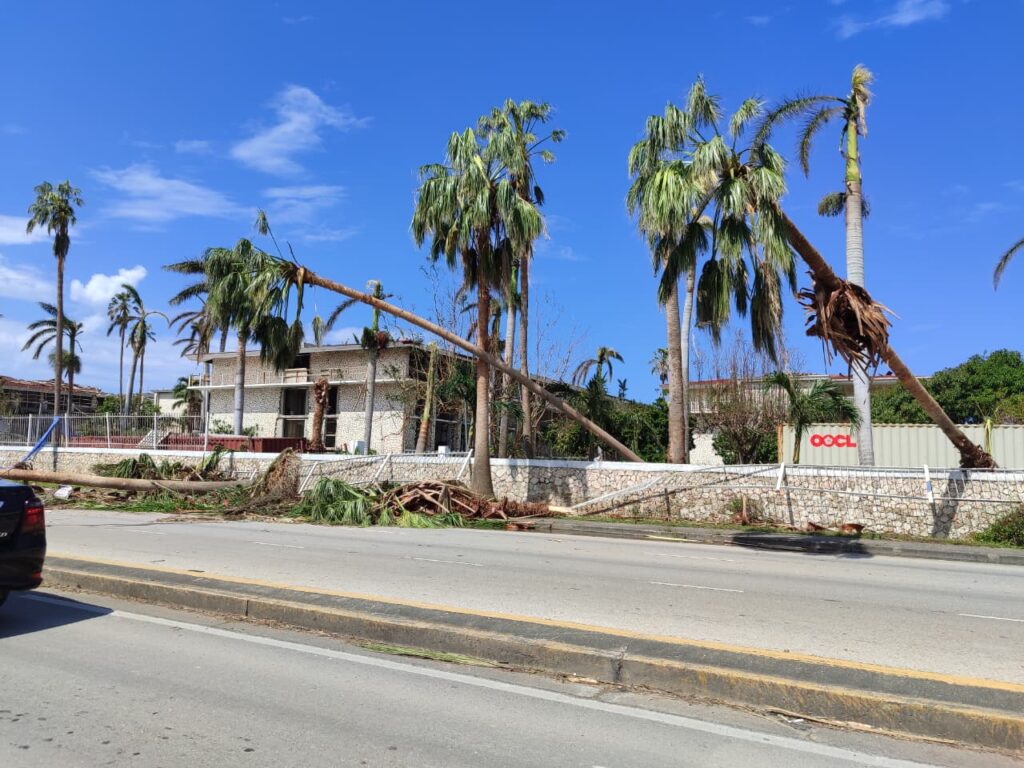
#MelissaAftermath: Elegant corridor gets a thrashing
St James, Jamaica — The aftermath of Hurricane Melissa has left a stark trail of destruction along the Elegant Corridor, stretching from the western airport to Iberostar in the east. Numerous properties, including the upscale Iberostar and Jewel Grande resorts, have suffered significant roof damage. Rehabilitation efforts are currently underway at Catalonia, another affected property. The shopping village opposite Catalonia has also experienced substantial damage, with several shops impacted by the storm. The health care facility, Hospiten, saw sections of its roof torn off during the tempest. While flooding was reported in some areas, the waters have since receded, leaving behind muddy patches along the roadway. The storm also brought down trees and power lines, disrupting traffic and hindering daily commuters. Many of the stately palm trees that once lined the road have been broken, bent, or stripped of their leaves, rendering them unrecognizable. Despite the visible devastation, the full extent of the damage to Jamaica’s primary tourism belt remains uncertain, as assessments are still ongoing to determine the overall impact.
-
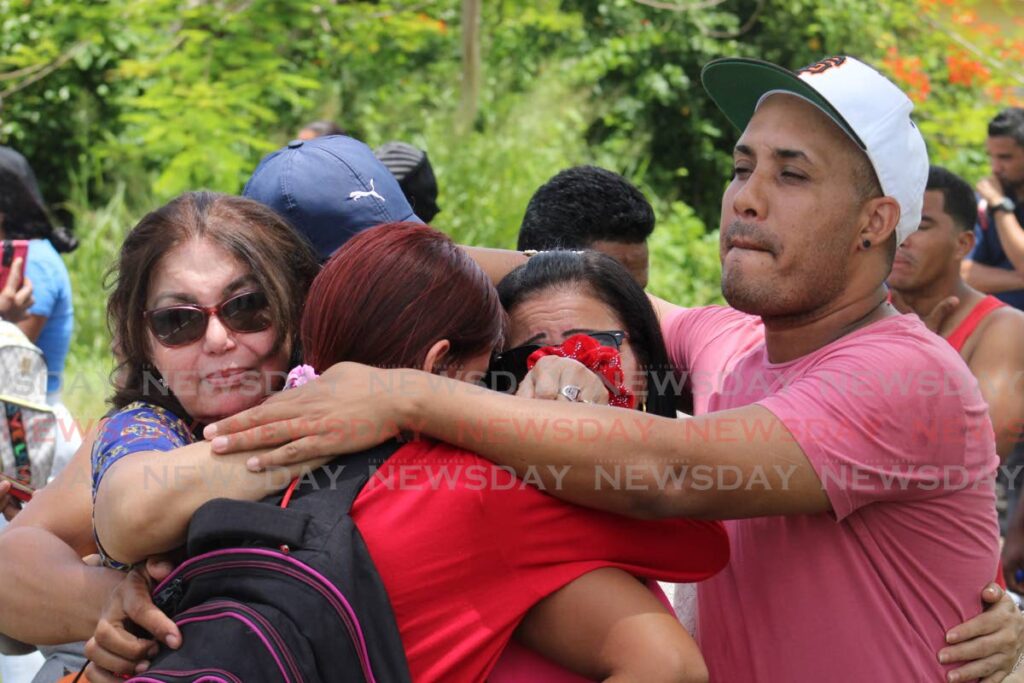
Tension, fear among Venezuelans in Trinidad and Tobago
Venezuelan migrants in Trinidad and Tobago (TT) are grappling with heightened anxiety as recent government measures and escalating tensions between the two nations have sparked widespread concern. The Ministry of Homeland Security’s announcement of a deportation plan and the temporary suspension of supervision permits for asylum seekers has left many families fearing arbitrary detentions or forced repatriations. On October 27, the ministry confirmed the detention of over 200 irregular migrants, predominantly Venezuelans, who are slated for repatriation. The suspension of supervision orders, which previously allowed refugees and asylum seekers to remain in TT without detention, has further exacerbated the situation. Authorities justify these measures as necessary to enforce immigration laws. La Casita Hispanic Cultural Centre, an advocacy group for immigrants’ rights, has expressed deep concern over the potential human rights violations and psychological toll on migrant communities. The organization emphasized the need for migration policies to uphold principles of human dignity, non-discrimination, and international protection, citing treaties such as the Universal Declaration of Human Rights and the 1951 Refugee Convention. La Casita also warned against the risks of violating the principle of non-refoulement and the potential rise in xenophobic acts. Migrants like Mariela Torres, a mother of two, and Luis Carlos Gómez, a cook in Port of Spain, shared their fears of sudden deportation and the disruption of their lives. Carolina Pérez, a small business owner, stressed that Venezuelan migrants seek stability and the opportunity to contribute to TT’s economy and culture. As tensions between Caracas and Port of Spain persist, social organizations urge governments to prioritize dialogue and humanitarian considerations in addressing migration challenges.
-
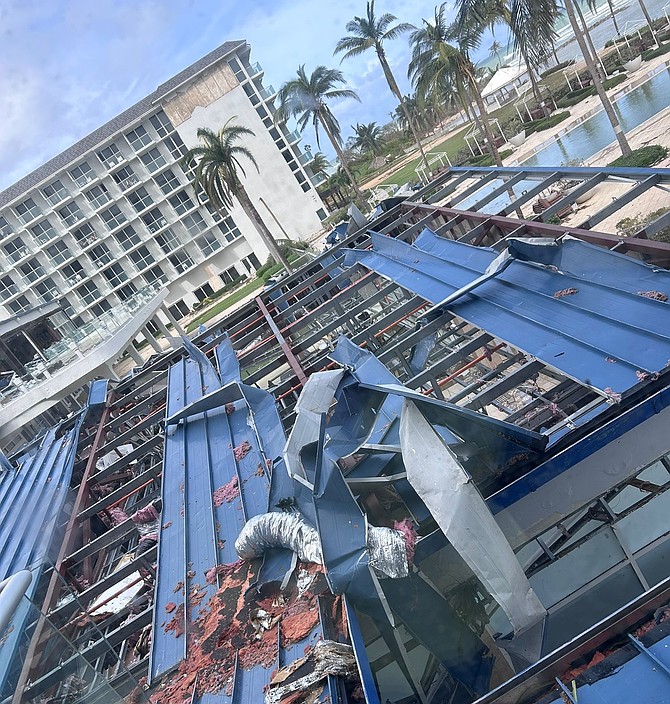
‘Bahamasair abandoned us in Jamaica’
A Bahamian woman stranded in Jamaica has accused Bahamasair of failing its passengers after abruptly canceling flights as Hurricane Melissa approached. The traveler, a survivor of Hurricane Dorian, described the ordeal as a traumatic experience, reminiscent of her past struggles during natural disasters. She was among a group of approximately 50 Bahamians who traveled to Jamaica for a wedding but found themselves trapped as the Category Five storm made landfall. Their scheduled return flight on Bahamasair was canceled with minimal notice, leaving them stranded at the Dreams Rose Hall Resort & Spa in Montego Bay. The Davis administration stepped in to cover accommodations for some group members who could not afford extended stays. The traveler expressed frustration, stating, ‘As a flag carrier, you let us down again. There’s so much more you could’ve done.’ Bahamasair officials did not respond to requests for comment. Hurricane Melissa caused significant damage across Jamaica’s western region before weakening as it moved toward Cuba and The Bahamas. The storm’s impact led to chaos at the resort, including a collapsed roof and a fire, forcing guests into panic mode. The group remains uncertain about their return, as Jamaica’s main airports sustained substantial damage. Tourism Minister Chester Cooper assured that Bahamasair would resume flights once airports reopen and assist with recovery efforts. Bahamas Consul General Alveta Knight confirmed no injuries among Bahamians in Jamaica and praised local telecom companies for providing phone credit to stranded students. She emphasized the need for regional relief efforts and thanked the Bahamian community for their support.
-
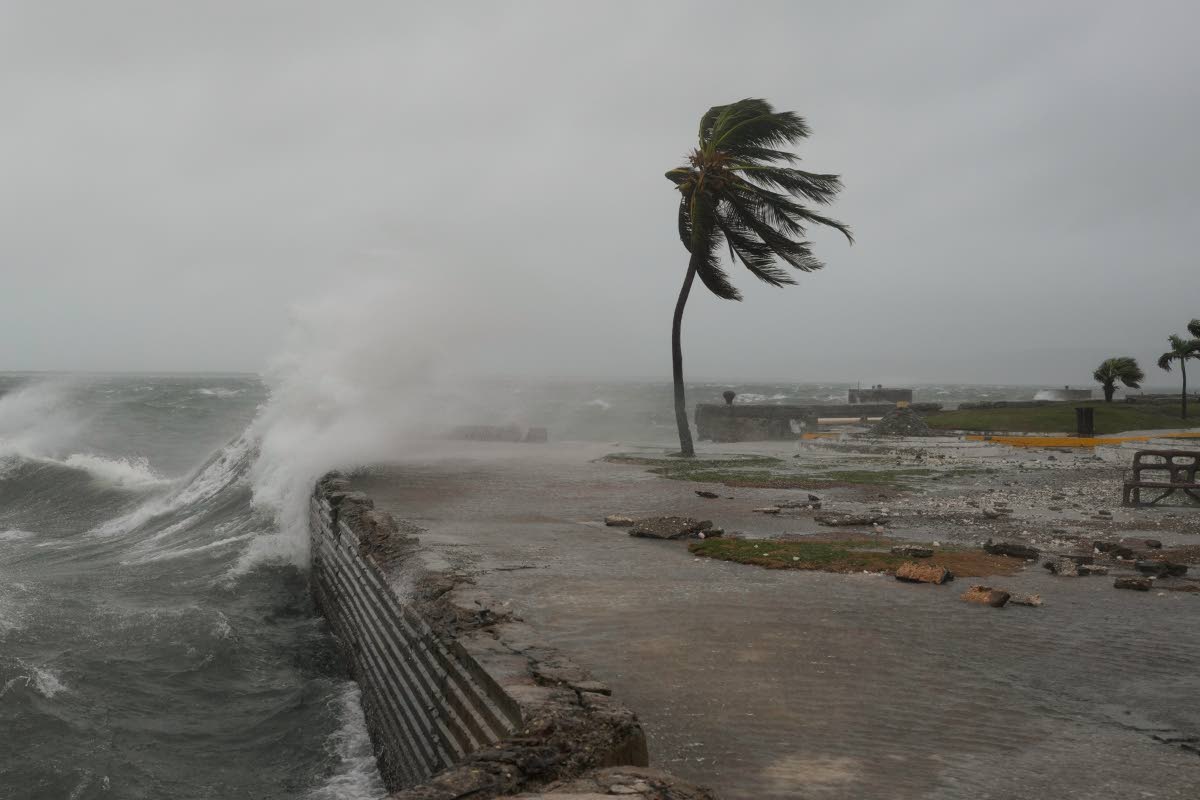
Message from monster Melissa
As Hurricane Melissa, one of the most powerful Atlantic cyclones in history, battered Jamaica, Haiti, the Dominican Republic, Cuba, and the Bahamas, it left behind a trail of devastation that underscores two critical issues: the escalating climate crisis and the indispensable role of Caribbean unity. The storm, with sustained winds exceeding 157 mph, caused significant damage, displacing thousands and claiming lives even before making landfall. Jamaican Prime Minister Andrew Holness reported severe impacts on infrastructure, including roads, hospitals, and properties, as the storm reached Category 5 intensity. In Haiti, floodwaters claimed 25 lives, including children, while Cuba evacuated 735,000 residents. The storm’s ferocity was fueled by unusually warm seawater, a direct consequence of climate change. UN Secretary-General António Guterres warned that humanity has already surpassed the 1.5°C global heating target, with devastating consequences for ecosystems worldwide. Despite these warnings, global discourse remains mired in political divisions, with oil and gas interests influencing populist agendas. Even figures like Bill Gates have downplayed the urgency, suggesting humanity can adapt to climate change. Meanwhile, regional leaders like Prime Minister Persad-Bissessar of Trinidad and Tobago have undermined Caribbean unity, prioritizing national interests over collective action. Hurricane Melissa serves as a stark reminder that no nation is an island; the Caribbean must stand together to face the existential threat of climate change.