
In a significant diplomatic move, Suriname’s Minister of Foreign Affairs, International Trade, and Cooperation (BIS), Melvin Bouva, held an inaugural meeting with the leadership of the United Nations Tourism (UN Tourism) Regional Office in Rio de Janeiro. Established in May this year, the office aims to foster sustainable tourism development across Latin America and the Caribbean. Although Suriname is not yet a member of the global organization, which comprises 160 countries, the meeting sought to lay the groundwork for future collaboration and potential membership. Minister Bouva emphasized that this aligns with the government’s policy, led by President Jennifer Simons, which identifies tourism as a key pillar for economic growth and diversification. Highlighting Suriname’s vast forests, rich biodiversity, and unique cultural heritage, Bouva underscored the country’s potential to become a leader in sustainable tourism. He noted that joining UN Tourism would provide access to international expertise, technical support, and funding opportunities. Heitor Kadri, Director of the UN Tourism Regional Office, affirmed Suriname’s eligibility for membership and praised its strategic location as a bridge between South America and the Caribbean. Kadri also highlighted that membership could unlock funding for tourism projects and investments worth over USD 15 million. Both parties agreed to further develop their collaboration, with a follow-up meeting scheduled for early December, coordinated by Suriname’s diplomatic representative in Brazil, Angeladebie Ramkisoen. This meeting marks a new step in Suriname’s diplomatic efforts to link sustainable development with international cooperation. With its lush nature, cultural diversity, and green ambitions, Suriname aims to position itself as a reliable partner and emerging destination in the global tourism sector.
分类: world
-

OP-ED: A Dream Reawakened—But Let’s Remember Who First Dreamt It
The unveiling of the ‘4 Island – One Escape’ island-hopping experience marks a significant milestone for regional tourism in the Northeast Caribbean. This innovative initiative promises to deliver a seamless, multi-island adventure, highlighting the unique diversity and charm of interconnected destinations. While this development is being celebrated as a fresh approach, it is, in fact, a revival of a visionary concept introduced over three decades ago. The original idea, spearheaded by Brian Meade and the Northeast Caribbean Tourism Alliance (NECTA), aimed to promote the region’s offerings globally, positioning airlines as catalysts for tourism development rather than mere carriers. However, the momentum was tragically halted by Hurricane Luis in 1995, which devastated infrastructure and led to the alliance’s dissolution. Despite this setback, the dream of regional unity and multi-island travel endured. Today, as the ‘4 Island – One Escape’ initiative takes flight, it pays homage to the legacy of NECTA and Meade’s foresight. This new chapter in Caribbean tourism stands on the shoulders of a dream that envisioned the region not as a collection of competitors but as a family of destinations with a shared narrative. The architects of this initiative are encouraged to draw inspiration from the past, as sometimes, the best way forward is to remember where the journey began.
-

Abinader announces humanitarian aid for Jamaica, Cuba and Haiti
In a significant humanitarian effort, the Dominican Republic has initiated aid deliveries to Caribbean nations severely affected by Hurricane Melissa. President Luis Abinader revealed the details during his weekly program, *LA Semanal con la Prensa*, on Monday. The first consignment of aid has already reached Jamaica via air transport, with additional supplies en route by sea. The president also confirmed plans to extend assistance to Cuba and Haiti, with coordination efforts currently in progress. The Ministry of Defense, spearheading the operation, is set to release a comprehensive report by Thursday, detailing the types and quantities of aid dispatched. Abinader emphasized the government’s commitment to supporting neighboring countries during this crisis. Additionally, the Dominican Embassy in Jamaica is actively monitoring the situation of approximately 2,200 Dominican nationals residing there, many of whom are employed in tourism and construction sectors. In collaboration with the airline Arajet, the government is facilitating the repatriation of those seeking to return home, although the exact number of returnees remains undetermined.
-
Belize Will Likely End Hurricane Season Slightly Below Average
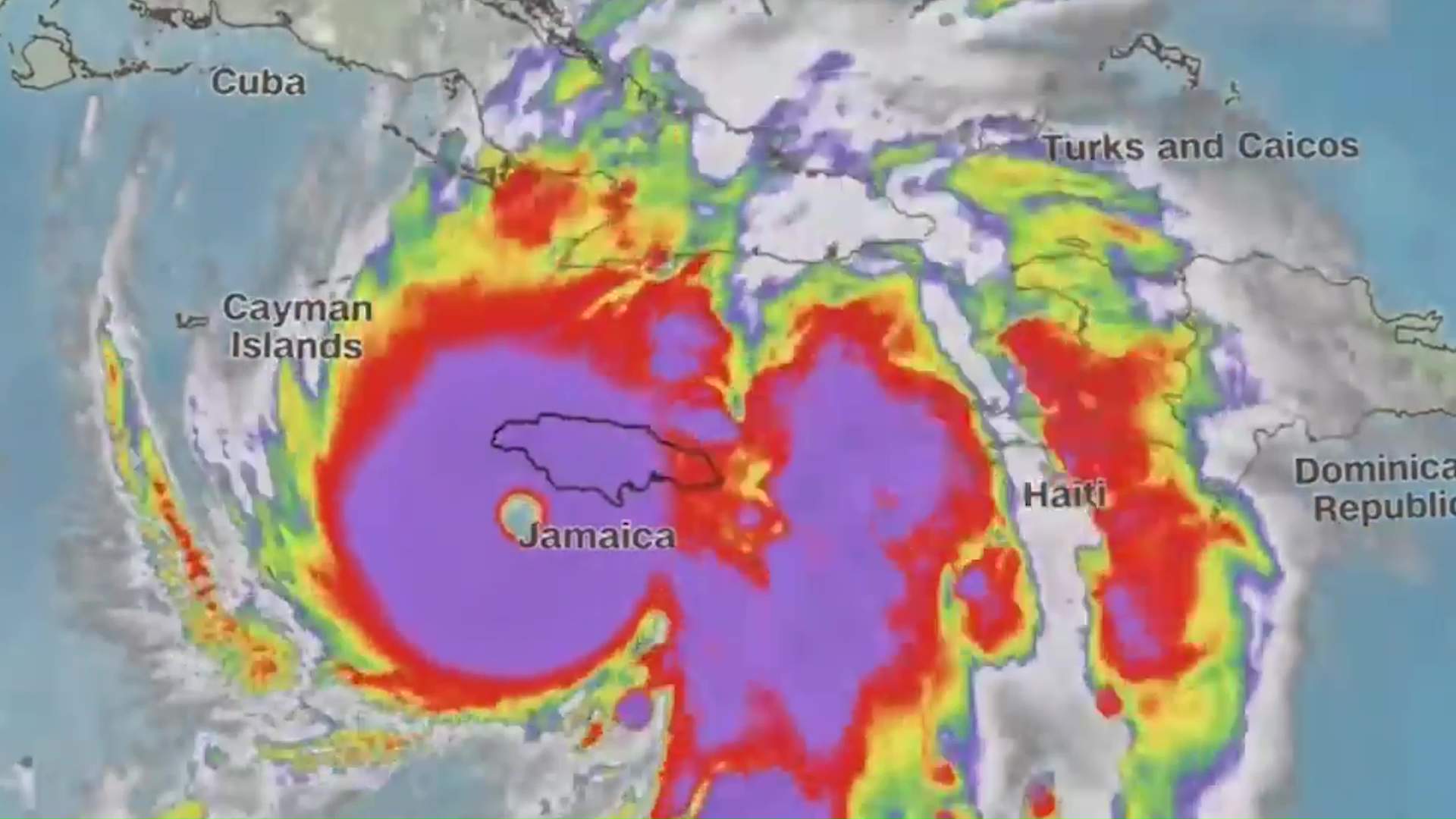
As the 2025 hurricane season nears its end, Belize is poised to finish slightly below the average in terms of storm activity. Chief Meteorologist Ronald Gordon has provided insights into the season’s performance and addressed ongoing discussions about potential upgrades to the storm classification system. According to Gordon, regional and international agencies, including the National Hurricane Center and the World Meteorological Organization, have unanimously decided against altering the current system. While future changes remain a possibility, the existing framework will stay intact for now. Gordon highlighted that Belize has experienced thirteen named storms this season, one fewer than the typical fourteen. The National Oceanic and Atmospheric Administration (NOAA) had projected a range of thirteen to nineteen storms, placing Belize at the lower end of this spectrum. Gordon emphasized that even a below-average season can be impactful, citing Hurricane Melissa’s significant effects on Jamaica as an example. He reiterated that the current category system, which caps Category 5 storms at winds exceeding 157 miles per hour, remains effective and avoids unnecessary complexity. The season’s final tally will depend on whether any additional storms develop in November.
-

CARICOM agencies assist in unified recovery operations in Jamaica after category 5 Hurricane Melissa
In the wake of the devastating impact of Hurricane Melissa, Caribbean Community (CARICOM) member states have rallied together to provide aid and financial support to Jamaica for its emergency response and rebuilding efforts. A coordinated regional response is being led by key agencies, including the Caribbean Disaster Emergency Management Agency (CDEMA), the Caribbean Development Bank (CDB), the Caribbean Public Health Agency (CARPHA), and the Caribbean Institute for Meteorology and Hydrology (CIMH).
Jamaica’s Prime Minister and CARICOM Chairman, Dr. Andrew Holness, announced on November 2 that discussions with regional partners had focused on enhancing coordination for Jamaica’s recovery. The talks emphasized mobilizing regional assistance, reconstructing resilient infrastructure, and safeguarding public health.
CDEMA’s Executive Director, Elizabeth Riley, expressed confidence in the agency’s efforts, which include collaboration with the Caribbean Development Partners group—a platform involving UN entities, private sector representatives, civil society, and member states. A Rapid Needs Assessment Team (RNAT) from CDEMA, comprising specialists from organizations like UNICEF, the World Food Programme (WFP), and PAHO, is currently in Jamaica conducting multi-sector evaluations. These assessments will inform the government’s strategies across critical areas such as agriculture, education, health, infrastructure, and tourism.
The Caribbean Disaster Relief Unit (CDRU), composed of military, police, and firefighting personnel from across the region, remains on standby for potential deployment. Additionally, the Caribbean Operational Support Team (COST) is prepared to assist with ongoing recovery efforts.
CDB President Daniel Best reaffirmed the bank’s commitment to Jamaica’s recovery, emphasizing the importance of regional unity. During his visit to Kingston, he highlighted the need for coordinated resource allocation and psychosocial support for citizens and first responders, describing the initiative as a fully integrated post-disaster response.
Other regional institutions, including the CARICOM Development Fund (CDF), The University of the West Indies (UWI), and the Caribbean Aviation Safety and Security Oversight System (CASSOS), are also contributing to ensure a comprehensive and effective recovery process.
-

OP-ED: Global green shipping plan left floating
The United Nations’ International Maritime Organization (IMO) Net-Zero Framework (NZF), designed to combat climate change through green shipping, faces significant hurdles due to economic and political resistance. Approved for circulation in April 2025, the framework aimed to establish global standards for reducing greenhouse gas (GHG) emissions in the shipping sector. However, its adoption was delayed in October 2025 due to opposition from key players, including the United States and Saudi Arabia. The U.S. labeled the initiative a ‘Global Green New Scam Tax,’ fearing increased shipping costs and economic repercussions. Saudi Arabia, a major petroleum exporter, proposed a one-year delay in voting, further stalling progress. The framework’s core elements—a global fuel standard and an economic measure—aim to reduce emissions through a carbon credit trading system. Ships exceeding emission limits would pay penalties, while low-emission vessels would earn credits. Despite its potential to drive sustainable shipping, concerns over rising consumer prices and the economic impact on oil-dependent nations have fueled resistance. Caribbean states, vulnerable to climate change but reliant on imports, abstained from voting, highlighting the complex balance between environmental and economic priorities. Economists emphasize the need to address both transition costs and the urgent realities of climate change. The pause in the NZF’s adoption underscores the challenges of aligning global climate efforts with diverse national interests. Moving forward, IMO members must work collaboratively to address concerns and advance a viable plan for reducing shipping emissions.
-
Hurricane Melissa: A Wake-Up Call the World Will Probably Ignore at COP30
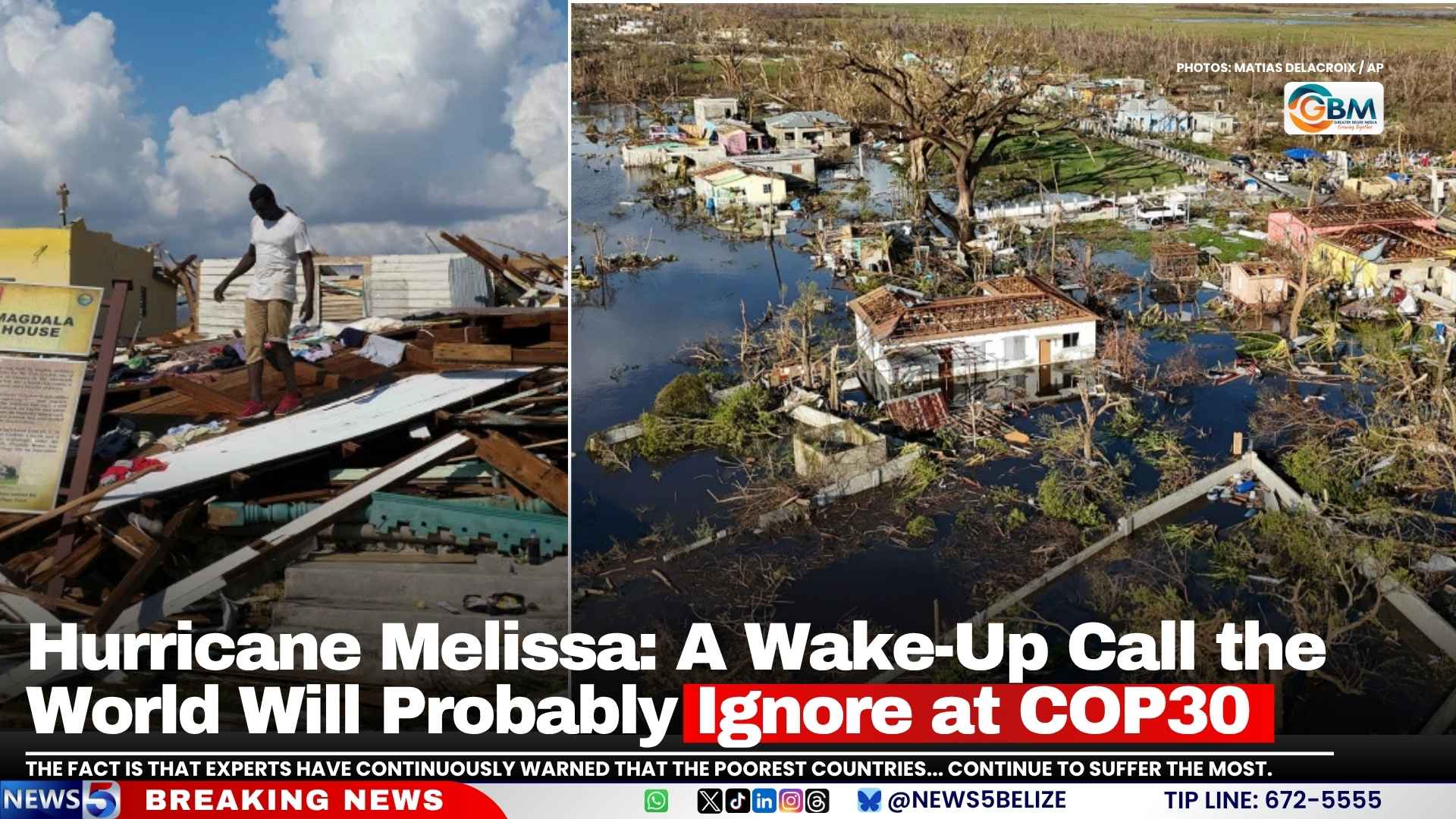
Hurricane Melissa, a catastrophic storm that ravaged the Caribbean in late October 2025, has left a trail of destruction across Jamaica, Haiti, and Cuba. With recovery efforts underway, the disaster has reignited urgent discussions about the escalating intensity of tropical cyclones in an era of global warming. Haiti has reported 31 fatalities, with 21 individuals still missing, primarily in the southern regions. Jamaica’s Prime Minister Andrew Holness confirmed 28 deaths, cautioning that the toll may rise in the coming days. Cuba, while reporting no fatalities, evacuated over 735,000 residents due to severe flooding. The storm’s timing is particularly poignant as it precedes the COP30 climate summit in Brazil, set to begin on November 6. Experts argue that warmer oceans, fueled by climate change, are intensifying hurricanes, disproportionately affecting poorer nations that contribute least to global emissions. Despite Jamaica’s catastrophe bond releasing $150 million for relief, the Caribbean faces a staggering $100 billion investment need to build resilience against future disasters, as repeated storms exacerbate debt burdens.
-

Extradition of Mehul Choksi to India Suspended Pending Belgium Appeal
The extradition of Mehul Choksi, an Indian-born diamond magnate and Antiguan citizen, has been temporarily suspended following his appeal to Belgium’s Supreme Court. The appeal challenges a lower court’s decision that had approved his return to India to face charges related to a $1.55 billion fraud at Punjab National Bank (PNB). Ken Witpas, the public prosecutor at the Antwerp Court of Appeal, confirmed the suspension, stating that the Court of Cassation will now review the legal validity of Choksi’s case. Choksi, the founder of the Gitanjali Group, is accused of conspiring with his nephew Nirav Modi and bank officials to fraudulently obtain Letters of Undertaking and Foreign Letters of Credit, resulting in losses of approximately $730 million. On October 17, the Antwerp Court of Appeals ruled that Choksi would not face unfair treatment or trial in India, but he filed an appeal on October 30, halting the extradition process. Choksi fled India in 2018, acquired Antiguan citizenship, and reportedly relocated to Belgium in 2023. If extradited, he would be detained at Mumbai’s Arthur Road Jail, which Indian authorities claim complies with European human rights standards. The Supreme Court’s forthcoming decision will determine whether Choksi, who has evaded Indian authorities for nearly seven years, will finally stand trial on charges including criminal conspiracy, cheating, and corruption.
-

Families seek next steps after reporting fishermen missing
The families of two Trinidad and Tobago fishermen, Chad Joseph and Rishi Samaroo, are anxiously awaiting official confirmation regarding their loved ones’ fate after they were believed to have been killed in a US military strike on October 12. The strike targeted an alleged drug-transporting vessel in international waters. Relatives filed missing person reports on November 1 and 2, following advice from Minister of Homeland Security Roger Alexander. Joseph’s family held a memorial, claiming Venezuelan sources confirmed his presence on the destroyed vessel. Samaroo’s sister, Sallycar Korasingh, appealed to the Prime Minister for assistance, expressing uncertainty about his whereabouts but desperation for answers. Both families faced challenges in filing reports, with police citing jurisdictional issues due to the incident occurring in international waters. Minister of Foreign and Caricom Affairs Sean Sobers stated there was no evidence linking the fishermen to the strike, emphasizing it occurred outside Trinidad and Tobago’s waters. Despite repeated attempts, neither Alexander nor Minister of Defence Wayne Sturge responded to inquiries from Newsday regarding updates or coordination with US authorities.
-
Trini UWI students in Jamaica eye return to normalcy
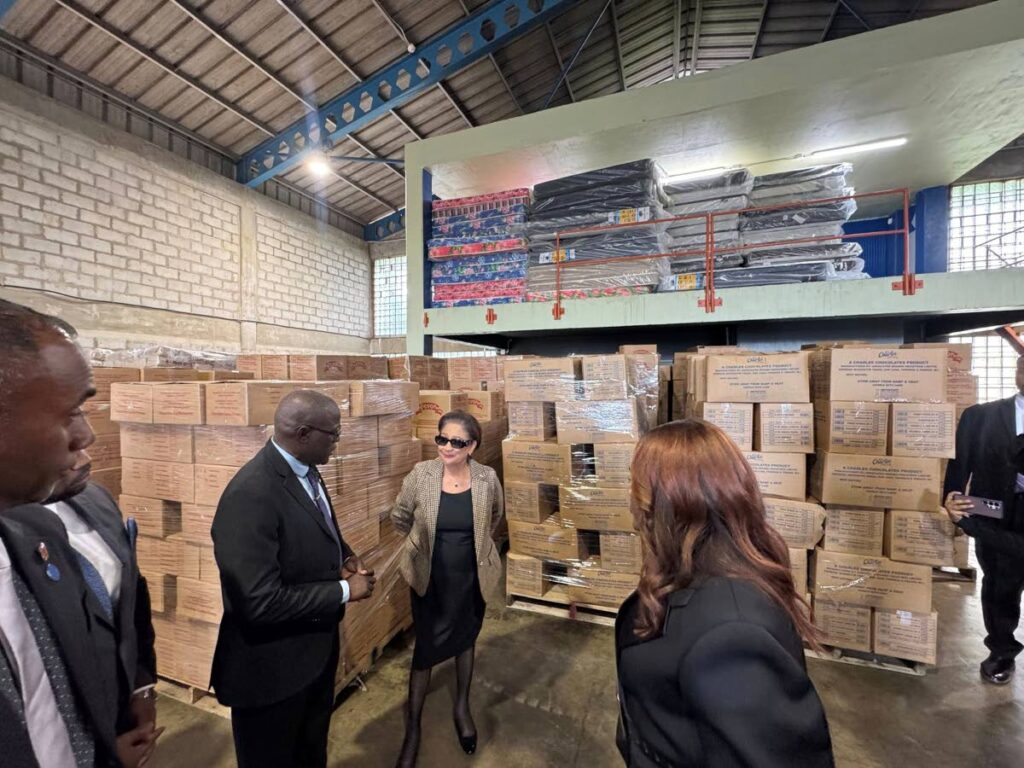
In the aftermath of Hurricane Melissa, which wreaked havoc across Jamaica, Trinidad and Tobago has stepped up its humanitarian efforts to assist those affected. Prime Minister Kamla Persad-Bissessar personally oversaw the preparation and dispatch of the first shipment of relief supplies from the PLIPDECO Warehouse Complex at Point Lisas Industrial Estate. The aid, which includes essential items such as water, toiletries, canned food, pasta, and bread, is part of a broader initiative to support the Caribbean neighbor in its time of need.