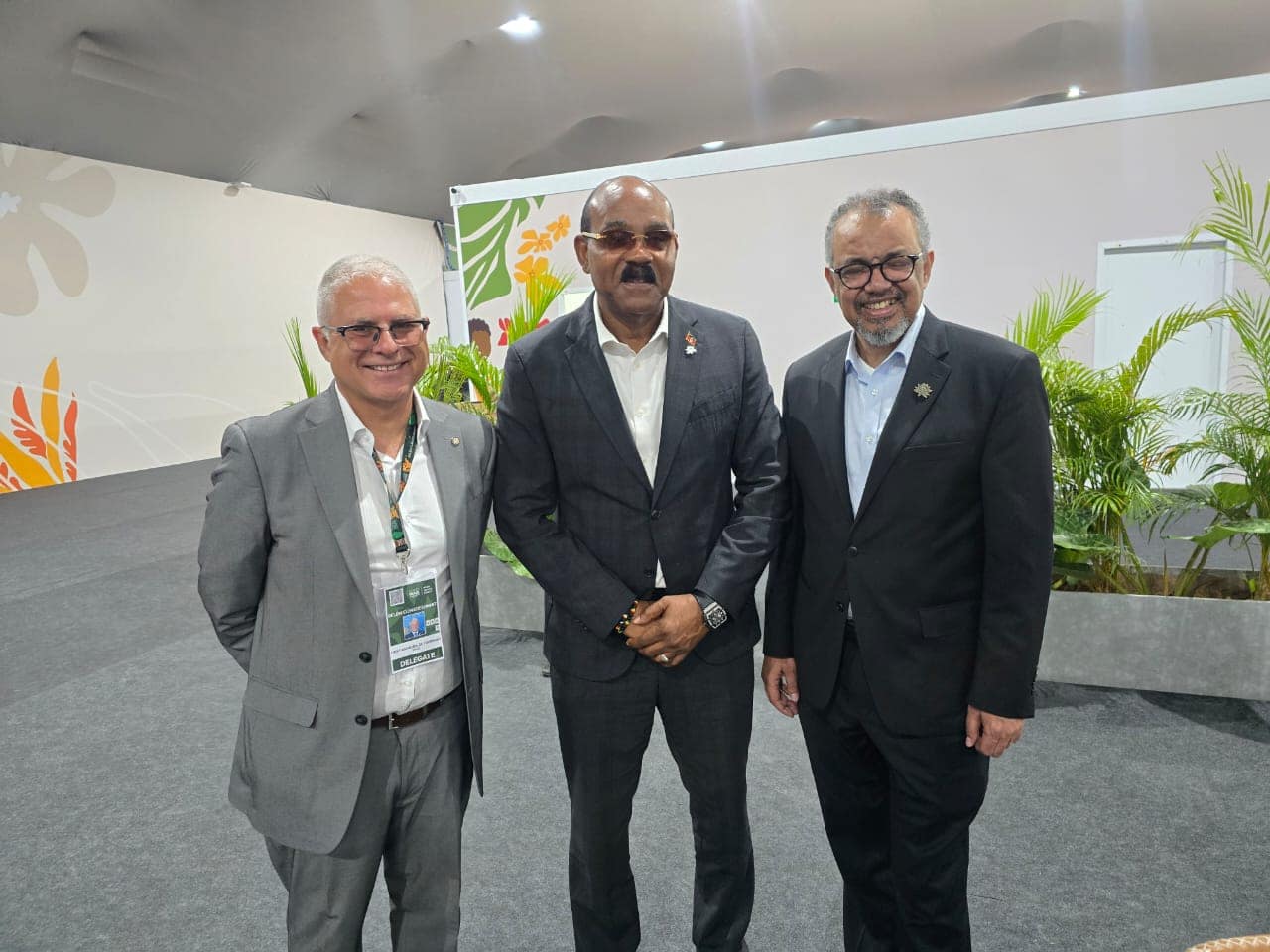
In an unconventional departure from traditional diplomatic norms, leaders and delegates at a climate meeting in Belem, Brazil, embraced a more relaxed dress code as they grappled with the sweltering Amazonian heat. Despite the organizers’ suggestion to adopt informal attire, several heads of state and government arrived in full business suits, only to quickly shed their ties in response to the oppressive 30-degree Celsius (86-degree Fahrenheit) temperatures. Brazilian President Luiz Inacio Lula da Silva, who typically sports his signature ‘lucky tie’ in the colors of the Brazilian flag, set the tone by opting for a tie-less look. This move was soon mirrored by other attendees, including Antigua and Barbuda’s Prime Minister Gaston Browne, who removed his tie even before entering the venue. The decision to encourage a ‘tie-less’ summit was announced last month by COP30 president Andre Correa do Lago, aiming to enhance comfort and infuse the event with a distinctly Brazilian informality. As delegates navigated the outdoor walkways under the blazing sun, neckwear became a low priority, with many attendees visibly perspiring. Inside the air-conditioned conference center, however, the atmosphere remained cool and comfortable. Brazil has pledged to offset all carbon emissions generated by the summit’s cooling systems. Among the leaders who embraced the open-collar look were United Nations Secretary-General Antonio Guterres and the presidents of Finland, Chile, Mozambique, and Colombia. The two-day summit precedes the 30th UN Climate COP, which opens on Monday.
分类: world
-
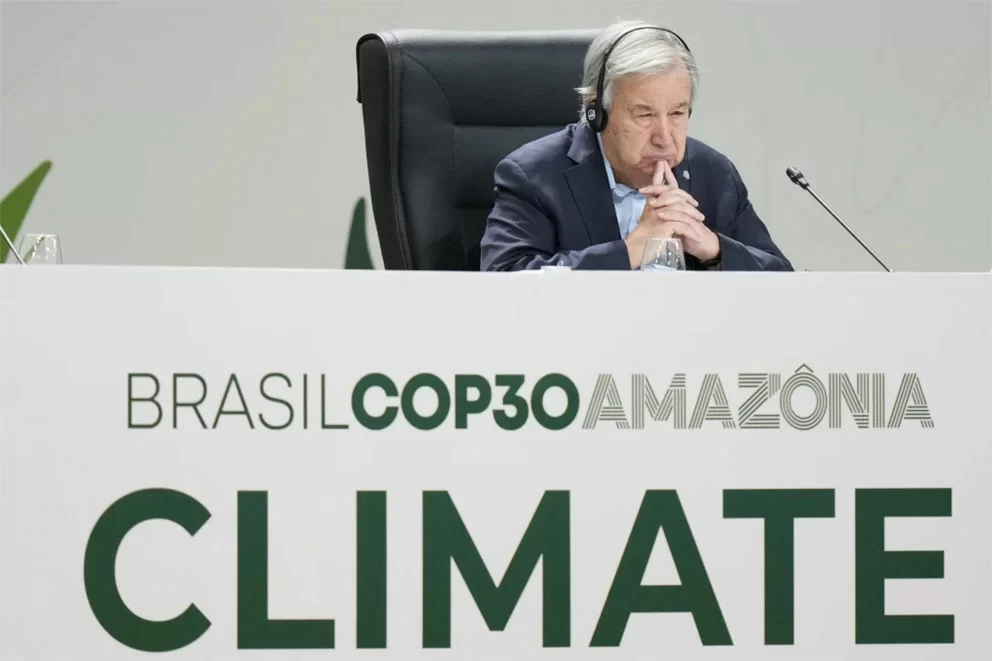
Wereldleiders waarschuwen op VN-klimaattop: tijd dringt voor klimaatactie
At the COP30 United Nations Climate Summit held in Belém, Brazil, world leaders unanimously emphasized the urgency of addressing climate change to prevent its most catastrophic impacts. The summit, hosted near the Amazon rainforest, saw sharp criticism directed at the United States for its reluctance to engage fully, particularly due to the absence of former President Donald Trump, who withdrew the U.S. from the Paris Climate Agreement during his tenure. Current U.S. President Jennifer Simons attended, but the lack of high-level representation raised concerns about the nation’s commitment to global climate efforts.
-

News : Zapping…
Haiti is grappling with a series of significant developments across various sectors. Sunrise Airways has announced the launch of new domestic routes, connecting Port-au-Prince and Cap-Haïtien to Jacmel and Jérémie starting November 17, 2025. This expansion aims to enhance connectivity within the country. Meanwhile, the aftermath of Hurricane Melissa has severely impacted food security, with the World Food Programme reporting a 20% increase in households with low food consumption scores. Agricultural losses are catastrophic, with up to 90% of production destroyed in some areas, exacerbating the crisis. In sports, Haiti’s national football team, the Grenadiers, faced a crushing 1-8 defeat against England, adding to their recent struggles. Additionally, the investigation into the assassination of former President Jovenel Moïse has been reopened, with the Port-au-Prince Court of Appeal deeming the initial inquiry incomplete. On a lighter note, the inter-university basketball tournament saw UPLEH triumph over UNIQ, despite interruptions due to poor visibility.
-
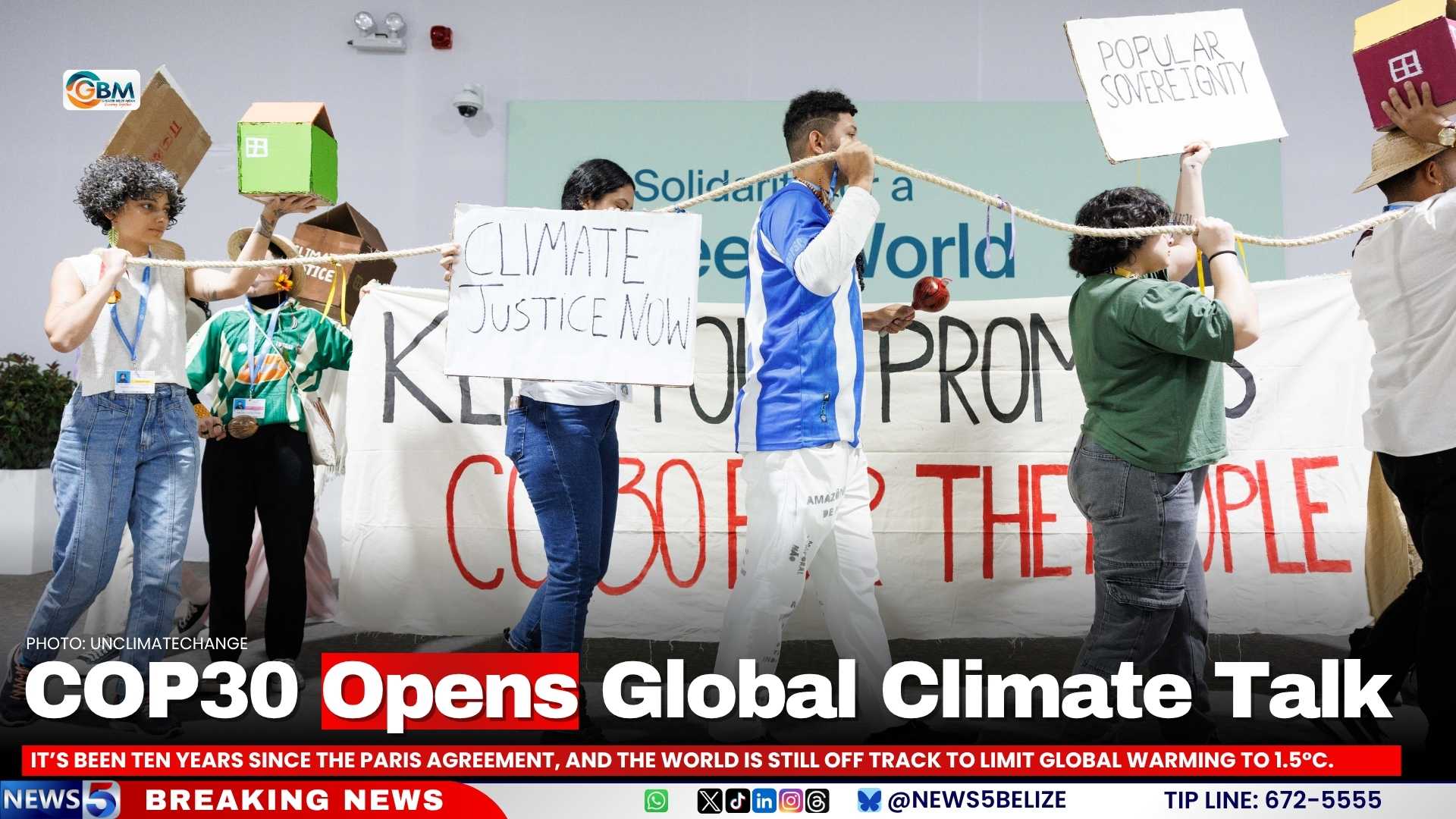
COP30 Opens Global Climate Talk
The 30th United Nations Climate Conference (COP30) commenced this week in Belém, Brazil, bringing together over 150 world leaders to address the escalating climate crisis. As the planet teeters on the brink of irreversible damage, COP30 represents a pivotal moment to accelerate global efforts to combat climate change. The conference comes a decade after the landmark Paris Agreement, with the world still far from meeting its goal of limiting global warming to 1.5°C. The urgency is underscored by 2024 being the hottest year on record, with Earth’s average temperature surpassing the critical 1.5°C threshold. This seemingly small increase has already triggered devastating consequences, including more intense storms, rising sea levels, and the destruction of ecosystems and communities. Small island and coastal nations, such as Belize, are bearing the brunt of these impacts, despite contributing the least to global emissions. UN Secretary-General António Guterres emphasized the need for immediate action, urging leaders to focus on implementation rather than negotiation. Key priorities include advancing renewable energy, halting deforestation, and building climate-resilient infrastructure. However, developing nations face significant challenges, as climate finance pledges remain unmet. The $100 billion annual climate finance target, first promised in 2009, has yet to be realized, leaving many countries struggling with debt and recovery costs. Caribbean nations, recently devastated by Hurricane Melissa, are calling for fairer systems that address loss and damage, provide debt relief, and support rebuilding efforts. With COP30 underway, the world watches to see if this conference will translate promises into tangible progress or if it will be another missed opportunity in the fight against climate change.
-
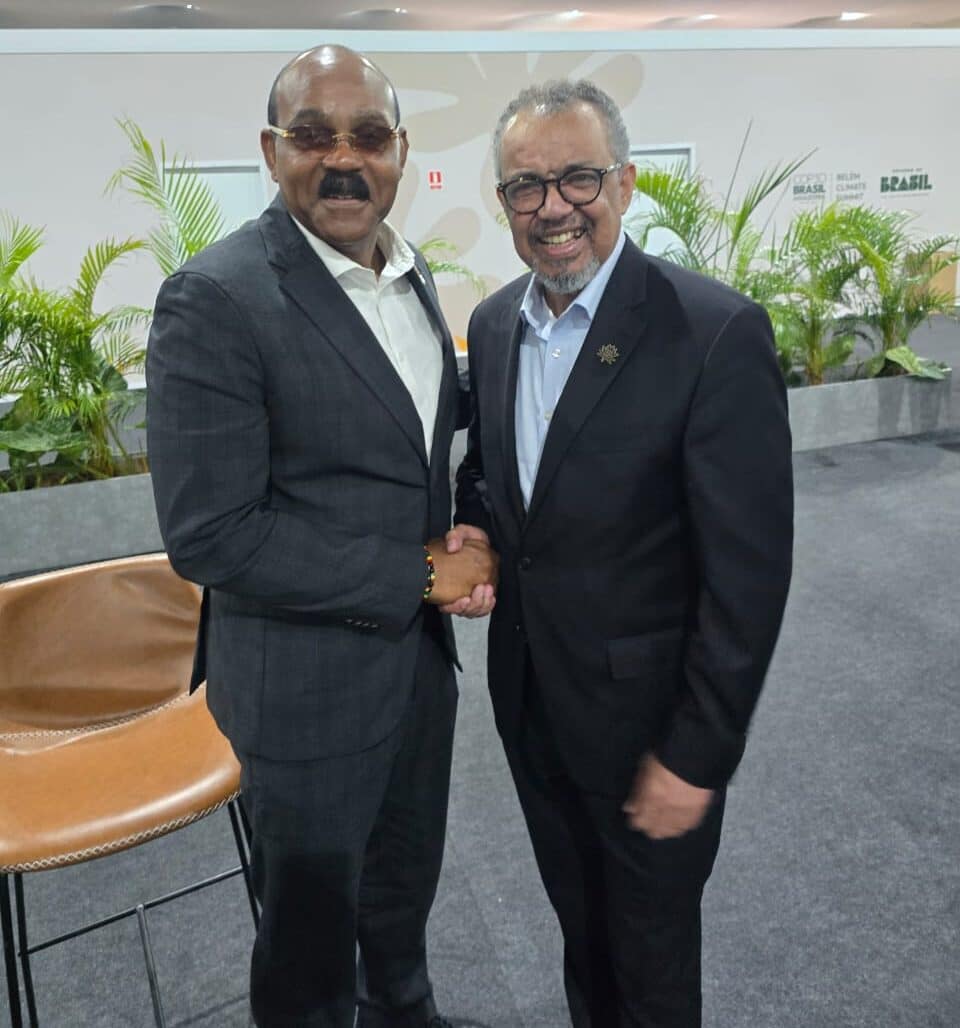
PM Gaston Browne Arrives in Brazil for COP30, Urges Urgent Climate Action for Small Island States
Prime Minister Gaston Browne of Antigua and Barbuda has arrived in Belém, Brazil, to attend the 30th Conference of the Parties (COP30) under the United Nations Framework Convention on Climate Change (UNFCCC). Upon his arrival, Browne engaged in high-level discussions with global leaders, including Dr. Tedros Adhanom Ghebreyesus, Director-General of the World Health Organization (WHO), and President Irfaan Ali of Guyana. These talks focused on collaborative strategies to enhance climate resilience, promote sustainable development, and ensure global health security in the face of a rapidly changing climate. Accompanied by a delegation of climate experts and officials, Browne delivered a compelling address at the COP30 Plenary Session, emphasizing the existential threats faced by Small Island Developing States (SIDS) due to climate change. He called for honesty, courage, and immediate action, stressing that the 1.5°C global warming limit is a lifeline for nations like Antigua and Barbuda. Browne highlighted the need for equitable climate finance, stronger global accountability, and accelerated emissions reduction, asserting that climate finance is a matter of justice, not charity. He also commended Brazil for hosting COP30 in the Amazon and launching the Tropical Forest Forever Facility, describing it as a symbol of global solidarity. Browne reaffirmed Antigua and Barbuda’s commitment to resilience, adaptation, and the principles of Loss and Damage, urging the world to act with political and moral will to address the climate crisis.
-
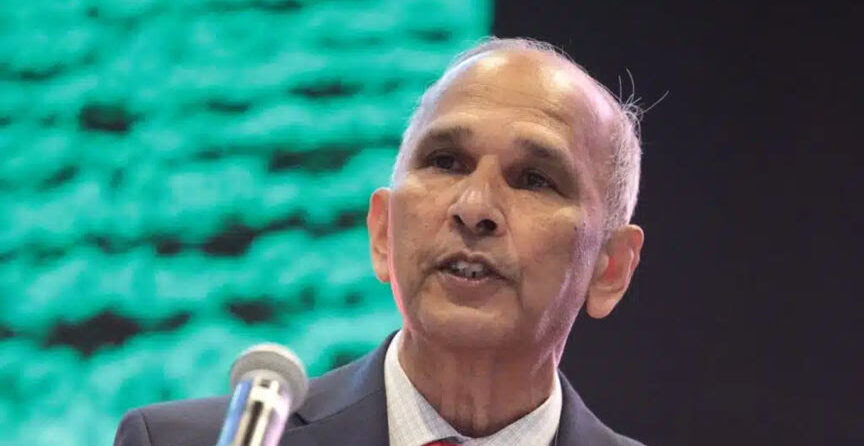
OECS congratulates new Director General of IICA, Dr Muhammad Ibrahim
The Organisation of Eastern Caribbean States (OECS) has warmly congratulated Dr. Muhammad Ibrahim from Guyana on his election as the next Director General of the Inter-American Institute for Cooperation on Agriculture (IICA) for the term 2026–2030. In a formal statement, the OECS Commission celebrated this significant achievement alongside the governments and citizens of the Caribbean Community, highlighting it as a proud moment for Guyana and a reflection of the Caribbean’s pivotal role in advancing agricultural innovation and sustainable development across the Americas.
Hon. John Osborne, Montserrat’s Minister of Agriculture and Chair of the OECS Council of Ministers of Agriculture, lauded Dr. Ibrahim’s election, stating, ‘Dr. Ibrahim’s leadership exemplifies the Caribbean’s ability to shape the future of agriculture in the Americas. His career has been dedicated to integrating science, innovation, and sustainability into the lives of farmers. We eagerly anticipate collaborating with him to strengthen resilient food systems and ensure our small states continue to contribute to global food security.’
Dr. Didacus Jules, Director General of the OECS, described the election as a reaffirmation of the Caribbean’s global agricultural leadership. He emphasized Dr. Ibrahim’s expertise in linking agricultural transformation, environmental sustainability, and the livelihoods of small farmers—areas crucial to the small island developing states of the Eastern Caribbean.
Dr. Jules also reiterated the OECS’s commitment to partnering with IICA under Dr. Ibrahim’s leadership. Key areas of collaboration include advancing climate-resilient and technology-driven agriculture, promoting regional food and nutrition security, and enhancing institutional capacity while engaging youth in agricultural innovation. He expressed optimism about Dr. Ibrahim’s tenure, particularly as the region’s agricultural sector grapples with challenges such as climate change, food price volatility, and the need for transformative production and trade strategies.
The OECS Commission expressed confidence that under Dr. Ibrahim’s guidance, IICA will continue to exemplify technical excellence and hemispheric solidarity, paving the way for a more resilient, inclusive, and sustainable agricultural future for all member states.
-
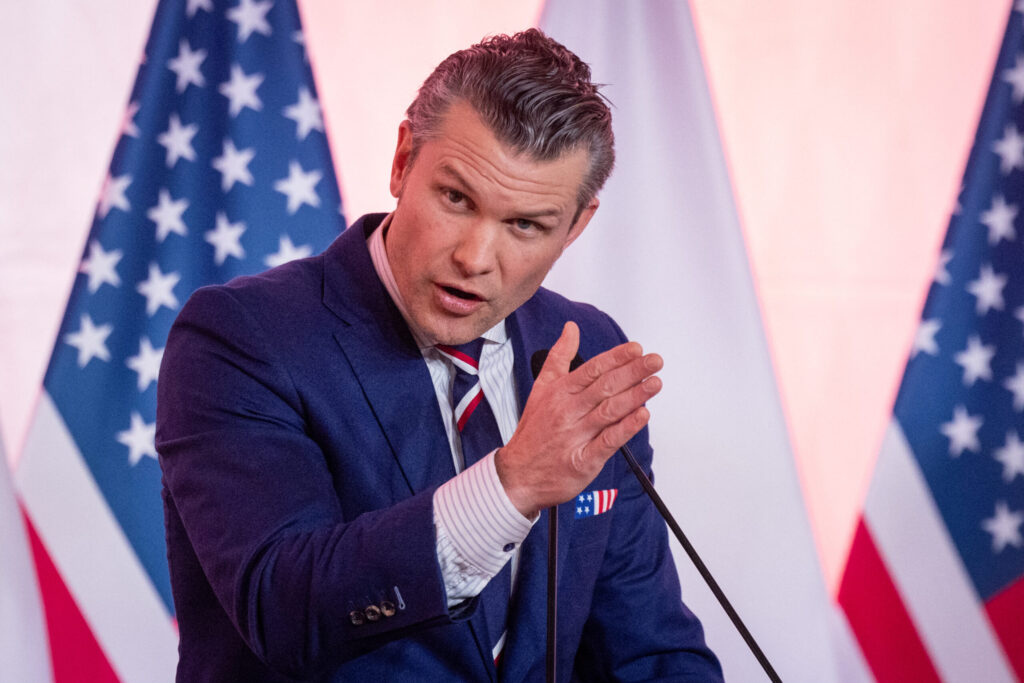
Three killed in new US strike on alleged drug boat in Caribbean
In a recent development, US forces conducted another controversial strike in the Caribbean, targeting an alleged drug trafficking vessel and resulting in the deaths of three individuals. Pentagon spokesperson Pete Hegseth confirmed the operation, which has now raised the total death toll of Washington’s anti-narcotics campaign to at least 70. The strike, carried out in international waters, was part of a broader initiative launched in early September to combat drug trafficking in the Caribbean and eastern Pacific regions.
-

Melissa triggers 100% payout of US$150 million World Bank catastrophe bond for Jamaica
KINGSTON, Jamaica—Following the widespread destruction caused by Hurricane Melissa, Jamaica is poised to receive a full payout of US$150 million under its catastrophe insurance coverage, facilitated by a World Bank-backed catastrophe bond issued in 2024. This financial support underscores the effectiveness of Jamaica’s disaster risk management strategy and the critical role of catastrophe bonds in mitigating the economic impact of natural disasters.
-

Accused drug trafficker wants extradition to US reversed
Shurlan Guppy, a 47-year-old Trinidadian accused of drug trafficking, has petitioned the High Court to order his return to Trinidad and Tobago (TT) after being extradited to the United States on August 5, 2025. Guppy, currently held in federal custody in Pennsylvania, faces 11 charges related to heroin and cocaine trafficking, with the alleged crimes valued at approximately $1 million. His legal team argues that his extradition violated procedural safeguards and breached his constitutional rights. The case has sparked a legal battle involving multiple jurisdictions, including the Privy Council in London, where a special leave application remains pending. Guppy’s attorneys contend that his extradition occurred prematurely, while his appeal was still active, despite assurances from state attorneys to wait. At a recent High Court hearing, Guppy’s legal team objected to the State’s request for an adjournment, accusing authorities of disregarding the rule of law. State attorneys, however, maintain that the extradition was lawful and occurred after the agreed-upon 56-day appeal window had expired. Justice Jacqueline Wilson adjourned the matter to January 26, 2026, pending the Privy Council’s decision. Guppy’s indictment in the U.S. alleges that he conspired to distribute controlled substances, including heroin and cocaine, from 2017 to 2022, using various methods such as delivery services and encrypted communication apps like WhatsApp. If convicted, he faces a potential life sentence with a mandatory minimum of 10 years. In Trinidad, Guppy’s claims of entrapment, selective prosecution, and disproportionate interference with his family life were dismissed by both the High Court and the Court of Appeal.
-
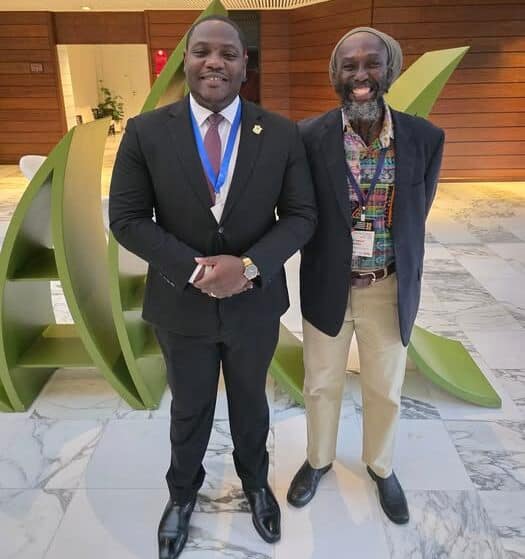
Hon. Anthony Smith Among Agriculture Ministers Taking Action Against Crop and Animal Diseases
In a landmark meeting held in Brasilia on November 5, 2025, the Ministers of Agriculture from across the Americas convened to address the escalating threat of cross-border plant and animal diseases. Organized by the Brazilian government in collaboration with the Inter-American Institute for Cooperation on Agriculture (IICA), the conference underscored the urgent need for enhanced technical cooperation, improved information sharing, and access to cutting-edge technologies to combat diseases such as the New World screwworm and African swine fever. These diseases pose a significant risk to food security and the livelihoods of farmers and rural communities throughout the hemisphere. The ministers unanimously agreed to bolster the Agricultural Health and Food Security Initiative of the Americas, a strategic platform designed to harmonize and amplify regional efforts in safeguarding agricultural health. Emphasizing the importance of science-based decision-making in trade processes, the delegates, particularly from Argentina and the United States, highlighted the critical role of maintaining a competitive, safe, and healthy agrifood system. As the world’s largest net food exporting region, the Americas are committed to ensuring prosperity and enhancing public health at both national and regional levels. The IICA, a specialized agency within the Inter-American system, continues to play a pivotal role in fostering agricultural development and rural well-being through its international technical cooperation initiatives.