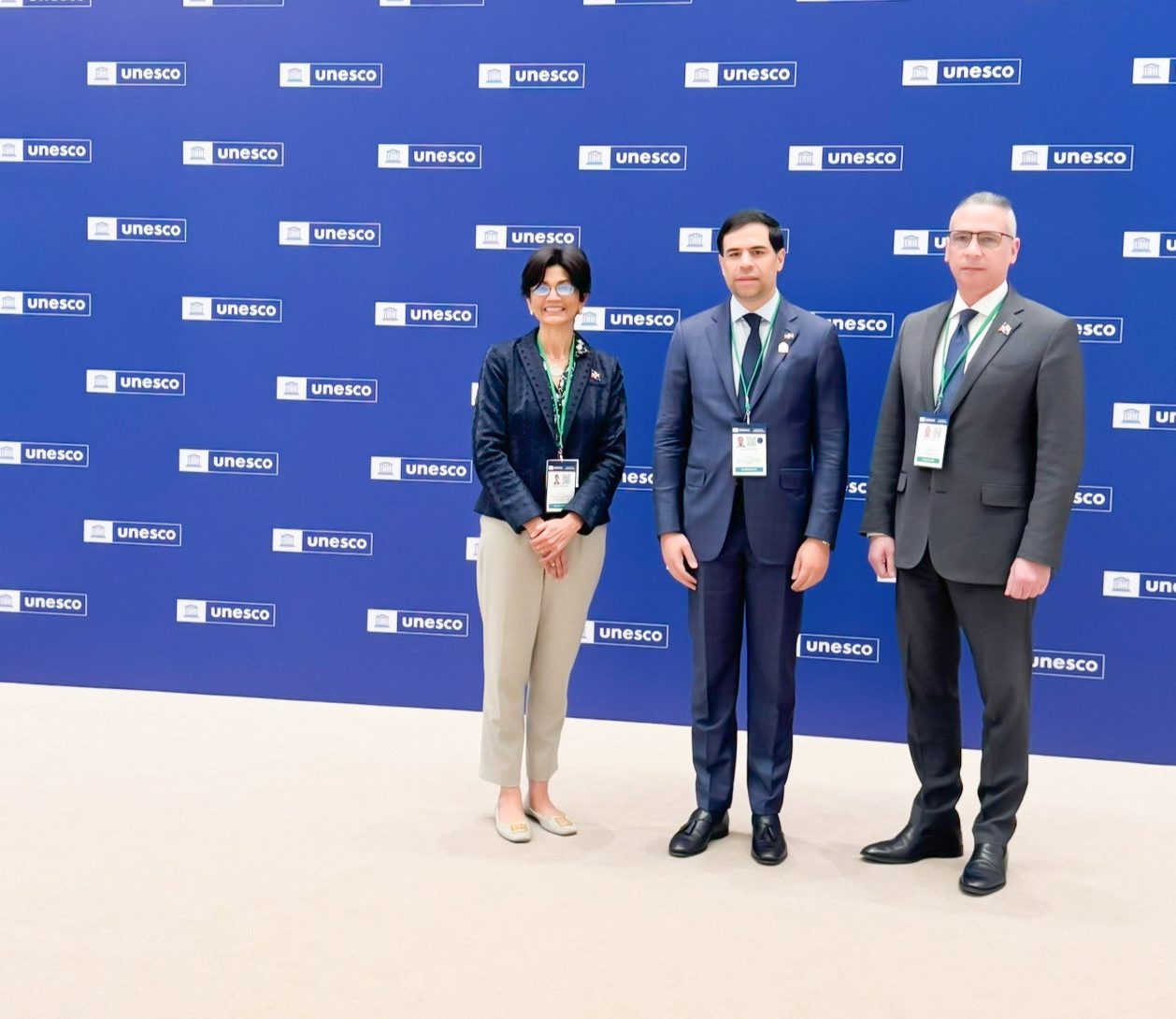
The Dominican Republic made a significant impact at the 43rd General Conference of UNESCO, a historic event held in Samarkand, Uzbekistan—marking the first time in 40 years that the conference took place outside Paris. The Dominican delegation, led by Minister of Culture Roberto Ángel Salcedo, actively participated in high-level discussions, emphasizing the nation’s dedication to cultural diversity, heritage preservation, and the expansion of creative industries. Minister Salcedo highlighted the crucial role of youth in driving cultural innovation and called for more equitable international cooperation, particularly advocating for increased Caribbean involvement in UNESCO’s strategic initiatives. Ambassador Larissa Veloz Santana, the Dominican Republic’s Permanent Delegate to UNESCO, played a pivotal role in aligning national priorities with global agendas. She engaged with key stakeholders, participated in working committees, and reinforced partnerships within the multilateral framework. The delegation also included representatives from the Ministry of Culture, the Dominican National Commission for UNESCO, and diplomatic missions in Uzbekistan and Russia, all contributing to the technical and diplomatic efforts. Throughout the conference, the Dominican Republic championed cultural policies aligned with the 2030 Agenda, emphasizing the importance of creativity, heritage protection, and cultural diversity on the global stage.
分类: world
-
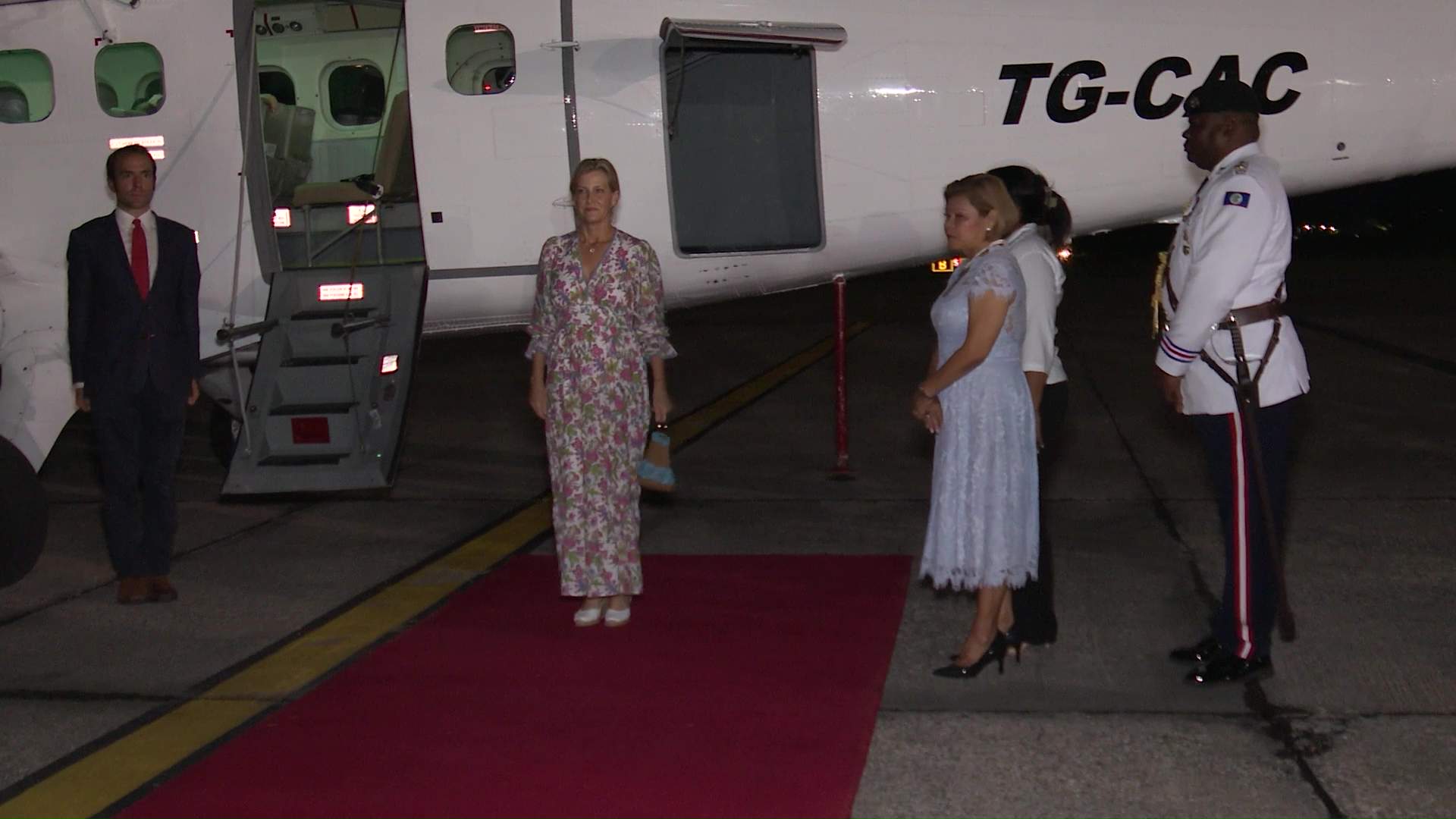
Duchess of Edinburgh Kicks off Three-Day Visit in Belize
On November 17, 2025, the Duchess of Edinburgh, Sophie Rhys-Jones, commenced a three-day visit to Belize, marking a significant moment in the ongoing diplomatic and cultural exchanges between Belize and the United Kingdom. The Duchess arrived at the Philip Goldson International Airport on Sunday evening, where she was warmly greeted by Belizean Prime Minister John Briceño and Rossana Briceño, the Special Envoy for the Development of Families and Children. This visit, orchestrated by Belize’s Ministry of Foreign Affairs, Foreign Trade, Culture, and Immigration, is part of a broader tour across South and Central America. During her stay, the Duchess engaged with key initiatives, including a visit to the Belize Council for the Visually Impaired and the House of Culture. Her agenda focused on critical issues such as eye health, the empowerment of indigenous women, and the preservation of Belize’s UNESCO-listed barrier reef. Discussions also centered on enhancing bilateral relations between Belize and the UK, underscoring the shared commitment to mutual development and cultural preservation.
-
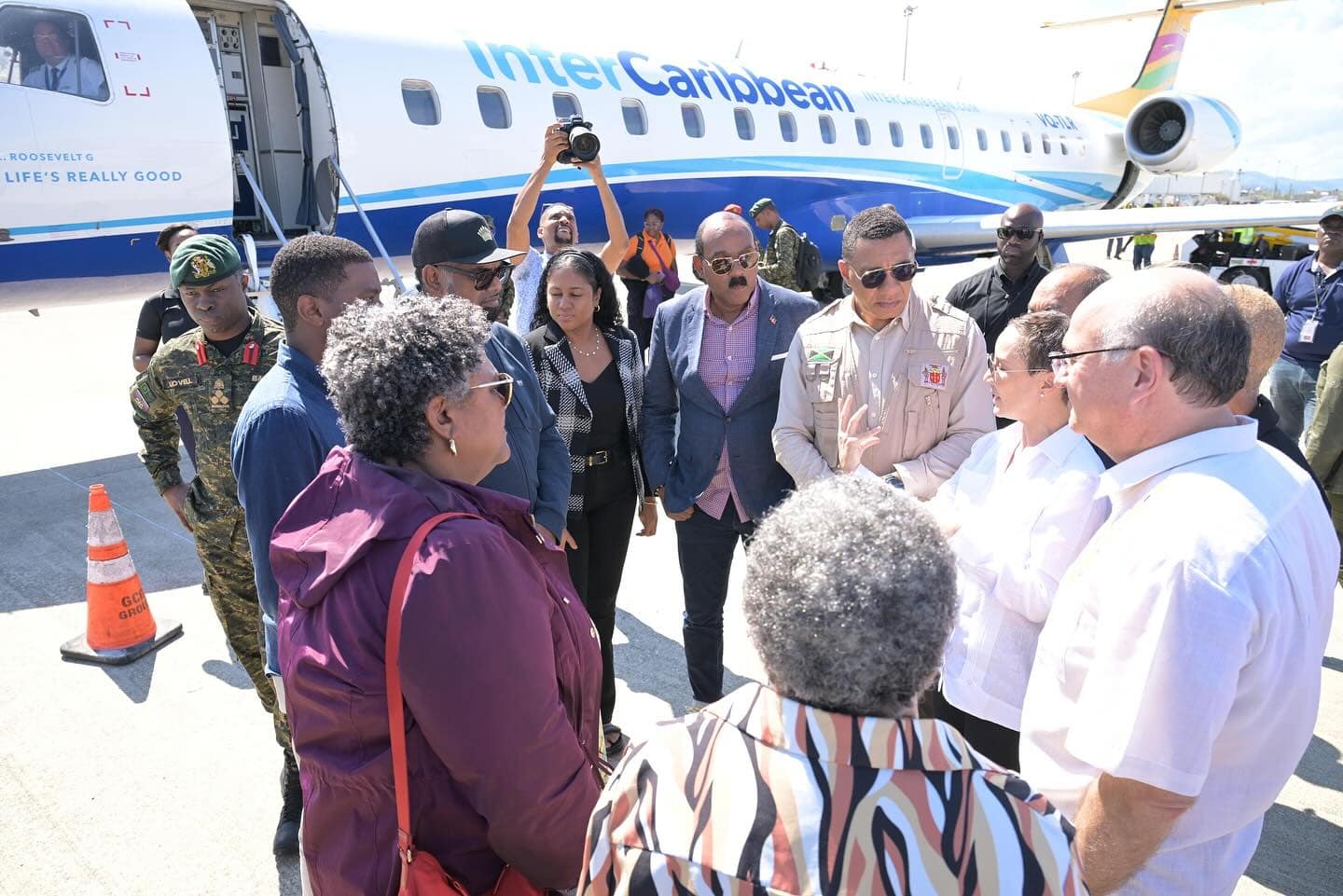
CARICOM Leaders Pledge Support After Touring Hurricane-Hit Jamaica
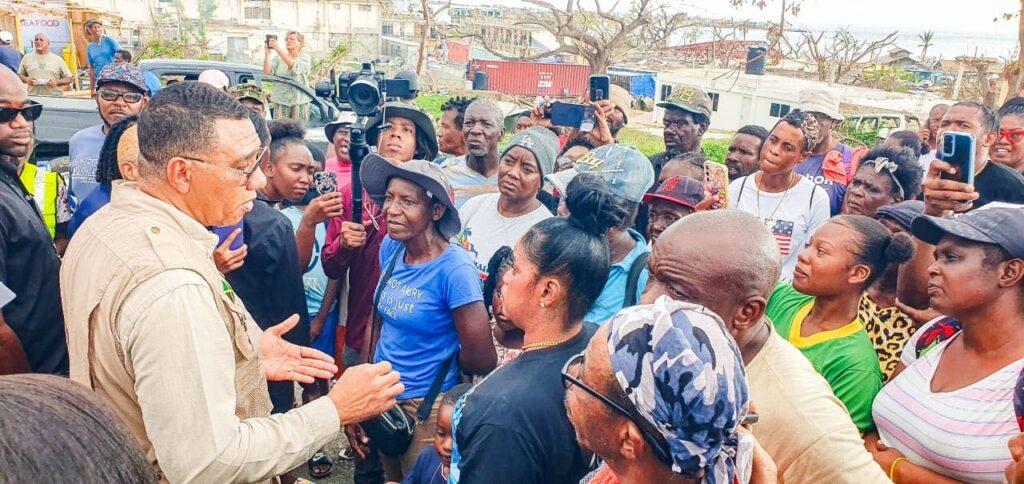
In a powerful demonstration of regional solidarity, leaders from the Caribbean Community (CARICOM) embarked on a one-day tour of hurricane-ravaged communities in western Jamaica on November 17. The delegation, which included heads of government from Antigua and Barbuda, Barbados, Grenada, and Guyana, was accompanied by CARICOM Secretary-General Dr. Carla Barnett and representatives from the World Bank, the Inter-American Development Bank (IDB), and CAF – Development Bank of Latin America and the Caribbean. Their journey took them from Montego Bay to White House, Westmoreland, the epicenter of Hurricane Melissa’s devastation, where they assessed the damage and engaged with affected residents. Leaders emphasized the symbolic and personal significance of their visit, highlighting the shared vulnerability of Caribbean nations to natural disasters. They expressed unwavering confidence in Jamaica’s resilience and ability to recover stronger. Barbados pledged a field hospital and additional garbage-removal trucks, while Guyana committed engineering support from its Defence Force, debris removal assistance, and 200 roofs for housing repairs. Other CARICOM member states and associate members also offered aid. The mission, supported by the Caribbean Disaster Emergency Management Agency (CDEMA) and the Regional Security System (RSS), underscored the importance of unity and collaboration in rebuilding communities and enhancing disaster preparedness for future challenges.
-
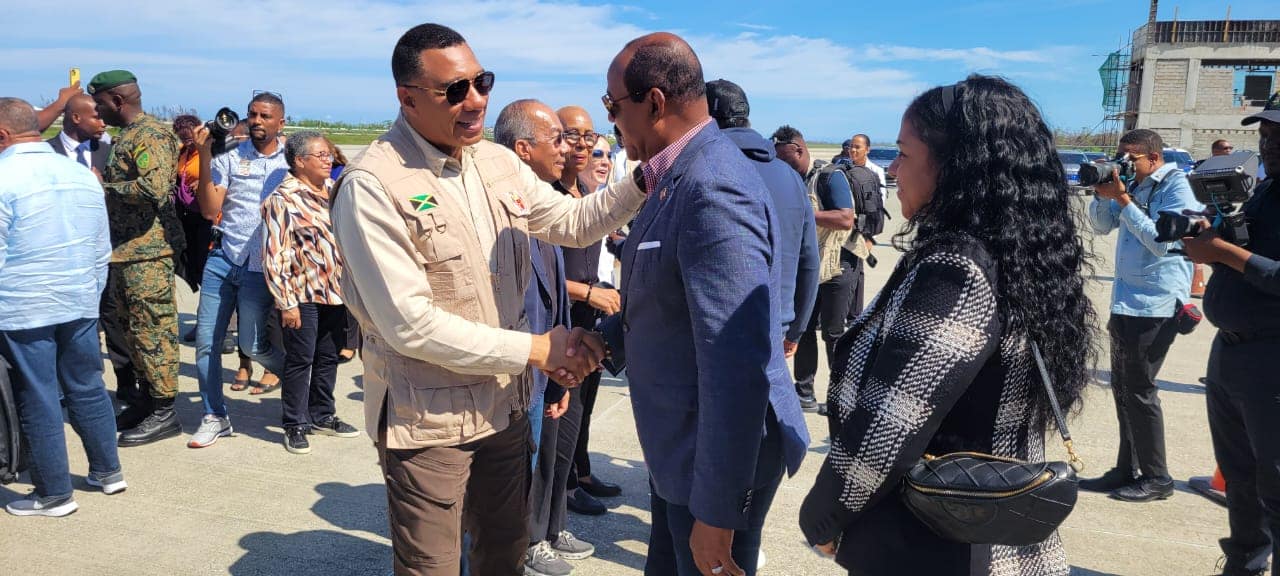
IN PICTURES: PM Browne Arrives in Jamaica with CARICOM Leaders to Assess Hurricane Devastation
A high-level delegation, including Prime Minister Gaston Browne of Antigua and Barbuda, other Caribbean heads of government, and representatives from the Inter-American Development Bank (IDB), arrived in Jamaica to conduct a comprehensive assessment of communities devastated by Hurricane Melissa. The Category 5 storm wreaked havoc across St James, Westmoreland, and St Elizabeth, leaving widespread destruction in its wake. The delegation, led by CARICOM Chairman and Jamaican Prime Minister Andrew Holness, aims to evaluate the extent of the damage and identify urgent recovery needs. This collaborative effort underscores the region’s commitment to disaster response and resilience-building. The visit also highlights the critical role of international partnerships in addressing the aftermath of natural disasters, particularly in vulnerable Caribbean nations.
-
Caricom rallies around Jamaica
In the wake of the devastating Hurricane Melissa, Caribbean nations and international organizations have rallied to support Jamaica’s recovery efforts. Guyanese President Mohamed Irfaan Ali, alongside a delegation of Caribbean Community (Caricom) leaders and international agencies, visited the severely affected Whitehouse area in Westmoreland Eastern to assess the damage firsthand. The delegation, accompanied by government ministers, witnessed the extensive destruction caused by the Category 5 storm and discussed immediate relief measures. President Ali announced a major initiative to repair 200 roofs in the Whitehouse community, mobilizing resources and manpower from Guyana. He emphasized the importance of regional solidarity, stating, ‘The Caribbean is one region and people.’
Barbados Prime Minister Mia Mottley highlighted the deployment of a medical contingent from the Barbados Defence Force to establish a field hospital at Savanna-la-Mar Public General Hospital. Antigua and Barbuda’s Prime Minister Gaston Browne noted the assistance of linemen from his country to aid Jamaica’s electricity restoration efforts. Grenada’s Prime Minister Dickon Mitchell and other Caribbean leaders also pledged their unwavering support.
Jamaican Prime Minister Andrew Holness provided a grim assessment of the storm’s impact, estimating that 150,000 homes were destroyed, 900,000 Jamaicans were affected, and physical damages amounted to at least US$8 million. He stressed the financial challenges Jamaica faces, particularly as the country struggles with rising debt levels. However, Holness expressed optimism about rebuilding stronger and more resilient infrastructure, emphasizing the government’s commitment to efficient and accountable spending.
Additional support includes the imminent arrival of building materials and small modular homes, with priority given to Westmoreland Eastern and adjoining constituencies. The cleanup of debris, particularly in the Bluefields to Whitehouse corridor, is also a top priority. CAF Development Bank of Latin America’s Caribbean representative, Dr. Stacy Richards-Kennedy, confirmed the availability of significant humanitarian grants and technical support, with nearly US$1 million already earmarked for Jamaica’s recovery.
-

Nicki Minaj to address UN on November 18
In a surprising collaboration, Trinidadian rapper Nicki Minaj has partnered with former US President Donald Trump to draw global attention to the persecution of Christians in Nigeria. The initiative was announced by US Ambassador to the UN Michael Waltz on November 16 via social media platform X. Waltz lauded Minaj as the ‘greatest female recording artist’ and commended her for using her influential platform to address the ongoing violence against Nigerian Christians. Minaj is slated to speak at the United Nations on November 18 to amplify the issue. The rapper, whose real name is Onika Maraj, expressed her gratitude for the opportunity, stating, ‘I am so grateful to be entrusted with an opportunity of this magnitude. I do not take it for granted. It means more than you know.’ She further emphasized her commitment to justice, asserting that neither she nor her fan base, known as the ‘Barbz,’ would remain silent in the face of wrongdoing. Minaj’s involvement follows Trump’s November 1 social media post, where he threatened to deploy US military forces to Nigeria if the government failed to curb the killings of Christians. Trump also directed the Department of War to prepare for potential military action and warned of suspending aid to the country. Nigeria, home to approximately 93 million Christians, has denied allegations of widespread religious persecution. President Bola Tinubu reaffirmed the nation’s commitment to religious freedom, stating, ‘The characterisation of Nigeria as religiously intolerant does not reflect our national reality.’ Tinubu expressed openness to collaborating with the US and other international partners to ensure the protection of all faiths.
-
Caricom leaders stand with government and people of Jamaica
In a show of regional solidarity, Grenada’s Prime Minister Honourable Dickon Mitchell has pledged unwavering support to Jamaica in the wake of Hurricane Melissa. On Monday, 17 November, PM Mitchell will join fellow leaders from the Caribbean Community (Caricom) and the Organisation of Eastern Caribbean States (OECS) on a visit to Jamaica. The purpose of the visit is to assess the hurricane’s impact and explore collaborative recovery efforts under the coordination of the Caricom Secretariat. This initiative highlights the region’s commitment to collective resilience and mutual aid during natural disasters. Grenada has reaffirmed its readiness to assist Jamaica in rebuilding and restoring normalcy for those affected. During PM Mitchell’s absence, Honourable Phillip Telesford, Minister for Health, will assume the role of Acting Prime Minister. The Office of the Prime Minister emphasized Grenada’s solidarity with Prime Minister Honourable Andrew Holness and the people of Jamaica as they navigate the challenges of recovery.
-
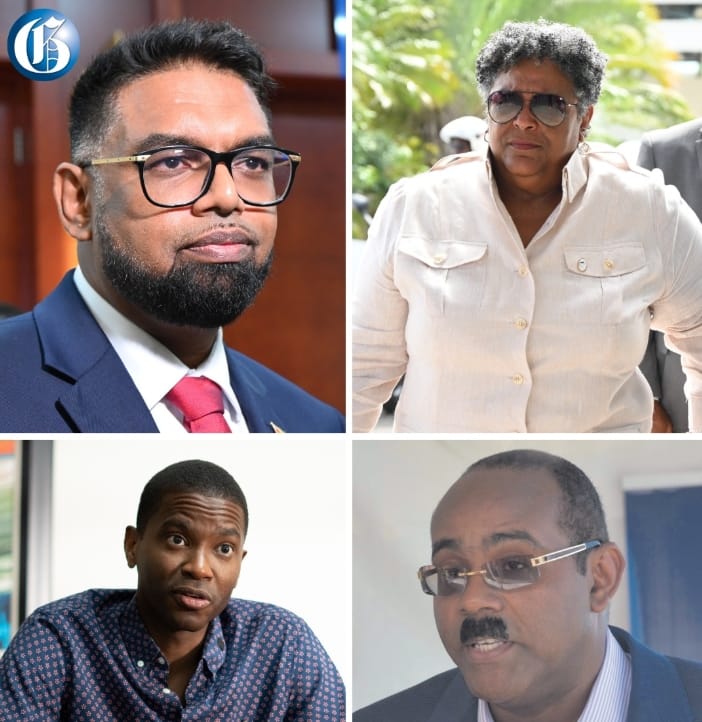
PM Browne Among CARICOM Heads Visiting Storm-Devastated Communities in Jamaica Today
A high-level delegation of Caribbean leaders, accompanied by officials from the Inter-American Development Bank (IDB), is set to arrive in Jamaica today to evaluate the extensive damage caused by Hurricane Melissa. The group, led by CARICOM Chairman and Jamaican Prime Minister Dr. Andrew Holness, includes Barbados Prime Minister Mia Mottley, Guyana President Dr. Irfaan Ali, Antigua and Barbuda Prime Minister Gaston Browne, Grenada Prime Minister Dickon Mitchell, CARICOM Secretary-General Carla Barnett, and IDB President Ilan Goldfajn. Their itinerary includes visits to severely affected areas in St. James, Westmoreland, and St. Elizabeth, with stops planned in Westgreen and Catherine Hall, two Montego Bay communities still grappling with the aftermath of the Category 5 storm. Hurricane Melissa, which struck Jamaica on October 28, unleashed catastrophic flooding and landslides, particularly in the western parishes. The Barnett, Pye, and Montego rivers overflowed, submerging entire neighborhoods, destroying homes, businesses, and critical infrastructure, and displacing thousands of residents. Many areas remain without reliable electricity or clean water. The tour aims to provide regional leaders with a firsthand understanding of the humanitarian crisis and the urgent need for coordinated recovery efforts. This visit follows pledges of solidarity and support from CARICOM member states, with Barbados establishing a field hospital at Cornwall Regional Hospital and other nations offering financial and technical assistance. The IDB, a key financial partner in the region, is expected to use this opportunity to discuss reconstruction funding and long-term climate adaptation strategies, especially as small island nations face increasing threats from extreme weather events. Prime Minister Holness has underscored the importance of regional unity and international collaboration in addressing the challenges posed by the disaster. Monday’s high-level engagement is anticipated to shape a comprehensive recovery framework, focusing on housing, infrastructure rehabilitation, and community support for the hardest-hit areas. Additional details of the delegation’s itinerary will be provided by the Office of the Prime Minister.
-
Diplomatic tensions with China hit Japanese economy
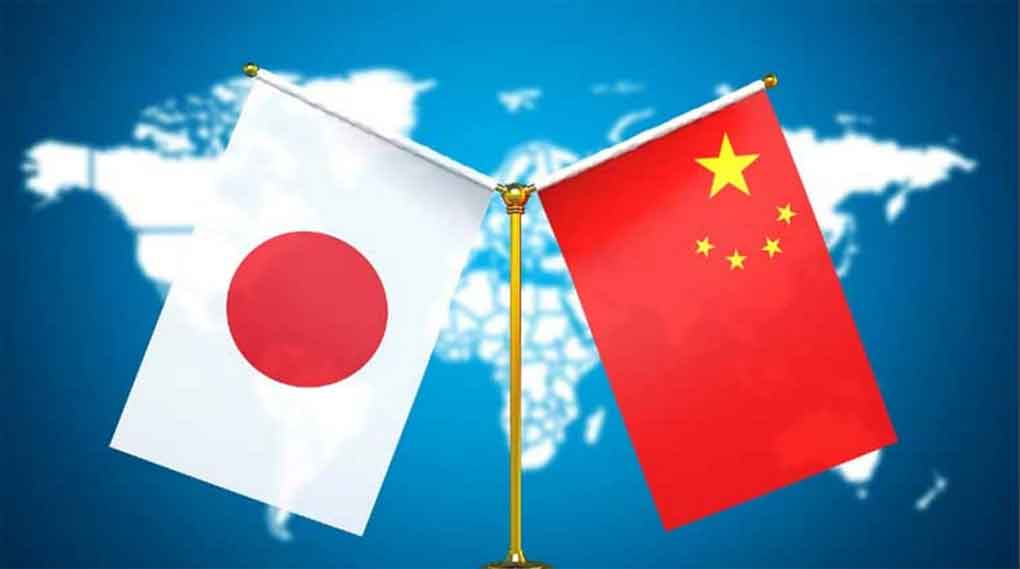
Tensions between China and Japan have escalated following controversial remarks by Japanese Prime Minister Sanae Takaichi, prompting the Chinese government to issue a travel advisory urging its citizens to avoid visiting Japan. Takaichi’s comments criticized Japan’s perceived ‘erroneous path of military rearmament’ and suggested that Tokyo might respond militarily if China were to attack Taiwan. Despite Beijing’s demands for a retraction, Takaichi stood firm on her statements. The diplomatic friction has had immediate economic repercussions, with Japanese stocks experiencing significant declines. Shiseido, a major cosmetics company, saw its shares plummet by nearly nine percent, while Takashimaya, a prominent retailer, dropped over five percent, and Fast Retailing, the parent company of Uniqlo, lost around four percent. These market reactions underscore Japan’s heavy reliance on Chinese tourism, which is a critical driver for industries such as fashion, hospitality, and luxury goods. The situation highlights the delicate balance between political rhetoric and economic interdependence in the region.
-
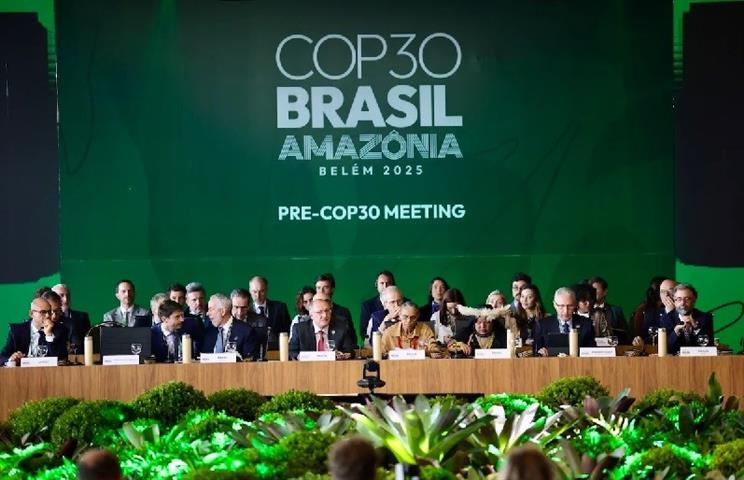
Ministers take control of a COP30 marked by little progress
As the 30th United Nations Climate Change Conference (COP30) commenced this Monday, ministers are grappling with a deadlock on some of the most contentious issues. Despite Brazil’s role as host and its emphasis on member-driven decision-making, critical topics such as climate finance for the Global South and updated emissions reduction targets remain excluded from the formal agenda. Andre Correa do Lago, COP30 President, reiterated that decisions are made ‘from the bottom up,’ underscoring the collaborative nature of the process. To prevent the conference from stalling, Brazil has appointed foreign ministers as facilitators for complex discussions on finance, mitigation, just transition, and the ‘global stocktake’—a mechanism evaluating compliance with the Paris Agreement. The first week saw significant pledges from the private sector, with investments reportedly reaching ‘trillions of dollars,’ according to the UN. However, developing nations argue that relying primarily on private capital is insufficient. They demand that the $300 billion annual target set at COP29 be funded predominantly by public sources, with aspirations to escalate this figure to $1.3 trillion. In response, the presidencies of COP29 and COP30 have proposed exploring global taxes on key sectors. Yet, Brazil has acknowledged the lack of consensus, suggesting that any meaningful progress may not materialize until after 2026.