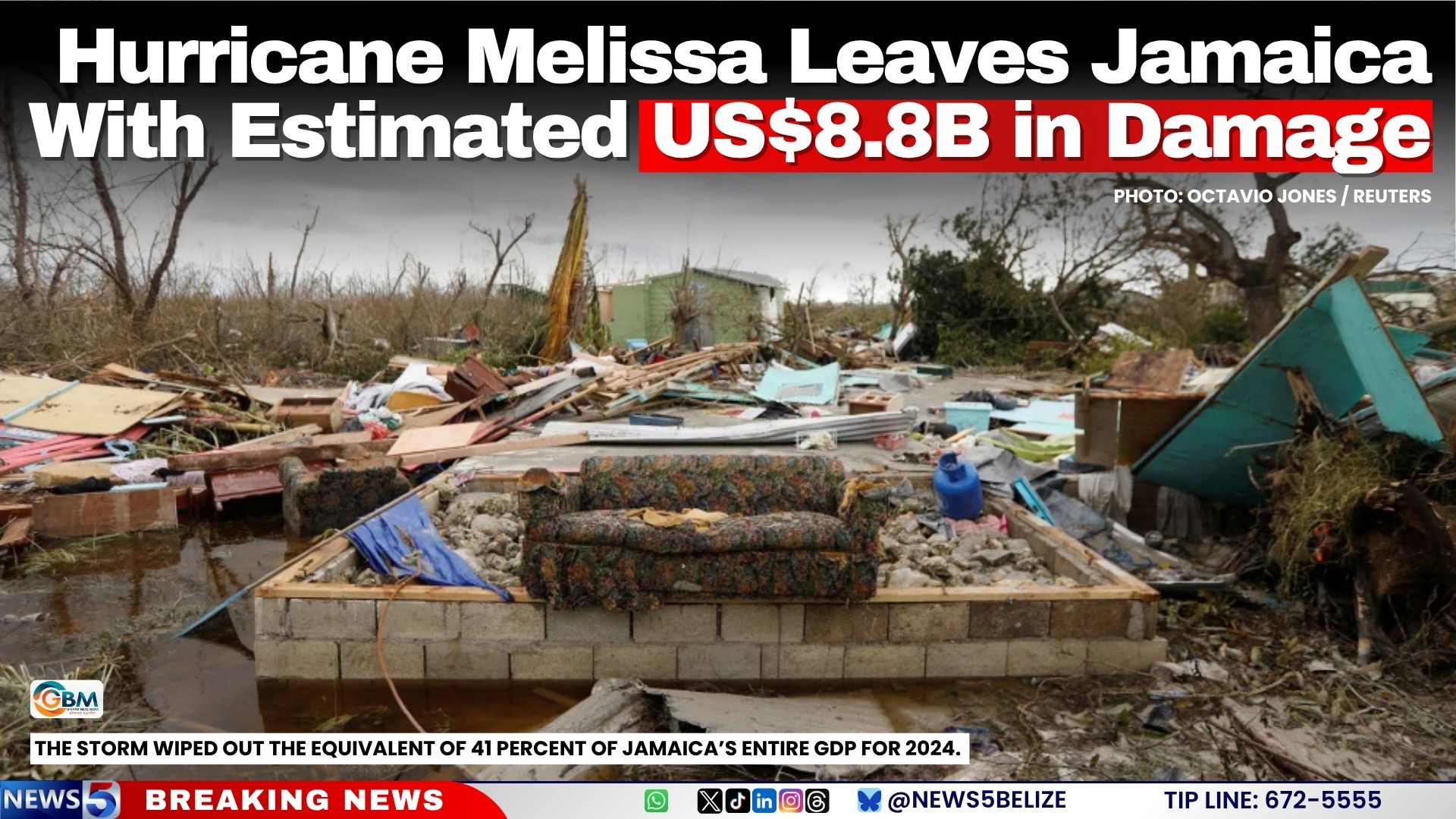
Jamaica is grappling with the aftermath of Hurricane Melissa, which has inflicted an estimated $8.8 billion in damages, marking the most costly natural disaster in the nation’s history. The World Bank and the Inter-American Development Bank (IDB) revealed that the storm’s impact equates to 41% of Jamaica’s 2024 GDP. Striking on October 28, 2025, as a Category Five hurricane with winds reaching 185 miles per hour, Melissa is one of the most powerful Atlantic hurricanes ever recorded. The devastation has been extensive, with at least 45 fatalities, 15 individuals still missing, and thousands rendered homeless due to severe flooding and collapsed infrastructure. The United Nations has reported that 36,000 people are in urgent need of food assistance. In early November, Jamaica received a $150 million payout from its catastrophe bond, providing some financial relief, though it falls significantly short of the total estimated damages. Preliminary assessments indicate that homes bore the brunt of the destruction, accounting for 41% of the total damage, followed by infrastructure at 33%, non-residential buildings at 21%, and agriculture at 5%. While agricultural physical losses were relatively lower, the economic repercussions for farmers are expected to persist for months. World Bank Vice President Susana Cordeiro Guerra commended the resilience of the Jamaican people and affirmed the Bank’s commitment to aiding the country in rebuilding efforts. The damage estimate was derived from a GRADE assessment, a rapid evaluation tool funded by the Global Facility for Disaster Reduction and Recovery and Japan’s Ministry of Finance, aimed at providing governments with an early overview of recovery needs.
分类: world
-

At COP30, Caribbean reports unveiled to promote strengthening of regional resilience
As the global climate summit, COP30, enters its final week, the spotlight has shifted to the Caribbean, where Climate Analytics Caribbean unveiled two pivotal reports aimed at bolstering regional resilience and accelerating the energy transition. The presentations took place at the CARICOM Pavilion on November 18, featuring prominent figures such as The Honourable Senator Dr. Joyelle Trizia Clarke, Minister of Sustainable Development, Environment and Climate Action of St. Kitts and Nevis, and Mr. Chamberlain Emmanuel, Head of the Environmental Sustainability Division of the Organization of Eastern Caribbean States.
The first report, ‘Refining the Regional Goal on Adaptation for the Caribbean,’ authored by Sasha Jattansingh, Deputy Director and Senior Adaptation and Loss and Damage Adviser at Climate Analytics Caribbean, updates the proposed Regional Goal on Adaptation (RGA). This document aims to elevate climate adaptation efforts by addressing funding, capacity, and technical support gaps while promoting effective governance. It outlines fourteen strategic targets—eight thematic and six cross-cutting—that align with Caribbean priorities and contribute to the global Climate Goal on Adaptation (GGA).
The second report, ‘Pathways to Global Stocktake Implementation in the Caribbean,’ co-authored by Kory Hall and Kristin Qui, emphasizes the urgency of the Caribbean’s energy transition. With renewable energy accounting for only 12% of the region’s electricity in 2022, the report calls for tripling renewable capacity and doubling energy efficiency by 2030 to meet the Global Stocktake (GST) and Caribbean Sustainable Energy Roadmap and Strategy (C-SERMS) targets. It highlights the need for regulatory reforms, enhanced data systems, and regional cooperation to align Nationally Determined Contributions (NDCs) with GST efforts.
Endorsements from industry leaders like Philip Julien, CEO of Kenesjay Green Systems, and Mairi Dupar, Senior Research Fellow at ODI Global, underscored the importance of interconnectedness in empowering communities and scaling up financial and technological solutions. Minister Clarke concluded the session by advocating for international support to accelerate sustainable projects, particularly through the SKN-100 initiative, which aims to decarbonize St. Kitts and Nevis’ energy sector.
Both reports are set for publication later this year, marking a significant step in the Caribbean’s fight against climate change.
-
‘Stay prepared’
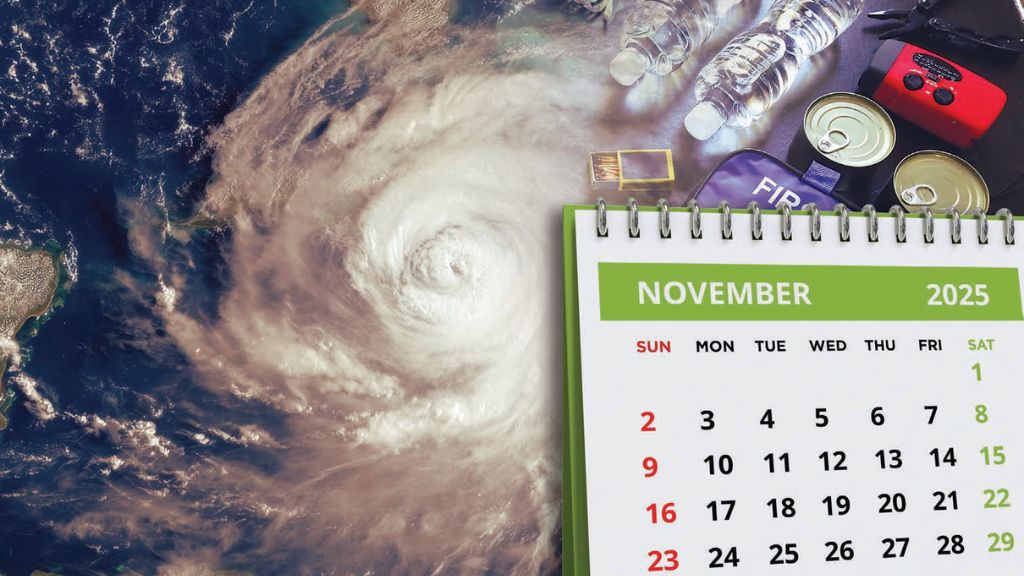
As the 2025 Atlantic hurricane season approaches its official conclusion, the Meteorological Service of Jamaica (Met Service) has issued a reminder that the island remains at risk of severe weather events. Although the likelihood of a Category 5 storm like Hurricane Melissa diminishes, the potential for rapid intensification of weaker storms persists. Rohan Brown, manager of weather services at the Met Service, emphasized that even less intense systems could bring heavy rainfall, flash floods, or landslides, causing significant damage. Historically, the peak hurricane activity occurs between August and October, but late-season storms, such as Tropical Storm Odette in December 2003, have occurred. Brown highlighted that warm sea surface temperatures, low wind shear, and an ENSO-neutral climate—conditions that favor storm development—are still present. The El Niño Southern Oscillation (ENSO) typically suppresses hurricane activity during strong El Niño phases, but its neutral state this year increases the risk of storms. Brown urged Jamaicans to remain alert, monitor weather advisories, and maintain preparedness until the season officially ends on November 30. He also called for community efforts to clear gullies and strengthen resilience, particularly in the wake of Hurricane Melissa, which caused widespread devastation in October 2025. The Category 5 storm, with winds reaching 295 kilometers per hour, resulted in 45 deaths and left many without essential services. Brown’s warnings also recalled the rare formation of Hurricane Alex in January 2016, underscoring the unpredictability of hurricane activity.
-
St Elizabeth hardest hit
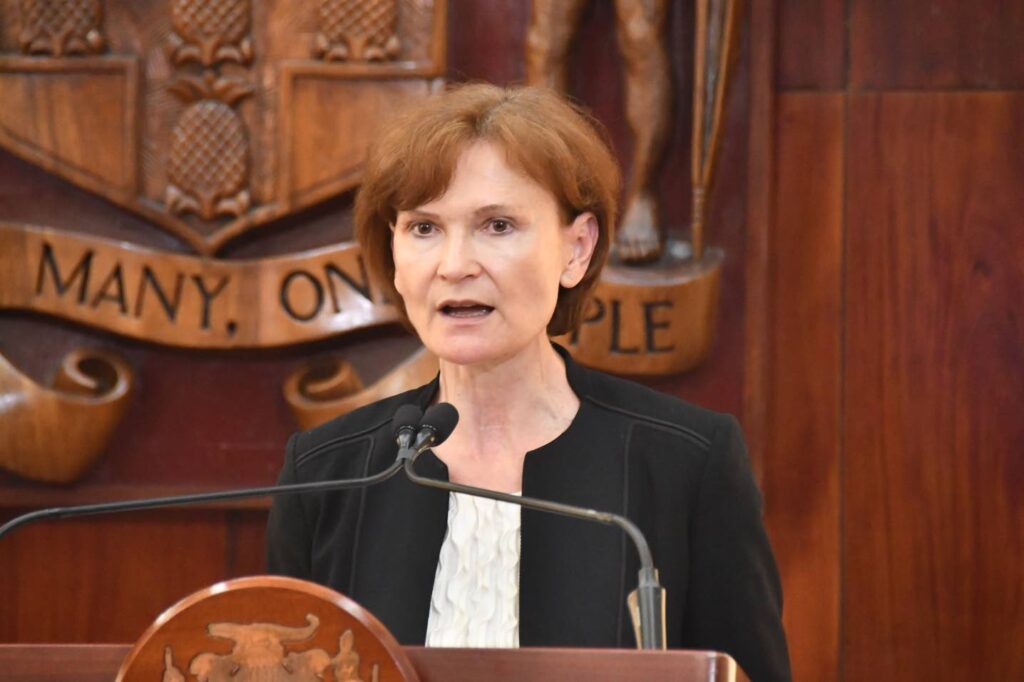
Hurricane Melissa has left a trail of destruction across Jamaica, with the parish of St Elizabeth emerging as the hardest-hit region. According to a World Bank assessment, the total physical damage from the hurricane is estimated at a staggering US$8.85 billion, equivalent to 41% of Jamaica’s 2024 GDP. St Elizabeth, along with Westmoreland and St James, accounted for 63% of the total damage, amounting to US$5.5 billion. St Elizabeth alone suffered US$2.29 billion in damages, including US$997.2 million in residential damage, US$389.5 million in non-residential damage, US$763.6 million in infrastructure damage, and US$135.7 million in agricultural losses. St James followed with US$1.82 billion in damages, while Westmoreland recorded US$1.41 billion. The hurricane’s impact extended beyond physical damage, with economic losses from disrupted tourism and sales expected to surpass the physical toll. Lilia Burunciuc, World Bank’s Caribbean Country Director, emphasized the need for a coordinated, long-term recovery strategy involving local institutions, the private sector, and communities. The World Bank and the Inter-American Development Bank are supporting Jamaica through financing and technical assistance, including the GRADE methodology, which provides rapid post-disaster damage assessments. Burunciuc highlighted the opportunity to rebuild a more resilient Jamaica, stressing that every dollar spent on reconstruction could yield six dollars in benefits.
-
JDF Coast Guard seizes cocaine valued at $3.7 billion off south coast
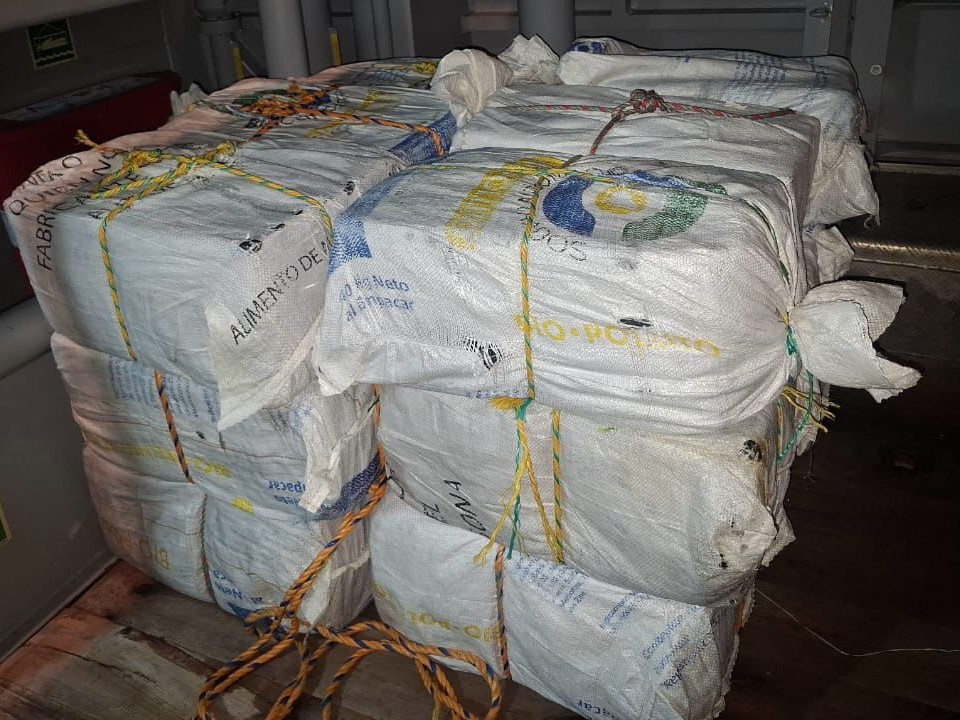
KINGSTON, Jamaica — In a landmark operation, the Jamaica Defence Force (JDF) Coast Guard has dealt a severe blow to the region’s drug-trafficking networks. On Wednesday, during a joint counter-narcotics mission off Jamaica’s southern coast, authorities intercepted and confiscated over 990 pounds of cocaine, with an estimated street value of $3.7 billion.
-
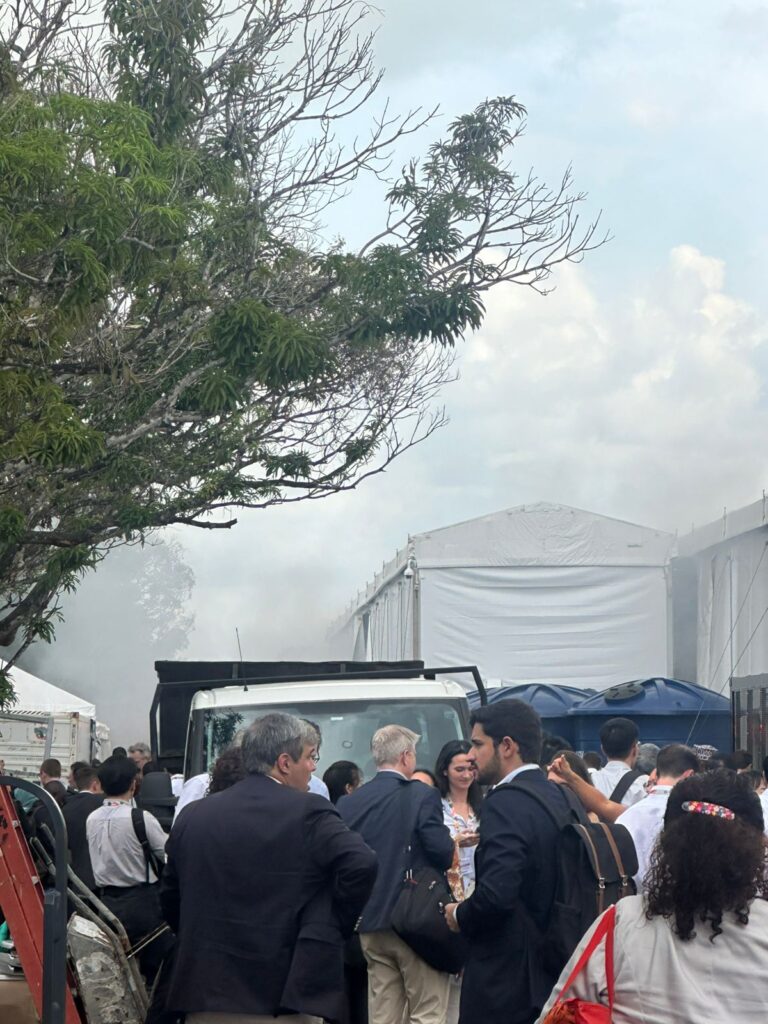
Fire triggers evacuation at COP30 venue in Brazil; Jamaican delegation safe
A sudden fire broke out at the primary venue of the United Nations’ COP30 climate conference in Belém, Brazil, causing chaos and forcing delegates and observers to evacuate the premises. The blaze erupted in a pavilion within the complex, sending thick plumes of smoke through the corridors and triggering a frantic rush for the exits. Emergency response teams swiftly arrived at the scene to contain the fire and ensure the safety of all attendees. Matthew Samuda, Jamaica’s Minister for the Environment and head of the country’s delegation, confirmed to Observer Online that all members of the Jamaican team were unharmed. The incident occurred during critical last-minute negotiations, raising concerns about potential disruptions to the high-stakes discussions aimed at addressing global climate challenges. Authorities are investigating the cause of the fire, while organizers assess the impact on the conference’s schedule and outcomes.
-
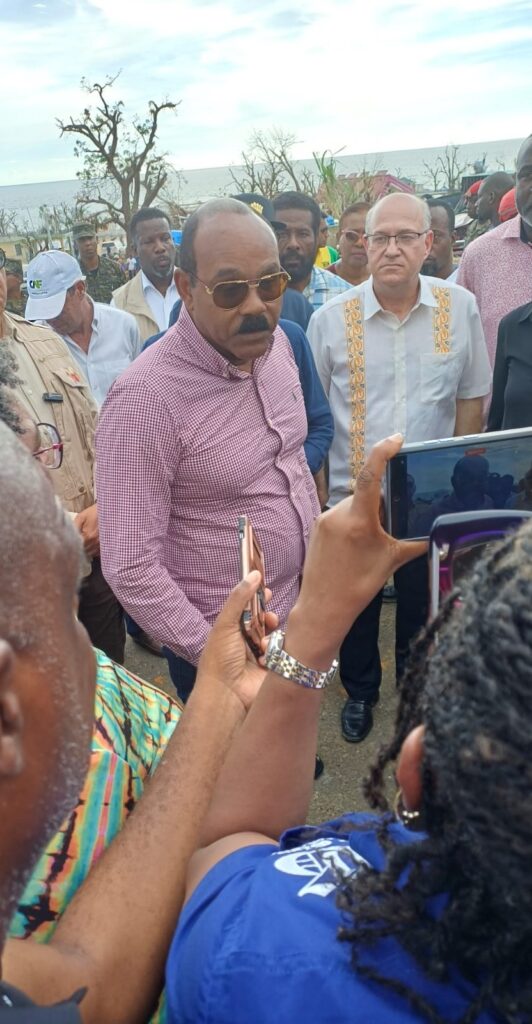
Antigua’s PM says Jamaica can bounce back bigger and better
ST JAMES, Jamaica—Gaston Browne, Prime Minister of Antigua and Barbuda, has expressed unwavering solidarity with Jamaica in the aftermath of Hurricane Melissa, drawing parallels to his nation’s recovery from Hurricane Irma in 2017. During a visit to affected areas in Westmoreland on November 17, Browne emphasized the Caribbean’s collective resilience and the potential for stronger rebuilding efforts.
Reflecting on Antigua and Barbuda’s experience, Browne highlighted how Barbuda, despite being devastated by Hurricane Irma, emerged stronger through unified efforts. ‘We rebuilt bigger and better, and Jamaica can do the same,’ he stated. He underscored the importance of regional cooperation, noting that Antigua and Barbuda has already deployed linesmen and soldiers to assist Jamaica’s recovery. Additionally, the country has pledged financial support for relief and reconstruction programs.
Browne called on international financial institutions to provide concessional financing for resilient rebuilding, warning that the cost of inaction would be measured in lives and livelihoods. He urged Jamaicans to remain steadfast, emphasizing the Caribbean’s shared history of overcoming adversity. ‘We, as Caribbean people, have always faced trials together, and this too shall pass,’ he said.
The Prime Minister reiterated his nation’s commitment to supporting Jamaica and advocating for resilient infrastructure across the Caribbean. ‘We are a small country, but our solidarity is mighty. We will do whatever we can to assist Jamaica and its people,’ he affirmed. Browne’s message underscores the importance of unity and innovation in the face of natural disasters, offering a blueprint for recovery and growth.
-
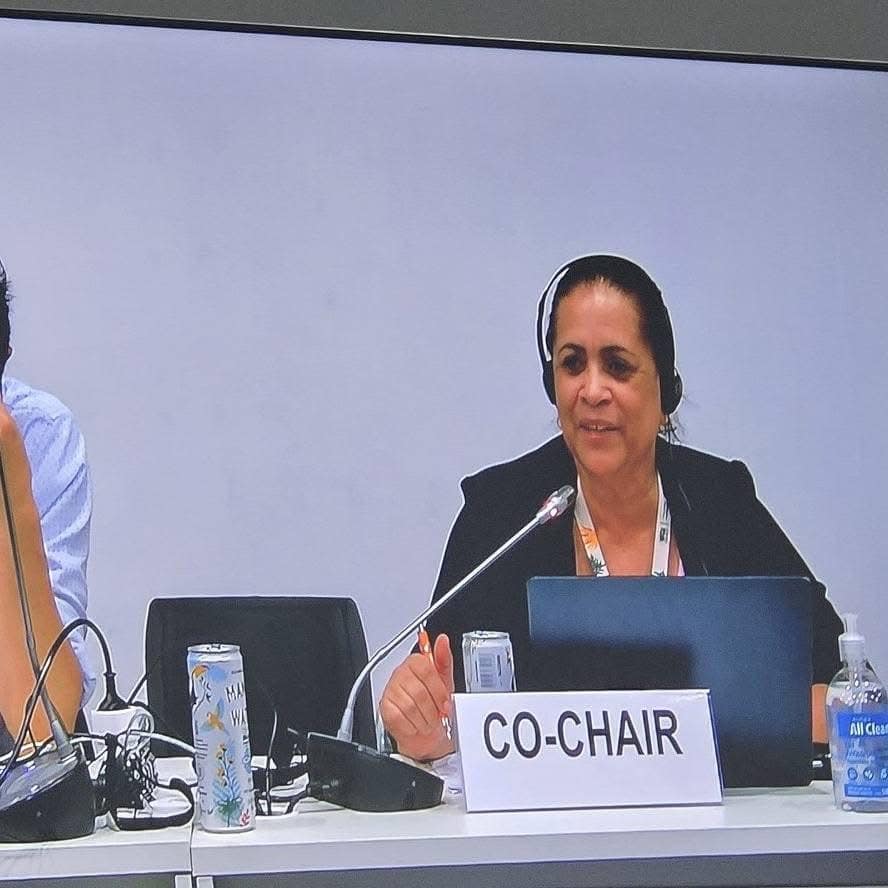
Antigua and Barbuda Co-Chairs Key UNFCCC Response Measures Negotiations Following COP
Antigua and Barbuda has reaffirmed its leadership in global climate diplomacy as Ambassador Diann Black-Layne, Director of the Department of Environment, co-chaired a pivotal meeting of the UNFCCC’s Response Measures forum. This session, held shortly after COP30 in Brazil, marked a significant step in addressing the impacts of climate mitigation policies on economies, workforces, and communities, particularly in developing nations. Ambassador Black-Layne, elected by the COP Plenary, collaborated with Ms. Veronica Bagi, a UNFCCC Climate Policy Officer, to guide complex negotiations. Their efforts underscored the collective strength of the Antiguan and Barbudan delegation, with notable contributions from Gita Gardner, Arry Simon, and Ambassador Ruleta Camacho-Thomas. A key focus for Antigua and Barbuda is ensuring a just transition for workers and industries as the world shifts toward renewable energy to meet the 1.5°C temperature goal. While a broader framework decision was adopted, unresolved issues will be escalated to the COP President for further consultation. The Ministry praised Ambassador Black-Layne and the delegation for their steadfast advocacy on behalf of Small Island Developing States (SIDS), reinforcing the nation’s commitment to equitable and responsible global climate policy.
-
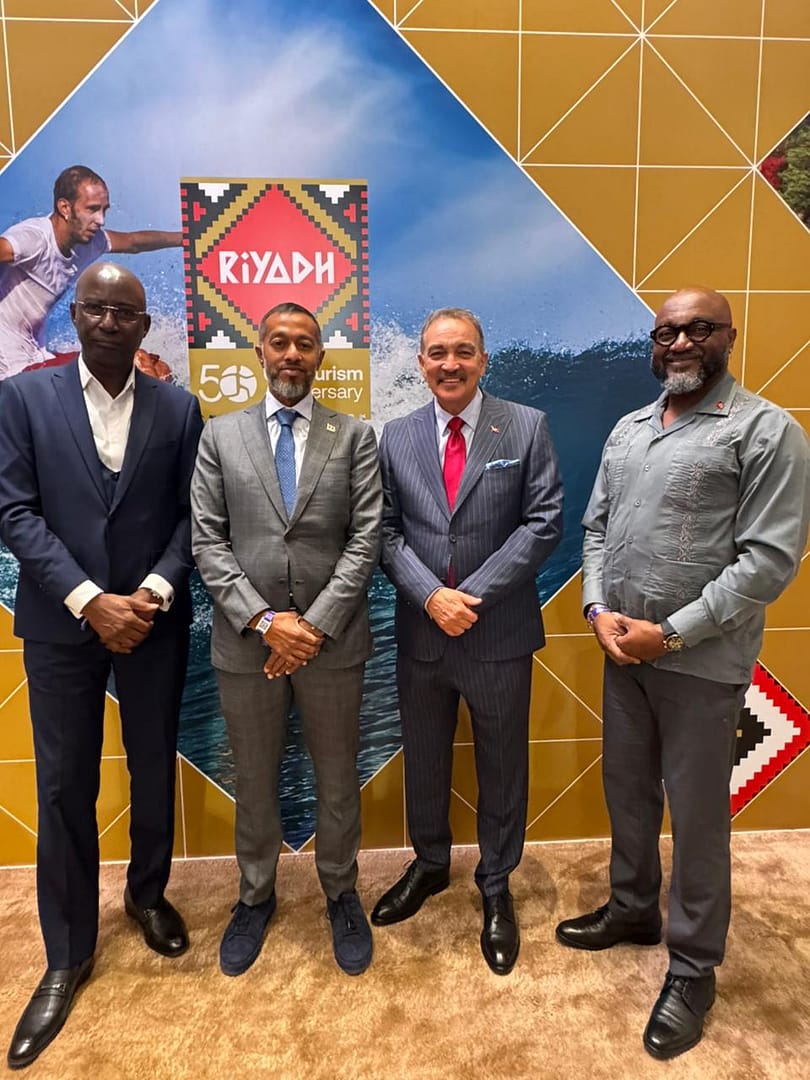
Antigua and Barbuda Elected Vice-Chair of the Executive Council’s Interinstitutional Working Group on Tourism and Climate Action
The newly established Interinstitutional Working Group on Tourism and Climate Action, under the Executive Council, has officially commenced its operations. This milestone was marked during the 26th session of the UN Tourism General Assembly in Riyadh, where representatives from 29 countries across all global regions gathered for the inaugural meeting. The formation of this group signifies a pivotal advancement in enhancing global governance and coordinated efforts to address climate challenges within the tourism industry. Brazil was elected as the Chair of the Working Group, while Antigua and Barbuda secured the position of Vice-Chair. Mr. St. Clair Soleyn, Director of Policy and Planning in Antigua and Barbuda’s Ministry of Tourism and Investment, will represent the nation in this initiative. Mr. Soleyn emphasized the critical role of small island developing states in leading climate action, stating, “As a frontline nation facing climate impacts, we are uniquely positioned to advocate for innovative, science-driven, and people-centered solutions. This appointment underscores our commitment to climate leadership.” The Hon. Charles Fernandez, Minister of Tourism, Civil Aviation, Transportation, and Investment, echoed this sentiment, highlighting the alignment of this role with Antigua and Barbuda’s long-standing vision for sustainable tourism. He affirmed, “Our election as Vice-Chair reinforces our leadership in sustainable tourism development. We will continue to champion policies and partnerships that protect our environment and ensure a thriving tourism sector for future generations.” The Working Group’s formation follows the Azerbaijan COP29 Declaration on Enhanced Climate Action in Tourism, which recognized the urgent need for global collaboration. Its mandate includes fostering partnerships, aligning strategic approaches, and accelerating the implementation of climate-resilient and low-carbon tourism policies. Additionally, the group will support the Global Partnership for Enhanced Climate Action in Tourism, reinforce the Glasgow Declaration on Climate Action in Tourism, and coordinate with the Committee on Tourism and Sustainability. It will also play a key role in advancing the One Planet Sustainable Tourism Programme, ensuring stronger synergies across the tourism value chain.
-
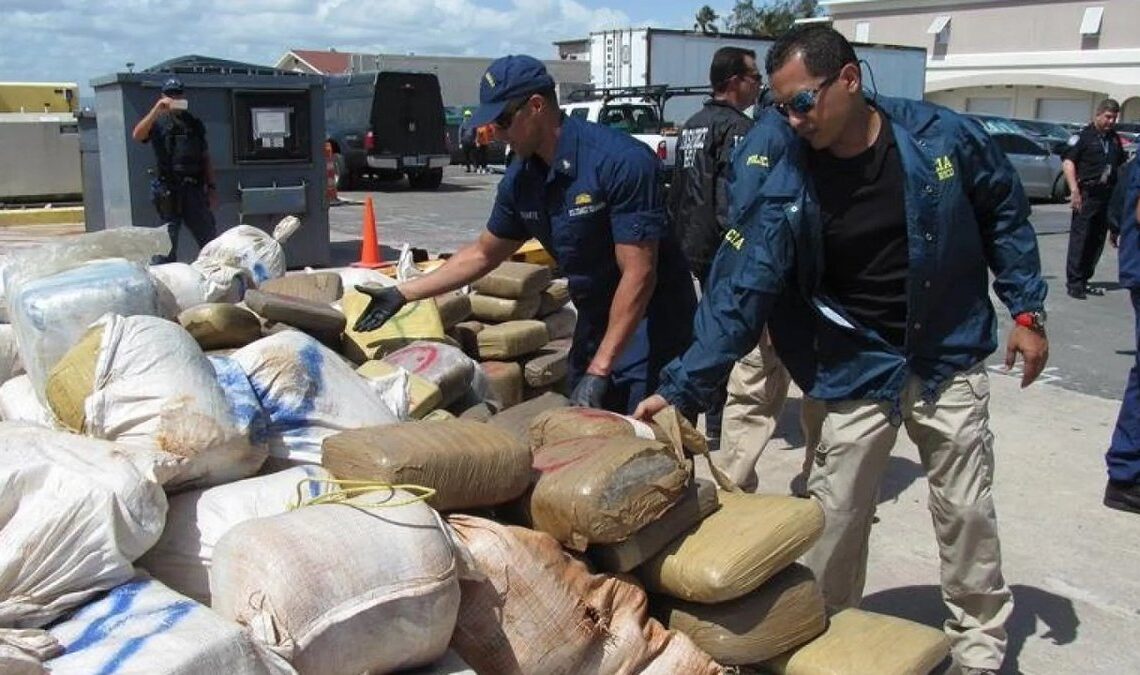
U.S. authorities intercept smuggling attempt on ship from the Dominican Republic
In a significant narcotics interception, US Customs and Border Protection (CBP) personnel in Puerto Rico have confiscated 530 kilograms of cocaine with an estimated street value exceeding $10 million. The seizure occurred aboard the M/V Lyktos, a vessel arriving from the Dominican Republic, highlighting ongoing security challenges in Caribbean maritime routes.
The discovery was made on November 11 when CBP’s Counter Terrorism Smuggling Enforcement Team conducted routine inspections. Agents identified anomalies in several containers during their initial screening, prompting an intensified examination. The narcotics were concealed using sophisticated methods, including modified chassis compartments and canvas bags strategically hidden within legitimate cargo.
Roberto Vaquero, CBP’s Director of Field Operations in San Juan, emphasized that the operation demonstrates the agency’s continued vigilance and specialized capabilities. “This seizure reflects our commitment to preventing drug trafficking through advanced detection methods and intelligence-driven operations,” Vaquero stated.
Authorities employed multiple resources including detection technology, intelligence analysis, and specially trained canine units to locate the concealed substances. The sophistication of the concealment methods indicates evolving tactics by traffickers attempting to bypass security measures.
Following the seizure, Homeland Security Investigations (HSI) has assumed control of the case for further investigation and prosecution. The waters west of Puerto Rico, particularly the Mona Passage separating the island from the Dominican Republic, remain a high-risk zone for drug trafficking activities due to their strategic location and challenging monitoring conditions.