
A 4.1 magnitude earthquake was recorded off the coast of Môle Saint-Nicolas, Haiti, on Monday, November 24, 2025, at 2:57:21 PM. The seismic event occurred 40 kilometers northwest of Môle Saint-Nicolas in the Northwest Department. The epicenter was pinpointed at coordinates 19.99° North latitude and 73.71° West longitude, with a depth of 8 kilometers. The quake was also situated 115 kilometers west of Île de la Tortue and 124 kilometers northwest of Gonaïves in the Artibonite Department. According to the Civil Protection Directorate (DPC), there have been no reports of casualties or property damage as of now. The DPC continues to monitor the situation closely, ensuring public safety and preparedness for any potential aftershocks.
分类: world
-
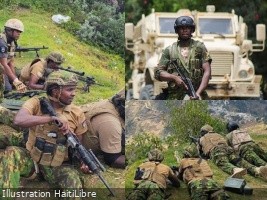
FLASH : The PNH wins the battle of Kenscoff
In a decisive operation on November 22, specialized units of the Haitian National Police (PNH), the Armed Forces of Haiti (FAd’H), and the Gang Repression Force (FRG) launched a large-scale offensive against terrorist gangs in Kenscoff. The operation targeted key areas including Viard, Bélot, Godé, Clairmanso, Carrefour Konbit, and Téléco. Law enforcement successfully dislodged criminals, cleared strategic routes, and neutralized several bandits in intense firefights, while others fled the scene. The operation also led to the safe rescue of two hostages, Thony Ermilus and Berline Bazile, who had been kidnapped earlier in November. The PNH advanced toward Furcy, forcing the remaining gang members to retreat to Thomassin, where they were intercepted and neutralized. This operation marks a significant turning point in the battle for Kenscoff, particularly with the recapture of Bélot, and underscores the effectiveness of the new ‘Anticipate, attack, and no longer be subjected’ strategy. The successful mission highlights the growing capability of Haitian forces in combating organized crime and restoring security in the region.
-

FLASH : All Sunrise Airways flights to and from Port-au-Prince suspended
In a sudden announcement, Sunrise Airways has suspended all flights to and from Port-au-Prince, Haiti, citing ‘strictly security reasons.’ The decision, effective immediately, was made to safeguard passengers, crew, and operations amidst an escalating security situation. The airline emphasized that safety remains its top priority and assured the public that no risks would be taken until conditions are deemed fully secure. Passengers affected by the suspension will be contacted directly by the airline’s sales team to arrange rescheduling, credits, or refunds in line with company policies. Sunrise Airways expressed gratitude for passengers’ understanding and reiterated its commitment to safety, transparency, and well-being. While the airline did not specify the exact cause of the suspension, a statement from Haiti’s National Civil Aviation Office (OFNAC) revealed that preliminary investigations indicate a bullet impact on one of Sunrise Airways’ aircraft, resulting in structural damage. OFNAC confirmed that authorities are preparing a detailed report and reaffirmed its dedication to ensuring the safety of air transport in Haiti. For further updates, passengers are advised to visit the airline’s official website or contact customer service.
-

US, GDF in joint exercise offshore Guyana; GDF participates in Conference of American Armies
The Guyana Defence Force (GDF) and the United States have deepened their military collaboration through a series of joint exercises and participation in regional security forums. On November 22, the GDF’s patrol vessel, GDFS Shahoud, conducted a passing exercise (PASSEX) with the US Navy’s guided-missile destroyer, USS Winston S. Churchill, off Guyana’s eastern coast. This exercise aimed to enhance interoperability, communication, and tactical readiness between the two maritime forces, reinforcing their commitment to combating illicit drug trafficking in the Caribbean. The US military emphasized that these operations align with the US Southern Command’s mission and the American president’s priorities to disrupt drug trafficking and protect national security. The GDF highlighted the success of the PASSEX as a testament to the growing security partnership between Guyana and the United States. Separately, Colonel Kenlloyd Roberts, representing the GDF, attended the 36th Cycle of the Conference of American Armies (CAA) in Mexico City. During the conference, Colonel Roberts underscored the importance of regional solidarity and cooperation in addressing emerging security threats. The CAA, supported by the US Army South, serves as a platform for senior military leaders across the Western Hemisphere to discuss shared security concerns and opportunities for collaboration. Colonel Roberts’ participation reinforced Guyana’s commitment to regional security and its strategic partnerships within the Americas.
-

Israel killed more than 340 Palestinians in Gaza after the truce
The Gaza Government Press Office has released a stark statement detailing the devastating impact of recent military actions in the region. According to the report, 24 individuals lost their lives, and 87 others sustained injuries during a series of bombings that occurred just yesterday. The statement strongly condemned what it described as systematic violations of the previously agreed-upon truce, warning that such actions could reignite a new wave of violent clashes. The Israeli Army was reported to have conducted 142 targeted attacks on civilians, residential homes, and tents housing displaced persons. Additionally, there were 228 ground and air bombings, 21 incursions, and over a hundred demolition operations carried out during this period. The Palestinian Central Bureau of Statistics (PCBS) also highlighted a concerning increase in the number of settlers in the West Bank, now exceeding 770,000, with 336,000 residing in the occupied area of East Jerusalem. Furthermore, it was reported that a total of 2,382 square kilometers of land has been confiscated, amounting to 42 percent of the West Bank’s territory.
-
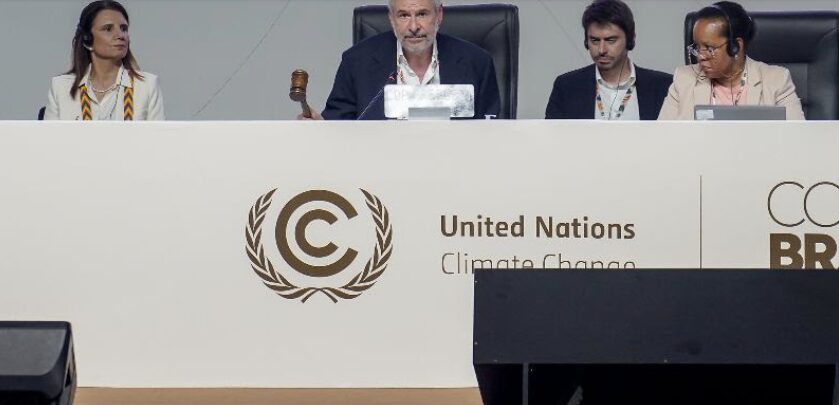
COP30 ends with incremental gains, but health risks loom without stronger action
The 30th Conference of the Parties (COP30) in Belém, Brazil, concluded with significant shortcomings, according to the Global Climate and Health Alliance. Despite high expectations, the summit failed to deliver the transformative climate action necessary to safeguard global health. Key issues included the lack of a formal agreement on phasing out fossil fuels and delays in implementing adaptation measures. Dr. Jeni Miller, Executive Director of the Alliance, expressed disappointment, stating that while some progress was made, COP30 did not mark the turning point it had promised. The Alliance, representing over 200 health and civil society organizations worldwide, emphasized that the delay in adaptation finance until 2035, instead of the requested 2030 deadline, could result in increased suffering and mortality, particularly in developing nations. These countries, already grappling with poverty, fragile health systems, and debt, are at heightened risk from escalating climate impacts. Even high-income countries are seeing their healthcare systems stretched to the limit. Brazil’s COP30 President, André Corrêa do Lago, announced plans for two roadmaps: one to halt deforestation and another to guide a just transition away from fossil fuels. However, the absence of a formal fossil fuel phaseout agreement remains a critical gap. Dr. Miller warned that without decisive action, the world risks reaching dangerous and irreversible tipping points in critical earth systems. The final text of the just transition work programme recognized the human right to health and a clean environment and established a mechanism for international cooperation and capacity-building. While these provisions were welcomed, Dr. Miller stressed the need for adequate resourcing to ensure their implementation. She called on wealthy nations to lead by example, noting that 80 countries supported a fossil fuel phaseout plan. She emphasized that leadership does not require consensus and that phasing out fossil fuels would benefit public health and reduce the financial burden on healthcare systems. Dr. Miller also reminded developed countries of their Paris Agreement commitments, calling climate finance for vulnerable nations an investment in global stability, goodwill, and cooperation. The Alliance applauded the launch of the Belém Health Action Plan but warned that without concrete implementation and sufficient climate finance, it risks remaining symbolic. Nurses and health advocates pledged to continue pressing global leaders to deliver the protections communities and future generations urgently need.
-

NGO links major chocolate brands to Liberia deforestation
MONROVIA, Liberia (AFP) — A recent investigation by the non-governmental organization (NGO) Global Witness has revealed that some of the world’s most renowned chocolate brands, including Mars, KitKat, and others, may be contributing to deforestation in Liberia’s Upper Guinean rainforest. The report, published on Tuesday, highlights the environmental impact of cocoa production in the region, despite many companies’ claims of sustainability.
-
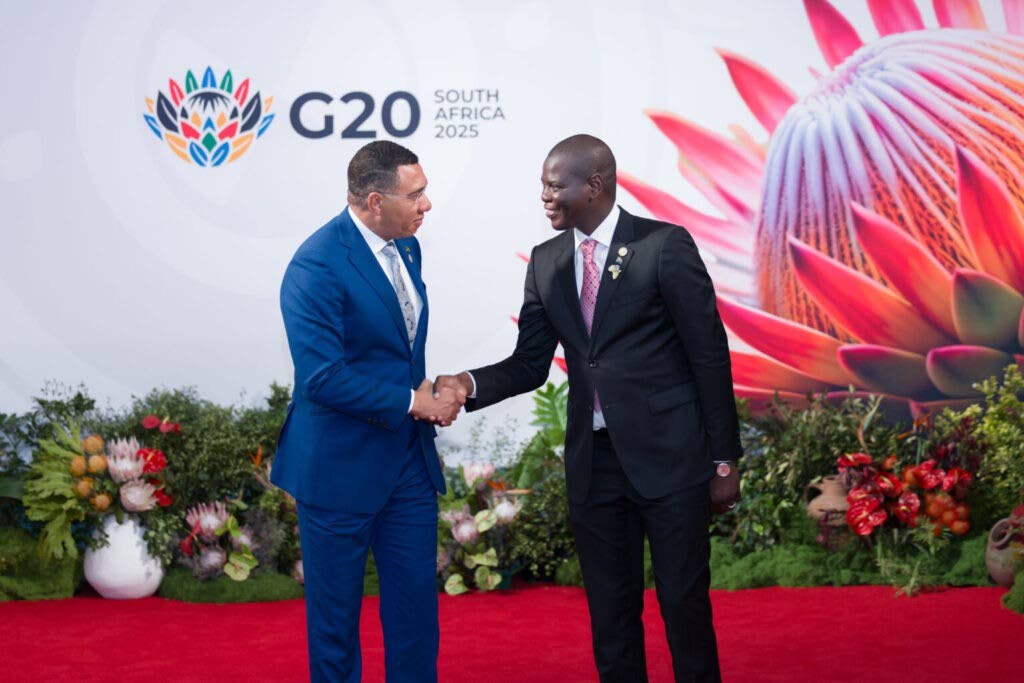
PM urges climate action at G20, meets with IMF and World Bank over hurricane devastation
KINGSTON, Jamaica — Prime Minister Andrew Holness seized the platform at the G20 summit to issue a dire warning about the escalating threat of climate change, highlighting the catastrophic impact of Hurricane Melissa, one of the most intense Atlantic storms in history. Holness emphasized that for Small Island Developing States (SIDS) in the Caribbean, climate change poses an existential crisis, capable of undoing decades of developmental progress and destabilizing national economies in a single event.
-

Antigua and Barbuda Climate Ambassador Says COP30 Deal Lacks Ambition but Offers “Platform to Build On”
Antigua and Barbuda’s Climate Change Ambassador, Ruleta Camacho-Thomas, has expressed deep disappointment with the outcomes of COP30, stating that the final agreement lacks the necessary ambition to safeguard the world’s most vulnerable nations. Speaking to BBC News from Belém, Brazil, Camacho-Thomas highlighted the limited progress made at the summit, particularly in areas of mitigation, adaptation, and climate finance. She criticized the exclusion of fossil fuels from the final text and the minimal attention given to deforestation, describing these omissions as significant setbacks. Despite these shortcomings, she acknowledged that negotiators managed to prevent any regression from previous agreements, maintaining a fragile equilibrium. Camacho-Thomas pointed to the inclusion of language on tripling adaptation finance as a hard-won achievement, though she emphasized that this pledge remains insufficient. She stressed the urgent need for implementation of both current and past COP agreements, warning that small island states cannot afford to wait for future summits to address their pressing climate challenges. The ambassador expressed cautious optimism that Brazil, which holds the COP presidency until next year, will push for greater ambition in the coming months. However, she underscored the necessity for immediate action, particularly in discussions on fossil fuels and adaptation. Despite her frustrations with the slow pace of negotiations, Camacho-Thomas defended the COP process as a critical platform for developing countries and small island states to voice their concerns and secure binding decisions. With Antigua and Barbuda facing escalating climate impacts, including intensifying storms and rising sea levels, she called for urgent international assistance to bolster resilience and mitigate future losses.
-
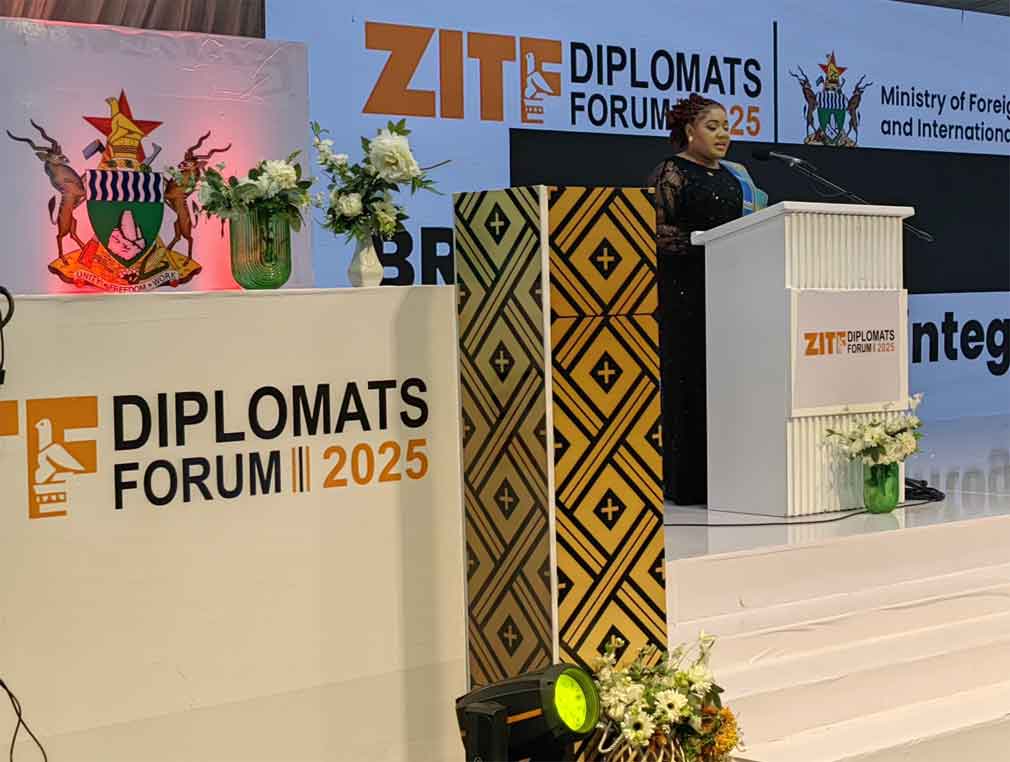
Zimbabwe’s deputy minister leads delegation to Havana Fair (+Photo)
Zimbabwe’s participation in the upcoming FIHAV 2025 underscores the enduring political, economic, and fraternal bonds between the nation and its historic ally. The delegation, led by Chikomo, comprises officials from key ministries such as Land, Agriculture, Fisheries, Water, and Rural Development; Information, Advertising, and Broadcasting; and Women’s Affairs, Community, and Small and Medium Enterprise Development. Their presence highlights Zimbabwe’s commitment to exploring new avenues for collaborative economic ventures. Additionally, representatives from the Trade Promotion Agency and biopharmaceutical firm BPZ will engage in a packed agenda at the event. Deputy Prime Minister and Foreign Trade and Foreign Investment Minister Oscar Perez-Oliva confirmed that FIHAV 2025, featuring the 8th Investment Forum and other high-level meetings, will host delegates from approximately 50 countries and the European Union, further solidifying its role as a global platform for economic cooperation.